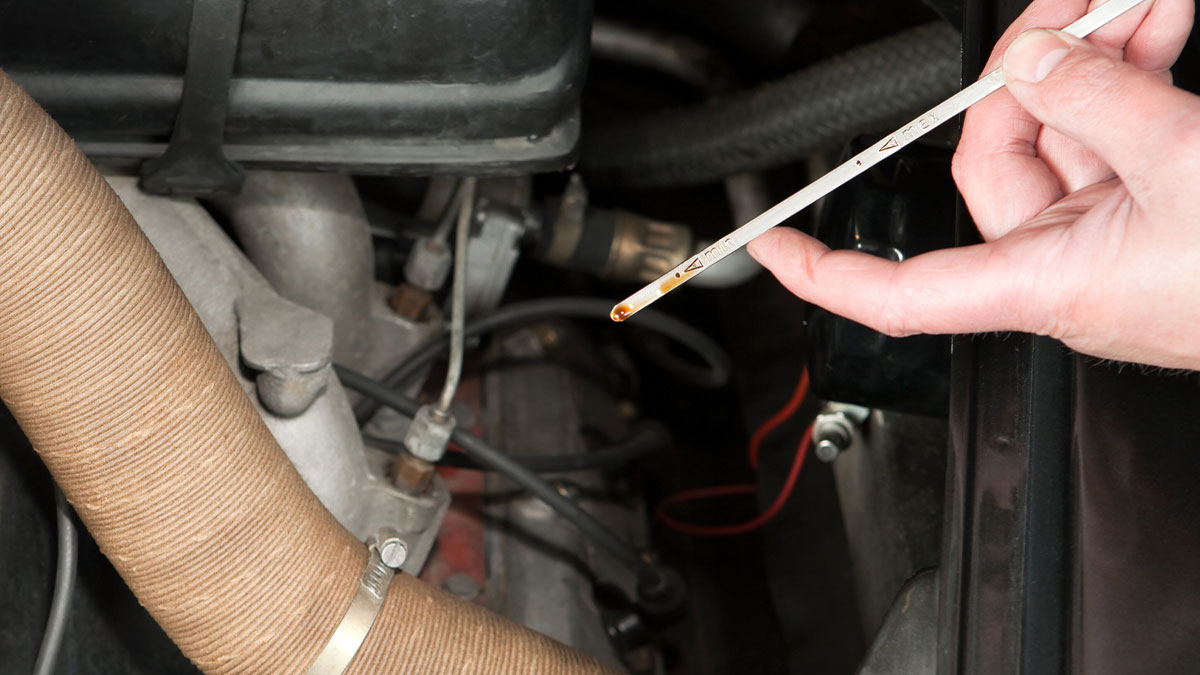
Check the engine oil dipstick on level ground with the engine off. If the oil mark sits below the minimum line, the engine may need oil. A red oil pressure warning light means you should stop safely and shut off the engine.
If you drive to work, take the kids to school, or head out on a long interstate trip in the United States, checking your engine oil can help you avoid an expensive breakdown. Your car may run normally even when the oil level is too low. That is why you should check the level instead of waiting for a dashboard warning or an unusual engine sound.
The easiest way to tell if engine oil is low is to use the dipstick, if your vehicle has one. You can also watch for oil warning lights, new engine noises, oil spots under the car, or a burning oil smell. These signs can help you spot a problem, but a dipstick reading or the vehicle’s approved electronic oil-level check is usually the better way to confirm the level.
This guide explains how to check the oil, read the results, add the right amount, and decide when it is unsafe to keep driving. The exact procedure can vary by vehicle, so use your owner’s manual for the correct temperature, waiting time, oil grade, and filling instructions.
Source: hitchesguide.com
What Are the Main Signs of Low Engine Oil?
Low engine oil can show up in several ways, but not every car gives clear warning signs. Some engines continue to sound and feel normal until the oil level becomes dangerously low. A regular level check is more dependable than waiting for symptoms.
The most useful clues are a low dipstick reading, an oil warning light, new engine noise, visible leaks, and signs that the engine is consuming oil. Each clue means something slightly different, so it helps to know what you are seeing.
Source: carmechan.com
Oil below the dipstick’s minimum mark
This is a direct sign that the measured oil level is below the marked safe range. Add the correct oil as directed by the owner’s manual and recheck before driving.
Red oil pressure warning light
This often signals low oil pressure rather than simply a low oil level. Stop safely and shut off the engine as soon as possible. Do not assume adding oil will solve the problem.
New ticking, tapping, or knocking
Insufficient lubrication can contribute to engine noise. However, other mechanical faults can cause similar sounds, so a noise alone cannot confirm that the oil level is low.
Oil spots beneath the vehicle
Fresh oil on the driveway, garage floor, or parking space may point to a leak. Check the level and look for the source without reaching beneath an unsupported vehicle.
Burning oil smell or blue-gray exhaust smoke
These signs can indicate that oil is reaching hot engine parts or burning inside the engine. They need investigation because the oil level may continue to fall.
Repeated need to add oil
If the dipstick keeps showing a low level between scheduled oil changes, the engine may be leaking or consuming oil. Track the amount added and have the cause checked.
Can an Engine Have Low Oil Without Warning Signs?
Yes. An engine can have less oil than it needs while running quietly and showing no warning light. Many dashboard oil pressure systems are designed to warn about pressure problems, not to report every small drop in oil level.
For example, a car may use oil gradually during normal operation or develop a small leak that leaves little evidence on the ground. A driver who checks only when a warning appears may miss the problem until the oil level becomes more serious.
Check the level at the interval recommended by the manufacturer. Check it more often if the vehicle has a history of oil consumption, you are preparing for a long trip, or you have noticed a new leak.
Best practice
Use the dipstick or the approved electronic level-check method instead of relying on engine sound or dashboard warnings alone.
How to Check If Engine Oil Is Low With a Dipstick
Checking the dipstick is a straightforward task on vehicles that have one. You need a safe, level place to park, a clean paper towel or lint-free cloth, and the engine oil recommended for your vehicle if you need to top it up.
Before starting, read the owner’s manual. Some vehicles require the engine to be cold, while others specify checking after the engine has warmed up and then been switched off for a set waiting period. Following the correct procedure helps prevent a misleading reading.
Source: www.youtube.com > The Savvy Professor
Step 1: Park on level ground
Choose a flat driveway or parking space, away from moving traffic. A slope can cause oil to collect at one end of the oil pan and distort the dipstick reading.
Step 2: Switch off the engine
Turn off the engine and follow the manufacturer’s instructions for how long to wait. Keep your hands, clothing, and tools away from hot parts and moving components.
Step 3: Find the dipstick
Open the hood using the correct release and support it as designed. Look for the engine oil dipstick handle, which is often brightly colored, and confirm its location in the owner’s manual.
Step 4: Pull out and wipe the dipstick
Remove the dipstick and wipe the measuring end clean with a lint-free cloth or paper towel. This clears oil that may have splashed onto the stick while the engine was running.
Step 5: Insert it fully again
Push the dipstick all the way into its tube. A partial insertion can lead to an inaccurate reading.
Step 6: Remove it and read the level
Pull the dipstick out again and look at the oil film near the marked measuring area. Check which side gives the clearest reading, and compare the oil mark with the minimum and maximum indicators.
Step 7: Repeat if the result is unclear
Wipe the dipstick, insert it fully, and check again. If the level remains difficult to read or no oil appears on the measuring area, consult the manual and avoid running the engine if a dangerously low level is possible.
How to Read the Minimum and Maximum Marks
Most dipsticks use two marks, holes, notches, or labeled lines to show the acceptable range. The lower mark represents the minimum level, and the upper mark represents the maximum level under the specified checking conditions.
If the oil sits between the marks, the level is generally within the indicated range. If it reaches the lower mark, it is at the minimum, not necessarily empty. If it falls below the lower mark, add the correct oil according to the manufacturer’s instructions.
Do not assume every engine holds the same amount of oil between its marks. The difference varies by vehicle, and the owner’s manual may state the quantity needed to move from minimum to maximum.
Below minimum
The oil level is too low for the normal indicated range. Top up with the specified oil and recheck before normal use.
Between minimum and maximum
The reading is within the marked range. You usually do not need to add oil solely because the level is not at the top mark.
Above maximum
The engine may be overfilled. Do not assume extra oil is beneficial; an excessive level can cause problems and may require removal of the excess.
What If the Dipstick Is Dry?
If no oil appears on the dipstick after you repeat the check correctly, treat the result as serious. It may mean the oil level is far below the measuring range, although an incorrect checking procedure can also cause confusion.
Do not start the engine simply to see whether the warning light goes away. Confirm the procedure in the manual and seek roadside assistance or a qualified mechanic if the level remains unmeasurable. If you know the correct oil specification, you may need to add oil carefully, but a completely dry dipstick warrants extra caution and does not establish how much oil remains in the engine.
Avoid guessing the quantity
The engine may still contain some oil even if the dipstick is dry. Adding a large amount without measuring can lead to overfilling.
How to Check Engine Oil Without a Dipstick
Some modern vehicles use an electronic oil-level sensor and display instead of a conventional dipstick. If your car has no dipstick, do not assume that a missing handle means something is broken or that you should remove a component to check the oil.
The correct procedure depends on the make, model, engine, and year. The owner’s manual may require the car to be parked on level ground, the engine to reach a particular temperature, or the ignition to be in a specified state before the reading appears.
Source: storage.googleapis.com
Find the oil-level display
Look in the vehicle information menu or dashboard display for the engine oil-level function. Use the manual to confirm the correct menu and procedure.
Follow the specified conditions
If the manufacturer requires a warm engine or a waiting period, follow those steps. A reading taken under the wrong conditions may be unavailable or inaccurate.
Read the result carefully
A normal level reading is different from a low-level warning and from an oil pressure warning. Read the exact message and follow its instructions.
Respond to a failed measurement
If the display cannot measure the oil level, do not treat that as proof the level is normal. Check the manual or contact a qualified repair shop.
Oil Level Sensors and Oil Pressure Sensors Are Not the Same
An oil-level sensor checks how much oil is in the engine under the system’s specified conditions. An oil pressure sensor or switch monitors pressure in the lubrication system. These are related measurements, but they answer different questions.
A vehicle can have an acceptable oil level and still suffer from low oil pressure because of a pump fault, a blocked oil passage, excessive internal wear, or another mechanical problem. It can also have a low oil level before a pressure warning appears.
This distinction matters when a warning appears. A red oil-can symbol commonly indicates a pressure problem, although symbols and messages vary by vehicle. Follow the exact instructions in the owner’s manual and stop the engine when the warning calls for it.
Oil-level warning
Usually indicates that the amount of oil needs attention. Check the level using the specified method.
Oil-pressure warning
Can indicate that the engine is not receiving adequate oil pressure. Stop safely, switch off the engine, and arrange assistance if the warning persists or appears while driving.
Dashboard Warning Lights That May Point to an Oil Problem
Dashboard oil warnings deserve attention, but the symbol and color matter. A red oil-can icon commonly signals low oil pressure, while some vehicles use a separate message to report low oil level. Your owner’s manual is the best source for the meaning of the exact symbol in your car.
Do not wait for a warning to check the level. Some vehicles do not provide a dedicated low-level alert, and a pressure warning may appear only after lubrication has already become inadequate.
Source: rexburgcarshop.com
Red oil pressure light while driving
Pull over at a safe place and shut off the engine promptly. Continuing to run the engine can cause severe damage if oil pressure is inadequate.
Low oil level message
Park safely and check the level using the method specified by the manufacturer. Add the approved oil if needed, then confirm that the message clears as directed.
Oil change reminder
This often indicates that scheduled maintenance is due rather than proving the oil level is low. Check the level separately and follow the service interval.
Oil light that stays on after starting
A warning that remains illuminated beyond the normal startup check needs prompt attention. Shut off the engine and consult the manual or a repair professional.
Can You Drive With the Oil Light On?
If the red oil pressure warning comes on while the engine is running, you should not continue driving to a repair shop just to save time. Find a safe place to stop, switch off the engine, and arrange roadside assistance or towing if the warning indicates a pressure problem.
If the vehicle displays a low oil level message without a pressure warning, the response may differ. Check the manual and oil level, and do not drive if the level is below the permitted range, the engine is noisy, or the message indicates an urgent condition.
A warning that disappears after adding oil does not prove the engine is healthy. If the warning returns, the level drops quickly, or the engine makes unusual sounds, have the vehicle inspected before driving further.
Safest decision
Treat an active red oil pressure warning as an urgent stop condition. Do not restart the engine to test it repeatedly.
What Does Low Engine Oil Sound Like?
Low engine oil can contribute to ticking, tapping, rattling, or knocking because moving parts may not receive adequate lubrication. The sound may become more noticeable as the engine runs, but sound alone cannot tell you how much oil remains.
Engine noises have many possible causes. A brief ticking noise, for example, may come from valve-train components, while a deep metallic knock may signal a serious internal fault. The key is to treat a new or worsening noise as a warning rather than trying to diagnose the engine by sound alone.
Source: motoradvises.com
Ticking or tapping
May be linked to valve-train lubrication or other mechanical components. Check the oil level and stop the engine if the sound is severe or accompanied by an oil pressure warning.
Deep knocking
Can indicate serious internal engine damage. Shut the engine off as soon as it is safe and arrange professional inspection.
Grinding or sudden loud mechanical noise
Do not assume that adding oil will correct it. Stop running the engine and seek assistance.
Noise after an oil change
Check for an incorrect oil level, the wrong oil specification, a loose filter, or a leak. If the noise persists or the pressure warning appears, switch off the engine and get professional help.
Can Low Oil Make an Engine Run Hot?
Oil helps reduce friction and carries heat away from some engine parts. If the level becomes too low, lubrication and heat control may suffer, which can contribute to excessive wear and overheating in some conditions.
However, an overheating engine does not automatically mean the oil is low. Coolant loss, a faulty thermostat, radiator problems, a failing water pump, or other cooling-system faults can cause the temperature to rise.
If the temperature gauge enters the danger zone or an overheating warning appears, stop safely and follow the manufacturer’s instructions. Never open a hot radiator or coolant reservoir that is pressurized. Check the oil only when it is safe to do so, and investigate the cooling problem separately.
Do not confuse the systems
Engine oil and engine coolant have different jobs. A correct oil level does not rule out a cooling-system fault.
How to Add Engine Oil When the Level Is Low
If the oil level is below the minimum mark and there is no sign of a serious mechanical problem, adding the correct engine oil may bring it back into the permitted range. First, confirm the oil grade and specification listed in the owner’s manual or on the manufacturer’s approved maintenance information.
Do not choose oil by brand name or viscosity alone. Two oils with the same viscosity can have different approvals, and some engines require a specific performance standard. Using the correct product matters for engine protection, emissions equipment, and warranty requirements.
Source: storage.googleapis.com
Step 1: Confirm the required oil
Check the manual for the recommended viscosity, such as 0W-20 or 5W-30, and any required manufacturer approval or industry specification. Do not assume these examples fit your vehicle.
Step 2: Park and prepare safely
Keep the vehicle on level ground, switch off the engine, and allow the required waiting time. Make sure the engine is safe to work around and the filler area is free of dirt.
Step 3: Open the correct filler cap
Find the engine oil filler cap using the manual. Do not pour oil into the coolant reservoir, brake fluid reservoir, or another opening.
Step 4: Add a small amount
Pour in a modest amount of the approved oil. If the level is only slightly low, a small top-up may be enough. When the reading is very low, follow the manufacturer’s capacity guidance rather than guessing.
Step 5: Allow the oil to settle
Wait for the interval specified by the manufacturer so the oil can drain into the sump before measuring again.
Step 6: Recheck the level
Use the dipstick or electronic procedure again. Add more only if needed, checking after each small addition.
Step 7: Secure the cap
Replace the oil filler cap and fully seat the dipstick, if fitted. Wipe away any spilled oil and confirm that no tools or cloths remain in the engine bay.
How Much Oil Should You Add?
There is no single amount that works for every car. The quantity needed depends on the engine, its oil capacity, the current level, and the distance between the dipstick’s minimum and maximum marks.
For example, if a hypothetical owner’s manual states that the measured range from minimum to maximum represents one quart, a reading near the minimum may call for less than a quart to reach the upper mark. That example is illustrative only; your vehicle may use a different quantity.
Add oil gradually and stop when the level reaches the permitted range. Filling to the maximum mark is not always required, but exceeding it can cause problems. If the dipstick remains dry or the amount needed is unclear, consult the manual or a mechanic rather than pouring in several quarts without checking.
Never overfill
Too much oil can cause foaming, increased crankcase pressure, leaks, or other engine problems. Correct an overfilled engine before normal driving.
Use the right measuring method
A dipstick reading or approved electronic level check is more useful for topping up than estimating from the number of bottles poured in.
Can You Mix Different Engine Oil Brands?
If you need to top up in an emergency, oils from different brands may be compatible when they meet the same required viscosity and specifications. However, matching the vehicle’s required standard is more important than the brand name, and mixing products is not a substitute for following the manufacturer’s recommendations.
If the available oil does not meet the required specification, do not assume that any oil is suitable. Check the manual or contact a qualified service provider, especially for vehicles with strict manufacturer approvals or specialized engines.
Best approach
Use an oil that meets the exact requirements for your engine, and keep a record of any top-up so the next service provider knows what was added.
Why Does Engine Oil Become Low?
Engine oil levels can fall for several reasons. Some engines consume a small amount of oil during normal operation, while others may lose oil because of a worn seal, a leaking gasket, a damaged component, or a maintenance error.
A low reading is a result, not a full diagnosis. Topping up can restore the level for the moment, but you still need to understand why the oil fell if the problem repeats.
Source: hitchesguide.com
External oil leaks
Leaks may develop around the oil filter, drain plug, oil pan, valve cover, or seals. A visible puddle is one clue, but a leak can also leave residue on the engine without reaching the ground.
Oil consumption inside the engine
Oil can enter the combustion chamber and burn because of worn or damaged engine parts or problems with the crankcase ventilation system. Blue-gray exhaust smoke may be one clue, but some cases produce little visible smoke.
Long intervals between checks
If you rarely inspect the level, gradual oil loss may go unnoticed until the reading reaches the minimum mark or drops below it.
Incorrect filling during service
An engine may start with too little oil if the wrong quantity was added during an oil change or a service error occurred. A recent oil change does not guarantee that the level is correct.
Loose or damaged oil filter or drain plug
Oil may escape if a filter or drain plug is not installed correctly or a sealing surface is damaged. A sudden leak after service requires prompt attention.
How Often Should You Check Engine Oil?
Follow the schedule in your owner’s manual. The correct interval depends on the engine, vehicle design, driving conditions, and the manufacturer’s maintenance plan.
A check before a long road trip is a useful habit, particularly if you will be driving across several states or spending hours on highways. More frequent checks may be sensible if your vehicle is older, has a known oil-consumption issue, or has recently developed a leak.
Do not rely only on the oil change reminder. That reminder may be based on time, distance, operating conditions, or a maintenance algorithm, and it does not necessarily report the current amount of oil in the engine.
At routine intervals
Check as often as the manual directs, and learn the normal reading for your vehicle.
Before a long trip
Check the level and inspect for leaks, especially if the vehicle has shown signs of oil consumption.
After a warning or repair
Verify the level using the correct procedure and confirm that any warning or leak has been addressed.
Low Engine Oil Symptoms and What to Do Next
The safest next step depends on the sign you notice. A slightly low dipstick reading without other symptoms is different from a red pressure warning, a dry dipstick, or a loud engine knock.
Use the following table as a practical guide. It is not a substitute for your owner’s manual, and an urgent warning or severe noise should take priority over routine troubleshooting.
Source: detroitchinatown.org
A Simple Decision Table
Match the symptom to the response, but do not treat a single clue as a confirmed diagnosis. If two or more serious signs appear together, choose the safer option and stop running the engine.
Oil slightly below minimum, no warning or unusual noise
Add the correct oil in small amounts, recheck the level, and look for signs of a leak. Arrange an inspection if the level drops again.
No oil visible on the dipstick
Do not start the engine to test it. Confirm the checking method and seek assistance if the reading remains dry.
Red oil pressure warning while driving
Stop safely, switch off the engine, and arrange assistance. Do not continue driving merely because the engine still sounds normal.
Loud knocking or grinding
Shut off the engine as soon as safely possible. Do not assume topping up will prevent damage.
Oil puddle or sudden oil loss
Avoid driving until the leak and level have been assessed. A substantial leak can drain the engine quickly.
Oil level above maximum
Do not add more oil. Have the excess removed if necessary and investigate whether the engine was overfilled or the reading was taken incorrectly.
Repeated low readings despite top-ups
Record how much oil you add and how far you drive between checks. Have a mechanic inspect for leaks and internal oil consumption.
What If the Warning Light Stays On After Adding Oil?
If the red oil pressure warning remains on after you add oil, switch off the engine and do not keep restarting it. The problem may involve the oil pump, a blocked passage, an internal fault, a faulty sensor, or another issue that adding oil cannot fix.
A mechanic can check oil pressure using the correct test procedure and determine whether the problem is related to the oil supply, the engine itself, or the warning system. If the vehicle needs to be moved, towing is safer than driving with an unresolved pressure warning.
Do not clear the warning by guessing
The absence of a visible leak or a normal dipstick reading does not prove that oil pressure is adequate.
Common Mistakes When Checking Engine Oil
A dipstick check is simple, but a few small errors can produce the wrong reading or lead to an unsafe decision. Taking an extra minute to confirm the procedure can prevent an unnecessary top-up or help you spot a serious problem sooner.
Source: motoradvises.com
Checking on a slope
Park on level ground because a tilted vehicle can change the apparent oil level.
Reading the dipstick without wiping it
Oil splashed along the stick may look like a higher level than the actual reading. Wipe it clean and repeat the measurement.
Checking too soon after shutdown
Some oil may still be draining back into the sump. Use the waiting time specified by the manufacturer.
Assuming the oil must reach the top mark
The acceptable range is between the minimum and maximum marks. Do not add oil merely to reach the maximum if the level is already within range.
Pouring in too much oil at once
A large addition can push the level above maximum. Add a small amount, wait, and check again.
Using the wrong oil
An oil can have the right viscosity but lack a required approval. Confirm the full specification in the manual.
Ignoring a pressure warning because the level looks normal
Oil quantity and oil pressure are different. A normal level does not rule out a serious lubrication fault.
Checking beneath an unsupported car
Never crawl under a vehicle supported only by a jack. Use proper equipment and safe procedures, or leave the inspection to a professional.
Can You Check Oil While the Engine Is Running?
For most vehicles with a conventional dipstick, you should check the oil with the engine off and follow the manufacturer’s specified waiting period. Removing the dipstick while the engine is running can expose you to hot or moving parts and may produce an unreliable reading.
Some vehicles have special electronic procedures or other manufacturer-specific instructions. Follow the manual for your exact vehicle instead of applying one rule to every engine.
Safe default
Switch off the engine, park on level ground, and follow the prescribed checking method.
Frequently Asked Questions
Q
How do I know if my car needs oil without checking the dipstick?
Possible clues include a low oil level message, a red oil pressure warning, new engine noises, oil spots beneath the vehicle, or a burning oil smell. However, none of these signs reliably measures the amount of oil remaining in the engine. If your vehicle has an electronic oil-level system, follow the owner’s manual to obtain a reading. If it has a dipstick, checking it is usually the simplest way to confirm the level.
Q
Will a car tell you when the engine oil is low?
Some vehicles display a low oil level message, but others do not have a dedicated low-level warning. Many oil-can warning lights monitor oil pressure rather than oil quantity. Check your owner’s manual to understand which alerts your vehicle provides, and inspect the oil level at the recommended intervals even when no warning appears.
Q
How long can you drive with low engine oil?
There is no safe universal distance. A small drop that remains within the permitted range is different from an oil level below minimum or a loss of oil pressure. If the red oil pressure warning appears, stop safely and shut off the engine. If the dipstick shows a low level, correct it according to the manual before normal driving, and do not drive if there is a major leak, severe noise, or another urgent warning.
Q
What happens if engine oil is below the minimum mark?
The engine may have less oil available to lubricate moving parts and manage heat. The severity depends on how low the level is and whether oil pressure is still adequate, but continued operation can increase wear and may cause severe engine damage. Add the specified oil carefully, recheck the level, and investigate why it became low. A below-minimum reading should not be ignored even if the engine sounds normal.
Q
Can low engine oil cause the check engine light to come on?
Low oil can sometimes contribute to faults that trigger the check engine light, especially if an engine system that relies on oil pressure or flow is affected. However, the check engine light has many possible causes and does not directly confirm that the oil level is low. Check the oil level and read the vehicle’s diagnostic codes if the light remains on. If a red oil pressure warning or severe engine noise occurs, shut off the engine and address that urgent problem first.
Q
What color should engine oil be when the level is low?
Oil color does not tell you how much oil remains in the engine. Fresh oil may be amber or light brown, and used oil often becomes darker during service. Some oil can darken quickly while still performing its intended job. Check the level using the dipstick or approved electronic method, and investigate unusual milky residue, a strong fuel smell, or other abnormal signs with a qualified mechanic.
Q
Can I add engine oil without changing all the oil?
Yes. If the level is low and the existing oil is otherwise suitable, you can often top it up with oil that meets the manufacturer’s required specification. Topping up does not replace a scheduled oil and filter change, and it will not fix a leak or excessive oil consumption. Follow the maintenance schedule and check the level again after adding oil.
✦ Wrapping Up
Conclusion
The most dependable way to know if engine oil is low is to check the dipstick or use the vehicle’s approved electronic oil-level system. A reading below minimum, a low oil message, repeated oil loss, or fresh oil beneath the car deserves attention. Engine noise and warning lights can provide useful clues, but they do not all mean the same thing.
If the level is low, use the oil grade and specification required for your vehicle. Add it in small amounts, allow the oil to settle as directed, and recheck the level before driving normally. Never overfill the engine, and do not assume that topping up fixes the cause of oil loss.
Most importantly, treat a red oil pressure warning, a dry dipstick, a major leak, or a loud metallic engine noise as a serious problem. Shut off the engine when it is safe, and arrange professional help if the cause is not clear. A short, careful check can help you catch an oil problem before it becomes a costly repair.
💡 Key Takeaway
Park on level ground, switch off the engine, follow your owner’s manual, and check the oil level today. If it is below minimum, top up with the correct oil and recheck. If the red oil pressure light is on, the engine is knocking, or oil is leaking heavily, do not keep driving.
Compare the best engine oil for motorcycles, including synthetic and conventional options. Find the right oil for smooth performance and engine protection.
If you’re standing in the autoparts aisle, the real question is often simple: how much does motor oil cost? A conventional quart may cost $4 to $9, while a…
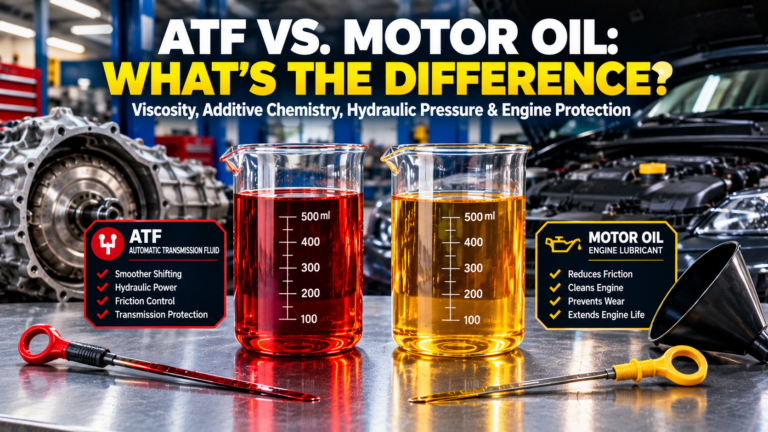
If you’ve ever stood at the oil aisle and stared at a jug labeled SAE 5W30, wondering what is sae motor oil and why that number actually matters, you’re not…