Yes, an engine oil change is necessary because used oil can lose its ability to protect engine parts, control heat, and carry dirt away. Follow your vehicle manufacturer’s oil change schedule.
If you drive to work on an American highway, sit in rush-hour traffic in Los Angeles, or make short trips around a small town, your engine depends on clean oil. Motor oil flows through the engine and coats moving parts with a thin layer that helps prevent metal-on-metal wear. Over time, heat, dirt, fuel, and normal engine use can change the oil. A timely oil change helps keep this protection working as intended.
An oil change is not just a routine bill from a repair shop. It is a basic part of vehicle care. The right interval depends on your car’s make, model, engine, oil type, age, mileage, and driving conditions. Some modern vehicles can go thousands of miles between changes, while severe driving conditions may call for more frequent service. Your owner’s manual is the best starting point.
You do not need to change the oil every few weeks or follow an old rule without checking your vehicle’s needs. You do need to replace it before it becomes too degraded or contaminated. This guide explains why oil changes matter, how to tell when service is due, what happens when you delay it, and how to make a sensible maintenance plan for a vehicle driven in the United States.
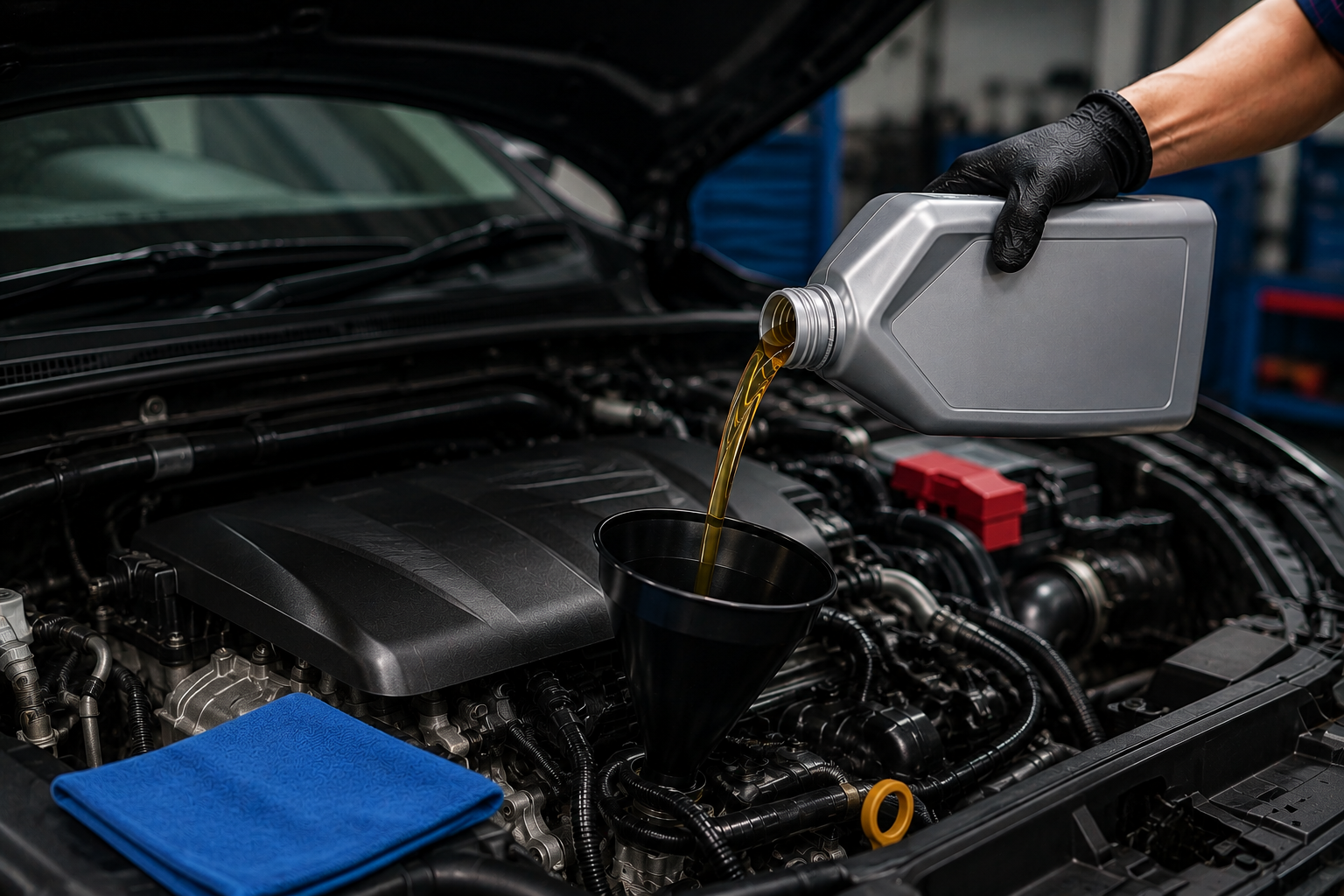
Source: yallamotor.com
Why Is an Engine Oil Change Necessary?
An engine oil change is necessary because motor oil does more than make engine parts slippery. It helps reduce friction, carry away heat, hold some contaminants in suspension, and protect metal surfaces from wear and corrosion. These jobs become harder as oil ages and picks up unwanted material.
Think of engine oil as a working fluid that needs regular care. It circulates through narrow passages and reaches parts that you cannot inspect during a normal walk-around. Replacing old oil helps restore the supply of oil that meets the engine’s required specifications.
Oil does not usually stop working all at once. Its condition changes over time, and the rate depends on the engine, oil formulation, and way the vehicle is used. That is why scheduled maintenance matters even when the engine sounds normal and the dashboard shows no warning.
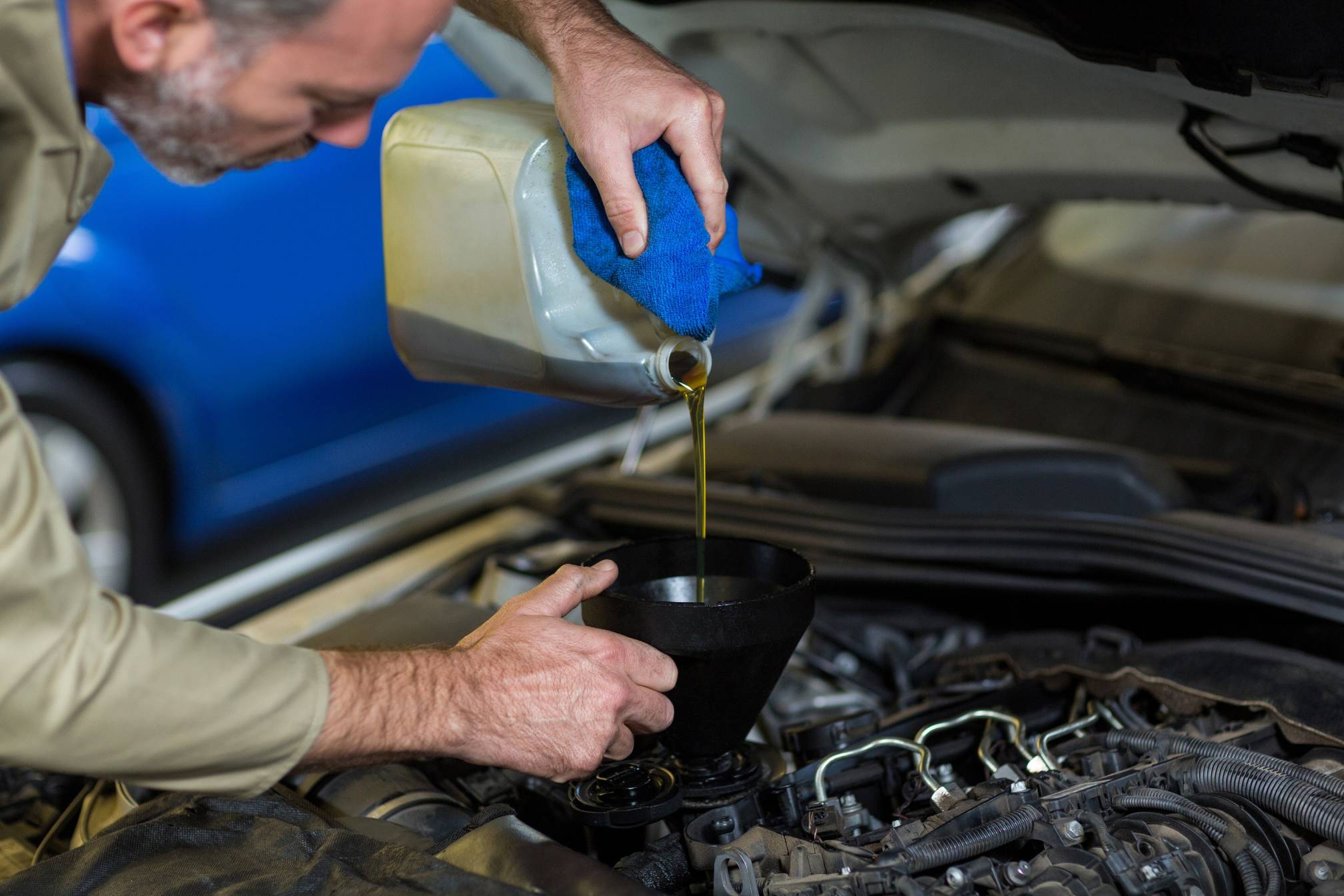
Source: carsvv.com
It reduces friction and wear
Oil forms a lubricating film between moving parts such as bearings, pistons, and other engine components. The film helps limit direct contact and wear.
It helps manage heat
Oil absorbs heat from engine parts and carries some of it away as it circulates. The cooling system handles much of the engine’s heat, but oil still plays an important supporting role.
It carries contaminants
Oil can hold small particles and by-products until the oil filter captures material within its filtering capacity. An oil change removes much of the used oil and the contaminants it carries.
It helps protect against corrosion
Motor oil contains additives that help protect engine surfaces. Over time, moisture, combustion by-products, and chemical changes can reduce the oil’s ability to provide the intended protection.
What Happens to Engine Oil as It Ages?
Heat and oxygen can change the chemistry of oil over time. Combustion by-products, dust, fuel dilution, and moisture may also affect its condition. Some additives gradually become depleted, while soot and other particles can build up.
The effects vary by engine and driving pattern. A car that spends most of its time on steady highway trips may place different demands on its oil than a vehicle used for repeated short trips in cold weather. The manufacturer’s maintenance schedule accounts for factors that matter to the specific vehicle.
Oxidation
Exposure to heat and oxygen can cause oil to change and form unwanted compounds or deposits.
Contamination
Fuel, moisture, dust, and combustion by-products can enter the oil and affect its performance.
Additive changes
Oil additives support functions such as cleaning, corrosion control, and wear protection. Their effectiveness can change during use.
Does Fresh Oil Make an Engine Last Longer?
Timely oil changes help reduce avoidable wear, but they cannot guarantee a specific engine lifespan. Engine design, cooling, driving habits, repair quality, oil level, and other maintenance tasks also matter.
The practical goal is to give the engine the lubrication its manufacturer intended. Keeping up with oil changes is one of the simplest ways to reduce the risk of damage linked to old, contaminated, or incorrect oil.
How Often Should You Change Engine Oil?
The right oil change interval is the one specified for your exact vehicle and driving conditions. There is no single mileage figure that works for every car, truck, SUV, or van. Engine design and oil requirements differ, even among vehicles made by the same brand.
Start with the maintenance section of your owner’s manual. Look for the recommended oil type, mileage interval, time interval, and any guidance for severe service. If your vehicle has an oil-life monitoring system, follow the instructions in the manual for interpreting its message and resetting it after service.
Older advice often recommends an oil change every 3,000 miles. That interval may suit some vehicles or demanding conditions, but it is not a universal rule for modern engines. Many vehicles using approved oils can go much longer under the conditions specified by their manufacturers.
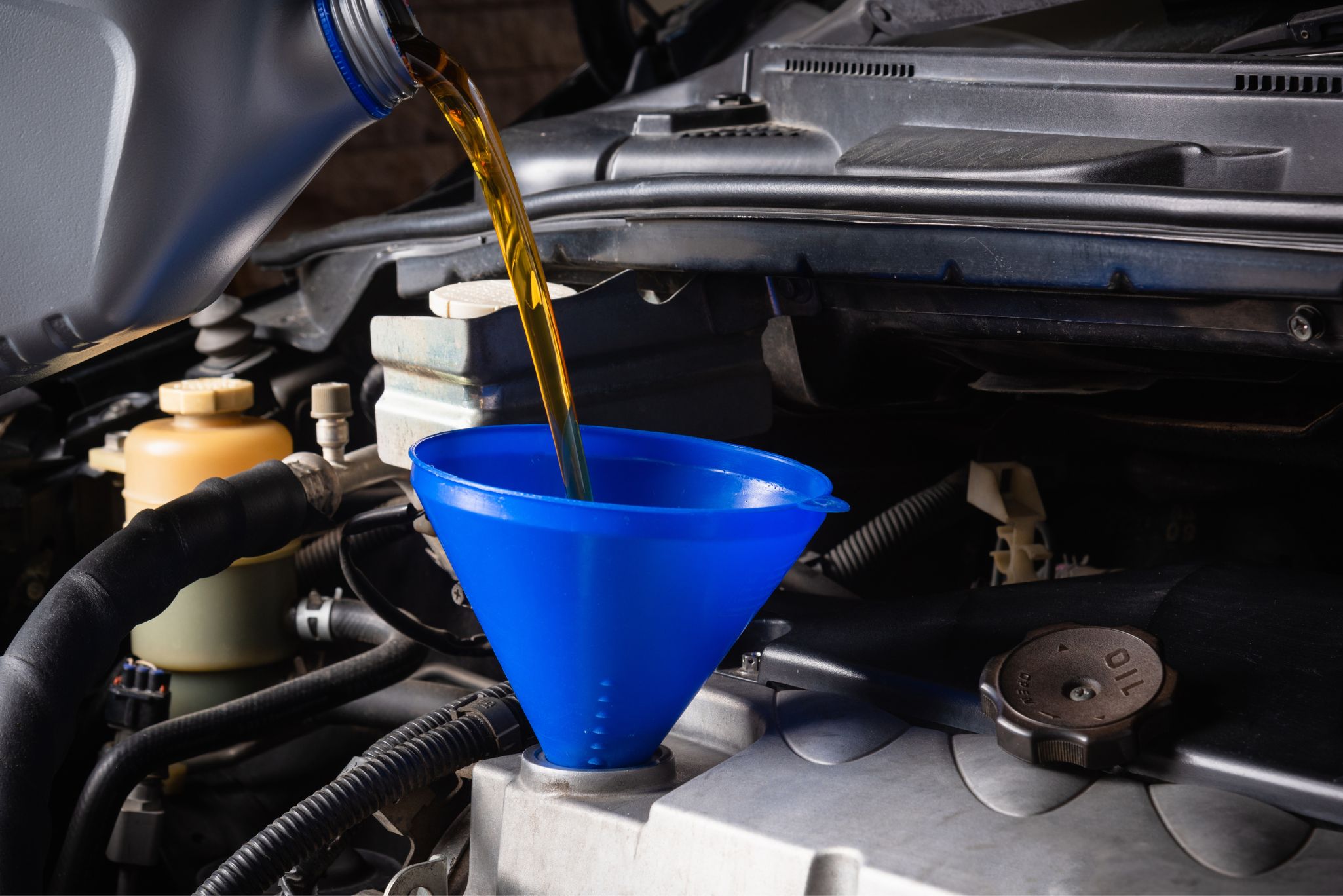
Source: www.pinterest.com
Check mileage
Compare your current odometer reading with the mileage recorded at the last oil change and the interval in your maintenance schedule.
Check elapsed time
Oil service may be due based on time even if you have driven relatively few miles. Follow the calendar limit in your manual.
Check the oil-life monitor
If your vehicle has a monitor, use its instructions and the manufacturer’s service guidance rather than treating a generic dashboard reminder as a precise oil test.
Check for severe-service rules
Towing, extensive idling, repeated short trips, and some extreme conditions may require a shorter service interval.
Normal Driving Versus Severe Driving
Normal driving often means the engine reaches its usual operating temperature and the vehicle is used in conditions covered by the standard maintenance schedule. Steady trips on open roads may fit this pattern, depending on the vehicle maker’s definition.
Severe service is not limited to racing or hauling heavy loads. Repeated short journeys can keep an engine from fully warming up, allowing moisture and fuel-related contaminants to affect the oil. Long periods of idling and frequent stop-and-go traffic can also increase maintenance demands.
The term severe service varies by manufacturer. Read the exact definition in your manual before changing the interval. Do not assume that every trip in heavy traffic requires an immediate oil change.
Short trips
Repeated drives that end before the engine reaches full operating temperature can make moisture and fuel contamination more of a concern.
Towing and heavy loads
A trailer, heavy cargo, or steep grades may increase engine load and heat, depending on the vehicle and conditions.
Extreme temperatures
Very hot or cold weather can affect engine operation and oil demands. Use the schedule and oil viscosity approved for the climate and engine.
Dusty roads
Dust can challenge the air filtration system. Inspect the air filter as directed and follow any oil service guidance for dusty use.
A Practical Example of an Oil Change Schedule
Suppose a vehicle’s manual calls for an oil change every 7,500 miles or 12 months, whichever comes first, under a stated set of driving conditions. If the owner drives 5,000 miles in a year, the time limit may bring the service due before the mileage limit is reached.
This is a hypothetical example, not a recommendation for every vehicle. If the same manual specifies a different interval for severe driving, the owner should use the schedule that matches actual use. Never substitute an example from another car for your own maintenance instructions.
What Are the Signs That Your Engine Needs an Oil Change?
The strongest sign that an oil change is due is reaching the service interval set by the manufacturer. Other clues can help you spot a problem, but appearance and sound alone cannot tell you exactly how much useful life remains in the oil.
Check the dashboard, service records, and oil level before deciding what to do. If you see an oil pressure warning or hear a sudden, severe engine noise, treat that as a possible urgent fault rather than assuming the engine simply needs fresh oil.
Some vehicles use a maintenance reminder or oil-life monitor. Others rely on scheduled service and manual checks. Learn which system your vehicle has, because an oil change reminder and an oil pressure warning mean different things.
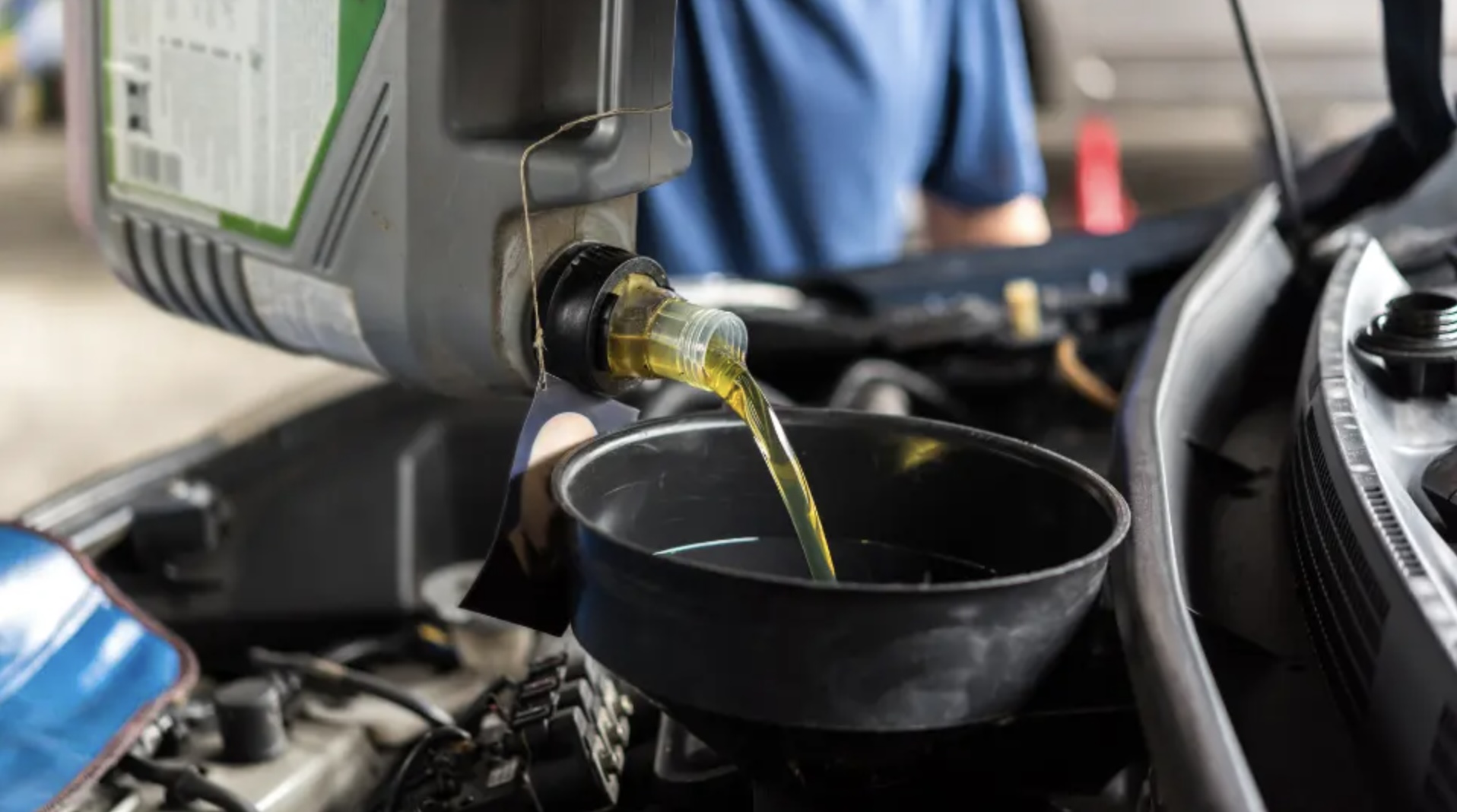
Source: engineauditor.com
The service reminder appears
A maintenance message or oil-life alert may indicate that scheduled service is due. Follow the vehicle’s instructions to confirm what the message means.
The oil level is low
A low reading can mean the engine is consuming oil or has a leak. Add the correct oil if needed and investigate why the level dropped; changing the oil alone may not fix the cause.
The oil looks unusual
Milky, foamy, gritty, or strongly fuel-smelling oil can signal a concern. Seek a proper diagnosis when these signs appear, especially if coolant loss, overheating, or engine trouble is also present.
The engine runs differently
New ticking, knocking, overheating, or poor performance can have many causes. Check the oil level and warning lights, and stop driving if the symptoms suggest low oil pressure or serious engine damage.
Does Black Engine Oil Mean It Is Time for a Change?
Not necessarily. Oil can turn dark during normal use because it picks up combustion by-products and holds contaminants in suspension. In some engines, oil darkens fairly quickly even when it is still within the manufacturer’s service interval.
Color is only one observation, not a reliable oil-life test. If the oil is dark but the level and service schedule are normal, do not assume that color alone proves the oil has failed. If the oil looks milky or contains unusual particles, investigate the cause instead of relying on color to make the decision.
Dark brown or black oil
This can occur during normal operation. Check the service history and interval rather than judging by color alone.
Milky or creamy oil
This may indicate moisture or coolant contamination, although limited condensation can sometimes create residue near the filler cap. Persistent milky oil on the dipstick needs prompt diagnosis.
Metallic particles
Visible metal flakes or unusual debris can indicate wear or another internal problem. Have the engine inspected instead of assuming a routine oil change will solve it.
What Does an Oil Pressure Warning Mean?
An oil pressure warning is different from a routine oil change reminder. It can indicate that oil pressure has fallen below the level needed to protect engine parts, which may result from low oil, a leak, a pump problem, or another fault.
If the oil pressure warning comes on while the engine is running, pull over safely and shut the engine off as soon as it is safe to do so. Check the owner’s manual and oil level when safe, but do not continue driving simply because the dipstick shows oil. If the warning remains or returns, arrange professional help or towing.
What Happens If You Skip an Engine Oil Change?
Skipping an oil change past the required interval can increase the risk of engine wear and deposit buildup. The risk depends on how far the service is overdue, the oil’s condition, the engine design, and the way the vehicle is driven. One late service does not automatically mean an engine is damaged, but repeated neglect can have serious consequences.
As oil ages, it may become less effective at controlling friction and carrying contaminants. In some conditions, deposits can form in oil passages or around engine parts. If oil flow or lubrication becomes inadequate, damage can develop quickly, especially in an engine that is already low on oil or has a pressure problem.
The cost of neglect can exceed the cost of routine service. Repairs involving worn bearings, damaged camshaft parts, blocked oil passages, or a failed engine can be far more expensive than a planned oil and filter change. The exact outcome cannot be predicted from mileage alone.
Source: autoseeks.com
More internal wear
Oil that no longer provides suitable lubrication can increase contact between moving parts and speed up wear.
Sludge and deposits
Under some conditions, degraded oil and contaminants can contribute to deposits that interfere with normal oil flow or engine operation.
Reduced engine reliability
Neglected lubrication can increase the chance of costly failures, although the timing and severity depend on the specific fault and operating conditions.
Possible warranty disputes
Some warranty claims may depend on maintenance records and the terms of the warranty. Keep receipts and service records, and review the actual warranty language rather than assuming every missed change voids coverage.
Can You Drive a Little Longer Before Changing the Oil?
A small delay does not guarantee damage, but it is not a good maintenance plan. If the service date or mileage is approaching, schedule the change rather than intentionally extending the interval without support from the vehicle maker.
If you have already passed the recommended interval, check the oil level and arrange service as soon as practical. If the level is very low, a warning light is on, the engine is overheating, or severe noise develops, do not treat the problem as a routine overdue service. Address the urgent symptom first.
Slightly overdue with no symptoms
Check the oil level and book the service soon. Use the manual to confirm the required oil and filter.
Very low oil level
Use the correct oil to bring the level into the approved range, following the manual. Look for leaks or ongoing oil consumption and seek help if the level keeps dropping.
Oil pressure warning or severe noise
Stop safely and shut off the engine. Do not continue the trip to reach a repair shop if doing so could cause further damage.
Does Changing the Oil Fix an Engine That Is Already Damaged?
Fresh oil can restore the correct lubricant supply when old oil is the issue, but it cannot repair worn bearings, broken parts, damaged seals, or a failed oil pump. If an engine has already developed a fault, changing the oil may be only one part of the repair.
A mechanic may need to check for leaks, abnormal pressure, contamination, or mechanical wear. Explain when the warning began, how long the vehicle was driven, and whether the engine made unusual sounds. Those details can help narrow the diagnosis.
Does Every Vehicle Need an Engine Oil Change?
Most gasoline and diesel vehicles with conventional internal combustion engines need periodic engine oil changes. However, the correct fluid, service interval, and maintenance method vary by vehicle. A gasoline car, diesel pickup, hybrid, and high-performance vehicle may all have different requirements.
Electric vehicles that use battery-powered motors do not need a routine engine oil change because they do not have a conventional combustion engine. They may still require other fluid checks and maintenance, depending on the model. A hybrid, by contrast, has an internal combustion engine and still needs the oil service specified by its manufacturer.
Do not assume that a vehicle needs no oil maintenance because it is new, uses synthetic oil, or has an automatic maintenance reminder. Check the manual for the exact engine and model year, especially if you own a hybrid, turbocharged vehicle, diesel truck, or performance car.
Source: autotent.net
Gasoline vehicles
Use the oil grade and interval approved for the engine. Some models require specific performance standards beyond viscosity.
Diesel vehicles
Diesel engines may need oil that meets particular manufacturer specifications for soot control, wear protection, and emissions-system compatibility.
Hybrid vehicles
The combustion engine may switch on and off during use. Follow the model-specific schedule because mileage and operating patterns do not tell the whole story.
Fully electric vehicles
Battery-electric vehicles have no conventional engine oil to change, but their maintenance needs can include other fluids, filters, tires, brakes, and cooling systems.
Are Synthetic Oil Changes Necessary?
Yes. Synthetic engine oil still needs to be changed according to the vehicle manufacturer’s instructions. Synthetic formulations can provide performance benefits under specified conditions, but they do not make oil immune to contamination, heat, or aging.
Do not extend an interval just because the oil container says synthetic or full synthetic. The vehicle maker’s approval, the engine’s needs, and the maintenance schedule matter more than a broad claim about the oil type.
Use the approved specification
Check the exact oil grade and performance requirements in the owner’s manual.
Follow the service interval
Use the normal or severe-service schedule that matches your driving conditions.
Avoid unsupported extensions
Do not exceed the specified interval based on oil type alone, even if the vehicle seems to run normally.
What About a New Car?
A new car still needs oil maintenance. Its first scheduled oil change may be based on the normal service interval rather than an older break-in rule, but requirements vary by model and engine.
Some vehicles have specific break-in instructions or an early service recommendation. Follow the manual and any documented instructions from the manufacturer or dealer. Do not pay for an extra early oil change solely because someone claims every new engine requires one.
How to Check Whether Your Engine Oil Needs Attention
A basic oil check can help you spot a low level or an unusual condition before it becomes a larger problem. It does not replace the scheduled oil change or a professional inspection when symptoms point to a fault.
Many vehicles have a dipstick, while some newer models use an electronic oil-level display. The correct procedure differs by vehicle, so check the owner’s manual before starting. The manual may specify a warm engine, a level parking surface, and a wait period after shutting off the engine.
If you use a dipstick, keep the car parked on level ground and follow the maker’s safety instructions. Never reach near moving belts or fans, and keep hands and clothing away from hot engine parts. If you cannot check the oil safely, ask a qualified technician.
Source: Performance Garage
Step 1: Park safely
Choose level ground, engage the parking brake, and shut off the engine as directed by the manual. Allow hot parts to cool enough for safe access.
Step 2: Find the correct checking method
Locate the dipstick or follow the vehicle’s electronic oil-level procedure. Do not guess where a component is located.
Step 3: Read the oil level
For a dipstick, remove it, wipe it clean, reinsert it fully, and pull it out again if the manual specifies this method. Compare the reading with the marked safe range.
Step 4: Inspect the oil
Look for a normal oil film and note unusual milky residue, visible particles, or a strong fuel smell. These clues need context and may require professional diagnosis.
Step 5: Take the right action
If the level is low, add only the specified oil in suitable amounts and recheck it. If the oil is due, arrange a change; if an urgent warning or unusual symptom appears, address that issue first.
What if the Oil Level Is Below the Minimum Mark?
A reading below the minimum mark means the engine may not have enough oil for proper operation. Check the manual for the approved top-up procedure and add the specified oil carefully, avoiding overfilling.
If the dipstick is dry, the engine is leaking oil, or the level drops again soon after topping up, seek help before continuing normal driving. A low level and an overdue oil change are related maintenance concerns, but they are not the same problem.
Do not overfill
Too much oil can also cause engine problems. Add small amounts and recheck the level according to the manual.
Use the correct oil
Match the specified viscosity and required manufacturer or industry standards. Do not choose oil based only on price or brand.
Find the cause
Check for signs of leaks and monitor consumption. A technician can inspect the engine if the level keeps falling.
How to Keep a Useful Oil Change Record
Record the date, odometer reading, oil specification, filter replacement, and any issues found during service. Keep the invoice or service receipt in a folder or digital record.
A clear history makes the next service easier to plan. It also helps a technician identify patterns such as repeated low oil levels or unusually short intervals between changes.
Should You Change Engine Oil Yourself or Visit a Shop?
Both options can work when the correct procedure is followed. A do-it-yourself oil change may give you control over the oil and filter you use, while a repair shop can provide the service with suitable equipment and may identify other issues during inspection.
The best choice depends on your tools, skills, vehicle design, and willingness to handle used oil safely. Some cars have limited access to the filter or drain plug, and certain models use electronic service procedures. If you are unsure how to raise and support a vehicle safely, professional service is the better option.
In the United States, used motor oil should not be poured onto the ground, into a storm drain, or into household plumbing. Many auto parts retailers, recycling centers, and local waste programs accept used oil, but acceptance rules vary. Contact the site before bringing oil or filters for disposal.
Source: Kwik Kar
DIY service
This may suit someone with the right tools, a safe work area, reliable instructions, and a plan to collect and recycle used oil.
Professional service
A shop can handle the work and may be useful if the vehicle has a difficult filter location, a service warning, a leak, or other symptoms.
Correct parts and fluids
Whichever route you choose, use oil and a filter that meet the vehicle’s requirements. Confirm the amount needed and follow the proper refill and leak-check procedure.
What Should Happen During an Oil Change?
A routine service generally includes draining the used oil, replacing the oil filter when required, installing the drain plug with the correct seal and tightening method, and refilling the engine with the specified oil. The technician or owner should then verify the level and check for leaks.
The service reminder may also need to be reset according to the vehicle’s instructions. Resetting a reminder does not replace the oil change itself, and changing the oil without resetting the system can make future reminders inaccurate.
Ask for the oil grade and specification used, the filter details, and the service record. These details help confirm that the work matches the manufacturer’s requirements.
Correct oil
The refill should match the specified viscosity, performance standard, and quantity, with any model-specific requirements followed.
Filter and drain plug
The filter should be installed correctly, and the drain plug and seal should be checked for proper fit and leaks.
Final level check
The oil level should be verified using the procedure specified in the manual. The engine area should be checked for signs of leakage.
How Much Does an Oil Change Cost?
The cost varies by vehicle, oil type, engine capacity, filter, labor rate, and location. A small car that uses a modest amount of conventional oil may cost less to service than a truck or performance vehicle that requires more oil or a special specification.
For an accurate price, ask for a quote that identifies the oil type, filter, labor, disposal fee if applicable, and any extra services. Compare the quoted work with the maintenance required by your manual rather than paying for add-ons you do not need.
Do not choose a shop on price alone if the quote leaves out the required oil specification or filter. At the same time, a higher price does not automatically mean better service. Clear parts and service details are more useful than a broad claim about premium maintenance.
Oil type and quantity
Synthetic oil, larger engines, and certain manufacturer specifications can affect the total.
Filter and labor
The required filter and how easy it is to access can change the price.
Extra work
Ask whether inspection fees, fluid top-ups, tire rotation, or other services are optional or actually due.
Frequently Asked Questions
Q
Is an engine oil change necessary if I rarely drive my car?
Yes. Low mileage does not remove the need for oil maintenance. Oil can be affected by time, moisture, and repeated short trips, so follow the calendar interval in your owner’s manual even if the vehicle sits for long periods.
If the car is stored for an extended time, check the manufacturer’s storage guidance and inspect the oil level before returning it to regular use.
Q
Can I change engine oil once a year instead of following mileage?
Only if that approach meets the service requirements for your vehicle and driving conditions. Some vehicles need service before a year based on mileage or oil-life monitoring, while others have a stated calendar limit.
Use whichever limit the manufacturer specifies first. Do not assume that annual service is enough for every engine.
Q
Can I add new oil instead of changing the old oil?
Adding oil can restore a low level, but it does not remove most of the used oil or replace the filter. If scheduled service is due, topping up is not a substitute for an oil change.
Use the correct oil and avoid overfilling. If the level repeatedly drops, find out whether the engine is leaking or consuming oil.
Q
Is it bad to change engine oil too often?
Changing oil more often than required is not usually harmful when the correct oil and procedure are used, but it can waste money and resources. Unnecessary service also creates more used oil and filter waste.
A better plan is to follow the manufacturer’s schedule and adjust only when the manual or a qualified technician identifies a reason to do so.
Q
Does synthetic oil mean I never need an oil change?
No. Synthetic oil still collects contaminants and changes during use. It may support a longer service interval in an engine designed for it, but the allowed interval depends on the manufacturer’s instructions and driving conditions.
Use the approved oil specification and follow the correct service schedule rather than relying on the word synthetic alone.
Q
Can I drive if the oil change light comes on?
First, identify which warning is displayed. A maintenance reminder usually means scheduled service is due, while an oil pressure warning may indicate an urgent lubrication problem.
For an oil pressure warning, pull over safely and shut off the engine. Check the manual and oil level when safe, and arrange professional help if the warning remains or returns. Do not treat a pressure warning as a routine service reminder.
Q
What happens if I miss an oil change by a few hundred miles?
A small delay does not automatically mean the engine has suffered damage. Risk depends on the vehicle, oil condition, operating conditions, and how far the service interval has been exceeded.
Check the oil level and arrange the service soon. If the engine has low oil pressure, unusual knocking, overheating, or another serious symptom, stop driving and address the fault before continuing.
✦ Wrapping Up
Conclusion
An engine oil change is necessary for vehicles with conventional combustion engines because used oil gradually changes and collects contaminants. Fresh, correctly specified oil helps reduce friction, carry heat, and protect important engine parts. Skipping service for too long can increase wear and raise the risk of expensive repairs.
The right maintenance plan does not depend on a one-size-fits-all mileage rule. It depends on the vehicle’s manual, oil specification, service monitor, elapsed time, mileage, and driving conditions. Dark oil alone does not prove that a change is due, and adding oil does not replace a scheduled oil and filter service.
If you are unsure when your next change is due, check your service records and owner’s manual today. If you have an oil pressure warning, severe engine noise, or a persistent low oil level, address the problem promptly instead of relying on a routine oil change to fix it.
💡 Key Takeaway
Check your owner’s manual, confirm the last oil change date and mileage, inspect the oil level using the correct procedure, and schedule service if it is due. Use the specified oil and filter, keep your receipt, and never ignore an oil pressure warning.
If you’re standing in the autoparts aisle, the real question is often simple: how much does motor oil cost? A conventional quart may cost $4 to $9, while a…
Compare the best engine oil for motorcycles, including synthetic and conventional options. Find the right oil for smooth performance and engine protection.
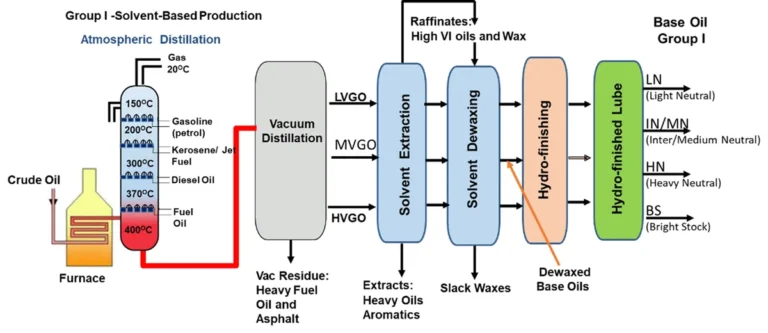
How is motor oil produced? It sounds like a oneline answer, but the real process runs through distillation, cracking, dewaxing, polymerization, additive…