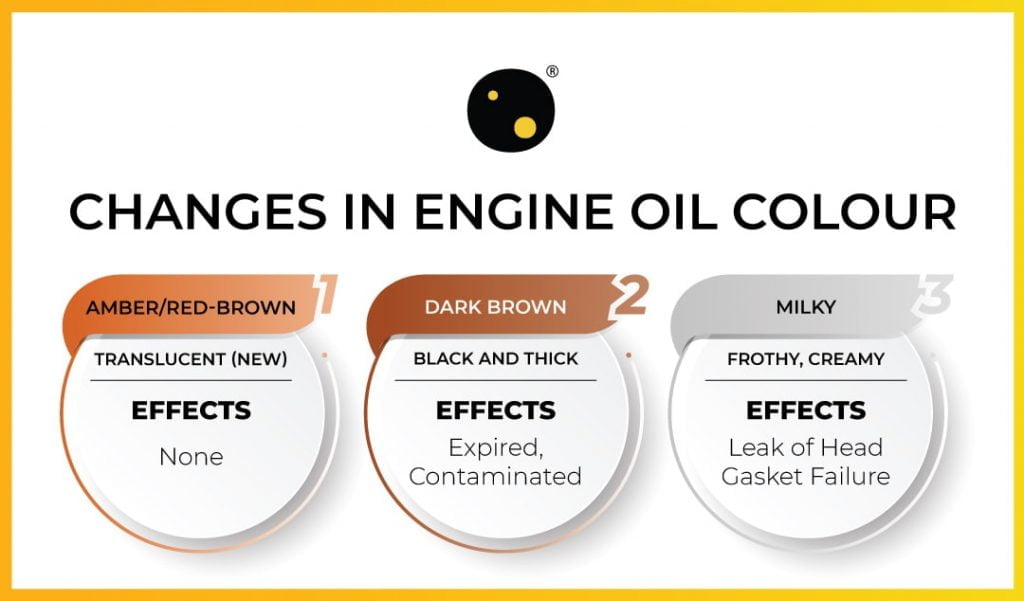
Fresh engine oil is usually amber, golden, or light brown, but it often turns darker as it works. Color alone cannot tell you whether the oil is safe to use or needs changing.
If you drive to work, take a road trip across the United States, or spend hours in stop-and-go traffic, your engine oil works hard to protect your engine. It coats moving parts, helps reduce friction, carries away heat, and traps dirt and other tiny particles. Checking the oil on your driveway or in a parking lot can reveal useful clues about its condition.
The color you see depends on several things, including the oil formulation, engine design, mileage since the last oil change, and driving conditions. Conventional, synthetic blend, and full synthetic oils can all darken during use. Some engines also turn fresh-looking oil dark quite quickly, so a simple color check should never replace the maintenance schedule in your owner’s manual.
This guide explains what different engine oil colors can mean, how to check your oil correctly, and which warning signs deserve attention. It also covers milky oil, gritty oil, unusual smells, and other symptoms that may signal a problem. The goal is to help you make a sensible maintenance decision without wasting money on an unnecessary oil change or ignoring a serious warning.
Source: integrity1auto.com
What Color Should Engine Oil Be?
Engine oil is usually amber, golden, or light brown when fresh. The exact shade depends on its base oils, additives, and formulation. Some products look pale gold, while others appear reddish brown or relatively dark even before they enter an engine.
As oil circulates through an engine, it picks up tiny particles and by-products from normal operation. Heat and oxidation can also change its appearance. As a result, oil that started out golden may become medium brown or nearly black over time.
There is no single correct shade for every engine. A gasoline engine and a diesel engine may produce very different-looking oil during normal service. The oil’s color also varies with engine condition, driving habits, and the time or distance since the last oil change.
Source: engineoilpro.com
Fresh oil
Often clear amber, golden, or light brown, depending on the product.
Oil in regular use
May become darker brown or black as it collects combustion by-products and other contaminants.
Potentially contaminated oil
May look creamy, cloudy, foamy, or unusually gritty. These signs deserve investigation, particularly when other symptoms appear.
Does Engine Oil Have to Stay Golden?
No. Golden oil does not stay golden throughout its service life. Its job is to circulate through a hot, dirty mechanical environment, not to preserve its original appearance.
Oil contains additives that help keep certain contaminants suspended so they can be carried through the lubrication system rather than settling in harmful places. A darker appearance can therefore be consistent with normal operation. It does not, by itself, prove that the oil has failed.
Likewise, oil that still looks light does not automatically have enough protective strength left. Some forms of oil degradation and additive depletion cannot be judged by sight. Follow the vehicle’s maintenance schedule and pay attention to warning signs.
Look at the whole picture
Consider the oil level, time since service, engine symptoms, and the manufacturer’s guidance along with color.
Does Oil Color Depend on the Oil Type?
Yes. Conventional oil, synthetic blend oil, and full synthetic oil can differ in their starting color. Additives also affect the shade, so two oils that meet the same required viscosity grade may not look identical.
The words synthetic and conventional describe aspects of the oil’s formulation, not a guaranteed color or a fixed rate of darkening. Full synthetic oil can turn dark, and conventional oil can remain relatively light for a time.
Do not choose an oil or judge its quality based only on how it looks in the bottle. Check the viscosity grade and performance specifications required by the vehicle manufacturer.
Correct specification first
Use the oil viscosity and required manufacturer approvals listed in your owner’s manual.
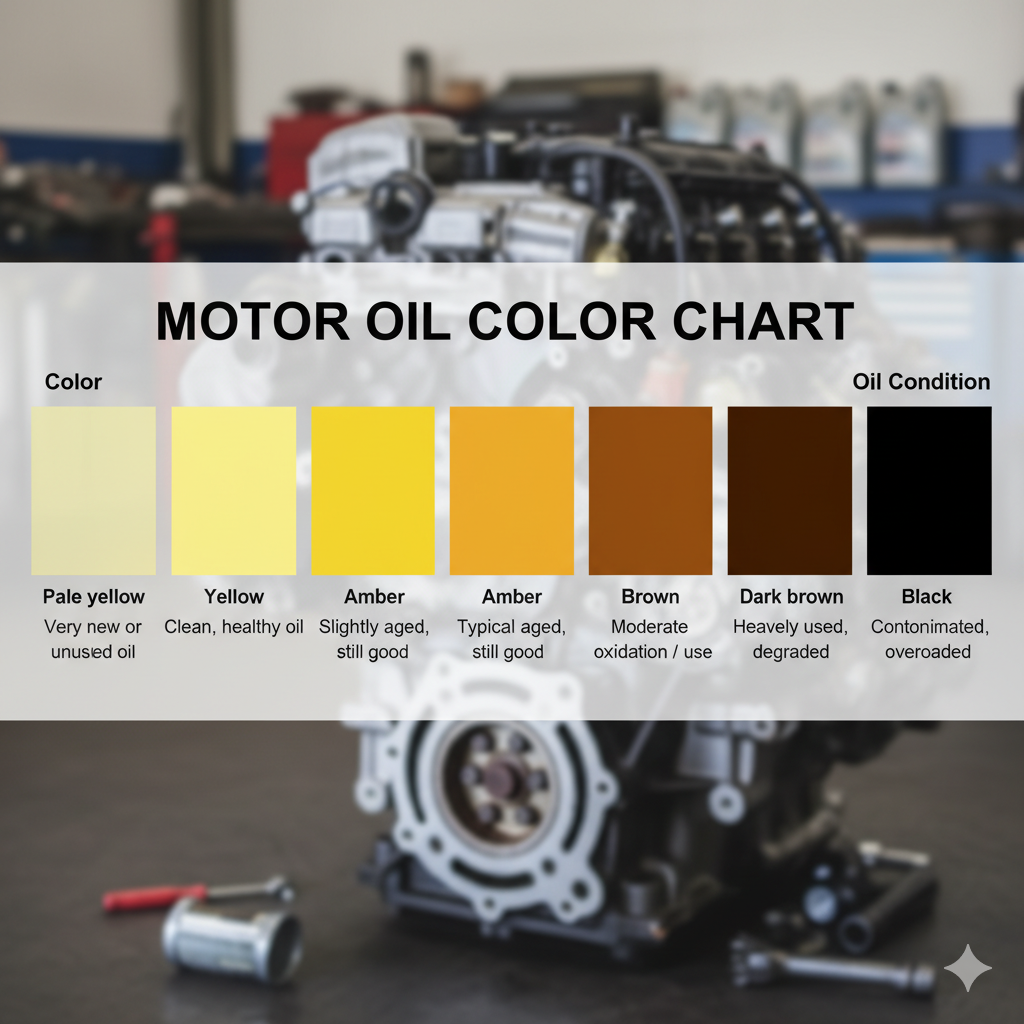
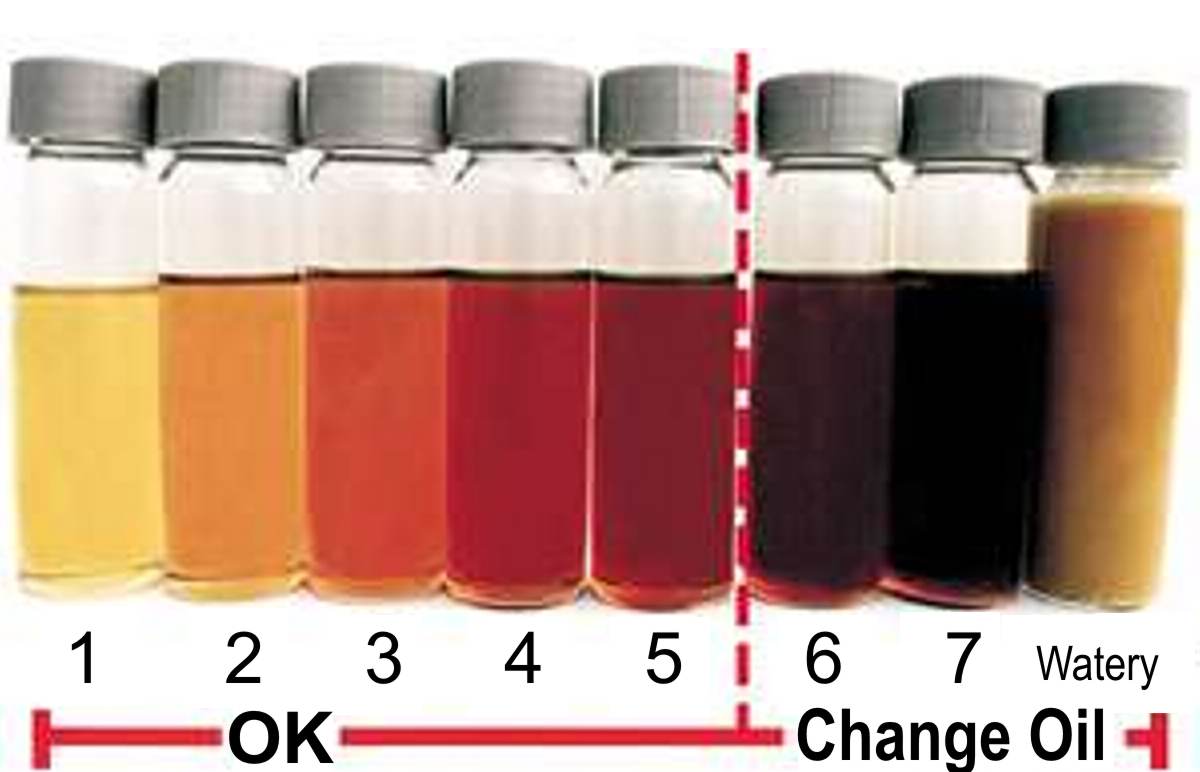
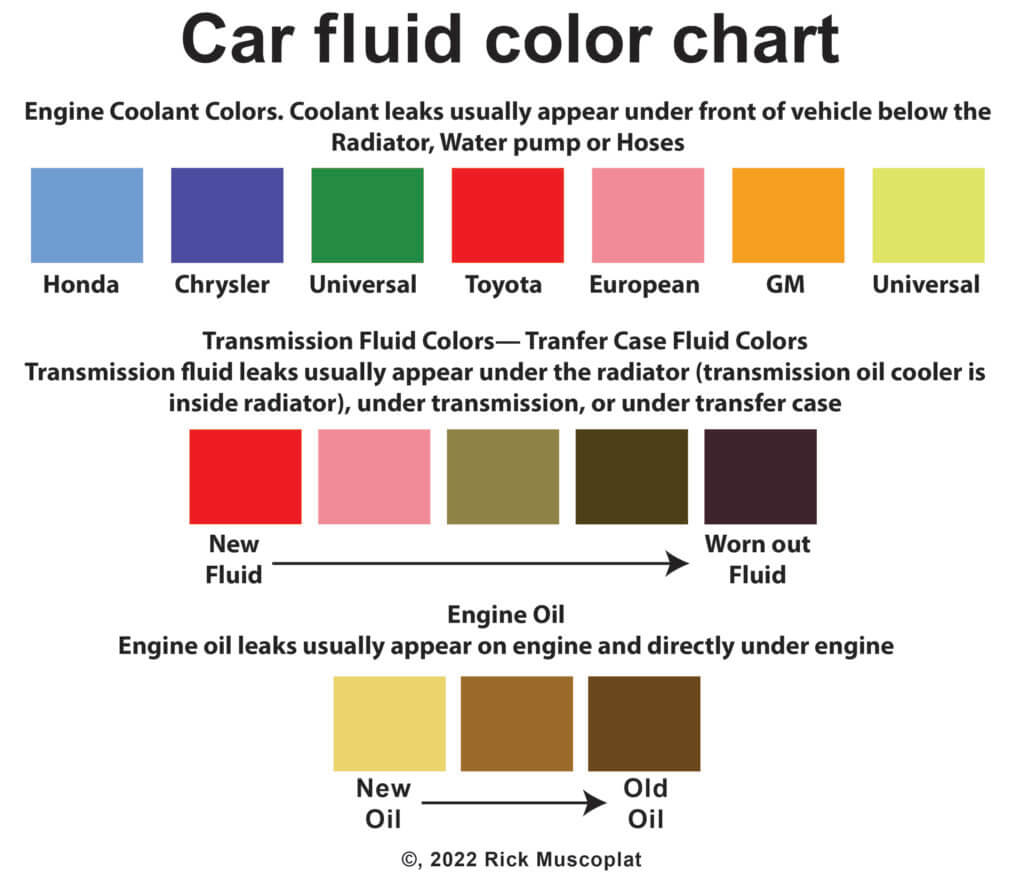
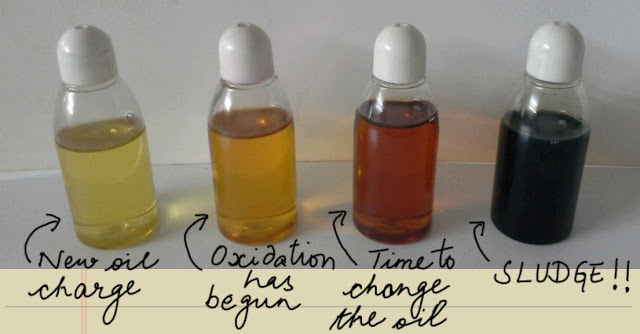
Engine Oil Color Chart: What Different Shades May Mean
An engine oil color chart can help you identify broad patterns, but it cannot diagnose an engine on its own. Use the shades below as clues, not strict rules. Lighting, the dipstick surface, oil thickness, and the type of engine can all affect what you see.
Before judging the color, wipe the dipstick clean and inspect the fresh oil film in good light. A thin layer on metal can look different from a drop on a white paper towel. Neither method provides a laboratory measurement of oil condition.
Source: syntheticoil.me
Amber or golden
Common for fresh oil. If the level and service history are correct and the engine runs normally, this color is usually reassuring.
Light brown
Often normal as oil begins to collect deposits and undergo heat exposure. Check mileage and service timing before deciding whether to change it.
Dark brown
Can reflect ordinary use, oxidation, or suspended contaminants. It is not enough on its own to establish that the oil is overdue.
Black
Can occur during normal service, particularly in diesel engines and engines that produce more soot. Consider the oil’s history and any other warning signs.
Creamy or milky
May indicate water or coolant mixing with oil. Short trips can cause moisture-related residue under some conditions, but widespread milky oil or coolant loss needs prompt investigation.
Gray or metallic-looking
May reflect lighting or the appearance of the sample, but visible metal flakes or glitter can indicate abnormal wear. A mechanic should assess suspicious particles.
Unusually thin or watery
May result from fuel dilution or other contamination, especially if accompanied by a strong fuel smell or a rising oil level. Arrange a proper diagnosis.
Amber or Golden Oil
Amber or golden oil is a common sign of fresh motor oil. If you have recently changed the oil and the dipstick shows a clean, translucent golden film, that appearance is generally expected.
Still, fresh color does not confirm that the correct oil was installed or that the engine has enough of it. An oil change can be completed with the wrong viscosity, an incorrect filter, or an improper fill level. Verify the service details if you are unsure.
What to do
Confirm that the oil level falls within the marked range and that the product meets the vehicle’s specifications.
Brown or Dark Brown Oil
Brown oil is common as engine oil ages in service. The shift from gold to brown may happen gradually as the oil encounters heat, oxidation, and normal engine deposits.
A brown sample does not give a precise estimate of the oil’s remaining life. If your vehicle is near its scheduled service interval, arrange the change based on the manual or oil-life monitor rather than waiting for the oil to become black.
What to do
Review the last oil change date, mileage, and dashboard oil-life reading if your vehicle has one.
Black Engine Oil
Black engine oil is not always a warning sign. Diesel engines commonly darken oil as soot enters the lubricant during combustion, and gasoline engines can also produce dark oil during normal use.
The concern is greater when black oil is accompanied by a burnt odor, heavy sludge, gritty deposits, abnormal engine noise, or a missed service interval. These clues can indicate that the oil has experienced harsh conditions or that the engine needs inspection.
Do not assume that black oil must be changed immediately in every case. Equally, do not keep driving indefinitely just because the engine still runs smoothly. The service schedule and the condition of the oil together provide a better basis for action.
What to do
Check the service record and oil level. If the oil is overdue, change it with the correct specification; if it is sludgy or gritty, seek professional advice.
Milky, Creamy, or Foamy Oil
Milky oil deserves more caution than ordinary dark oil. A pale beige or creamy substance may form when water or engine coolant mixes with oil, creating an emulsion.
A small amount of light-colored residue under the oil filler cap can sometimes develop when moisture collects during repeated short trips, especially in cold weather. That residue alone does not prove that a head gasket has failed.
However, milky oil on the dipstick, a rising oil level, unexplained coolant loss, overheating, or persistent white exhaust vapor should not be ignored. Coolant contamination can reduce lubrication and damage internal engine parts.
What to do
If the oil on the dipstick is milky or there are signs of coolant mixing, avoid driving and arrange a professional inspection. Shut the engine off if it overheats or shows an oil-pressure warning.
Why Does Engine Oil Change Color?
Engine oil changes color because it works under heat, pressure, and contact with combustion by-products. Its job includes lubrication, cooling support, cleaning, and helping control deposits, so its appearance can change even when it is doing what it should.
Color changes are influenced by the engine and the driving conditions. A car used for short errands in a cold climate may experience different moisture conditions from a vehicle that spends long periods at steady highway speeds. Heavy towing, long idling periods, and demanding operation can also affect oil stress.
Source: s3.amazonaws.com
Heat and oxidation
Repeated exposure to heat and oxygen can change the oil’s chemistry and darken its appearance.
Combustion by-products
Tiny amounts of soot and other combustion-related materials can enter the oil, particularly in engines where soot production is more pronounced.
Detergents and dispersants
Oil additives help manage deposits and suspend certain contaminants. These additives contribute to how the oil behaves during service.
Moisture
Water vapor can condense inside an engine, especially during repeated short trips. Persistent contamination is different from a small amount of temporary moisture residue.
Fuel dilution
Fuel can enter the crankcase under certain operating or fault conditions. This may reduce oil viscosity and can sometimes cause the oil level to rise.
Why Diesel Engine Oil Often Turns Black Quickly
Diesel engines can produce soot during combustion. Some soot reaches the engine oil, where dispersant additives help keep particles suspended rather than allowing them to collect as deposits.
This means diesel oil may turn black soon after an oil change. The timing varies with engine design, emissions equipment, driving conditions, and the state of the engine.
Black diesel oil is not proof that the oil has failed. Follow the manufacturer’s specified oil grade and service interval, and investigate other symptoms such as unusual oil consumption, warning lights, or a sudden change in oil level.
Key distinction
Normal soot-related darkening is different from thick sludge, visible metal particles, or evidence of coolant contamination.
Why Short Trips Can Affect Oil Appearance
Short trips may not allow the engine oil to reach and maintain the conditions needed to remove accumulated moisture as effectively as longer drives. Repeated cold starts can also expose the engine to operating conditions that differ from steady, fully warmed driving.
If you mainly drive a few miles at a time, check whether your owner’s manual defines a severe-service schedule. Some manufacturers require more frequent maintenance for certain patterns of use.
Do not take an extended drive just to clear suspected coolant contamination or other serious problems. A change in driving habits cannot repair a leaking cooling system or an engine fault.
Key distinction
A little residue under the oil cap may have a different cause from milky oil throughout the engine.
How to Check Engine Oil Color Correctly
The best way to inspect engine oil is to use the dipstick, follow the vehicle’s checking procedure, and look at the color alongside the oil level. Most vehicles with a traditional dipstick can be checked at home with a clean paper towel or lint-free cloth.
Some newer vehicles use an electronic oil-level system instead of a conventional dipstick. If your vehicle has no dipstick, follow the dashboard or owner’s manual instructions instead of trying to access parts that are not intended for routine inspection.
Source: carbuyerlabs.com
Step 1: Park safely
Park on level ground, set the parking brake, and switch off the engine. Follow the manual’s instructions for how long to wait and whether the oil should be checked warm or cold.
Step 2: Find the dipstick
If the vehicle has a dipstick, locate its handle in the engine bay. Consult the owner’s manual if you cannot identify it.
Step 3: Remove and wipe
Pull out the dipstick and wipe it clean with a lint-free cloth or paper towel.
Step 4: Reinsert and remove again
Push the dipstick fully back into its tube, then remove it again to obtain a fresh reading.
Step 5: Check the level
Read the oil level against the dipstick’s minimum and maximum marks or the specified safe range.
Step 6: Inspect the oil
Look at the oil film in good light. Check whether it appears amber, brown, black, milky, unusually thin, or visibly contaminated.
Step 7: Record your findings
Note the level, mileage, and date. Compare them with the service record and any previous checks.
How to Use a White Paper Towel
A clean white paper towel can make the oil’s color easier to see. Place a small amount of oil from the dipstick on the towel and examine it under neutral light.
The oil may spread into a thin, translucent stain, so do not compare the stain directly with a color chart as if it were a laboratory test. Paper texture, lighting, and the amount of oil can change the shade.
Do not put your fingers near moving engine parts or touch hot components. Avoid opening the oil filler cap or handling oil when doing so could expose you to hot surfaces.
Best use
Use the paper towel to help observe color and visible particles, not to determine the exact remaining life of the oil.
How Often Should You Check Engine Oil?
Check oil at the interval recommended in your owner’s manual. It is also sensible to check it before a long road trip and when you notice an oil warning, a new leak, or a change in engine behavior.
Older vehicles, engines with a history of oil consumption, and vehicles used for demanding work may need closer monitoring. A consistent record helps reveal whether the level is gradually falling or rising.
Do not wait for the next routine check if the oil-pressure warning appears while driving. Safely pull over, turn off the engine, and follow the vehicle’s emergency guidance.
Useful habit
Record the odometer reading and oil level so you can spot changes rather than relying on memory.
Does Black Engine Oil Mean You Need an Oil Change?
Not necessarily. Black oil can be normal, and color alone cannot establish whether an oil change is due. The correct decision depends on the manufacturer’s service interval, oil-life monitoring system if fitted, operating conditions, and signs of contamination or mechanical trouble.
If the oil is dark but the level is correct, there are no warning signs, and the vehicle remains within its prescribed service interval, darkness alone is not a reason to assume the oil has failed. If the scheduled change is due, replace it even if the oil still looks fairly clean.
Oil degrades through chemical changes and exposure to contaminants that are not all visible. A clean-looking sample can still have lost some of its intended properties, while a dark sample may still be performing its designed role.
Source: ricksfreeautorepairadvice.com
Follow the service schedule
Use the time, mileage, or oil-life interval specified by the vehicle manufacturer.
Account for severe service
Frequent short trips, heavy towing, long periods of idling, and other demanding conditions may change the required maintenance schedule.
Investigate unusual symptoms
Milky oil, visible metal, a strong fuel odor, unexplained oil-level changes, or engine warnings may need action before the next scheduled change.
Can You Drive With Black Engine Oil?
Black oil by itself does not mean that the vehicle must stop immediately. If the engine runs normally, the oil level is correct, and maintenance is current, the color may reflect ordinary use.
However, do not use color as permission to ignore a service interval or warning light. If the oil is overdue, arrange the required maintenance promptly. If the oil-pressure warning appears, shut the engine off as soon as it is safe to do so and do not continue driving to a repair shop.
If you see metal flakes, thick sludge, or signs of coolant contamination, have the vehicle assessed before continuing to drive. The potential damage from inadequate lubrication can be far more costly than an inspection.
Stop when a serious warning appears
A red oil-pressure warning, overheating, or evidence of severe contamination calls for immediate attention rather than a color-based decision.
How Long Can Engine Oil Last if It Looks Clean?
There is no reliable mileage limit that can be determined from oil color alone. Oil life depends on the engine, oil specification, driving conditions, and maintenance system.
A vehicle’s oil-life monitor, when fitted, uses information about operating conditions to estimate service needs. It is not the same as a direct chemical test of the oil, so the manufacturer’s instructions still apply.
If the maintenance history is unknown, do not assume the oil is safe because it looks golden. Review the records and consider a baseline service with the correct oil and filter.
Best next step
Use the documented service history and manufacturer’s schedule instead of guessing oil life from its appearance.
Warning Signs That Matter More Than Oil Color
Some oil conditions deserve attention even when the color seems ordinary. Changes in texture, level, smell, and engine behavior can reveal problems that a color check cannot identify.
The safest approach is to match each symptom with its likely causes and respond according to the risk. A small difference in shade is usually less urgent than an oil-pressure warning, overheating, or visible evidence that coolant and oil have mixed.
Source: 3.bp.blogspot.com
Metal flakes or glitter
Visible metallic particles can signal wear or damage. Do not assume they are harmless; arrange an inspection.
Thick sludge
Heavy, sticky deposits may be linked to neglected maintenance, oxidation, or other engine problems. Do not attempt to scrape deposits into the engine.
Strong fuel smell
Fuel dilution may thin the oil and affect lubrication. A pronounced fuel odor, especially with a rising level, warrants diagnosis.
Unexplained falling oil level
The engine may be leaking or burning oil. Check for visible leaks and arrange an inspection if the loss continues.
Unexplained rising oil level
Fuel or coolant may be entering the crankcase, although checking conditions can also affect readings. Repeat the check correctly and seek help if the rise persists.
Oil-pressure warning
This can indicate inadequate oil pressure and a risk of severe engine damage. Stop safely and switch off the engine.
What Does Milky Oil Mean?
Milky oil may mean that water or coolant has mixed with engine oil. Potential causes include a failed head gasket, a cracked engine component, or a problem with an oil cooler or another component that separates fluids. The actual cause depends on the engine design and symptoms.
A light residue beneath the oil filler cap can have a less serious explanation, such as moisture condensation during repeated short trips. The key is to check whether the oil on the dipstick also looks cloudy and whether the coolant level has dropped.
Do not remove a radiator cap while the cooling system is hot. Pressurized coolant can spray out and cause severe burns. If coolant loss, overheating, or widespread milky oil occurs, leave diagnosis to a qualified technician.
Urgent response
Avoid running the engine when coolant contamination is suspected. Arrange a professional inspection before further driving.
What If Engine Oil Looks Thin or Smells Burnt?
Oil thickness is difficult to judge accurately with a dipstick or fingertip. The specified viscosity grade describes how oil behaves under defined conditions, and visual appearance cannot replace that specification.
A strong burnt odor can follow harsh operating conditions, but smell alone cannot confirm that the oil has failed. If it accompanies very dark oil, sludge, abnormal noise, or a missed service interval, inspect the maintenance history and seek professional advice.
A strong gasoline or diesel smell may suggest fuel dilution. If the level is rising or the oil appears unusually thin, avoid prolonged driving until the cause has been checked.
Do not diagnose by touch
Use the correct oil specification and maintenance schedule, and get suspicious changes tested when needed.
Engine Oil Color Differences Between Gasoline and Diesel Vehicles
Gasoline and diesel engines can produce different oil-color patterns, so it is helpful to know which type of engine you are checking. Diesel oil often turns black quickly because soot can enter the lubricant during operation.
Gasoline engine oil may stay amber for a while, then gradually become brown or black. The timing depends on the engine, driving cycle, oil formulation, and condition. Neither engine type has one fixed color that proves the oil is healthy.
Modern engines may also use turbochargers, direct fuel injection, exhaust after-treatment systems, and other designs that influence operating conditions. These differences are another reason to use the manufacturer’s oil specification and service interval.
Source: supergen.in
Gasoline engines
Amber, brown, and black oil may all occur during normal service. Look for unusual texture, contamination, level changes, and warning lights.
Diesel engines
Black oil can appear early because of soot. Assess the maintenance schedule and other symptoms rather than treating darkness as proof of failure.
Turbocharged engines
Use the exact oil specification required by the manufacturer, because turbocharger lubrication and high operating temperatures make the correct oil choice especially important.
Does Full Synthetic Oil Stay Cleaner Longer?
Full synthetic oil is designed to meet specific performance requirements, and some formulations provide benefits under demanding operating conditions. However, synthetic oil does not remain golden forever, and its color is not a reliable way to compare oil quality.
The actual service interval depends on the vehicle, the oil approval, the operating conditions, and the manufacturer’s instructions. A synthetic label alone does not authorize extending the oil change interval beyond the approved schedule.
If you switch between conventional and synthetic oil, choose a product that meets the vehicle’s requirements. Ask a qualified technician if the correct specification is unclear.
Practical rule
Select oil by viscosity, specification, and manufacturer approval, not by how light or dark it looks.
Common Mistakes When Judging Engine Oil Color
A color check is useful only when you understand its limits. Drivers can spend money on unnecessary oil changes because a sample looks dark, or put off needed maintenance because the oil still appears clean.
Avoid treating an oil color chart as a strict pass-or-fail test. A chart may help explain general patterns, but it cannot account for every oil formula, engine, temperature, driving cycle, or form of contamination.
Source: pbs.twimg.com
Mistake 1: Changing oil only when it turns black
Oil can need changing before it becomes black, and black oil may still be within its normal service interval.
Mistake 2: Assuming clear oil is healthy
Color cannot reveal all chemical changes, additive depletion, or the precise amount of wear protection remaining.
Mistake 3: Ignoring oil level
Oil that is too low can harm the engine regardless of its shade. Oil that is too high can also signal a problem or an incorrect fill.
Mistake 4: Ignoring milky oil
A cloudy sample accompanied by coolant loss or overheating can signal a serious fault. Do not dismiss these symptoms as ordinary aging.
Mistake 5: Using the wrong oil
An oil can look correct and still fail to meet the viscosity or performance requirements of the engine.
Mistake 6: Overlooking maintenance records
The last service date and mileage often provide more useful guidance than color alone.
Should You Use an Oil Color Chart to Decide When to Change Oil?
Use an oil color chart as an educational reference, not as a service tool that sets an exact replacement date. The shades shown in charts vary, and the appearance of a real sample changes with lighting and sample thickness.
If you need to know whether oil is suitable for continued use beyond a standard maintenance interval, laboratory oil analysis can measure properties that visual inspection cannot. Depending on the test, results may include viscosity, contamination, wear metals, and other indicators.
Oil analysis is not necessary for every passenger car. It may be useful for fleet vehicles, costly engines, specialized applications, or cases where a recurring problem needs investigation. For most drivers, the manufacturer’s maintenance schedule is the starting point.
Choose the right tool
Use visual checks for obvious warning signs, service records for maintenance timing, and professional testing when the condition remains uncertain.
When to Change Engine Oil and When to Call a Mechanic
Change engine oil according to the manufacturer’s schedule, the applicable oil-life monitor, and the conditions in which you drive. Do not wait for a particular shade to appear before scheduling routine maintenance.
A normal oil change usually involves draining the used oil, replacing the filter as required, adding the correct oil, and verifying the level. If the oil has unusual contamination, simply replacing it may not solve the underlying problem.
If the oil is milky, contains visible metal particles, smells strongly of fuel, or has a level that rises or falls without explanation, arrange an inspection. These symptoms can point to problems that require more than fresh oil.
Routine maintenance
Schedule an oil and filter change when the manufacturer’s time, mileage, or oil-life requirement calls for it.
Prompt professional inspection
Arrange diagnosis for suspected coolant mixing, fuel dilution, persistent sludge, visible metal, or unexplained changes in oil level.
Immediate safety response
Stop safely and shut the engine off if the oil-pressure warning appears or the engine overheats. Do not continue driving to see whether the warning clears.
What to Do if the Oil Is Low
If the dipstick shows a low oil level, consult the owner’s manual for the correct way to top up. Use oil that meets the specified viscosity and performance requirements, and add it in small amounts while rechecking the level.
Do not overfill the engine. Too much oil can cause problems, and the safe fill procedure varies by vehicle. If the level drops repeatedly, check for leaks and arrange an inspection rather than continually adding oil without finding the cause.
If the oil-pressure warning is on, adding oil is not a substitute for diagnosing the warning. Shut the engine off safely and follow the manufacturer’s instructions.
Avoid guesswork
Use the dipstick marks or the vehicle’s specified electronic procedure to verify the final level.
Can You Change Oil at Home?
Many owners can change their own oil if they have the correct parts, tools, and safe working conditions. You need the specified oil, the appropriate filter, a suitable drain pan, and a way to lift and support the vehicle if access underneath is required.
Never work beneath a vehicle supported only by a jack. Use correctly rated jack stands on a stable surface and follow the vehicle’s lifting points. Hot oil can burn skin, so allow the engine to cool as directed by the service procedure.
Collect used oil and the filter in suitable containers and take them to an authorized collection or recycling location. Never pour used oil into a drain, onto soil, or into a storm sewer.
Know your limits
If you lack safe lifting equipment, cannot identify the correct oil, or find signs of serious contamination, use a qualified repair shop.
A Practical Engine Oil Color Decision Table
Use this table to decide what to check next when you inspect the dipstick. The suggested actions are general guidance, not a diagnosis, because the same shade can have different causes in different engines.
Amber or golden, normal level
Check the service interval and confirm that the correct oil is in the engine. No color-related action is usually needed by itself.
Brown or black, normal level
Review the maintenance schedule, driving conditions, and any warning signs. Dark color alone does not prove the oil needs immediate replacement.
Milky oil on the dipstick
Avoid driving and arrange a professional inspection, especially if coolant is low or the engine has overheated.
Visible metal flakes
Stop treating the sample as a routine color issue and arrange a mechanical inspection.
Strong fuel odor or rising oil level
Repeat the level check according to the manual and seek diagnosis if the condition persists.
Oil-pressure warning
Safely stop and switch off the engine immediately. Do not continue driving based on the oil’s appearance.
A Simple Example
Imagine two cars parked in the same driveway. The first has black oil, a correct level, no unusual symptoms, and a service record showing that the next change is not yet due. The second has golden oil, but its oil-pressure warning is on.
The first car needs a maintenance review based on its manual and driving conditions. The second car needs immediate attention despite its clean-looking oil. This illustrates why color is only one part of an engine oil check.
Main lesson
Oil color helps you spot possible changes, but oil level, service history, and warning signs determine what to do next.
Frequently Asked Questions
Q
What color should engine oil be on the dipstick?
Fresh engine oil is commonly amber, golden, or light brown. After use, it may turn darker brown or black as it collects combustion by-products and other contaminants. The exact shade depends on the oil formulation, engine type, and driving conditions, so color alone cannot determine whether the oil needs changing.
Q
Is black engine oil bad?
Not always. Black oil can be normal, especially in diesel engines where soot can enter the lubricant. Check the service interval, oil level, and symptoms such as sludge, metal particles, unusual smells, or warning lights before deciding what action is needed.
Q
Should engine oil be clear or transparent?
Fresh oil often has a translucent appearance, but it does not have to be perfectly clear. Its original shade varies by product, and oil in service can darken. Transparency is not a reliable test of oil quality or remaining service life.
Q
What does milky engine oil mean?
Milky or creamy oil may indicate that water or coolant has mixed with the lubricant. A small amount of residue under the oil filler cap can sometimes result from condensation, but milky oil on the dipstick, coolant loss, or overheating requires prompt attention. Avoid driving when significant contamination is suspected and arrange a professional inspection.
Q
Why does my new engine oil turn black so quickly?
Oil can darken soon after a change because it starts collecting soot, combustion by-products, and suspended deposits. This can be especially noticeable in diesel engines. Rapid darkening alone does not prove a fault, but a sudden change accompanied by poor performance, unusual noise, or excessive oil consumption deserves investigation.
Q
Can I tell when to change oil by its color?
No. Color cannot accurately measure the remaining service life of engine oil. Follow the manufacturer’s time, mileage, or oil-life-monitor guidance, taking severe driving conditions into account. Change the oil when required even if it still looks light.
Q
What color is engine oil when it is contaminated with coolant?
Oil mixed with coolant may look milky, creamy, cloudy, or like a light-colored emulsion. Appearance varies with the amount and type of contamination. Because coolant contamination can harm lubrication, have the engine inspected if you see these signs, particularly when coolant levels drop or the engine overheats.
Q
Does synthetic engine oil turn black?
Yes. Synthetic oil can turn brown or black during normal operation. Its formulation does not prevent all color changes caused by heat, soot, and contaminants. Follow the vehicle’s required oil specification and service interval rather than using color as the deciding factor.
✦ Wrapping Up
Conclusion
Engine oil is usually amber or golden when fresh, but it can become brown or black as it works. That change is often normal, so dark oil alone does not mean your engine is in trouble. At the same time, clean-looking oil does not prove that it is still within its service life.
The most useful inspection combines color with the oil level, texture, smell, maintenance history, and engine symptoms. Milky oil, visible metal, a strong fuel odor, unexplained level changes, overheating, and oil-pressure warnings deserve more attention than ordinary darkening.
For most drivers in the United States, the safest routine is simple: follow the owner’s manual, use the specified oil, check the level at the recommended interval, and address unusual symptoms promptly. If the cause of a suspicious color or texture is unclear, professional inspection is more reliable than guessing from a chart.
💡 Key Takeaway
Park on level ground and check your oil according to the owner’s manual. Record the level and mileage, review your next service date, and seek prompt help for milky oil, metal particles, unexplained level changes, overheating, or an oil-pressure warning.
The direct answer to “does cvs sell motor oil” is simple: don’t assume your nearest CVS has it. CVS isn’t a dedicated autoparts chain, and any engineoil…
Are motor oil and engine oil the same? Learn what these terms mean, how engine oil works, oil grades, types, additives, and how to choose the right oil for your vehicle.