Guide to Does Cvs Sell Motor Oil
The direct answer to “does cvs sell motor oil” is simple: don’t assume your nearest CVS has it. CVS isn’t a dedicated auto-parts chain, and any engine-oil listing depends on the exact store and current inventory. The reliable answer comes from CVS’s store page, product listing, and sometimes a quick call.
The right product matters more than the store. SAE J300 defines viscosity grades such as 0W-20 and 5W-30, while the manufacturer may also require a specific API category or approval mark. As of 2026, use the owner’s manual to identify those requirements, then check the exact CVS location before you drive over.
Does CVS Sell Motor Oil? The Quick, Store-by-Store Answer
CVS does not offer a dependable, storewide motor-oil selection. A selected store may list a product, but availability changes. Check CVS.com using your exact ZIP code.
Confirm the viscosity, package size, and pickup status. Call the store when the online information is unclear.
Why CVS Motor-Oil Availability Isn’t the Same at Every Location
A national website can’t answer a local shelf question. CVS has many store formats, regional demand patterns, and separate inventory systems. Motor oil also sits outside the pharmacy and health categories that drive most of its core business.
The useful question isn’t whether CVS can list a jug somewhere. It’s whether your chosen location has the exact viscosity, package size, and specification you need.
Several factors can change the answer:
- Store size and available shelf space
- Local customer demand
- Whether CVS or a host retailer controls the inventory
- Current distribution and replenishment
- Package size and brand availability
- Pickup, delivery, and transfer status
- Temporary promotions and regional stocking patterns
A larger store may have more space but still prioritize other products. A compact pharmacy-centered location may have little automotive inventory. Neither format comes with a fixed promise about engine oil.
What Do CVS Availability Labels Mean?
CVS wording may change, but the status usually tells you where the product is coming from.
| Availability message | What it generally means | What to do |
|---|---|---|
| Ready for pickup | The local store has the item | Place the pickup order and wait for confirmation |
| Available for pickup | The product is assigned to that store | Confirm whether it’s ready or awaiting transfer |
| Ship to store | The item is coming from another fulfillment source | Wait until it reaches the store |
| Store delivery | The item may come from a local or central inventory source | Check the delivery estimate |
| Shipping to an address | The order may ship directly to you | Don’t assume the local CVS has stock |
| Out of stock locally | That location lacks current stock | Check another store or retailer |
These labels describe different fulfillment paths. “Ship to store” doesn’t mean the jug is already on the shelf. “Ready for pickup” is the clearer status when you need the oil today.
Inventory can still change after a status appears online. Another customer may complete an order, or the store may receive a shipment later. A pickup-ready confirmation gives you stronger protection, but calling the store remains useful before a long trip.
If and Then: Use the Store Status
- If the oil is ready for pickup at your exact store, then place the order and check the confirmation.
- If it is only listed for ship to store, then wait for arrival.
- If it’s available for home shipping only, then treat local shelf stock as unknown.
- If no nearby stores appear, then call before making the trip.
- If the store confirms the exact product, then compare its label with your vehicle’s requirements.
- If the confirmation names a substitute, then verify the substitute before accepting it.
Why Regional Demand Matters
Some locations may carry more of the viscosity grades commonly used in their area. That pattern doesn’t determine what your engine needs. Your manufacturer’s recommendation always comes first.
A cold-weather market may see more demand for 0W-20. A warmer market may see more 5W-30. A full synthetic oil may also sell faster in some regions than others.
These are stocking patterns, not universal recommendations. Don’t choose a grade because the nearest CVS has more of it.
CVS Store Formats That May Carry Engine Oil
CVS store formats don’t come with a fixed motor-oil promise. A full-size retail store may offer a wider assortment, while a pharmacy-centered location may focus on prescriptions and everyday health products.
| Store format | What to expect | What still needs checking |
|---|---|---|
| Full-size retail CVS | May carry selected automotive fluids | Exact oil, brand, package size, and stock |
| Pharmacy-centered CVS | May focus on health and pharmacy products | Whether engine oil is offered at all |
| CVS Pharmacy inside another retailer | Inventory may include the host retailer’s products | Which company sells and stocks the oil |
| Drive-through or extended-hours CVS | Better access during certain hours | Product selection may still be limited |
| Promotional or seasonal inventory | A product may appear for a limited period | Whether it remains available |
| Store with limited automotive space | Selection may be minimal or absent | Call before making a special trip |
Full-Size Retail Locations
A larger CVS has more space for general merchandise, but shelf allocation still matters. The store could carry batteries, antifreeze, or other automotive products without carrying motor oil.
A product listing can also refer to a wider distribution network rather than that location’s physical shelf. Check the exact store record before relying on a product image.
Pharmacy-Centered Locations
A compact or pharmacy-focused location may have very little room for bulky automotive products. Motor oil may be unavailable, even when a larger CVS nearby carries it.
A drive-through or 24-hour window doesn’t automatically mean a broader product selection. Store hours and inventory are separate questions.
CVS Pharmacies Inside Other Retailers
A CVS Pharmacy inside a larger retailer creates an important distinction. The pharmacy counter may be operated by CVS, while the surrounding merchandise belongs to the host store.
The pickup counter may also be different from the pharmacy. Confirm the full store name, address, and pickup instructions before leaving.
If an engine-oil product appears under the host retailer’s inventory, CVS may not control that stock. Ask the customer-service desk who owns the product and whether it can be held.
Climate and Local Buying Habits
Regional temperatures can influence demand for different viscosity grades. Seasonal travel can also affect purchases of engine oil, coolant, and washer fluid.
These tendencies may shape a store’s inventory. They don’t override a vehicle’s oil specification. Check the owner’s manual rather than relying on local sales patterns.
How to Check Your CVS for Motor Oil Before You Go

Check the exact store, exact product, and exact inventory status before traveling. Start with CVS’s official site, then call the location if the listing is unclear or outdated.
1. Identify the Exact Store
Enter your city, state, or ZIP code into the CVS store search. Open the specific store record and check:
- Full street address
- Regular store hours
- Pharmacy hours
- Store telephone number
- Pickup instructions
- Whether the CVS is inside another retailer
Compare more than one nearby location if needed. A larger store may have a broader assortment, but the system still needs to confirm the product.
2. Search for the Required Viscosity
Start with a specific viscosity when your owner’s manual gives one. Search for 0W-20, 5W-30, or another listed grade.
A broad search for “motor oil” can return unrelated package sizes or specifications. If your manual also requires an API category or OEM approval, add that information to your comparison.
3. Check the Product Details
Open the listing instead of relying on the thumbnail. Confirm:
- Viscosity grade
- Oil type
- Performance category
- Package size
- Brand and manufacturer
- Product number or SKU
- Current price
- Fulfillment method
- Store-specific availability
Similar 1-quart, 5-quart, and case-size products may share a product family. Each variation can have different stock and pricing.
4. Read the Availability Source
The fulfillment route tells you whether the product is physically available. It also tells you how soon you may receive it.
| Fulfillment route | Likely local status | Best use |
|---|---|---|
| Ready for pickup | The store reports current availability | Same-day purchase |
| Pickup available | Confirm readiness or transfer status | Nearby pickup after confirmation |
| Ship to store | Not ready for immediate pickup | Planned purchase after arrival |
| Store delivery | May come from nearby inventory | Customers who can wait |
| Home shipping | Doesn’t confirm local stock | Households without nearby access |
| Curbside pickup | Usually means the item is inside | Confirmed pickup orders |
If your engine is low, don’t depend on a delivery estimate that could stretch into the next day. Confirm same-day availability or arrange roadside assistance.
5. Call With a Precise Question
A generic question may produce a vague answer. Give the employee the exact product details.
You can say:
Do you have the five-quart 5W-30 motor oil with API SP on the shelf today? If it isn’t here, can another nearby store transfer it?
If the brand doesn’t matter, provide the required viscosity and performance category. If the manufacturer requires an approval mark, ask the employee to verify that mark too.
Ask these questions:
- Is the container physically at this location?
- Is the online quantity accurate?
- Is it on the shelf or in the back?
- Can another store transfer it?
- How long should you expect to wait?
- Will someone confirm it before you arrive?
A transfer request is not the same as confirmed stock. Treat the product as unavailable until the receiving store confirms it.
6. Place a Pickup Order When Offered
A pickup order can protect loose-shelf inventory, but adding an item to a cart may not reserve it. Use store pickup when the system offers that option.
After ordering, verify:
- Pickup store and address
- Product name and viscosity
- Package size
- Quantity
- Pickup deadline
- Any substitution message
- Pickup-ready notification
If a store offers a substitute, don’t accept it based only on the viscosity. Check the full specification before leaving the counter.
7. Inspect the Container
At pickup, compare the jug with your order and vehicle requirements. Check the cap, seal, container, and printed label.
Look for:
- Correct viscosity
- Correct performance category
- Correct oil type
- Required OEM approval
- Correct quantity
- Clear expiration or formulation information
- No leaks, cracks, or damaged seals
Set aside a leaking, contaminated, or mismatched container. Ask the store to exchange it or resolve the issue before you leave.
8. Decide Whether the Trip Still Makes Sense
If the correct oil is confirmed, a nearby CVS can be a convenient source. A small top-up may justify the trip if no other retailer is closer.
If you’re completing a full change, check the entire job first. You may also need a specific oil filter, drain plug washer, drain pan, and tools.
If CVS lacks the exact product, move on promptly. An auto-parts retailer, service station, dealership, or oil-change shop may have a deeper selection.
How to Choose the Right Motor Oil for Your Vehicle
Choose motor oil by matching the vehicle manufacturer’s specification, not by the store or brand. The owner’s manual controls the viscosity, performance category, oil type, quantity, and any OEM approval.
Start With the Owner’s Manual
Open the maintenance or engine-oil section. Look for:
- Recommended viscosity grade
- Required API performance category
- Any manufacturer-specific approval
- Engine oil capacity
- Oil-change interval
- Required oil filter
- Dipstick procedure
- Whether a full refill amount differs from total capacity
Vehicle names can cover several engines. The same model may use different oil specifications across model years, trims, powertrains, or markets.
Use the VIN with the manufacturer’s official lookup when the manual is unclear. A dealer service adviser or qualified technician can also identify the correct specification.
Match the SAE Viscosity Grade
SAE J300 is the standard system used to classify engine-oil viscosity. A multigrade such as 0W-20 describes cold-temperature flow and hot-temperature viscosity.
For 0W-20, the 0W portion describes cold-start behavior. The 20 is the hot viscosity grade.
For 5W-30, the 5W portion describes cold-weather performance. The 30 is the hot viscosity grade.
A lower number isn’t automatically better. A higher number isn’t automatically safer. Use a grade allowed by the owner’s manual.
| Manual requirement | What to look for | What to avoid |
|---|---|---|
| 0W-20 | Oil labeled 0W-20 with the required category | Choosing a different grade just because it’s newer |
| 5W-30 | Oil labeled 5W-30 with the required category | Assuming any synthetic blend is approved |
| 0W-20 or 5W-30 | Either listed grade when all other conditions match | Using an unlisted viscosity |
| A manufacturer approval mark | Oil carrying that exact mark | Relying on viscosity alone |
| Full synthetic oil | A product identified as fully synthetic | Assuming synthetic-blend oil meets the requirement |
| A specific oil quantity | Enough matching oil for the service | Emptying an extra jug into the engine |
Wrong viscosity can contribute to oil consumption, deposits, wear, or poor starting performance. It may also affect emissions equipment and warranty terms.
Check the API Performance Category
The API category is separate from viscosity. It identifies tested performance characteristics, including protection against deposits, wear, oxidation, sludge, and seal compatibility.
API SP is one category used for many newer gasoline-powered passenger vehicles. It isn’t automatically correct for every engine. Some owner’s manuals identify other categories or specify what the oil must meet when the vehicle was originally sold.
The API’s official engine-oil information explains the licensing and performance system. The oil container should state the category clearly.
| Specification | What it tells you |
|---|---|
| SAE viscosity grade | How the oil flows across different temperatures |
| API performance category | Which tested protection standards the oil meets |
| OEM approval | Whether it carries an additional manufacturer-specific approval |
| Oil type | Whether it meets any conventional, blend, or synthetic requirement |
A product can have the right viscosity and still miss a required performance category. Another product can meet the category while using the wrong viscosity.
Check for an OEM Approval
Some manufacturers require oil carrying a specific approval or lubricant specification. A generic API category may not be enough in that case.
Read the owner’s manual for phrases such as:
- Use oil carrying the manufacturer’s approval.
- Use the specified oil specification.
- Use an oil meeting the stated viscosity and API category.
- Use full synthetic oil.
- Use oil approved for this engine.
The word “approved” can carry a specific technical meaning. The oil label should display the required mark clearly.
If the manual requires an OEM approval, viscosity alone cannot replace it. A matching 0W-20 bottle is still wrong if it lacks the required mark.
Compare Conventional, Synthetic-Blend, and Full Synthetic Oil
These labels describe the oil’s base-oil composition. They don’t automatically tell you whether the product meets your engine’s performance specification.
| Oil type | What it means | When it may fit |
|---|---|---|
| Conventional oil | Primarily mineral-based oil | When allowed by the manual and specification |
| Synthetic-blend oil | A mix of synthetic and mineral oils | When allowed by the manual and specification |
| Full synthetic oil | Primarily synthetic base oils | When required, recommended, or permitted |
Full synthetic oil often costs more. That doesn’t make it wrong, but it also doesn’t override a missing approval.
Don’t assume a turbocharged engine requires full synthetic unless the manufacturer says so. Don’t assume an older engine needs a high-mileage formula either.
The same rule applies to hybrids. A hybrid SUV with a gasoline engine still needs correct engine oil. An electric-only vehicle doesn’t use conventional engine oil in the same way.
Diesel Engines Need Separate Verification
Gasoline-engine oil can be unsuitable for a diesel engine. It may not provide the antiwear protection or performance required by that powertrain.
Use oil that matches the specified diesel viscosity, performance category, and OEM approval. “Heavy duty” on a label isn’t enough by itself.
Marine engines, industrial engines, and heavily modified powertrains may need specifications outside ordinary passenger-car guidance. Use documentation from the engine or vehicle manufacturer.
Check the Container Label
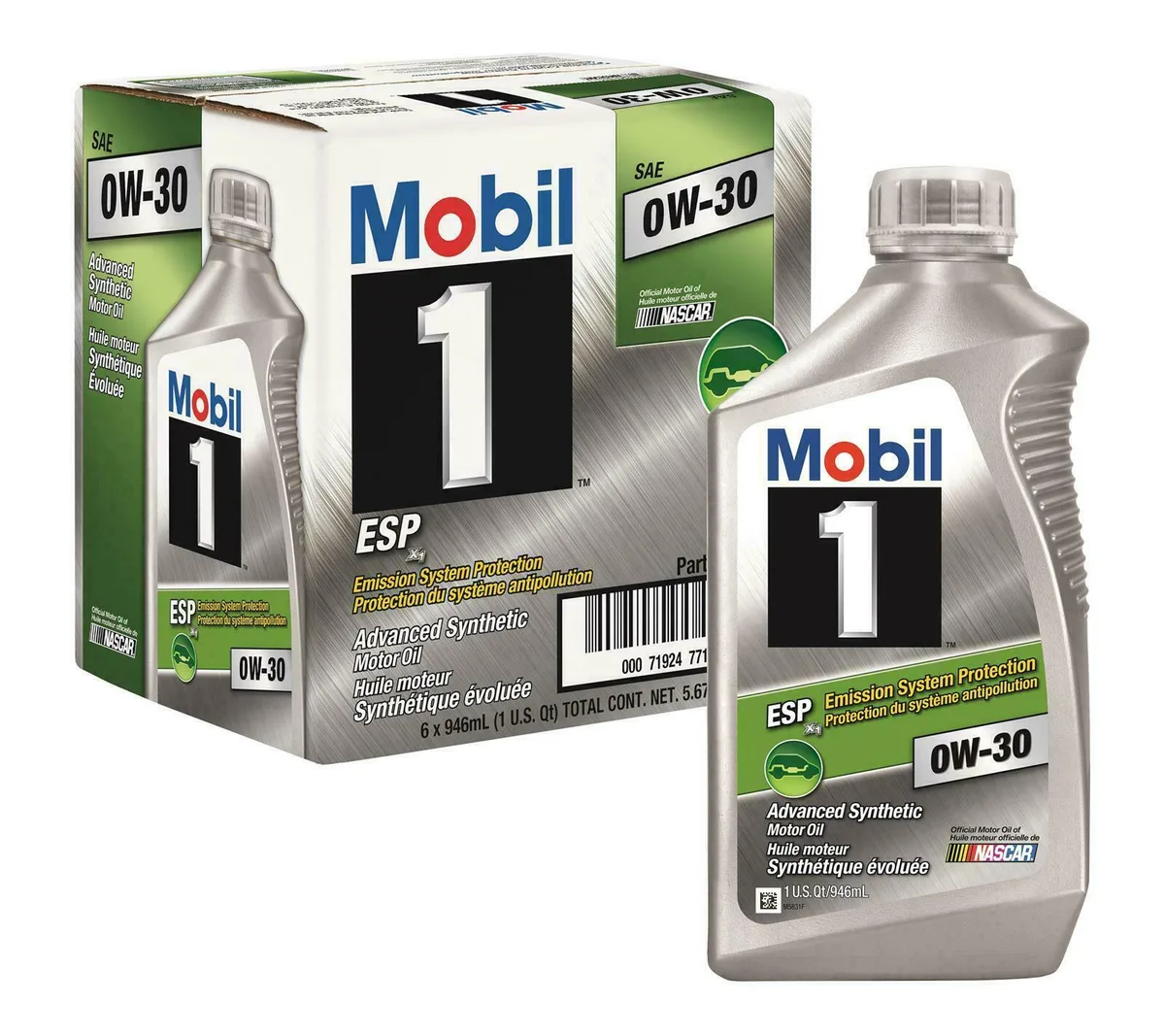
Read the complete label before buying. A proper container should show the viscosity, oil type, performance category, manufacturer, and intended application.
Check for:
- SAE viscosity grade
- API or other approved category
- Conventional, synthetic-blend, or full synthetic type
- OEM approval
- Net contents
- Manufacturer and contact information
- Intended engine use
- Package condition and seal
Don’t rely on oil color. Additives, lighting, and formulation can change appearance. The printed specification controls.
The product code may help when a store needs to distinguish similar containers. Keep a clear photo of the label if you’re asking a retailer to verify a match.
Confirm the Quantity
Engine oil capacity is the amount specified for the engine. A full service amount may be lower because oil remains in the filter, oil passages, and other components.
One U.S. quart equals approximately 946 milliliters. A five-quart jug therefore contains about 4.73 liters.
| Task | How to determine the amount |
|---|---|
| Top-up | Compare the dipstick reading with its specified range |
| Full change | Follow the service refill amount |
| Package comparison | Read the net contents on each jug |
| Multiple containers | Add labeled amounts while staying within capacity |
Add oil in small amounts. Recheck the level with the engine off and parked on level ground, following the owner’s manual.
Overfilling can cause aeration, foaming, leaks, and oil-pressure symptoms. Don’t use the package size as a target.
Match the Oil Filter
Use the oil filter specified for the engine and model year. The correct oil won’t perform as intended if the filter leaks, restricts flow, or traps the wrong amount of debris.
A filter can look similar while using a different gasket, bypass setting, or media design. Check the manufacturer’s part number before buying.
If a repair shop performs the change, include the filter in the service. Ask whether the shop accepts customer-supplied oil and filters.
Match Driving Conditions to the Service Interval
Use the owner’s manual as the baseline. It may include shorter intervals for severe service.
Severe driving can include:
- Extended idling
- Heavy towing
- Repeated short trips
- Stop-and-go traffic
- Sustained high-speed driving
- Operation in extreme temperatures
The interval may be expressed in miles, months, or both. Whichever arrives first matters.
A vehicle driven very little can still reach its time limit. Track the date as well as the mileage.
Handle an Emergency Top-Up Carefully
If the engine is low and the correct oil isn’t available, check the owner’s manual for an approved alternative. A viscosity alone doesn’t establish compatibility.
Some manuals allow a specified substitute in an emergency. Others require a particular category or approval. Don’t guess.
Never mix engine oil with coolant, brake fluid, or another fluid. A mistaken addition can cause severe damage and require immediate professional service.
If the oil-pressure warning is on, the engine is noisy, or the level is extremely low, stop driving. Obtain the correct oil or arrange roadside assistance.
Use This Product Checklist
| Check | What must match |
|---|---|
| Retailer | Product availability at the exact location |
| Viscosity | An allowed SAE grade from the owner’s manual |
| Performance category | The required API or other category |
| OEM approval | The exact mark when mandatory |
| Oil type | Any full-synthetic or base-oil requirement |
| Quantity | The specified service or top-up amount |
| Package | Sealed, clean, labeled, and undamaged |
| Filter | The specified part number |
| Disposal | An approved used-oil collection plan |
CVS Motor-Oil Prices, Container Sizes, and Specs
CVS doesn’t publish one fixed motor-oil price for every store. Price can vary by ZIP code, brand, package size, inventory, and fulfillment method. Check the exact product page and final checkout total before you leave.
Is there one CVS motor-oil price?
No. An online price may apply to one location, delivery route, or promotion. It doesn’t guarantee the same price at every CVS.
Store-level pricing can change with inventory and local demand. As of 2026, treat every displayed amount as a live offer for the selected product and location.
| Price factor | What can change |
|---|---|
| Brand and product line | Premium oils may cost more |
| Oil type | Full synthetic often costs more than conventional |
| Viscosity | Less common grades can have different pricing |
| Container size | Larger jugs may offer a lower price per quart |
| Store location | Local pricing can vary |
| Fulfillment | Pickup, delivery, and shipping may differ |
| Promotion | Discounts can be product or location specific |
| Tax | The final amount depends on the applicable rate |
How do you compare the price per quart?
Divide the product price by the number of U.S. quarts. Then add delivery charges and tax if comparing final costs.
Here is a calculation example:
- A five-quart jug priced at $32.49 costs about $6.50 per quart.
- A one-quart jug priced at $7.99 costs $7.99 per quart.
- Those figures are examples, not current CVS prices.
| Container | Labeled amount | Approximate metric volume |
|---|---|---|
| One-quart jug | 1 U.S. quart | 946 milliliters |
| Five-quart jug | 5 U.S. quarts | 4.73 liters |
| Six-quart case | 6 one-quart jugs | 5.68 liters |
A larger jug may lower the cost per quart. A smaller jug can be better for a top-up because you may not need a full container.
What specs should you compare?
Compare the printed specifications before comparing prices. A cheaper bottle is not a better value if it fails to meet your vehicle’s requirements.
| Specification | Example |
|---|---|
| SAE viscosity grade | 0W-20 or 5W-30 |
| API performance category | API SP or another stated category |
| Oil type | Conventional, synthetic-blend, or full synthetic |
| OEM approval | Manufacturer-specific mark |
| Net contents | 1 quart or 5 quarts |
| Intended use | Gasoline passenger engine or another application |
The same viscosity can appear in several products at different prices. Check the performance category and approval before deciding.
Should you buy a one-quart jug or a five-quart jug?
Buy a one-quart jug for a small top-up, and buy enough matching jugs for the specified service if completing a full change. Use the owner’s manual or measured dipstick reading to decide.
A five-quart jug can be wasteful if the service amount is much lower. A one-quart jug can be inconvenient if a full change requires several.
Check whether multiple matching containers are physically available. A product page may show one jug while the full amount sits at another location.
How should you compare CVS with another retailer?
Compare the exact product, quantity, availability, and final cost. Don’t compare a five-quart jug with a one-quart bottle.
Use this process:
- Identify the required viscosity.
- Confirm the performance category and OEM approval.
- Determine the quantity required.
- Check the product price.
- Add tax, delivery, and service fees.
- Confirm immediate availability.
- Verify that the container is sealed.
A lower online price may come with a longer wait. A higher local price may cost less overall if the product is available immediately.
Why can the price change?
Live inventory, promotions, and fulfillment options can affect the amount. A product page may update after you open it or after another order is placed.
Confirm the total at checkout. If you complete a pickup order, review the confirmation for substitutions or quantity changes.
A product that is temporarily out of stock may return at a different price. Don’t assume an older screenshot or search result will still apply.
Topping Up Oil Versus Completing a Full Oil Change
A top-up replaces only the oil missing from the engine. A full oil change drains the old oil, replaces the filter as specified, and refills the engine. The right choice depends on the level, service interval, and any warning signs.
What is the difference?
A top-up doesn’t remove old oil or replace the filter. A full change follows the manufacturer’s drain, refill, and monitoring procedure.
| Situation | Likely action | Main reason |
|---|---|---|
| Oil is slightly below minimum | Add the correct oil | The engine may need only a small amount |
| Mileage or time interval is due | Complete a full change | Scheduled service has arrived |
| Oil-pressure warning appears | Stop driving and inspect | Low pressure can damage the engine quickly |
| Oil leaks repeatedly | Top up temporarily, then diagnose | The underlying leak still needs repair |
| Oil is badly contaminated | Complete a full change | A top-up won’t remove existing contaminants |
| Service history is unknown | Have the vehicle inspected | Oil and interval requirements may be unclear |
A top-up doesn’t reset an oil-life monitor. A full change also doesn’t repair a leak, worn piston rings, or another mechanical fault.
How do you top up engine oil safely?
Check the dipstick, identify the required oil, and add small amounts until the level reaches the correct range. The owner’s manual controls the exact procedure.
- Park on level ground and turn the engine off.
- Follow the manual’s warm-engine or cold-engine instructions.
- Pull the dipstick and wipe it clean.
- Reinsert it fully.
- Remove it again and read the level.
- Add the correct oil in small amounts.
- Recheck after the engine settles.
- Secure the filler cap.
Some vehicles specify a waiting period after shutdown. Some dipsticks are intended for a particular engine temperature. Follow those instructions.
When is a top-up enough?
A top-up is usually enough when the level is slightly low and there’s no warning light, major leak, or rapid consumption.
Track the date and mileage when you add oil. If another top-up is needed soon, schedule an inspection.
Repeated top-ups can hide a failed gasket, loose filter, or excessive engine wear. They don’t remove the cause.
Should you top up oil when the low-oil warning is on?
Usually, check the level and add the correct oil if it is low, but inspect for a leak too. A warning doesn’t automatically mean a full change is needed.
Stop driving if the warning remains on after a proper top-up. The same applies to severe knocking, a burning smell, or an oil-pressure warning.
Follow the owner’s manual. Some warnings indicate a temporary low level, while others mean continued operation could damage the engine.
How much oil should a top-up need?
Add only enough to bring the level into the range shown on the dipstick. A measured reading is more reliable than an arbitrary number of ounces.
A low engine may need less than a quart. A seriously low engine may need more, but adding a whole jug without checking can cause an overfill.
An overfilled engine can aerate, foam, leak, and lose proper oil pressure. Add slowly and recheck.
How do you complete a full oil change?
A full change requires the specified oil, filter, washer, tools, and used-oil container. Follow the owner’s manual or manufacturer repair information.
- Confirm the oil specification and service amount.
- Gather the correct oil and filter.
- Check for a specified drain plug washer.
- Work on level ground with proper vehicle support.
- Warm the engine only as directed.
- Drain the oil into a suitable container.
- Replace the filter and washer.
- Install and tighten the drain plug correctly.
- Add the specified oil.
- Recheck the dipstick.
- Reset the oil-life monitor if required.
- Record the service.
- Recycle the used oil appropriately.
Hot oil and hot components can cause severe burns. Use the manufacturer’s specified support points and a safe drain setup.
When is a full change more appropriate?
A full change is appropriate when the scheduled time or mileage interval arrives. It’s also sensible when the service history is unknown or the oil shows clear contamination.
A top-up doesn’t remove existing sludge, fuel dilution, wear particles, or a saturated filter. A full service addresses the oil and filter, though it won’t fix an engine fault.
Color alone doesn’t determine oil condition. Fuel, soot, heat, and aging can change appearance. Use the mileage, time, symptoms, and maintenance history together.
What if the engine has run with low oil?
Treat the event as a reason to inspect the vehicle. A short trip after a warning may not reveal all possible damage, but continued low-oil operation increases the risk.
Ask a technician to check for:
- External leaks
- Oil consumption
- Filter sealing
- Oil-pressure concerns
- Engine noise
- Signs of overfilling
- Previous underfilling
If the engine ran dry or a warning remained on for a long time, request a more thorough inspection before another long drive.
What should you record after service?
Keep the date, mileage, oil brand, viscosity, performance category, and service interval. Record whether the oil-life monitor was reset.
A receipt documents the purchase, while a maintenance record documents the work. Keep both when possible.
Follow the manufacturer’s warranty requirements. Keep the records and use oil that meets the stated specification.
What to Do If Your CVS Doesn’t Have the Oil You Need
If your CVS is out of stock, check another nearby store, an auto-parts retailer, a service station, a dealership, or a repair shop. Choose the option that matches your urgency and the required specification.
What should you do first?
Confirm the exact viscosity, package size, and local status before switching retailers. A broad search can lead you to the wrong grade or package.
Then check nearby official inventory systems. Call when the listing shows only a transfer or shipping status.
Use an Out-of-Stock Decision Path
- If you need one quart for a small top-up, then check the nearest retailer with the exact match.
- If you need several quarts and a filter, then choose an auto-parts retailer.
- If your manual requires an OEM approval, then use a dealer or qualified repair shop.
- If the engine has a warning or major leak, then prioritize roadside assistance over a long shopping trip.
- If no nearby store has the correct oil, then ask a technician to identify an approved substitute.
Check Another Nearby CVS
Search several nearby locations rather than assuming every store has the same selection. Compare format, address, hours, and product availability.
Ask whether another store can transfer the item. A transfer can take extra time and must be confirmed by the receiving store.
“Ship to store” usually indicates a fulfillment process. It doesn’t prove that a jug is already available for pickup.
Check an Auto-Parts Retailer
Auto-parts retailers are usually the strongest fallback for a DIY change. They’re more likely to carry several viscosities, filters, drain washers, and basic tools.
Provide the employee with the exact specification. Check the container yourself before checkout.
A retailer can help locate the right product without choosing an unverified substitute. Your owner’s manual remains the deciding document.
Check a Service Station
A service station can be convenient for a common viscosity or an installed oil change. Its selection may be limited to popular grades and package sizes.
Call ahead when you need 0W-20, 5W-30, full synthetic oil, or a specific approval.
If installation is available, ask whether the price includes:
- Labor
- Oil
- Oil filter
- Disposal fee
- Taxes
- Shop supplies
A low advertised oil price may not include the full service.
Check a Dealership or Repair Shop
A dealership is useful when the vehicle requires a specific OEM approval. It can also resolve an unclear manual through the VIN.
A qualified repair shop is often more practical for a diesel engine, modified powertrain, or unusual oil-consumption problem.
Ask the service adviser to identify the oil by viscosity, category, quantity, and approval. Keep that information in the service invoice.
Can a different brand work?
Yes, if it meets every requirement for the engine. The manufacturer’s specification matters more than the brand.
A different brand can work when it has the correct viscosity, API category, oil type, quantity, and OEM approval. If the manual requires an approval mark, a generic API rating alone isn’t enough.
Don’t assume two products with the same viscosity are interchangeable. Engine design, emissions equipment, and service requirements can differ.
What if no nearby store has the right oil?
Ask a qualified technician for an approved alternative. If the engine is already low, arrange roadside assistance or towing.
An emergency quantity of the wrong oil can create more problems. Confirm compatibility before adding it.
If oil pressure is low or the engine is noisy, stop the engine. Oil pressure is too important to gamble on an unfamiliar product.
CVS vs Auto-Parts Stores, Service Stations, and Dealerships
The best place to buy motor oil depends on the job. CVS can suit a convenient top-up, while an auto-parts retailer is usually better for a DIY change. A dealer or repair shop is preferable when the specification is specialized or the engine needs diagnosis.
| Option | Best for | Main advantage | Main limitation |
|---|---|---|---|
| CVS retail store | Nearby top-ups | Convenient pickup | Limited, changing selection |
| Auto-parts retailer | DIY changes and broad selection | More fluids, filters, and tools | You must verify every specification |
| Service station | Purchase and installation | Convenient local service | Hours and stock vary |
| Dealership | OEM approval and service records | Vehicle-specific documentation | Often higher cost or longer wait |
| Independent repair shop | Full service and diagnosis | Maintenance expertise | Appointment may be required |
| Mobile oil service | DIY avoidance | Service comes to you | Availability and travel fees vary |
When CVS makes the most sense
CVS is a reasonable option when you need a small quantity of common oil and the exact product is confirmed. It can save a separate trip.
Confirm the viscosity, performance category, package size, and container condition. CVS works best for a simple top-up when you don’t need installation.
When an auto-parts retailer is better
An auto-parts retailer is usually better for a full DIY change. It can provide the oil, filter, washer, and tools together.
This option also works well for a diesel engine, specialty oil, performance application, or unusual approval. Ask staff to locate the specification, then read the label yourself.
When a service station is better
A service station is useful for a common grade and same-day service. It may offer installation if you don’t own the tools or lack experience.
Confirm that the oil meets the vehicle’s exact requirements. Ask for the complete price before leaving the vehicle there.
When a dealership is better
A dealership is the safer choice when the manufacturer requires a specific oil approval. It can confirm the specification through the VIN and record the work in the vehicle history.
The trade-off is cost and availability. A dealership may charge more or carry only approved brands.
When a repair shop is better
A repair shop is the better option when you don’t know the correct oil, the engine consumes oil quickly, or a warning light is on.
A qualified technician can inspect for leaks, consumption, filter issues, and mechanical wear. That diagnosis may be more valuable than another bottle of oil.
Which option is best for a full DIY oil change?
An auto-parts retailer is usually best because it can provide the complete set of supplies. CVS is more practical when you’ve confirmed the exact oil and already own the other equipment.
| What you need | Best starting point |
|---|---|
| One quart of a common grade | CVS, service station, or auto-parts retailer |
| Several quarts and a filter | Auto-parts retailer |
| OEM-specific approval | Dealership or qualified repair shop |
| Oil and installation | Service station or repair shop |
| Diagnosis of oil consumption | Repair shop or dealership |
| Specialty or diesel oil | Auto-parts retailer or qualified dealer |
How do you compare the total cost?
Add the oil, filter, washer, delivery, tax, labor, and disposal charges. A low bottle price may not produce the cheapest complete service.
For a DIY change, include any tools you need to buy or rent. For a shop change, ask for an itemized written estimate.
Confirm that the invoice identifies the oil and filter. A total without specifications can make future records less useful.
Who should choose CVS?
Choose CVS when the exact product is available, the store is nearby, and you need a small top-up. It’s also useful when the final price is competitive and the label clearly matches your vehicle.
Don’t choose CVS for a full change unless you already have the correct filter and equipment. Don’t drive across town for a listing that shows only shipping or an unconfirmed transfer.
Who should choose another seller?
Choose another seller if the exact viscosity is missing, the API category is unclear, or the manufacturer requires an OEM approval. Choose a shop if the engine has a warning, leak, unusual noise, or unknown service history.
The key comparison is correct oil versus incorrect oil. Availability and price matter only after the product passes that test.
Mistakes to Avoid When Buying or Using CVS-Sourced Motor Oil
The most serious mistakes happen when convenience replaces verification. Check the exact store, product, specification, quantity, and container before you buy.
What is the most common mistake?
The most common mistake is assuming every CVS carries the same motor oil. Inventory and fulfillment options vary by location.
The second most common mistake is relying on a product title. “5W-30” alone doesn’t tell you the oil type, performance category, or OEM approval.
Common Mistakes and Corrections
| Mistake | What can go wrong | Better check |
|---|---|---|
| Assuming every CVS stocks oil | A wasted trip | Search the exact store |
| Treating shipping as local stock | No oil when you arrive | Confirm pickup status |
| Buying by viscosity alone | Missing category or approval | Read the complete label |
| Choosing by brand or color | Wrong engine specification | Compare printed requirements |
| Adding a whole jug | Engine overfill | Add slowly and recheck |
| Ignoring a leak | Oil loss continues after top-up | Inspect the engine |
| Using the wrong filter | Leaks or incorrect filtration | Check the part number |
| Skipping the full change | Old oil and filter remain | Follow the service interval |
| Mixing oils without checking | An unknown or unapproved blend | Check the manual and labels |
| Using damaged oil | Contamination or damaged packaging | Inspect the container |
| Disposing of oil improperly | Environmental harm or penalties | Use an approved collection point |
Don’t Treat Shipping as Local Shelf Stock
A product page may show home shipping, store delivery, or ship-to-store availability. None of those automatically confirms that a local jug is ready now.
Adding an item to a cart may not reserve loose-shelf inventory. Wait for a pickup-ready confirmation when you need the oil immediately.
Don’t Choose Oil by Viscosity Alone
The viscosity is only one part of the specification. A product can have the right viscosity and still miss the required performance category or OEM approval.
Use this rule:
- Match the owner’s manual’s viscosity.
- Meet the stated performance category.
- Include the OEM approval when required.
- Follow any synthetic-oil instruction.
- Verify the quantity.
A premium synthetic bottle isn’t automatically better. A conventional bottle isn’t automatically unsafe. The complete specification decides.
Don’t Confuse Synthetic Oil With a Higher Specification
Full synthetic, synthetic-blend, and conventional oils can share the same viscosity and performance category.
A full synthetic product can meet a requirement that a conventional product doesn’t. A conventional product can be suitable when the manufacturer allows it.
Read the oil type because a manual or approved specification may require synthetic oil. Don’t assume the word “synthetic” establishes OEM approval.
Don’t Overfill the Engine
An overfilled engine can foam, leak, lose pressure, or suffer aeration. Add oil in small amounts, especially when the level is very low.
Recheck with the engine off and parked on level ground. Follow the owner’s manual if its procedure differs from the usual dipstick method.
Never use a full jug as your target. Oil remains in the filter and internal passages.
Don’t Ignore a Low-Oil Condition
A top-up can mask a leak, but it doesn’t repair one. Check beneath the engine, around the filter housing, near the valve-cover area, and around the filler cap.
If the level falls quickly, schedule an inspection. If the warning returns or the engine knocks, stop driving.
A new jug won’t fix a damaged filter housing, failing oil pump, or severe internal wear.
Don’t Use the Wrong Oil Filter
Use the filter specified for the engine and model year. A similar appearance doesn’t prove compatibility.
An incorrect gasket, bypass setting, or filter size can cause leaks, restriction, or debris retention.
If you’re completing a service, match the filter and oil as one planned job.
Don’t Reuse the Drain Plug Washer
Many engines use a sealing washer on the drain plug. Replace it when the manufacturer specifies a new one.
Tighten the plug to the required torque. Too little torque can leak, while too much can damage the plug or threads.
Ask a shop whether the washer and filter are included in the quoted service.
Don’t Mix Oils Without Checking Compatibility
Some manuals allow compatible oils during an emergency. Others require a specific product without exceptions.
Two oils with the same viscosity may use different base oils and additive systems. A blend can also make the final specification harder to identify.
Never mix engine oil with coolant, brake fluid, or another fluid. A mistaken addition can cause severe engine damage.
Don’t Use Oil From a Damaged Container
Reject a jug with a leaking cap, broken seal, puncture, contamination, or damaged packaging. Don’t use oil that has been stored open or exposed to extreme heat.
Keep new oil sealed until installation. Store it upright in a clean, dry place.
If the oil shows particles, water, an unusual odor, or separation that doesn’t match the product, don’t pour it into an engine.
Don’t Confuse Engine Oil With Other Fluids
Coolant, brake fluid, power-steering fluid, transmission fluid, and windshield washer fluid are not interchangeable with engine oil.
Color isn’t a reliable identifier. Read the full label and container shape before adding any automotive fluid.
If you’re uncertain, stop and ask a qualified service adviser or technician.
Don’t Reset the Monitor Before Completing Service
Resetting the oil-life monitor without replacing the oil and filter can hide a future maintenance need.
Complete the required service first. Then reset the monitor as specified by the manufacturer.
Record the date, mileage, oil specification, and filter part. An oil-life indicator isn’t a substitute for maintenance records.
Don’t Assume a Top-Up Fixes Excessive Consumption
A small top-up may handle a slightly low level. Rapid oil loss requires investigation.
Ask a technician to check leaks, filter sealing, engine consumption, and visible damage. A warning light or low level after a short interval deserves more than another jug.
Use a Final Checkout Check
A final check prevents most purchasing errors. If anything conflicts with the owner’s manual, don’t install the product.
- Confirm the exact CVS location.
- Verify the pickup status.
- Read the viscosity.
- Check the performance category.
- Confirm any OEM approval.
- Verify the oil type.
- Confirm the quantity.
- Inspect the container.
- Check the filter and drain washer.
- Keep the receipt.
- Plan safe installation and recycling.
The safest purchase is the one you can verify. If the product matches every requirement, the retail source doesn’t change its suitability. If the label or status is unclear, choose another seller or ask a qualified technician first.
Safety, Warranty, and Used-Oil Disposal Considerations
Buying motor oil at a pharmacy-focused retailer may be routine, but the surrounding work involves hot parts, fluid handling, and warranty requirements. Treat the bottle, vehicle, and work area as separate systems, and keep one from contaminating another.
What safety checks matter before changing oil?
Check the vehicle, product, equipment, and work area before draining anything. A correct bottle can still cause harm if the engine is hot or the vehicle is unstable.
- Work on level ground.
- Use the manufacturer’s support points.
- Never work beneath a vehicle supported only by a jack.
- Keep children and pets away.
- Wear gloves and eye protection.
- Keep oil away from flames and ignition sources.
- Use a drain pan designed for hot oil.
- Have a sealed used-oil container ready.
- Follow the owner’s manual.
A stable support setup matters more than the convenience of a quick service. A vehicle can move or fall if the wrong equipment is used.
Why should you let the oil cool?
Hot oil can cause severe burns. The exhaust, engine block, and oil may remain hot after shutdown.
Let the drain plug and surrounding parts cool enough to handle safely. Use a long-handled tool if the manual permits draining while the engine is warm.
Don’t pour hot oil into a plastic container that can soften or melt. Use a container rated for hot liquids.
What should you do if oil touches your skin?
Wash the skin with soap and water, then remove contaminated clothing. Seek medical advice for a significant burn, persistent irritation, or a sensitive-area exposure.
If oil enters your eyes, rinse with clean water and seek prompt medical attention. Don’t use solvents or harsh cleaners on your skin.
Can you remove the filler cap while the engine is running?
Usually, no. Removing the filler cap while the engine runs can reduce lubrication in some designs or spray oil around the engine bay.
Follow the owner’s manual if it gives a specific procedure. Keep your hands, clothing, and tools away from belts, fans, and hot components.
What should you do when the low-oil warning appears?
Check the level and inspect for a leak as soon as it’s safe to do so. Stop driving if the warning remains after a proper top-up.
An oil-pressure warning may indicate a serious lubrication problem. Continuing to drive can increase engine damage.
Knocking, shaking, a burning smell, or rapidly falling oil level also calls for inspection. Don’t treat a new bottle as a diagnosis.
Does a lower oil price affect warranty coverage?
No. Warranty terms are set by the vehicle manufacturer, not the retailer’s price. A cheaper product can meet the specification, while an expensive product can still be wrong.
A manufacturer may review:
- Required oil specification
- Service interval
- Maintenance records
- Nature of the damage
- Evidence of a lubrication-related failure
Coverage depends on the manufacturer’s terms. Keep the receipt, product label, and service records.
What oil documentation should you keep?
Keep the receipt, container label, product information, and service invoice. Record the date, mileage, viscosity, category, oil type, and OEM approval.
| Record | Why it helps |
|---|---|
| Purchase receipt | Shows where and when you bought the oil |
| Label photo | Confirms the product specification |
| Service invoice | Documents labor and parts |
| Mileage record | Supports the service interval |
| Monitor reset | Records completion of required maintenance |
| Warranty documents | Provides service-history context |
Keep the container until installation. After the service, retain the packaging or a clear label photo.
Can an equivalent oil preserve warranty coverage?
An equivalent oil can be suitable when it meets every manufacturer requirement. It may not be accepted if the manufacturer requires a specific approval or prohibits substitutes.
Use the owner’s manual and official manufacturer documentation. Ask the dealer or warranty administrator when the language is unclear.
A verbal assurance that two brands are “the same” isn’t enough. Compare the viscosity, category, oil type, and approval.
How should you store new motor oil?
Keep the container sealed, upright, and away from heat. Store it in a clean, dry location away from food, pets, children, and ignition sources.
A hot car is a poor storage area. Heat can damage packaging and makes leaks more likely.
Set aside a jug that is leaking, swollen, open, or otherwise damaged. Don’t use it in the engine.
How should you handle used oil?
Treat used motor oil as contaminated automotive waste. It can contain metals, fuel, soot, and other substances not present in new oil.
Wear gloves, avoid skin contact, and keep the container closed. Don’t mix used oil with coolant, brake fluid, solvent, or household chemicals.
Use a dedicated container rather than a food or beverage container. Keep oily absorbents separate from ordinary household waste.
Where should you recycle used oil?
Take used oil to an approved collection or recycling location. Service stations, repair shops, and household hazardous-waste programs may accept it.
Before traveling, check whether the location accepts household oil. Some sites require motorists to empty the jug before arrival.
Keep the container upright during transport. Place it in a secondary tub if there’s any risk of leakage.
The U.S. Environmental Protection Agency provides general used-oil management guidance. State and county rules control local requirements.
| Never do this | Use this instead |
|---|---|
| Pour oil into a storm drain | A labeled, sealed container |
| Pour oil into a sewer | An approved collection site |
| Put used oil in a food or drink bottle | A purpose-made oil container |
| Mix oil with other liquids | A separate used-oil container |
| Leave oil uncovered overnight | A tightly closed container |
| Hose a spill into a drain | A controlled spill response |
How should you handle a used oil filter?
Treat a used oil filter as oil-contaminated automotive waste. It can retain oil, fuel residue, and trapped debris.
Don’t crush, puncture, or drain a filter into a household drain. Check your local waste program before placing it in regular trash. Some oil-collection sites don’t accept filters.
If your area classifies used filters as hazardous waste, take them to a designated collection point. Don’t assume a service station accepts everything.
What should you do with an oil spill?
Contain the spill before cleaning it. Keep the liquid away from drains, soil, and surface water.
Use an oil-absorbing material appropriate for the surface. Place oily absorbents in a sealed container until you know where your local waste program allows them to go.
Don’t hose the area into a storm drain. For a large spill, keep people away and contact the local fire department or environmental authority.
If oil reaches a drain, report it under local rules. Don’t wait for the visible liquid to disappear.
Does CVS accept used oil for recycling?
Don’t assume it does. A store that sells new motor oil may not be an approved used-oil collection site. CVS recycling policies can also vary by location.
Call the exact store before transporting the oil. If it doesn’t accept used oil, use a service station, repair shop, household hazardous-waste program, or another approved collector.
Don’t leave a used-oil container beside a CVS trash bin. Keep it sealed until you reach an approved location.
What if a CVS employee offers to install the oil?
Ask whether that location provides oil-change service. Some stores sell automotive products without offering installation, while others may direct you to a service provider.
Before leaving the vehicle, confirm:
- Oil viscosity and performance category
- Any required OEM approval
- Oil quantity
- Oil filter part number
- Labor charge
- Disposal fee
- Total price
- Service-record policy
Ask for an itemized invoice that identifies the oil and filter. A simple total can make your maintenance history less useful.
What if the engine leaks after the oil change?
A new jug doesn’t cause most engine leaks. Possible causes include a loose drain plug, failed washer, incorrect filter, damaged gasket, or overfilled engine.
Stop the engine on level ground and let hot parts cool. Don’t keep adding oil to hide the loss.
Arrange an inspection if oil collects under the vehicle, the level falls quickly, or a warning returns. Keep the container, receipt, and service paperwork for the technician.
What if I’m unsure whether the oil is suitable?
Don’t use it until the specification is clear. Check the owner’s manual, manufacturer’s VIN lookup, or a dealer service specification.
A qualified repair shop can also confirm the required viscosity, category, oil type, and OEM approval. If the engine is already low, stop driving and get the correct product or roadside assistance.
The safest purchase is one you can verify. Keep the container sealed, dispose of used oil properly, and pause whenever the specification remains unclear.
Real Scenarios: Quick Top-Up, DIY Change, and Road Trip
The right buying decision depends on why you need oil. A small top-up, a full DIY change, and a road-trip precaution involve different quantities, equipment, and timing.
A Quick Top-Up Before the Next Service
Buy from CVS when the exact viscosity and performance category are confirmed. A one-quart jug is usually the easiest package for a small correction.
Start with the dipstick. If the level is only slightly below minimum, you may need less than one quart. Add the correct oil in small amounts, then recheck the engine level.
A CVS pickup makes sense when the product is ready, the container is sealed, and the label matches your manual. If the listing is unclear, call the store or choose a closer seller.
If the level is extremely low, inspect for a leak before adding more. A large correction can hide a loose filter, failed gasket, or excessive engine consumption.
A Full DIY Oil Change
An auto-parts retailer is usually better for a full change because it can provide the oil, filter, washer, and tools together. Use CVS when the exact oil is available and you already have the remaining supplies.
Suppose the manual lists a 4.8-quart engine capacity and specifies 5W-30. A five-quart jug contains enough oil, but you should follow the service refill amount rather than emptying the entire container.
Oil remains in the filter and internal passages. The listed engine capacity doesn’t necessarily equal the amount added after a drain.
Before starting, confirm:
- Required viscosity and performance category
- Full synthetic or blend requirement
- Oil service amount
- Correct oil filter
- Drain plug washer
- Drain plug torque
- Oil-life monitor procedure
- Used-oil disposal plan
A qualified shop is the better choice if you don’t own the tools or aren’t comfortable working around hot fluids and vehicle supports.
A Low-Oil Warning During a Road Trip
Stop the vehicle in a safe place and check the level using the owner’s manual. If the engine is already low, add only the specified oil.
If the warning remains on, arrange roadside assistance. Continuing to drive can increase lubrication damage even if the engine seems quiet.
A nearby CVS may help if it has the correct product. Search the destination ZIP code and call before driving there. Don’t rely on your home store’s online selection.
If no correct oil is available, contact roadside assistance or a repair shop. Don’t add an unidentified product simply because the engine is low.
Preparing for a Long Trip
Complete any scheduled oil change before leaving. It’s easier to service the vehicle at home than to find the correct oil along the route.
Check the current level and inspect for leaks. Carry a known quantity of the correct oil if your route includes remote areas.
Search CVS locations near your planned stops. A destination store may carry a common grade but not a specific approval or full-synthetic requirement.
Keep the container sealed and upright in the passenger compartment. Don’t leave it loose beside tools or under direct sunlight.
Purchasing for an Older or High-Mileage Vehicle
Age alone doesn’t determine the correct oil. Check the VIN, owner’s manual, service history, engine condition, and any manufacturer guidance for older vehicles.
A high-mileage oil formulation may be approved for some engines. It isn’t automatically required for every vehicle above a certain mileage.
Compare the manual’s viscosity, category, and any approval with the label. If the engine consumes oil quickly, ask a technician to inspect it rather than relying on repeated top-ups.
Purchasing for a Hybrid Vehicle
A hybrid SUV with a gasoline engine still needs the correct engine oil. Use the specification for its combustion engine.
An electric-only vehicle doesn’t use conventional engine oil in the same way. Some use small quantities of lubricant in reduction gears, while others use different fluids.
Check the owner’s manual before buying motor oil for an electric powertrain. The vehicle’s broad category doesn’t determine the fluid.
Purchasing for a Diesel Vehicle
Gasoline-engine oil can be unsuitable for a diesel engine. Match the specified diesel viscosity, performance category, quantity, and any OEM approval.
A dealer, qualified repair shop, or specialist diesel retailer is usually the best fallback when CVS doesn’t stock the correct product.
Don’t rely on phrases such as “heavy duty” or “high mileage.” The manufacturer’s diesel specification makes the decision.
Purchasing After an Engine Repair
Use the oil and filter specified for the repair. A repair may require a particular viscosity, oil type, or approval.
Ask the repair shop whether any fluid interaction is possible when adding new oil to an engine that still contains some old oil. Follow the written post-repair instructions.
Keep the repair invoice, product label, and service record. They help establish that the specified product was used.
Purchasing When the Service History Is Unknown
Ask a technician to identify the engine, check the oil condition, and recommend the correct specification. An oil analysis may help if the history is unclear.
Don’t choose a product based only on the vehicle’s age or a previous owner’s last service sticker. Maintenance records can be missing, incomplete, or inaccurate.
If the engine has damage or warning signs, inspection comes before another bottle of oil.
Frequently Asked Questions
Does CVS Pharmacy sell motor oil?
Some CVS locations may offer motor oil, but selection varies by store format, local demand, and current inventory. Check the exact store on CVS.com rather than relying on a nationwide product page. Confirm the viscosity, package size, and pickup status before making the trip.
Does CVS carry 0W-20 or 5W-30 engine oil?
A CVS may carry one or both grades, but neither is guaranteed at every location. Search the exact viscosity and open the product details for your store. Check the performance category, quantity, and any OEM approval before buying.
Can I order motor oil online from CVS?
You may be able to order it for pickup, delivery, or shipping when the exact product is listed. Ship-to-store status does not mean the jug is already available. Wait for a pickup-ready confirmation when you need the oil the same day.
Does CVS sell the right motor oil for my car?
CVS can supply a suitable product when it matches your viscosity, performance category, oil type, quantity, and any OEM approval. Give the store your vehicle details and check the container label. Don’t rely on the product title or brand alone.
What should I do if my CVS doesn’t have motor oil?
Check another CVS, an auto-parts retailer, a service station, a dealership, or a qualified repair shop. An auto-parts retailer is usually better for a DIY change. Use a dealer or repair shop when the manufacturer requires a specific approval.
Does CVS change oil as well as sell it?
Not every CVS location provides installation. Some stores may sell motor oil without offering oil-change service. Ask the exact location whether labor, the filter, disposal, and taxes are included before leaving the vehicle.
Final Decision Guide: Buy at CVS, Check Another Store, or Ask a Mechanic
Use the vehicle specification and the live store status to choose your next step. Convenience should determine where you shop, not which oil your engine receives.
| Your situation | Best next step |
|---|---|
| Exact oil is ready for pickup | Check the label and buy it |
| Oil is only available by shipping | Wait or check another source |
| Different brand meets every specification | Compare the full label |
| Only the viscosity matches | Verify the category and OEM approval |
| Manual requires a manufacturer approval | Use a dealer or qualified repair shop |
| You need several quarts and a filter | Choose an auto-parts retailer |
| Low-oil or oil-pressure warning is on | Stop driving and inspect the vehicle |
| CVS status is unclear | Call the exact store |
| Engine consumes oil quickly | Schedule a leak and consumption check |
| You need installation | Use a service station, dealer, or repair shop |
If CVS Has the Exact Product
Buy the required quantity when the container is sealed and the label matches your manual. Keep the receipt, product information, and service records.
A pickup-ready confirmation gives you stronger inventory protection than a general product listing. Calling the store adds another check when the purchase is time-sensitive.
If Another Brand Meets Every Requirement
You can use another brand when it matches the required viscosity, performance category, oil type, quantity, and OEM approval.
Viscosity alone isn’t enough. If the manual requires a manufacturer mark, the oil must carry it.
If the CVS employee offers an equivalent, pause before accepting. Read the container and compare every line with the manufacturer’s specification.
If One Requirement Is Unclear
Stop before buying. Check the owner’s manual, the product label, or the manufacturer’s official VIN information.
A dealer service adviser or qualified technician can resolve an unclear specification. Don’t install an oil you can’t verify.
If the CVS Is Out of Stock
Move to an auto-parts retailer, service station, dealership, or repair shop. Choose the seller that matches your urgency and the required product.
An auto-parts retailer is usually best for a full DIY change. A dealer or repair shop is better for an OEM-specific approval, unusual engine, or uncertain specification.
If the Engine Has a Warning or Leak
Treat the warning as the priority. Obtain the correct oil or arrange roadside assistance, and don’t assume a new jug will fix the underlying problem.
Stop driving when the oil-pressure warning remains on, the engine knocks, or the level falls rapidly. A long shopping trip isn’t worth risking engine damage.
Make the Decision in Four Checks
- Store: Confirm the exact location and immediate availability.
- Specification: Match the viscosity, category, oil type, and OEM approval.
- Quantity: Compare the service amount with the package size.
- Condition: Inspect the container and keep the receipt.
If all four checks pass, CVS is a convenient source. If the stock, specification, quantity, or container raises doubt, choose another seller or qualified technician.