Guide to Is Synthetic Motor Oil Better
“Is synthetic motor oil better?” is not a useful first question unless you mean better for a specific engine, service interval, and set of driving conditions. The right first question is whether the oil matches the required viscosity grade, performance category, and any manufacturer approval. Synthetic oil often improves cold flow, heat stability, and consistency, but it can still be wrong for the vehicle.
A label such as 0W-30 gives you an SAE J300 viscosity grade, not the base-stock type. SAE J300 sets cold cranking, low-temperature pumping, kinematic viscosity, and high-temperature viscosity limits. As of 2026, many engines also require an exact OEM approval code for emissions compatibility, friction, and oil consumption, so start with those requirements before choosing conventional, blend, or synthetic oil.
Guide to Is Synthetic Motor Oil Better
Quick Answer
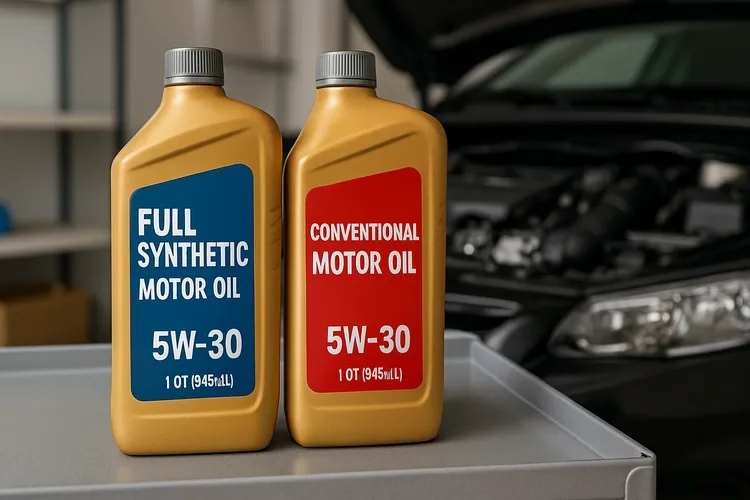
Is synthetic motor oil better? Usually, for demanding engines. Synthetic oil handles heat and cold more consistently.
It still must meet the required viscosity, performance category, and OEM approval. Choose the specification first, then the oil type.
What “Regular,” “Synthetic Blend,” and “Full Synthetic” Actually Mean
Full synthetic motor oil is made with manufactured base stocks rather than mainly mineral-derived feedstocks. Conventional oil relies on mineral base stocks, while a synthetic blend contains both types. That label describes how the oil was made, not whether it suits your engine.
A finished oil also contains additives that provide wear protection, oxidation control, deposit control, and seal compatibility. Two synthetic oils can use different base stocks and additives, so “full synthetic” alone is not a complete specification.
What is base stock?
Base stock is the oil foundation used before performance additives are blended into it. It largely determines the oil’s viscosity behavior, temperature response, and volatility.
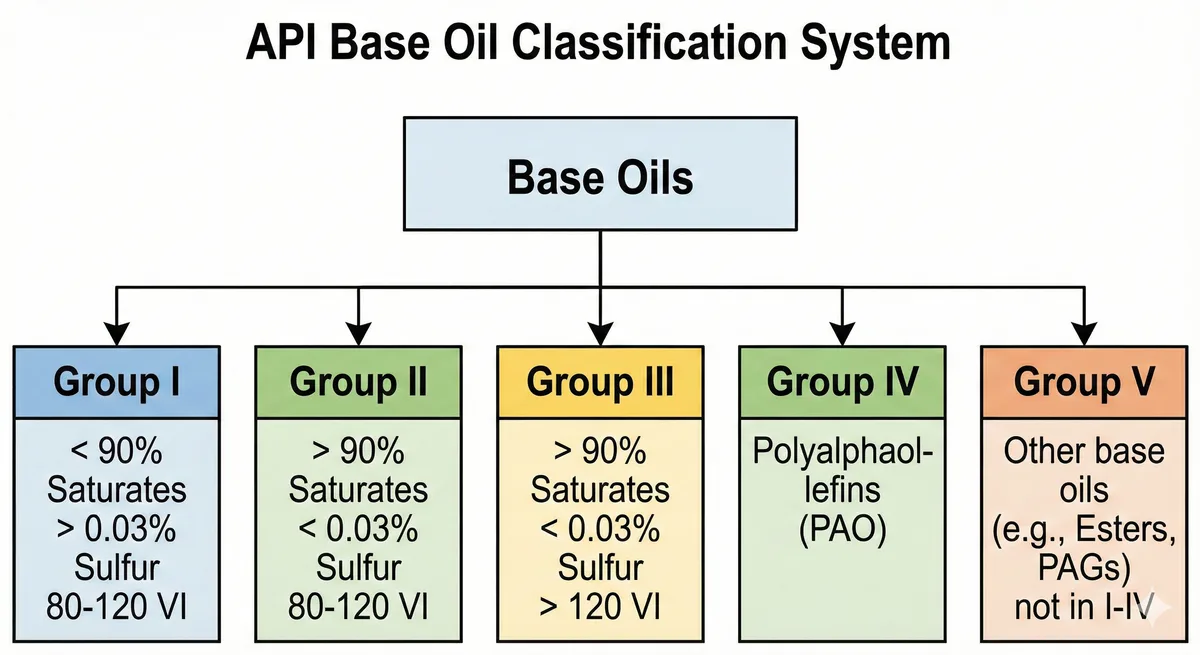
The American Petroleum Institute divides common lubricant base stocks into five groups:
| API group | Production method | Main characteristics | Typical use |
|---|---|---|---|
| Group I | Conventional mineral refining | Moderate viscosity index | Conventional engine oils |
| Group II | Hydroprocessed mineral oil | Viscosity index of 120 or higher | Higher-quality conventional oils |
| Group III | Hydrocracked mineral oil | High viscosity index, low sulfur, and strong oxidation resistance | Synthetic and synthetic-blend oils |
| Group IV | Polyalphaolefin, or PAO | High viscosity index and strong temperature stability | Premium synthetic oils |
| Group V | Ester base stock | High viscosity index, lubricity, and low volatility | Specialty oils and synthetic blends |
These groups describe base-stock chemistry. They don’t tell you whether the finished oil passed a gasoline-engine, diesel-engine, or OEM approval test.
Is full synthetic always PAO?
No. Full synthetic oil can use Group III, Group IV PAO, Group V ester, or a combination of synthetic base stocks.
PAO is one type of synthetic base stock. It isn’t the only legal or technical meaning of “synthetic.”
Group III hydrocracked base stock is also synthetic under the U.S. Motor Oil Labeling Rule. It provides a high viscosity index and strong oxidation resistance at a lower cost than many PAO formulas.
A well-formulated Group III oil can perform very well in a modern engine. A poorly formulated oil can fail even when it uses an advanced base stock.
What is conventional motor oil?
Conventional motor oil is made mainly from mineral-derived base stocks, usually in API Groups I and II.
The word “regular” doesn’t mean the oil is defective or obsolete. A high-quality Group II oil can meet a demanding performance specification when it carries the required viscosity grade.
Conventional oil is suitable when the manufacturer allows it and the exact product meets the engine’s requirements. It may also be the most practical choice for a moderate-duty engine with a straightforward lubrication system.
What is synthetic-blend motor oil?
A synthetic blend combines mineral and synthetic base stocks. It may contain Group III, PAO, ester, or another synthetic fraction.
There is no single synthetic percentage that defines every acceptable blend. A well-made blend can meet a demanding performance category, but the wording alone tells you very little.
Read the actual viscosity grade, performance category, and OEM approval. Don’t assume every blend performs halfway between conventional and full synthetic oil.
What does Group III+ mean?
“Group III+” is usually a marketing description for Group III oil enhanced with PAO, ester, or another higher-performance component.
There is no single universal Group III+ formula. Products carrying that phrase can contain very different base-stock and additive packages.
Treat the term as useful background. Give more weight to the finished oil’s tested performance and OEM approval.
What do additives do?
Additives provide much of the engine protection you buy from a bottle of motor oil.
| Additive type | Main job |
|---|---|
| Antiwear additives | Build a protective film on metal surfaces |
| Extreme-pressure additives | Protect bearings and heavily loaded contacts |
| Detergents | Loosen deposits and combustion by-products |
| Dispersants | Keep soot and particles suspended in the oil |
| Antioxidants | Slow heat- and oxygen-driven degradation |
| Corrosion inhibitors | Protect metal from rust and corrosive combustion products |
| Pour-point depressants | Help the oil remain fluid at very low temperatures |
| Viscosity-index improvers | Reduce viscosity change as temperature rises |
| Seal conditioners | Reduce seepage through certain aging elastomer seals |
Zinc dialkyldithiophosphate, commonly called ZDDP, provides antiwear protection. Some modern oils use reduced phosphorus levels to protect catalytic converters, so flat-tappet compatibility still matters.
An advanced base stock cannot rescue a weak additive package. The finished formulation needs to pass the applicable performance tests.
Which part of the label matters most?
Read the label in this order:
- SAE viscosity grade: This shows the required cold and hot viscosity classification.
- Performance category: This may include API, ILSAC, or ACEA.
- OEM approval: This may identify an exact manufacturer specification.
- Base-stock type: This describes conventional, blend, PAO, ester, or full synthetic oil.
- Additional claims: Claims such as “high mileage” or “extended protection” need supporting specifications.
The base-stock description doesn’t override an engine requirement. An expensive synthetic oil with the wrong approval remains the wrong oil.
How Synthetic Oil Performs in Heat, Cold, and Heavy Load
Synthetic oil usually provides more stable viscosity across a wide temperature range. That benefit can improve cold starts, hot lubrication, and resistance to oxidation. The complete formulation still determines how much real-world advantage you get.
What happens during a cold start?
The engine must move oil through the sump, pickup, galleries, bearings, and cylinder walls before full lubrication occurs. A delayed oil film can allow metal-to-metal contact during startup.
Synthetic base stocks often retain fluidity better as temperature falls. This can help oil reach engine components quickly on a cold morning.
The specified viscosity grade still comes first. A thinner oil that is wrong for the engine can restrict protection at hot operating temperature. A thicker approved grade may provide the protection the engine was designed to receive.
Why does viscosity index matter?
Viscosity index measures how much an oil’s viscosity changes as temperature rises. A higher viscosity index usually means less viscosity change across a temperature range.
For example, two 5W-30 oils share the same SAE grade. One may lose less viscosity as the engine heats because of its base stocks and additives.
Viscosity index doesn’t identify an oil’s base-stock family. It also doesn’t replace an SAE grade or performance category.
What is high-temperature viscosity?
High-temperature, high-speed viscosity, often called HTHS viscosity, describes how oil behaves under hot, high-speed conditions. It is reported in millipascal-seconds, written as mPa·s.
Oil thins as it heats. HTHS testing estimates whether enough viscosity remains to separate moving metal surfaces under demanding operating conditions.
HTHS is part of SAE viscosity classification. It should not be compared directly with pouring point, Noack volatility, or another unrelated laboratory result.
What is oxidation resistance?
Oxidation resistance is an oil’s ability to resist chemical aging under heat and oxygen. Oxidation can increase viscosity, create acids, thicken oil, and contribute to sludge and varnish.
A strong antioxidant package slows those changes. Synthetic base stocks often retain their properties better in hot service, but no oil is oxidation-proof.
Fuel dilution and water contamination can accelerate aging. They can also create problems that the oil’s normal additive reserve may not overcome between services.
What is Noack volatility?
Noack volatility measures the percentage of oil lost through evaporation under defined laboratory conditions. A lower result usually indicates better resistance to evaporative loss.
Lower volatility can be useful in hot climates, high-load service, and aging engines. It may also reduce top-up frequency when external leaks and mechanical consumption aren’t present.
Noack testing doesn’t measure every real-world source of oil consumption. Worn rings, valve guides, seals, and leaking gaskets can still reduce the oil level.
Which laboratory measurements are useful?
Several laboratory values help describe a finished oil, although they serve different purposes.
| Measurement | What it tells you | What it doesn’t diagnose |
|---|---|---|
| Kinematic viscosity | Oil resistance to flow at a stated temperature | Mechanical oil consumption |
| Viscosity index | How viscosity changes with temperature | Deposit control or approval status |
| HTHS viscosity | Behavior under hot, high-speed conditions | Cold-start pumpability |
| Pour point | Lowest test temperature for bulk oil flow | Full SAE cold-weather performance |
| Noack volatility | Resistance to evaporative loss | External leaks or worn engine parts |
| Flash point | Temperature associated with rapid vapor formation | Normal operating oil temperature |
| Sulfated ash | Residue that can affect emissions systems | Complete exhaust-system compatibility |
| Total base number | Acid-neutralizing reserve, mainly used for diesel oils | Every aspect of engine protection |
The first three to five values are more useful to most drivers than the complete laboratory sheet. None replaces the performance category or OEM approval.
How does synthetic oil control deposits?
Synthetic formulations commonly provide strong detergent, dispersant, and antioxidant performance. That helps control sludge, varnish, piston deposits, and turbocharger deposits under demanding service.
Direct fuel injection can increase fuel dilution. Turbocharging raises oil temperature. Exhaust-gas recirculation can increase combustion by-products entering the oil.
A better oil slows these effects. It doesn’t compensate for an excessive drain interval, a failing fuel injector, or an engine that never reaches operating temperature.
Does synthetic oil protect bearings better?
A properly formulated synthetic oil usually maintains a useful lubricating film more consistently as temperature and load rise. That makes it useful in turbocharged, performance, towing, and sustained high-load engines.
Protection still depends on correct oil pressure and level. A starved engine can lose lubrication with any approved oil.
Investigate low pressure at hot rpm, leaking oil coolers, defective pumps, incorrect fittings, and oil aeration. Don’t fix these problems with a thicker off-spec oil.
Does synthetic oil help older engine seals?
A high-mileage synthetic formulation may contain seal conditioners and have lower volatility. Mild seepage through aging valve-cover gaskets, seals, and poron seals can sometimes improve.
A new oil can also make a small leak more visible before it reduces the level. That doesn’t mean the oil caused the leak.
A leaking head gasket, cracked oil pan, damaged turbo seal, or worn mechanical seal needs repair. No oil change will restore those parts.
Is synthetic oil better for flat-tappet engines?
Not automatically. A flat-tappet engine may need enough antiwear additive to protect sliding cam surfaces.
Some modern oils use lower phosphorus levels to protect catalytic converters. A classic engine without the same emissions constraints may need a different formulation.
Check the original service information and current metal compatibility requirements. A fully synthetic oil can provide suitable protection if the formula meets them.
Does synthetic oil improve fuel economy?
Synthetic oil may improve fuel economy slightly through lower friction and better viscosity control. The result depends on the oil, grade, engine calibration, temperature, and test conditions.
Changing between approved 5W-30 formulas usually produces a smaller effect than correcting a mechanical problem. A change to 0W-20 can matter more, but only when the manufacturer allows that grade.
Fuel-economy claims don’t override the specified viscosity, category, or approval.
Where does synthetic oil have the strongest advantage?
Synthetic oil gives the engine the most useful margin when operating conditions are demanding or its design depends on long-life oil technology.
| Operating condition | Typical synthetic benefit | Qualification |
|---|---|---|
| Cold startup | Reliable pumpability and faster oil delivery | The correct cold grade still matters |
| Sustained heat | Better viscosity and oxidation control | Additives and service timing still matter |
| Turbocharging | Better hot-bearing and deposit protection | Follow the exact OEM approval |
| Towing | Better retention under long loads | Check levels and use severe-service timing |
| Short trips | Better resistance to heat and oxidation | Frequent short trips still shorten service life |
| High mileage | Better volatility and seal management | It cannot repair worn parts |
| Long-life schedule | Supports the approved interval | Only the exact oil qualifies |
In a moderate-duty engine that accepts conventional oil, the difference may be small. Specification remains more important than the synthetic label.
Viscosity Grade vs. Oil Quality Specification
Viscosity and quality answer different questions. Viscosity controls fluid behavior at different temperatures. Performance quality describes how the finished oil passes defined engine tests.
A product can have the correct viscosity and still fail the required quality category. It can also meet a broad category while lacking a manufacturer-specific approval.
What does SAE J300 specify?
SAE J300 classifies engine oil by viscosity. It defines cold cranking, low-temperature pumping, kinematic viscosity, and HTHS limits.
The SAE International standards catalog provides the official framework for these classifications. SAE J300 does not identify base-stock type or engine performance.
A 0W-20 oil can be conventional, blended, or fully synthetic. A 5W-30 synthetic oil still has the same broad hot-viscosity classification as a conventional 5W-30.
What does API SQ mean?
API SQ is the current upper gasoline-engine performance category in API’s framework as of 2026. API SQ oils are designed to meet API SP performance while adding requirements for certain engine-protection areas.
The API engine-oil specifications page explains the current categories. The category covers tested performance, not base-stock type.
API SQ doesn’t automatically replace dexos, Ford WSS-M2C, or another OEM approval. It also doesn’t make every API SQ oil suitable for every engine.
What is the difference between API SQ and API SP?
API SQ is newer than API SP. An API SQ oil is formulated to meet SP performance and newer requirements.
An engine that specifies SP may accept SQ when the manufacturer says so. The vehicle documentation still controls.
Don’t assume that a newer category is a drop-in replacement for a required OEM approval. Check the exact code and any viscosity restrictions.
Where do ILSAC specifications fit?
ILSAC develops oil specifications used across North American, Japanese, Korean, and other markets.
GF-6A commonly covers 0W-20, 5W-20, and 5W-30 applications. GF-6B covers 0W-16 applications, while GF-6C applies to certain engines using 0W-12 or 0W-16 oils.
The ILSAC star certification appears separately from API performance categories. Confirm both the grade and any manufacturer approval before buying.
Where do ACEA specifications fit?
ACEA oil sequences are common in Europe and several other markets.
ACEA A covers gasoline engines, while ACEA B covers light-duty diesel engines. ACEA C covers certain lower-viscosity gasoline oils used in efficiency-focused applications.
The letter, year, and viscosity class all matter. An ACEA category doesn’t automatically satisfy a separate Volkswagen, Mercedes-Benz, or other manufacturer approval.
What is an OEM approval?
An OEM approval is a manufacturer-specific oil specification. It shows that the exact product met an automaker’s requirements for a defined engine or vehicle application.
Depending on the manufacturer, it may cover:
- Viscosity behavior
- Oxidation and thermal stability
- Wear and deposits
- Seal compatibility
- Friction
- Oil consumption
- Emissions-system compatibility
- Extended service intervals
Examples include dexos, Ford WSS-M2C, Mazda UPF, and Volkswagen 504.00 or 507.00 approvals. The required code depends on the vehicle.
Which oil requirement should control?
Use the most specific applicable requirement. An OEM approval usually matters more than a general performance category.
A sensible hierarchy is:
- Exact OEM approval code
- Required viscosity grade
- Required API, ILSAC, or ACEA category
- Additional manufacturer conditions
- Base-stock preference
If the owner’s manual lists an approval, grade, and performance category, match all three. Don’t mix a grade from one option with an approval from another.
Can the under-hood label override the manual?
Usually, the under-hood label is specific to the vehicle. It may point to the manual for additional information.
If the label and manual appear to conflict, use the VIN to verify the requirement. A production change or service bulletin may explain the difference.
Don’t guess. Contact the manufacturer or an authorized service location when the documents disagree.
Is 0W-20 always better than 5W-30?
No. A thinner oil can reduce friction, but it may be too thin for an engine’s hot operating requirements.
Use 0W-20 only when the manufacturer specifies or clearly permits it. Use 5W-30 only when it appears in an approved specification for that engine.
Some engines that require 0W-20 can consume oil if given 5W-30. Other engines may lose oil pressure with a grade that is too thin.
Does API SQ mean the oil is synthetic?
No. API SQ describes tested performance. A suitable conventional, blend, or full synthetic formula can meet the category.
The bottle’s base-stock description and the vehicle’s approval requirement tell you whether synthetic status matters.
Does ACEA approval replace an OEM approval?
No. ACEA provides a broad performance sequence. Many European manufacturers require a separate product approval because their engines and emissions systems have specific needs.
An ACEA A3/B4 claim, for example, doesn’t automatically satisfy a separate Volkswagen, Mercedes-Benz, BMW, Renault, or PSA requirement.
Is high-mileage oil a performance category?
No. High-mileage oil is a formulation aimed at aging engines. It may contain seal conditioners, extra antiwear additives, and volatility control.
It can be conventional, synthetic blend, or full synthetic. It still needs the required viscosity, category, and OEM approval.
Full Synthetic vs. Conventional vs. Synthetic Blend: Side by Side
Full synthetic oil usually performs best across temperature extremes, but it isn’t automatically the right choice. Conventional oil can be correct and economical for a moderate-duty engine. A synthetic blend can provide a practical middle ground.
| Characteristic | Conventional oil | Synthetic blend | Full synthetic oil |
|---|---|---|---|
| Base stock | Mineral-derived | Mineral and synthetic mixture | Manufactured synthetic base stocks |
| Common API groups | I or II | Mixed groups | III, IV, V, or a mixture |
| Cold-temperature behavior | Good when correctly graded | Usually between conventional and full synthetic | Often excellent |
| Heat and oxidation resistance | Adequate for many approved uses | Better than basic conventional oil in many formulas | Usually strongest |
| Volatility control | Varies by formulation | Varies by blend and formula | Often very good |
| Price | Usually lowest | Usually midrange | Usually highest |
| Best fit | Conventional-approved engines | Normal service with balanced cost | Modern, turbocharged, or demanding engines |
| Main limitation | Less margin in severe service | Blend label reveals little by itself | Cost without a real specification benefit |
The comparison is fair only when every product has the same required viscosity. A 0W-20 and 5W-30 comparison is also a viscosity comparison, not just a base-stock comparison.
Where conventional oil performs well
Conventional oil is the better practical choice when the manufacturer allows it and the engine operates in normal service.
A qualifying Group II oil can offer a high viscosity index, good oxidation resistance, and adequate deposit control. The engine may have wider tolerances and less demanding lubrication requirements.
Conventional oil is often sensible for a low-mileage vehicle with a naturally aspirated engine. It can also work well in an older engine that has clear oil specifications and normal operating temperatures.
Where a synthetic blend makes sense
A synthetic blend can suit a moderate-duty engine when the manufacturer allows it and the price difference matters.
It may be a good option for a daily commuter, a naturally aspirated engine, or a vehicle driven mostly on moderate trips. The blend still needs the correct grade, performance category, and OEM approval.
A blend offers little reason to gamble if the engine requires full synthetic. Don’t choose it merely because the front label uses the word “synthetic.”
Where full synthetic earns its premium
Full synthetic oil provides the clearest benefit in cold climates, turbocharged engines, severe service, and modern engines with tight clearances.
It can retain hot viscosity better, resist oxidation, and limit deposits. It can also reduce evaporation enough to help an aging engine maintain its level.
That extra performance is useful when the manufacturer designed the engine around it. It matters less in a simple engine that runs gently and accepts a quality conventional formula.
Does base-stock type guarantee performance?
No. Base stock influences viscosity behavior, but additives determine much of the finished oil’s protection.
A premium PAO formula with poor additives can be worse than a well-formulated Group III oil. A Group III oil with strong additives and a required approval can be the better choice.
Compare base stock only after matching viscosity, performance category, and OEM approval.
Which option is best for each driver?
| Driver situation | Best starting point |
|---|---|
| Low-mileage, moderate-duty engine | Qualifying conventional oil |
| Normal commuting with approved blend | Qualifying synthetic blend |
| Manufacturer requires full synthetic | Exact approved full synthetic product |
| Turbocharged or performance engine | Required oil with strong heat and deposit protection |
| Extreme cold or sustained heat | Approved synthetic oil with stable temperature behavior |
| Older high-mileage engine | Approved high-mileage synthetic or blend |
| Unclear documentation | Verify the specification before buying |
The most expensive bottle isn’t automatically the best value. A cheaper approved oil can serve the engine better than a premium oil with the wrong approval.
Where Full Synthetic Oil Has a Clear Advantage
Full synthetic oil has a clear advantage when it provides more stable viscosity, faster cold flow, or stronger heat and deposit control. The benefit is greatest in demanding engines and climates.
Does synthetic oil suit turbocharged engines?
Yes, synthetic oil is usually a strong choice for a turbocharged engine when it meets the exact manufacturer specification.
A turbocharger’s bearings and oil passages see substantial heat. Engine oil lubricates and cools these components during operation and after shutdown.
Synthetic oil can retain stable viscosity under that heat. It also resists oxidation, deposits, and evaporative loss better than many conventional formulas.
Some engines approve conventional or blend oil. Use the specified product, not a more expensive one outside the approval.
Does synthetic oil help in extreme cold?
Yes, many synthetic formulations provide reliable oil flow during freezing starts. Their advantage is especially useful in PAO-based and well-formulated Group III oils.
The required cold-weather grade still comes first. A manufacturer may specify 0W-16, 0W-20, or another grade for a reason.
Using a thinner unapproved oil can reduce the hot oil film. Synthetic status doesn’t make an unsuitable grade safe.
Does synthetic oil help in sustained high temperatures?
Yes. Synthetic oil usually resists heat-related viscosity change and oxidation better than a basic conventional formula.
That benefit helps in hot climates, towing, long uphill drives, track use, and repeated high-load operation.
A correctly approved low-volatility oil can also reduce top-up frequency. It can’t prevent a mechanical oil leak or fuel dilution.
Is synthetic oil better for towing and severe service?
Usually, yes. Towing and severe stop-and-go driving expose oil to extended heat, high load, and fuel dilution.
A strong synthetic formula can better retain viscosity and antiwear additives. It can also control sludge and varnish when the service interval is correct.
Check the oil level before and during repeated heavy use. Investigate rising consumption, overheating, or visible leaks.
Is synthetic oil needed for a long-life service interval?
Only when the exact product has that approval. A long-life schedule belongs to a specific oil, engine, and service procedure.
Full synthetic status alone doesn’t authorize extended draining. The oil must carry the required OEM approval and meet any time or monitoring conditions.
A non-approved synthetic oil may still require the normal interval. Keep that distinction in your records.
Why do modern engines benefit?
Modern engines may have tighter bearing clearances, compact oil passages, higher cylinder pressures, and emissions-sensitive components.
Direct injection can increase fuel dilution. Turbochargers add heat. Low-viscosity calibrations can make oil behavior part of the engine’s efficiency and emissions strategy.
A well-formulated synthetic oil helps provide stable lubrication, cold flow, and deposit control. The OEM approval remains the final compatibility check.
When Conventional or Synthetic-Blend Oil Can Be the Better Practical Choice
Conventional or synthetic-blend oil can be the better practical choice when the engine’s specification allows it. Use the oil that meets every requirement and fits the service pattern.
When is conventional oil the right choice?
Conventional oil is the right choice when the manual permits it, the correct category is met, and the engine sees moderate service.
Check these conditions:
- The SAE grade matches the manual.
- The performance category matches.
- Any OEM approval is present.
- The vehicle operates within normal service.
- The oil is changed on schedule.
A quality Group II oil may be entirely adequate for a naturally aspirated engine with wider tolerances. The word “regular” doesn’t make it obsolete.
Is a synthetic blend a sensible middle ground?
Yes. A blend can provide useful synthetic-base-stock benefits at a lower price than full synthetic.
It suits a moderate-duty engine when the manufacturer permits it. The blend must still meet the required viscosity, performance category, and approval.
Choose a blend for normal commuting, moderate temperatures, and budget-conscious ownership. Use full synthetic when the engine or service pattern needs more margin.
Does high-mileage oil have to be full synthetic?
No. High-mileage oil can be conventional, synthetic blend, or fully synthetic.
The useful features are seal conditioners, extra antiwear additives, and volatility control. The base-stock type depends on the product.
A qualifying blend can meet a high-mileage engine’s needs. The correct grade and category still matter.
Can an older engine use synthetic oil?
Yes. A correctly specified synthetic oil is usually safe for an older engine with sound metallurgy and compatible seals.
Check flat-tappet requirements, emissions-system constraints, viscosity, and oil consumption. Then choose the most suitable approved formula.
Age alone does not make synthetic oil unsafe. Mechanical condition matters more than the production date.
When does the premium add little value?
The premium adds little value in a low-mileage, moderate-duty engine that accepts qualifying conventional oil.
It also adds little when the change interval stays the same and fuel-economy expectations are realistic.
A high-quality conventional oil can provide adequate protection when the specification allows it. Save the synthetic premium for an approval, a demanding duty cycle, or a documented maintenance benefit.
OEM Approval, Warranty, and Engine-System Compatibility
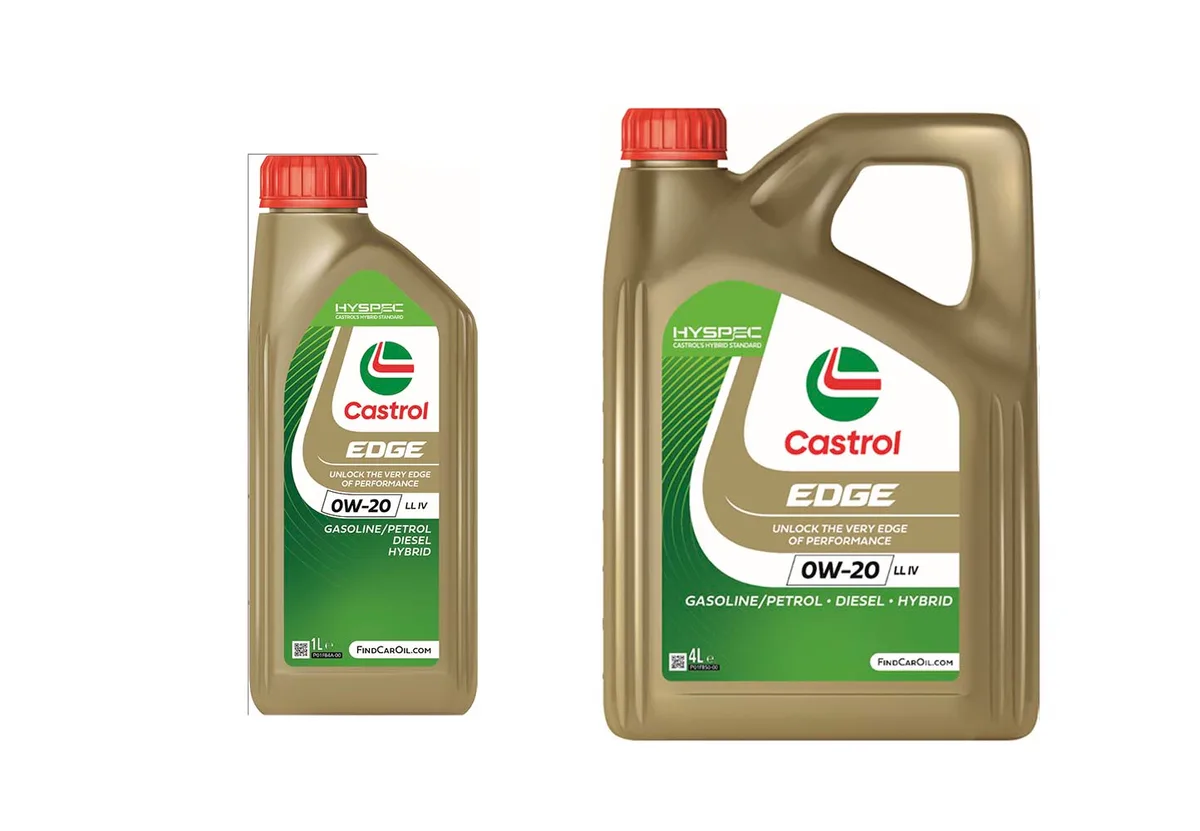
An OEM approval confirms that a specific oil formulation met an automaker’s requirements for a defined application. It can affect engine protection, emissions compatibility, friction, consumption, and service interval.
What does an OEM approval cover?
The exact coverage depends on the manufacturer. It may include tests for deposits, wear, oxidation, seals, friction, volatility, and emissions-system compatibility.
A long-life approval may also permit a specific drain schedule. That permission belongs to the approved formulation.
An approval doesn’t guarantee that the oil will prevent every failure. It confirms that the product met the manufacturer’s defined requirements.
Is factory-fill oil the only safe choice?
No. A qualifying aftermarket oil can be suitable when it meets every required viscosity, category, and approval condition.
Factory-fill oil is a useful baseline because it was selected for the engine. Some vehicles receive synthetic oil, while others receive conventional or blend oil at the factory.
The current manual and under-hood label provide a better guide for later services than assuming the original factory fill.
Can the wrong oil affect warranty coverage?
Yes. Oil outside the manufacturer’s required specification can affect a claim for related engine or lubrication damage.
Warranty terms and service history matter. Keeping the product label, receipt, date, mileage, and oil quantity helps establish what was used.
A retailer’s general statement that an oil suits many cars doesn’t replace the exact approval code.
How does oil affect emissions equipment?
Oil can contribute sulfur, phosphorus, ash, and volatile compounds. Those components can affect catalysts, oxygen sensors, gasoline particulate filters, and diesel particulate filters.
Modern engines often require low-SAPS oil. Low-SAPS means low sulfated ash, low phosphorus, and low sulfur.
Low-SAPS oil must still provide the antiwear and deposit protection required by the engine. An old engine with a flat-tappet design may need a different phosphorus level.
Are gasoline and diesel specifications interchangeable?
No. Gasoline and diesel engines have different performance requirements even when they use the same viscosity grade.
| Specification family | Typical use | Main point |
|---|---|---|
| API SQ or SP | Gasoline engines | Tested gasoline-engine performance |
| ILSAC GF-6A, GF-6B, or GF-6C | Gasoline engines in several markets | Grade-specific performance and certification |
| ACEA A | Gasoline engines | European performance category |
| ACEA B | Light-duty diesel engines | European diesel category |
| ACEA C | Certain lower-viscosity gasoline oils | Efficiency-focused applications |
| API CK-4 | Many diesel applications | Commonly used low-SAPS diesel category |
| API FA-4 | Certain newer diesel engines | Specific lower-viscosity and efficiency requirements |
A diesel engine may need both a low-SAPS category and an OEM approval. The viscosity grade alone can’t confirm either one.
Can CK-4 and FA-4 be mixed?
A small top-up may be mechanically manageable, but the oils have different viscosity behavior and are not generally interchangeable.
FA-4 commonly has a lower HTHS requirement than CK-4. It is intended only for engines designed around that specification.
If the two oils become substantially mixed, follow the manufacturer’s service guidance. Complete the next change with the correct approved oil.
How do regional specifications differ?
North American vehicles often use API, ILSAC, dexos, or Ford WSS-M2C approvals. European vehicles commonly use ACEA categories and detailed manufacturer approvals.
Japanese and Korean vehicles may use ILSAC, API, or model-specific approvals. Production dates and market versions can change the requirement.
Use the manual for the exact vehicle. Don’t transfer a specification from a nearby model year without confirmation.
How can you verify a suspicious approval claim?
Look for the exact approval code, viscosity, manufacturer information, tamper seal, and batch identification on the container.
Be cautious with unlabeled bottles, bulk oil, unknown sellers, and containers without intact closures. Color, smell, and viscosity can’t authenticate a product.
If the code is unclear, ask the vehicle manufacturer or an authorized lubricant distributor with access to the official approval database.
Best Motor Oil for Common Vehicles and Driving Conditions
The best oil depends on the engine and driving pattern. A winter commuter, a tow vehicle, and a low-mileage car may need different operating protection.
Start with the manufacturer’s specification. Your duty cycle then helps you choose among permitted oils.
What is best for daily commuting?
The exact approved oil is best for daily commuting. A conventional, blend, or synthetic formula can all suit the engine if it meets the required specification.
Synthetic becomes more useful when the engine has tight tolerances, a turbocharger, or repeated cold starts. A straightforward naturally aspirated engine may need little extra.
What is best for short trips and stop-and-go traffic?
A robust approved synthetic oil often works well for short trips and stop-and-go driving. Correct oil cannot replace more frequent servicing.
Repeated short trips can leave moisture and fuel in the oil. The engine may not reach a temperature high enough to remove them.
Follow the manufacturer’s severe-service interval. Investigate fuel dilution if the oil level rises, the oil smells strongly of fuel, or the engine runs poorly.
What is best for winter driving?
The specified cold-weather grade with reliable pumpability is best for winter driving.
Full synthetic often provides a useful cold-flow advantage, but the grade controls the required behavior. Use 0W-16, 0W-20, or another grade only when specified or clearly permitted.
A hot engine still needs enough viscosity. Don’t use an unapproved thin oil for convenience in cold weather.
What is best for towing?
An approved oil with stable hot viscosity, strong oxidation resistance, and low volatility is best for towing.
Full synthetic often provides a functional advantage during long, hot, high-load drives. Check the level before departure and during repeated heavy use.
Tow within the vehicle’s rated capacity. An overloaded trailer can overheat the engine and transmission regardless of oil quality.
What is best for long-distance highway driving?
An approved low-volatility oil with stable hot viscosity works well for long-distance driving.
Highway use is usually less damaging than stop-and-go towing, but sustained heat can still age oil. Synthetic can help in hot weather, turbocharged engines, and high-speed travel.
Check the level and leaks before a long trip. Let the engine reach normal operating temperature before checking according to the manual.
What is best for track days?
The oil specified by the engine builder or tuner is best for track days. It must handle sustained rpm, heat, and the vehicle’s oil-flow arrangement.
A quality synthetic oil can retain a strong hot film and resist oxidation. It can’t compensate for a leaking oil cooler, poor pickup design, or excessive aeration.
Track use may require hot oil pressure checks, temperature monitoring, and shorter change intervals.
What is best for high-mileage vehicles?
An approved high-mileage synthetic or blend is often useful for high-mileage vehicles. Look for strong antiwear additives, seal conditioners, and volatility control.
A high-mileage formula can reduce mild seepage and top-up frequency. It can’t repair worn rings, valve guides, gaskets, or leaks.
If consumption rises suddenly, inspect the engine before blaming the oil.
What is best for classic cars?
The correct viscosity and metal compatibility are best for classic cars. Synthetic oil can be suitable when the engine’s design and service history support it.
Flat-tappet protection, catalyst presence, seal materials, and cooling requirements can change the formula. An original service manual and marque-specific guidance help.
A low annual mileage doesn’t justify using an off-spec modern oil.
What is best for a low-mileage vehicle?
A qualifying conventional oil is often enough for a low-mileage vehicle when the manufacturer permits it.
The engine may see mild temperatures, short total service life, and little severe use. A blend or synthetic oil can still be chosen for cold-weather or heat protection.
The grade, category, and approval still control the decision.
What is best for modern turbocharged and emissions-equipped engines?
The exact OEM-approved oil is best for modern turbocharged and emissions-equipped engines.
The oil may need to meet a low-SAPS, low-viscosity, or manufacturer-specific standard. Synthetic status helps, but it doesn’t replace the approval.
For diesel engines, confirm whether the engine requires CK-4, FA-4, ACEA B, or a separate OEM code.
How to Choose the Right Oil: A Step by Step Decision Guide
Choose the oil by matching the engine, viscosity, performance category, and OEM approval. This process takes a few minutes and prevents most oil-selection mistakes.
Step 1: Identify the exact engine
Record the year, make, model, trim, engine code, and fuel type. Use the VIN if the engine has been replaced or the vehicle’s history is unclear.
Hybrid, diesel, turbocharged, and tuned engines may need different oil from a standard gasoline model.
Step 2: Check the vehicle documents
Use the owner’s manual and the under-hood oil label as the primary sources.
| Source | Information to confirm |
|---|---|
| Under-hood label | Grade, category, and common approval |
| Owner’s manual | Full specification, quantity, interval, and alternatives |
| Service bulletin | Production or VIN-specific update |
| Manufacturer website | Current approval information |
| Authorized dealer | Conflicting or unclear requirements |
A service bulletin may update an older manual. Verify the source date when documents differ.
Step 3: Match the SAE viscosity
Write down the exact grade required by the manufacturer. Common examples include 0W-16, 0W-20, 0W-30, and 5W-30.
The number before W reflects cold-weather cranking and pumping behavior. The number after W reflects the high-temperature viscosity classification.
A lower number isn’t automatically better. Use only a specified grade or an explicitly approved alternative.
Step 4: Match the performance category
Identify the required API, ILSAC, or ACEA category after matching the viscosity.
Confirm the fuel type. Don’t use a gasoline-engine oil in a diesel engine because both use a similar SAE grade.
For diesel, also confirm CK-4, FA-4, or an OEM-specific alternative.
Step 5: Confirm the OEM approval
Match the exact approval code, including its version. Don’t rely on wording such as “meets or exceeds” without checking which specification the claim names.
If the manual lists several approvals, choose one fully matching product. If it names one approval, use that product unless the manufacturer publishes an update.
Step 6: Confirm quantity and service interval
Check the engine oil capacity in the manual. Some vehicles list separate drain and fill quantities.
Confirm the normal interval, severe-service interval, oil filter, drain-plug torque, and oil-level procedure.
A synthetic oil doesn’t automatically authorize a longer change.
Step 7: Inspect the container
Check the exact grade, category, approval, quantity, seal, and batch information.
Don’t use oil from an unlabeled container. Don’t assume oil in an old bottle has the same product or approval as the label suggests.
Step 8: Gather the correct supplies
Use the correct oil, filter, drain-plug washer, drain pan, funnel, hand tools, and safe lifting equipment.
| Supply or tool | Purpose |
|---|---|
| Required oil | Provide the specified lubrication |
| Required filter | Remove contaminants and maintain oil flow |
| Drain pan | Collect used oil |
| Drain-plug washer | Seal the plug if required |
| Funnel | Add oil without spilling |
| Gloves and eye protection | Reduce contact risk |
| Absorbent material | Control small spills |
| Proper stands or lift | Support the vehicle safely |
Never work under a vehicle supported only by a jack.
Step 9: Drain the old oil safely
Follow the manufacturer’s warming instructions. Place the drain pan under the plug and remove the plug carefully.
Never start the engine with the drain plug removed. Oil can spray out as soon as the opening is exposed.
Replace the filter and drain-plug washer as specified. Tighten the plug to the documented torque.
Step 10: Add the correct amount
Pour the oil through a clean funnel. Don’t assume the entire listed capacity is required for every fill.
Some engines need a partial top-up before the final reading. Follow the manual’s check procedure on level ground.
Step 11: Check the level
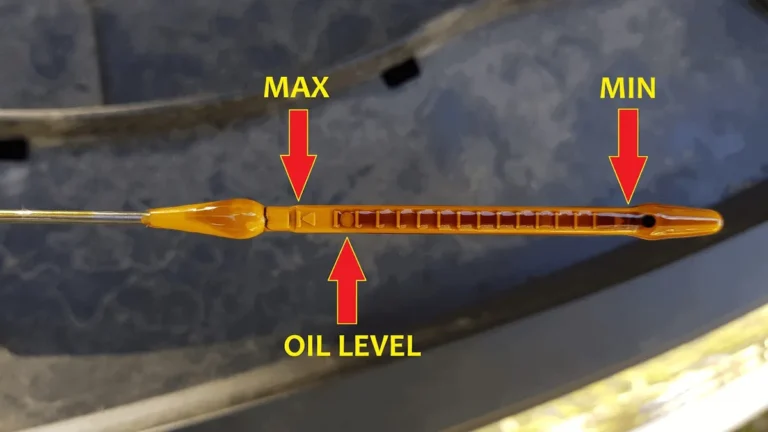
Check the dipstick or electronic level using the specified engine temperature and wait time.
Add oil gradually. Overfilling can cause foaming, aeration, leaks, and unstable pressure.
Step 12: Reset and record the service
Reset the oil-life monitor if the manual requires it. Record the product, grade, category, approval, date, mileage, and quantity.
Keep the receipt and container when practical. A record that says only “5W-30” doesn’t capture a modern vehicle’s full requirement.
What if the exact oil is unavailable?
Use another product listed in the owner’s manual. If no alternative is listed, ask the manufacturer or an authorized service location.
Don’t substitute based on viscosity alone. A top-up with another oil should be confirmed for compatibility, and the next full service should use the correct product.
Use this final decision tree
- If an OEM approval is specified, match it exactly.
- If a viscosity range is specified, choose an approved grade within it.
- If a performance category is specified, match it.
- If the engine is diesel, confirm the diesel category.
- If the documents conflict, verify by VIN.
- If the engine is under warranty, preserve the product records.
- If the specification remains unknown, don’t guess.
Does Synthetic Oil Last Longer, and Is It Worth the Extra Cost?
Synthetic oil usually resists heat, oxidation, shear, and evaporation longer than many conventional oils. That doesn’t automatically mean you should change it less often.
What does “last longer” mean?
It can mean better retention of viscosity, lower evaporation, slower oxidation, or longer additive life. It may also refer to a manufacturer-approved extended drain interval.
Those outcomes are related, but they are not the same.
A synthetic oil can last longer in condition and still need to be changed on the ordinary schedule.
How does motor oil degrade?
Oil ages through oxidation, heat, shear, water, fuel dilution, and combustion by-products. Additives become depleted as acids and deposits accumulate.
Oil can thicken through oxidation, thin through fuel dilution, or form sludge when contaminants and short-trip operation combine.
A worn engine can consume oil without the lubricant itself failing.
Is synthetic oil more stable over time?
Usually, yes. A well-formulated full synthetic oil resists viscosity change and oxidation better than a basic conventional formula.
That advantage is greatest in hot engines, severe service, and long intervals between operating-temperature cycles.
A well-formulated Group II conventional oil can still provide adequate service in a moderate-duty engine.
Does synthetic oil allow longer oil changes?
Only when the exact product and engine have manufacturer approval for that interval.
Full synthetic status alone doesn’t authorize 10,000 or 15,000 miles. Follow the specified distance, months, operating hours, and severe-service rules.
An oil-life monitor estimates remaining service based on temperature and use. It doesn’t measure every contaminant or mechanical issue.
How do short trips affect oil life?
Short trips can leave water and fuel in the oil. Cold starts create condensation, and a cold engine may not fully evaporate it.
Repeated idling and low-speed driving also limit the engine’s heat cycle. Oil condition can age faster than the odometer suggests.
Follow severe-service guidance rather than trying to solve fuel dilution with a thicker oil.
How do you compare the cost?
Compare the total cost of a correct fill. Include the oil, filter, labor, and any approved consumption difference.
The calculation is:
Cost per fill = litres required × price per litre + filter cost + labour
The difference between synthetic and conventional oil is:
Extra cost per fill = synthetic fill cost minus approved conventional fill cost
One U.S. quart equals about 0.946 litres. A 5.0 L fill therefore needs roughly 5.28 U.S. quarts.
Use the actual oil capacity listed for the engine. Some models require a partial quantity during a change.
Can synthetic oil reduce oil consumption?
It can reduce evaporation and mild seal seepage in a suitable engine. It can’t repair worn rings, guides, gaskets, or damaged seals.
Check visible leaks, exhaust smoke, fuel odor, and the level between services. A sudden increase needs diagnosis.
Can synthetic oil improve fuel economy enough to repay its cost?
Sometimes, but the result is usually small. A lower approved viscosity or lower-friction formula can improve pumping efficiency.
Changing between approved 5W-30 formulas usually won’t create a dramatic difference. Any fuel-economy claim shouldn’t justify changing to an unapproved grade.
Where is the premium easiest to justify?
The premium is easiest to justify when the manufacturer requires full synthetic, the engine is turbocharged, or the vehicle sees extreme temperatures.
It also makes sense for towing, track use, severe service, approved long-life intervals, and engines with a history of seepage.
Modern tight-clearance engines can benefit from stable viscosity and deposit control.
Where is the premium harder to justify?
The premium is harder to justify in a low-mileage, moderate-duty engine that accepts a qualifying conventional oil.
It may also offer little benefit when the service interval doesn’t change and the vehicle never sees severe conditions.
A correct conventional oil can provide good value in that situation.
Does oil choice affect long-term engine cleanliness?
Yes. Oxidation resistance, volatility, detergent, and dispersant performance affect sludge, varnish, and thermal deposits.
A premium oil helps control deposits when the service schedule is followed. It cannot compensate for a neglected change interval.
Track each oil’s behavior through consistent service records. Used-oil analysis can reveal fuel dilution, wear metals, coolant, and viscosity changes when those data matter.
Common Mistakes That Can Undermine the Right Oil Choice
Most oil problems begin with a shortcut at the shelf. A familiar grade or attractive price may replace the actual vehicle specification.
Choosing viscosity by habit
Use the exact SAE grade specified for the engine. A common 5W-30 isn’t a universal answer.
Too-thin oil can weaken the hot film or increase consumption. Too-thick oil can restrict cold flow and increase pumping losses.
Check the manual and under-hood label before every model change or major service.
Assuming all full synthetic oil is equal
Full synthetic includes several base-stock chemistries. Products can differ in oxidation resistance, volatility, friction, additives, and deposit control.
Match the required grade, category, and approval first. Compare base-stock type only afterward.
Ignoring the OEM approval
A broad API or ACEA category doesn’t automatically satisfy dexos, WSS-M2C, UPF, 504.00, or another manufacturer code.
Use the exact code printed in the manual. “Meets or exceeds” language doesn’t prove that the exact listed approval is present.
Extending the drain interval because the oil is synthetic
Use a longer interval only when the exact oil and engine qualify for the approved schedule.
Short trips, idling, towing, fuel dilution, and extreme heat can reduce remaining oil life. Follow severe-service guidance.
Treating oil color as a condition test
Oil color varies with base stock, additives, soot, and normal aging. A darker oil isn’t automatically spent.
Look for other signs such as low level, fuel odor, metal particles, sludge, coolant contamination, or falling pressure. Use laboratory analysis when the condition is uncertain.
Mixing incompatible oils
Use the same approved product for top-ups whenever possible. Two oils with the same viscosity can have different additives and approval status.
Be cautious when mixing gasoline and diesel oils, CK-4 and FA-4, or low-SAPS and higher-phosphorus formulas.
If substantial mixing occurs, ask the manufacturer or a technician about the next required service.
Overfilling the crankcase
Excess oil can foam, aerate, leak, or cause unstable pressure. Add oil gradually and follow the manual’s level procedure.
A full nominal capacity doesn’t always equal the required service fill.
Assuming synthetic oil will fix consumption
Synthetic oil can reduce evaporation and mild seepage. It cannot fix worn piston rings, valve guides, a head gasket, or damaged seals.
Check the level, visible leaks, exhaust smoke, fuel dilution, and mechanical condition.
Adding thickeners or friction modifiers
An off-spec additive can change viscosity, reduce catalyst compatibility, and make diagnosis harder.
Use only products approved for the engine or lubricant. Thickening oil doesn’t repair low oil pressure caused by a failing pump or oil starvation.
Buying from an unknown source
Buy from a supplier that can identify the manufacturer, product, approval, and batch. Avoid unlabeled bottles, bulk transfers, and relabeled containers.
A clean package doesn’t prove the contents. Authenticity depends on the supply chain.
What should you do when a symptom suggests the wrong oil?
Stop driving if oil pressure remains low or the engine makes severe mechanical noise. Add the correct oil only to the specified level while arranging diagnosis.
| Symptom | Likely checks |
|---|---|
| Low pressure at idle | Oil level, grade, filter, pump, and pickup |
| Fluctuating pressure | Overfill, aeration, foaming, or sensor issues |
| Rising consumption | Leaks, rings, guides, turbo seal, and fuel dilution |
| Sludge on the cap | Service interval, short trips, wrong oil, or coolant |
| Milky residue | Possible coolant entry into the oil system |
| Fuel odor | Rich mixture, injectors, or short-trip dilution |
| Rapid oil loss | External leak or internal mechanical consumption |
Don’t keep changing oil brands to solve an unresolved mechanical or fuel-system problem.
Maintenance, Safety, and Legal Basics
The right oil depends on correct installation and regular maintenance. A good product can’t protect an engine from chronic underfill, contamination, overheating, or neglected service.
What should you monitor between changes?
Check the level, visible leaks, warning lights, and the manufacturer’s oil-life procedure.
Use the specified check method. Many engines require a level surface, a warm engine, and a short settling period.
A sudden drop in level needs investigation. Don’t treat repeated top-ups as a normal repair.
How should you record each service?
Record the product, grade, category, approval, date, mileage, and quantity.
| Record field | Why it matters |
|---|---|
| Date and mileage | Establishes the service point |
| Viscosity grade | Confirms cold and hot viscosity |
| Performance category | Confirms tested performance |
| OEM approval | Confirms vehicle compatibility |
| Quantity | Helps detect consumption or underfill |
| Filter and interval | Records the rest of the service |
Keep the receipt and container when practical. The records help with warranty questions and the next oil change.
How does severe service change maintenance?
A severe-service schedule may use shorter intervals or added inspections. It applies to frequent short trips, towing, idling, extreme temperatures, and sustained high load.
The schedule can include earlier oil and filter changes, more frequent level checks, and closer attention to fuel, air, cooling, and exhaust systems.
An oil-life monitor doesn’t replace the time interval or manufacturer warning.
How do you change oil safely?
Park on level ground and support the vehicle with proper stands or a suitable lift. Never rely on a jack alone.
Let the engine reach only the temperature specified in the manual. Wear gloves and eye protection, and keep the drain pan below the plug.
Never start the engine with the drain plug removed. Oil can spray out as soon as the opening is exposed.
Use the specified drain-plug torque. A loose plug leaks, while excessive torque can damage threads or the pan.
How should hot and used oil be handled?
Treat used oil as hot enough to cause burns. Let the drain components cool before placing your hands near the plug.
Keep the drain pan stable and don’t overfill it. Store used oil in a sealed container with a funnel.
Wash exposed skin with soap and water. Seek medical advice for a significant burn or eye exposure.
How should used oil be disposed of?
Take used oil to an approved collection point or household hazardous-waste facility. Never pour it into a drain, waterway, or onto soil.
U.S. commercial used-oil handling is governed by 40 CFR Part 279. Household rules and accepted materials vary by state and local authority.
Some collection sites accept filters, antifreeze, and other fluids. Check before delivering them.
What does the FTC Motor Oil Labeling Rule cover?
The FTC Motor Oil Labeling Rule in 16 CFR Part 306 regulates conventional, synthetic-blend, and full synthetic claims in the United States.
The rule addresses truthful product labeling. It doesn’t decide which oil your engine needs.
A legally labeled full synthetic oil can still have the wrong grade, category, or OEM approval.
Are there regional differences?
Yes. North American vehicles often use API, ILSAC, and domestic OEM approvals. European vehicles commonly use ACEA and detailed manufacturer codes.
Japanese and Korean models may use ILSAC, API, or manufacturer approvals. Service intervals may use miles, kilometres, months, or operating hours.
Regional availability doesn’t change the engine’s requirements. Use the documentation for the exact model and production year.
When should you stop driving?
Stop driving when oil pressure remains low, the oil-pressure warning stays on, or the engine makes severe knocking or grinding.
A sudden loss of oil, visible major leak, or milky oil can indicate serious damage. Add the correct fluid only as directed while arranging qualified help.
Continuing to run an oil-starved engine can quickly damage bearings, rods, and crankshaft surfaces.
Final Verdict: Choose the Specification First, Then the Oil Type
The best motor oil is the one that matches the required viscosity, performance category, OEM approval, quantity, and service interval.
Full synthetic oil usually provides more consistent cold flow, heat resistance, oxidation control, and volatility behavior. That makes it the stronger option for many modern, turbocharged, high-mileage, and severe-service applications.
A correctly approved conventional oil remains a sensible choice for a moderate-duty engine. A synthetic blend can offer a useful middle ground. Full synthetic earns its place when the manufacturer requires it or your driving pattern benefits from stronger temperature and deposit control.
Use this final decision guide:
| Your situation | Choose |
|---|---|
| The manual requires full synthetic | The exact approved synthetic oil |
| The manual approves conventional oil | A qualifying conventional oil for moderate service |
| The manual approves synthetic blend | A blend when normal driving and price favor it |
| The engine is turbocharged or performance tuned | The specified oil with strong heat and wear protection |
| The vehicle tows, races, or idles heavily | An approved severe-service oil and shorter interval |
| The climate is extremely cold or hot | An approved low-temperature or low-volatility oil |
| Consumption is rising | Diagnose the engine before changing oil type |
| The specification is unclear | Verify by VIN before purchasing |
Always check the owner’s manual, the under-hood oil label, and any applicable service bulletin. Match the viscosity grade first, then the performance category, OEM approval, quantity, and service interval.
In simple terms, synthetic oil is usually the stronger lubricant, but the approved oil is the correct one. Paying more for the wrong specification doesn’t improve protection. Paying less for the right conventional oil can be perfectly sensible.
Frequently Asked Questions
Do I need fully synthetic motor oil?
Only if your vehicle’s documentation requires or permits it. A conventional or synthetic blend can work when it meets the required viscosity, performance category, and OEM approval. Synthetic usually helps most in extreme temperatures, turbocharged engines, severe service, and manufacturer-approved long-life schedules.
Is synthetic oil better for older or high-mileage engines?
Yes, it can be, especially when the engine’s specification allows it. High-mileage synthetic oil may provide better oxidation resistance, lower evaporation, stronger antiwear additives, and seal conditioners. Choose the exact approved grade and category.
Synthetic oil cannot repair worn rings, valve guides, gaskets, or leaking seals.
Can I mix synthetic and conventional motor oil?
A small top-up with compatible oil is usually manageable, but using the same product is safest. Oils with the same viscosity grade can still differ in base stocks, additives, sulfur, phosphorus, and approval status. If substantial mixing occurs, confirm compatibility and use the correct approved oil at the next full service.
How often should synthetic oil be changed?
Follow the interval for the exact oil, engine, and driving pattern. Full synthetic status alone does not authorize a 10,000 or 15,000 mile change. Severe service can shorten oil life, especially with short trips, towing, idling, and fuel dilution.
An oil-life monitor estimates remaining service, but it doesn’t replace the stated time limit.
Does synthetic oil stop leaks and oil consumption?
No. It can reduce evaporation and mild seepage through aging seals, but it cannot repair damaged gaskets, worn piston rings, valve guides, or a failing turbocharger seal. Check the oil level, visible leaks, exhaust smoke, and fuel odor.
A sudden increase in consumption needs mechanical diagnosis.
What do API, ILSAC, ACEA, and SAE mean?
SAE identifies oil viscosity grades such as 0W-20 and 5W-30. API, ILSAC, and ACEA define tested performance requirements for particular engine applications. An OEM approval adds automaker-specific requirements.
These labels answer different questions, so the correct oil must match all specifications required by your engine.