What Is the Purpose of Motor Oil? A Complete Guide for Car Owners
If you have ever wondered what is the purpose of motor oil, the simple answer is that your engine needs it to move safely and reliably. An engine has many metal parts that move at high speed. Without proper lubrication, those parts can rub together, create heat, wear fast, and suffer serious damage.
Motor oil does much more than make engine parts slippery. Modern oil forms a protective film, carries heat away from hot areas, holds small particles in suspension, helps limit rust and corrosion, and supports a seal between piston rings and cylinder walls. The right oil also needs to flow well when the engine is cold and remain stable when the engine gets hot.
For U.S. drivers, oil choice matters because vehicles face very different conditions. A car may sit in freezing winter weather in Minnesota, face extreme summer heat in Arizona, or spend hours in stop-and-go traffic in a major city. The owner’s manual remains the best guide for the required oil type, viscosity, and change interval.

What Is Motor Oil?
Motor oil is a fluid made to lubricate and protect internal combustion engines. It contains a base oil plus a carefully balanced set of additives. The base oil provides the main lubricating film, while additives help the oil handle heat, oxidation, deposits, rust, and other engine stresses.
When an engine runs, oil moves through passages and reaches key parts such as bearings, camshafts, valve train parts, and cylinder walls. An oil pump keeps the oil moving through the engine. This flow helps maintain a protective layer between parts that would otherwise make direct metal-to-metal contact.
- ✦ Base oil
The base oil makes up most of the lubricant and provides the main fluid and film-forming properties.
- ✦ Additives
Additives help control deposits, oxidation, rust, foaming, and wear. Different oils use different additive packages for different engines.
- ✦ Viscosity
Viscosity describes how easily oil flows. A suitable viscosity helps the oil flow during cold starts while still protecting the engine at operating temperature.
Why Engine Oil Is Not Just a Simple Lubricant
A common mistake is to think that oil only makes engine parts slippery. In reality, engine oil performs several jobs at the same time. Its performance can affect friction, heat transfer, cleanliness, corrosion control, and the sealing action around pistons.
That is why the question of what is the purpose of motor oil has more than one answer. Lubrication is the main job, but the full purpose is broader.
- ✦ Multiple jobs
Good engine oil lubricates, cools, cleans, protects, and helps seal the engine.
What Is the Purpose of Motor Oil in an Engine?
The core purpose of motor oil is to reduce friction and wear between moving engine parts. At the same time, oil supports several other protection tasks. These jobs work together to help an engine run with less damage over time.
Understanding each job makes it easier to see why the correct oil matters. It also explains why running an engine with low, old, or incorrect oil can cause problems.

- ✦ Reduce friction
Oil creates a thin film between moving surfaces. This film helps reduce direct contact and the energy lost to friction.
- ✦ Limit wear
Less direct metal contact can reduce surface damage on bearings, cam parts, cylinder walls, and other engine components.
- ✦ Control heat
Oil absorbs and carries heat away from areas that may not receive enough cooling from engine coolant or air.
- ✦ Keep parts clean
Oil can carry fine contaminants toward the oil filter and help keep some deposits from building on engine surfaces.
- ✦ Protect against corrosion
A good oil and its additives help protect metal surfaces from moisture, acids, and other corrosive effects.
- ✦ Help seal combustion gases
Oil helps fill tiny spaces between piston rings and cylinder walls, supporting compression and limiting combustion gas leakage.
How Motor Oil Reduces Friction
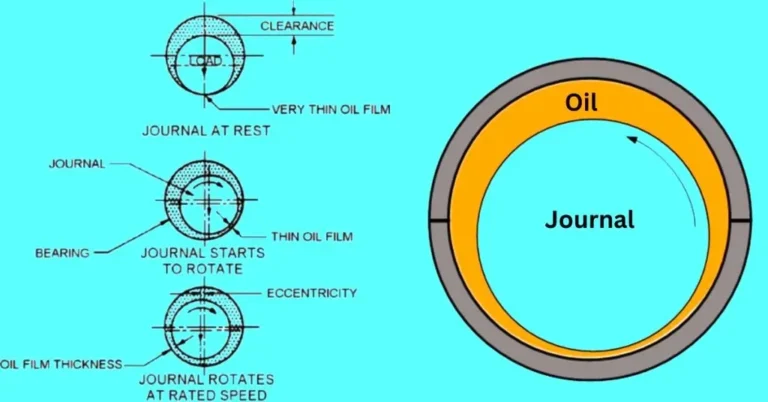
Friction occurs when surfaces resist motion against each other. Inside an engine, pistons, bearings, cam parts, and other components move quickly. Oil forms a film that separates many of these surfaces and helps them move with less direct contact.
This matters most under high load and high speed. A strong oil film can help protect parts when the engine is working hard, such as during towing, climbing a hill, or accelerating onto a highway.
- ✦ Oil film
The oil film acts as a barrier between moving surfaces and reduces direct metal contact.
How Motor Oil Helps Control Engine Heat
Engine coolant handles much of an engine’s heat, but oil also plays an important role. Oil reaches parts that may run very hot and can carry some of that heat away as it circulates. The oil then releases heat through the engine and, in some vehicles, through an oil cooler.
Heat can change how oil behaves. Very high temperatures can speed oxidation and oil breakdown. This is one reason modern motor oils need to resist heat and maintain useful protective properties across a wide temperature range.

- ✦ Heat from bearings
Oil helps carry heat away from heavily loaded bearing areas.
- ✦ Heat near pistons
Oil can help cool piston assemblies, especially in engines designed to spray oil toward the underside of pistons.
- ✦ High-temperature stability
Suitable engine oil must maintain a useful protective film even as engine temperatures rise.
Why Oil Temperature Matters
Cold oil tends to flow more slowly than hot oil. As oil warms, it usually flows more easily. Engine designers select an oil viscosity range that works with the engine’s oil passages, clearances, pump, and expected operating temperatures.
This is why choosing oil by guesswork can be a poor idea. The viscosity printed in the owner’s manual is based on the engine design and expected conditions.
- ✦ Cold starts
The oil must flow through the engine soon after startup, even when outside temperatures are low.
- ✦ Operating temperature
The oil must still provide protection after the engine reaches normal operating temperature.
How Motor Oil Cleans and Protects the Engine
Engines create byproducts as fuel burns and as parts wear. Small particles, oxidation products, and other contaminants can enter the oil. Detergent and dispersant additives help manage deposits and keep some contaminants suspended so the oil filter and oil change process can remove them.
Oil also helps protect metal from rust and corrosion. This is especially useful because engines can see moisture and combustion byproducts during normal use. Short trips can make it harder for an engine to reach and maintain full operating temperature, which may contribute to moisture and contaminant buildup.
- ✦ Detergents
Detergent additives help control deposits on engine surfaces.
- ✦ Dispersants
Dispersants help keep some contaminants from joining together and forming larger deposits.
- ✦ Anti-oxidation additives
These additives help slow chemical breakdown caused by heat and oxygen.
- ✦ Corrosion protection
Protective additives help reduce corrosion on internal metal surfaces.
Why the Oil Filter Matters Too
Motor oil and the oil filter work as a system. Oil carries contaminants through the engine, while the filter captures many particles before the oil returns to the lubrication system.
A filter cannot fix severely degraded oil, and fresh oil cannot replace a damaged filter. Following the vehicle maker’s service plan for both items is a practical way to support engine cleanliness.
- ✦ Filter the oil
The filter removes many suspended particles from the circulating oil.
Motor Oil and the Piston Ring Seal
Another important answer to what is the purpose of motor oil involves the space between piston rings and cylinder walls. The oil helps fill tiny surface gaps and supports the ring’s ability to control combustion gases and oil movement.
This sealing role affects engine efficiency and compression. If the oil film becomes too weak, or if rings and cylinder walls become worn, the engine may use more oil or lose some compression. Oil alone cannot repair worn parts, but proper lubrication can help reduce the wear that leads to such problems.

- ✦ Compression support
The oil film helps the piston rings maintain a seal against the cylinder wall.
- ✦ Oil control
Piston rings also help control how much oil remains on the cylinder wall during engine operation.
What Happens When the Oil Film Fails?
If the protective film becomes too thin or breaks down, metal surfaces can make more direct contact. This raises friction and can increase wear. Severe lubrication loss can cause rapid engine damage, including bearing failure or other major mechanical problems.
That is why an oil warning light should never be treated like a routine service reminder. If the warning light indicates low oil pressure, safely stop the vehicle and follow the owner’s manual guidance.
- ✦ Low oil pressure
Low pressure can mean the engine is not receiving enough oil flow. Continued driving can cause serious damage.
What Do Motor Oil Numbers Like 5W-30 Mean?
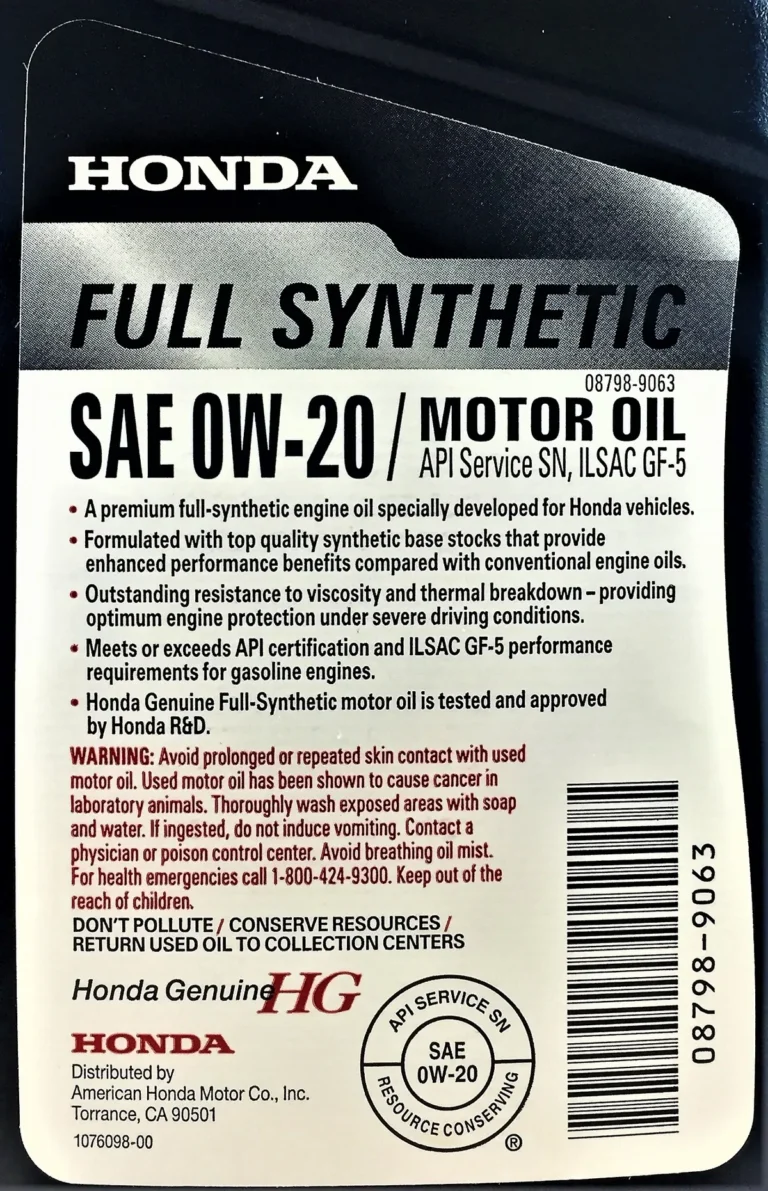
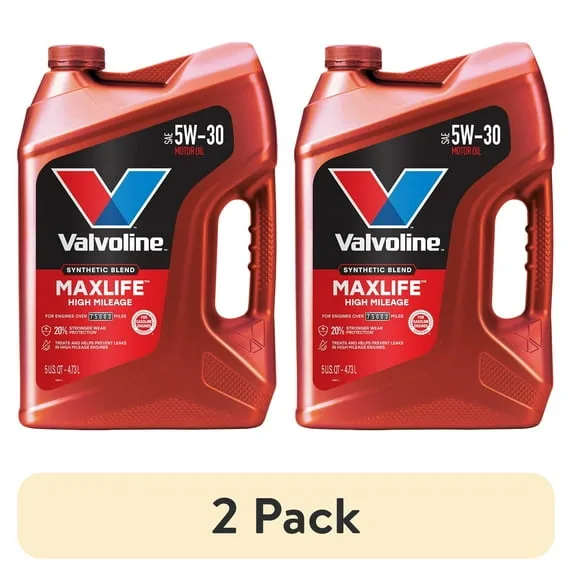
Motor oil labels often show grades such as 0W-20, 5W-30, or 10W-40. These numbers describe the oil’s viscosity behavior under standardized test conditions. The W refers to winter, not weight.
The first part relates to cold-temperature flow, while the second number describes viscosity at a higher test temperature. For example, 5W-30 is designed to flow at cold temperatures like a 5-grade winter oil and have the specified high-temperature viscosity of a 30-grade oil.
- ✦ First number
The number before W relates to the oil’s low-temperature viscosity performance.
- ✦ W
W means winter and indicates the oil’s cold-temperature classification.
- ✦ Second number
The number after W describes viscosity at a higher test temperature.
Why You Should Use the Specified Oil Grade
An engine’s oil passages, pump, clearances, seals, and control systems are designed around specific lubrication needs. Using a different viscosity without checking the manufacturer’s guidance can affect oil flow and protection.
Some vehicles allow more than one viscosity under different temperature conditions. Others require one specific grade. Always check the owner’s manual or the manufacturer’s official service information for your exact vehicle.
- ✦ Follow the manual
The owner’s manual provides the vehicle-specific oil grade and performance requirements.
Conventional, Synthetic, and Synthetic Blend Motor Oil
Motor oils come in several types. Conventional oil uses mineral-based base oils, while synthetic oils use highly refined or chemically engineered base stocks. Synthetic blends combine synthetic and conventional base oils.
The best choice depends on the vehicle’s design and the manufacturer’s requirements. Many newer engines are designed around specific synthetic oils, especially when they use tight tolerances, turbocharging, advanced emissions systems, or long service intervals.
- ✦ Conventional oil
A mineral-based option used in some engines and service applications where it meets the required specification.
- ✦ Synthetic oil
A highly refined or engineered lubricant designed to provide stable performance across demanding temperature and operating conditions.
- ✦ Synthetic blend
A blend of synthetic and conventional base oils that can provide a middle ground for certain applications.
Is Synthetic Oil Always Better?
There is no single oil type that fits every engine. The key is whether the oil meets the viscosity and performance specification required by the vehicle maker.
If your vehicle requires synthetic oil, using an oil that meets that requirement is important. If the manual permits more than one type, follow the listed specifications rather than choosing based only on marketing claims.
- ✦ Specification first
Look for the required viscosity and performance standard before comparing oil brands or prices.
Why Motor Oil Needs to Be Changed
Motor oil does not remain in perfect condition forever. Heat, oxidation, combustion byproducts, moisture, and contaminants can change its properties over time. Additives can also become depleted as the oil performs its protective work.
An oil change removes the used lubricant and replaces it with fresh oil. A new filter is often installed at the same time. The correct service interval depends on the vehicle, oil specification, driving conditions, and manufacturer’s maintenance schedule.
- ✦ Oil degradation
Repeated heat cycles and exposure to contaminants can change the oil’s performance over time.
- ✦ Contamination
Used oil can contain combustion byproducts and small particles that accumulate during engine operation.
- ✦ Additive depletion
Some additives are gradually consumed or changed as they protect the engine.
- ✦ Service schedule
Use the maintenance schedule in your owner’s manual instead of relying on a universal mileage rule.
Does Every Driver Need the Same Oil Change Interval?
No. Driving patterns can change the oil service needs of a vehicle. Frequent short trips, heavy towing, dusty roads, extreme temperatures, long periods of idling, and stop-and-go traffic may create more demanding conditions for some vehicles.
Many modern vehicles use oil-life monitoring systems. These systems can be useful, but the manufacturer’s instructions still matter. When in doubt, use the schedule designed for your specific model and driving conditions.
- ✦ Severe service
Some driving conditions can place extra stress on the engine and may require a different maintenance schedule.
What Happens If an Engine Runs Low on Motor Oil?
Low oil level can reduce the amount of oil available to the engine’s lubrication system. In some cases, the oil pump may draw air instead of a steady supply of oil. That can reduce oil pressure and weaken lubrication at critical points.
The result can range from increased wear to severe engine failure. If you see a low-oil warning or notice symptoms such as unusual engine noise, do not assume the vehicle can safely keep running. Check the owner’s manual and address the issue promptly.
- ✦ Increased friction
Less oil can mean a weaker protective film and more surface contact.
- ✦ Higher wear
Poor lubrication can accelerate wear on bearings and other moving parts.
- ✦ More heat
Reduced oil flow can limit the oil’s ability to carry heat away from engine components.
- ✦ Serious damage
A severe loss of lubrication can lead to major engine damage and expensive repairs.
Low Oil Level vs. Low Oil Pressure
Low oil level and low oil pressure are related but not identical. A low level can cause low pressure, but pressure can also fall because of other problems, such as an oil pump issue, a blockage, excessive bearing clearance, or a faulty sensor.
An oil pressure warning deserves immediate attention. It is not the same as a routine reminder to schedule an oil change.
- ✦ Treat pressure warnings seriously
If an oil pressure warning appears, follow the vehicle maker’s instructions and avoid continued driving until the cause is understood.
Common Motor Oil Mistakes to Avoid
Many engine oil problems come from simple mistakes. People may use the wrong viscosity, ignore the owner’s manual, delay service, or assume that a premium brand can make an incorrect oil suitable for an engine.
Good maintenance does not need to be complicated. The safest approach is to use the specified oil, check the level correctly, replace the filter as recommended, and keep records of service.
- ✦ Using the wrong viscosity
Do not select oil based only on what another car uses. Your engine may require a different grade.
- ✦ Overfilling
Too much oil can also cause problems. Keep the level within the range shown on the dipstick or specified by the manufacturer.
- ✦ Ignoring the filter
A dirty or incorrect filter can undermine the oil filtration system.
- ✦ Changing oil too late
Long delays can allow oil condition to deteriorate beyond the intended service period.
- ✦ Relying on color alone
Dark oil is not by itself proof that the oil has failed, and clean-looking oil is not proof that it remains suitable.
Should You Check Your Oil When the Engine Is Hot or Cold?
The correct procedure depends on the vehicle. Many cars call for checking on level ground after the engine has been off for a specified period. Others may have different instructions.
The owner’s manual should guide the process. Follow its instructions for parking position, engine temperature, waiting time, and dipstick use.
- ✦ Use the vehicle’s procedure
A correct oil-level check gives you a much better reading than a quick guess.
How to Choose the Right Motor Oil
Choosing engine oil should start with the vehicle maker’s requirements. Look for the recommended viscosity and performance specification. Some vehicles also require oils that meet specific standards for emissions systems, turbocharged engines, or other engine technologies.
Brand is only one part of the decision. A well-known oil is not automatically correct for every engine. The most useful label information is the specification and viscosity required for your vehicle.
- ✦ Check the owner’s manual
Start with the official viscosity and performance requirements for your exact engine.
- ✦ Check the oil container
Confirm that the oil label states the needed viscosity and applicable performance specification.
- ✦ Consider the climate
Temperature can affect oil flow, but the manufacturer’s approved viscosity range should remain the starting point.
- ✦ Use the right amount
Follow the specified fill quantity and verify the level after service.
Motor Oil for Modern Engines
Modern engines can place demanding conditions on lubricants. Turbochargers, direct fuel injection, variable valve systems, emissions controls, and fuel-saving designs can all affect oil requirements.
Some modern engines also have specific concerns about deposits, low-speed pre-ignition, timing-chain wear, or particulate filters. The required oil specification is designed around those needs, so it is important to follow the exact recommendation for the engine.
- ✦ Modern oil standards
Current performance standards are designed to address the needs of newer engine and emissions technologies.
Why Motor Oil Matters for Long-Term Engine Life
An engine is a collection of precision parts that must work together thousands of times per minute. Proper lubrication helps reduce the stress placed on those parts during everyday driving. It cannot prevent every mechanical failure, but it is one of the basic requirements for reliable engine operation.
From a practical maintenance point of view, the purpose of motor oil is best understood as protection over time. Using the correct oil and maintaining the proper level gives the engine the lubrication system it was designed to have.
- ✦ Less friction
A stable oil film helps reduce direct contact between moving engine surfaces.
- ✦ Controlled wear
Proper lubrication helps protect precision parts from excessive surface wear.
- ✦ Cleaner operation
The oil and filter system helps manage contaminants and deposits.
- ✦ Better maintenance
Regular checks and service can catch low oil levels, leaks, and other problems before they become more severe.
A Practical Maintenance Habit
A simple routine can make engine oil maintenance easier. Check the oil level according to the owner’s manual, look for signs of leaks, and keep track of oil changes.
If the engine suddenly consumes more oil than usual, develops new noises, or shows an oil warning, investigate the cause instead of simply adding oil and ignoring the symptom.
- ✦ Watch for changes
A sudden change in oil level, oil pressure, engine noise, or oil consumption can signal a problem that needs attention.