How to Check Motor Oil Levels: A Simple Step-by-Step Guide
Knowing how to check motor oil levels is one of the easiest ways to protect an engine. You do not need special tools or advanced car skills. In most cars, the whole check takes only a few minutes.
For many U.S. drivers, a quick oil check can fit into a normal routine before a long road trip, after buying a used car, or when a dashboard warning appears. The key is to use the right method and follow the vehicle maker’s instructions. A small mistake, such as checking on a slope or overfilling the engine, can give a false reading or create another problem.
Why Checking Motor Oil Matters
Engine oil does more than make parts slippery. It helps reduce friction, carries heat away from moving parts, and helps keep the engine clean. The right oil level helps the engine work as designed.
Learning how to check motor oil levels can help you notice a problem before it becomes serious. A falling oil level may come from normal oil use, an external leak, or an internal engine issue. The dipstick gives you a simple way to spot a low level between oil services.
A low reading does not always mean the engine needs an oil change right away. Oil level and oil condition are two different things. The level tells you how much oil is in the engine, while the oil’s age, condition, and correct grade affect whether it should be changed.
- ✦ Lubrication
Oil forms a protective layer between moving engine parts and helps reduce metal-to-metal contact.
- ✦ Heat control
Engine oil helps move heat away from parts that become very hot during operation.
- ✦ Engine protection
A proper oil level helps maintain the oil supply needed by the engine’s lubrication system.
- ✦ Early warning
A repeated drop in oil level can point to a leak or oil consumption problem that deserves attention.
What You Need Before Checking the Oil
You need very little to check engine oil. Most vehicles with a traditional dipstick need only a clean paper towel or lint-free cloth. Keep the owner’s manual nearby if you are unsure about the dipstick location or the correct oil type.
Before you begin, park on a flat surface and make sure the vehicle is secure. If the engine has just been running, follow the vehicle maker’s guidance on how long to wait before checking. Some manufacturers give specific instructions for checking oil on a warm engine, while others recommend checking after the engine has cooled.
If your vehicle has no physical dipstick, use the vehicle’s electronic oil-level system as described in the owner’s manual. Some newer vehicles measure oil level through sensors rather than a traditional dipstick.
- ✦ Clean cloth
Use a clean, lint-free cloth or paper towel to wipe the dipstick.
- ✦ Owner’s manual
Check the manual for the correct oil grade, oil capacity, and the maker’s exact checking procedure.
- ✦ Correct motor oil
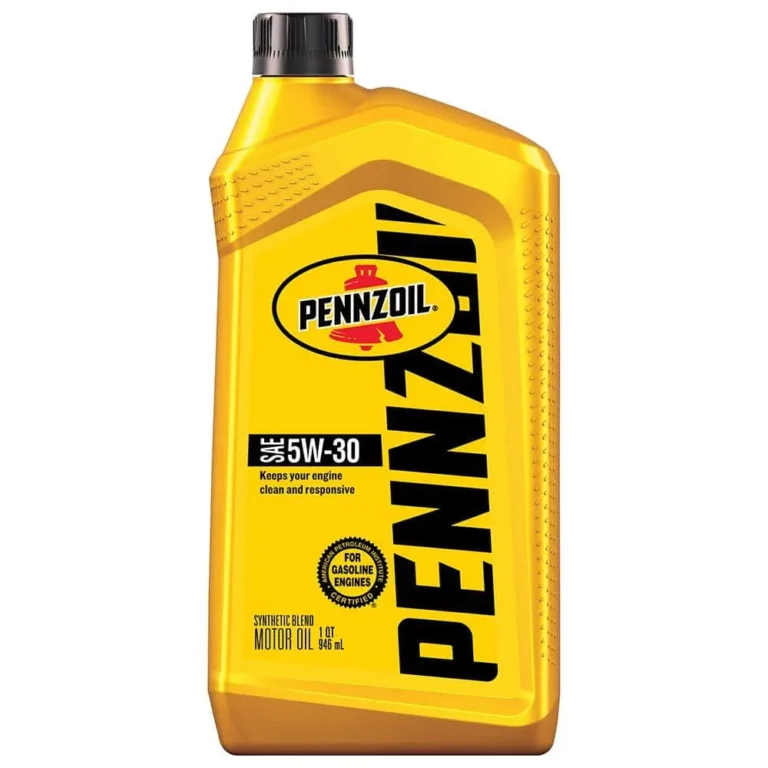
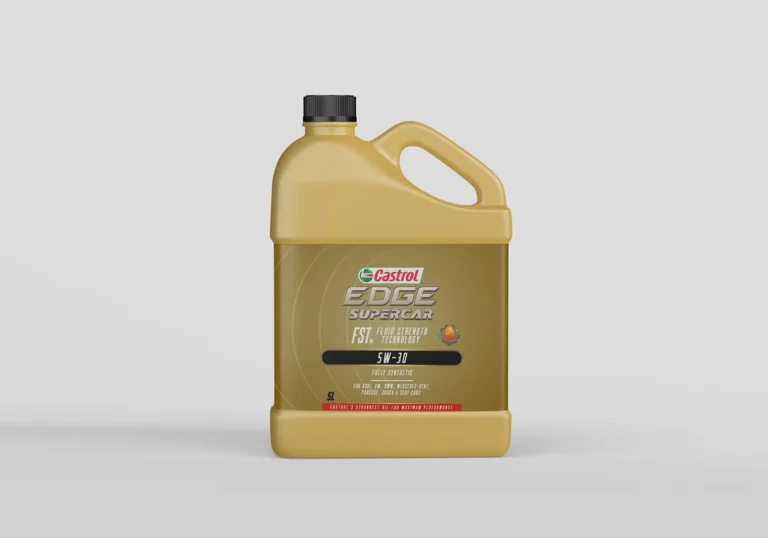
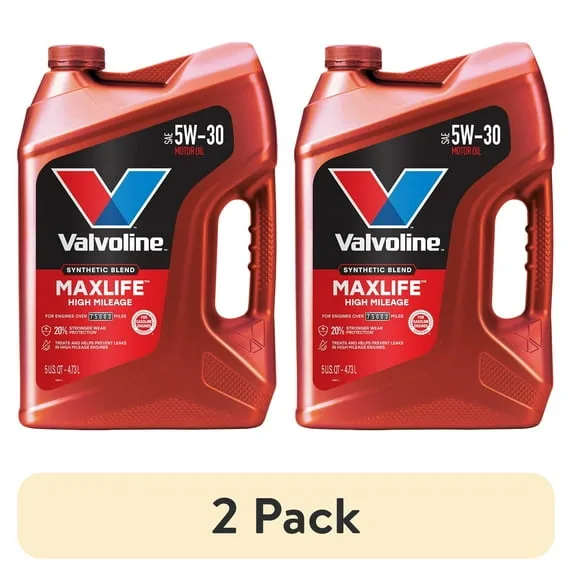
If the level is low, use oil that meets the vehicle maker’s required viscosity and specification.
- ✦ Safe parking spot
Choose level ground so the oil can settle evenly and the dipstick reading is more reliable.
How to Check Motor Oil Levels Step by Step
The basic process for how to check motor oil levels is simple, but each step matters. Always follow your vehicle owner’s manual if its instructions differ from the general process below.
Do not rush the reading. Oil can cling to the dipstick tube, and oil that has not had time to settle can make the level look different from the true reading.
1. Park on Level Ground
Park the car on a reasonably flat surface. Turn the engine off and set the parking brake. A slope can shift oil inside the oil pan and affect the dipstick reading.
2. Let the Oil Settle
Wait for the period recommended by the vehicle maker. This lets oil drain back into the oil pan. The exact wait time can vary by vehicle, so the owner’s manual should be your main guide.
3. Find the Dipstick
Open the hood and locate the engine oil dipstick. It often has a bright handle or a label that identifies it. If you cannot find it, check the owner’s manual rather than pulling out a nearby cap or tube.
4. Pull Out and Wipe the Dipstick
Pull the dipstick out and wipe it clean. This first wipe removes old oil from the stick so the next reading shows the current oil level.
5. Insert the Dipstick Fully
Push the clean dipstick all the way back into its tube. Make sure it seats fully. A partially inserted dipstick can lead to a poor reading.
6. Pull It Out and Read the Level
Pull the dipstick out again and hold it level. Look at the oil film near the marked area. Most dipsticks have two marks, such as MIN and MAX, or a cross-hatched zone between the low and full points.
- ✦ Below MIN
The engine may need oil. Add the correct oil in small amounts and recheck the level.
- ✦ Between the marks
The level is within the marked range. Follow the owner’s manual for any vehicle-specific guidance.
- ✦ At or near MAX
The oil level is at the upper end of the marked range. Do not add more unless the vehicle maker’s instructions call for it.
7. Confirm the Reading
If the oil film looks unclear, wipe the dipstick and repeat the check. Looking at both sides of the dipstick can help when oil leaves an uneven mark. The goal is a clear reading within the marked range.
How to Read an Engine Oil Dipstick Correctly
Reading the dipstick is the part of how to check motor oil levels that causes the most confusion. The marks show the acceptable range, not a target that requires the oil to sit above the top mark. Your vehicle manual may also state how much oil sits between the low and full marks.
The oil should leave a visible film in the marked area. Fresh oil may look light and clear, while used oil often looks darker. Color alone does not give a reliable oil-change diagnosis because oil can darken as it collects normal combustion byproducts and contaminants.
If the dipstick shows a level below the minimum mark, do not assume that adding a large amount at once is safe. Add a small amount, wait for it to settle, and check again. This approach reduces the risk of overfilling.
- ✦ MIN or LOW mark
This marks the lower end of the dipstick’s acceptable range.
- ✦ MAX or FULL mark
This marks the upper end of the specified range. Avoid filling above it.
- ✦ Cross-hatched area
Some dipsticks use a textured zone to show the normal oil range.
- ✦ Uneven oil film
Oil may smear on one side of the dipstick. Clean it and repeat the check instead of guessing.
What to Do If the Oil Level Is Low
If the dipstick shows a low oil level, first confirm the reading. Then check the owner’s manual for the required oil type and the amount needed between the marks. Do not choose oil based only on the brand or a generic label.
When adding oil, remove the engine oil filler cap and add a small amount at a time. Wait briefly for the oil to move into the oil pan, then check the dipstick again. Stop when the level reaches the correct range.
If the level drops again soon after you add oil, the engine may have a leak or may be using oil internally. In that case, topping it up may be only a short-term step. Have the vehicle checked by a qualified technician.
- ✦ Use the correct specification
Follow the viscosity and performance specification listed by the vehicle manufacturer.
- ✦ Add oil slowly
Small additions make it easier to reach the correct level without overfilling.
- ✦ Recheck the dipstick
Always check the level again after adding oil.
- ✦ Look for repeated loss
A recurring low level may indicate an oil leak or an engine that consumes too much oil.
How Often Should You Check Motor Oil?
There is no single schedule that fits every driver. How often you should check depends on the vehicle, engine, oil-use history, driving conditions, and the manufacturer’s guidance. Drivers who know their engine uses oil may need to check more often.
A practical habit is to check the oil before a long trip and at regular intervals between service visits. A used car with an unknown maintenance history also deserves closer attention until you learn how its oil level behaves.
Modern cars may provide electronic oil-level information, but the exact process varies. If your vehicle uses a digital system, follow the dashboard and owner’s manual instructions rather than applying a dipstick procedure to a system that does not use one.
- ✦ Before long trips
A quick check can help you catch a low level before extended highway driving.
- ✦ Between oil services
Periodic checks can reveal oil loss that would otherwise go unnoticed.
- ✦ After buying a used vehicle
Regular checks can help you learn whether the engine has a pattern of oil consumption.
- ✦ When a warning appears
Treat an oil warning or other engine warning seriously and follow the vehicle maker’s instructions.
Common Mistakes When Checking Motor Oil
Knowing how to check motor oil levels also means knowing what can make the reading wrong. Many errors come from checking on a slope, skipping the first wipe, or adding oil without measuring the result.
Overfilling can be harmful. Too much oil can cause the crankshaft and other moving parts to interact with the oil in ways the engine was not designed for. If you think you have overfilled the engine, correct the level rather than continuing to drive and hoping the excess will settle.
- ✦ Checking on a steep slope
A tilted vehicle can shift oil in the pan and make the reading less reliable.
- ✦ Skipping the first wipe
Oil left on the dipstick from the tube can make the fresh reading hard to interpret.
- ✦ Adding too much oil
Do not assume that more oil means more protection. Keep the level within the specified range.
- ✦ Using the wrong oil
Oil viscosity and specifications matter. Use the type listed for your engine.
- ✦ Judging oil life by color alone
Dark oil does not automatically mean it must be changed, and clean-looking oil does not prove that it is still within its service interval.
- ✦ Ignoring repeated low readings
A low level that returns after topping up can signal a leak or oil consumption issue.
Low Oil Level vs. Low Oil Pressure
A low oil level and low oil pressure are not the same problem. The dipstick tells you about the amount of oil in the engine. An oil-pressure warning can indicate that the lubrication system is not maintaining the pressure the engine needs.
This difference matters because an engine can have oil in the pan and still have an oil-pressure problem. If the oil-pressure warning light comes on while driving, follow the owner’s manual and take the warning seriously. Continuing to run an engine with inadequate oil pressure can cause severe damage.
Adding oil may correct a low level, but it does not automatically fix an oil-pressure fault. A pressure problem can involve the oil pump, pickup system, filter, engine wear, or another issue that requires diagnosis.
- ✦ Oil level
The dipstick or electronic oil-level system tells you how much oil is present.
- ✦ Oil pressure
The oil-pressure system indicates whether the engine is maintaining the pressure needed to move oil through its lubrication system.
- ✦ Warning light
A red oil-pressure warning should not be treated as a simple reminder to check the dipstick.
Signs Your Engine May Be Losing or Using Oil
A single low reading can have several explanations, but repeated oil loss deserves attention. If you keep adding oil between services, track how much you add and when you add it. That record can help a technician understand the pattern.
Oil leaks can leave spots under a parked vehicle, but not every leak reaches the ground. Oil can also reach hot engine parts, where it may produce a burning smell or smoke. Internal oil consumption may show different signs, so a professional inspection may be needed.
The best way to check motor oil levels is not just to record one reading. Regular checks can show whether the level stays stable or falls over time.
- ✦ Oil spots
Fresh oil under the vehicle can indicate an external leak, though other fluids can also leave spots.
- ✦ Burning oil smell
A burning oil odor can occur when oil reaches hot engine components.
- ✦ Visible smoke
Smoke from the engine area or exhaust can have several causes and should be diagnosed rather than guessed.
- ✦ Repeated low readings
A falling oil level between checks is a reason to look for leaks or excessive oil use.
- ✦ Engine noise
Unusual engine noise with a low oil level or oil warning requires prompt attention.
Special Cases: Hybrid Cars, Diesels, and Cars Without Dipsticks
The basic idea behind how to check motor oil levels stays the same, but the procedure can vary by engine and vehicle design. Hybrid vehicles may have different engine operating patterns, while diesel engines may use different oil specifications and service needs.
Some newer vehicles do not have a traditional dipstick. They use an electronic sensor and display the oil level through the instrument panel or infotainment system. Never assume that a universal method works for every vehicle.
Always use the exact instructions for your make, model, engine, and model year. The owner’s manual is the best place to confirm the correct oil grade, checking conditions, capacity, and service procedure.
- ✦ Hybrid vehicles
Follow the maker’s instructions for when and how to measure oil because engine operation may differ from a conventional gasoline vehicle.
- ✦ Diesel engines
Use the oil specification required for the diesel engine and follow its service instructions.
- ✦ Electronic oil measurement
If there is no dipstick, use the vehicle’s built-in oil-level measurement process.
- ✦ Turbocharged engines
Follow the manufacturer’s oil specification closely because turbocharged engines can have specific oil requirements.
How to Check Motor Oil Levels Before a Road Trip
A road trip is a good time to use what you have learned about how to check motor oil levels. Before leaving, park on level ground and check the oil using the vehicle maker’s procedure. Also inspect for obvious leaks under the vehicle and around the engine bay.
Do not use a road trip as the first test of a vehicle that has a history of low oil. If the oil level keeps falling, have the cause checked before a long drive. A small problem can become harder to deal with when you are far from home.
It is also wise to confirm your normal maintenance schedule before a long journey. If an oil service is due soon, check the owner’s manual and service records rather than relying on a generic mileage rule.
- ✦ Check the oil
Make sure the level sits within the specified range before departure.
- ✦ Inspect for leaks
Look for fresh oil around the engine area and under the vehicle.
- ✦ Check the service record
Confirm when the last oil service was performed and what oil was used.
- ✦ Monitor the level
If your vehicle has a known history of oil use, consider checking it during a long trip as well.
When to Get Professional Help
Learning how to check motor oil levels can help with basic maintenance, but it does not replace diagnosis when something seems wrong. A professional inspection makes sense when the oil level drops repeatedly, the engine develops unusual noises, or you see signs of a leak.
If an oil-pressure warning appears while the engine is running, treat it as a serious warning. Follow the owner’s manual and avoid continuing to operate the vehicle if the instructions call for stopping the engine. A qualified technician can test the lubrication system and find the cause.
Professional help is also useful when you are unsure about the correct oil specification or think the engine has been overfilled. It is better to confirm the issue than to rely on a guess.
- ✦ Repeated oil loss
Have the vehicle inspected if the level keeps falling between normal service intervals.
- ✦ Oil-pressure warning
Follow the manufacturer’s emergency guidance instead of treating the warning as a routine maintenance reminder.
- ✦ Major leak
A large or fast oil leak can reduce the oil level quickly and may require immediate repair.
- ✦ Unusual engine noise
New knocking, ticking, or other unusual sounds combined with oil concerns should be checked promptly.
A Simple Oil-Check Routine for U.S. Drivers
For many drivers, the hardest part of how to check motor oil levels is remembering to do it. A simple routine works better than waiting for a problem. Pick a regular time, such as when you prepare for a long trip or check other basic vehicle items.
Keep a note of the date, oil level, and any oil you add. This creates a simple history for your vehicle. Over time, that record can show whether the engine holds its oil level or needs attention.
The goal is not to turn every driver into a mechanic. The goal is to build a small maintenance habit that helps you notice changes early and follow the vehicle manufacturer’s service plan.
- ✦ Park safely
Use level ground and secure the vehicle before opening the hood.
- ✦ Check consistently
Use the same basic procedure each time so readings are easier to compare.
- ✦ Record changes
Note any oil you add and watch for repeated drops in level.
- ✦ Follow the manual
Use the manufacturer’s instructions for oil type, capacity, checking conditions, and service intervals.