Engine oil works by forming a protective film between moving engine parts, reducing friction, carrying away heat, trapping contaminants, and helping prevent wear and corrosion.
When you drive on an American highway, sit in traffic in Los Angeles, or start your car on a cold morning in Minnesota, your engine needs reliable lubrication. Inside the engine, metal parts move at high speed and face heat, pressure, and constant friction. Without the right oil, these parts can wear quickly and may suffer severe damage.
Engine oil does much more than make metal parts slippery. It flows through oil passages, forms a thin film between moving surfaces, carries some heat away, and transports dirt toward the oil filter. Special additives help it resist oxidation, control deposits, and protect metal surfaces. The oil also helps seal the small gap between the piston rings and cylinder walls.
Understanding how engine oil works makes routine car care easier. You can choose the correct oil grade, understand why oil changes matter, recognize warning signs, and avoid common maintenance mistakes. The key is to use the oil specification listed in your vehicle owner’s manual and keep the oil at the proper level.
Source: dhakapost.com
What Is Engine Oil?
Engine oil, also called motor oil, is a specially formulated lubricant made to protect an internal combustion engine. It flows through passages in the engine and reaches parts that move, rub, or operate under heavy loads. Its main job is to reduce damaging contact between moving surfaces.
Engine oil contains base oil and a carefully balanced group of additives. Base oil provides the main lubricating fluid, while additives help control wear, deposits, oxidation, corrosion, and changes in viscosity. The exact mixture varies by oil type, viscosity grade, and performance specification.
Motor oil is not the same as transmission fluid, brake fluid, or coolant. These fluids serve different systems and use different formulations. Putting the wrong fluid in an engine can cause poor performance or damage, so always check the vehicle manufacturer’s instructions.
Source: www.youtube.com
Base oil
The main fluid in the formulation. It provides lubrication and helps the oil flow between moving surfaces.
Additives
Chemical components that help control wear, oxidation, deposits, foam, corrosion, and other operating challenges.
Performance specifications
Standards that describe required oil performance for particular engine designs and operating needs.
Why Engines Need Oil
An engine contains pistons, crankshaft bearings, camshafts, valve-train parts, and other moving components. These parts operate under changing loads and temperatures. Without enough lubrication, friction can increase, surfaces can overheat, and wear can accelerate.
Oil does not make friction disappear completely. Instead, it helps control friction by separating surfaces where a lubricating film can form. This film acts like a cushion between parts that would otherwise rub against each other more directly.
Less friction
A suitable oil film helps moving parts operate with less resistance.
Less wear
The film reduces damaging contact and helps protect precision-machined surfaces.
Better reliability
Proper lubrication supports normal engine operation under the conditions the manufacturer intended.
How Engine Oil Works Inside an Engine
Engine oil works through a continuous cycle of storage, pumping, circulation, lubrication, and return. In a typical four-stroke gasoline engine, oil collects in the oil pan beneath the engine. An oil pump draws it from the pan and pushes it through passages that carry it to parts needing lubrication.
Depending on the engine design, oil may pass through a pickup screen and an oil filter before reaching many of the lubricated components. The precise arrangement varies by engine. The pump creates the pressure needed to move oil through the system, while the oil itself forms protective films on moving surfaces.
After lubricating components, much of the oil drains back into the oil pan under gravity. The pump then draws it up again, and the cycle continues while the engine runs. Some engines use additional oil jets, coolers, or other features to manage lubrication and heat.
This process depends on the oil level, oil condition, pump operation, filter condition, and internal clearances. If the oil level becomes too low or circulation fails, some components may lose protection. That is why an illuminated oil-pressure warning deserves immediate attention.
Source: bangla.bdnews24.com
Step 1: Oil collects in the sump
The oil pan stores the supply of oil that the pump draws into the lubrication system.
Step 2: The pump moves the oil
The pump sends oil through the engine’s lubrication passages and helps establish operating pressure.
Step 3: Oil reaches moving parts
Oil lubricates bearings, camshafts, and other components according to the engine’s design.
Step 4: The oil returns
Most oil drains back into the pan, where it becomes available for another circulation cycle.
What Does the Oil Pump Do?
The oil pump moves oil through the engine. It is commonly driven mechanically by the engine, although pump designs and control methods vary. Some modern engines use variable-displacement pumps or other controls to adjust oil delivery to operating needs.
Oil pressure is a result of the pump’s delivery, oil viscosity, flow restrictions, and the clearances inside the engine. High pressure alone does not prove that every part receives enough oil. Correct flow and pressure both matter, and the manufacturer sets the expected operating range.
Oil pressure
Pressure helps drive oil through passages and maintain delivery to lubricated components.
Oil flow
Flow determines how much oil reaches a component over time and helps carry heat away.
How Oil Reaches Engine Bearings
Crankshaft and connecting-rod bearings support rotating or moving engine parts. In many engines, pressurized oil enters passages in these bearings and forms a film between the bearing surfaces and the moving shaft. Under suitable operating conditions, this film keeps the surfaces from making damaging direct contact.
The oil film changes with speed, load, temperature, viscosity, and bearing clearance. A suitable oil grade helps the engine maintain the lubrication conditions for which it was designed. Incorrect oil or inadequate oil supply can interfere with this protection.
Bearing protection
The oil film separates surfaces and helps distribute loads across the lubricated area.
The Five Main Functions of Engine Oil
Engine oil performs several jobs at once. Lubrication is the best-known function, but cooling, cleaning, sealing, and corrosion control also support engine life. These functions work together, which is why oil quality and regular maintenance matter.
Source: dhakapost.com
1. Lubrication
Oil forms a film between moving surfaces, reducing friction and helping limit wear. The film is especially important at bearings, camshafts, and other parts that operate under load.
2. Heat transfer
Circulating oil absorbs heat from lubricated components and carries some of it toward cooler engine areas. The oil pan and, in some engines, an oil cooler help release that heat.
3. Cleaning and suspension
Detergents and dispersants help control deposits and keep many contaminants suspended in the oil until they can be removed or drained during service.
4. Sealing
Oil helps fill the small spaces between piston rings and cylinder walls. This supports compression and helps control the passage of combustion gases into the crankcase.
5. Corrosion protection
Protective additives help reduce corrosion caused by moisture, combustion by-products, and other contaminants that can affect internal metal surfaces.
How Engine Oil Helps Cool the Engine
Engine oil absorbs heat as it contacts hot components. As the oil circulates, it carries some of that heat away from bearings, pistons, and other lubricated areas. This helps control local temperatures, especially in parts that may not receive direct coolant contact.
Oil is only one part of the cooling system. The radiator, coolant, water pump, thermostat, and airflow usually handle much of the engine’s heat rejection. Some engines also have an oil cooler to help manage oil temperature under demanding conditions.
Low oil levels can reduce the amount of oil available for both lubrication and heat transfer. However, adding oil is not a substitute for fixing an overheating engine. If the temperature gauge rises into the danger zone, follow the owner’s manual and stop safely.
Heat absorption
Oil takes in heat from components it contacts.
Heat transport
Circulation moves that heat to other areas where it can be released.
How Engine Oil Keeps an Engine Clean
Combustion produces by-products, and normal engine operation can create tiny wear particles and deposits. Oil picks up some of these materials as it circulates. Detergents help control certain deposits, while dispersants help prevent many small contaminants from clumping together.
The oil filter captures many solid particles, but it cannot remove every dissolved contaminant or reverse chemical changes in the oil. Over time, oxidation, heat, fuel dilution, moisture, and accumulated contaminants can reduce the oil’s ability to perform its intended functions.
A dark oil color does not automatically mean the oil has failed. Oil can turn dark as it carries combustion-related material and keeps deposits under control. Use the recommended service interval and the vehicle’s maintenance guidance rather than judging oil condition by color alone.
Detergents
Help control deposits on engine surfaces.
Dispersants
Help keep fine contaminants distributed in the oil instead of allowing them to form larger deposits.
Oil filter
Removes many suspended solid particles as oil passes through the filter media.
How Oil Viscosity Affects Engine Performance
Viscosity describes a fluid’s resistance to flow. In simple terms, it tells you how thick or thin the oil behaves under specified conditions. Engine oil must flow well enough to reach important parts during startup while also maintaining a suitable lubricating film when the engine gets hot.
Motor oil viscosity changes with temperature. Cold oil is generally more resistant to flow, while warm oil flows more easily. Multigrade oils are formulated and tested to meet requirements across different temperature conditions, which makes them suitable for a wider operating range than many single-grade oils.
A label such as SAE 5W-30 contains two parts. The number before W relates to cold-temperature performance requirements, while the number after the dash identifies the oil’s higher-temperature viscosity grade. The W stands for winter, not weight.
The right viscosity depends on the engine design and the manufacturer’s requirements. Choosing a thicker oil does not automatically provide better protection, and choosing a thinner oil does not automatically improve fuel economy. Use the grade and performance specifications listed in the owner’s manual.
Source: www.youtube.com
Cold-start performance
The winter grade helps describe how the oil performs in specified low-temperature tests.
Operating-temperature performance
The second grade describes high-temperature viscosity requirements under defined test conditions.
Manufacturer compatibility
The required viscosity and performance standard help ensure the oil suits the engine’s clearances and operating needs.
What Happens When Oil Is Too Thick?
Oil that is too thick for the engine and temperature may take longer to circulate during a cold start. It can also increase resistance to flow and pumping losses. The result may be less suitable lubrication or reduced efficiency under certain conditions.
Modern engines can have narrow oil passages, variable valve timing systems, and other components designed around specific oil properties. A thicker grade may not flow as intended through these systems. Follow the manufacturer’s specified viscosity instead of selecting oil by thickness alone.
Possible effects
Slow cold flow, higher pumping resistance, and performance outside the engine’s intended lubrication range.
What Happens When Oil Is Too Thin?
Oil that does not meet the required viscosity and performance specifications may fail to maintain the intended lubricating film under certain temperatures and loads. That can increase the risk of wear, particularly in heavily loaded areas.
Thin oil is not always wrong. Many modern engines are designed to use low-viscosity oil to reduce internal resistance while meeting strict lubrication requirements. The key is to use the approved grade rather than guessing from appearance or feel.
The practical rule
Use the specified viscosity and required approvals, even when another grade seems thicker or more protective.
Synthetic Oil vs. Conventional Oil
Synthetic and conventional engine oils both lubricate engines, but their base oils, refining or chemical processes, and finished formulations can differ. Synthetic oils are generally designed to provide strong performance across a broad range of operating conditions, although the actual benefits depend on the product and its specifications.
Conventional oil can meet the requirements of many engines when the correct grade and performance standard are selected. Synthetic oil may offer advantages in oxidation resistance, low-temperature performance, or high-temperature stability, depending on the formulation. The label alone does not establish that one product is suitable for every vehicle.
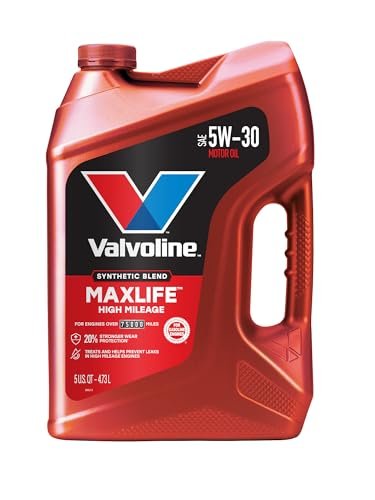
Some oils are marketed as synthetic blends, combining different types of base oils. High-mileage oils may include formulations aimed at older engines, but the exact benefits vary. Regardless of type, the oil must meet the requirements in the owner’s manual.
Source: bangla.bdnews24.com
Conventional oil
Can be suitable for engines whose manufacturers permit the selected conventional oil and its specifications.
Full synthetic oil
Often offers strong performance across temperature ranges, but must still meet the vehicle’s required viscosity and approvals.
Synthetic blend
Combines base oils in a formulation intended to meet particular performance and cost goals.
High-mileage oil
May include additives intended for aging engines, but it is not a universal fix for leaks, worn parts, or mechanical faults.
Can You Switch Between Synthetic and Conventional Oil?
In many vehicles, switching between synthetic and conventional oil is acceptable if both oils meet the required viscosity and performance specifications. The engine does not generally need a special conversion process merely because the base oil type changes.
However, a manufacturer’s warranty terms or specific engine requirements may call for particular approvals. Check the owner’s manual before changing products, and do not assume that every oil labeled synthetic is compatible with every engine.
Check first
Confirm the viscosity grade, required service classification, manufacturer approval, and warranty instructions.
How Engine Oil and the Oil Filter Work Together
Engine oil and the oil filter perform different but related jobs. Oil lubricates moving parts and carries some contaminants through the lubrication system. The filter captures many solid particles, helping prevent them from repeatedly circulating through the engine.
Most modern vehicles use a replaceable full-flow oil filter, although designs vary. In a full-flow system, much of the oil delivered through the main lubrication circuit passes through the filter. Some engines use additional filtration arrangements, bypass systems, or specialized filter designs.
A filter has a finite capacity. As it collects particles, its restriction can increase. Many filters have a bypass valve that allows oil to keep flowing if the filter becomes too restrictive under certain conditions. This protects oil supply, but oil that bypasses the filter may not receive the same filtration at that moment.
Replacing the oil without addressing a severely clogged or unsuitable filter can undermine maintenance. Follow the manufacturer’s filter requirements and service schedule, and use a filter designed for the exact vehicle and engine.
Source: dhakapost.com
Oil
Lubricates parts, transfers heat, and carries many contaminants through the system.
Oil filter
Captures many suspended solid particles before they can continue circulating.
Bypass valve
In designs that include one, it helps maintain oil flow when filter restriction or operating conditions require bypass operation.
Why Oil and Filter Changes Often Happen Together
Used oil accumulates contaminants and undergoes chemical changes. The filter also collects particles and may approach its service limit. Replacing both at the recommended service interval refreshes the lubricant and restores filtration capacity.
Some manufacturers specify different service procedures for particular vehicles or driving conditions. Follow the exact maintenance schedule rather than applying one interval to every car. Severe service, frequent short trips, heavy towing, dusty roads, and certain temperature extremes can affect maintenance needs.
Use the correct filter
Match the filter to the engine and follow the specified installation procedure.
Avoid overtightening
Use the manufacturer’s tightening method and torque specification where provided.
What Happens to Engine Oil as It Ages?
Engine oil changes as it works. Heat, oxygen, combustion by-products, moisture, fuel, and contaminants can affect its chemistry and physical properties. Additives gradually do their jobs, and some may become depleted or less effective over time.
Oxidation can contribute to sludge and deposits. Fuel dilution can lower viscosity, while moisture and combustion by-products can contribute to corrosion or other oil-quality problems. The exact effects depend on engine design, oil formulation, temperature, driving pattern, and maintenance history.
Oil can also lose some of its ability to maintain the properties required by the engine. This is why an oil change is not simply about removing dirty-looking fluid. It replaces oil whose condition may have changed even when its color does not provide a clear warning.
No single mileage figure fits every car. A modern vehicle may use a maintenance reminder or an oil-life monitoring system, while another may specify time and mileage limits. These systems and schedules vary, so check the owner’s manual and follow any applicable severe-service guidance.
Source: www.youtube.com
Oxidation
A chemical reaction with oxygen that can contribute to oil thickening, acidity, and deposits.
Fuel dilution
Fuel entering the crankcase can alter oil viscosity and reduce its ability to perform as intended.
Moisture
Water can enter the oil under certain conditions and contribute to corrosion or contamination.
Contaminants
Soot, wear particles, and other material can accumulate even when the oil filter is working normally.
Why Short Trips Can Affect Oil Life
Repeated short trips may end before the engine and oil reach stable operating temperatures. Under some conditions, moisture and fuel can accumulate in the crankcase instead of being driven off during sustained warm operation.
Cold starts, stop-and-go traffic, long idling periods, dusty roads, and heavy towing can also influence oil condition. These factors do not automatically require the same service interval for every vehicle, but they may fall under the manufacturer’s severe-service category.
Practical step
Check the maintenance schedule for the way you actually drive, not just the ideal conditions used for a normal-service schedule.
How to Choose the Right Engine Oil
The right engine oil is the oil that meets your vehicle manufacturer’s requirements for viscosity, performance, and any required approvals. Start with the owner’s manual or the maintenance information for your exact year, make, model, and engine. Do not choose a product based only on price, brand, or the word synthetic.
Oil containers may display an SAE viscosity grade and industry performance marks. Gasoline and diesel engines can have different requirements, and some manufacturers specify their own approvals in addition to general industry standards. Check all required details before buying.
Climate matters, but the manufacturer’s approved viscosity range remains the starting point. Drivers in cold northern states may face very low winter temperatures, while drivers in hot southern states may see sustained high ambient temperatures. The approved multigrade oil is designed for the engine’s specified operating range.
Source: bangla.bdnews24.com
Read the owner’s manual
Find the recommended viscosity, oil performance classification, capacity, and maintenance interval.
Check the label
Confirm that the oil meets the required specifications rather than relying on viscosity alone.
Consider driving conditions
Check whether frequent short trips, towing, extreme temperatures, or other severe conditions affect the recommended service schedule.
Confirm the quantity
Use the specified refill amount and verify the final level with the method recommended by the manufacturer.
Understanding Common Oil Labels
A label such as SAE 0W-20 identifies a viscosity grade. It does not, by itself, prove that the oil meets every requirement for your engine. Two oils with the same viscosity grade can differ in their performance classifications and manufacturer approvals.
Industry service categories and manufacturer specifications help describe how an oil performs under defined requirements. Their details and applicable versions can change, so check the current product label and the vehicle manufacturer’s stated requirements rather than relying on an old recommendation.
SAE grade
Describes viscosity performance under specified test conditions.
API service category
Identifies an industry performance category applicable to the oil and engine type.
ILSAC specification
Provides performance requirements for certain gasoline-engine oils, including specifications associated with many passenger vehicles.
Manufacturer approval
Confirms that an oil meets a particular vehicle maker’s stated requirement when the approval is genuine and applicable.
How to Check Engine Oil and Keep It Working Properly
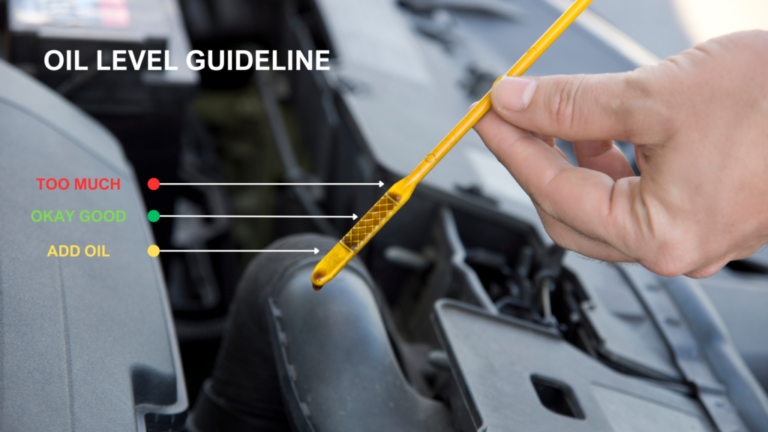
Regular oil checks help catch a low oil level before it causes damage. Some vehicles use a traditional dipstick, while others measure oil electronically through the dashboard. The correct checking method depends on the vehicle, so consult the owner’s manual first.
For a vehicle with a dipstick, park on a level surface and follow the specified engine-temperature and waiting instructions. Some vehicles require checking after the engine has been off for a short period, while others have different procedures. Never assume one method applies to every engine.
Source: dhakapost.com
Step 1: Park safely
Choose a level surface, engage the parking brake, and switch off the engine according to the owner’s manual.
Step 2: Find the dipstick
Locate the engine oil dipstick if your vehicle has one. Use the electronic oil-level procedure if it does not.
Step 3: Read the level
For a dipstick, remove it, wipe it clean, insert it fully, then withdraw it again to read the oil level.
Step 4: Add oil only when needed
If the level is low, add the correct oil in small amounts and recheck. Avoid filling above the maximum mark.
Step 5: Watch for warning signs
Check for leaks, repeated low readings, unusual engine noise, or dashboard warnings.
What If the Oil Level Is Too Low?
If the dipstick shows a low level but no oil-pressure warning is present, add the correct oil carefully and recheck the level using the manufacturer’s procedure. Do not pour in the entire expected refill quantity without checking, because the engine may still contain oil.
If the oil-pressure warning remains on while the engine is running, pull over safely and shut the engine off as soon as it is safe to do so. Do not continue driving in the hope that adding oil later will solve the problem. Low pressure can indicate a serious lubrication fault even when the dipstick shows an acceptable level.
Repeatedly low oil levels may point to a leak or internal oil consumption. Check the ground beneath the vehicle and look for visible leaks only when it is safe. A qualified technician should investigate persistent oil loss, blue exhaust smoke, or other signs of a possible engine problem.
Low level without a warning light
Top up carefully with the specified oil and investigate recurring loss.
Oil-pressure warning while running
Stop safely and shut the engine off. Arrange professional diagnosis if the warning persists or the cause is unclear.
Oil above the maximum mark
Do not ignore overfilling. Excess oil can cause problems in some engines, so have the level corrected according to the manufacturer’s instructions.
How Often Should You Change Engine Oil?
Follow the interval in your owner’s manual or the vehicle’s oil-life monitoring system. Recommendations vary by engine, oil specification, model year, and driving conditions. An older rule that calls for an oil change at one fixed mileage does not apply universally to modern vehicles.
Time limits may also apply, even when you drive only a few miles. Oil can age and collect contaminants during use, and repeated short trips may create conditions that differ from normal highway driving. Follow both the time and mileage limits specified for your vehicle.
Use the maintenance schedule
Follow the specified mileage, time limit, or oil-life monitor instructions.
Account for severe service
Check whether your driving pattern requires a shorter interval under the manufacturer’s guidance.
Replace the filter as specified
Use the correct filter and follow the recommended service procedure.
Common Engine Oil Problems and What They Mean
Changes in oil level, warning lights, noises, and visible leaks can point to lubrication problems. These signs do not always identify a single cause, so use them as reasons to check the vehicle rather than as proof of a specific failure. The most urgent warning is loss of oil pressure while the engine is running.
Source: www.youtube.com
Oil-pressure warning light
May indicate low oil pressure, a low oil supply, a pump or pickup problem, excessive internal clearance, or a faulty sensor. Stop safely and shut the engine off rather than continuing to drive.
Repeatedly low oil level
May result from an external leak, oil consumption, an incorrect fill level, or another mechanical issue. Check the level and arrange diagnosis if the loss continues.
Milky or creamy oil residue
A small amount of pale residue beneath the oil cap can sometimes occur from condensation, especially on vehicles used for short trips. Milky oil on the dipstick or throughout the oil system can indicate a more serious contamination problem and requires inspection.
Blue exhaust smoke
Can indicate that engine oil is entering the combustion chamber or exhaust system. The cause may involve worn components, seals, or a ventilation-system fault.
Unusual ticking or knocking
May be associated with inadequate lubrication or other engine problems. Check the oil level and warning indicators, and stop driving if severe knocking or an oil-pressure warning occurs.
Oil puddles beneath the car
May indicate a leak from the oil pan, filter, drain plug, seals, or another area. Confirm the fluid source safely and repair significant leaks promptly.
Can Engine Oil Additives Fix a Damaged Engine?
Oil already contains additives designed to meet its intended performance requirements. Extra aftermarket additives may alter the oil’s balance, and there is no universal additive that repairs worn bearings, restores damaged surfaces, or fixes every source of oil consumption.
If an engine has low oil pressure, persistent knocking, heavy deposits, or a serious leak, identify the cause before trying a chemical treatment. Use an oil that meets the manufacturer’s requirements and seek qualified diagnosis when symptoms suggest mechanical damage.
Avoid blind treatment
Do not use an additive as a substitute for checking oil pressure, finding a leak, or repairing a mechanical fault.
Common Mistakes That Reduce Engine Oil Protection
Good oil cannot protect an engine properly if the level is wrong, the oil does not meet the required specifications, or the lubrication system has a fault. A few routine mistakes can weaken the protection that the oil was designed to provide.
Source: bangla.bdnews24.com
Choosing oil by brand alone
A well-known brand does not guarantee that every oil in its range suits your engine. Check the viscosity grade and required performance standards.
Ignoring the oil-pressure warning
A warning light may signal a serious lubrication problem. Continuing to drive can cause severe damage in a short time.
Overfilling the engine
Too much oil can cause foaming or other problems in some engines. Follow the specified capacity and verify the level after filling.
Extending oil changes without checking the schedule
Do not assume synthetic oil or mostly highway driving permits any interval you choose. Follow the manufacturer’s limits and monitoring instructions.
Using the wrong oil filter
An unsuitable filter may not fit correctly or meet the engine’s filtration and flow requirements.
Mixing up engine fluids
Engine oil, transmission fluid, coolant, and brake fluid are not interchangeable. Confirm the correct fill point before adding any fluid.
Safe Practices When Handling Engine Oil
Used engine oil can contain contaminants from normal engine operation. Avoid prolonged skin contact, wash your hands after handling it, and use suitable gloves when changing oil. Keep oil away from children and pets.
Never crawl beneath a vehicle supported only by a jack. Use properly rated jack stands on a suitable surface and follow the vehicle’s lifting instructions. If you cannot support the vehicle safely, have a qualified shop perform the service.
Collect used oil in a clean, sealed container and take it to an appropriate recycling or collection facility. Do not pour used motor oil onto the ground, into a storm drain, or down a household drain.
Prevent burns
Hot oil and engine parts can cause injury. Follow the manufacturer’s service procedure and allow parts to cool when required.
Prevent spills
Use a suitable drain pan, close containers securely, and clean spills promptly.
Dispose of oil correctly
Use an approved local used-oil collection or recycling service.
Frequently Asked Questions
Q
How does engine oil lubricate moving parts?
Engine oil flows between moving surfaces and forms a thin film that helps keep the surfaces apart. This reduces friction and wear while helping distribute loads across lubricated areas. The film’s effectiveness depends on oil viscosity, temperature, speed, load, and the engine’s design.
Q
Does engine oil cool the engine?
Yes. Circulating oil absorbs heat from lubricated parts and carries some of it away. The oil pan and an oil cooler, when fitted, help release that heat. The coolant system usually handles much of the engine’s overall heat removal, so oil is only one part of temperature control.
Q
How long does engine oil last?
Engine oil life varies by vehicle, oil specification, engine design, and driving conditions. Follow the owner’s manual or the vehicle’s oil-life monitoring system, including any time limit and severe-service guidance. Do not use one mileage interval as a universal rule.
Q
Can I use a different viscosity of engine oil?
Use the viscosity grade or approved range specified by the manufacturer. A different grade may not provide the intended flow and lubrication characteristics, even if it seems suitable for your local climate. Check the owner’s manual before making a change.
Q
Is synthetic oil always better than conventional oil?
Not automatically. Synthetic oils often offer advantages in some temperature and oxidation conditions, but the complete formulation and required specifications matter more than the label alone. Conventional oil can be suitable for engines that permit it, while other engines require a specific synthetic formulation or manufacturer approval.
Q
Why does engine oil turn black?
Oil can darken as it carries combustion-related material and controls deposits. Dark color alone does not prove that the oil needs immediate replacement. Follow the service schedule and investigate unusual changes, warning lights, persistent contamination, or abnormal engine behavior.
Q
What happens if an engine runs without oil?
Without an adequate supply of oil, moving parts can lose their protective film and suffer rapid wear, overheating, bearing damage, or engine seizure. If the oil-pressure warning appears while the engine is running, stop safely and shut the engine off. Do not restart it until the problem has been assessed.
Q
Can I mix two brands of engine oil?
Mixing brands is not automatically harmful when both oils meet the engine’s required viscosity and performance specifications. However, different formulations may not offer identical performance, and mixing products does not guarantee that every requirement is met. Use one suitable oil whenever practical and follow the owner’s manual.
✦ Wrapping Up
Conclusion
Engine oil works by circulating through the engine and forming protective films between moving parts. It reduces friction and wear, carries heat away from key components, helps control deposits, supports piston-ring sealing, and protects metal surfaces against corrosion. The oil filter supports this process by removing many suspended solid particles.
The oil’s ability to perform these jobs depends on more than its brand or color. Viscosity, performance specifications, oil level, filter condition, temperature, driving habits, and maintenance all affect protection. The right oil for one vehicle may not meet the needs of another, even when the engines look similar.
For everyday drivers in the United States, the most useful approach is simple: check the owner’s manual, use oil that meets the exact requirements, monitor the oil level, and follow the recommended service schedule. If the oil-pressure warning appears, treat it as an urgent problem rather than a reminder to change the oil later.
💡 Key Takeaway
Check your vehicle owner’s manual today for the required engine oil viscosity, performance specifications, oil capacity, and change interval. Then check the oil level using the manufacturer’s procedure and address any warning light, persistent leak, or unexplained oil loss promptly.
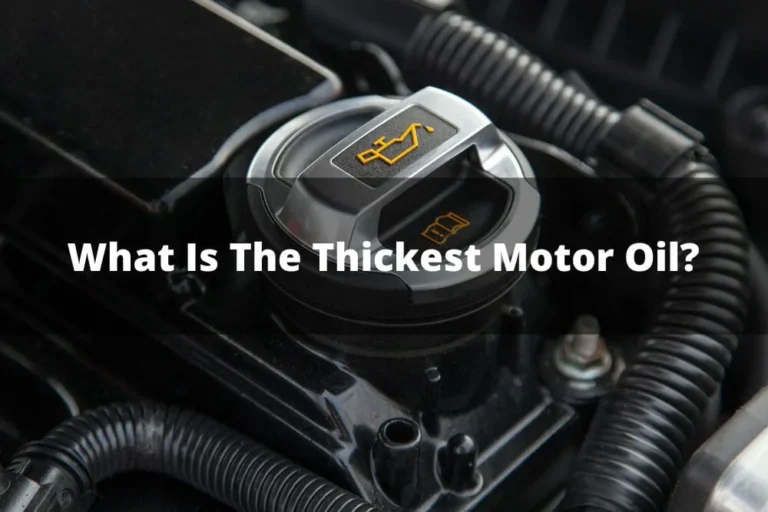
You’ve probably seen the question pop up in a forum or a shop: what is the thickest motor oil? It sounds like one number, one bottle on the shelf. It isn’t.…
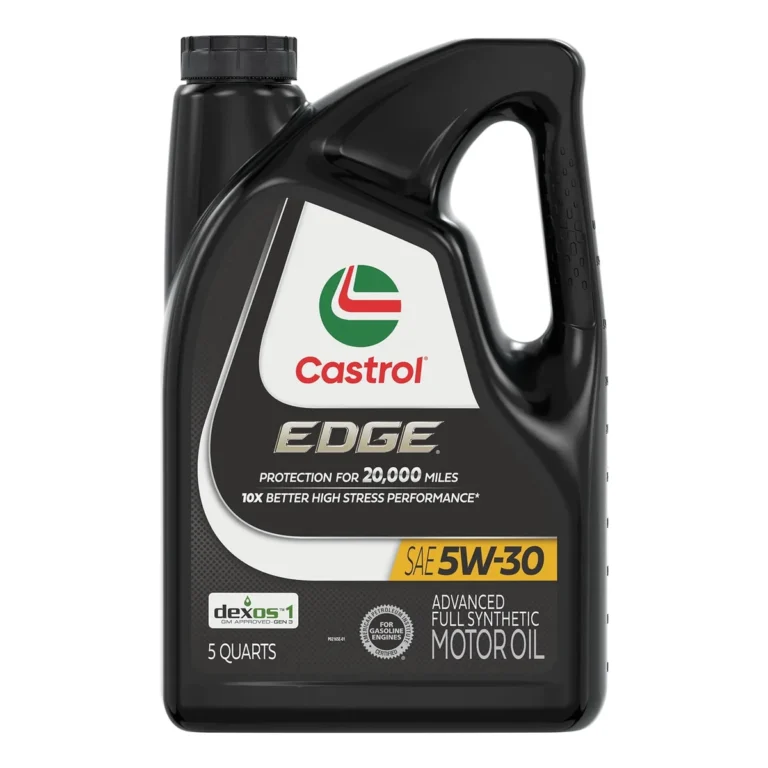
You’re standing in the oil aisle, staring at five shelves of “synthetic” products. You ask what is full synthetic motor oil, and the answer isn’t just “made in…