Best Engine Oil For High Mileage Cars: Top 5 Picks
**Valvoline MaxLife High Mileage 5W-30 is my top pick for many older cars because it helps protect worn engines, condition seals, and reduce oil consumption.**
Your car has crossed 100,000 miles, but you still depend on it for work, school runs, road trips, and daily errands. Maybe the engine uses more oil than it did before. You may also notice small oil spots in your driveway or hear more engine noise during cold starts. These issues can make you worry about expensive repairs. The right motor oil can help protect an aging engine and keep it running well. I looked at five products for this guide. Here is how to choose the best engine oil for high mileage cars without spending money on the wrong formula.
🏆 Top 3 Products

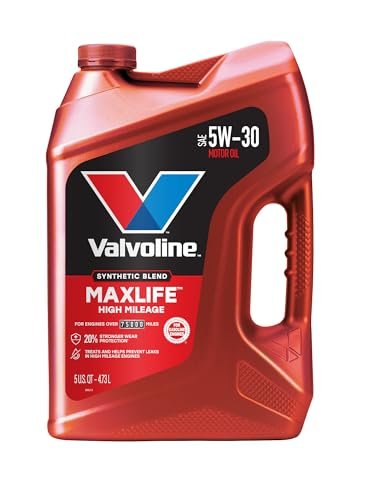
Valvoline MaxLife High Mileage 5W-30 Synthetic Blend
It offers a useful mix of seal conditioners, cleaning additives, and wear protection for many aging engines that require 5W-30 oil.

Castrol EDGE High Mileage 5W-30 Full Synthetic
Its full synthetic formula is a strong choice for older cars that need 5W-30 oil and extra protection against wear and oil burnoff.

Valvoline MaxLife High Mileage 5W-20 Synthetic Blend
It gives owners of compatible 5W-20 engines a practical high-mileage formula with seal care and cleaning additives.
Valvoline MaxLife High Mileage 5W-30 Review
Valvoline MaxLife High Mileage 5W-30 Synthetic Blend is my first choice for many older cars that need this oil grade. It combines synthetic and conventional base oils with additives made for engines with higher mileage. Its formula includes seal conditioners that help keep engine seals flexible. It also contains cleaning and wear-fighting additives that help protect older engine parts. Valvoline designs this oil for engines with 75,000 miles or more, making it a practical option for cars that have seen years of daily use.
One reason I like this product is its focus on common aging-engine problems. Older engines may develop small seal leaks, use more oil, or collect deposits over time. MaxLife aims to address these issues while keeping the oil within the required viscosity grade. It can suit a family sedan, an older SUV, or a daily commuter that still runs well. However, it cannot repair broken seals or fix worn engine parts. I would choose it when my vehicle manual calls for 5W-30 and I want a high-mileage formula without moving to a full synthetic oil.
✅ Pros
- ✔ Seal conditioners help reduce the risk of minor oil leaks caused by aging seals.
- ✔ Designed for engines with 75,000 miles or more.
- ✔ Synthetic blend formula offers a useful balance of cost and protection.
- ✔ Cleaning additives help fight sludge and harmful engine deposits.
- ✔ Anti-wear additives help protect important moving engine parts.
- ✔ May help reduce oil consumption in some aging engines.
- ✔ A practical option for older cars used for daily commuting.
- ✔ Available in a convenient five-quart container.
- ✔ The 5W-30 grade suits many older cars and SUVs that require this viscosity.
- ✔ Useful for drivers who want high-mileage features without paying for a premium full synthetic formula.
⚠️ Cons
- ✖ It is a synthetic blend, not a full synthetic motor oil.
- ✖ It is not suitable for engines that require 5W-20, 0W-20, or another viscosity grade.
- ✖ Seal conditioners cannot repair damaged gaskets or worn mechanical parts.
- ✖ Drivers with severe oil leaks may need a proper engine repair.
- ✖ The five-quart size may not match the oil capacity of every vehicle.
My Recommendation
I recommend Valvoline MaxLife High Mileage 5W-30 for owners of older cars that need 5W-30 oil and show early signs of engine aging. It is a sensible choice for drivers who want help with oil consumption, minor seepage, deposits, and engine wear. Its synthetic blend design makes it attractive for people who want high-mileage additives without choosing a more expensive full synthetic product. I would especially consider it for a well-maintained car with 75,000 to 150,000 miles. Still, the owner’s manual must come first. Check the required viscosity and oil performance rating before buying. If the engine has a major leak, burning oil, or low oil pressure, I would inspect the cause instead of expecting a new oil to solve it.
| Best For | Why |
|---|---|
| Older daily commuter cars | Its high-mileage formula helps support engines that see regular use and have passed 75,000 miles. |
| Cars with minor oil seepage | Seal conditioners may help reduce small leaks linked to aging seals. |
| Budget-conscious owners | The synthetic blend offers high-mileage features without requiring a full synthetic formula. |
Valvoline MaxLife High Mileage 5W-20 Review
Valvoline MaxLife High Mileage 5W-20 Synthetic Blend is made for older engines that need a lighter 5W-20 oil. It shares the high-mileage focus of the 5W-30 version. The formula uses synthetic and conventional base oils, along with additives that help condition seals and protect engine parts. It also contains detergents that help keep deposits under control. This makes it worth considering for compatible cars that have passed 75,000 miles but still run well.
I like this option because many American cars use 5W-20 motor oil. Some Ford, Honda, and other models may call for this grade, depending on the engine and model year. A high-mileage formula can help support an older engine without changing its required viscosity. The key is to avoid choosing oil based only on mileage. A 5W-20 engine does not automatically need 5W-30 when it gets older. If your owner’s manual lists 5W-20, this MaxLife version offers a practical way to add high-mileage care to regular oil changes.
✅ Pros
- ✔ Designed for vehicles with 75,000 miles or more.
- ✔ Seal conditioners help protect aging engine seals.
- ✔ Helps reduce oil consumption in some high-mileage engines.
- ✔ Detergents help control sludge and deposits.
- ✔ Wear-fighting additives support engine protection.
- ✔ Synthetic blend formula balances price and performance.
- ✔ Useful for older cars that require 5W-20 oil.
- ✔ Suitable for regular commuting and everyday driving when the vehicle allows this grade.
- ✔ Can help maintain engine cleanliness with regular maintenance.
- ✔ The five-quart container is convenient for many common oil changes.
⚠️ Cons
- ✖ Not suitable for engines that require 5W-30 or another viscosity.
- ✖ Does not offer a full synthetic base oil formula.
- ✖ Cannot repair damaged seals or stop every type of oil leak.
- ✖ May not provide enough oil for vehicles with larger oil capacities.
- ✖ Results can vary based on engine condition and maintenance history.
My Recommendation
I would choose this Valvoline MaxLife version for an older car that specifically requires 5W-20 oil. It is a good fit for owners who want seal conditioners, cleaning additives, and wear protection in one motor oil. It can be especially useful when a vehicle has reached 75,000 miles but does not have serious engine damage. I would not switch to this grade just because the price looks good or the car has high mileage. The correct oil grade matters more than the odometer reading. Check the owner’s manual and the product label before making your choice.
| Best For | Why |
|---|---|
| Older cars that require 5W-20 | It provides high-mileage additives in the viscosity grade specified for compatible engines. |
| Regular city commuters | Its seal care and cleaning additives support engines that face frequent daily use. |
| Owners seeking a synthetic blend | It combines synthetic and conventional base oils with additives for aging engines. |
Castrol EDGE High Mileage 5W-30 Review
Castrol EDGE High Mileage 5W-30 is a full synthetic motor oil designed for engines with more than 75,000 miles. It focuses on wear protection, oil consumption, and deposits. Castrol uses its Fluid TITANIUM technology to help improve oil film strength under pressure. A strong oil film helps protect moving parts when an engine runs under heavy load. The formula also aims to reduce leaks and oil burnoff while helping protect the emission system.
This product is a strong choice for drivers who want a full synthetic oil for an older car. I would consider it for a vehicle that sees highway trips, long commutes, and regular stop-and-go traffic. It can also suit an older SUV that needs 5W-30 oil. Its high-mileage formula offers more than basic lubrication. It targets several problems that can appear as engines age. Still, the oil cannot fix damaged piston rings, failed gaskets, or worn bearings. I would choose it for an engine that remains in good condition but needs a more advanced oil formula.
✅ Pros
- ✔ Full synthetic formula offers strong protection for compatible high-mileage engines.
- ✔ Designed for vehicles with more than 75,000 miles.
- ✔ Fluid TITANIUM technology helps strengthen the oil film.
- ✔ Helps reduce oil burnoff in some aging engines.
- ✔ Formulated to help reduce leaks.
- ✔ Cleaning additives help fight power-robbing deposits.
- ✔ Helps protect engine parts against wear and friction.
- ✔ Useful for drivers who prefer full synthetic motor oil.
- ✔ Can suit regular highway driving when the vehicle requires 5W-30.
- ✔ Its high-mileage formula also focuses on emission system protection.
⚠️ Cons
- ✖ It may cost more than a synthetic blend.
- ✖ The 5W-30 grade is not right for every high-mileage car.
- ✖ Full synthetic oil cannot repair major mechanical damage.
- ✖ The product’s premium features may be unnecessary for some basic older engines.
- ✖ A longer advertised oil-life capability does not override the vehicle maker’s service schedule.
My Recommendation
Castrol EDGE High Mileage 5W-30 is my preferred alternative for drivers who want a full synthetic option. It is especially attractive for older cars that need 5W-30 and still perform well under daily driving conditions. I would consider it for long highway trips, regular commuting, and vehicles that need extra help against oil burnoff and deposits. Its focus on oil film strength makes it a strong premium choice. However, I would compare the exact API rating and manufacturer requirements on the bottle with the vehicle manual. If the specifications match, this product deserves a place on your shortlist of the best engine oil for high mileage cars.
| Best For | Why |
|---|---|
| Drivers who prefer full synthetic oil | Its synthetic formula targets wear, friction, deposits, and oil breakdown. |
| Older highway vehicles | Its oil film strength focus supports engines that face sustained operating loads. |
| Cars with mild oil burnoff | Its high-mileage additives aim to help reduce oil burnoff and consumption. |
Valvoline MaxLife Full Synthetic 5W-20 Review

Valvoline MaxLife Full Synthetic High Mileage 5W-20 is designed for older engines that need 5W-20 oil. Unlike the synthetic blend products in this list, this version uses a full synthetic base oil formula. It also includes seal conditioners and additives that help fight wear and deposits. Valvoline markets it for engines with 75,000 miles or more. Its main goal is to support aging engines that face oil consumption, heat, friction, and seal wear.
I would consider this oil for a well-maintained older car that needs full synthetic 5W-20. It can be a good choice for drivers who want to keep their vehicles for many more years. Its formula aims to protect engine parts while helping keep internal surfaces clean. It may also help reduce minor oil seepage and oil consumption. However, the full synthetic label does not mean it fits every engine. The required viscosity and performance standard must match the vehicle. If your car needs 5W-30, buying this 5W-20 product would be the wrong move.
✅ Pros
- ✔ Full synthetic formula for compatible high-mileage engines.
- ✔ Designed for engines with 75,000 miles or more.
- ✔ Seal conditioners help reduce minor leaks linked to aging seals.
- ✔ Helps reduce oil consumption in some engines.
- ✔ Anti-wear additives help protect moving engine parts.
- ✔ Detergents help limit sludge and deposit formation.
- ✔ Supports protection against heat and oil breakdown.
- ✔ Useful for older vehicles that require 5W-20.
- ✔ A good option for owners who want to keep a vehicle for the long term.
- ✔ Combines high-mileage care with a full synthetic base oil.
⚠️ Cons
- ✖ Not suitable for vehicles that require a different viscosity grade.
- ✖ May cost more than the synthetic blend MaxLife version.
- ✖ Cannot repair damaged gaskets, piston rings, or other worn parts.
- ✖ Its benefits may be less noticeable in an engine with no oil consumption or leakage.
- ✖ A full synthetic formula does not automatically allow longer oil change intervals.
My Recommendation
I recommend this Valvoline full synthetic option for owners who want high-mileage additives and a full synthetic formula in one product. It is a strong match for compatible 5W-20 engines that have passed 75,000 miles. I would especially consider it for a car that sees heavy use or spends a lot of time in traffic. The seal conditioners and anti-wear additives give it a useful focus for aging engines. Before buying, check the current product label for the correct API service category and any vehicle-specific approval. If the car needs another grade, select the matching MaxLife version instead.
| Best For | Why |
|---|---|
| High-mileage 5W-20 engines | It combines the required viscosity with additives made for aging engines. |
| Long-term car owners | Its full synthetic formula and anti-wear additives support regular engine maintenance. |
| Drivers who want seal care | Its seal conditioners aim to help reduce minor leaks and oil consumption. |
STP High Mileage Oil Treatment + Stop Leak

STP High Mileage Oil Treatment + Stop Leak is different from the other products in this review. It is an oil treatment, not a replacement for engine oil. You add it to compatible motor oil as directed on the label. STP markets it for vehicles with more than 75,000 miles. Its formula aims to condition seals, help reduce minor oil leaks, and support older engines. This may interest drivers who notice small oil spots or mild oil consumption as their cars age.
I would treat this product as an optional extra rather than a basic part of every oil change. A good high-mileage motor oil already contains a balanced set of additives. Adding another treatment may not offer a clear benefit for every engine. It also cannot fix a broken gasket, a cracked oil pan, or serious internal wear. Before using it, check the product instructions and the vehicle manual. Make sure the added amount will not push the engine above its required oil level. If your engine has a serious leak, find and repair the source first.
✅ Pros
- ✔ Made for older vehicles with more than 75,000 miles.
- ✔ Aims to condition aging engine seals.
- ✔ May help reduce minor oil seepage.
- ✔ Designed to support engines that use more oil with age.
- ✔ Can be used alongside compatible motor oil when the label allows it.
- ✔ Small bottle is easy to store in a garage.
- ✔ Offers an optional treatment for drivers concerned about minor leaks.
- ✔ May suit some older engines that need additional seal care.
- ✔ Can be considered during routine maintenance after checking compatibility.
⚠️ Cons
- ✖ It is not a motor oil and cannot replace a proper oil change.
- ✖ It cannot repair damaged gaskets or major mechanical faults.
- ✖ Adding extra treatment may be unnecessary when using a suitable high-mileage oil.
- ✖ Incorrect use can lead to an oil level above the engine’s safe limit.
- ✖ It may not work well for every engine or every type of oil leak.
- ✖ The extra product adds to the cost of routine maintenance.
My Recommendation
I would only consider STP High Mileage Oil Treatment + Stop Leak when the vehicle manual and product label allow its use. It may appeal to owners who want an optional seal-conditioning treatment for minor seepage. However, I would not use it as my first solution for oil loss. I would check the oil level, inspect the engine, and identify the leak before adding anything. In many cases, choosing a suitable high-mileage motor oil and keeping up with regular oil changes is the better starting point. Remember that this product is an extra treatment, not the best engine oil for high mileage cars itself.
| Best For | Why |
|---|---|
| Drivers with minor oil seepage | Its seal-conditioning formula aims to help reduce small leaks from aging seals. |
| Owners of older vehicles | It is marketed for cars with more than 75,000 miles. |
| Drivers seeking an optional oil treatment | It can provide an additional maintenance option when the vehicle and product instructions permit its use. |
Final Verdict: Which Should You Buy?
Valvoline MaxLife High Mileage 5W-30 is my top overall choice for compatible older engines. It offers seal conditioners, cleaning additives, and wear protection in a practical synthetic blend. Castrol EDGE High Mileage 5W-30 is my premium pick for drivers who prefer full synthetic oil. For engines that require 5W-20, the Valvoline MaxLife options are worth considering. Always match the oil to your owner’s manual.
The best engine oil for high mileage cars should protect your engine and meet its exact needs. Check the viscosity, service rating, and oil level before every change. Choose the right formula, follow the service schedule, and fix leaks early to help your older car stay on the road.
FAQs Of best engine oil for high mileage cars
Q What is the best engine oil for high mileage cars?
Q At what mileage should I start using high-mileage oil?
Q Can high-mileage oil stop an engine oil leak?
Q Should I use full synthetic or synthetic blend oil in an older car?
Q Can I use thicker oil in a high-mileage engine?