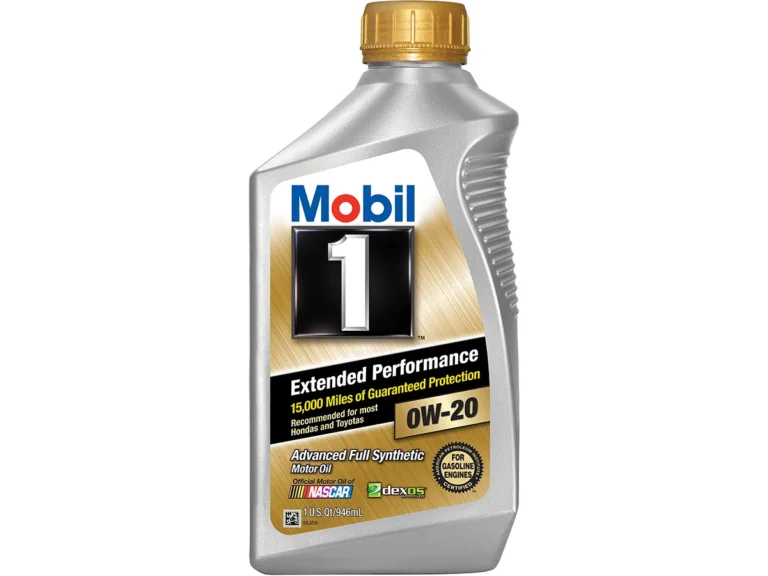
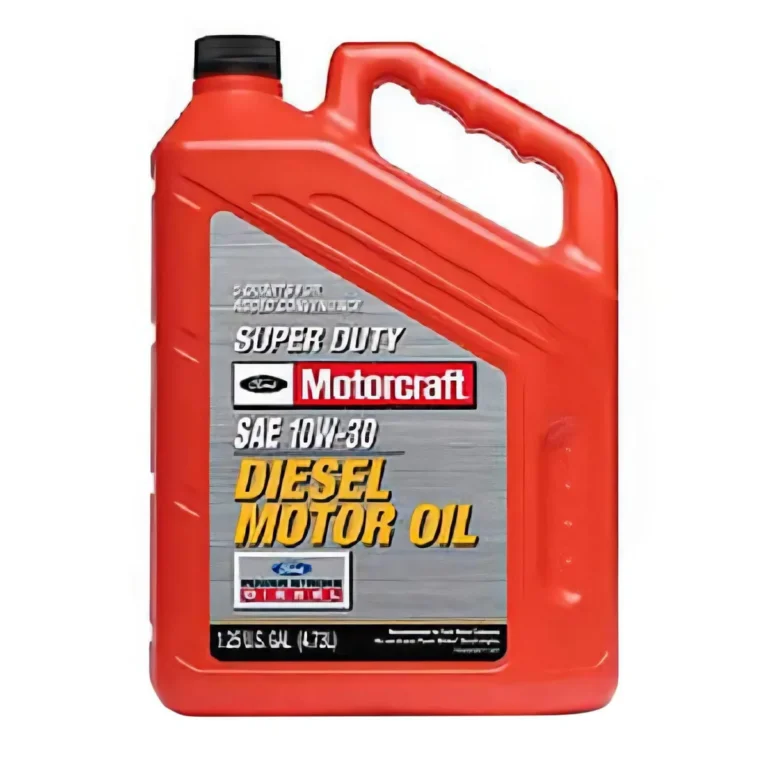
Motor Oil vs Motorcycle Oil: Key Differences


Is Automotive Motor Oil Good?
Yes, automotive motor oil is a good choice for a car or truck when it meets the maker’s oil requirements. For a motorcycle, the answer is it depends. Some bikes can use certain automotive oils, but others need oil made for motorcycle engines and wet clutches.
When I compare motor oil vs motorcycle oil, I start with the owner’s manual rather than the price tag. A car engine often uses separate fluids for its engine, transmission, and clutch. Many motorcycles use a compact design where the engine, gearbox, and wet clutch share one oil supply. That changes the demands placed on the oil.
Imagine driving a family sedan through city traffic in Texas. The engine oil mainly needs to protect the engine and support its emissions system. Now picture riding a motorcycle through stop-and-go traffic on a hot summer day. If the bike has a wet clutch, the oil must also let the clutch plates grip as intended. One oil cannot be assumed to fit both jobs.
I would not pour car oil into a motorcycle just because both bottles show the same viscosity grade. I would check the required API rating, any JASO specification, and the manufacturer’s instructions. If all requirements match, a particular automotive oil may be suitable for some motorcycles. If they do not, I would choose a compatible motorcycle oil instead.
Key Features of Automotive Motor Oil
- Engine wear protectionIt forms a film between moving parts. This helps reduce metal-to-metal contact and engine wear.
- Viscosity choicesCommon grades include 0W-20, 5W-30, and 5W-40. The correct grade depends on the engine and the maker’s instructions.
- Detergent additivesThese help keep engine parts clean and control deposits that can build up during normal use.
- Oxidation controlSuitable formulations resist oil breakdown as heat and oxygen affect the oil over time.
- Cold-start performanceThe winter rating helps describe how the oil flows at low temperatures. The right grade can help oil reach parts during a cold start.
- Fuel economy supportSome low-viscosity oils help reduce engine drag. Use them only when the vehicle maker allows that grade.
- Emission system compatibilityModern car oils may be designed to protect catalytic converters and other emission-control parts when used as directed.
My Recommendation
Choose automotive motor oil for cars and trucks that call for its grade and performance rating. For a motorcycle, use it only if the manufacturer allows that exact type of oil and it meets every required standard.
| Best For | Why |
|---|---|
| Cars and light trucks | A suitable automotive oil meets the engine’s viscosity and performance needs. |
| Motorcycles that allow the oil | Some motorcycle engines permit certain automotive oils when all specifications match. |
| Budget-focused car owners | Many brands offer affordable conventional and synthetic options. |
Is Motorcycle Engine Oil Good?
Yes. Motorcycle engine oil is a strong choice when you need oil made for your bike’s design and operating demands. It is especially useful for motorcycles that share oil between the engine, gearbox, and wet clutch. Still, no single motorcycle oil works for every bike.
When looking at motor oil vs motorcycle oil, I see motorcycle oil as the more direct choice for many street bikes. A suitable product may meet a JASO MA or MA2 clutch-friction requirement, along with the viscosity and engine performance standards listed in the manual. Those details matter more than a large label that simply says motorcycle oil.
Think about a weekend ride through the hills or a long commute in warm weather. A motorcycle engine may run at high revolutions per minute and face repeated changes in load. In many designs, the same oil also lubricates gears and works around the clutch. The oil must handle these demands without losing the needed protection.
I would still check the bottle before buying. Some motorcycles use separate engine and gearbox oil. Some scooters have a dry clutch. Some large touring bikes use a car-like engine layout with specific oil needs. The manual tells you which oil type, grade, and performance standards fit your machine.
Key Features of Motorcycle Engine Oil
- Wet-clutch compatibilitySuitable oils may meet JASO MA or MA2 standards, which address friction needs in motorcycles with wet clutches.
- Gearbox protectionFor bikes that share engine and gearbox oil, the formulation must handle the demands of engine parts and gear contact.
- High-temperature stabilityThe oil must protect parts under the heat and load expected in the motorcycle’s intended use.
- Viscosity optionsMotorcycle oils come in grades such as 10W-30, 10W-40, and 20W-50. Always follow the manual.
- Engine cleanlinessDetergents and dispersants help control deposits and keep harmful particles suspended until the oil is changed.
- Reduced clutch-slip riskAn oil that meets the required clutch-friction standard helps the clutch work as the maker intended.
- Mineral and synthetic choicesRiders can choose conventional, synthetic blend, or full synthetic oils when the type and grade meet the bike’s needs.
My Recommendation
For most motorcycles that share engine and gearbox oil, I would begin with a motorcycle oil that matches the manual. Check viscosity, API requirements, and JASO ratings before you buy.
| Best For | Why |
|---|---|
| Motorcycles with wet clutches | A suitable JASO MA or MA2 oil supports the clutch-friction needs stated by the maker. |
| Frequent riders | The correct formulation helps manage heat, engine wear, and gearbox demands. |
| Riders who want a simple choice | A motorcycle oil that matches the manual can reduce uncertainty about compatibility. |
Motor Oil vs Motorcycle Oil: Side-by-Side Test
The main difference in motor oil vs motorcycle oil comes from the job each oil must do. Both help reduce friction, carry heat away, and protect engine parts. The difference lies in the needs of the machine and the formula used to meet them.
I would not judge these oils by price or packaging alone. The right choice must match the engine design, clutch type, oil grade, and required standards. The ratings below are practical editorial scores for suitability in each common use, not lab-test results for specific bottles.
1. Engine Protection: Which Is Better?
Both types can protect an engine well when they meet its needs. The better oil is the one approved for the machine.
| Feature | Automotive Motor Oil | Motorcycle Oil |
|---|---|---|
| Wear protection | Strong when the oil meets the car maker’s requirements | Strong when the oil meets the motorcycle maker’s requirements |
| Heat control | Designed for its intended engine and service needs | Designed for its intended motorcycle application |
| Deposit control | Uses detergents and dispersants | Uses detergents and dispersants |
| Best match | Cars and trucks that specify the product | Motorcycles that specify the product |
⭐ Automotive motor oil – 9/10 for cars | Motorcycle oil – 9/10 for motorcycles
Edge: Each oil wins in its intended application. Neither label guarantees better protection in every engine.
2. Wet Clutch Compatibility
A wet clutch runs in oil. It needs the right friction level to grip and release well.
| Feature | Automotive Motor Oil | Motorcycle Oil |
|---|---|---|
| Wet-clutch use | Depends on the formula and bike maker’s approval | Many products are made for wet-clutch needs |
| JASO MA or MA2 | Do not assume the oil meets this standard | Some products state MA or MA2 compliance |
| Friction modifiers | Some oils contain them | Suitable wet-clutch oils meet the required friction needs |
| Clutch-slip concern | Possible if the oil is not suitable | Lower risk when the correct standard is met |
⭐ Automotive motor oil – 5/10 for unknown wet-clutch use | Motorcycle oil – 9/10 for compatible wet-clutch use
Edge: Motorcycle oil, if it meets the bike’s required JASO specification. Not every motorcycle oil is suitable for every clutch.
3. Gearbox Lubrication
Many motorcycles use one oil supply for the engine and gearbox. Many cars keep engine oil separate from transmission fluid.
| Feature | Automotive Motor Oil | Motorcycle Oil |
|---|---|---|
| Shared engine and gearbox oil | Only if the motorcycle maker allows it | Common in oils designed for this setup |
| Gear contact demands | Depends on the product and gearbox design | Suitable shared-sump oils account for this use |
| Separate gearbox systems | Follow the bike maker’s specified fluid | Some bikes still need a separate fluid |
⭐ Automotive motor oil – 5/10 for shared-sump use without approval | Motorcycle oil – 9/10 for the specified shared-sump application
Edge: Motorcycle oil for bikes designed to use one oil supply for the engine and gearbox, provided the oil meets the manual’s requirements.
4. Price and Value
Price matters, especially if you change oil often. But cheap oil is not a bargain if it fails to meet the right specification.
| Feature | Automotive Motor Oil | Motorcycle Oil |
|---|---|---|
| Typical price | Often has many low-cost choices | May cost more per quart |
| Bulk buying | Common in large bottles and multi-packs | Available in bulk for common grades |
| Value for motorcycles | Good only when fully compatible | Good when it meets the required standards |
| Cost of a wrong choice | May include clutch or engine problems | Still a risk if the grade or standard is wrong |
⭐ Automotive motor oil – 9/10 for car value | Motorcycle oil – 9/10 for motorcycle value
Edge: Automotive oil often costs less, but motorcycle oil can offer better value when it meets a bike’s specific needs.
5. Oil Grades and Viscosity
Viscosity tells you how easily oil flows at different temperatures. The right grade depends on the engine and the expected weather.
| Feature | Automotive Motor Oil | Motorcycle Oil |
|---|---|---|
| Common grades | 0W-20, 5W-30, 5W-40, and others | 10W-30, 10W-40, 20W-50, and others |
| Cold starts | Choose the approved winter grade | Choose the approved winter grade |
| Hot-weather use | Follow the engine maker’s chart | Follow the motorcycle maker’s chart |
| Grade interchange | Same numbers do not prove full compatibility | Same numbers do not prove full compatibility |
⭐ Automotive motor oil – 9/10 for cars | Motorcycle oil – 9/10 for motorcycles
Edge: Tie. Match the grade listed in the manual rather than choosing by the numbers alone.
6. Synthetic vs Conventional Options
Both automotive and motorcycle oils can use conventional base oils, synthetic blends, or full synthetic formulas.
| Feature | Automotive Motor Oil | Motorcycle Oil |
|---|---|---|
| Conventional oil | Available for many cars and trucks | Available for some motorcycle applications |
| Synthetic blend | Offers a balance of price and performance | Offers a balance when the bike allows it |
| Full synthetic | Available for many modern engines | Available for many high-demand motorcycle uses |
| Best selection rule | Follow the vehicle maker’s oil requirements | Follow the motorcycle maker’s oil requirements |
⭐ Automotive motor oil – 9/10 for car options | Motorcycle oil – 9/10 for motorcycle options
Edge: Tie. Synthetic status alone does not decide whether an oil is right for your machine.
7. Ease of Buying and Use
You can find both oils in the United States, but availability depends on the grade and local shop.
| Feature | Automotive Motor Oil | Motorcycle Oil |
|---|---|---|
| Auto parts stores | Very common | Often available in a motorcycle section |
| Large retail stores | Usually easy to find | Selection varies by store |
| Specialty grades | Some grades may need an online order | Less common grades may need an online order |
| Label guidance | Usually lists automotive standards | May list JASO and motorcycle-specific details |
⭐ Automotive motor oil – 9/10 for availability | Motorcycle oil – 8/10 for availability
Edge: Automotive oil for broad retail access. Motorcycle oil is still easy to find for many popular bikes.
8. Long-Term Maintenance
Good oil is only one part of engine care. Change intervals and regular checks matter just as much.
| Feature | Automotive Motor Oil | Motorcycle Oil |
|---|---|---|
| Oil change interval | Set by the vehicle maker | Set by the motorcycle maker |
| Oil level checks | Follow the car’s procedure | Follow the bike’s procedure |
| Filter changes | Use the specified filter and interval | Use the specified filter and interval |
| Maintenance records | Help track service and warranty needs | Help track service and warranty needs |
⭐ Automotive motor oil – 9/10 for car maintenance | Motorcycle oil – 9/10 for motorcycle maintenance
Edge: Tie. The right oil, proper change interval, and regular checks work together to protect the engine.
Final Verdict: Which Should You Buy?
In the motor oil vs motorcycle oil comparison, neither product wins for every machine. Automotive motor oil is the right choice for cars and trucks when it meets the maker’s requirements. Motorcycle oil is often the safer, simpler choice for bikes that share oil between the engine, gearbox, and wet clutch.
For most motorcycle owners, I would start with the oil grade and standards listed in the owner’s manual. Look for the required viscosity, API performance level, and JASO rating if the maker calls for one. Do not assume that a lower price or a similar viscosity number makes car oil suitable for a bike.
The best oil is not the one with the boldest label. It is the one that fits the machine, protects its parts, and lets every system work as designed.