Semi Synthetic vs Fully Synthetic Motor Oil


Is Fully Synthetic Motor Oil Good?
Yes. Fully synthetic motor oil is an excellent choice for drivers who want strong protection across a wide range of driving conditions. It is often a good fit for newer cars, turbocharged engines, frequent highway trips, and vehicles that face very cold winters or very hot summers. Its carefully designed base oils and additive package can help it resist heat, oxidation, and deposits. Still, the exact benefits depend on the formula and the engine.
Think about a driver who spends an hour each day in stop-and-go traffic. The engine may run hot even when the car moves slowly. Now picture a family taking a long summer road trip with luggage and passengers. Both situations place demands on the oil. A suitable full synthetic product can handle these conditions well when it carries the right viscosity and approvals.
I would not call full synthetic the best choice for every car at any price. Some older engines and basic daily drivers work well with an approved synthetic blend. Also, full synthetic oil cannot fix worn seals, low oil pressure, or poor maintenance. It is a strong tool, not a cure for every engine problem.
For this semi synthetic vs fully synthetic motor oil comparison, full synthetic earns the top spot for broad performance. Check your owner’s manual before buying. The correct oil grade and required specifications matter more than a label that sounds premium.

What Makes It Stand Out
- Designed base oilsFull synthetic oils use synthetic base stocks selected and processed for stable performance. The finished product also contains additives that help control wear, deposits, and oxidation.
- Cold-weather flowMany full synthetic oils flow well at low temperatures. This can help oil reach engine parts during cold starts, when much engine wear can occur.
- Heat resistanceA quality formula can resist breakdown and oxidation under high heat. This helps during long drives, heavy traffic, and other demanding conditions.
- Deposit controlDetergents and dispersants help limit harmful deposits and keep contaminants suspended until the oil is drained. Results depend on the full formula.
- Potential for longer serviceSome full synthetic products support longer oil change intervals than conventional or blend oils. Follow the vehicle maker’s schedule and the oil label rather than guessing.
- Wide product selectionDrivers can find full synthetic oils in many grades, including 0W-20, 5W-20, 5W-30, and other grades. The required grade depends on the engine.
- Modern engine supportMany products carry approvals for modern engines, including some turbocharged and direct-injection designs. Check the exact specifications on the container.
My Recommendation
Choose full synthetic if your car requires it or if you often drive in severe heat, deep cold, heavy traffic, or demanding conditions. It is also a sensible choice for many modern engines. Always match the oil grade and approvals to your owner’s manual.
| Best For | Why |
|---|---|
| Newer daily drivers | Many newer engines call for full synthetic oil or specific synthetic performance standards. |
| Extreme weather | Suitable full synthetic formulas can offer strong cold-flow and high-temperature performance. |
| Frequent highway travel | A quality formula can handle long periods of steady engine operation and heat. |
Is Semi Synthetic Motor Oil Good?
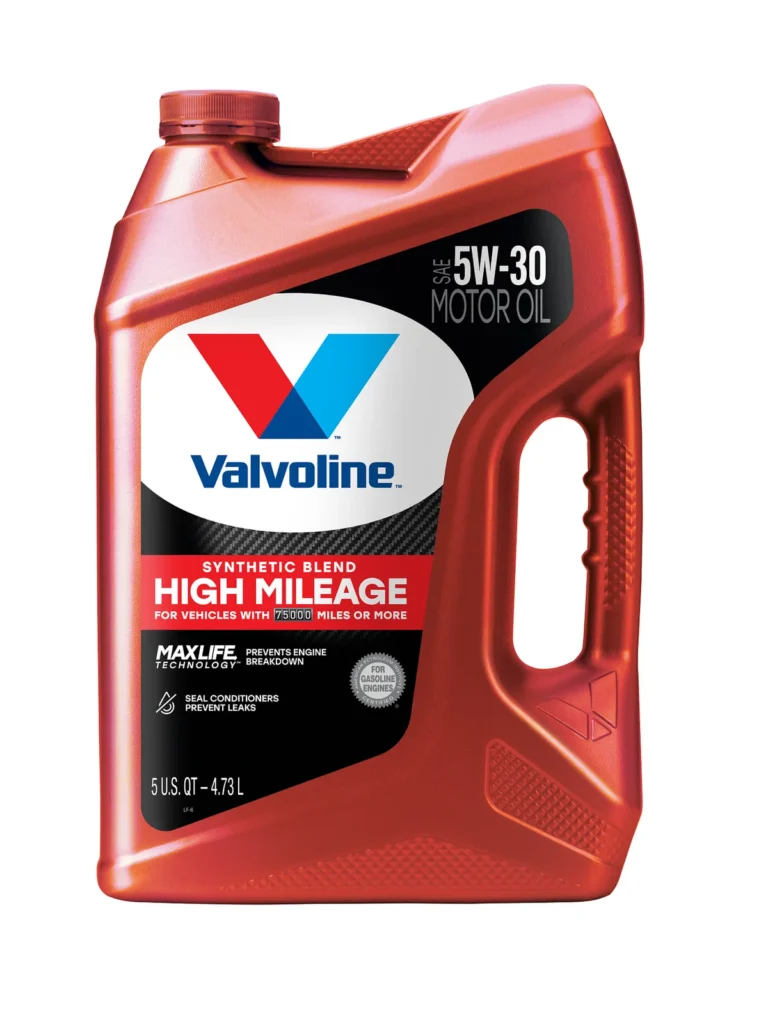
Yes. Semi synthetic motor oil can be a smart choice for drivers who want reliable protection without paying the highest price. It is also called synthetic blend oil. It combines synthetic base oil with conventional mineral base oil. The exact mix varies by product, so the term does not point to one fixed formula.
Consider an older commuter car that travels a short distance to work, runs errands, and spends most of its time in mild weather. If the owner’s manual permits a suitable synthetic blend, it may offer all the protection the engine needs. Paying more for full synthetic may still be worthwhile, but it is not always required.
I see the biggest appeal in the balance between price and performance. A semi synthetic oil can be a useful option for a driver who changes oil on schedule and does not face severe operating conditions. Yet a low price should never outweigh the engine maker’s requirements. Some engines require a particular oil specification that a blend may not meet.
When comparing semi synthetic vs fully synthetic motor oil, the blend wins on upfront value in many cases. It does not always win on long-term cost, because service intervals, oil use, and vehicle needs all matter. Compare the label, not just the bottle price.

What Makes It Stand Out
- Mixed base oilsA semi synthetic blend combines synthetic and conventional base oils. The ratio and quality vary by brand and product.
- Lower upfront costBlends often cost less per quart than comparable full synthetic oils. Actual savings depend on brand, package size, and retailer.
- Everyday protectionA quality blend includes additives that help reduce wear, control deposits, and protect engine parts when the oil meets the engine’s needs.
- Common viscosity gradesBlends are available in several grades. Choose the exact viscosity listed in your owner’s manual, not a grade based on guesswork.
- Useful for many routine tripsA suitable blend may work well for normal commuting, errands, and moderate highway use when the vehicle maker permits it.
- Simple maintenance planningDrivers can follow the oil life monitor or service schedule specified by the vehicle maker. Do not assume that every blend has the same change interval.
- Broad retail availabilityMany auto parts stores, service centers, and large retailers carry synthetic blend products in common grades.
My Recommendation
Consider semi synthetic oil if your owner’s manual allows it and you want to manage routine maintenance costs. It suits many everyday drivers, but confirm the viscosity, performance category, and required approvals before you buy.
| Best For | Why |
|---|---|
| Budget-minded drivers | A blend often has a lower upfront price than a similar full synthetic product. |
| Routine commuting | It can provide suitable protection for normal driving when it meets the engine’s requirements. |
| Older vehicles that permit blends | It may offer a useful balance of cost and protection without paying for features the car does not need. |
Semi Synthetic vs Fully Synthetic Motor Oil: Side-by-Side Test
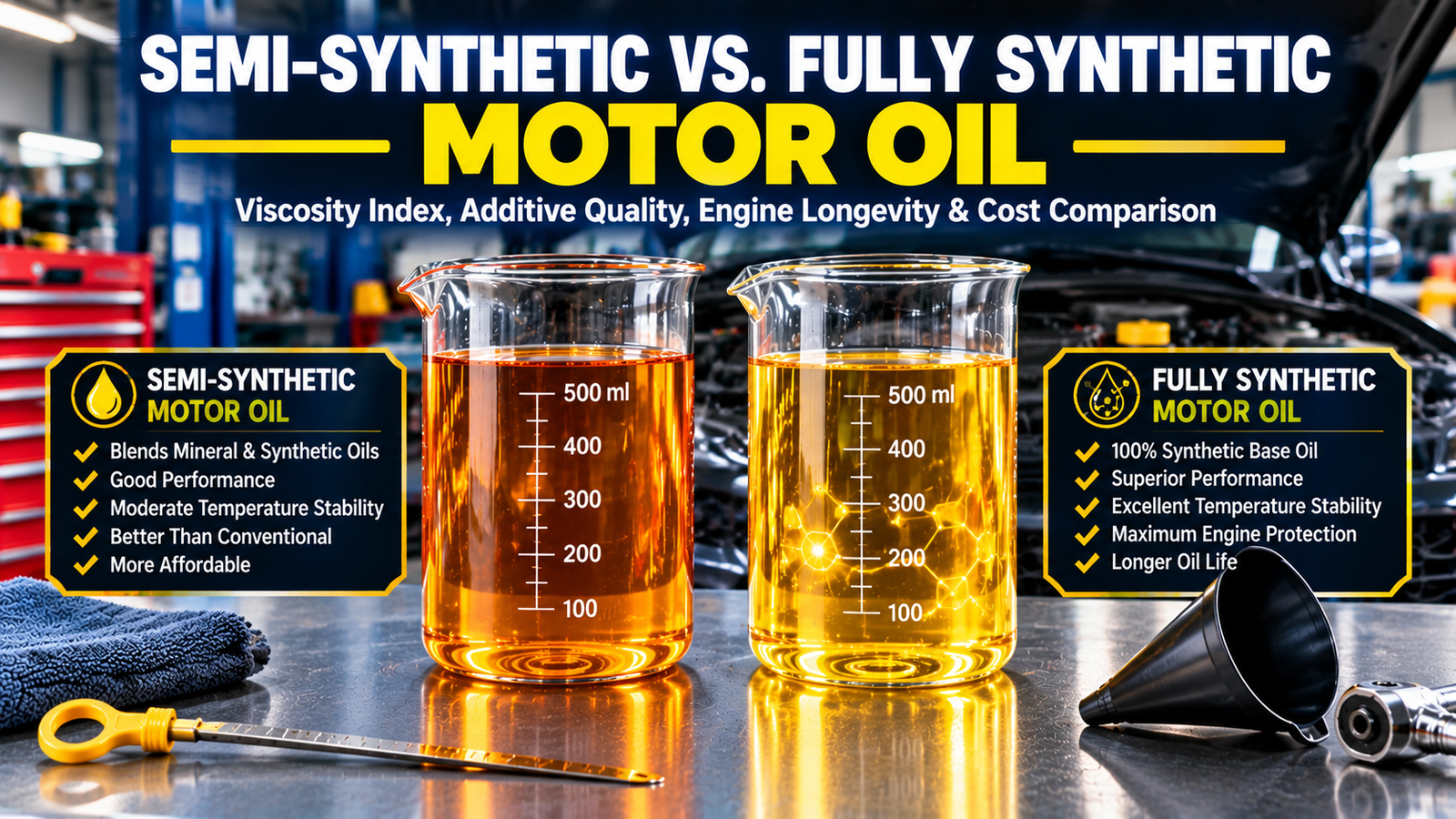
The best choice depends on your engine, climate, driving habits, and budget. Semi synthetic oil often costs less up front. Fully synthetic oil often offers stronger performance across demanding conditions. Neither label can replace the requirements in your owner’s manual.
For this semi synthetic vs fully synthetic motor oil comparison, the ratings below are practical editorial scores, not laboratory test results. They describe general strengths of each oil type. Individual products can score differently, so check their technical data and approvals before you buy.
1. Price and Overall Value
Semi synthetic oil often has the lower shelf price. Full synthetic oil can offer more performance for the extra cost. The best value depends on the service interval and the engine.
| Feature | Semi Synthetic | Fully Synthetic |
|---|---|---|
| Typical upfront cost | Usually lower | Usually higher |
| Routine driving value | Strong when approved | Strong, with added performance margin |
| Cost per oil change | Often lower | Often higher |
| Long-term value | Depends on change schedule | Depends on product and approved interval |
⭐ Semi Synthetic – 9/10 | Fully Synthetic – 8/10
Semi synthetic has the edge for upfront savings, while full synthetic may offer better value when its performance or approved service interval suits your driving.
2. Cold Starts and Winter Driving
Cold weather makes oil thicker. The right oil grade helps it flow at startup. Many full synthetic oils perform well in very cold weather, but the viscosity grade still matters.
| Feature | Semi Synthetic | Fully Synthetic |
|---|---|---|
| Low-temperature flow | Depends on the formula | Often very good |
| Cold morning starts | Suitable if correctly rated | Often a strong choice |
| Winter commuting | Can work well in approved grades | Often offers a wider performance margin |
| Key buying factor | Correct viscosity and approvals | Correct viscosity and approvals |
⭐ Semi Synthetic – 7/10 | Fully Synthetic – 9/10
Full synthetic has the edge in many severe winter conditions, but a correctly rated blend can still work well in the temperatures for which it was designed.
3. Heat and Heavy Driving
Hot weather, towing, long trips, and traffic can place extra stress on engine oil. A quality full synthetic product often offers strong resistance to heat and oxidation.
| Feature | Semi Synthetic | Fully Synthetic |
|---|---|---|
| High-temperature stability | Good when well formulated | Often excellent |
| Long highway trips | Suitable for approved uses | Strong choice for many engines |
| Heavy traffic | Can protect under normal service | Often offers more performance margin |
| Towing | Only if the maker permits it | Often preferred when specified |
⭐ Semi Synthetic – 7/10 | Fully Synthetic – 9/10
Full synthetic takes the lead for demanding heat and load, though the vehicle manual and the product’s service rating remain the final guide.
4. Engine Wear and Deposit Control
Both oil types use additives to protect engine parts. Base oil is only one part of the formula. The quality of the finished oil and its match to the engine are vital.
| Feature | Semi Synthetic | Fully Synthetic |
|---|---|---|
| Wear protection | Good with the right specification | Good with the right specification |
| Sludge control | Depends on additives and maintenance | Often strong with quality formulas |
| Oxidation resistance | Varies by product | Often stronger |
| Engine compatibility | Must meet maker requirements | Must meet maker requirements |
⭐ Semi Synthetic – 8/10 | Fully Synthetic – 9/10
Full synthetic has a modest general edge in demanding conditions, but the correct specification matters more than the oil type alone.
5. Oil Change Intervals
Do not judge an oil by how long you hope it will last. The engine maker sets the service plan, and some cars use an oil life monitor to account for driving conditions.
| Feature | Semi Synthetic | Fully Synthetic |
|---|---|---|
| Potential interval | Depends on the product and vehicle | May support longer intervals in approved uses |
| Oil life monitor | Follow the vehicle’s system | Follow the vehicle’s system |
| Severe service | May need more frequent changes | May need more frequent changes |
| Main rule | Never guess the interval | Never guess the interval |
⭐ Semi Synthetic – 7/10 | Fully Synthetic – 9/10
Full synthetic may support longer service in some vehicles, but neither oil type grants permission to ignore the owner’s maintenance schedule.
6. Everyday Commuting
Many American drivers spend their days on short trips, school runs, errands, and commutes. Both oil types can work well when the vehicle maker allows them.
| Feature | Semi Synthetic | Fully Synthetic |
|---|---|---|
| Short daily trips | Can work well | Can work well |
| Stop-and-go traffic | Suitable with the right rating | Often offers added heat resistance |
| Basic commuter car | Good budget option if approved | Good premium option if approved |
| Best decision factor | Cost and compatibility | Compatibility and performance needs |
⭐ Semi Synthetic – 9/10 | Fully Synthetic – 9/10
This category is a tie. The right approved oil and regular maintenance matter more than the label for many routine commuters.
7. Modern Engine Compatibility
Modern engines may need a precise viscosity and a specific performance approval. Some also need oils designed for emissions systems, turbochargers, or particular fuel types.
| Feature | Semi Synthetic | Fully Synthetic |
|---|---|---|
| Newer vehicles | Only if it meets the stated requirements | Often available in required specifications |
| Turbocharged engines | Use only if approved | Common choice for many applications |
| Special manufacturer approval | Check the exact product label | Check the exact product label |
| Best buying rule | Match the manual | Match the manual |
⭐ Semi Synthetic – 7/10 | Fully Synthetic – 9/10
Full synthetic has an edge because many modern-engine formulas use synthetic base stocks, but only the required approval proves a product is suitable.
8. Environmental and Maintenance Impact
Oil choice can affect how often you buy, drain, and dispose of used oil. Yet the total impact depends on the product, the change interval, the vehicle, and local disposal practices.
| Feature | Semi Synthetic | Fully Synthetic |
|---|---|---|
| Oil use over time | Depends on service interval | May be lower if approved intervals are longer |
| Used oil disposal | Must be recycled or disposed of properly | Must be recycled or disposed of properly |
| Packaging | Varies by brand | Varies by brand |
| Environmental winner | Cannot be decided by type alone | Cannot be decided by type alone |
⭐ Semi Synthetic – 8/10 | Fully Synthetic – 8/10
There is no automatic environmental winner. Follow the approved service schedule and take used oil to a suitable recycling point.
Final Verdict: Which Should You Buy?
In the semi synthetic vs fully synthetic motor oil debate, full synthetic is my general top choice for drivers who want strong performance across changing weather and demanding trips. It often offers good resistance to heat and oxidation, and many modern engines call for it. It is worth the extra cost when your car needs its specific formula or your driving puts more stress on the oil.
Semi synthetic remains a sensible choice for budget-minded drivers whose vehicles permit it. It can provide dependable protection for routine use at a lower upfront price. Before buying either type, check the viscosity grade and required performance standards in your owner’s manual. The right oil is the one that meets those requirements and fits your driving conditions.