atf vs motor oil: Key Differences Explained

Is Automatic Transmission Fluid Good?
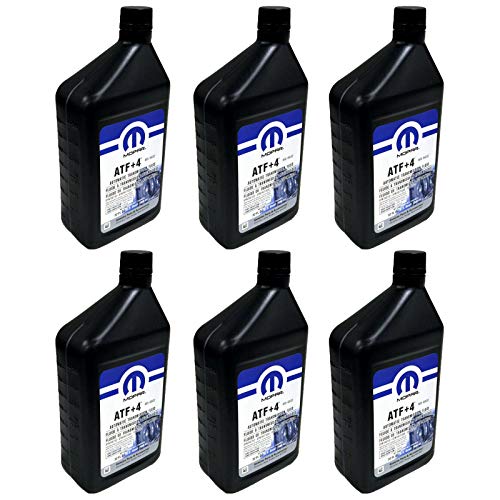
Yes, ATF is the right choice for an automatic transmission when you select the exact fluid type your vehicle maker calls for. It does more than lubricate parts. It also helps transfer force, manage hydraulic pressure, cool moving parts, and control clutch engagement. These jobs make ATF a key part of how many automatic transmissions work.
When I compare atf vs motor oil, I think of ATF as a skilled traffic guide. It helps the transmission move from one gear to the next in a smooth, controlled way. A fluid that lacks the right friction traits can cause rough shifts, slipping, or excess wear. The exact risk depends on the transmission design and the fluid used.
ATF is not one universal product. Older automatic transmissions, newer automatic units, some dual-clutch systems, and some continuously variable transmissions may require different fluids. A bottle that works in one car may not suit another. I would check the owner’s manual or the maker’s official fluid chart before buying any ATF.
For routine care, the best plan is to use the specified fluid and follow the service schedule. Do not choose a fluid only because its color looks right. Some ATF products are red, but color alone does not prove that the fluid is correct.
What Makes ATF Stand Out
- Hydraulic actionATF carries pressure in many automatic transmissions. This pressure helps control gear changes and clutch operation.
- Friction controlIts formula helps clutch materials grip and release as the transmission design requires.
- Heat controlATF helps carry heat away from moving parts. The transmission’s cooling system then helps remove that heat.
- Wear protectionAdditives help reduce wear on gears, bearings, bushings, and other parts that the fluid is designed to protect.
- Foam resistanceThe formula helps limit foam. Too much foam can weaken fluid performance and affect hydraulic control.
- Seal compatibilityThe fluid is designed to work with the seals and materials used in compatible transmissions.
- Model-specific optionsDifferent transmission designs need different fluid traits. The correct specification matters more than the bottle’s color or brand.
My Recommendation
Choose ATF when your vehicle’s transmission calls for it. Check the exact specification in the owner’s manual or the maker’s service information. Never select it by color alone, and never use it as a routine substitute for engine oil.
| Best For | Why |
|---|---|
| Automatic transmission service | It supplies the friction and hydraulic traits required by compatible automatic transmissions. |
| Routine transmission upkeep | The correct fluid helps manage heat, wear, and shifting performance. |
| Owners following maker specifications | Matching the required fluid helps reduce the risk of avoidable transmission problems. |
Is Motor Oil Good?
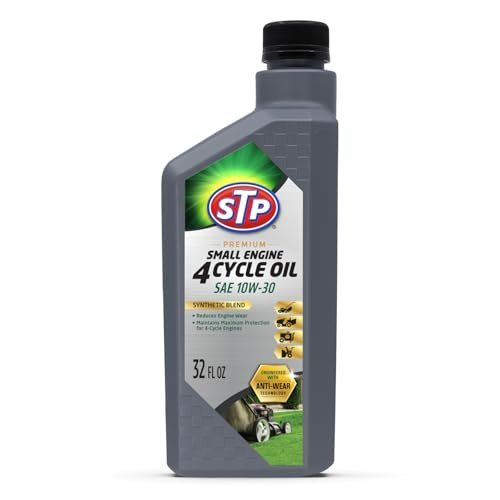
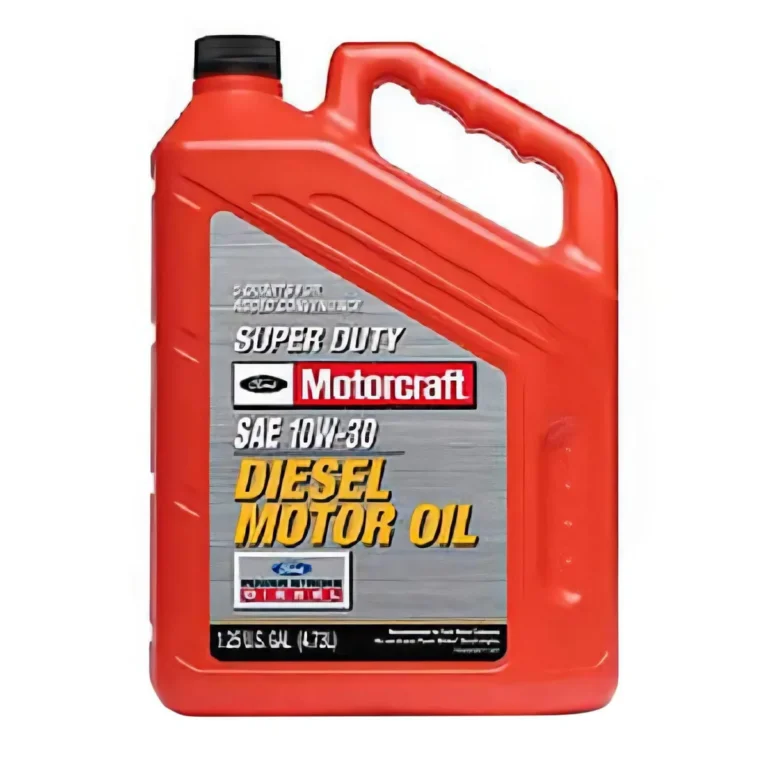
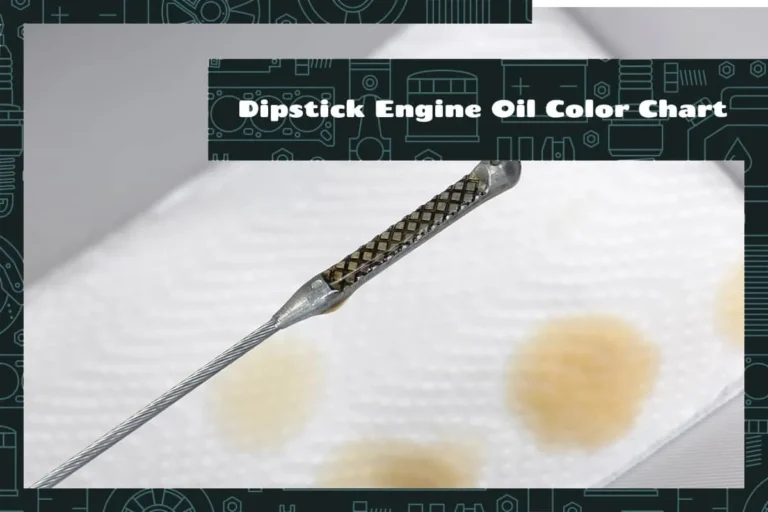
Yes, motor oil is the right fluid for an engine when it matches the vehicle maker’s viscosity and performance requirements. It coats moving parts with a thin film that helps reduce friction and wear. It also helps carry heat, suspend some dirt, and protect metal surfaces from corrosion. Without the right oil, engine parts can wear much faster.
In the atf vs motor oil comparison, I see motor oil as a protective blanket for the engine. It flows through oil passages and reaches parts such as bearings, camshafts, and other moving components. The oil pump moves it around the engine, while the filter traps many harmful particles. The system works best when the oil has the right grade and specification.
Motor oil comes in several types, including conventional, synthetic blend, and full synthetic. These options differ in base oils, formulation, performance, and price. Yet the word synthetic does not mean that any synthetic oil will work in every engine. The viscosity grade and required performance standards still matter.
I would use motor oil only where the vehicle maker calls for engine oil. Some vehicles use special lubricants in other systems, and some engines have unique needs. The owner’s manual is the best place to start. If the engine requires a certain oil grade, using a different fluid just because it is on hand is a poor trade.
What Makes Motor Oil Stand Out
- Engine lubricationMotor oil forms a protective film between moving engine parts to help reduce friction and wear.
- Viscosity gradesGrades such as 0W-20 and 5W-30 describe how the oil flows under specified temperature conditions.
- Heat transferOil carries heat away from lubricated parts and helps manage engine temperature.
- Cleaning supportDetergents and dispersants help control deposits and keep some contaminants suspended until the oil is changed or filtered.
- Corrosion protectionAdditives help protect internal engine surfaces from rust and chemical damage.
- Oxidation controlAntioxidant additives help slow oil breakdown during normal engine operation.
- Different formulationsConventional, synthetic blend, and full synthetic oils serve many engine needs, provided they meet the required specifications.
My Recommendation
Choose motor oil for engine lubrication, and match both its viscosity grade and performance specification to your vehicle. Do not assume that a high-priced synthetic oil is right for every engine. The correct oil is the one the manufacturer approves.
| Best For | Why |
|---|---|
| Gasoline and diesel engines | The right motor oil helps protect engine parts from friction and wear. |
| Regular oil changes | Fresh oil helps maintain the lubrication and cleaning performance the engine needs. |
| Drivers choosing an oil grade | A suitable viscosity and performance rating help match the oil to the engine’s design. |
atf vs motor oil: Side-by-Side Test
The biggest difference in atf vs motor oil is where each fluid works. ATF serves a transmission. Motor oil serves an engine. Both reduce wear, but they use different formulas to meet different needs.
There is no single winner for every job. ATF wins when a transmission needs ATF, and motor oil wins when an engine needs motor oil. These fluids are not rivals in the same role. They are two different tools in the same garage.
1. Main Job: Which System Needs It?
Start by checking where the fluid goes. This is the most important point in any atf vs motor oil comparison.
| Feature | Product 1: ATF | Product 2: Motor Oil |
|---|---|---|
| Main use | Automatic transmission | Engine |
| Key task | Lubrication, hydraulic control, and friction control | Engine lubrication and wear control |
| Typical system | Transmission gears, clutches, and controls | Bearings, camshafts, and other engine parts |
| Interchangeable | No, unless a maker specifically approves a particular use | No, unless a maker specifically approves a particular use |
⭐ ATF for transmission use: 10/10 | Motor oil for engine use: 10/10
Each fluid has the edge in its own system. Neither is a safe general replacement for the other.
2. Lubrication and Wear Protection
Both fluids help reduce wear, but they are built for different moving parts and operating needs.
| Feature | Product 1: ATF | Product 2: Motor Oil |
|---|---|---|
| Lubricating film | Protects compatible transmission parts | Protects engine parts |
| Friction needs | Must meet the transmission’s clutch and shifting needs | Must meet the engine’s bearing and moving-part needs |
| Wear control | Designed for compatible transmission components | Designed for engine components |
| Best use | Transmission lubrication and control | Engine lubrication |
⭐ ATF in transmissions: 10/10 | Motor oil in engines: 10/10
The best wear protection comes from using the fluid made for the parts it must protect.
3. Viscosity and Flow
Viscosity tells you how a fluid flows under set conditions. It matters, but viscosity alone does not make two fluids interchangeable.
| Feature | Product 1: ATF | Product 2: Motor Oil |
|---|---|---|
| Common labeling | Often labeled by transmission specification | Often labeled by grade such as 0W-20 or 5W-30 |
| Flow design | Designed for transmission flow and hydraulic needs | Designed for engine oil passages and lubrication needs |
| Cold starts | Must meet the transmission’s cold-flow needs | Must meet the engine’s cold-start needs |
| Selection rule | Follow the exact transmission specification | Follow the required viscosity and performance standard |
⭐ ATF for transmission flow: 10/10 | Motor oil for engine flow: 10/10
A similar feel or thickness does not prove that one fluid can replace another.
4. Heat Control
Engines and transmissions both create heat. Each fluid helps carry heat away from the parts it serves.
| Feature | Product 1: ATF | Product 2: Motor Oil |
|---|---|---|
| Heat source | Transmission gears, clutches, and other moving parts | Engine bearings, pistons, and other moving parts |
| Heat transfer | Carries heat through the transmission fluid system | Carries heat through the engine lubrication system |
| Cooling support | May work with a transmission cooler or heat exchanger | Works with the engine’s oil and cooling systems |
| Key concern | Wrong fluid can affect transmission performance | Wrong oil can reduce engine protection |
⭐ ATF for transmission heat control: 10/10 | Motor oil for engine heat control: 10/10
Both fluids carry heat, but they do so within different systems with different design needs.
5. Additives and Formula
The additive package is a major reason why atf vs motor oil is not a simple swap.
| Feature | Product 1: ATF | Product 2: Motor Oil |
|---|---|---|
| Friction modifiers | Set for the needs of compatible transmission clutches | Set for engine lubrication needs |
| Cleaning agents | Formula varies by transmission fluid type | Detergents and dispersants help control engine deposits |
| Wear additives | Designed for transmission materials and loads | Designed for engine parts and operating conditions |
| Compatibility | Must match transmission requirements | Must match engine requirements |
⭐ ATF for transmission formula: 10/10 | Motor oil for engine formula: 10/10
The fluid’s full formula matters more than one shared trait, such as its color or thickness.
6. Service Needs and Cost
Service costs depend on the vehicle, fluid type, capacity, and labor. The cheapest bottle is not always the best value.
| Feature | Product 1: ATF | Product 2: Motor Oil |
|---|---|---|
| Service task | Transmission fluid check or change as specified | Engine oil and filter change as specified |
| Service method | May need a special level-check procedure | Often uses a drain plug, filter, and dipstick or electronic level check |
| Cost factors | Fluid type, transmission capacity, and labor | Oil grade, capacity, filter, and labor |
| Best value | The correct approved fluid and service method | The correct approved oil and service interval |
⭐ ATF maintenance value: 9/10 | Motor oil maintenance value: 9/10
Good maintenance starts with the right fluid, not with the lowest price.
7. What Happens If You Use the Wrong Fluid?
A fluid mistake can turn a small service job into a costly repair. Do not guess when filling either system.
| Feature | Product 1: ATF | Product 2: Motor Oil |
|---|---|---|
| Added to engine | May not provide the engine protection required | Correct choice only when it meets engine specifications |
| Added to transmission | Correct choice only when it meets transmission specifications | May cause shifting or lubrication problems in systems not designed for it |
| Possible outcome | Damage depends on the fluid, amount, and system | Damage depends on the fluid, amount, and system |
| First response to a mistake | Stop and seek vehicle-specific service advice | Stop and seek vehicle-specific service advice |
⭐ Correct ATF use: 10/10 | Correct motor oil use: 10/10
If you put the wrong fluid in, do not start or drive the vehicle until you get advice on the safest next step.
Final Verdict: Which Should You Use?
In the atf vs motor oil comparison, neither fluid is better for every task. ATF is the right choice for a transmission that calls for that exact fluid. Motor oil is the right choice for an engine that calls for its specified oil grade and performance rating. Each fluid protects a different system.
For drivers in the United States, the safest move is to check the owner’s manual before buying or adding fluid. Do not rely on color, price, or thickness alone. If you add the wrong fluid by mistake, avoid driving until you have checked the vehicle maker’s advice or spoken with a qualified mechanic. A quick check can help prevent a much larger repair bill.