How Much Does Motor Oil Cost: Complete Guide
If you’re standing in the auto-parts aisle, the real question is often simple: how much does motor oil cost? A conventional quart may cost $4 to $9, while a specialty synthetic can cost $9 to $16 or more. Labor, filters, taxes, and local fees can make the final bill much larger than the bottle price.
Most passenger vehicles need about 3 to 5 U.S. quarts, though some V6, V8, and diesel engines need six quarts or more. Manufacturer specifications determine the correct SAE viscosity, API category, OEM approval, and quantity. The quick answer sets a baseline, then we break down what changes it.
How Much Does Motor Oil Cost
Quick Answer
How much does motor oil cost? U.S. mainstream quarts often cost $4 to $9 in 2026. Premium synthetic often costs $9 to $16 per quart.
Shop changes usually run $50 to $150. DIY parts often run $30 to $110. Specialty service can exceed $250.
Why the Same Motor Oil Can Cost Very Different Amounts
A $7 bottle can lead to a $45 parts bill after you add a filter and hardware. The same service at a shop can exceed $100 because labor, taxes, and disposal fees are added. A fair comparison starts by separating the cost of the oil from the cost of the service.
Compare the price for the same amount
A U.S. quart contains 32 fluid ounces, or about 946 milliliters. One U.S. gallon equals four quarts. A 55-gallon drum contains 220 quarts.
| Package | Volume | Pricing effect |
|---|---|---|
| Single quart | 32 fluid ounces | Convenient, but often the highest unit price |
| Five-quart jug | 160 fluid ounces | Lower unit price, but you may have unused oil |
| One gallon | 128 fluid ounces | Useful for larger engines and repeated services |
| Bulk drum | 55 gallons, or 220 quarts | Lowest unit price for high-volume use |
Use the same unit when comparing products. A $39.95 five-quart jug works out to $7.99 per quart. Four quarts at $27.99 work out to about $7.00 each.
A larger package isn’t always the better deal. If your engine takes four quarts, paying for five leaves an unused quart. That extra oil becomes worthwhile only if you’ll use it soon or keep it sealed in suitable storage.
Oil price and service price are different
The bottle is only one part of an oil change. A useful estimate includes:
- The required quantity of motor oil
- One engine oil filter
- A drain-plug gasket or crush washer, if required
- Oil-filter housing seals, if applicable
- Labor, if you use a shop
- Used-oil or filter disposal charges
- Sales tax
Here’s an illustrative DIY parts estimate:
| Item | Example cost |
|---|---|
| Five quarts at $6.49 | $32.45 |
| Standard oil filter | $9.99 |
| Drain-plug gasket | $3.00 |
| Used-oil collection | $2.00 |
| Parts total before tax | $47.44 |
If a shop charges $55 for labor, the pre-tax total becomes $102.44. A dealership using premium oil and an expensive filter can easily quote $180 or more.
That’s why “motor oil costs $8” and “my oil change costs $180” aren’t necessarily contradictory. The first number describes the oil alone. The second may include premium fluid, labor, tax, fees, and several service items.
Seller and service channel affect the markup
Different sellers carry different overhead and pricing goals. Auto-parts stores compete on filters and fluid. Dealers charge more but may provide exact manufacturer documentation.
| Buying route | Common pricing pattern | Best use |
|---|---|---|
| Auto-parts store | Frequent promotions and strong filter pricing | DIY service and price comparison |
| Independent garage | Moderate parts markup plus local labor | Straightforward local service |
| Quick-lube chain | Bundled service with a clear headline price | Fast, no-appointment maintenance |
| Dealership | Higher fluid, filter, and labor rates | Manufacturer-specific oil or records |
| Online retailer | Competitive fluid pricing, plus delivery | Planned service and case purchases |
| Bulk supplier | Low unit price at high volume | Shops, fleets, and frequent DIY use |
Some shops accept customer-supplied oil. Others charge a supply fee or won’t cover the fluid under their service warranty. Confirm that policy before you buy a jug.
Request an itemized quote. It should name the oil, viscosity, quality category, approval, quantity, filter, labor, and fees. If any line is unclear, ask before authorizing the work.
Regional prices need a fair comparison
State tax, local labor, competition, and vehicle mix affect the final bill. A high-cost metropolitan market may cost more than a rural market with several independent shops.
The U.S. Bureau of Labor Statistics tracks motor-oil price trends as part of its Consumer Price Index. That data can show broad movement, but it can’t provide a current quote for your ZIP code.
Outside the United States, compare the units first. UK and European prices are usually quoted per liter. One U.S. quart equals about 0.946 liters, so a cheap-looking U.S. price may not be cheaper after conversion.
Promotions can also hide the true comparison. Check coupon limits, expiration dates, membership terms, shipping, and tax. A $10 discount on an oil you can’t use isn’t a saving.
Main Price Drivers: Viscosity, Oil Type, Approval, and Quantity
Six factors usually explain most price differences: viscosity, base-oil type, quality category, OEM approval, quantity, and seller.
| Price factor | Typical effect | When it matters most |
|---|---|---|
| SAE viscosity grade | Less common grades may cost more | Turbocharged, diesel, performance, or specialty engines |
| Conventional or synthetic | Full synthetic usually costs more per quart | Vehicles that require or benefit from synthetic |
| API quality category | Premium gasoline or diesel formulas may cost more | Newer, turbocharged, or emissions-sensitive engines |
| OEM approval | Licensed specialty fluids may add several dollars | Engines that name dexos, MB, Porsche, or VW approval |
| Required quantity | A larger capacity raises the fluid cost | V6, V8, truck, and performance engines |
| Seller and service | Labor, tax, and markup vary widely | Dealership and high-cost regional service |
Viscosity and oil chemistry are separate choices
Viscosity describes how oil flows at specified temperatures. The Society of Automotive Engineers defines common grades through SAE J300.
Common grades include 0W-16, 0W-20, 0W-30, 5W-20, 5W-30, 5W-40, and 10W-30. The “W” shows that the oil was tested for winter cranking and pumping performance. The number after it belongs to the grade’s hot-temperature classification.
A bottle can be 0W-20 conventional oil. It can also be 0W-20 full synthetic. Another 0W-20 product may carry an OEM approval, so the viscosity alone doesn’t identify the complete formula.
Common grades usually have more competition. Less common grades can cost more because fewer products are made. That premium reflects availability, not automatically better protection.
Conventional and synthetic oils cover different price bands
Conventional oil is usually the least expensive per quart. Synthetic blend sits between conventional and full synthetic. Premium full synthetic formulas often cost the most.
The base oil is only one part of the product. Additives control oxidation, deposits, wear, corrosion, seal compatibility, and detergent performance. A compliant conventional formula can fit an engine better than an expensive synthetic formula that misses a required standard.
Mainstream five-quart synthetic jugs are often more economical than buying several single quarts. Promotions can also reverse the normal price order, so compare the checkout total.
API categories and OEM approvals can change the formula
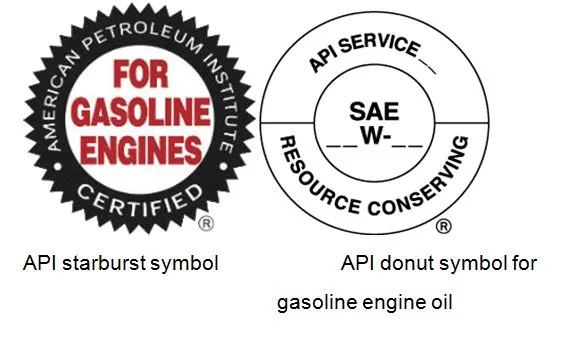
An API quality category sets a performance standard. API SP, for example, is used for certain gasoline engines. API CK-4 and API FA-4 apply to different diesel applications.
An OEM approval adds a manufacturer-specific requirement. Products carrying licenses such as dexos1, dexos2, MB 229.51, Porsche C30, or Volkswagen 504.00 and 507.00 may cost more because they must meet tighter specifications.
If the manual names an approval, treat it as part of the requirement. A cheaper substitute isn’t a bargain if it can contribute to wear, deposits, emissions trouble, or a warranty dispute.
Quantity affects the total more than package size
Many compact and midsize engines take roughly 3 to 5 quarts. Some need only 3.2 or 3.5 quarts. V6, V8, truck, and performance engines may need six quarts or considerably more.
Suppose compliant fluid costs $7 per quart and another costs $10. Across four quarts, the difference is $12. Across eight quarts, it becomes $24.
The required capacity belongs in your first calculation. A per-quart comparison isn’t enough when one engine needs twice as much fluid.
Labor, filters, and location often move the total more
Routine labor may cost around $30 to $80 in many markets. Dealer or specialty work can exceed $100.
A basic disposable spin-on filter may cost $5 to $15. An OEM filter, cartridge filter, or integrated filter assembly may cost $20 to $50. Filter-housing seals can add another expense.
State and local tax rules also vary. Some shops include disposal while others charge it separately. High-cost areas and markets with limited independent shops often charge more for labor.
Use this sequence:
- Confirm the required viscosity.
- Confirm the gasoline or diesel quality category.
- Check every listed OEM approval.
- Find the exact oil quantity.
- Compare the fluid-and-filter total.
- Add labor, fees, and tax.
- Choose the lowest-priced option that meets every requirement.
Conventional, Synthetic Blend, or Full Synthetic: What You’re Paying For
The main price difference comes from the base-oil blend and approval package, not the word “synthetic” alone.
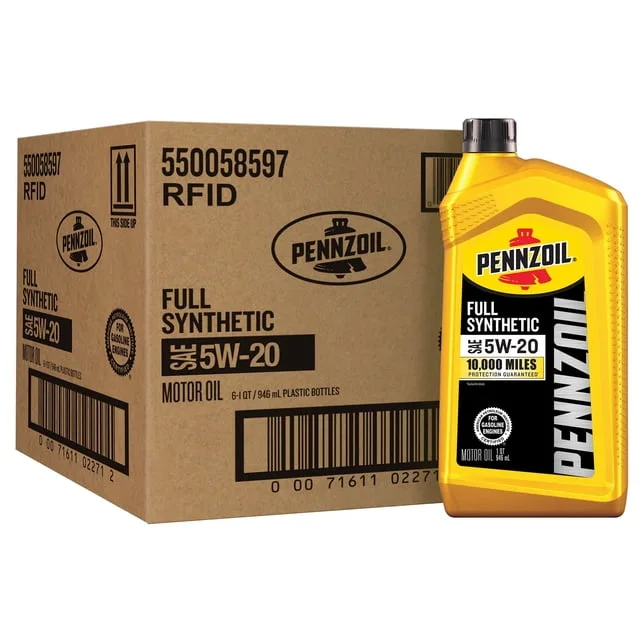
Conventional, synthetic blend, and full synthetic oils can all have the same SAE viscosity. Their base oils, additives, quality control, and intended applications can still differ.
What each oil type means
Conventional oil starts with a mostly mineral-based liquid. Synthetic blend combines synthetic and mineral base oils. Full synthetic is made with synthesized base oils, often polyalphaolefin liquids, esters, or a blend of both.
“Full synthetic” describes how the base oil is made. It doesn’t guarantee that one synthetic bottle is better than another. Chemistry, viscosity, additives, and approval still control compatibility.
These are useful U.S. planning ranges for 2026, before labor, filters, and tax:
| Oil type | What you’re buying | Typical retail price per quart | Best fit and limitation |
|---|---|---|---|
| Conventional | Mineral-based oil with additives | $4 to $7 | Best when the manual allows it and value matters |
| Synthetic blend | Mixed synthetic and mineral base oils | $5 to $9 | Middle-ground price for many modern vehicles |
| Mainstream full synthetic | Synthesized base oil and modern additives | $6 to $12 | Useful for approved specifications and mixed climates |
| Premium full synthetic | Specialized chemistry and OEM licensing | $9 to $16 or more | Best when the engine or manufacturer requires it |
These aren’t live store quotes. Promotions can lower them, and high-cost regions can sit above them. Use the ranges to spot unusual pricing, then compare current local sellers.
Conventional oil isn’t automatically outdated
Manufacturers still specify conventional oil for many gasoline vehicles. If the manual allows it, a compliant formula can provide the required lubrication and contaminant control.
Conventional oil may suit you when:
- The manufacturer expressly permits it
- The oil carries the required quality category
- The vehicle doesn’t require a synthetic-only approval
- The oil-life program doesn’t tie a longer interval to synthetic oil
- Lower parts cost matters
If the manual calls for a specific synthetic approval, conventional oil isn’t a substitute. An older habit of choosing a heavier or lighter grade doesn’t override a current specification.
Synthetic blend is a middle option
A blend can offer useful low-temperature performance while costing less than full synthetic. Its base-oil ratio varies among brands and product lines.
A blend may make sense when:
- The manual permits it
- It has the required viscosity, category, and approval
- You want a moderate step above conventional oil
- You regularly experience cold starts
It isn’t automatically better than conventional oil. If a conventional product carries the exact approval, it may be the better-value purchase.
Full synthetic costs more for base oil and testing
Synthesized base oils usually cost more to produce than many mineral oils. Producers also use additive systems designed for oxidation, deposits, wear, and modern emissions equipment.
Manufacturers may specify full synthetic for:
- Turbocharged engines
- Performance engines
- Hybrid gasoline engines
- Extended oil-change programs
- Severe heat or cold exposure
- Engines with tight bearing clearances
- Vehicles requiring a particular OEM approval
Full synthetic doesn’t prevent wear if the level, interval, or filter is wrong. It also doesn’t automatically allow extra time between changes.
Some manufacturers approve extended oil-life programs for particular vehicles. That permission depends on the exact engine, fluid, and vehicle. A premium bottle alone doesn’t extend the interval.
High-mileage oil is a separate category
High-mileage formulas are designed for older engines. They may include seal conditioners, friction modifiers, and higher antioxidant levels.
The label doesn’t tell you whether the base oil is conventional, a blend, or fully synthetic. A high-mileage product can exist within each type.
Use one if the manual allows it and the viscosity and quality category match. It isn’t a universal substitute for a newer engine’s exact specification.
Diesel formulas can cost more
Diesel oil often includes higher levels of soot control, wear protection, and additives for fuel economy. Newer engines may require a low-shear, low-SAPS formula that protects emissions aftertreatment equipment.
Common current categories include API CK-4 and API FA-4. These oils aren’t automatically interchangeable, even when their viscosity grades look similar.
What does the choice do to a five-quart bill?
| Oil type | Oil-only cost for five quarts |
|---|---|
| Conventional at $4 to $7 | $20 to $35 |
| Synthetic blend at $5 to $9 | $25 to $45 |
| Full synthetic at $6 to $12 | $30 to $60 |
| Premium synthetic at $9 to $16 or more | $45 to $80 |
Suppose two products meet your exact specification. One costs $6.49 per quart and the other costs $9.99. Across five quarts, the second adds $17.50.
That premium may be justified by a required approval or severe operating conditions. If both products meet every requirement, the lower total is usually the better value.
How to Match SAE Viscosity, API Category, and OEM Approval
Match viscosity first, then the fuel-specific quality category, then every OEM approval listed for your engine.
The American Petroleum Institute maintains engine oil categories and licenses API quality marks. SAE defines the common viscosity classifications. The vehicle manufacturer then identifies which combination is approved for each engine.
The front label isn’t enough on its own. Check the full container, owner’s manual, engine specification label, and exact engine configuration.
1. Confirm the exact engine
A vehicle’s year, make, and model may not identify one engine. The same nameplate can have naturally aspirated, turbocharged, flex-fuel, or hybrid versions.
Find these details first:
- Manufacturer and model
- Model year
- Engine code or displacement
- Fuel type
- Aspiration method
- Engine specification label
- Manufacturer’s stated approval
- Build date, if the vehicle has been modified
If the plate is gone, don’t guess from the badge or a similar model. A VIN can help identify the vehicle, but the owner’s manual or manufacturer maintenance record should confirm the oil requirement.
2. Match the viscosity grade
Viscosity describes how oil flows at specified temperatures. SAE J300 defines the common viscosity grades used in automotive lubricants.
| SAE grade | What it tells you | Common use |
|---|---|---|
| 0W-16 | Very thin cold-flow grade | Some newer hybrid and efficiency engines |
| 0W-20 | Thin cold flow with 0W hot classification | Many modern gasoline engines |
| 0W-30 | Cold-flow performance with a 30 hot classification | Wide climate range or specified design |
| 5W-30 | Common multi-viscosity grade | Many gasoline engines and light trucks |
| 5W-40 | Higher hot-temperature viscosity | Some diesel, truck, or performance engines |
| 0W-40 | Thin cold flow with a 40 hot classification | Some specialty applications |
A 0W-20 oil doesn’t remain 20-weight at every temperature. Its two numbers describe different test results. That’s how a 0W-20 can flow well during a cold start while meeting its hot-temperature requirements.
If the manual lists one grade, use that grade. If it lists several, choose one that the manufacturer allows for your engine and climate.
Don’t choose a heavier oil because the engine is older or uses a little fluid. Don’t choose a thinner oil because it sounds smoother. Viscosity is an engineering specification, not a preference.
3. Match the quality category to the engine and fuel
Viscosity doesn’t tell you whether the oil meets the detergent, wear, oxidation, deposit, and emissions requirements for the engine.
For gasoline engines, the manual may name API SP, API SQ, or another category. Use the category the manufacturer lists or allows.
For diesel engines, the category may be API CK-4, API FA-4, or an older category still specified for a particular engine. Those diesel categories are not interchangeable simply because both products are synthetic.
| Engine type | Category to check | Main concern |
|---|---|---|
| Modern gasoline engine | API SP, API SQ, or the listed category | Deposits, wear, LSPI protection, and aftertreatment compatibility |
| Heavy-duty diesel | API CK-4 | Soot control, wear protection, and high-load operation |
| Low-SAPS diesel engine | API FA-4 or the listed category | Aftertreatment compatibility and fuel economy |
| Older or niche engine | The exact category in the manual | Compatibility with older emissions hardware |
LSPI stands for low-speed pre-ignition. It’s a combustion concern addressed by the oil’s chemistry and the engine’s calibration. The right category matters, but oil can’t replace correct maintenance.
Don’t use diesel oil in a gasoline engine because it costs less. Don’t use gasoline oil in a diesel engine because the viscosity matches. Fuel-specific formulas are designed around different pressures, temperatures, and contamination levels.
4. Treat OEM approval as a separate requirement
An OEM approval adds a manufacturer-specific standard. It may matter even when the oil already has the correct viscosity and API category.
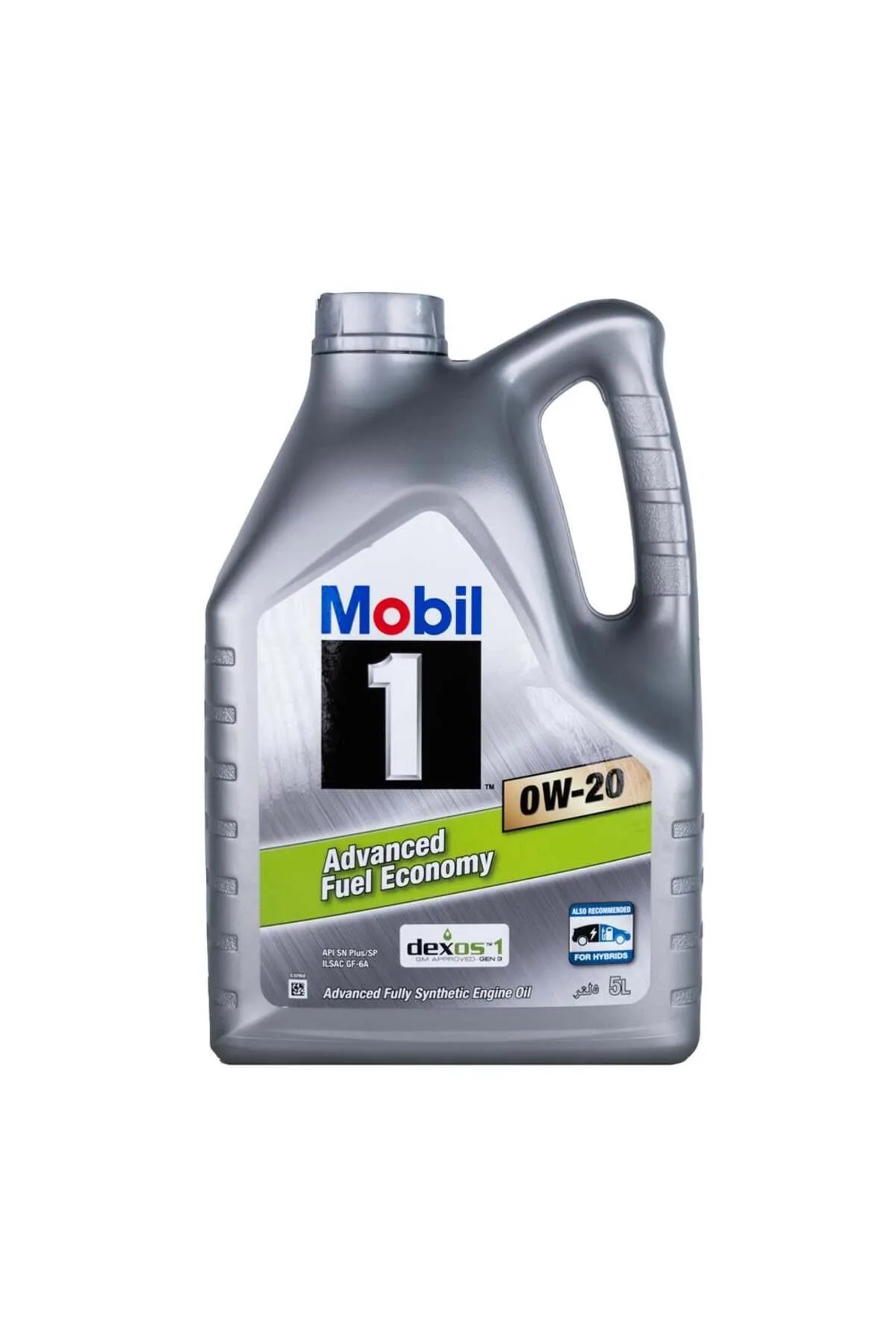
A product that meets API SP may not carry dexos1 approval. A product that meets API CK-4 may not be approved for an engine that requires a specific low-SAPS formulation.
Common approvals include:
- dexos1 and dexos2 for certain General Motors engines
- MB 229.51 for certain Mercedes-Benz engines
- Porsche C30 for specified Porsche applications
- Volkswagen 504.00 and 507.00 for certain Volkswagen and Audi engines
- Ford, Honda, Toyota, Mazda, and other manufacturer-specific approvals
Use only the approval named for your exact engine. A similar approval may belong to a different engine generation or emissions system.
A label that says “meets” a specification isn’t always the same as a licensed product. Check the manufacturer’s approval guide or documentation before relying on a “meets” claim.
If the manual says “SAE 5W-30 meeting API SP,” an API SP product may be sufficient. If it says “SAE 5W-30 dexos1 approved,” the product should carry that approval. Read the full sentence.
5. Check the exact oil quantity
The correct formula can still be wrong for the job if you buy too little or too much.
Many compact and midsize gasoline engines take roughly 3 to 5 quarts. Some take 4 or 4.5 quarts. Larger six-cylinder, eight-cylinder, truck, and performance engines may need six quarts or more.
The manual may list a drain capacity and a refill capacity. They describe different service conditions. A complete drain usually needs the drain figure.
A partly empty engine may need the refill amount.
Buy the smallest package that covers the service. A small reserve can be useful, but a full case can be wasteful if it will sit for months.
6. Check the exact filter and hardware
Use the filter specified for the engine. Spin-on filters, cartridge filters, and integrated filter assemblies aren’t interchangeable.
The service may also require:
- A drain-plug gasket or crush washer
- An oil-filter cap O-ring
- A cartridge-filter housing seal
- A drain-plug washer that must be replaced
- A specific filter orientation or installation procedure
A lookalike filter may use a different bypass valve, gasket, or internal restriction. Check the part number rather than relying on appearance.
7. Check the interval and driving pattern
The manufacturer may set an interval in miles, time, or both. Some vehicles also use an oil-life monitor.
Use the severe-service schedule when your driving includes frequent short trips, stop-and-go traffic, heavy towing, extended idling, or repeated cold starts. Don’t infer an extended interval from the oil bottle.
What should you do when the information conflicts?
Use this order:
- Check the owner’s manual for the exact engine.
- Check the manufacturer’s current lubricant specification.
- Use the VIN and build information for a modified vehicle.
- Ask a dealer or qualified shop to verify the requirement.
- Don’t change the oil until viscosity, category, approval, and capacity are clear.
If the engine already has a different oil installed, don’t drain it on the roadside to correct paperwork. Ask the manufacturer or a qualified service provider whether to replace it, add the specified oil, or continue monitoring it briefly.
A quick reference keeps the decision simple:
| Manufacturer requirement | Buy this | Don’t assume |
|---|---|---|
| SAE 0W-20 and API SP | Fluid meeting both specifications | A 5W-30 is automatically safer |
| SAE 5W-30 with dexos1 | Fluid with both requirements | API SP alone is enough |
| API CK-4 or FA-4 | The exact listed diesel formula | The two categories are interchangeable |
| Capacity of 4.5 quarts | A suitable container with enough oil | A five-quart jug must be used completely |
| Approved extended interval | The specified oil and vehicle program | Any full synthetic allows extra time |
The cheapest correct bottle meets every requirement and fits the engine’s capacity. A cheaper product that misses an approval isn’t cheaper if it contributes to wear, deposits, or a failed warranty claim.
How Much Oil Does Your Engine Need?
Most passenger vehicles need about 3 to 5 U.S. quarts, but the exact manufacturer specification controls. Some engines take less, while V6, V8, and diesel engines may need six quarts or more.
The oil filler cap often gives you the viscosity grade. It usually doesn’t provide the engine’s full oil capacity. Check the manual or manufacturer maintenance record before buying.
Why the same model name can have different capacities
Engine displacement gives you a rough idea, not a reliable answer. The same 2.0-liter engine can appear in several vehicles with different sump designs and filters.
Several design details affect the amount:
- Wet-sump and dry-sump systems hold oil differently
- Some engines use larger or integrated filter housings
- Oil coolers and external reservoirs add to the total
- Turbochargers and accessory systems may need additional oil
- Factory calibration and equipment can change the specified amount
- Repairs may have changed the filter, oil pan, or oil lines
The engine code is more useful than the model name alone. A vehicle can have several engine options under the same body style.
| Engine or vehicle type | Broad planning range | What can change the amount |
|---|---|---|
| Small four-cylinder gasoline engine | About 3 to 5 quarts | Filter size, sump design, and turbocharging |
| V6 gasoline engine | About 4 to 7 quarts | Oil cooler, intake design, and factory calibration |
| V8 gasoline engine | About 5 to 10 quarts or more | Oil pan, filter, and performance package |
| Diesel pickup or SUV | About 6 to 12 quarts or more | Cylinder count, emissions equipment, and filter housing |
| Performance engine | Varies widely | Dry sump, external reservoir, and cooling system |
These ranges are for planning only. Don’t use them to decide what belongs in an engine you own.
Where to find the exact capacity
Use these sources in order:
- Check the owner’s manual for the exact engine.
- Search the manufacturer’s maintenance site by year, model, engine, and VIN.
- Look for an oil specification label in the engine bay.
- Review the invoice from the last complete oil change.
- Ask a dealer or qualified repair shop if the records are missing.
A VIN can narrow the configuration, but it doesn’t replace the oil specification. A modified vehicle may differ from the factory setup.
If the manual lists several engines, confirm the engine code. Don’t choose the one that matches the trim badge.
Drain capacity and refill capacity are different
A drain capacity is the amount removed during a complete service. A refill capacity is the amount needed to refill an engine that hasn’t been completely emptied.
The numbers may not match. Oil remains in the filter, galleries, and engine passages. A new filter also retains some oil after installation.
| Specification | Meaning | How it affects the purchase |
|---|---|---|
| Drain capacity | Full amount removed during a normal change | Buy enough fluid for the complete service |
| Refill capacity | Amount needed for a top-up | Keep a small sealed reserve |
| Filter retention | Fluid remaining inside the new filter or housing | Expect a small difference |
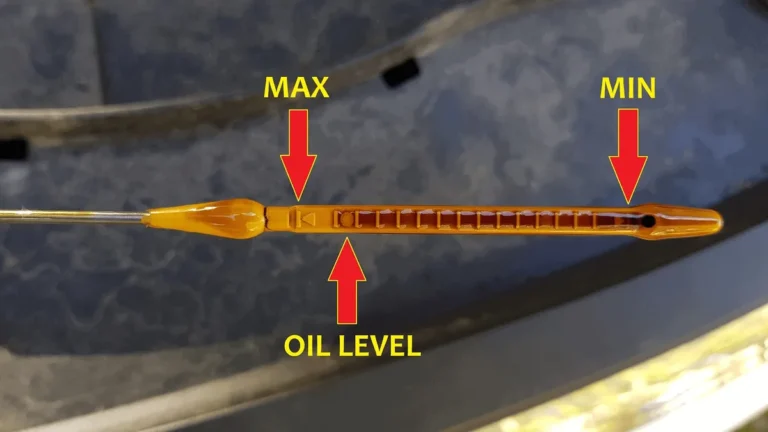
| MIN and MAX | Acceptable range on the dipstick or gauge | Add gradually and stop at MAX |
Suppose the manual lists a five-quart drain capacity and a 4.5-quart refill capacity. The refill figure is useful for a partly drained engine. It doesn’t mean you need only 4.5 quarts for a complete service.
A practical buying rule
Buy the smallest package that gives you enough fluid, plus a small reserve if you want one.
| Specified capacity | Practical purchase choice |
|---|---|
| 3 quarts or less | Three-quart or four-quart package |
| 3.1 to 4 quarts | Four-quart jug |
| 4.1 to 5 quarts | Five-quart jug |
| 5.1 to 6 quarts | Six-quart package or two smaller containers |
| 6.1 quarts and above | Gallon jug, two containers, or bulk supply |
| Fleet or shop use | 55-gallon drum or approved bulk system |
One extra quart is often sensible. It can handle a small top-up or slightly uncertain factory fill. A full extra case is wasteful if the oil will sit for a year.
Keep the cap tight and the container upright in a cool, dry place. Don’t store it where children or pets can reach it.
Fill the engine to the right level
If the engine is low, add the specified oil in smaller amounts. Check the level again after each addition.
Many engines are checked warm on level ground, but the owner’s manual may give another procedure. Follow that procedure. The result must stay between MIN and MAX.
Overfilling can cause aeration, foaming, leaks, or unstable oil pressure. It can also increase exhaust emissions. Don’t assume that extra fluid protects the engine.
If the level is above MAX, let the engine sit as directed and recheck it. Don’t add more oil because the dipstick looks clean.
What if the engine uses more than the book amount?
A small top-up between changes can be normal for some engines. A sudden increase needs investigation.
| What you notice | Possible causes |
|---|---|
| Small, gradual increase | Normal consumption or a minor external leak |
| Sudden rise between services | Leak, internal consumption, or a sealing problem |
| Low level after recent service | Drain-plug leak, filter-housing leak, or incomplete fill |
| Rising level with smoke or rough running | Fuel dilution, crankcase ventilation, or engine trouble |
| Oil-pressure warning | Low pressure, starvation, pump problem, or sensor fault |
Inspect the oil-pan area, valve-cover gasket, filter housing, front cover, dipstick tube, and turbo oil lines where fitted.
Never ignore a persistent oil-pressure warning. Shut the engine down safely and arrange inspection. Continuing with inadequate pressure can damage bearings and other load-bearing components.
Capacity changes the fluid bill
A four-quart engine and an eight-quart engine can use the same fluid at the same unit price. The larger engine simply needs twice as much.
| Price per quart | Four quarts | Six quarts | Eight quarts |
|---|---|---|---|
| $5.00 | $20 | $30 | $40 |
| $7.00 | $28 | $42 | $56 |
| $10.00 | $40 | $60 | $80 |
| $14.00 | $56 | $84 | $112 |
The oil-only difference between a $7 and $10 product is $12 for four quarts. It becomes $24 for eight quarts.
This is why the required capacity belongs in your first cost calculation. Don’t compare a one-quart price with a complete service for an engine that takes six quarts.
DIY vs. Shop Oil Change: Comparing Parts, Labor, and Disposal
A DIY oil change usually costs less because you remove the labor charge. A shop costs more, but it includes equipment, trained labor, waste handling, and service responsibility.
As of 2026, a routine DIY parts bill often lands around $30 to $110 before tax for a common passenger vehicle. A professional oil change commonly runs $50 to $180. Dealer or specialty service can exceed $250.
These are planning ranges, not quotes. Your local labor market and required oil can move the total considerably.
What each option usually includes
| Cost or service | DIY oil change | Quick-lube or repair shop | Dealership or specialty service |
|---|---|---|---|
| Motor oil | You purchase it | Included in the service price | Included, often at a higher markup |
| Oil filter | You purchase it | Usually included | Usually included |
| Drain-plug hardware | You supply if required | Often included or added | Often included if specified |
| Labor | Your time | Charged by the shop | Charged at a higher rate |
| Oil disposal | You arrange recycling | Often included or charged | Often included or charged |
| Tools and lifting | You supply | Provided by the shop | Provided by the shop |
| Service warranty | Depends on local rules | Covered under shop terms | Covered under shop terms |
| Convenience | Lowest if you have setup | Moderate | Highest, but costliest |
A shop may also perform a basic inspection. Ask whether it’s included and what happens if the shop finds a concern.
The true DIY parts cost
Calculate the full parts bill before deciding. A cheap bottle can still produce a moderate bill after you add the filter, hardware, disposal, and tax.
| Item | Common DIY planning range |
|---|---|
| Three to five quarts of conventional or blend | $20 to $55 |
| Three to five quarts of full synthetic | $30 to $80 |
| Standard oil filter | $5 to $20 |
| Premium or OEM filter | $20 to $50 |
| Drain-plug gasket or crush washer | $0 to $10 |
| Oil-filter housing seal | $0 to $15 |
| Used-oil collection | $0 to $5 |
| Sales tax | Varies by location |
A common DIY service might look like this:
| Item | Illustrative cost |
|---|---|
| Five quarts of compliant oil at $6.49 | $32.45 |
| Standard oil filter | $9.99 |
| Drain-plug gasket | $3.00 |
| Used-oil collection | $2.00 |
| Parts total before tax | $47.44 |
If the same shop charges $55 for labor, the pre-tax total becomes $102.44. A dealer using a more expensive oil and filter may quote more than twice that amount.
What you need for a DIY change
The job is manageable when you have the right equipment. A basic setup usually includes:
- A vehicle-specific drain-plug socket
- A drain pan with enough capacity
- An oil filter wrench
- A clean funnel
- Absorbent material and gloves
- A wheel chock
- Jack stands or a properly rated vehicle lift
- A socket and ratchet set
- A closed container for used oil
Never work beneath a vehicle supported only by a jack. Use the manufacturer’s lifting points and support the vehicle correctly.
Warm the engine only as directed by the owner’s manual. Hot oil burns, and a plug that won’t move may mean the engine isn’t warm enough.
When DIY makes financial sense
DIY is usually worthwhile if you already own most tools and have a safe place to work. It also suits a routine gasoline engine with a common oil specification.
The savings come from avoiding labor. If the shop labor charge is $60 and your parts cost is $45, you save $15 before considering your time.
That savings may be worth it for a weekend project. It may be poor value if you need to buy tools, rent equipment, or drive to a recycling center.
Use this simple test:
DIY value = shop labor charge minus your extra parts, equipment, disposal, and time costs
If you expect to service several vehicles, the math improves. For one car, buying a lift, specialty sockets, and a large filter wrench may erase the apparent savings.
When a shop is the better choice
Use a shop if you don’t have a safe lifting setup. A shop is also sensible when the vehicle has a low underbody, fragile splash shields, or damaged fasteners.
Choose a professional when you can’t identify the correct oil or filter. Specialty engines deserve the same care even when the job appears simple.
A dealership is worth considering when the manufacturer requires a specific approval or documented service. An independent shop may provide the same specification at a lower price.
A mobile oil-change service can be worthwhile if it comes to your driveway. Travel and service charges may make the total similar to a shop visit, but the convenience has value.
Ask about customer-supplied oil
Some shops accept customer-supplied oil. Others won’t cover it under their service warranty.
Ask these questions first:
- Will you install oil that I purchase?
- Do you charge a labor fee only?
- Do you still charge a filter or disposal fee?
- Does your warranty cover the oil?
- What oil quantity should I bring?
- Will you record the product on the invoice?
If the shop supplies the oil, request the brand, viscosity, API category, OEM approval, and quantity. “The right oil” isn’t a useful answer on an invoice.
A short DIY service workflow
If you work on a vehicle that allows owner-performed maintenance, follow the manufacturer’s instructions.
- Confirm the oil, filter, capacity, and interval.
- Warm the engine as directed on level ground.
- Drain the plug into a suitable pan.
- Replace the specified hardware and filter.
- Add the required oil gradually.
- Check the level using the manual’s procedure.
- Record the date and mileage.
- Recycle the used oil and filter.
Keep the receipt and product information with the vehicle records. They make the service easier to verify later.
How to Compare an Oil-Change Quote Without Surprise Fees
A fair oil-change quote shows the oil, filter, labor, fees, and taxes separately. A clear breakdown lets you compare two shops without guessing.
Ask for an itemized estimate before authorizing the work. A total price alone doesn’t show whether the shop used the required oil or included every filter the service needs.
What a useful quote should show
| Line item | What to verify | Questions to ask |
|---|---|---|
| Oil quantity | Does it match engine capacity? | Is this a full drain or top-up? |
| Oil product | Brand, viscosity, and type | Is it conventional, blend, or full synthetic? |
| Quality standard | API category and OEM approval | Does it meet the manual exactly? |
| Oil filter | Brand, part number, and quantity | Is it OEM, cartridge, or standard? |
| Labor | Flat or hourly charge | Does it include draining and filling? |
| Hardware | Gasket, crush washer, or O-ring | Is this part required? |
| Disposal | Used oil and filter handling | Is it included or added later? |
| Tax | Rate and taxable items | Does it apply to parts and labor? |
| Inspection | Included or additional | What does it cover? |
A shop should be able to answer these questions clearly. If it can’t identify the oil specification, pause before authorizing the service.
Compare the same service, not just the headline price
Here’s an illustrative comparison for a vehicle that takes five quarts:
| Quote | Oil and filter | Labor and fees | Pre-tax estimate |
|---|---|---|---|
| Budget independent shop | Conventional oil and standard filter | Basic labor, no separate disposal fee | $85 to $100 |
| Independent shop | Synthetic blend and standard filter | Basic labor plus disposal fee | $115 to $145 |
| Dealer or specialty shop | Full synthetic or approved oil and filter | Higher labor rate and inspection | $175 to $250 or more |
The budget quote may be suitable if its oil meets the manual. The premium quote may be unnecessary if the cheaper shop can supply the same specification.
Compare the exact viscosity, API category, OEM approval, quantity, filter, labor, fees, and tax. Don’t compare only the advertised total.
The math behind a misleading low price
A $49.99 coupon may cover only labor. The shop may still charge for fluid, filter, tax, and disposal.
| Charge | Amount |
|---|---|
| Coupon price | $49.99 |
| Full synthetic upgrade | $25.00 |
| Premium filter | $12.00 |
| Disposal fee | $3.00 |
| Tax | $7.00 |
| Final total | $96.99 |
That may be a reasonable routine-service price. It isn’t a bargain if you expected $49.99 to cover everything, and it may be unnecessary if the vehicle doesn’t require the upgrade.
Ask whether the advertised price applies to your exact vehicle. Some coupons exclude diesel engines, turbocharged vehicles, certain filter types, or vehicles with manufacturer-specific oil.
Questions to ask before you say yes
Ask these questions during the call or in writing:
- What oil brand and viscosity will you use?
- Which API category and OEM approval will it carry?
- How many quarts will the engine receive?
- Which filter part number will you install?
- Is the labor charge flat or hourly?
- Are oil, filter, labor, and fees itemized?
- How will sales tax be calculated?
- Will the invoice show the date and mileage?
- Will you reset the oil-life monitor?
- What happens if the correct oil or filter isn’t available?
The shop may not know every model’s monitor procedure, but it should be able to record the service correctly.
Separate required work from optional recommendations
An inspection can uncover a leak, worn belt, or other concern. Ask for evidence and a separate estimate before approving extra work.
Common recommendations include:
- An engine flush
- Fuel injector cleaning
- Transmission service
- Brake fluid replacement
- Wheel alignment
- Air filter replacement
- Oil additives
- Fuel treatment
- A cabin filter replacement
Some services are appropriate for age, mileage, symptoms, or manufacturer recommendations. Others are simply add-ons.
A routine oil change doesn’t automatically require a flush or fuel treatment. If the shop recommends one, ask what condition triggered the recommendation.
Red flags that deserve a second look
Pause and ask for clarification if:
- The quote doesn’t list viscosity or quantity.
- The shop can’t name the required quality category or approval.
- The final price rises after work begins without approval.
- The shop refuses to provide an itemized invoice.
- “Lifetime oil” comes with no defined interval or monitoring plan.
- The shop recommends additives the manual doesn’t mention.
- A low-pressure warning, leak, or knocking noise is ignored.
- The shop says any oil of the same color will work.
One mismatch isn’t always a reason to leave. It is a reason to pause before paying.
Keep the service record
Ask for an invoice listing the fluid product, filter, quantity, date, mileage, and warranty terms. Photograph the receipt and store it with the vehicle records.
For a leased or warranted vehicle, follow the manufacturer’s schedule. A missed service can complicate questions about timing, even when the vehicle appears to drive normally.
Where to Buy Motor Oil: Auto Parts Stores, Dealers, Online Retailers, and Bulk
The best source depends on the specification, quantity, urgency, and storage space. Auto-parts stores suit urgent DIY purchases, while dealers help with difficult-to-source approvals.
As of 2026, mainstream U.S. prices commonly range from about $4 to $16 per quart. Premium synthetic, diesel, and OEM-approved products can cost more.
Bulk buyers may pay much less per quart, but they take on storage, dispensing, and inventory costs.
Match the seller to the job
| Buying source | Typical price pattern | Best for | Main drawback |
|---|---|---|---|
| Auto-parts store | $4 to $16 per quart, with coupons | Quick DIY purchases | Tax and local price differences |
| Online retailer | Competitive, with delivery added | Cases and planned service | Shipping time and seller checks |
| Warehouse club | Low five-quart jug price | Multi-quart DIY purchases | Membership and quantity limits |
| Independent repair shop | Moderate markup plus labor | Installation and local advice | Labor can dominate the bill |
| Dealership | Higher fluid and filter pricing | Exact OEM specification | Higher common labor rate |
| Bulk supplier | Low unit price at high volume | Shops, fleets, and frequent use | Storage and inventory risk |
OEM-branded oil isn’t automatically better than a third-party product with the same approval. The specification and documentation matter more than the seller’s name.
Auto-parts stores are the easiest DIY option
Auto-parts stores give you immediate inventory, coupons, return options, and access to common filters.
The downside is that the shelf price may not be the checkout price. Sales tax, local competition, and membership discounts change the final amount.
Call ahead for specialty fluid. A standard 0W-20 or 5W-30 product may be in stock. A dexos1, FA-4, or manufacturer-approved formula may require an order.
Check the approval mark before you pay. Don’t let a clerk substitute a product based only on viscosity.
Online retailers can lower the unit price
Online shopping works well for comparing five-quart jugs, six-quart packages, and separate filters. The lower unit price may disappear after delivery and tax.
Use the delivered price:
Delivered unit price = product price plus delivery, tax, and membership fees, divided by the number of quarts
| Purchase | Product price | Added cost | Effective price per quart |
|---|---|---|---|
| Local store, five quarts at $8.49 | $42.45 | $3.50 tax | $9.19 |
| Online, five quarts at $6.99 | $34.95 | $8.00 delivery and tax | $8.59 |
| Warehouse club, five quarts at $6.00 | $30.00 | Membership cost | Depends on usage |
A membership fee makes sense only if you’ll use it enough to offset the cost. Check return terms before ordering.
Look for intact packaging, a lot or date code, tamper evidence, and clear labeling. Don’t buy unlabeled fluid from a marketplace seller.
OEM-branded oil and approved alternatives
OEM-branded oil is sold through dealer and manufacturer parts networks. It can suit a vehicle that requires an exact factory approval or documented service.
A third-party synthetic can offer better value if it carries the same required approval. Compare these label details:
- SAE viscosity
- API quality category
- OEM approval mark
- Container size
- Approved change interval
- Seller warranty and returns
A higher-priced bottle without the required approval isn’t a better match. A lower-priced bottle with the exact approval may be the smarter buy.
Bulk oil makes sense only at a certain volume
A 55-gallon drum contains 220 quarts. That’s useful for a shop, fleet, or frequent DIY user. It’s excessive inventory for most single-vehicle owners.
Calculate the cost per service:
Cost per service = fluid and filter cost divided by the number of services supported
A $275 drum contains 220 base quarts. At five quarts per service, it represents 44 services before labor, filters, storage, and losses.
Bulk pricing may include:
- Freight or delivery
- Sales tax
- A dispensing pump
- Storage racks
- Drum labels
- Inventory tracking
- Disposal costs
Store the drum indoors and keep it sealed. Heat, water, and damaged caps can ruin fluid that looked fine on arrival.
For a fleet, track use by engine type. A premium formula may cost more per quart but reduce downtime or support an approved interval. Compare the full operating cost.
Verify the product before buying
At pickup or delivery, check:
- The product name and viscosity
- The API category and OEM approval
- The container seal and condition
- The product quantity
- The filter part number
- The seller’s return policy
A low price matters only when the product is genuine, correctly labeled, and stored properly. Unclear labeling can turn savings into a much larger expense.
Choose the source by situation
Use an auto-parts store when you need common fluid today. Use an online retailer when you can plan ahead and compare a case.
Choose a dealer when the manual names a difficult-to-source approval or factory records matter. Use an independent shop when it can supply the same specification at a lower price.
Use bulk fluid only when your usage can absorb the package before storage conditions change. For most DIY drivers, a five-quart jug and one filter offer the simplest balance.
Diesel, Turbocharged, Hybrid, and Severe-Service Engines: Special Price Factors
Specialty engines can cost more because they may need a narrower specification, larger quantity, specialty filter, or more frequent service. Turbocharging, diesel emissions systems, hybrid efficiency requirements, and severe driving can each change the calculation.
The price difference isn’t automatic. Some specialty vehicles use fluid that costs about the same as mainstream synthetic.
| Vehicle or service pattern | Common price pressure | Main specification check |
|---|---|---|
| Turbocharged gasoline engine | Premium approval, synthetic oil, or shorter interval | Exact viscosity and OEM approval |
| Hybrid gasoline engine | Low-viscosity oil and efficiency specification | 0W-16, 0W-20, or the listed grade |
| Diesel engine | Diesel fluid, larger filter, and sometimes more capacity | API CK-4, API FA-4, and low-SAPS requirement |
| Performance engine | Specialty oil, larger capacity, and specialized filter | Narrow viscosity range and track guidance |
| Severe-service operation | More frequent oil changes | Manufacturer’s severe interval |
| Fleet or commercial use | Bulk fluid and scheduled tracking | Approved oil and inventory cost |
Turbocharged engines
A turbocharger depends on clean, correctly pressurized engine oil. Oil also manages heat around the turbine, bearings, and seals.
Not every turbocharged engine requires the most expensive full synthetic. The manual may specify conventional oil, a blend, or full synthetic. It may also name a quality category or OEM approval.
Check these points before ordering:
- The exact SAE viscosity
- The API quality category
- Any manufacturer-specific approval
- The required quantity
- The oil-change interval
- Any separate oil cooler or filter
Rising consumption on a turbocharged engine deserves inspection. Check for oil around the housing, gasket, filter, and oil lines. Internal turbo wear may not be visible from outside.
A low-oil warning isn’t a normal part of turbo ownership. Add the specified fluid and investigate the cause. If oil pressure falls, shut the engine down safely.
Hybrid gasoline engines
A hybrid still has a gasoline engine in most configurations. That engine needs oil even though the vehicle also has an electric motor and high-voltage battery.
Many hybrid specifications call for SAE 0W-16 or 0W-20. The exact grade depends on the engine. A hybrid badge doesn’t override the manual.
Hybrid fluid may cost about the same as modern gasoline oil. The larger price factor may be capacity, filter type, and dealer labor.
Check whether the manufacturer names an efficiency oil, an OEM approval, a special oil-life reset, or a severe-service interval.
The hybrid battery cooling system is separate from engine oil. A coolant specification for the high-voltage system doesn’t tell you what engine oil to use.
Diesel engines
Diesel oil often includes stronger soot control, wear protection, and fuel-economy additives. Newer engines may require a low-shear, low-SAPS formula.
Low-SAPS means lower levels of sulfated ash, phosphorus, and sulfur. Those limits help protect diesel particulate filters, oxidation catalysts, and other aftertreatment equipment.
API CK-4 and API FA-4 are related, but they aren’t automatically interchangeable. A low-SAPS engine may require FA-4 or a manufacturer-specific approval. API CK-4 oil may be allowed in some FA-4 applications when the viscosity and manufacturer permit it.
The reverse isn’t automatic. Never use FA-4 oil in a CK-4 application unless the manufacturer allows it.
A diesel service may also include:
- A larger engine oil filter
- A filter-housing seal
- More engine oil
- A drain-plug gasket
- Additional inspection time
- A higher labor rate
Don’t use gasoline oil in a diesel engine because the viscosity matches. Don’t use FA-4 oil in a CK-4 application without permission.
Performance engines
Performance engines may specify 0W-40, 5W-40, 5W-50, or another narrow range. Some require factory fluid with strict compatibility for cam lobes, bearings, seals, and emissions components.
Specialty oil can cost $12 to $25 or more per quart. An eight-quart engine makes that difference substantial.
Use the manual’s specification first. A racing oil or high-ZINC additive package isn’t automatically right for a street engine. Competition products may not provide the emissions compatibility a road car needs.
For a heavily used performance vehicle, oil analysis can identify fuel dilution, coolant contamination, abnormal wear metals, and oil degradation. It costs extra, so it’s most useful under severe loads or frequent track use.
Track oil pressure, temperature, noise, and consumption. A sudden change can indicate a lubrication or mechanical problem.
Severe-service driving
Severe service is a driving pattern, not an oil category. If your vehicle fits the manufacturer’s definition, the interval may be shorter even when the approved oil is conventional or synthetic.
Severe patterns include:
- Frequent short trips
- Stop-and-go traffic
- Extended idling
- Heavy towing
- Repeated cold starts
- Sustained extreme heat
- Driving on dusty roads
- Carrying heavy loads
Use the oil and filter specified by the manufacturer. Then apply the severe interval when your driving pattern qualifies.
Here’s an illustrative annual-cost comparison:
| Item | Normal pattern | Severe pattern |
|---|---|---|
| Oil quantity | Five quarts | Five quarts |
| Fluid price per quart | $9 | $9 |
| Filter cost | $15 | $15 |
| Labor per service | $60 | $60 |
| Service interval | 7,500 miles | 3,750 miles |
| Services during 15,000 miles | Two | Four |
| Parts and labor for year | $240 | $480 |
This is only a calculation example. The manufacturer’s interval and local prices control the real cost.
Fully electric vehicles are the exception
A fully electric vehicle has no combustion engine, so it doesn’t need conventional engine oil. It still needs correct service for its brake system, coolant, gear fluid, and other specified fluids.
A plug-in hybrid normally has both systems. It needs oil for the gasoline engine plus service for its electric components.
A simple specialty-engine decision tree
- If the vehicle is turbocharged, check the manual before choosing the oil type.
- If it’s a hybrid, use the gasoline engine’s exact viscosity and approval.
- If it’s diesel, verify the fuel-specific API category and low-SAPS requirement.
- If it’s performance-oriented, use the specified viscosity and factory approval.
- If your driving is severe, keep the approved formula and shorten the interval when required.
- If it’s fully electric, don’t buy engine oil for it.
Then compare the complete service cost. Specialty fluid, a larger filter, and a longer appointment can raise the bill more than the front label suggests.
Common Mistakes That Inflate the Cost or Risk the Engine
Most oil-change problems begin with a small label decision. A wrong viscosity, filter, or interval can turn a routine service into an expensive repair. A poor buying choice can also leave you with wasted oil and a higher bill.
The manufacturer’s specification should decide every questionable choice. Don’t rely on a clerk’s memory, a similar vehicle, or a bottle with a familiar color.
Choosing viscosity by feel
Choose the SAE viscosity listed for your exact engine, not the grade that seems smoother or heavier.
A 0W-20 and a 5W-30 can both be correct products. Only one may be correct for your engine. Viscosity affects cold flow, hot lubrication, oil consumption, and potentially fuel economy.
| Situation | Likely mistake | Better action |
|---|---|---|
| Manual calls for 0W-20 | Buying 5W-30 because it sounds thicker | Use 0W-20 unless another grade is expressly allowed |
| Manual calls for 5W-30 | Switching to 0W-20 without confirmation | Use the listed grade or verify an alternative |
| Engine consumes oil | Moving to a heavier grade without diagnosis | Check leaks, consumption rate, and specified oil |
| Several grades are listed | Choosing solely by season or driving style | Use a listed grade suitable for the engine |
| Label is missing | Guessing from the model year | Verify the engine code, VIN, or specification |
If the engine is running low, don’t assume a heavier oil is safer. A leak, worn rings, valve-train wear, or an incorrect previous fill may be the real problem.
Confusing viscosity with API quality category
Viscosity tells you how the oil behaves at specified temperatures. The API quality category describes the performance standard it was tested to meet.
A product can have the right viscosity and still be wrong for the engine. A 5W-30 gasoline oil may not suit a diesel engine requiring API CK-4.
| Engine requirement | What to verify | Common wrong choice |
|---|---|---|
| Gasoline engine requiring API SP | Viscosity and SP or SQ category | Diesel oil with another category |
| Diesel engine requiring API CK-4 | CK-4 approval and viscosity | Gasoline oil |
| Diesel engine requiring API FA-4 | Low-SAPS compatibility and viscosity | CK-4 oil without manufacturer permission |
| Hybrid gasoline engine | Exact hybrid-engine oil grade | Truck oil because of the battery system |
A phrase such as “premium,” “fuel economy,” or “extended protection” doesn’t replace the standard and approval listed in the manual.
Treating “meets” as “approved”
A product that says it “meets” a specification may not carry a licensed OEM approval. Treat the two claims as different levels of confirmation.
API licensing and manufacturer approvals can involve different test programs, quality-control requirements, and marks. A product may meet a performance specification without carrying the authorization your vehicle manufacturer requires.
| Label wording | What it usually means | How to use it |
|---|---|---|
| Meets API SP | The product claims to meet the API SP standard | Confirm the manual allows API SP |
| API SP licensed | The product carries API licensing | Still check viscosity and OEM approval |
| Meets dexos1 | The product claims to meet General Motors’ specification | Confirm exact dexos1 requirements |
| dexos1 approved | The product carries the approval mark | Use when the manual requires it |
| Factory fill | Fluid specified for a vehicle or engine | Follow the stated capacity and interval |
Don’t assume OEM-branded oil is the only approved product. A third-party oil can be economical when it carries the exact approval.
Buying too much or too little
Buy the quantity listed for the service, then choose a package that fits. Don’t let a package discount push you beyond the engine’s capacity.
Overbuying ties up money in unused fluid and uses storage space. It also creates a temptation to add fluid later when the engine is already full.
Underbuying can delay the service. The shop may need to order more oil, charge for another trip, or leave the vehicle without enough fluid.
Read the full requirement. A drain capacity of 5.0 quarts and a refill capacity of 4.5 quarts describe different jobs. A complete change normally needs the drain figure.
Underfilling and overfilling
Keep the level between the manufacturer’s MIN and MAX marks. Underfilling can starve the engine. Overfilling can cause aeration, leaks, and unstable oil pressure.
Many inaccurate readings come from checking on uneven ground, while the engine is tilted, or before the fluid has settled.
| Level or symptom | Possible cause | What to do |
|---|---|---|
| Level below MIN | Leak, consumption, or incomplete fill | Add specified oil and investigate |
| Level above MAX | Too much oil or fresh filter leakage | Let it settle as directed and recheck |
| Oil-pressure warning | Low pressure, starvation, pump fault, or sensor issue | Stop the engine safely and arrange inspection |
| Foamy residue near filler | Overfill, aeration, or crankcase ventilation issue | Check the level and inspect the system |
| Oil rising quickly | Fuel dilution, PCV issue, or mechanical trouble | Don’t keep adding oil |
Follow the checking procedure in the owner’s manual. Many engines are checked warm on level ground, but some manufacturers specify another sequence.
Stretching the drain interval
Follow the manufacturer’s normal or severe-service interval unless the vehicle is covered by a specific approved program. Synthetic oil doesn’t automatically double the time between changes.
An oil-life monitor is a tool, not a universal command. Resetting it without completing the service can hide overdue maintenance.
| Driving pattern | What to check | Likely interval decision |
|---|---|---|
| Normal commuting | Manual and service history | Use the normal interval |
| Frequent short trips | Severe-service definition | Shorten the interval if required |
| Long highway drives | Mileage, time, and schedule | Use the scheduled interval |
| Heavy towing or idling | Heat, load, and contamination rate | Use severe interval if applicable |
| Very low mileage | Calendar time and moisture | Don’t assume unused oil lasts indefinitely |
| Extended-drain program | Exact fluid, vehicle, and conditions | Follow the program’s rules |
Avoid using color, smell, or a clean dipstick as proof that oil is still good. Oil can lose useful properties before it looks dark, and it can remain dark while performing acceptably.
Using the wrong filter or hardware
Use the oil filter and drain-plug hardware specified for the exact engine. A lookalike filter can use a different gasket, bypass valve, or internal design.
Spin-on filters, cartridge filters, and integrated housings aren’t interchangeable. A cartridge system may require a separate cap, O-ring, or housing seal.
| Symptom after service | Possible mistake | Correction |
|---|---|---|
| Oil leak near filter | Incorrect filter, dry gasket, damaged housing, or overtightening | Replace the part and inspect the housing |
| Oil leak at drain plug | Missing gasket, loose plug, or incorrect torque | Replace specified hardware and torque correctly |
| Low oil after a short drive | Drain-plug or filter-housing leak | Recheck the level and inspect underneath |
| No oil pressure | Wrong filter, no prime, or mechanical fault | Stop the engine and verify the installation |
| Repeated leaks | Damaged threads or housing | Have the damaged part repaired |
Apply oil to a filter gasket only when the manufacturer permits it. Hand-tighten the filter first, then add the specified rotation. Don’t use a wrench to crank the filter tight.
A damaged drain-plug thread can turn a $2 gasket into a larger repair. Stop and inspect the threads if the plug was previously overtightened or stripped.
Skipping unapproved additives
Skip additives, engine flushes, and fuel treatments that aren’t called for by the manual, a diagnosis, or a documented service need.
Some shops recommend premium oil for every vehicle. That recommendation may suit a turbocharged or performance engine. It may be unnecessary for a normally driven car with a compatible specification.
| Add-on | Ask this question | When it may make sense |
|---|---|---|
| Engine flush | What condition requires it? | Specific deposit problem or manufacturer direction |
| Oil additive | What supports the recommendation? | Rarely needed with correct modern oil |
| Fuel treatment | What symptom or test prompted it? | Confirmed fuel-system condition |
| Premium oil upgrade | Is it required or optional? | Engine needs a specialty approval |
| Cabin filter replacement | Is the filter due or restricted? | Scheduled maintenance or airflow issue |
A routine oil change doesn’t automatically require a flush or fuel treatment. Ask what condition triggered any recommendation.
Buying questionable oil or storing it badly
Buy sealed fluid from a seller that provides the product name, viscosity, API category, and approval information. Don’t pour oil from an unlabeled container into your engine.
Open oil can collect dust, water, and fuel vapor. Heat accelerates oxidation. A container left open for months may be a poor choice even if the fluid was originally good.
Watch for these warning signs:
- Missing or damaged tamper evidence
- A label that doesn’t match the box
- Fluid in a reused beverage bottle or unmarked jug
- A seller who can’t identify the product
- No manufacturer or lot information
- A leaking cap or damaged seal
- A price far below normal market levels
Don’t rely on the cap or bottle color. Buy the documented product, not the packaging.
Missing early signs of oil consumption or leakage
Check the level between changes when your vehicle has a history of consumption. Don’t respond to a low level by buying the cheapest possible top-up oil.
Inspect common leak areas:
- The oil-pan perimeter
- The valve-cover gasket area
- The oil-filter housing
- The front cover
- The dipstick tube
- Turbocharger oil lines, if fitted
- Lower engine seals
Oil can also enter the combustion chamber through worn piston rings, valve guides, or turbo seals. White exhaust, rising consumption, and a persistent low-oil condition deserve inspection.
Record the date, mileage, and amount added. That record helps a technician identify a consumption rate rather than relying on memory.
Use a final checkout check
Before authorizing service, confirm:
- The exact engine
- The SAE viscosity
- The API quality category
- Any OEM approval
- The oil quantity
- The filter part number
- The drain-plug hardware
- The labor charge
- The disposal fee
- The tax
- The service interval
- The receipt and warranty terms
If one item is unknown, ask before the oil goes into the vehicle. A short clarification can prevent a much larger bill.
Safety, Warranty, and Used-Oil Disposal Rules
The safest oil change follows the manufacturer’s specification, lifting procedure, and disposal rules. It protects the engine, the person doing the work, and the environment.
Used engine oil can contain metals, fuel, solvents, and other contaminants. Handle it as a managed waste stream, not something to pour into a drain.
Make the owner’s manual the controlling document
The owner’s manual, underhood oil label, and manufacturer lubricant specificationshould control the service. If they conflict, verify the exact engine and current manufacturer information before proceeding.
The manual may specify:
- The SAE viscosity
- The API quality category
- An OEM approval
- The oil capacity
- The oil-filter part number
- The drain-plug torque
- The oil-level checking procedure
- The oil-life monitor reset procedure
Service bulletins may update a maintenance procedure, but they don’t automatically change the fluid specification. Confirm the model-year coverage and the affected component.
Keep evidence of correct service
Keep an invoice or service record that lists the date, mileage, fluid, filter, and any inspection. Digital records are useful, but keep a clear copy beyond the next service if the vehicle is under warranty or being sold.
| Record item | Why it matters |
|---|---|
| Date and mileage | Shows when the service occurred |
| Oil quantity | Helps confirm the correct fill |
| Viscosity and API category | Supports the required specification |
| OEM approval | Documents manufacturer compliance |
| Filter part number | Shows which filter was installed |
| Oil-life reset | Confirms the maintenance record was updated |
| Shop or installer details | Provides a contact for follow-up |
A dashboard reset alone isn’t proof that the service was completed. Keep the receipt and the product information.
Respond correctly to warnings and messages
Stop driving when the oil-pressure warning comes on or the engine shows clear signs of oil starvation. A warning light is a request to shut down safely.
| Warning or symptom | Safe response |
|---|---|
| Red oil-pressure warning | Stop the engine safely and arrange inspection |
| Low-oil message | Check on level ground and add only the specified oil |
| Engine knocking or loud mechanical noise | Stop driving and seek diagnosis |
| Oil-pressure gauge reads low | Shut down before pressure falls further |
| Smoke from the engine bay | Move away from traffic, stop safely, and check for fire or leakage |
| Burning-oil odor | Stop the engine and inspect the oil system |
| Rapidly rising oil level | Don’t keep adding oil, arrange inspection |
A low-oil message doesn’t identify the cause. A leak, excessive consumption, incorrect fill, and fluid-quality problem can produce similar symptoms. Add fluid only to reach the proper level.
Work safely with hot oil
Hot engine oil can cause severe burns. Use a drain pan, gloves, eye protection, and absorbent material. Don’t start a drain with bare hands or stand over the open drain plug.
Warm the engine only as the owner’s manual directs. Some manufacturers specify a temperature check, while others allow normal operating temperature. Don’t idle for an arbitrary number of minutes and assume the oil is ready.
Use these basic safety practices:
- Park on level ground.
- Set the parking brake.
- Use wheel chocks when directed.
- Keep children and pets away.
- Don’t smoke or work near an open flame.
- Protect your skin from the drain plug and filter.
- Keep the used-oil container closed.
- Clean spills before they reach a drain or walkway.
- Never work beneath a vehicle supported only by a jack.
Hot oil can splash when the plug comes out. Keep your face and hands away from the opening. Use a pan with enough capacity for the engine’s full fluid capacity plus a safety margin.
Use the right lifting and service equipment
Use jack stands or a properly rated vehicle lift if the task requires access beneath the vehicle. Place the stands at the manufacturer’s specified support points.
| Tool or material | Purpose |
|---|---|
| Correct drain-plug socket | Removes the plug without damaging the head |
| Oil filter wrench | Removes the filter without crushing it |
| Suitable drain pan | Collects the used oil |
| Clean funnel | Prevents spills during filling |
| Absorbent pads | Catch small drips |
| Nitrile gloves and eye protection | Protect skin and eyes |
| Wheel chocks | Help prevent vehicle movement |
| Torque tool or specified method | Secures the drain plug correctly |
| Approved used-oil container | Stores waste safely |
Some vehicles use cartridge filters that require a cap socket. Some have several drain plugs. Others have undertrays or shields that must be removed carefully.
A generic tool list can’t replace the vehicle-specific instructions.
Install the drain plug and filter correctly
Follow the manufacturer’s torque specification for the drain plug. The correct value can differ by engine, plug material, and sealing washer.
A crush washer may need replacing rather than tightening again. If the manual calls for a reusable washer, inspect it for damage before installation.
For a spin-on filter, oil the sealing gasket only when the manufacturer permits it. Seat the filter by hand, then add the specified rotation. Don’t use a wrench to crank the filter tight.
An overtightened filter can distort its gasket or crack the housing.
Replace any required O-rings on the filter housing. A reused ring can lose enough oil to lower the level between services.
Check the filter and drain-plug area after the first few minutes of operation. A small drip that becomes steady needs attention.
Recycle used oil and filters
Recycle used oil and filters through an approved collection point or authorized service facility. Don’t pour them into a storm drain, sewer, soil, driveway, or ordinary household trash.
The U.S. Environmental Protection Agency treats used oil as a recyclable resource and a possible source of contamination. Local rules can set additional requirements for containers, labels, transport, and disposal.
| Action | Do this | Don’t do this |
|---|---|---|
| Store used oil | Use a sealed, labeled container | Leave it in an open bottle or pan |
| Recycle | Use a public collection site or approved facility | Pour it into a drain or onto soil |
| Dispose of filters | Ask whether filters are accepted | Toss them into household trash without checking |
| Handle a spill | Contain it and follow local rules | Wash it into a sewer or storm drain |
| Transport oil | Secure the container upright | Leave an uncapped jug in the passenger area |
A small amount of used oil can contaminate soil and water. It can also create a slipping hazard. Clean spills promptly and keep absorbent material near the service area.
If a shop handles the waste, ask how it manages used oil. A legitimate service should have a collection process. Don’t leave a vehicle there if the disposal method is unclear.
Protect the engine and warranty position
Use the required viscosity, API category, and OEM approval at every service. Don’t add unapproved additives or mix unrelated products to make a quantity fit.
An approved extended-drain program is a specific arrangement. It may depend on the exact fluid, engine, vehicle, and driving pattern. If the program doesn’t apply, use the normal interval.
The wrong diesel formula can increase ash loading or damage aftertreatment equipment. The wrong gasoline formula can contribute to deposits, LSPI, or catalyst problems. Those outcomes may develop over time, so correct fluid selection remains a cost-saving measure.
Don’t assume one missed service automatically voids an entire warranty. A missed or incorrect service can complicate a claim if the damage appears related to lubrication, overheating, or contamination.
Use a safe service handoff
Before a shop begins, provide:
- Year, make, model, engine, and VIN if needed
- Required viscosity and quality category
- OEM approval, if listed
- Exact fluid capacity
- Filter part number
- Any manual requirements
- Recent consumption or leak concerns
- Details of aftermarket modifications
After the service, request the fluid product, quantity, filter, date, mileage, and warranty information. Check the level after the first drive and inspect beneath the vehicle for fresh leakage.
If a persistent leak, low pressure, smoke, or abnormal noise appears, don’t simply add more oil. Arrange a proper diagnosis before driving again.
How to Save on Motor Oil Without Cutting Corners
The safest savings come from buying the correct fluid at a fair unit price and avoiding unnecessary labor or add-ons. A cheaper bottle that misses a requirement isn’t a saving.
As of 2026, a routine oil-and-filter service can often be reduced by comparing the delivered price, buying the correct package, and choosing a shop only when its labor is worth the convenience.
Start with the lowest compliant specification
If the manufacturer allows conventional oil or a blend, either can be a sensible value choice. Pay more for full synthetic or an OEM approval only when the engine, interval, or operating conditions justify it.
| Price option | When it may make sense | Risk if used incorrectly |
|---|---|---|
| Compliant conventional | Manual allows it and service pattern is normal | Wrong API category or approval |
| Compliant synthetic blend | Desired moderate price and listed specifications | Missing manufacturer approval |
| Full synthetic | Manual specifies it or severe use matters | Premium cost without a requirement |
| OEM-approved synthetic | Exact manufacturer specification is required | Wrong variant or unnecessary upgrade |
Start with the owner’s manual, not the price tag. Then compare compliant options at the same seller and across nearby sellers.
Compare unit price and checkout total
A five-quart jug can look cheaper than four single quarts. Compare the checkout price, tax, delivery, membership fees, and any core or supply charge.
Use this formula:
Total service cost = fluid cost plus filter cost plus hardware plus labor plus fees plus tax
Compare identical products when possible. A conventional 5W-30 and a premium 0W-20 aren’t two prices for the same service.
| Buying choice | Example cost | Savings opportunity |
|---|---|---|
| Four single quarts at $7 | $28 before tax | Compare with a five-quart jug |
| Five-quart jug at $34 | $6.80 per quart | Lower unit price if all five quarts are needed |
| Online price at $32 plus $9 delivery | $41 | Use the delivered price |
| Shop price at $48 plus $60 labor | $108 before tax | Compare with DIY parts and other quotes |
A $2 saving per quart is $10 on a five-quart service. A $30 labor saving may matter more, but only if you can perform the work safely.
Use coupons and memberships strategically
Coupons, rebates, store credits, and memberships can reduce the parts bill. Apply them only after you know the exact oil and filter requirements.
Before using a promotion, check:
- Eligible oil types
- Purchase limits
- Expiration dates
- Gallon or case restrictions
- Tax treatment
- Membership requirements
- Online or in-store restrictions
- Shipping charges
A discount on an oil you can’t use doesn’t create a real saving. A membership works well for regular service, but it may be poor value for a one-time specialty purchase.
Work out the DIY break-even point
DIY is worthwhile when your parts and disposal cost less than the shop’s labor charge. Include tools, equipment rental, filters, and your time.
DIY savings = shop labor charge minus extra DIY costs
| Situation | Shop labor | DIY parts and disposal | DIY tools or rental | DIY advantage |
|---|---|---|---|---|
| First service, tools owned | $60 | $55 | $0 | $5 |
| First service, tools needed | $60 | $55 | $120 | Negative $115 |
| Three services, tools owned | $180 | $165 | $0 | $15 |
| Three services, tools cost $120 | $180 | $165 | $120 | Negative $105 |
| Mobile service with travel fee | $90 | $55 | $0 | $35 before time |
Your time has value. A DIY change that takes two hours after work may be less economical than a $60 shop appointment. The right choice depends on your setup and schedule.
Keep the correct fluid on hand
A sealed reserve quart can prevent an emergency trip to the store. It can also tempt you to ignore a small leak or rising consumption rate.
Keep the reserve:
- In its original labeled container
- Tightly capped
- Upright
- In a cool, dry place
- Away from children, pets, and heat
- Within the seller’s recommended storage period
Don’t keep several open containers to save a few cents per quart. Storage risks and confusion about the product can cost more than the fluid you saved.
For a second car, one case may be sensible if both engines use the same specification. Otherwise, separate the products and label them clearly.
Avoid paying for fluid twice
Some shops accept customer-supplied fluid. Others require their own product. Confirm the policy before purchasing a jug.
A shop that supplies fluid may include it in the headline price. Adding your own jug can leave you paying a parts fee, supply fee, or service-warranty fee.
| Question | Why it matters |
|---|---|
| Do you accept customer-supplied oil? | Determines whether a store purchase is useful |
| Is there an oil-supply charge? | A small fee can erase the discount |
| Does the warranty cover supplied oil? | Protection may differ |
| What quantity should I bring? | Prevents an unfinished service |
| Will you record the product? | Supports future maintenance records |
If the shop supplies the fluid, verify the exact product before approving the service. “The right synthetic” isn’t enough.
Compare shops on labor, not just oil
Two shops can charge the same fluid price and have very different bills. Compare labor, filter, disposal, tax, and inspection.
A quick-lube chain may charge $79 for a conventional service. An independent shop may charge $109. A dealership may charge $179 with premium oil.
The highest price isn’t automatically wrong, but it should provide something you can name.
Ask whether the price includes:
- Fluid replacement
- Filter replacement
- Labor
- Used-oil disposal
- Oil-life monitor reset
- Basic inspection
- Fluid top-offs
- Tire-pressure adjustment
Some shops advertise a low price but charge extra for the exact filter your vehicle requires. Get the part number and total before authorization.
Don’t trade away maintenance to save money
Avoid skipping a required filter, using the wrong viscosity, extending the interval, or ignoring low consumption.
Those shortcuts can increase the risk of:
- Engine wear
- Sludge and deposits
- Oil starvation
- Emissions-system damage
- Filter failure
- Engine damage
- A warranty dispute
- A much larger future repair
A properly matched conventional oil can be the right choice. A correctly licensed synthetic can also be worth the extra cost. The test is whether the product meets the manufacturer’s requirements at a fair total price.
Use bulk oil only when volume is real
Bulk fluid can be inexpensive per quart, but it makes sense only when you’ll use it before storage conditions change. A fleet or repair shop can use a drum quickly. One passenger vehicle cannot.
A 55-gallon drum contains 220 quarts. Before buying one, calculate:
- Number of vehicles
- Quarts used per service
- Services per month
- Average container life
- Storage and dispensing costs
- Delivery and tax
- Risk of inventory aging
Track the oldest containers first. Keep drums sealed and upright. Don’t use fluid from a leaking, damaged, or unidentified container.
A practical savings checklist
Before you buy, run through this list:
- Confirm the exact fluid specification.
- Buy only the quantity needed.
- Compare the delivered unit price.
- Apply valid coupons or memberships.
- Ask whether a shop accepts customer-supplied fluid.
- Compare the itemized labor quote.
- Skip unrequested flushes and additives.
- Keep the receipt and service record.
- Check the level after the change.
- Investigate leaks or rising consumption early.
The best value is a compliant product, the right quantity, and a service performed without shortcuts. That usually beats chasing the lowest bottle price.
Your Step-by-Step Decision for the Next Oil Change
Use this sequence: identify the engine, confirm the specification, decide whether service is due, calculate the full cost, choose DIY or shop service, and record the result.
The order matters. Buying first can leave you with the wrong viscosity, quantity, or filter.
1. Identify the exact vehicle and engine
Start with the VIN, model year, model, engine code, and fuel type. Confirm whether the engine is naturally aspirated, turbocharged, diesel, or part of a hybrid system.
Use these sources in order:
- Owner’s manual
- Manufacturer maintenance record
- Engine specification label
- Dealer or service history
- Manufacturer’s official maintenance website
- A qualified repair shop for unclear records
The same vehicle name can have different engines, capacities, filters, and approvals. A model-year search alone may be too broad.
If the vehicle has been modified, ask the installer for the fluids and intervals used in the current configuration.
2. Pull the oil specification
Find the required viscosity, API category, OEM approval, capacity, filter, and interval. Treat each as a separate decision.
| Specification item | What to check | Example decision |
|---|---|---|
| SAE viscosity | Exact grade in the manual | 0W-20 |
| API category | SP, SQ, CK-4, FA-4, or another listed category | API SP |
| OEM approval | dexos1, MB, Porsche, VW, or another mark | dexos1 |
| Oil type | Conventional, blend, or full synthetic | Use whichever the manual permits |
| Capacity | Drain or refill amount | 4.5 quarts |
| Filter | Exact part number | OEM spin-on or cartridge filter |
| Interval | Normal or severe service | 7,500 miles under severe use |
If the manual lists alternatives, choose one that clearly applies to the exact engine. Don’t use a similar grade or a product approved for a different engine family.
3. Decide whether the oil is due
Use mileage, time, driving pattern, fluid level, and the oil-life monitor together. Don’t let one dashboard message override a clear maintenance concern.
| Situation | Next step |
|---|---|
| Mileage is near the scheduled interval | Schedule the service |
| Time-based interval has passed | Schedule the service if the manual uses time |
| Driving matches severe service | Apply the severe interval |
| Fluid level is low | Add the specified oil and investigate consumption or leaks |
| Oil-pressure warning is on | Stop safely and arrange inspection |
| Monitor says service is due | Follow the manual and service interval |
| Monitor is unavailable or reset | Use the manual’s mileage and time schedule |
If the vehicle sits unused for long periods, follow the manufacturer’s storage and restart guidance. Fluid condition can change with time, moisture, and incomplete engine runs.
4. Set a realistic total budget
Calculate parts, labor, fees, and tax separately. A bottle price is only one part of the budget.
Use this worksheet:
Fluid cost = price per quart × required quantity
Parts total = fluid plus filter plus drain hardware plus seals
Shop total = parts total plus labor plus disposal plus inspection plus tax
Here are illustrative 2026 scenarios:
| Vehicle scenario | Fluid | Filter and hardware | DIY parts | Likely shop total |
|---|---|---|---|---|
| Four-cylinder, 4.5 quarts, conventional | $30 to $40 | $15 to $30 | $45 to $70 | $85 to $140 |
| Four-cylinder, five quarts, synthetic | $35 to $60 | $15 to $35 | $50 to $95 | $105 to $175 |
| V6, six quarts, full synthetic | $50 to $90 | $25 to $55 | $75 to $145 | $150 to $250 |
| Diesel, seven quarts, CK-4 or FA-4 | $70 to $140 | $30 to $80 | $100 to $220 | $180 to $350 |
| Dealer service with approved oil | $80 to $200 | $40 to $120 | Usually not chosen | $200 to $400 or more |
These are planning figures. Your engine, local labor market, filter, and required approval control the real quote.
5. Choose where to buy
Use this branch:
- If the oil is common and you need it today, check an auto-parts store.
- If you’re comparing a case, check an online retailer and include delivery.
- If the product is difficult to source, call a dealer or specialty shop first.
- If warranty documentation matters, use a provider that can supply the exact product.
- If you service several vehicles, compare approved bulk pricing.
- If a shop won’t accept customer-supplied oil, buy the product there or choose another provider.
Verify the product before checkout. A low price doesn’t compensate for missing approval, damaged packaging, or the wrong quantity.
6. Decide between DIY and shop service
Use this rule:
- Choose DIY if you have safe lifting equipment, correct tools, a clean work area, and confidence following the vehicle-specific procedure.
- Choose a shop if you don’t have safe lifting access or can’t identify the oil and filter.
- Choose a dealer when the manufacturer’s approval or service record matters.
- Choose an independent shop when it can supply the same specification at a lower price.
- Choose a mobile service when convenience is worth the travel fee.
A DIY service can suit a routine gasoline engine, but it isn’t automatically right for every vehicle. A low-clearance sports car, diesel truck, or hybrid with specialized access may be safer to service professionally.
7. Follow the service workflow if you do it yourself
Warm the engine only as the manual directs. Place the drain pan under the plug, remove the plug carefully, and let the fluid drain until the flow stops.
A fixed drain time isn’t universal. Viscosity, temperature, engine design, and the drain route affect flow. Let the fluid stop moving before replacing the plug.
Then follow the specified procedure:
- Remove the old filter.
- Inspect the housing and sealing surface.
- Replace the specified gasket, washer, or O-ring.
- Install the correct filter.
- Add the specified fluid gradually.
- Check the level using the manual’s procedure.
- Replace the drain plug at the specified torque.
- Run the engine for the manual’s leak-check period.
- Shut it down and recheck the level.
- Reset the oil-life monitor if required.
- Record the date, mileage, and products used.
- Recycle the used oil and filter.
| Service stage | What to check | Common mistake |
|---|---|---|
| Preparation | Level vehicle, tools, manual, and container | Starting without the correct socket or oil |
| Draining | Pan capacity and plug location | Missing the pan or losing the plug |
| Filter replacement | Part number and seals | Installing a lookalike filter |
| Refilling | Exact grade, approval, and quantity | Pouring in a full case by guesswork |
| Final check | Level, leaks, and plug torque | Ignoring a fresh leak |
| Record | Date, mileage, and product | Resetting the monitor without writing it down |
8. Hand off the job cleanly if a shop does it
Give the shop the exact specification and ask for an itemized estimate. Confirm the oil, filter, quantity, labor, and fees before authorization.
At pickup, ask:
- Which fluid brand and grade did you use?
- Does it carry the required OEM approval?
- How many quarts went into the engine?
- Which filter did you install?
- Was the drain-plug hardware replaced?
- Was the oil-life monitor reset?
- Is there a new low-oil or leak concern?
- What warranty applies?
Check the invoice before leaving. A clear record makes it easier to address an immediate question.
9. Check the result after service
Check the fluid level after the first short drive and again as the manufacturer directs. Look beneath the vehicle and around the filter housing for fresh oil.
Some filter designs retain a small amount of fluid. A steady drip still needs attention. Don’t assume a light film means the service failed.
Follow the engine’s specified checking procedure.
Record the mileage precisely enough to support the next interval. Resetting a monitor without recording the service leaves you dependent on the vehicle’s memory.
10. Use the final decision tree
- If the manual requires a specialty approval, buy that approval first.
- If it allows conventional or synthetic oil, choose the cheapest compliant option.
- If the engine takes less than a full jug, buy the smallest suitable package plus a reserve.
- If the required oil is unavailable, order it or use a qualified service provider.
- If the shop’s quote includes everything, compare the total with DIY parts and labor.
- If the engine is low, leaking, noisy, or showing pressure trouble, diagnose the cause before changing brands.
- If your driving is severe, keep the approved fluid and shorten the interval when required.
- If the vehicle is fully electric, don’t purchase engine oil for it.
- After service, record the oil, filter, mileage, and next due date.
That sequence keeps the decision simple. It also protects your budget and your engine.
Frequently Asked Questions
How much does a full oil change cost?
A routine oil-and-filter change in the United States often costs about $50 to $150 in 2026. A dealership, specialty fluid, diesel engine, or low-clearance vehicle can push the total above $180 or $250. DIY owners usually pay $30 to $110 for fluid, filter, hardware, and disposal before labor.
Local rates and the required specification matter most.
How much motor oil does my car need?
Most passenger vehicles need about 3 to 5 U.S. quarts, but many engines take four or 4.5 quarts. V6, V8, and diesel engines may need six quarts or more. Check the owner’s manual for the exact drain or refill capacity.
The oil cap usually shows viscosity, not quantity, so don’t use it as a capacity guide.
Is full synthetic motor oil worth the higher price?
Full synthetic is worth the higher price when the manufacturer specifies it, your vehicle carries a relevant approval, or you want its low-temperature and oxidation performance. If the manual allows conventional oil and your driving pattern is ordinary, a compliant conventional product may offer better value. Viscosity, API category, and approval matter more than the label alone.
How often should I change motor oil?
Follow the mileage, time, and oil-life instructions in your owner’s manual. Use the severe-service interval when your driving includes frequent short trips, stop-and-go traffic, heavy towing, extended idling, or repeated cold starts. Synthetic oil doesn’t automatically extend the interval unless the exact vehicle and fluid are covered by an approved program.
Can I use cheaper oil if the viscosity matches?
No. Viscosity is only one requirement. The fluid must also meet the engine’s API category, fuel type, OEM approval, and emissions specifications.
A cheaper bottle is fine when it matches every requirement. A wrong product can contribute to wear, deposits, sludge, emissions trouble, or a warranty dispute.
How much oil should I buy for an oil change?
Buy the manufacturer’s listed capacity, then choose a package that fits. An engine taking 3.2 quarts may need a four-quart purchase, while an engine taking 5.2 quarts needs at least six quarts. Keep one sealed reserve quart if useful, but don’t buy a full case you won’t use before storage conditions change.