Guide to Should I Use Synthetic Motor Oil
Should i use synthetic motor oil? Usually, yes, if your vehicle’s owner’s manual requires it. The right answer depends on the exact engine, not the car’s age or the price of the bottle.
A matching viscosity alone isn’t enough if the engine also needs a specific quality standard or manufacturer approval, often called an OEM approval.
That’s why you should read the manual before choosing fully synthetic, synthetic-blend, conventional, or high-mileage oil. For example, one manual may require a Society of Automotive Engineers (SAE) 0W-20 viscosity with API SQ, while another may allow 5W-30. As of 2026, API SQ is a current gasoline-engine oil category, but it does not replace a manufacturer-specific approval.
Start with the owner’s manual, because that document settles the choice.
Guide to Should I Use Synthetic Motor Oil
Quick Answer
Should i use synthetic motor oil? Yes, if your owner’s manual requires it. Use a blend or conventional oil only when permitted.
Match the viscosity, quality standard, and OEM approval. If specifications conflict, ask a qualified technician. Your engine, not the bottle color, makes the final call.
What Synthetic Motor Oil Actually Is
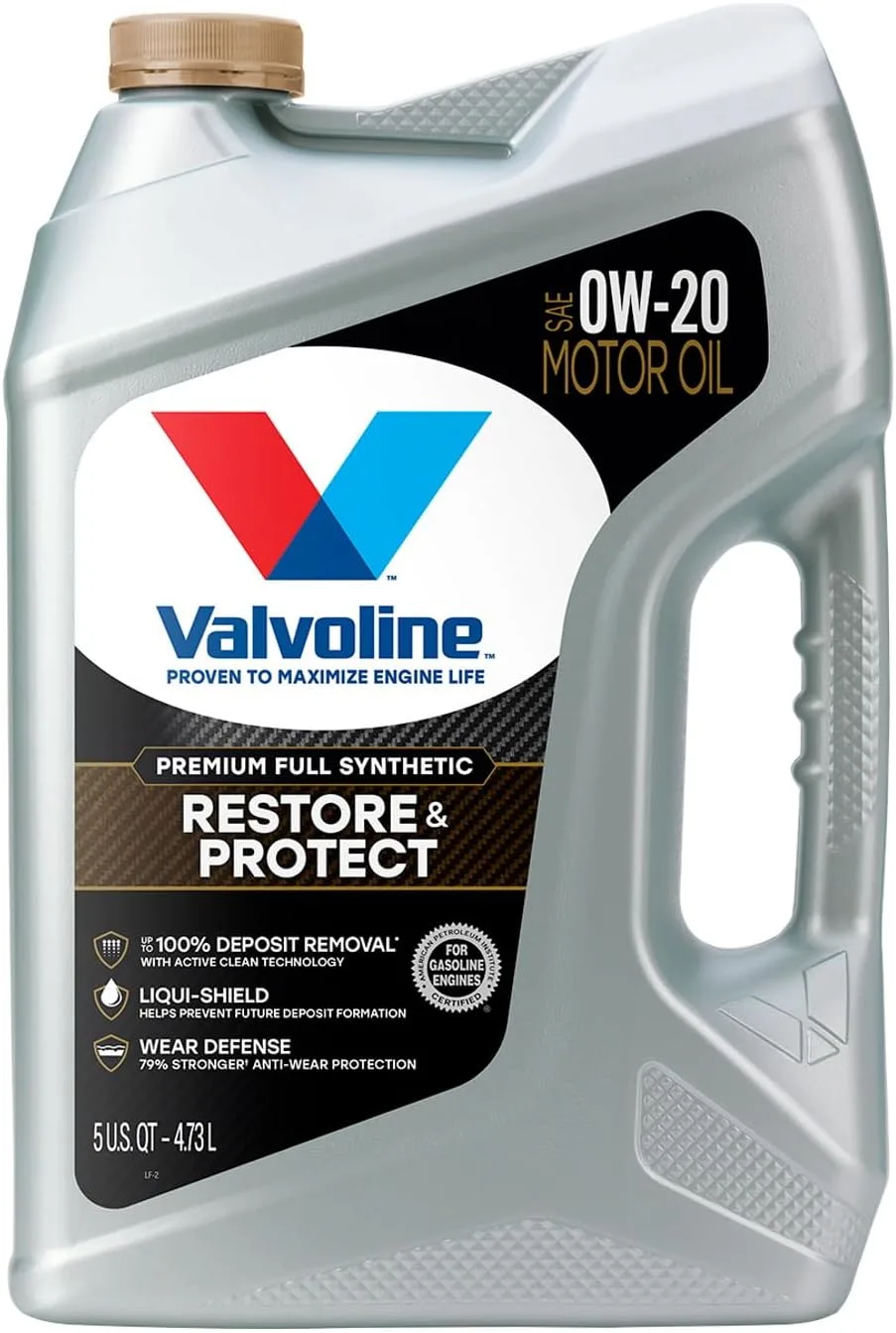
Synthetic motor oil is a lubricant made with qualifying manufactured or highly processed base oils. Additives are blended into the base oil to provide wear protection, oxidation resistance, deposit control, and seal compatibility. The finished product must still meet a viscosity grade and a performance specification.
That distinction matters because “synthetic” is not a complete product description. It tells you about one part of the formula. It doesn’t tell you whether the oil has the right viscosity, approval, or emissions-system compatibility for your engine.
The Federal Trade Commission’s Motor Oil Guide explains the common oil categories. The manufacturer’s owner’s manual tells you which category and specification your engine needs.
Base stocks and additives
A base oil is the oil before the performance additives are added. It carries much of the product’s viscosity range and evaporation behavior. Additives handle protection and compatibility.
| Base-stock type | What it is | Common role |
|---|---|---|
| Polyalphaolefin, or PAO | A manufactured synthetic base stock | Cold flow, viscosity stability, and evaporation control |
| Ester | A manufactured synthetic base stock | Lubricity, solvency, and additive compatibility |
| Conventional mineral oil | Base stock refined from crude oil | Conventional multigrade engine oil |
| Mixed base stocks | A combination of synthetic and conventional stocks | Blends viscosity, protection, and cost |
A finished oil can contain PAO, ester, mineral base stock, and viscosity modifiers at the same time. The label’s base-stock category doesn’t tell you the complete formulation.
Additives can include:
- Antiwear agents
- Antioxidants
- Detergents
- Dispersants
- Viscosity modifiers
- Friction modifiers
- Corrosion inhibitors
- Seal conditioners in some high-mileage formulas
The finished formula matters more than one ingredient. Two oils can use similar base stocks and still have different additives, viscosity ranges, and manufacturer approvals.
What do the common oil categories mean?
| Label | Meaning | What it does not mean |
|---|---|---|
| Fully synthetic | Made with qualifying synthetic base stocks | It is approved for every engine |
| Synthetic blend | Contains synthetic and conventional base stocks | It meets every requirement in an owner’s manual |
| Conventional | Uses conventional mineral base stock | It is automatically low quality |
| High-mileage | Intended for higher-mileage service and may contain targeted additives | It is always fully synthetic |
A high-mileage oil can be fully synthetic, synthetic-blend, or conventional. The term describes its intended use, not its base-stock category.
If the manual says fully synthetic oil is required, a conventional or synthetic-blend product doesn’t satisfy that instruction. If the manual allows several types, choose a product that meets the viscosity, quality category, and any OEM approval.
Does synthetic mean better?
No. Synthetic describes the base-stock category, not a universal performance ranking.
A fully synthetic oil may provide useful cold-flow and volatility characteristics. A well-formulated conventional oil can still protect an approved engine effectively. The correct product depends on the engine’s design, condition, and specification.
A synthetic oil can be wrong if it has the wrong viscosity. A conventional oil can be right if it meets the exact manufacturer requirements. The bottle label is only useful after you compare it with the engine specification.
What measurements matter?
Oil testing measures several properties. These measurements help describe performance, but none replaces the vehicle’s required approval.
| Measurement or test | What it tells you |
|---|---|
| SAE viscosity grade | How the oil behaves across specified temperatures |
| Kinematic viscosity | How the oil flows at standard test temperatures |
| High-temperature high-shear viscosity | How the oil behaves under hot, high-load conditions |
| Noack volatility | How much oil is lost under laboratory evaporation conditions |
| Pour point | The test temperature at which the oil is expected to flow |
| Oxidation and deposit tests | How the finished oil handles aging and deposits |
| Wear and piston-ring tests | How the oil performs in defined engine tests |
SAE J300 defines viscosity behavior. It does not define whether an oil is approved for a specific engine. A 0W-20 oil can meet the viscosity grade and still lack a required manufacturer approval.
Noack results are laboratory comparisons, not a promise of zero oil consumption in every vehicle. A low-volatility formula can reduce top-off needs in a healthy engine, but worn seals, rings, or guides can still cause oil loss.
What the label cannot tell you
The front label can’t tell you whether the engine has an internal leak, excessive oil consumption, coolant contamination, or sludge. It can’t tell you whether the oil pump is failing or whether the oil pressure is adequate.
It also can’t replace the required oil capacity. Using the correct formula in the wrong amount can starve the engine or create aeration and foaming.
The owner’s manual and current manufacturer documentation settle the product choice. The bottle label confirms whether the product matches that decision.
The Owner’s Manual Comes First
Your owner’s manual ties the oil to one exact engine. It provides the required viscosity, quality category, approval, capacity, and service information. It can also say whether synthetic oil is required, recommended, or optional.
Many owners search by vehicle model, but the correct answer can change within the same model. One trim may have a naturally aspirated engine. Another may have a turbocharged engine with a different oil specification.
A model year alone isn’t always enough. A manufacturer can change an engine, tightening system, emissions component, or oil requirement during a production run.
Find the oil specification for your exact engine
Gather these details before choosing a product:
- Year
- Make
- Model
- Trim
- Engine type
- Fuel type
- Drivetrain
- VIN or engine code
- Market of manufacture
Look in the owner’s manual under sections such as:
- Engine oil
- Engine oil and filter
- Recommended engine oil
- Engine oil specifications
- Capacities and specifications
- Maintenance and servicing
- Warranty information
A dealer or manufacturer support channel can also provide the current specification for a VIN. Use an official manufacturer portal or manual archive when possible.
If the vehicle has a replacement engine, ask the installer for the lubricant specification used during that work. A VIN describes the original vehicle, but it can’t prove that every later engine component remained factory.
What does “required” mean for the oil?
If the manual says required, use the stated product or an exact manufacturer-authorized alternative.
If it requires fully synthetic oil, don’t substitute conventional or synthetic-blend oil unless the manufacturer confirms the alternative. A blend may have the right viscosity while still failing the fully synthetic requirement.
If the manual lists an OEM approval, verify that exact code on the product label or technical data sheet. A similar approval is not automatically interchangeable.
What does “recommended” mean for the oil?
Recommended means the manufacturer’s preferred choice, although the manual may allow alternatives.
During a warranty period, using the recommended oil is the clearest way to follow the manufacturer’s instructions. If you choose another product, compare every listed viscosity, performance category, and approval.
A dealer’s preferred brand may be convenient, but the brand name matters less than the specification. A different brand can be correct if it carries the required approval.
What does “optional” mean for the oil?
Optional means the vehicle was designed to accept more than one qualifying product.
If the manual allows fully synthetic, synthetic-blend, or conventional oil, each may be valid when it meets the stated viscosity and quality requirements. The manufacturer may still recommend one type for a reason, such as fuel economy or emissions-system compatibility.
A longer service interval is optional only when the manufacturer and oil product approve it. The word “synthetic” alone doesn’t create that approval.
Why the VIN, engine code, and fuel type matter
The VIN can identify the original engine and factory configuration. An engine code can confirm a replacement or market-specific engine. Fuel type matters because gasoline and diesel engines may use different performance categories.
Turbocharged, naturally aspirated, gasoline, diesel, and heavy-duty engines can share the same viscosity grade. They still may require different oil categories or approvals.
A modified engine can also change the oil requirement. Intake, exhaust, engine, cooling, and emissions modifications can affect temperature, airflow, oil pressure, and catalyst compatibility. Use the specification supplied for the installed engine.
What if the manual and the bottle label conflict?
Stop before changing the oil. A missing approval, wrong viscosity, or wrong base-stock category is a reason to verify the specification.
Take the manual number and product label to a manufacturer dealer, a qualified repair shop, or the manufacturer’s technical support channel. Ask for a current written specification for the VIN and engine.
A thicker oil may seem safer in a worn engine. That isn’t a valid reason to ignore the manual. A thinner oil may seem better in cold weather.
That isn’t valid either if the engine was designed for a different grade.
Keep warranty and maintenance records
Some manufacturers require documented use of the specified oil and filter. Others require maintenance by time and mileage while allowing equivalent products within stated specifications.
Record:
- Service date
- Odometer reading
- Oil brand and product name
- SAE viscosity grade
- API, ACEA, or ILSAC category
- OEM approval
- Oil filter specification
- Oil quantity
- Selected service interval
Keep the receipt and a photograph of the product label. A simple record can help the next owner and anyone diagnosing warranty, oil-consumption, or maintenance questions.
Decode the Oil Label Without Guessing
An oil label gives you viscosity, performance, approval, and base-stock information. Read it in the right order so a familiar number doesn’t distract you from a missing requirement.
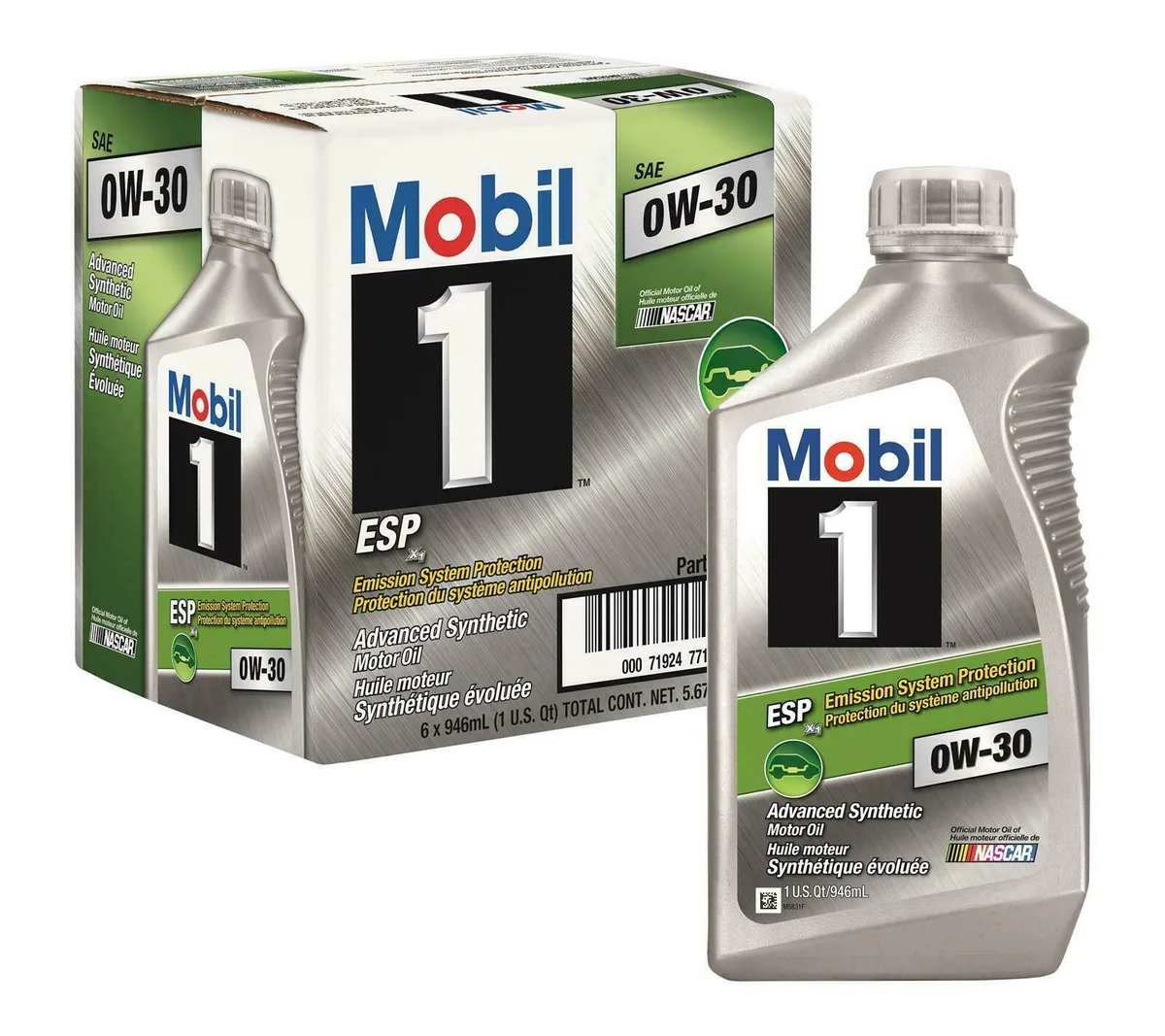
What does SAE 0W-20 mean?
SAE 0W-20 describes a multigrade oil’s cold and hot viscosity behavior. It does not describe the oil’s quality category or manufacturer approval.
The “0W” part relates to winter-temperature performance. The “20” describes the oil’s viscosity at 100°C, the standard hot-viscosity reference used for engine-oil grading.
A low number does not mean weak oil. An engine designed for 0W-20 may use that grade to meet bearing, pumping, fuel-economy, and emissions requirements.
| Grade | Cold behavior | Hot viscosity | What to remember |
|---|---|---|---|
| 0W-16 | SAE 0 winter behavior | SAE 16 at 100°C | A specialized grade, not a universal upgrade |
| 0W-20 | SAE 0 winter behavior | SAE 20 at 100°C | Common on some newer, efficient engines |
| 5W-30 | SAE 5 winter behavior | SAE 30 at 100°C | Common across many gasoline engines |
| 5W-40 | SAE 5 winter behavior | SAE 40 at 100°C | Used only where the manufacturer permits it |
SAE J300 defines viscosity grades. It doesn’t say that every 5W-30 oil is equivalent. Products can differ in additives, oxidation resistance, deposit control, and approvals.
What does an API category mean?
An API gasoline-engine category is a performance specification. It tells you the oil has met defined tests for properties such as wear, deposits, oxidation, and piston-ring behavior.
As of 2026, API SQ is a current gasoline-engine category. Some vehicles require API SQ, while others specify API SP or an earlier category. Read the owner’s manual for the exact engine.
The API’s engine-oil standards and licensing information explains the API program. An API license means the oil is licensed to meet a stated category. It doesn’t mean that API approves the oil for every vehicle.
An oil can carry API SQ and still lack a manufacturer-specific approval. A matching API category doesn’t erase a missing OEM code.
What do ACEA oil sequences mean?
ACEA oil sequences are performance categories used primarily with European vehicles. The letter and number matter because each category addresses different engine types and emissions requirements.
| ACEA category | General application |
|---|---|
| A3 and B4 | Gasoline and light-duty engine oils |
| C categories | Engines with specific catalyst and low-SAPS requirements |
| E categories | Heavy-duty engine applications |
A 5W-30 ACEA A3/B4 oil isn’t automatically suitable for an engine that requires ACEA C5. A missing low-SAPS requirement can matter for catalytic converters, particulate filters, and other after-treatment equipment.
Use the exact ACEA sequence listed in the manual. A product with a similar number or a newer sequence isn’t automatically interchangeable.
What do ILSAC categories mean?
ILSAC categories are used mainly with gasoline vehicles in the United States and Canada. GF-6A and GF-6B are current ILSAC categories, and the system includes specialized viscosity requirements.
ILSAC standards cover performance properties such as wear, deposits, oxidation, and fuel economy. They don’t replace a separate manufacturer approval when the owner’s manual requires one.
Check the exact category and viscosity. Don’t assume every modern passenger-car oil fits every North American vehicle.
What is an OEM approval code?
An OEM approval code identifies a lubricant specification for a defined manufacturer application. It may cover bearing protection, emissions compatibility, fuel economy, timing systems, or long-term durability.
A manufacturer can approve several oils for different engines. An approval for one powertrain doesn’t necessarily cover another. Check the code on the product label, licensing guide, or technical data sheet.
The approval is more important than the logo or brand. A dealer-branded oil can meet the requirement. A retail-brand oil can also meet it.
A premium-looking bottle with no approval can still be wrong.
What do low-SAPS and energy-conserving claims mean?
Low-SAPS describes the levels of sulfated ash, phosphorus, and sulfur plus phosphorus in the oil. Some emissions systems need a low-SAPS formulation to protect catalysts, particulate filters, and related components.
An “energy-conserving” claim means the oil met the applicable fuel-economy test for that category. It doesn’t mean the oil is synthetic, and it doesn’t replace a low-SAPS requirement.
Read the full specification rather than a marketing phrase. “Low sulfur” alone doesn’t tell you that the oil meets a complete emissions-system category.
How should you read an oil label?
Use this order:
- Find the exact SAE viscosity grade.
- Find the required API, ACEA, or ILSAC category.
- Check every OEM approval code.
- Confirm whether fully synthetic, synthetic-blend, or conventional oil is permitted.
- Check low-SAPS, energy-conserving, or emissions-related claims.
- Confirm the oil quantity and compatibility information.
- Save the product name and label for your service record.
A label may list more than one viscosity or performance category. That can reflect a range of compatible uses. It doesn’t automatically make the product correct for your engine.
If the container is hard to read, check the manufacturer’s product data sheet. Take a photograph before the oil is opened. That makes your maintenance record easier to audit.
How Your Engine Changes the Decision
Engine design matters because oil lubricates moving parts, carries load, controls temperature, and helps manage wear. The factory specification reflects the engine’s clearances, oil pump, bearings, fuel system, and emissions equipment.
Start with the manufacturer’s requirement. Then use engine condition and service history to decide whether a diagnostic step is needed.
Why turbocharged and direct-injection engines need close attention
Turbochargers can expose oil to high temperatures and high rotational speeds. Direct-injection engines use high fuel-injection pressures and can have tightly controlled cylinder clearances.
These features do not automatically require synthetic oil. Some engines use synthetic oil, while others allow a conventional or blended product. The manual controls the answer.
If the engine is new or under warranty, document the required grade, category, and approval. Synthetic oil may support cold starts and thermal stability, but it can’t substitute for the correct viscosity.
If an oil-pressure warning appears after a change, check the level and exact product first. Low pressure can also come from a failed pump, restricted filter, internal leak, or damaged bearings.
What changes on an older engine?
Age alone doesn’t determine the oil. An older engine may use a higher-viscosity grade, a different quality category, or a conventional formula.
Check the manual for the exact engine. Then review oil consumption, leaks, service history, and deposit concerns.
A fully synthetic oil can suit an older engine if it meets every requirement. A high-mileage formula can be useful for mild seepage or oxidation concerns. Neither repairs worn mechanical parts.
What should you do about oil consumption?
Check the level and compare the engine’s oil use with the manufacturer’s stated limit. A limit is not the same for every model or engine.
Possible causes include:
- Worn piston rings
- Damaged valve guides
- Aging crankshaft seals
- Failed valve-cover seals
- Oil dilution
- External leaks
- An inaccurate oil-level reading
A thicker oil can reduce consumption slightly in some engines. It can also slow cold flow and change oil pressure. Use a different viscosity only when the manufacturer allows it or a technician finds a reason.
If the level falls rapidly, stop driving and investigate. Oil-pressure damage can develop quickly when the engine is starved.
Is a leak or sludge problem a reason to change oil?
No. A leak or sludge problem needs a cause, not just a different bottle.
For a leak, inspect the oil pan, valve cover, filter housing, drain plug, seals, and other external points. Oil near a hot exhaust part deserves prompt attention.
For sludge, review the service interval, fuel dilution, coolant contamination, and oil specification. Dark oil alone doesn’t prove sludge. A fuel odor, water, coolant, or excessive deposit does need investigation.
A fully synthetic formula may control deposits well in an approved engine. It can’t clear a blocked oil pickup, repair damaged piston rings, or fix coolant entering the oil.
How do gasoline, diesel, and heavy-duty engines differ?
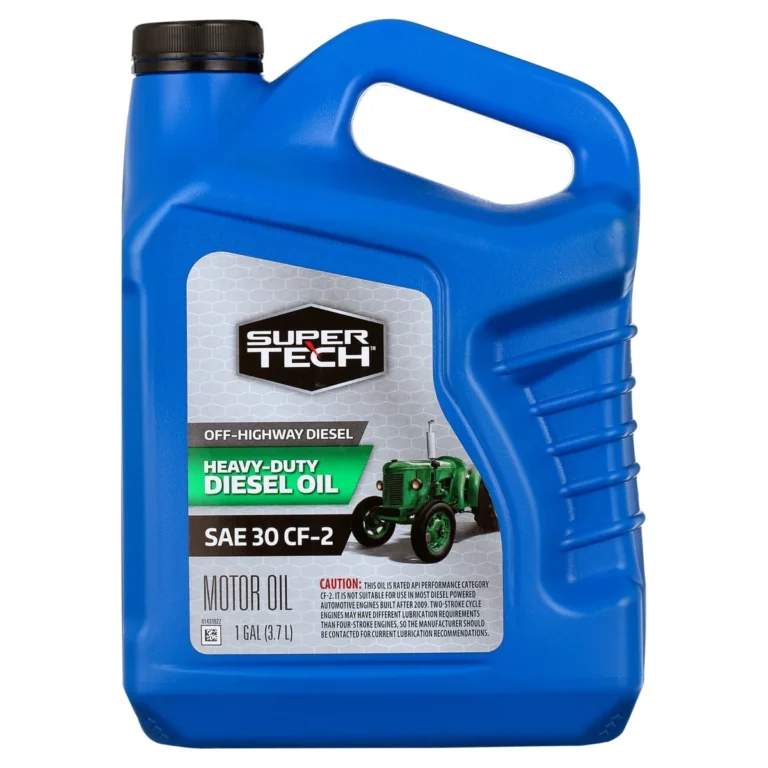
Gasoline and diesel engines can use the same viscosity grade while requiring different performance categories. A diesel engine may require a diesel-compatible oil, a low-SAPS formula, or a manufacturer approval.
Heavy-duty engines may require an ACEA E sequence, an OEM approval, or both. Passenger-car oil can be wrong for a commercial or diesel application even when the viscosity looks right.
For fleet vehicles, duty cycle and engine manufacturer documentation control the schedule. A time-based car interval may not apply to a truck operating for hundreds of hours each month.
What about break-in, collector, and competition engines?
New engines may have a specific break-in oil and first-service procedure. Follow the exact manual or service document. Break-in guidance can include controlled loading, oil monitoring, and a scheduled early change.
A collector vehicle that sits for months has different concerns from a track car. Follow storage and start-up procedures for that engine. Synthetic oil may or may not be specified.
Competition oil is designed for extreme rpm, heat, and load. It may have higher volatility or different additive chemistry. Use it only when the engine builder or competition rules require it.
The engine decision tree
Use this sequence:
- Identify the engine by year, model, fuel type, code, or VIN.
- Find the current manufacturer specification.
- Confirm the required viscosity and performance category.
- Check whether synthetic oil is required, recommended, or optional.
- Verify any OEM approval.
- Investigate consumption, leaks, sludge, or oil-pressure warnings.
- Record the product and service interval.
The engine specification comes first. Driving conditions and condition concerns come second.
How Climate and Driving Habits Affect the Choice
Climate changes oil temperature. Driving habits change how often the engine reaches full operating temperature and how much heat the oil handles. Neither factor changes the factory viscosity requirement.
Use the manual first. Then choose among approved products or apply the severe-service schedule.
Does cold weather change the oil choice?
Only within the manufacturer’s approved grades. Cold weather can make a low-viscosity oil flow more readily, but a lower number is not automatically correct.
An engine designed for 0W-20 may use that grade because its pump, bearings, clearances, and fuel-economy targets work well with it. Don’t change to 5W-30 just because the temperature is low.
Warm the engine according to the owner’s manual. Long idling isn’t always the best way to warm a modern gasoline engine. A moderate load may create heat more efficiently, but the manual and engine design control the advice.
Does heat or stop-and-go traffic require a different oil?
Not necessarily. Heat and stop-and-go driving can increase thermal stress, fuel dilution, and service demands, but they don’t automatically change the required viscosity.
If several approved oils share the same grade and specifications, a fully synthetic product may be attractive for its volatility and oxidation control. A qualifying blend or conventional product may also be valid.
Follow the manufacturer’s normal or severe-service interval. Don’t choose a higher-viscosity oil simply because the weather is hot.
What should short-trip drivers watch for?
Short-trip drivers should watch for fuel dilution, moisture, and incomplete heat cycles.
Fuel can enter the oil through worn piston rings, cylinder walls, valve guides, or seals. Signs can include a rising oil level, fuel odor, smoke, increased fuel consumption, or varnish.
A rising oil level is not a reason to keep adding oil. Diagnose the source. A level that increases between services can be more serious than a slow external seepage.
A synthetic oil can tolerate a small amount of fuel better than some conventional oils. It won’t correct the mechanical condition that allows fuel into the oil.
How do towing and mountain driving affect oil changes?
Towing and prolonged grades increase engine load and oil temperature. Use the oil grade and approval in the manual, then apply its severe-service schedule.
A severe-service interval may use time, mileage, fuel consumption, or a combination of those measures. It can replace a normal interval sooner for a vehicle that regularly tows, climbs long grades, or operates at sustained high load.
A high synthetic percentage doesn’t automatically create a longer interval. The product must be approved for that service.
Does altitude or humidity change the grade?
No single altitude or humidity rule changes the oil grade. Cold high-altitude regions may increase the importance of cold flow, while humid regions may increase condensation concerns.
Use the specified viscosity, the required emissions category, and the manufacturer’s severe-service guidance. A regional dealer’s recommendation can help with local driving patterns, but it doesn’t replace the manual.
Driving pattern guide
| Driving pattern | Main concern | Practical action |
|---|---|---|
| Frequent short trips | Moisture and fuel dilution | Follow the specified oil and severe-service guidance |
| Stop-and-go city traffic | Heat and incomplete warm-up | Check the level more often |
| Frequent towing | High load and oil temperature | Use the approved grade and severe interval |
| Long idling | Fuel entering the oil | Investigate rising oil levels or fuel odor |
| Very high rpm or track use | Extreme heat and load | Follow builder or competition guidance |
| Long storage | Seal condition and startup | Follow storage and pre-lubrication instructions |
The same oil can be correct in several climates when it matches the specification. The service interval may still change.
Synthetic vs. Conventional vs. Synthetic-Blend vs. High-Mileage Oil
The four labels answer different questions. Fully synthetic describes base stock. Synthetic-blend describes a mixture.
Conventional describes mineral base stock. High-mileage describes an intended use.
Read the complete label. Then compare the oil with the manufacturer’s requirements.
What does each label answer?
| Oil type | Main label | Best fit |
|---|---|---|
| Fully synthetic | Synthetic base stocks | Engines that require it or approved demanding applications |
| Synthetic blend | Mixed synthetic and conventional base stocks | Drivers seeking a balance of performance and cost |
| Conventional | Conventional mineral base stock | Older engines whose manuals permit it |
| High-mileage | Higher-mileage service formula | Sound older engines with targeted aging concerns |
A high-mileage oil can be any of the first three base-stock types. The category doesn’t tell you the viscosity or approval.
Fully synthetic oil
Choose fully synthetic oil when the manual requires it. It can also be a sensible choice when several approved products share the same specification.
It may be especially useful for:
- Newer turbocharged engines
- Direct-injection gasoline engines
- Engines with tight clearances
- Cold-weather operation
- High-load driving
- Engines with an approved extended interval
These are reasons to compare approved synthetic products. They are not universal requirements. The exact engine manual still decides.
Synthetic-blend oil
A synthetic blend can be a practical choice when the manufacturer allows it. Compare the exact grade, performance category, and approval.
A blend may provide useful cold-flow and oxidation performance at a lower cost. It is not acceptable if the manual specifically requires fully synthetic oil.
Don’t select a blend by its percentage of synthetic base stock. The finished specification matters more.
Conventional oil
Conventional oil can be correct for an older engine designed around it. Choose it when the grade, quality category, and any OEM approval match.
It can be the most economical option when:
- The engine is older but well maintained
- The manual allows conventional oil
- Driving is moderate
- The required grade is widely available
- No extended interval depends on synthetic oil
A well-made conventional oil is not automatically weak. A poorly formulated oil is not made correct by calling it conventional.
High-mileage oil
High-mileage oil is intended for higher-mileage service. It may contain seal conditioners, oxidation inhibitors, or deposit-control additives.
It can be useful for:
Mild external seepage
An aging but mechanically sound engine
Frequent
Frequent short trips, when the manual allows a formula designed for that service
An engine using more than one quart of oil per 1,000 miles, if that rate fits the manufacturer’s limit
A vehicle that has passed the manufacturer’s normal-seal-consumption stage
High-mileage oil can reduce evaporation or condition aging seals. It cannot replace a failed gasket, worn piston ring, damaged valve guide, or loose drain plug.
High-mileage oil is not a repair product
A seal conditioner can’t restore a hardened seal. A detergent additive can’t correct coolant contamination. A thicker viscosity can’t replace worn bearing surfaces.
Check the engine before changing formulas. Look for leaks, smoke, rising oil levels, fuel odor, and pressure warnings. Review the service history and compare oil use with the manufacturer’s limit.
If consumption is rapid, diagnose the cause. A high-mileage label may slow a small leak briefly. It won’t solve the mechanical issue.
Base stock and viscosity are different
The SAE grade and base-stock category answer separate questions. A 0W-20 oil can be fully synthetic, synthetic-blend, or conventional.
| Product | SAE grade | Base stock | Performance category |
|---|---|---|---|
| Product A | 0W-20 | Fully synthetic | API SQ |
| Product B | 0W-20 | Synthetic blend | API SP |
| Product C | 0W-20 | Conventional | API SQ |
All three can have the same viscosity grade. Their performance categories and approvals may still differ. Only the owner’s manual tells you which combination belongs in the engine.
Which option fits which driver?
| Situation | Sensible starting point |
|---|---|
| Manufacturer requires fully synthetic | The specified fully synthetic product |
| Manufacturer allows several base-stock types | Any product meeting every required specification |
| Older engine in good condition | The specified standard or high-mileage formula |
| Mild seal seepage | An approved high-mileage oil after checking the level |
| Frequent cold starts | The specified low-temperature grade |
| Heavy towing or track use | Manual, engine-builder, or competition guidance |
| Diesel engine | A diesel-compatible, low-SAPS product with the required approval |
| Unknown specifications | Confirm them before buying |
A lower price can matter when several products qualify. A lower price can’t compensate for a missing OEM approval or the wrong viscosity.
What does “better” mean?
One product may be better at cold flow. Another may control deposits better. A third may carry an approval that matters more for a specific engine.
Compare these questions:
- Does it meet the required SAE grade?
- Does it meet the required API, ACEA, or ILSAC category?
- Does it carry the exact OEM approval?
- Is the base-stock category permitted?
- Is it compatible with the fuel type and emissions system?
- Does the manufacturer allow the intended service interval?
If two products answer yes to every requirement, compare price, availability, and your driving needs. If either product fails one requirement, it isn’t a valid option.
Synthetic Oil: Benefits and Limitations
Synthetic oil can provide useful benefits in a correctly specified engine. Those benefits come from the finished formula, its viscosity, and its tested performance. The base-stock label alone doesn’t guarantee them.
Better cold flow during startup
Cold oil is thicker and harder to move than warm oil. A properly formulated synthetic oil can flow consistently at low temperatures and reach engine surfaces sooner.
This matters in cold climates. A 0W-16 or 0W-20 grade may be specified because the engine’s pump, bearings, and clearances work well with that viscosity.
Cold flow doesn’t remove the need to warm the engine. It also doesn’t prevent damage from a low oil level, a blocked filter, or a failed oil pump.
More stable viscosity at high temperature
Synthetic base stocks often provide a broad, stable viscosity range. The finished oil can maintain its intended film strength as temperature rises.
Kinematic viscosity and high-temperature high-shear viscosity help describe that behavior. These laboratory measurements don’t guarantee compatibility with every engine.
A thinner grade can reduce friction in an engine designed for it. The wrong thinner grade can reduce oil pressure or increase consumption. A thicker grade can flow too slowly during a cold start.
Lower volatility and evaporation
Many synthetic formulations resist evaporation better than some conventional oils. That can reduce top-off needs in a healthy engine with normal seals.
Noack volatility measures laboratory evaporation under defined conditions. A lower result can indicate useful volatility control. It doesn’t predict zero consumption in every vehicle.
A synthetic formula may slow a small external seepage. It won’t repair the seal, gasket, or surface causing it.
Oxidation and thermal stability
Oil ages through heat, oxygen, contamination, and mechanical stress. A well-formulated oil resists oxidation and retains its protective additives longer.
That benefit matters in hot climates, under towing loads, during long idling, and in turbocharged engines. It also matters when the manufacturer approves an extended service interval.
A synthetic oil still ages quickly if fuel, coolant, or water enters it. Base stock doesn’t protect against contamination.
Wear and deposit protection
Synthetic oils can carry strong antiwear, detergent, dispersant, and antioxidant packages. Their performance depends on the finished formulation and the specification it meets.
Direct injection, turbocharging, higher cylinder pressures, and tighter emissions systems can increase lubrication demands. An approved synthetic formula can help manage those demands when the manual calls for it.
A conventional oil that meets the same required specification may also protect the engine. A synthetic oil with the wrong additive package or approval may not.
Potential fuel-economy benefit
A lower-viscosity oil can reduce friction losses in an engine designed for it. That’s why some manufacturers specify 0W-16 or 0W-20 and require an energy-conserving oil.
The real-world result depends on several factors:
- Correct viscosity
- Engine design
- Driving speed
- Stop-and-go traffic
- Tire pressure
- Vehicle condition
- Fuel price
A fuel-economy claim doesn’t override a required low-SAPS or OEM approval. Check every specification.
Synthetic oil doesn’t cure oil consumption
Oil consumption can come from worn piston rings, valve guides, crankshaft seals, valve-cover seals, or other components. A different base stock won’t restore worn geometry.
A thicker oil may reduce a small amount of consumption in some engines. It can also slow cold flow, change oil pressure, and reduce fuel economy.
Compare consumption with the manufacturer’s stated limit. If the level falls quickly, stop driving and investigate. If the level rises, check for fuel dilution or coolant contamination.
Synthetic oil doesn’t stop every leak
External leaks can come from the oil pan, valve cover, filter housing, drain plug, gasket, or seal. Synthetic oil may reduce evaporation, but the source remains.
Oil near a hot exhaust component needs prompt attention. A large leak can leave the engine low between checks. An oil-pressure warning can mean damage is already developing.
If the engine burns oil, blue smoke, rising fuel use, or a fuel odor can provide clues. Heavy smoke needs a mechanical diagnosis.
Synthetic oil doesn’t prevent every deposit problem
Oil can darken through normal use. Color alone doesn’t prove sludge. Fuel dilution, coolant contamination, long intervals, and blocked passages can create real deposit problems.
A correctly specified synthetic oil can control deposits within its tested application. It won’t clear a blocked oil pickup or repair a failed head gasket.
Review the service history and inspect the used oil. Heavy sludge, coolant contamination, or fuel odor deserves more than a bottle change.
It doesn’t automatically extend the service interval
A synthetic formula can resist heat and oxidation, but the manufacturer still controls the interval. Extended service requires an approved oil and an approved engine application.
A long-life label has no value if the manufacturer doesn’t support that interval for the engine. Your time, mileage, fuel consumption, and driving pattern still apply.
Resetting an oil-life monitor doesn’t approve an invented interval. Record the actual service date and mileage.
The main tradeoffs
| Potential benefit | Limitation |
|---|---|
| Strong cold-flow performance | Only useful at the specified viscosity |
| Lower evaporation in many formulas | Doesn’t repair leaks or worn components |
| Good oxidation and thermal stability | Doesn’t prevent fuel or coolant contamination |
| Strong wear and deposit protection | Doesn’t replace the required performance category |
| Possible fuel-economy benefit | Depends on engine design and correct viscosity |
| Possible approved longer interval | Applies only when the manufacturer permits it |
Synthetic oil may cost more and may be harder to find in certain grades. That matters when the manual permits several alternatives.
A required synthetic oil isn’t an optional upgrade. It belongs to the engine’s operating specification. An optional synthetic oil is a choice based on price, availability, condition, and driving needs.
A practical decision rule
- If the manual requires fully synthetic oil, use it.
- If the manual allows several types, match the viscosity, category, and approval first.
- If the engine consumes oil, diagnose it before changing viscosity.
- If your driving is severe, follow the severe-service schedule.
- If the product is competition-rated, use it only for the intended application.
- If the specifications conflict, stop before buying.
Synthetic oil can be a strong choice when the engine and product are matched. It cannot substitute for a correct viscosity, a compatible standard, or mechanical maintenance.
Can You Switch Oils or Viscosity Grades?
Usually, you can change base-stock types if the new product meets the manufacturer’s viscosity, quality category, and OEM approval. A viscosity change needs separate permission. Use it only when the manual or manufacturer allows an alternative.
Can you switch between fully synthetic, blend, and conventional oil?
Yes, when the manual allows each type and the replacement oil meets every requirement.
| Change | Acceptable when | Avoid when |
|---|---|---|
| Conventional to fully synthetic | Both products meet the required grade, category, and approvals | The manufacturer requires a specific approval the new oil lacks |
| Fully synthetic to synthetic blend | The manual permits a blend and it meets every specification | The manual requires fully synthetic oil |
| Fully synthetic to conventional | The manufacturer allows conventional oil and it meets the exact specification | The vehicle requires synthetic oil |
| Standard to high-mileage oil | The manual permits it and the formula fits the engine’s condition | The product has the wrong grade or approval |
| One brand to another | Both products meet the same required specifications | The replacement is chosen by reputation alone |
A planned change usually needs no special conversion process. Use the specified oil, replace the filter at the scheduled service, and monitor the level and pressure.
The oil system doesn’t become committed to one base-stock type. The manufacturer’s specification remains the deciding factor.
Can you use a different viscosity grade?
Only when the owner’s manual or manufacturer explicitly allows the alternative. Some manuals list one grade for normal service and another for specific severe or temperature conditions.
| Situation | Correct action |
|---|---|
| Both products match the required grade | Change brands or base-stock types as needed |
| The manual lists a climate-specific alternative | Use it only under the stated conditions |
| A thicker oil seems needed for a leak | Diagnose the leak first |
| A thinner oil seems better in cold weather | Confirm that the manual allows it |
| The manual lists one grade only | Don’t substitute without manufacturer confirmation |
| An oil-pressure warning is active | Check the level and diagnose the fault |
| The wrong grade was added | Follow the manufacturer’s correction procedure |
A thicker grade isn’t always safer. It can slow flow, increase friction, and change oil pressure. A thinner grade isn’t automatically better.
It can starve an engine that needs more viscosity.
What if the manual says fully synthetic is required?
Use fully synthetic oil. A synthetic blend or conventional product doesn’t satisfy that instruction.
If you accidentally added conventional oil, the mixture doesn’t become fully synthetic. Follow the manufacturer’s guidance for correcting the service. The amount added and the engine’s condition can affect the recommended action.
Don’t add more oil to dilute the mixture. That changes the quantity without restoring the required formula.
Can you mix oil brands?
Usually, yes, when both products meet the same required viscosity, performance category, and OEM approval. Brand names don’t control lubrication once the specifications match.
Compare these details before mixing:
- SAE viscosity
- API, ACEA, or ILSAC category
- OEM approval
- Base-stock category
- Gasoline, diesel, or competition application
- Emissions-system compatibility
If one product has a required OEM approval and the other doesn’t, the mixture doesn’t gain that approval. A matching viscosity number isn’t enough.
Is topping off with another oil safe?
A small top-off can be necessary when the engine is low and the correct product isn’t available. It should still use a product that is safe for the engine and added in the correct amount.
Use this process:
- Check the level on level ground.
- Find the required viscosity and category.
- Choose the closest available safe product.
- Add only enough to reach the specified level.
- Avoid overfilling.
- Record the product and amount.
- Replace the oil and filter promptly.
- Recheck the level and oil pressure.
If the product has the wrong grade or lacks a required approval, consult the manual before driving farther. A major top-off with the wrong oil may call for a complete drain-and-refill.
Never top off with an unknown product, coolant-contaminated oil, or fuel-contaminated oil. Those situations need diagnosis.
How should you correct a wrong oil change?
Start with the owner’s manual or manufacturer service information. The correction can depend on the oil used, the quantity added, the time since the change, and whether the engine showed warning signs.
| Situation | Likely response |
|---|---|
| Small top-off with a nearby grade | Record it and replace it at the scheduled service |
| Wrong quality category | Follow the manufacturer’s drain-and-refill guidance |
| Fully synthetic required but conventional oil added | Replace it promptly if the manual requires fully synthetic |
| Large amount of incorrect oil added | Drain and refill with the specified product |
| Oil-pressure warning appeared | Stop the engine and diagnose before further driving |
| Fuel or coolant entered the oil | Inspect the engine before another routine service |
A qualified technician can check for oil dilution, filter condition, oil pressure, and visible damage. Don’t assume the engine is fine because it starts normally.
Does switching oil type change the service interval?
No. The oil-change interval follows the engine specification, the selected service schedule, and your driving pattern. A base-stock change doesn’t create a new interval by itself.
A longer interval is valid only when the manufacturer approves the exact oil and engine application. The oil-life monitor can help remind you, but it doesn’t know whether the correct product was installed.
Record the date, mileage, grade, category, approval, and interval. That record matters more than the oil-life percentage.
Is synthetic oil safe for an older engine?
It can be. Check the manual, current oil consumption, leaks, service history, and required approval.
A healthy older engine can use a fully synthetic product when the grade and category match. A high-mileage formula may help with mild seepage. A conventional product may also be valid.
Large leaks, heavy smoke, coolant contamination, and excessive oil consumption need diagnosis. Changing base stock won’t repair those faults.
How to Choose the Right Oil Step by Step
Choose the oil by matching the engine, not the bottle. The process takes a few minutes and prevents most specification mistakes.
1. Identify the exact engine
Record the year, make, model, trim, engine type, fuel type, drivetrain, and VIN. Add the engine code if the VIN record is unclear.
Check whether the engine is:
- Gasoline or diesel
- Turbocharged or naturally aspirated
- Standard or performance
- Factory-installed or replaced
- Street-driven, competition-only, or modified
A VIN describes the original configuration. A replacement engine can have a different oil requirement, so use the installer’s documentation when the engine has been changed.
2. Find the current specification
Use the owner’s manual, official manufacturer manual portal, manufacturer dealer, or technical support channel. Look for the engine-oil chart and capacity.
Save the page showing:
- Required viscosity
- Quality category
- OEM approval
- Oil quantity
- Filter specification
- Normal service interval
- Severe-service interval
A generic manual for another model year or market may give the wrong answer.
3. Write down every requirement
Use a short list:
- SAE viscosity
- API, ACEA, or ILSAC category
- OEM approval
- Base-stock requirement
- Low-SAPS requirement
- Energy-conserving requirement
- Oil capacity
- Filter specification
- Service interval
Keep the requirements visible while you shop. It’s easier to compare two bottles when you’re checking the same items in the same order.
4. Review the engine’s condition
Check the current oil level, mileage, service history, leaks, smoke, and consumption. Review any recent repairs or technical service bulletins.
If the engine uses more oil than the manufacturer allows, investigate first. If it has a new external leak, find the source. Don’t use a thicker oil to conceal a mechanical problem.
A high-mileage formula may be useful after the engine is sound. It isn’t a substitute for repairing a failed seal or worn ring.
5. Compare the product with the list
Check the front label, back label, and technical data sheet. Confirm the exact viscosity, performance category, approval, and base-stock type.
| Requirement | Product check |
|---|---|
| SAE 0W-20 | Does the label say 0W-20? |
| API SQ | Is API SQ listed for the required application? |
| OEM approval | Is the exact approval code present? |
| Fully synthetic | Does the product meet the stated base-stock requirement? |
| Diesel | Is it approved for diesel service? |
| Low-SAPS | Does it meet the required emissions-system category? |
| Energy-conserving | Does it carry the required claim or category? |
If the seller can’t confirm a required approval, check the manufacturer’s licensing information. Don’t rely on a verbal assurance.
6. Compare price fairly
Use equal quantities and include the required filter and service labor. Don’t compare a bulk synthetic product with a small conventional bottle.
Account for the approved service interval. A price estimate is only useful if it includes the service you would actually buy.
If one product is much cheaper but lacks an approval, it isn’t a cheaper option. If one product costs more because it carries the required OEM approval, that cost belongs in the correct maintenance plan.
7. Buy and record the product
Record the product before opening it. Save a photo of the label and keep the receipt.
Record:
- Date
- Odometer
- Brand and product
- SAE grade
- API, ACEA, or ILSAC category
- OEM approval
- Base-stock type
- Oil quantity
- Filter
These details make the next service easier and help resolve a warranty or oil-consumption question.
Worked example: a newer gasoline engine
Suppose the manual specifies SAE 0W-20, API SQ, and a manufacturer approval. Choose a product that meets all three.
A 0W-20 oil with only API SP isn’t an automatic match. A 5W-30 synthetic oil isn’t a match. A high-mileage 0W-20 formula may still be wrong if it lacks the approval.
Worked example: an older gasoline engine
Suppose the manual specifies SAE 5W-30 and API SP. It allows fully synthetic, synthetic-blend, and conventional oil.
A qualifying fully synthetic product offers strong temperature control. A blend may offer a lower cost. Conventional oil can also be correct if it meets the grade and category.
Choose high-mileage oil if the manual permits it and the engine has mild seal seepage or other targeted concerns.
Worked example: a diesel engine
Suppose the manual specifies SAE 5W-30, ACEA E, and an OEM approval. A gasoline oil with the same viscosity isn’t a match.
Confirm the diesel sequence, low-SAPS requirement, and approval. Fleet duty cycle may also change the service interval.
Worked example: an engine with rising oil levels
A rising oil level can indicate fuel dilution. Don’t keep adding oil. Check the level, fuel consumption, smoke, and oil odor.
A synthetic change won’t correct worn rings or valve guides. Ask for a fuel-dilution inspection and use the manufacturer’s approved repair procedure.
What to Check During an Oil Change
Using the right formula still leaves room for a wrong quantity, filter, drain plug, or service interval. A careful oil change turns the specification into reliable lubrication.
Confirm the service information
Before draining anything, record the VIN, engine, odometer, date, oil specification, capacity, filter, and service interval.
Confirm:
- Oil capacity
- Filter type
- Drain-plug washer or gasket
- Drain-plug torque
- Dipstick location
- Oil filler cap
- Pre-filling instructions
- Oil-life monitor procedure
The drain-plug torque is engine-specific. Don’t use a value from a similar vehicle.
Prepare the tools and supplies
| Tool or supply | Purpose |
|---|---|
| Correct engine oil | Meets the required viscosity, category, and approval |
| Correct filter | Maintains the specified oil flow and filtration |
| Drain pan | Collects the used oil |
| Drain-plug tool | Removes the plug without damaging it |
| Torque tool | Applies the specified drain-plug torque |
| Funnel and measuring container | Supports accurate filling |
| Gloves and absorbent material | Protect hands and contain small spills |
| Approved waste container | Stores oil for recycling or proper disposal |
Use rated jack stands and the specified lifting points. Never work beneath a vehicle supported only by a jack.
Prepare the vehicle safely
Park on level ground. Select Park or neutral, set the parking brake, switch off the engine, and chock the wheels when required.
Allow hot exhaust components to cool. Used oil can burn skin. Keep tools and loose clothing away from fans and belts.
If you can’t work safely, have a qualified technician perform the service.
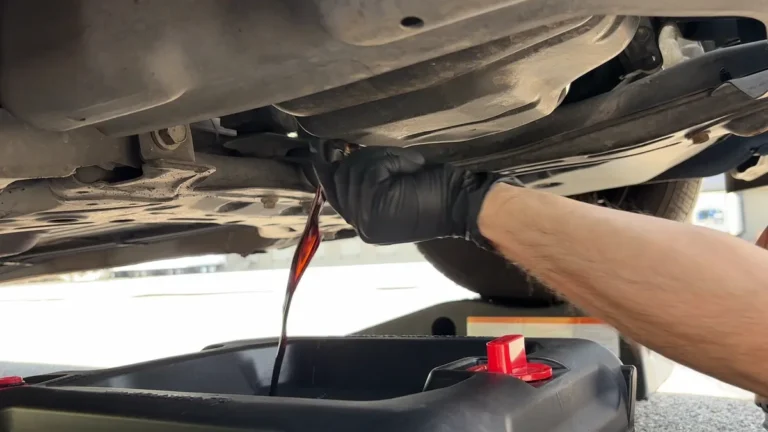
Drain and inspect the old oil
Remove the filler cap before opening the drain plug. That reduces the chance of oil escaping through the crankcase ventilation system.
Open the plug slowly and let the oil drain into the pan. Inspect the old oil for:
- Fuel odor
- Coolant contamination
- Metallic particles
- Water
- Heavy sludge
- Unusual discoloration
Color alone doesn’t diagnose a fault. A fuel odor or coolant contamination needs investigation.
Inspect the drain-plug threads and washer. Replace the washer when specified. Don’t use sealant unless the manufacturer requires it.
Install the correct filter
Use the specified filter or filter cartridge. Check the part number, gasket, and housing.
For a spin-on filter, clean the mounting surface and oil the gasket only if instructed. For a cartridge filter, inspect the housing and O-ring.
Cross-threading can cause an immediate leak. Don’t force a filter that doesn’t seat properly.
Install and torque the drain plug
Fit the plug by hand. Then tighten it to the manufacturer’s specified torque.
Too little torque can cause oil loss. Too much can damage the threads, plug, or sealing washer. If you can’t meet the specification, have a technician finish the job.
Wipe the area clean and check for tools or rags before starting the engine.
Fill with the specified amount
Use the exact oil you matched to the manual. Fit the plug to the specified flow position and replace the filter or prime the system as directed.
Use the manufacturer’s capacity and level procedure. Don’t fill to the top of the dipstick unless the manual says to.
Overfilling can cause aeration, foaming, inaccurate readings, and pressure changes. Underfilling can expose the engine to bearing and lubrication damage.
Check the level after circulation
Wait for the specified settling period. Some engines need a short drive to fill the filter and upper oil passages.
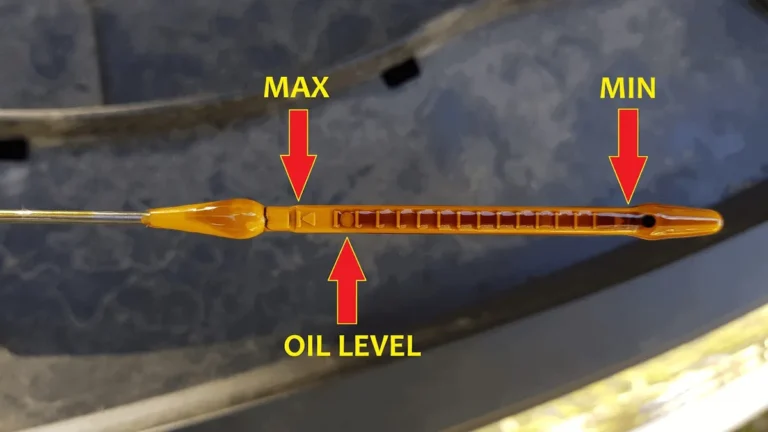
Check the level using the manufacturer’s method. Add oil only as directed. On many dipsticks, the maximum mark is a range endpoint, not a target.
Recheck after the first drive if the manual calls for it. A small level adjustment can be normal after a change. A large adjustment may point to an overfill, underfill, or consumption issue.
Reset the oil-life monitor
Reset the monitor after the oil and filter service is complete. Don’t reset it to hide an overdue interval or a malfunction message.
Use the owner’s manual for the instrument-cluster controls or dealer scan tool. Record the service before resetting it.
The monitor can track time, mileage, temperature, and driving patterns. It usually can’t confirm the oil’s viscosity, base stock, or OEM approval.
Watch for early warning signs
After the first drive, check for:
- A new oil spot
- Oil around the filter
- Oil at the drain plug
- A burning-oil smell
- Persistent pressure warning
- Excessive smoke
- A rising oil level
- Unusual engine noise
If the oil-pressure light returns, shut off the engine. Check the level only after stopping safely. If the light remains on, seek qualified service.
Recycle the used oil
Store used oil in a sealed container and take it to an approved collection point. Don’t pour it into soil, a storm drain, or a waterway.
Follow local rules for oil, coolant, and filter disposal. A clean oil change includes safe waste handling.
Common Mistakes That Can Undermine the Right Oil
Most oil mistakes come from skipping one requirement. The bottle can be right while the quantity, filter, interval, or installation is wrong.
Choosing by viscosity or color
A correct viscosity doesn’t prove quality or approval. A dark color doesn’t prove a mechanical problem.
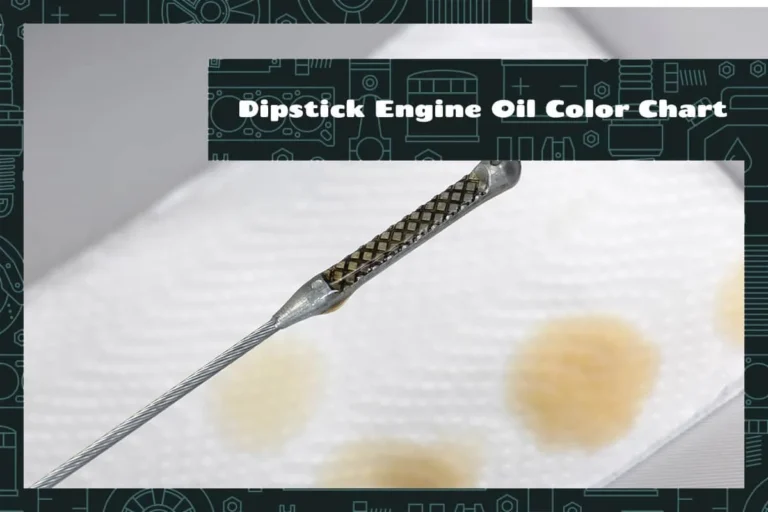
Check the grade, performance category, OEM approval, and base-stock requirement. Treat oil color as a basic visual observation, not a specification.
Confusing API licensing with OEM approval
An API license confirms that the oil meets an API category. It doesn’t mean the oil is approved for every vehicle.
A separate manufacturer code may still be required. Verify it on the label, licensing guide, or technical data sheet.
Treating high-mileage oil as a universal upgrade
High-mileage oil can be synthetic, blended, or conventional. It may target seals, deposits, and oxidation.
It won’t repair rapid oil loss, heavy smoke, coolant contamination, or worn piston rings. Confirm the condition and use the manual.
Adding unplanned additives
Oil already contains a selected additive package. Extra conditioner, thickener, flush, or friction treatment can change its behavior.
Use an additive only when a manufacturer, engine builder, or qualified technician gives a specific reason and procedure.
Mixing oils without a plan
A planned change between matching products is usually acceptable. An unplanned top-off with a wrong grade or category needs prompt correction.
Mixing doesn’t add a missing approval. It doesn’t turn conventional oil into fully synthetic oil. Record what you added and follow the manual’s correction guidance.
Extending the interval without approval
Synthetic oil can resist oxidation, but the interval still depends on the engine, oil, and driving pattern.
Use the normal or severe-service schedule in the manual. Don’t extend it because the bottle says long-life, premium, or advanced.
Ignoring consumption, leaks, and pressure warnings
A different oil won’t repair a failed pump, blocked filter, worn bearing, leaking gasket, or excessive oil consumption.
| Warning sign | First response |
|---|---|
| Rapidly falling level | Stop and investigate the source |
| Rising level | Check for fuel dilution or coolant contamination |
| Persistent smoke | Check the oil level and arrange diagnosis |
| Red oil-pressure light | Shut off the engine and check the level |
| New external leak | Inspect the filter, drain plug, pan, and seals |
| Fuel odor from the oil | Check fuel consumption and dilution |
| Sludge or varnish | Review service history and contamination |
Using the wrong capacity or filter
The correct oil can still fail if the engine is underfilled or overfilled. A blocked or incorrect filter can reduce oil flow.
Use the specified capacity, filter, drain-plug washer, and torque. A cartridge-filter housing can retain old oil, so inspect the O-ring and center opening.
Resetting the monitor after an incomplete service
Reset the oil-life monitor only after completing the service. Record the date, mileage, grade, category, and approval first.
A reset can hide an overdue interval. It doesn’t correct low pressure or fuel dilution.
Does Synthetic Oil Cost More or Last Longer?
Synthetic oil often costs more at purchase. It may also provide useful volatility and oxidation control. The correct product can be more expensive because it carries a required specification.
What changes the price?
| Factor | Effect on price |
|---|---|
| Synthetic base stock | Can cost more than conventional stock |
| Synthetic percentage | A blend may cost less than fully synthetic oil |
| Specialty viscosity | 0W-16 and other grades can have a smaller market |
| OEM approval | May limit the number of qualifying products |
| Diesel or low-SAPS formula | Can have specialized additive requirements |
| Package size | Bulk pricing may lower the unit cost |
| Region and retailer | Taxes, distribution, and competition affect the shelf price |
| Service channel | Dealer, independent shop, and retail prices can differ |
A cheaper oil without the required approval isn’t cheaper. A more expensive oil with the required approval may be the only compliant choice.
Does synthetic oil last longer?
Sometimes, but only when the manufacturer approves the interval. The engine, oil, and driving pattern still matter.
| Situation | Correct interval |
|---|---|
| Manufacturer requires synthetic oil | Follow the stated normal or severe schedule |
| Manufacturer approves an extended interval | Use that exact schedule |
| Synthetic oil is optional | Keep the normal interval unless extended use is approved |
| Short trips, towing, or long idling | Apply severe-service guidance |
| Fuel dilution or leakage | Diagnose rather than extending the interval |
A synthetic oil can age quickly when contaminated. Base stock doesn’t prevent fuel, coolant, or water from reducing its useful life.
How to compare the cost
Use a simple calculation:
Cost per mile = total oil-and-filter cost ÷ miles driven
Include the labor if you’re comparing service shops. If an approved interval changes the number of services, calculate each plan over the same mileage.
| Cost item | Include it when comparing |
|---|---|
| Oil | Use the same quantity and package basis |
| Filter | Include the required filter |
| Labor | Compare the same service scope |
| Service interval | Use only an approved interval |
| Fuel | Use your actual mileage and fuel economy |
| Top-offs | Include them if consumption is measurable |
Can synthetic oil reduce fuel costs?
A low-viscosity oil can reduce friction when the engine is designed for it. The effect varies with driving, tire pressure, vehicle condition, and fuel price.
Use your own numbers:
Annual fuel cost = annual miles ÷ fuel economy × fuel price
Compare the same vehicle before and after an approved oil change. Several short trips may not show a measurable difference. Longer highway drives can make fuel-economy changes easier to see.
A fuel-economy claim doesn’t replace a required low-SAPS or OEM approval.
Can synthetic oil reduce top-offs?
It may reduce evaporation in a healthy engine with aging seals. It can’t repair a worn ring, damaged guide, or failed seal.
Record oil added between changes. A consistent small amount may fit the manufacturer’s limit. Rapid loss, smoke, or a fuel odor needs diagnosis.
The value decision
- If the manufacturer requires synthetic oil, the decision is already made.
- If several approved products exist, compare price and availability.
- If the vehicle uses extended severe service, check the approved interval.
- If the engine is old and moderate-duty, conventional oil may be enough.
- If the product lacks a required approval, reject it regardless of price.
The right product protects the engine according to its design. A low price doesn’t offset a failed specification, and a high price doesn’t excuse using the wrong oil.
Final Decision Guide: Which Oil Should You Use?
Use the owner’s manual as the starting point. Match the oil, then consider condition and service history. The bottle label comes last.
Follow this decision tree
- Identify the engine by VIN, model year, fuel type, and engine code.
- Find the current manufacturer oil specification.
- Confirm whether fully synthetic oil is required, recommended, or optional.
- Match the exact SAE viscosity.
- Match the API, ACEA, or ILSAC category.
- Verify every OEM approval.
- Check the permitted base-stock category.
- Review leaks, consumption, sludge, and oil-pressure warnings.
- Choose the normal or severe-service interval.
- Record the product and service details.
If the manual requires fully synthetic oil
Use a fully synthetic product that meets the exact viscosity, category, and approval. Don’t substitute a blend or conventional oil.
If the exact product is unavailable, ask a dealer, manufacturer support channel, or qualified technician for an approved alternative.
If the manual allows synthetic or conventional oil
Choose any product that meets every requirement. Fully synthetic oil may offer useful cold-flow and volatility control. A blend or conventional formula can be valid when the manual permits it.
If several products qualify, compare price, availability, and your driving pattern.
If the manual allows only a synthetic blend
Use a blend with the exact viscosity, category, and approval. Don’t assume a fully synthetic bottle is automatically required.
Check the manual for any base-stock instruction and follow it.
If the engine is older
Use the specified grade and category. Age doesn’t make synthetic oil mandatory or conventional oil mandatory.
Consider a high-mileage formula if the engine is sound and the manual permits it. Diagnose leaks, oil consumption, and sludge before changing products.
If the engine consumes oil
Check the level and compare consumption with the manufacturer’s limit. Record the amount used between services.
If the rate is excessive, stop and investigate. A thicker oil may reduce a small amount, but it can cause cold-flow and pressure problems.
If oil pressure is low
Shut off the engine and check the level. If the warning remains, seek qualified service.
Possible causes include low oil, a failed pump, a restricted filter, internal leakage, a viscosity mismatch, aeration, or a sensor fault. Synthetic oil won’t repair a pump or a blocked gallery.
If the engine burns fuel into the oil
A rising oil level, fuel odor, smoke, or increased fuel consumption can point to fuel dilution.
Don’t keep adding oil. Ask for a diagnosis of the rings, guides, seals, and fuel-system condition.
If the engine is diesel
Match the diesel performance category, low-SAPS requirement, viscosity, and OEM approval. A gasoline oil with the same viscosity can still be wrong.
If the engine is modified or competition-only
Use the engine builder’s lubricant specification. Competition oil may have high volatility and limited street compatibility.
Follow the builder’s return-to-street procedure after track use.
Final pre-purchase checklist
Confirm every item before buying:
- Exact vehicle and engine
- Required SAE viscosity
- Required API, ACEA, or ILSAC category
- OEM approval
- Permitted base-stock type
- Low-SAPS requirement
- Energy-conserving requirement
- Oil quantity
- Filter specification
- Normal or severe-service interval
- Warranty requirements
- Product storage condition
- Used-oil recycling plan
| Situation | Decision |
|---|---|
| Fully synthetic required | Use the specified synthetic product |
| Several oil types allowed | Match all required specifications first |
| Older engine in sound condition | Use the specified standard or high-mileage oil |
| Mild seepage | Consider an approved high-mileage formula |
| Rapid oil consumption | Diagnose before changing viscosity |
| Diesel engine | Match diesel, low-SAPS, viscosity, and OEM requirements |
| Track use | Follow the engine builder’s guidance |
| Conflicting specifications | Stop and obtain written confirmation |
| Active oil-pressure warning | Shut off the engine and check the level |
The right oil is the one your exact engine can be shown to require. Match the viscosity, quality category, approval, capacity, and service interval. The synthetic label is only one detail in that decision.
Frequently Asked Questions
Does my car know whether it needs synthetic oil?
Some vehicles provide an oil-life monitor, but many don’t identify the oil’s base stock or approval. A monitor may track time, mileage, temperature, and driving patterns. It usually can’t tell you whether a bottle has the required OEM approval.
Use the VIN-specific manual and product specification. Reset the monitor only after a completed oil change.
Is synthetic oil better for older engines?
It can be, but age alone doesn’t decide. A fully synthetic oil that meets the exact viscosity, quality category, and OEM approval can protect an older engine well. High-mileage oil may help with mild seepage or aging concerns.
It won’t repair worn rings, damaged guides, or failed seals. Diagnose unusual oil use before changing the product.
Is synthetic oil bad for high-mileage vehicles?
No. High-mileage oil can be fully synthetic, synthetic-blend, or conventional. It is intended for higher-mileage service and may contain additives for seal condition, oxidation, or deposits.
Check the manual for the exact viscosity and approval. A high-mileage label won’t fix rapid oil consumption, heavy smoke, or coolant contamination.
Can I use 5W-30 instead of specified 0W-20?
Usually no. Use 5W-30 instead of 0W-20 only if the manufacturer explicitly permits it for the exact engine and conditions. The grades behave differently during cold starts and hot operation.
A thicker oil can slow flow, change oil pressure, increase fuel use, and affect emissions-system requirements.
Can I mix synthetic and conventional oil?
A planned change is usually acceptable if both products meet the same required viscosity, performance category, and OEM approval. A top-off should use the closest safe product and avoid overfilling. Mixing doesn’t add a missing approval or turn conventional oil into fully synthetic oil.
If a substantial amount of the wrong oil went in, follow the manufacturer’s correction procedure.
Does synthetic oil stop oil leaks or reduce consumption?
No. Synthetic oil may reduce evaporation and slow some seepage, but it can’t repair a failed gasket, seal, piston ring, or valve guide. Check the level and investigate rapid loss, heavy smoke, or oil near hot exhaust parts.
An approved high-mileage formula can be useful in a sound engine, but it isn’t a mechanical repair.