What Type of Motor Oil Does Your Car Need? A Complete Guide
If you are asking what type of motor oil your car needs, do not start with the brand on the shelf. Start with the vehicle owner’s manual. The manual tells you the oil viscosity and performance standard the engine was designed to use.
For many U.S. drivers, the choice can look simple until they see labels such as 0W-20, 5W-30, full synthetic, high mileage, API SP, or ILSAC GF-6A. Each term tells you something different. Understanding these labels can help you avoid buying the wrong oil or paying for features your vehicle does not need.

What Type of Motor Oil Does a Car Need?
The best answer to what type of motor oil a car needs is the oil grade approved by the vehicle maker. You should not choose oil based only on whether it is synthetic or conventional. Viscosity, engine design, emissions equipment, temperature range, and required oil standards all matter.
Your owner’s manual is the most useful source for this choice. Some vehicles allow more than one viscosity or oil type. Others call for one specific grade, especially newer engines with tight oil passages, turbochargers, or special emissions systems.

- ✦ Check the SAE grade
Look for the viscosity listed by the vehicle maker, such as 0W-20, 5W-20, or 5W-30.
- ✦ Check the performance standard
Look for the API, ILSAC, or other specification required for your engine.
- ✦ Check the oil type
Confirm whether the manual calls for full synthetic, synthetic blend, conventional oil, or another specific formulation.
- ✦ Consider the vehicle condition
Older engines with high mileage may have different needs, but a high-mileage oil should not replace the manufacturer’s required specification.
Why the Owner’s Manual Matters
The owner’s manual is more useful than a generic oil chart because it is written for your exact vehicle. It may also list different oil choices for different temperatures, engines, or service conditions.
If you cannot find the manual, check the vehicle maker’s official information for your exact model, engine, and model year. A small difference in engine type can change the correct oil requirement.
Understanding Motor Oil Viscosity
Viscosity describes how easily oil flows. Motor oil labels often use a format such as 5W-30. The first number, followed by the letter W, relates to cold-temperature performance. The second number describes the oil’s viscosity at higher operating temperature.
A lower winter rating generally means the oil can flow more easily during cold starts. The second number matters when the engine is hot. This is why you should not switch from one viscosity to another simply because the number looks thicker or thinner.

- ✦ 0W-20
This oil has a low winter viscosity rating and a 20-grade hot viscosity. It is common in many newer vehicles, but it should be used only when approved for the engine.
- ✦ 5W-20
This grade is designed for cold-start flow while maintaining a 20-grade viscosity at operating temperature.
- ✦ 5W-30
This is a common passenger-vehicle grade and may be specified for many engines, but the correct choice depends on the vehicle.
- ✦ 10W-30
This grade has a higher cold-temperature rating than 5W-30 and may be used in vehicles where the manufacturer allows it.
What Does the W Mean?
The W means winter, not weight. The number before the W helps describe how the oil behaves at low temperatures. This matters because engine oil must move through the engine quickly after startup.
Why Thicker Oil Is Not Always Better
A common mistake is assuming that thicker oil always protects an engine better. Modern engines are designed around specific oil flow and pressure needs. Using a thicker oil than the manufacturer allows can affect flow, fuel economy, and engine operation.
Synthetic vs. Conventional Motor Oil
When people ask what type of motor oil to buy, they often mean synthetic or conventional oil. These are different oil formulations, but the most important rule remains the same: the oil must meet the requirements for your engine.
Full synthetic oil is made through a more controlled refining and formulation process. It can provide strong performance across a wide temperature range and is widely used in modern vehicles. Conventional oil is still suitable for some engines when it meets the required specification.
- ✦ Full synthetic
Often offers strong low-temperature flow, high-temperature stability, and resistance to oil breakdown. Many newer vehicles specify it.
- ✦ Synthetic blend
Combines synthetic and conventional base oils. It can offer some benefits of synthetic oil at a different price point.
- ✦ Conventional oil
A traditional motor oil that can still work well in engines designed for it when the oil meets the required specification.
- ✦ High-mileage oil
Formulated for older, higher-mileage engines. It may include additives designed to help condition seals and manage common aging-engine concerns.
Is Synthetic Oil Better?
Synthetic oil has several technical advantages, but better does not mean universally required. If your vehicle maker specifies full synthetic oil, follow that requirement. If the manual allows conventional oil that meets the required standard, the key issue is meeting that specification.
What Are API and ILSAC Oil Ratings?
Motor oil labels also contain performance information. In the United States, the API, or American Petroleum Institute, system helps identify whether an oil meets certain performance requirements. Many passenger-car oils also carry an ILSAC specification.
These standards can change as engine technology changes. Newer standards are designed to address modern needs such as wear control, deposits, emissions-system protection, and fuel economy. Always compare the label with the standard listed in your vehicle documentation.
- ✦ API
The American Petroleum Institute develops and licenses oil performance categories and related marks used on many motor oil containers.
- ✦ ILSAC
The International Lubricants Specification Advisory Council develops specifications for many gasoline-engine oils, often with fuel economy and engine protection requirements.
- ✦ Oil certification mark
A certified oil may display a recognized mark on the container. Check that the oil matches the specification required for your vehicle.
Why Oil Standards Matter
Two bottles can have the same viscosity but different performance standards. That means 5W-30 on one bottle does not automatically make it identical to every other 5W-30 oil. The viscosity is only one part of the selection.
What Type of Motor Oil Is Best for Older or High-Mileage Cars?
Older engines may have different needs because seals, gaskets, and internal parts can wear over time. High-mileage motor oil is designed for engines with substantial mileage and may contain additives aimed at common aging-engine issues.
However, high-mileage oil is not a cure for a serious oil leak or mechanical problem. If your engine consumes oil quickly, leaves oil spots, produces blue exhaust smoke, or has low oil pressure, proper diagnosis matters more than simply changing oil types.
- ✦ Consider high-mileage oil
It can be useful for older engines when its viscosity and performance rating match the manufacturer’s requirements.
- ✦ Watch the oil level
Older engines may consume more oil. Check the level regularly and follow the vehicle maker’s instructions.
- ✦ Do not hide a leak
An oil additive or high-mileage formula should not replace inspection and repair when an engine has a significant leak.
How Climate and Driving Conditions Affect Motor Oil Choice
Temperature can affect oil flow, especially during startup. Drivers in very cold parts of the United States may need a lower winter viscosity when the vehicle maker allows it. Drivers in hot areas still need to follow the specified oil grade rather than choosing an oil only because the weather is warm.
Driving conditions also matter. Frequent short trips, heavy towing, long periods of idling, dusty roads, and severe heat can place different demands on an engine. Your owner’s manual may define these conditions as severe service and recommend a different maintenance schedule.
- ✦ Cold weather
The correct low-temperature viscosity helps oil flow during cold starts.
- ✦ Hot weather
Use the viscosity approved by the manufacturer. Do not assume a thicker oil is automatically safer in hot climates.
- ✦ Short trips
Frequent short drives can prevent the engine from reaching full operating temperature and may increase maintenance needs.
- ✦ Towing and heavy loads
Heavy loads can increase engine heat and stress. Follow the manufacturer’s severe-service guidance when applicable.
What Type of Motor Oil Should You Use in a Turbocharged Engine?
Turbocharged engines can place extra heat and stress on engine oil. For that reason, some turbo engines have specific oil requirements that differ from naturally aspirated engines in the same vehicle family.
If you drive a turbocharged vehicle, pay close attention to the exact oil specification. Do not choose oil based only on viscosity. The performance standard and manufacturer approval can be just as important.
- ✦ Follow the exact specification
Check the manual for the required viscosity and performance standard for the turbo engine.
- ✦ Use approved synthetic oil when required
Many modern turbocharged engines specify synthetic oil, but the vehicle documentation should determine the final choice.
- ✦ Keep up with oil changes
Fresh oil helps maintain lubrication and temperature control. Follow the vehicle maker’s service interval.
How Often Should You Change Motor Oil?
Oil-change intervals vary by vehicle, engine, oil type, driving pattern, and model year. Modern cars may use oil-life monitoring systems that estimate when service is needed. Older vehicles may use a mileage or time schedule.
Do not rely on one universal interval for every car. Check the maintenance schedule for your exact vehicle. If you tow, make many short trips, drive in extreme temperatures, or operate under other severe conditions, the schedule may be shorter.
- ✦ Follow the maintenance schedule
Use the service interval in the owner’s manual or the vehicle’s official maintenance information.
- ✦ Check the oil level
An oil change does not remove the need to check the level between services.
- ✦ Use the correct filter
The oil filter is part of the lubrication system. Use a filter that meets the vehicle maker’s requirements.
- ✦ Do not ignore warning lights
An oil pressure warning can signal a serious problem. Stop safely and follow the vehicle maker’s instructions rather than continuing to drive.
Common Motor Oil Mistakes to Avoid
Choosing what type of motor oil to use based on price, color, or a friend’s recommendation can lead to mistakes. Oil labels contain useful technical information, and that information should guide the purchase.
A simple habit can prevent most errors: check the manual before buying oil. Then confirm the viscosity and performance specification on the bottle.
- ✦ Choosing by brand alone
Brand reputation does not replace the need to match the required viscosity and specification.
- ✦ Assuming all synthetic oils are the same
Synthetic oils can have different viscosities and performance specifications.
- ✦ Using thicker oil without approval
A thicker oil is not automatically better and may not match the engine’s design.
- ✦ Ignoring the oil specification
Matching only the viscosity can miss other requirements that protect the engine and emissions system.
- ✦ Overfilling the engine
Too much oil can also cause problems. Add the amount listed by the vehicle maker and check the level correctly.
How to Read a Motor Oil Bottle
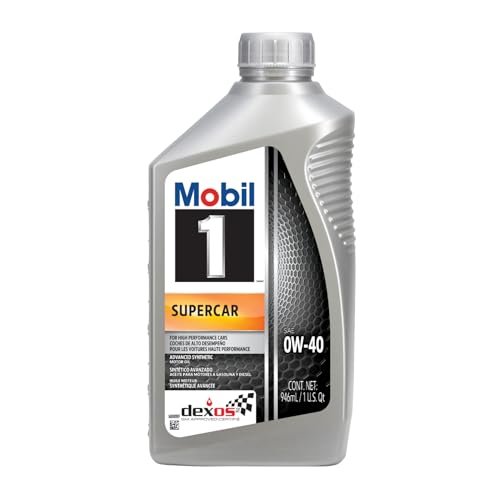
A motor oil bottle can look confusing, but the main details are easy to separate. Look for the SAE viscosity grade first. Then check the API or other performance specification and any manufacturer approval listed on the label.
For example, if your manual calls for a specific 0W-20 oil meeting a certain current specification, do not assume that any 0W-20 bottle is an exact match. Read the entire label before buying.
- ✦ SAE viscosity
This tells you the oil’s viscosity classification, such as 0W-20 or 5W-30.
- ✦ Performance category
This indicates whether the oil meets a relevant performance standard.
- ✦ Manufacturer approval
Some vehicles require oil that meets a specific automaker specification or approval.
- ✦ Oil type
The bottle may state full synthetic, synthetic blend, conventional, or high-mileage formulation.
What Type of Motor Oil Should You Buy at a U.S. Auto Parts Store?
U.S. stores often carry many oil grades and brands. This can make the choice feel harder than it is. The safest method is to write down the exact viscosity and specification before you shop.
You can then compare bottles that meet those requirements. Price, brand, synthetic formulation, and package size can be considered after you confirm that the oil is suitable for the engine.
- ✦ Step 1
Find your exact vehicle year, make, model, and engine.
- ✦ Step 2
Check the owner’s manual for the required oil viscosity.
- ✦ Step 3
Check the required API, ILSAC, manufacturer, or other oil specification.
- ✦ Step 4
Choose a bottle that clearly meets all required specifications.
- ✦ Step 5
Use the correct fill amount and follow the recommended oil-change procedure.