Synthetic vs Semi Synthetic Motor Oil Compared


Is Full Synthetic Motor Oil Good?
Yes. Full synthetic motor oil is an excellent choice for drivers who want strong protection across a wide range of temperatures. It suits many newer cars, SUVs, pickup trucks, and vehicles that face frequent stop-and-go traffic. It can also be a smart choice for drivers who deal with very cold winters or hot summer days. The key is to select the exact viscosity and performance rating listed in the owner’s manual.
Imagine leaving home before sunrise on a freezing January morning. Your engine needs oil that can flow through its parts soon after startup. Full synthetic oil often performs well in these conditions because its base oils and formulation can support good low-temperature flow. On the other end of the year, it can also resist heat-related breakdown well when the engine works hard.
For this comparison, I judge full synthetic by its published specifications, common use cases, and practical ownership value, not by an invented personal laboratory test. In the synthetic vs semi synthetic motor oil debate, full synthetic earns my top spot for drivers who want broad performance and are willing to pay more. Still, it is not automatically the best choice for every car. The required oil grade, engine design, driving conditions, and service schedule matter more than the label alone.
What Makes It Stand Out
- Engineered base oilsFull synthetic oil uses synthetic base stocks with carefully designed properties. These can help deliver steady performance under a range of operating conditions.
- Cold start performanceMany full synthetic formulas flow well at low temperatures when you choose the correct winter viscosity grade. This helps oil circulate during cold starts.
- Heat resistanceA well-formulated full synthetic oil can resist oxidation and heat-related thickening better than many conventional oils. Actual performance depends on the product and engine.
- Wear protectionDetergents, dispersants, antiwear additives, and other ingredients help limit deposits and protect moving parts when the oil meets the required specifications.
- Longer service optionsSome full synthetic products support longer oil change intervals when the vehicle maker allows them. Follow the owner’s manual and any oil-life monitoring system.
- Modern engine compatibilityMany full synthetic oils meet demanding specifications for turbocharged engines, direct injection, and other modern designs. Check the exact approval on the bottle.
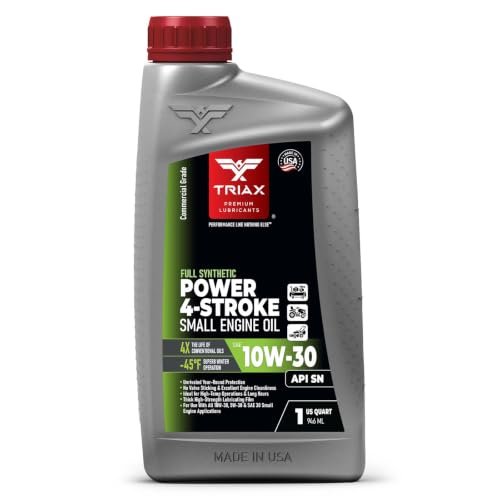
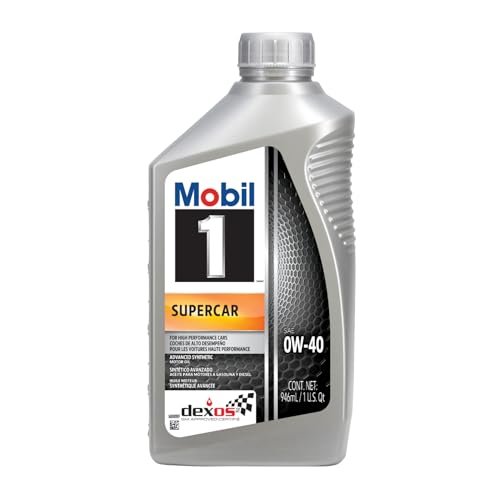
- Broad viscosity choicesFull synthetic oils come in many grades, such as 0W-20, 5W-20, 5W-30, and 0W-40. Use only a grade approved for your vehicle.
My Recommendation
Choose full synthetic if your vehicle requires it, if you drive in extreme temperatures, or if you often face heavy traffic and demanding trips. Compare the viscosity and approvals on the label before buying. The best oil is the one that meets your engine’s exact needs.
| Best For | Why |
|---|---|
| Newer cars and SUVs | Many modern engines call for specific synthetic oils and strict performance standards. |
| Cold or hot climates | Suitable full synthetic formulas can offer strong flow and stability across a wide temperature range. |
| Heavy daily driving | Frequent traffic, long trips, and high engine loads can make the added performance margin worthwhile. |
Is Semi Synthetic Motor Oil Good?
Yes, semi synthetic motor oil can be a good choice for drivers who want dependable everyday protection at a lower price. It blends synthetic base oil with conventional mineral base oil. The exact blend and performance vary by brand, so there is no single formula that represents every semi synthetic product. If the oil meets your vehicle’s required viscosity and performance standards, it may serve your engine well.
Think of a family sedan that spends most of its time on ordinary suburban trips. It may not face extreme cold, heavy towing, or intense track use. For a car whose manufacturer permits a suitable synthetic blend, semi synthetic oil can offer a practical balance between price and protection. It can also help reduce the cost of routine maintenance for owners who change their oil on schedule.
In the synthetic vs semi synthetic motor oil comparison, semi synthetic wins on purchase price in many cases. But a lower price is not a reason to ignore the owner’s manual. Some engines require full synthetic oil or a specific manufacturer approval. If that applies to your car, paying less for the wrong oil can be a poor trade. For an engine that allows a blend, however, semi synthetic can be a sensible everyday option.
What Makes It Stand Out
- Blended base oilsSemi synthetic oil combines synthetic and conventional base oils. The ratio can vary by product and does not always appear as a precise percentage on the label.
- Lower upfront costMany synthetic blends cost less than comparable full synthetic products. Actual savings depend on the brand, bottle size, retailer, and local prices.
- Everyday engine protectionA quality blend contains additives that help reduce wear, control deposits, and maintain lubrication when it meets the engine’s required specifications.
- Useful temperature performanceSuitable blends can handle normal seasonal conditions. Check the oil’s winter rating and operating-temperature requirements for your area and vehicle.
- Common viscosity optionsSemi synthetic products are available in popular grades such as 5W-20 and 5W-30, though availability varies by brand.
- Routine maintenance valueFor vehicles that permit synthetic blends, the lower purchase price can make scheduled oil changes more affordable without giving up basic modern oil protection.
- Easy retail availabilitySynthetic blends are commonly sold through auto parts stores, big-box retailers, service centers, and online shops. Verify the product specification before checkout.
My Recommendation
Consider semi synthetic oil if your owner’s manual allows it and you want to keep routine maintenance costs down. It suits many ordinary commutes and moderate driving conditions. Confirm the viscosity and specifications first, then follow the service schedule.
| Best For | Why |
|---|---|
| Budget-minded owners | A suitable synthetic blend can lower the upfront cost of an oil change. |
| Everyday commuting | It can provide dependable lubrication for normal driving when it meets the engine’s requirements. |
| Vehicles that permit blends | It offers a reasonable balance of price and performance when the manufacturer allows the selected oil. |
synthetic vs semi synthetic motor oil: Side-by-Side Test
The biggest difference between synthetic vs semi synthetic motor oil is the base oil blend and the performance the finished product can deliver. Full synthetic oil uses synthetic base stocks. Semi synthetic oil combines synthetic and conventional base stocks. Both rely on additives to control wear, deposits, corrosion, and other problems.
I would not judge either oil by price or the word synthetic alone. I would first check the owner’s manual, then compare the viscosity grade and the required industry or automaker specifications. The categories below show where each type may have an edge. Actual results depend on the oil formula and the engine.
1. Engine Protection: Which Wins?
Both types can protect an engine when they meet its required standards. Full synthetic often offers a wider performance margin under demanding conditions.
| Feature | Full Synthetic | Semi Synthetic |
|---|---|---|
| Everyday lubrication | Strong when correctly specified | Strong when correctly specified |
| High heat resistance | Often offers greater stability | Depends on blend and formula |
| Wear control | Uses antiwear additives and suitable base oils | Also uses antiwear additives |
| Deposit control | Can provide strong control | Can provide strong control |
⭐ Full Synthetic – 9/10 | Semi Synthetic – 8/10
Full synthetic has the edge for demanding use, but a suitable semi synthetic oil can protect an engine well during normal driving.
2. Cold Starts and Winter Driving
Oil must flow through the engine during startup. The first number and W in the viscosity grade describe cold-temperature performance, not whether the oil is synthetic.
| Feature | Full Synthetic | Semi Synthetic |
|---|---|---|
| Low-temperature flow | Often excellent in suitable grades | Varies by formula and grade |
| Freezing winter mornings | Strong option for approved cold-weather grades | Can work if the grade is suitable |
| Cold cranking performance | Must meet the grade’s test limits | Must meet the grade’s test limits |
| Best buying rule | Follow the owner’s manual | Follow the owner’s manual |
⭐ Full Synthetic – 9/10 | Semi Synthetic – 7/10
Full synthetic often wins in very cold weather, though the approved viscosity grade matters more than the label alone.
3. Heat and Heavy Loads
High engine temperatures can speed up oil oxidation. Drivers who tow, climb steep grades, or travel in extreme heat should pay close attention to oil specifications.
| Feature | Full Synthetic | Semi Synthetic |
|---|---|---|
| Oxidation resistance | Often strong | Varies by product |
| Long highway trips | A strong choice for approved use | Suitable for many normal trips |
| Towing and heavy loads | Often offers more performance margin | Check vehicle and oil requirements |
| Extreme operating conditions | Often the preferred option | May have fewer suitable choices |
⭐ Full Synthetic – 9/10 | Semi Synthetic – 7/10
Full synthetic takes the lead for severe service, but the correct manufacturer approval remains essential.
4. Price and Overall Value
Semi synthetic oil often costs less per quart. Full synthetic can still offer good value if the vehicle requires it or if its approved service interval suits your driving.
| Feature | Full Synthetic | Semi Synthetic |
|---|---|---|
| Purchase price | Usually higher | Usually lower |
| Routine maintenance budget | Higher upfront oil cost | Often easier on the budget |
| Cost per mile | Depends on approved interval and price | Depends on change frequency and price |
| Value for modern engines | Strong when required or beneficial | Only if the vehicle permits it |
⭐ Full Synthetic – 8/10 | Semi Synthetic – 9/10
Semi synthetic wins on upfront cost, while full synthetic may deliver better overall value when a vehicle needs its added performance.
5. Oil Change Intervals
Oil change timing depends on the engine, the oil’s approvals, driving conditions, and the maker’s service plan. Synthetic oil does not give every driver permission to extend an interval.
| Feature | Full Synthetic | Semi Synthetic |
|---|---|---|
| Potential extended intervals | Some products support them | Some products support defined intervals |
| Severe service | May still need shorter intervals | May need shorter intervals |
| Oil life monitor | Follow the vehicle’s instructions | Follow the vehicle’s instructions |
| Best practice | Use the manual and product label | Use the manual and product label |
⭐ Full Synthetic – 9/10 | Semi Synthetic – 8/10
Full synthetic has more products designed for extended service, but the vehicle maker’s schedule decides when you should change the oil.
6. Fuel Economy and Engine Efficiency
Oil affects friction, but the result depends on viscosity, engine design, and driving habits. A switch to synthetic oil does not guarantee a clear fuel economy gain.
| Feature | Full Synthetic | Semi Synthetic |
|---|---|---|
| Friction control | Can be very good | Can also be good |
| Fuel economy | May help when correctly specified | Results vary |
| Low-viscosity options | Widely available | Available in selected grades |
| Expected improvement | Not guaranteed | Not guaranteed |
⭐ Full Synthetic – 8/10 | Semi Synthetic – 7/10
Full synthetic may offer an efficiency advantage in some engines, but the correct approved viscosity matters most.
7. Modern Engine Compatibility
Modern engines may need specific oil standards to protect timing systems, turbochargers, emissions equipment, and other parts. Read the bottle closely.
| Feature | Full Synthetic | Semi Synthetic |
|---|---|---|
| Newer gasoline engines | Many suitable options | Only where approved |
| Turbocharged engines | Many products meet demanding needs | Must meet the exact requirement |
| Automaker approvals | Check each product label | Check each product label |
| Diesel applications | Use the required diesel specification | Use only if the manual permits it |
⭐ Full Synthetic – 9/10 | Semi Synthetic – 7/10
Full synthetic offers more choices for demanding modern engines, but neither oil type is suitable unless it meets the exact specification.
8. Availability and Ease of Buying
Both oil types are widely sold in the United States. The challenge is finding the right grade and approval rather than finding a bottle.
| Feature | Full Synthetic | Semi Synthetic |
|---|---|---|
| Auto parts stores | Commonly available | Commonly available |
| Online retailers | Broad selection | Broad selection |
| Viscosity range | Broad range | Varies by brand |
| Shopping priority | Match grade and approvals | Match grade and approvals |
⭐ Full Synthetic – 9/10 | Semi Synthetic – 9/10
This category is a tie. Both are easy to find, but not every product meets every engine’s needs.
Final Verdict: Which Should You Buy?
In the synthetic vs semi synthetic motor oil comparison, full synthetic is my overall winner for drivers who want strong cold-start performance, heat stability, and a wide choice of oils for modern engines. It is especially worth considering for severe driving conditions or vehicles that require it.
Semi synthetic is the better budget pick when your owner’s manual allows it and your driving stays within normal limits. It can offer reliable protection at a lower upfront cost. Neither oil can compensate for the wrong viscosity, poor maintenance, or a product that lacks the required approval.
My rule is simple: check the manual first, match the grade and specifications, then compare prices. Pay for full synthetic when your engine or driving needs call for it. Choose a suitable semi synthetic blend when it meets the requirements and helps you maintain a sensible service budget.