What Does SAE Mean in Motor Oil? A Simple Guide to Oil Viscosity Grades
If you have ever stood in an auto parts store and wondered what 5W-30, 0W-20, or 10W-40 means, you have already seen the SAE system. The short answer to “what does SAE mean in motor oil” is that SAE refers to the Society of Automotive Engineers, now called SAE International. Its J300 standard classifies engine oils by viscosity.
Viscosity is simply how easily a fluid flows. Thin oil flows more easily than thick oil. But engine oil must work across a wide range of temperatures. A car may sit outside on a cold winter morning and then run at very high engine temperatures minutes later. The SAE viscosity grade helps describe how the oil behaves across those conditions.
For U.S. drivers, the most important lesson is simple: do not pick motor oil by SAE number alone. Your owner’s manual or manufacturer service information gives the required viscosity and oil performance standard. A correct SAE grade helps the engine, but the right oil also needs the required specifications and approvals.
What Does SAE Mean in Motor Oil?
The answer to “what does SAE mean in motor oil” starts with the letters SAE. They refer to the Society of Automotive Engineers, an organization that develops technical standards for vehicles and many other engineering fields. In the oil world, SAE J300 defines engine oil viscosity grades.
SAE does not tell you that an oil is good or bad. It also does not tell you whether the oil is synthetic, conventional, or a blend. SAE mainly describes the oil’s viscosity behavior. The current SAE J300 classification focuses on rheological properties, which means how the oil flows under defined test conditions.
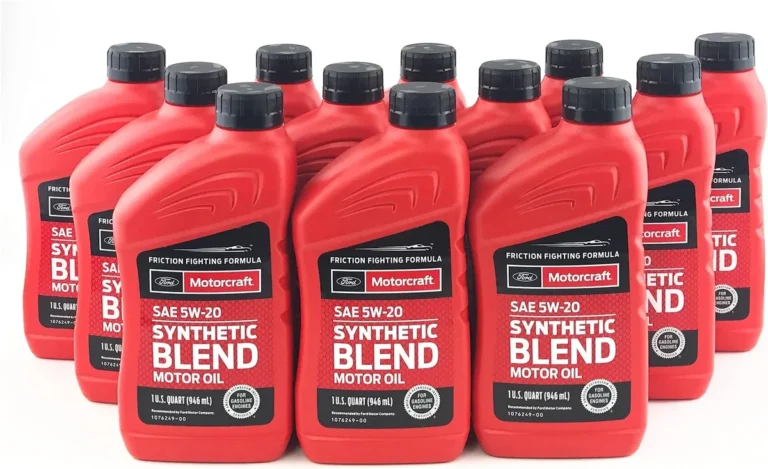
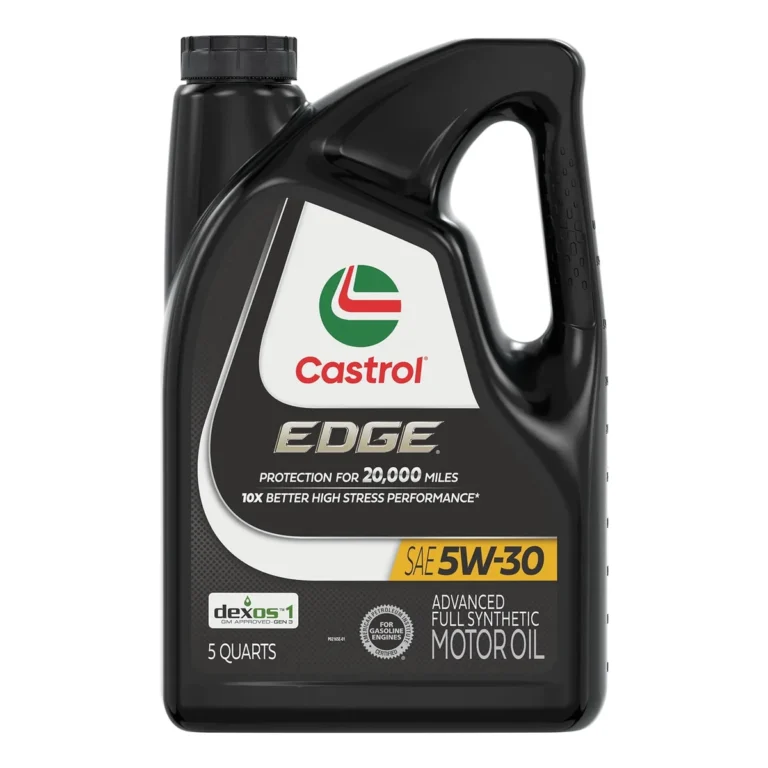
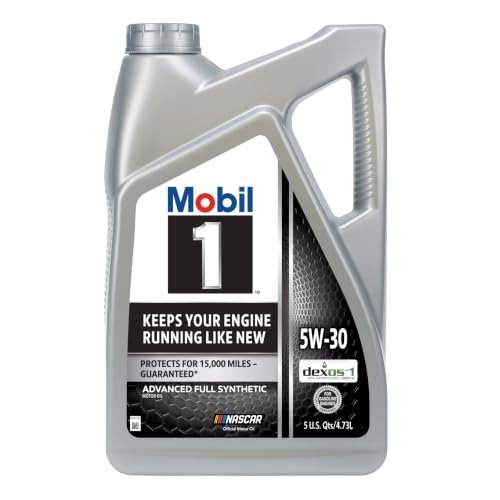
For example, an oil labeled SAE 5W-30 has a viscosity grade that covers both cold and hot conditions. The label gives useful information about flow behavior, but it does not replace the vehicle maker’s oil recommendation.
- ✦ SAE
Identifies the viscosity classification system used for engine oil.
- ✦ Viscosity
Describes how easily oil flows. Lower viscosity means easier flow under the same conditions.
- ✦ SAE grade
A number or combination such as 0W-20, 5W-30, or 10W-40 that describes oil viscosity behavior.
- ✦ SAE J300
The SAE standard used to classify engine oils by viscosity.
Does SAE Stand for Society of Automotive Engineers?
Yes. SAE originally stood for Society of Automotive Engineers. The organization is now known as SAE International, but the familiar SAE abbreviation remains widely used in automotive standards and oil labels.
When you see SAE on a bottle of motor oil, it does not mean the oil was made by SAE. It means the viscosity grade follows the SAE viscosity classification system.
What SAE Does Not Tell You
An SAE viscosity number does not measure the complete quality of an engine oil. Two oils can have the same SAE viscosity grade and still have different additive packages, performance claims, or manufacturer approvals.
That is why modern oil shopping requires more than checking the number on the front of the bottle. Check the owner’s manual for both the required viscosity and the required oil performance specification.
How SAE Oil Viscosity Grades Work
The easiest way to understand SAE motor oil is to look at a common grade such as 5W-30. This is a multigrade oil. The two parts describe different viscosity requirements under different temperature conditions.
The first part is followed by the letter W. The W means winter, not weight. The number before the W relates to the oil’s low-temperature viscosity performance. The number after the W relates to its viscosity at higher engine operating temperatures.
This system lets one oil serve in both cold starts and normal hot-engine operation. That matters because oil changes its flow behavior as temperature changes.
- ✦ The first number
The number before W describes the oil’s low-temperature viscosity class. A lower number generally indicates better cold-flow performance within the SAE system.
- ✦ The W
W means winter. It refers to the oil’s low-temperature classification rather than the word weight.
- ✦ The second number
The number after W describes the oil’s high-temperature viscosity class.
- ✦ Multigrade oil
An oil such as 5W-30 meets both a winter viscosity class and a high-temperature viscosity class.
What Does 5W-30 Mean?
5W-30 is one of the most familiar modern motor oil grades. The 5W portion describes the oil’s low-temperature viscosity class, while 30 describes its high-temperature viscosity class.
It does not mean the oil is literally a 5-weight oil when cold and a 30-weight oil when hot. The numbers are SAE viscosity classifications based on defined test methods. This distinction helps avoid a common misunderstanding about motor oil labels.
What Does 0W-20 Mean?
0W-20 is also a multigrade oil. The 0W rating indicates a low-temperature viscosity class designed for very good cold-flow performance, while 20 is the high-temperature viscosity class.
Many newer vehicles use low-viscosity oils because their engines and lubrication systems were designed around them. Using a thicker oil just because it seems more protective can be the wrong choice if the manufacturer specifies 0W-20.
What Does 10W-40 Mean?
10W-40 has a higher winter viscosity number than 5W-40 and a higher high-temperature viscosity number than 10W-30. That does not automatically make it better or worse.
The correct grade depends on engine design, temperature range, operating conditions, and manufacturer requirements. Older vehicles and some engines may call for grades such as 10W-40, while many newer vehicles use lower-viscosity oils.
SAE Oil Viscosity Chart: Common Grades Explained
A viscosity chart can make SAE motor oil labels much easier to understand. Common passenger-car grades include 0W-16, 0W-20, 0W-30, 0W-40, 5W-20, 5W-30, 5W-40, 10W-30, and 10W-40.
The important point is that the numbers should not be treated as a simple ranking from best to worst. A 5W-30 oil is not automatically better than a 10W-30 oil. The best choice is the grade the engine maker designed and approved for the vehicle.
- ✦ 0W-16
A very low-viscosity grade used in some engines designed specifically for it.
- ✦ 0W-20
A common low-viscosity grade used by many modern vehicles.
- ✦ 5W-20
A common multigrade used in many passenger vehicles, depending on manufacturer requirements.
- ✦ 5W-30
A widely used multigrade for many cars, trucks, and SUVs.
- ✦ 5W-40
A thicker high-temperature grade that is specified for certain engines and applications.
- ✦ 10W-30
A common multigrade that may be specified for certain engines and climates.
- ✦ 10W-40
A higher-viscosity multigrade used in selected vehicles and operating conditions.
Why Lower Numbers Are Not Always Better
It is easy to assume that a lower number means a better oil. That is not how the SAE system works. A lower viscosity can reduce fluid friction and help an engine meet its design goals, but the engine must be designed for that oil.
Modern engines often use tight clearances, advanced oil pumps, variable valve timing, turbochargers, and other systems that depend on the correct oil flow. Using a different viscosity can affect lubrication and system operation.
What Is the Difference Between SAE 5W-30 and 10W-30?
Both 5W-30 and 10W-30 have the same high-temperature viscosity grade: 30. The main difference is their winter viscosity classification. The 5W grade has a lower winter number than 10W, so it is classified for better low-temperature flow performance.
This difference can matter during cold starts. In a cold U.S. climate, especially in winter, oil that meets a lower W grade can flow more readily at low temperatures. But if your owner’s manual specifies 10W-30, do not switch simply because 5W-30 has a lower number.
The right decision comes from the vehicle maker’s instructions and the expected temperature range. Modern owner manuals often list one preferred grade and may list approved alternatives for certain temperatures or service conditions.
- ✦ 5W-30
Has a 5W low-temperature classification and a 30 high-temperature classification.
- ✦ 10W-30
Has a 10W low-temperature classification and the same 30 high-temperature classification.
- ✦ Key difference
The low-temperature viscosity class differs, while the high-temperature viscosity class is the same.
Why Motor Oil Viscosity Matters to Your Engine
Engine oil must move through small passages, reach moving parts, control heat, and maintain an oil film between surfaces. It must do this during startup and after the engine becomes hot. Viscosity is therefore a key part of engine lubrication.
When oil is cold, it becomes more resistant to flow. When oil gets hot, it becomes less viscous. Multigrade oils are designed to meet viscosity requirements across these different temperature conditions.
Using the correct viscosity helps the engine’s lubrication system work as designed. It can also support fuel economy, emissions performance, engine protection, and the operation of systems such as hydraulic valve lifters and variable valve timing, depending on the vehicle.
- ✦ Cold starts
The oil must flow through the engine soon after startup, even when temperatures are low.
- ✦ Hot operation
The oil must maintain suitable viscosity when the engine reaches normal operating temperature.
- ✦ Engine protection
The correct oil grade helps maintain the lubrication conditions the engine was designed to use.
- ✦ Fuel economy
Some modern engines are designed around lower-viscosity oils to reduce fluid friction and support efficiency goals.
Cold Weather and Motor Oil
Cold weather can make engine oil harder to move. This is especially important during startup because the engine needs oil to circulate quickly.
A lower W number generally represents a lower-temperature viscosity class. For drivers in very cold parts of the United States, the winter grade can be an important part of the vehicle maker’s oil recommendation.
Hot Weather and Motor Oil
Engine temperature rises far above normal outdoor air temperature. The second number in a multigrade oil describes its high-temperature viscosity class.
A higher second number does not automatically mean better protection. The engine manufacturer selects the viscosity range based on engine design, clearances, oil pressure, cooling, and other factors.
SAE Viscosity Is Not the Same as Oil Quality
One of the most important points in understanding what SAE means in motor oil is knowing what the SAE grade does not measure. SAE J300 classifies viscosity. It does not by itself certify the oil’s complete performance or additive quality.
Engine oil also has performance standards and specifications. In the United States, consumers may see API marks and service categories on the container. Depending on the vehicle, the oil may also need an ILSAC standard or a specific automaker approval.
This is why two bottles marked 5W-30 can have different intended uses or performance claims. The viscosity may match, but the required performance specification may not.
- ✦ SAE viscosity
Describes the oil’s viscosity classification.
- ✦ API category
Describes engine oil performance requirements and service categories for applicable engines.
- ✦ ILSAC standard
Defines additional performance requirements for certain passenger-car engine oils.
- ✦ Manufacturer specification
May require a specific approval or performance level beyond the SAE viscosity grade.
Why You Should Read the Entire Oil Label
A smart oil purchase starts with the owner’s manual. Look for the required SAE viscosity, API or ILSAC requirement, and any manufacturer-specific specification.
Do not buy an oil simply because the viscosity number looks right. The complete label should match the requirements for your particular engine.
How to Choose the Right SAE Motor Oil for Your Car
The safest way to choose motor oil is to follow the vehicle manufacturer’s recommendation. The owner’s manual is usually the best starting point because it is written for the exact engine family and model year.
If you drive an older vehicle, do not assume that a newer oil grade is automatically suitable. Oil recommendations can change between model years, engine versions, and markets. Check the exact engine and year before buying oil.
For U.S. drivers, temperature can also matter when the manufacturer gives a range of approved grades. A vehicle that operates in Minnesota in January may face very different cold-start conditions from one used in Florida. Even then, stay within the grades the manufacturer approves.
- ✦ Step 1: Check the owner’s manual
Find the recommended SAE viscosity grade for your engine.
- ✦ Step 2: Check the oil specification
Look for the required API, ILSAC, ACEA, or manufacturer specification when applicable.
- ✦ Step 3: Check the vehicle and engine
Make sure the recommendation applies to your exact model year and engine.
- ✦ Step 4: Consider climate
If the manufacturer allows more than one grade, use the listed temperature guidance for your driving conditions.
- ✦ Step 5: Follow the service schedule
Use the manufacturer’s oil-change interval and maintenance guidance.
Can You Use a Different SAE Grade?
Sometimes a manufacturer allows more than one viscosity grade. In that case, the manual may provide a temperature chart or other conditions for choosing among them.
If only one grade is listed, do not change it based on guesses about mileage, weather, or engine age. Ask the vehicle maker, a qualified technician, or consult the official service information for your exact vehicle.
Should High-Mileage Cars Use Thicker Oil?
A common belief is that an older engine always needs thicker oil. That is not a universal rule. Some high-mileage oils have special additive packages, but the SAE viscosity still needs to fit the engine’s requirements.
If an older engine burns oil, leaks oil, or has low oil pressure, the cause should be diagnosed instead of treating viscosity as a cure-all. A thicker oil may change symptoms in some cases, but it does not repair worn engine parts.
Common Mistakes People Make With SAE Motor Oil
Understanding what SAE means in motor oil can prevent several common maintenance mistakes. Many problems start when drivers treat viscosity numbers as a quality score instead of a classification.
Another common mistake is ignoring the oil performance specification. The SAE grade is important, but it is only one part of the information printed on a modern motor oil container.
- ✦ Choosing the thickest oil
Thicker is not automatically safer. The engine should receive the viscosity specified by its manufacturer.
- ✦ Choosing only by price
Price does not tell you whether an oil meets the required viscosity and performance standards.
- ✦ Confusing W with weight
The W means winter in the SAE multigrade notation.
- ✦ Ignoring the manual
Internet advice may be useful, but the vehicle manufacturer’s specifications should guide the final choice.
- ✦ Assuming all 5W-30 oils are identical
The same viscosity grade can appear on oils with different performance specifications and intended applications.
- ✦ Changing viscosity to fix an engine problem
Oil viscosity should not be used as a substitute for diagnosing leaks, oil consumption, low oil pressure, or mechanical wear.
SAE vs API: What Is the Difference?
SAE and API serve different purposes on a motor oil bottle. SAE tells you about viscosity, while API service categories describe performance requirements for applicable engine oils.
For example, a bottle may carry an SAE viscosity grade such as 5W-30 and also display an API service mark or category. These two pieces of information work together rather than replacing each other.
When choosing oil, check both. The SAE grade must match the viscosity requirement, and the performance specification must meet the requirement for the vehicle.
- ✦ SAE
Classifies engine oil viscosity.
- ✦ API
Defines and licenses applicable engine oil performance categories and quality marks.
- ✦ Vehicle manufacturer
Sets the oil requirements that apply to a particular engine and vehicle.
Does SAE Oil Grade Affect Fuel Economy?
Oil viscosity can affect mechanical friction and therefore can play a role in fuel economy. Lower-viscosity oils can reduce fluid friction, which is one reason modern engines may be designed around grades such as 0W-20 or 5W-20.
But using a thinner oil than the manufacturer recommends is not a safe fuel-saving strategy. The engine’s lubrication system, clearances, seals, cooling system, and emissions equipment are designed around specified oil requirements.
The practical rule is simple: use the lowest-viscosity grade that the manufacturer actually approves for your engine and conditions. Do not choose a grade solely because its number looks more fuel-efficient.
- ✦ Lower viscosity can reduce friction
Some engines are designed to use lower-viscosity oils to support efficiency.
- ✦ Engine design matters
The correct viscosity depends on the engine’s design and lubrication system.
- ✦ Follow the specification
Fuel economy should never be pursued by ignoring the manufacturer’s oil requirements.
A Practical Example: Reading a 5W-30 Oil Bottle
Imagine you are shopping for oil for a modern gasoline-powered car. The manual says the engine requires SAE 5W-30 and an applicable API or ILSAC specification. You find several bottles labeled 5W-30 on a store shelf.
The first thing to check is the SAE grade. If it says 5W-30, the viscosity matches. Next, check the API, ILSAC, or manufacturer specification listed by the vehicle maker. If the performance requirement does not match, the oil may not be the right choice even though the viscosity is correct.
This example shows why understanding what SAE means in motor oil is useful but not enough by itself. SAE answers the viscosity question. The complete oil specification answers the larger question of whether that oil is suitable for the engine.
- ✦ First check
Confirm the SAE viscosity grade.
- ✦ Second check
Confirm the required performance category or manufacturer specification.
- ✦ Final check
Make sure the product is intended for your engine type and follows the vehicle maker’s maintenance requirements.