What Brand of Motor Oil Is the Best: Best Guide
When you ask “what brand of motor oil is the best,” the confusing part is that every brand claims to win. The honest answer is simpler: the correct specification matters more than the logo. Mobil 1, Castrol EDGE, Shell Helix, Valvoline, and AMSOIL can all fit the same engine when they match its viscosity and approvals.
Your manual may call for a Society of Automotive Engineers (SAE) 0W-20 grade. It may also require European Automobile Manufacturers' Association (ACEA) C3 or Ford WSS-M2C913-D approval. As of 2026, no label wins every engine class.
Start with the factory specification, then compare only the products that meet it.
What Brand of Motor Oil Is the Best
Quick Answer
When asked what brand of motor oil is the best, follow the factory specification. Compare only oils with the required viscosity, category, and approval. Leading options include Mobil 1, Castrol, Shell, Valvoline, and AMSOIL.
No brand wins every engine, climate, or service schedule. Break any tie with testing, availability, packaging, and price.
What Makes One Motor Oil Better Than Another?
A better motor oil is one that meets the engine's requirements and protects it under the conditions where you drive. Brand reputation matters, but it comes after fit, testing, and manufacturer approval. A famous label can be wrong for your car.
A less familiar label can be right on every technical requirement.
What does fit mean for an engine oil?
A proper fit means the oil matches the required viscosity, performance category, approval, application, and quantity. The application may include the fuel type, engine design, emissions equipment, and expected duty cycle.
| Requirement | What it controls | Why it matters | What to verify |
|---|---|---|---|
| SAE viscosity grade | Oil flow across temperatures | Affects cold starting, oil pressure, pumping losses, and consumption | Exact grade listed by the manufacturer |
| Performance category | Laboratory and engine-test performance | Covers wear, deposits, oxidation, and compatibility | API, ACEA, JASO, or another required category |
| OEM approval | A defined lubricant specification | Protects engines with specific design sensitivities | Full approval code on the label or official listing |
| Base-oil type | The underlying chemistry | Influences volatility, oxidation resistance, and temperature behavior | Product data sheet, not marketing language |
| Additive package | Detergents, dispersants, wear protection, and friction control | Controls deposits, corrosion, seals, and emissions compatibility | Specification and manufacturer documentation |
| Packaging quality | Seal, storage, traceability, and tamper protection | Reduces contamination and degradation | Unbroken seal, readable label, and reputable seller |
An Original Equipment Manufacturer, or OEM, approval is especially important on engines with tight bearing, timing-chain, turbocharger, or emissions-system requirements. An oil can meet a general API category without meeting an OEM approval. It can also carry the correct SAE grade but use additive levels the engine designer did not approve.
Does the oil brand tell you anything useful?
Yes, but only after the specification. A major brand usually provides batch traceability, licensed performance testing, clearer documentation, and more stable retail supply. Those controls help protect consistency, but they don't prove that every bottle suits every engine.
The decision order should be:
- Vehicle manufacturer specification
- Exact OEM approval or lubricant database
- Product data sheet and technical documentation
- API license or ACEA conformity information
- Manufacturing and retailer reputation
- Marketing claims and customer ratings
The order can change when an engine uses an obsolete specification. Documented compatibility, inspection results, and sensible severity limits may then matter more than a modern claim. The correct viscosity and an oil suitable for the engine's condition still come first.
How does cold-start protection work?
Cold-start protection comes from the oil's ability to flow quickly and form a lubricating film before wear begins. That matters most when the engine sits overnight, the vehicle is used mainly for short trips, or temperatures fall sharply.
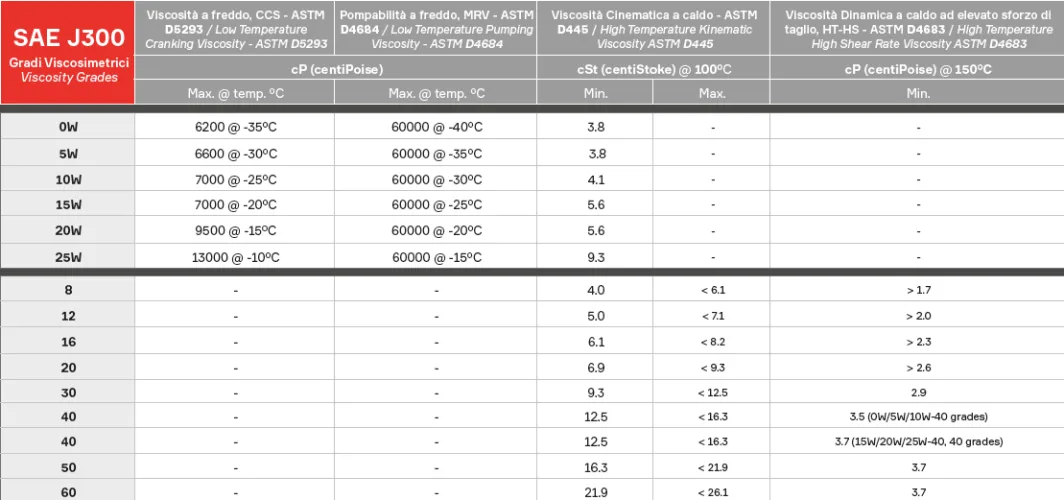
The “W” in a grade such as 0W-20 refers to winter behavior. The number before W relates to cold-cranking viscosity. The number after W represents kinematic viscosity at 100°C, which reflects hot-flow behavior.
A 0W oil must also meet modern pumpability expectations. This is especially important for engines with narrow oil passages, oil-cooled pistons, timing chains, or turbocharger feeds. A low cold number isn't useful if the oil can't reach the parts that need it.
Cold flow is particularly relevant to:
- Timing chains and tensioners
- Turbocharger oil feeds
- Narrow oil galleries
- Oil-cooled pistons and bearings
- Long periods between starts
Using an oil outside the approved cold grade can increase startup wear or delay lubrication. Using a grade that's too fluid at operating temperature may prevent the required oil film from staying in place.
The best cold-weather oil isn't automatically the lowest number. Use the grade approved for your engine and any conditions attached to that approval. Some manufacturers approve 0W-16 only for specific engines, markets, or service conditions.
Does the viscosity label predict hot-engine protection?
No. The SAE grade gives useful flow information, but it doesn't reveal oxidation resistance, deposit control, additive balance, or shear stability. An oil rated 5W-30 doesn't act like a simple bottle of 30-weight oil.
Relevant properties include:
- Kinematic viscosity: Resistance to flow at a stated temperature
- High-temperature viscosity: Flow behavior at engine operating temperatures
- Viscosity index: How viscosity changes across a temperature range
- Shear stability: Resistance to viscosity loss under mechanical stress
- High-temperature, high-shear viscosity: Also called HTHS viscosity
- Volatility: How readily the oil evaporates during use
HTHS viscosity is one measured property, not a universal quality score. It can affect oil-film strength and is part of certain industry or OEM specifications. An engine with an oil-pressure requirement still needs the complete approval.
Two oils with the same SAE grade can behave differently. Their base oils and additive packages may affect viscosity, evaporation, and oxidation. Without technical data, you're comparing labels rather than finished performance.
How do oxidation resistance and volatility affect an oil?
Oxidation resistance determines how well the oil resists chemical breakdown. Volatility determines how readily it leaves through evaporation, blow-by, or hot exhaust. Both become more important with long drain intervals, high loads, elevated temperatures, fuel dilution, and strong airflow under the hood.
Total base number, or TBN, is one measure of the oil's remaining acid-neutralizing reserve. It comes mainly from the detergent package. A high TBN doesn't guarantee long oil life or describe every aging process.
Volatility is often discussed through the NOACK laboratory test. NOACK measures mass loss from a thin oil film under controlled heat and airflow. It's useful for comparing evaporation tendencies, but it isn't a perfect prediction of every engine.
Oil consumption also depends on seals, piston rings, oil level, combustion conditions, and engine condition. If an engine burns oil rapidly, changing brands won't repair worn rings or a damaged seal.
Severe service can increase chemical and mechanical stress. Examples include repeated cold starts, towing, heavy payloads, extended idling, dusty roads, and sustained high-speed driving. The correct oil may still need a shorter drain interval under those conditions.
How do wear and corrosion protection work?
Engine oil must support both hydrodynamic and boundary lubrication. Hydrodynamic lubrication uses a complete oil film to separate surfaces. Boundary lubrication allows controlled contact when the film thins.
Good protection depends on several connected factors:
- The correct viscosity at operating temperature
- Adequate oil pressure and flow
- A balanced antiwear package
- Correct filter performance
- Proper oil level
- Control of fuel dilution and contaminants
- Stable additives over the drain interval
Phosphorus compounds such as zinc dialkyl dithiophosphate, commonly called ZDDP, can form a protective film on some metal surfaces. More is not always better because catalytic converters and other emissions components can be sensitive to phosphorus.
Moisture can enter through condensation, a leaking gasket, or repeated short trips. Additives neutralize acidic combustion products and protect metal surfaces. An oil change cannot repair an active leak or remove heavily contaminated oil.
If the same oil degrades unusually fast, investigate the cause before extending the interval. Cooling faults, fuel dilution, low oil level, and filter problems can all accelerate contamination.
What do deposit-control additives actually do?
Deposit-control additives clean, suspend, and neutralize combustion products. Detergents help control varnish and sludge. Dispersants keep particles suspended so the filter and sump can remove them.
Direct-injection gasoline engines can create intake-valve deposits. Turbocharged engines may also face piston deposits and low-speed pre-ignition, or LSPI, under particular conditions. Current gasoline performance categories test more of these risks than older standards, but the engine design and approval still control the decision.
The right deposit-control balance depends on the engine. A fuel-economy oil may contain lower levels of certain additives. That can be correct for a modern engine and wrong for another design needing stronger high-temperature protection.
Don't judge deposit performance by color. Fresh oil isn't always bright, and darkening can be useful or harmful. Used-oil analysis can measure oxidation, fuel dilution, soot, water, and wear metals more directly.
Are more additives always better?
No. A complete oil already contains additives for several jobs. Extra zinc, copper, boron, detergents, or friction modifiers can upset compatibility, emissions control, seal behavior, or the approved formula.
High-mileage oils may include seal conditioners. These can reduce seepage in some eligible engines by conditioning polymer seals slightly. They don't replace a dried seal, cracked hose, scored cylinder, or mechanical oil consumption.
Engine flushes can also create problems. A cleaning product may loosen deposits and produce sludge. Routine changes with the correct oil normally offer a more controlled solution.
How to Read SAE Viscosity, API, ACEA, JASO, and Factory Approvals
A viscosity grade and a performance category answer different questions. SAE J300 describes oil flow across temperatures. API, ACEA, JASO, and OEM standards describe tested performance or an approved application.
Reading the bottle becomes easier once you separate those jobs. Confirm the viscosity first. Then confirm the performance category.
Finally, verify any OEM approval and product specifications.
What do 0W-16, 0W-20, 5W-30, and 5W-40 mean?
These numbers describe viscosity at cold and hot reference temperatures. They don't show whether an oil is good, clean, advanced, or approved for your engine.
| SAE grade | Cold behavior | Hot number | Where it may be specified | Key warning |
|---|---|---|---|---|
| 0W-16 | Very low cold-cranking viscosity | 16 | Some gasoline and hybrid engines | Use only when that exact grade is approved |
| 0W-20 | Low cold viscosity | 20 | Many newer gasoline engines and hybrids | It isn't a universal economy grade |
| 5W-20 | Moderate cold behavior | 20 | Many light-duty trucks and SUVs | Confirm cold-weather suitability |
| 5W-30 | Moderate cold behavior | 30 | A broad range of gasoline engines | It isn't correct for every engine |
| 5W-40 | Higher hot viscosity | 40 | Some older or heat-exposed engines | May increase pumping losses and fuel use |
| 10W-30 | Limited cold performance | 30 | Some warm-climate or older specifications | May flow too slowly during severe cold |
The 5W-30 and 5W-40 labels don't mean one is simple 30-weight oil and the other simple 40-weight oil. Multigrade polymers allow one formula to meet several reference temperatures. Shear stability and temperature behavior still matter.
Some manuals list one approved grade. Others allow a range. If several grades appear, use one the manufacturer lists for your engine, climate, load, and towing conditions.
Don't choose an unlisted middle grade.
Is the viscosity grade the same thing as oil quality?
No. Viscosity is one measured property. Oil quality also includes oxidation stability, deposits, wear, rust protection, foam resistance, seal compatibility, and exhaust-system compatibility.
A premium 0W-20 isn't automatically better than a correctly approved 5W-30. A conventional 5W-30 can be fully suitable when the manufacturer calls for it. The grade tells you how the oil should flow.
The performance specification tells you what tests the product must pass.
Changing base oil or additive chemistry can change how a multigrade oil behaves. A current product data sheet is more useful than an old service sticker. It should list the relevant properties and specifications.
What does an API category tell you?
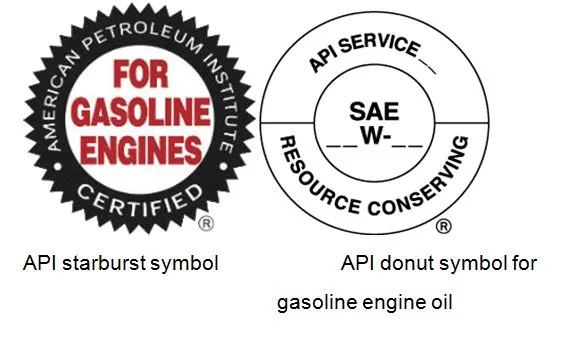
The American Petroleum Institute, or API, uses licensed gasoline categories such as API SQ and API SP. Diesel categories include API CK-4, FA-4, and CJ-4, depending on the engine and application.
The API oil classification and licensing program confirms that a licensed product meets the relevant category. It does not confirm compatibility with a particular vehicle.
| System | What it covers | Example | What it does not prove |
|---|---|---|---|
| SAE J300 | Viscosity classification | 0W-20 or 5W-30 | Formula quality or vehicle approval |
| API | Lubricant performance categories | API SQ, SP, CK-4 | Approval for a specific car |
| ACEA | European oil sequences | ACEA C3 or A3/B4 | Approval for a non-European car |
| JASO | Japanese performance categories | JASO MA1 or MA2 | Compatibility without an OEM check |
| OEM code | A defined lubricant specification | dexos, Ford WSS, VW TL | Equivalence with every other code |
API SQ is a current gasoline performance category, while API SP remains common on vehicles already in service. A vehicle manufacturer may continue to specify an older category. Don't replace that requirement with a newer label unless the manufacturer permits it.
A performance license also doesn't make every oil in a category identical. Additive chemistry, base-oil blend, viscosity, and formulated performance can differ within the same category.
What do ACEA categories mean?
ACEA sequences organize oil requirements for European engines. Letter groups indicate broad application and aftertreatment needs. The number identifies the exact sequence.
Common groups include:
- ACEA A and B: Gasoline engines, generally at higher SAPS levels
- ACEA C1: Low-SAPS gasoline oil for certain aftertreatment systems
- ACEA C2: Mid-SAPS gasoline oil for certain aftertreatment systems
- ACEA C3: Low-SAPS diesel oil
- ACEA C4: Mid-SAPS diesel oil
- ACEA C5: Mid-SAPS diesel oil with fuel-economy characteristics
SAPS stands for sulfated ash, phosphorus, and sulfur. These values relate to combustion residues and the protection of catalytic converters, diesel particulate filters, and selective catalytic reduction systems.
ACEA sequences continue to evolve. Check the issue year printed on the product and the sequence required by the vehicle manufacturer. Older guidance can remain correct for a vehicle already in service.
Low SAPS isn't automatically better for every engine. Some engines depend on higher levels of friction and wear additives. Emissions-system requirements and engine design must both be considered.
What do JASO MA1 and MA2 mean?
The Japanese Automotive Service Standards Association, or JASO, defines oil categories used in Japanese-market vehicles. JASO MA1 is associated with low-SAPS gasoline oils. JASO MA2 is commonly associated with mid-SAPS performance and friction modification.
These categories don't translate automatically into API or ACEA ratings. A Japanese vehicle may also need a company-specific approval from Toyota, Honda, Nissan, Mazda, Subaru, or Mitsubishi. Follow that document instead of converting one rating into another.
A JASO category alone doesn't prove compatibility with a North American version of the same model. The engine and emissions system may differ.
What does an OEM approval actually mean?
An OEM approval means the manufacturer accepts oil meeting a defined specification, test standard, and viscosity. The code may cover chemistry, test results, additive limits, and properties beyond a general performance category.
Common approval families include:
- GM dexos specifications
- Ford WSS-M2C913-D and related Ford codes
- Chrysler MS.6395
- BMW Longlife and LL-04 specifications
- Mercedes-Benz MB 229.51 and MB 229.52
- Volkswagen Group TL specifications
- Toyota and Honda oil specifications
Approvals are specific. An oil can carry one Ford code and not another. It may meet an approval at one viscosity but not another.
Never transfer an approval from another engine, model year, or powertrain.
Approvals can also be withdrawn or superseded. Old forum posts and archived service records may name an oil that no longer holds the same approval. Check current product documentation and the OEM database.
How do approved, recommended, compatible, and meets differ?
These words indicate different levels of commitment. A technical approval listing carries more weight than a general compatibility claim.
| Label language | Practical meaning | What you should do |
|---|---|---|
| Approved | The OEM accepts the exact specification | Match the full code and viscosity |
| Recommended | The OEM lists the oil as a suitable option | Confirm grade, category, and conditions |
| Compatible | A supplier claims the product should work | Verify against official documentation |
| Meets | The product claims to satisfy a test or specification | Check the exact standard and test basis |
“Recommended” isn't a weaker approval code. It's a different relationship. A manufacturer may recommend several oils while requiring one exact specification for certain engines.
“Compatible” is often a supplier statement. When a vehicle requires an exact code, use that code. Marketing wording can't replace the manufacturer's lubricant database.
Which standards matter most in each region?
The United States and Canada often use SAE viscosity, API categories, and domestic OEM approvals. Europe and the United Kingdom rely more heavily on ACEA sequences and European OEM codes. Japanese-market vehicles often use JASO categories and company-specific approvals.
A 0W-20 oil isn't automatically accepted elsewhere because it's common in North America. A European approval doesn't replace a Ford WSS code. A JASO category doesn't replace a Toyota specification.
The local market doesn't change the vehicle's design requirements. Use documentation for the exact model, market, and production date. Availability is a separate issue.
What should you check on an oil container?
Start with the product name and viscosity. Confirm the label states the required performance category or approval. Check the gasoline or diesel application and any SAPS classification.
Then inspect the volume, closure, and container condition. The seal should be intact, and the label should be readable. Check the manufacturer, batch information, and seller against the documented product.
Sealed retail packaging offers better contamination and tamper protection than unverified bulk oil. A bulk seller should identify the exact product, approval, storage conditions, and traceability.
Don't buy first and read the back panel later. An oil change is too cheap to justify guessing when the specification takes minutes to verify.
Full Synthetic, Synthetic Blend, Conventional, and Specialty Oils Compared
The oil type matters less than the specification, but it changes price, chemistry, and available approvals. Full synthetic, synthetic blend, and conventional oil can all suit the same engine if the manufacturer allows each one.
A full-synthetic bottle can be the wrong grade. A conventional bottle can be fully correct. Approval comes first, followed by base oil, tests, and price.
How do API base-oil groups work?
API base-oil groups describe the source and chemistry of the underlying base stock. They are not a universal quality ranking.
| API group | Base-stock type | Typical traits | Common use |
|---|---|---|---|
| Group I | Mineral oil | More variability and higher sulfur | Conventional formulas |
| Group II | Hydroprocessed mineral oil | Improved oxidation and purity performance | Conventional and synthetic-blend formulas |
| Group III | Hydroprocessed or hydroisomerized oil | High viscosity index and good oxidation behavior | Blends and many synthetic formulas |
| Group IV | Polyalphaolefin, or PAO | Broad temperature range | Premium synthetic formulas |
| Group V | Esters and other synthetic base stocks | Strong low-temperature and additive-solvency properties | Premium, specialty, and racing formulas |
Group III isn't the same as Group IV. Group III is hydroprocessed oil, while PAO is a synthetic polymer base stock. Many full synthetics use Group III, Group IV, or both.
A manufacturer may also use Group V stocks in a finished formula.
The finished product matters more than one base stock. Two oils with similar base oils can have very different additive packages, volatility, oxidation resistance, and deposit control.
Full synthetic oil
Full synthetic oil is made with synthetic base stocks or a blend that meets the maker's full-synthetic definition. Common stocks include PAO, esters, and highly processed Group III oils.
Full synthetic is most attractive when the manufacturer offers an approval in that product type. It can also suit an engine that benefits from lower volatility or strong low-temperature performance. Those benefits depend on the finished formula and test results.
| Potential strength | Where it can help | Limitation |
|---|---|---|
| Broad temperature control | Cold starts and hot-running engines | Doesn't guarantee the right viscosity |
| Low volatility | Long hot-weather or high-load intervals | Consumption can still come from seals or rings |
| Oxidation resistance | Long or severe service when approved | Doesn't automatically extend the drain interval |
| Shear stability | Sustained high-load operation | Must still meet the complete engine specification |
| Seal compatibility | Some older or high-mileage engines | Additives vary by product |
The main drawback is price. Full synthetic often costs more at purchase. That matters less if it provides the exact approval, lower documented volatility, or another measurable benefit.
“Full synthetic” doesn't mean luxury. A correctly approved blend may suit the same engine and a tighter budget. A full synthetic without the required approval remains wrong.
Synthetic blend oil
A synthetic blend mixes synthetic and mineral base stocks. Common examples include Group II oil combined with Group III or PAO. A blend can have excellent performance when its finished formula meets the required specification.
Choose a synthetic blend when:
- The manufacturer permits it for your engine.
- The exact blend carries the needed OEM approval.
- The purchase and service cost matter.
- Its documentation shows suitable volatility, oxidation, and wear performance.
A blend may cost less than a comparable full synthetic. It can also have different low-temperature, volatility, and oxidation characteristics. Those differences are formula-specific.
The word “blend” doesn't identify a fixed recipe. Don't assume one brand's blend equals another's. Compare the exact product and its documentation.
Conventional oil
Conventional oil is made mainly from mineral base stocks, usually Group I or Group II. Modern Group II oil can be uniform, well-refined, and fully suitable for many engines. “Conventional” isn't a synonym for poor quality.
Conventional oil can be the right choice when:
- The owner's manual permits it.
- The exact product has the required category or approval.
- The engine is older and doesn't require synthetic-only protection.
- The service history supports the specified interval.
Its main advantage is upfront cost. It also gives buyers a wider price range. Possible tradeoffs include more volatility or batch variation, depending on the base stock and refining process.
You can't judge those traits from the word “conventional.”
Check the product data sheet and test information. A well-made Group II formula may be more consistent than a weak premium claim.
High-mileage oil
High-mileage oil is a formulation aimed at engines with higher mileage. It isn't one specific viscosity or base-oil group. The product may be conventional, synthetic blend, or full synthetic.
Most high-mileage formulas emphasize:
- Seal conditioners for minor seepage
- Additional antiwear protection
- Oxidation resistance
- Detergents for deposit control
- A viscosity commonly selected for older engines
Seal conditioners can condition polymer seal materials. They may reduce light seepage in an eligible engine. They can't repair a hardened seal, cracked hose, scored cylinder, or consumption caused by worn piston rings.
High mileage isn't a repair plan. If the engine burns oil, inspect the condition before changing viscosity. A thicker approved oil may manage light seepage.
It won't fix the mechanical cause.
Don't assume high-mileage oil meets an emissions-system requirement. Some older engines need mid- or high-SAPS oil, while newer engines may need low SAPS.
Diesel passenger-car and low-SAPS oil
Diesel engine oil has different detergent, viscosity, and emissions requirements from many gasoline formulations. It may need stronger soot control, high-temperature stability, or compatibility with aftertreatment hardware.
Heavy-duty categories such as API CK-4 and FA-4 cover specific applications. They aren't general substitutes for passenger-car diesel oil. A CK-4 oil may suit a heavy-duty engine but fail to meet a low-SAPS passenger-car specification.
Diesel Passenger Car, or DPC, oils can have very low SAPS levels. These formulas may be required for engines using a diesel particulate filter or selective catalytic reduction system. Too much sulfur, phosphorus, or ash can contribute to aftertreatment problems.
Low SAPS doesn't automatically mean better. Catalysts and particulate filters need controlled ash deposition. An engine without those systems may depend on higher SAPS levels for wear and friction protection.
Check these items before buying diesel oil:
- Gasoline or diesel application stated on the label
- Exact viscosity required by the manufacturer
- API, ACEA, JASO, or OEM approval
- SAPS category
- DPF, SCR, or other aftertreatment compatibility
- Low-SAPS versus mid-SAPS or high-SAPS requirements
Diesel rule: Match the engine, viscosity, emissions system, and OEM specification. Never choose diesel oil by SAPS level alone.
Major Motor Oil Brands and Product Families Compared
No motor-oil company leads every engine class. A brand earns confidence through consistent formulation, licensed testing, clear documentation, tamper-resistant packaging, and stable supply. The exact product still needs to meet your engine's specification.
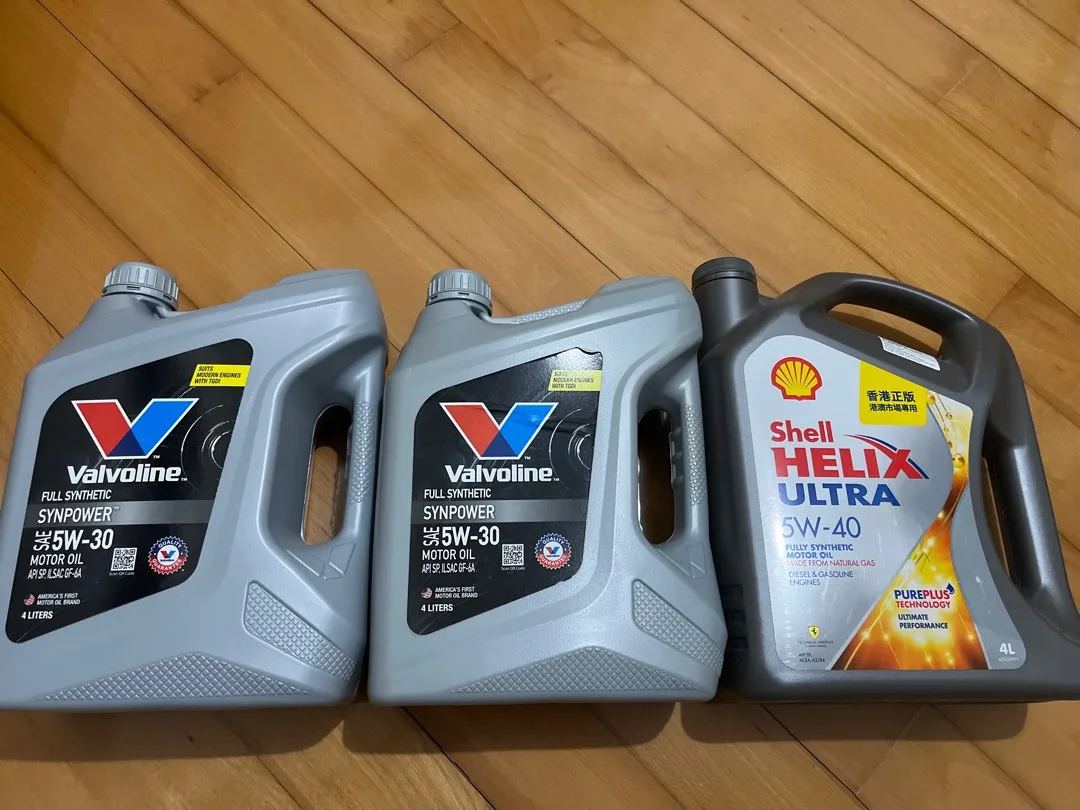
The brands below offer different retail reach, OEM approvals, synthetic portfolios, and specialist applications. Their formulas vary by country and product line. A favorable review of one product doesn't apply to every bottle with a similar family name.
| Brand or family | Portfolio strength | Often practical for | Main point to verify |
|---|---|---|---|
| Mobil 1 | Broad synthetic and blend range | Drivers comparing widely available specifications | Exact viscosity and OEM approval |
| Castrol EDGE and BP Ultimate | Broad international specification coverage | European, global, and cross-park comparisons | Local formula and required approval |
| Shell Helix and Pennzoil Platinum | Broad retail and service availability | Many gasoline and diesel applications | Exact grade and market-specific formula |
| Chevron Supreme+ | Broad U.S. portfolio with synthetic options | Mainstream retail comparisons | Required approval and oil type |
| Valvoline | Retail and professional service presence | Conventional, blend, and synthetic buyers | Exact bottle specification |
| AMSOIL | Synthetic and enthusiast-focused range | Owners seeking a synthetic formulation | Approval match, not brand reputation |
| Royal Purple | Premium synthetic positioning | Selected synthetic applications | Availability of the required approval |
| MOTUL 8100 | Internationally oriented synthetic range | Drivers needing European or global specifications | Local availability and OEM code |
| Red Line and Liqui Moly Top Tec | Specialist and OEM-oriented portfolios | Specialty or region-specific applications | Compatibility and exact approval |
| TotalEnergies, Petronas, Repsol | Strong regional portfolios | Drivers outside each company's home market | Formula sold in your country |
| OEM-supplied brands | Direct specification alignment | New vehicles and warranty-sensitive owners | Cost and whether the specification is mandatory |
Mobil 1
Mobil 1 covers full synthetics, synthetic blends, and conventional grades in many markets. Availability is also broad in North America, making it easy to compare several exact-specification options.
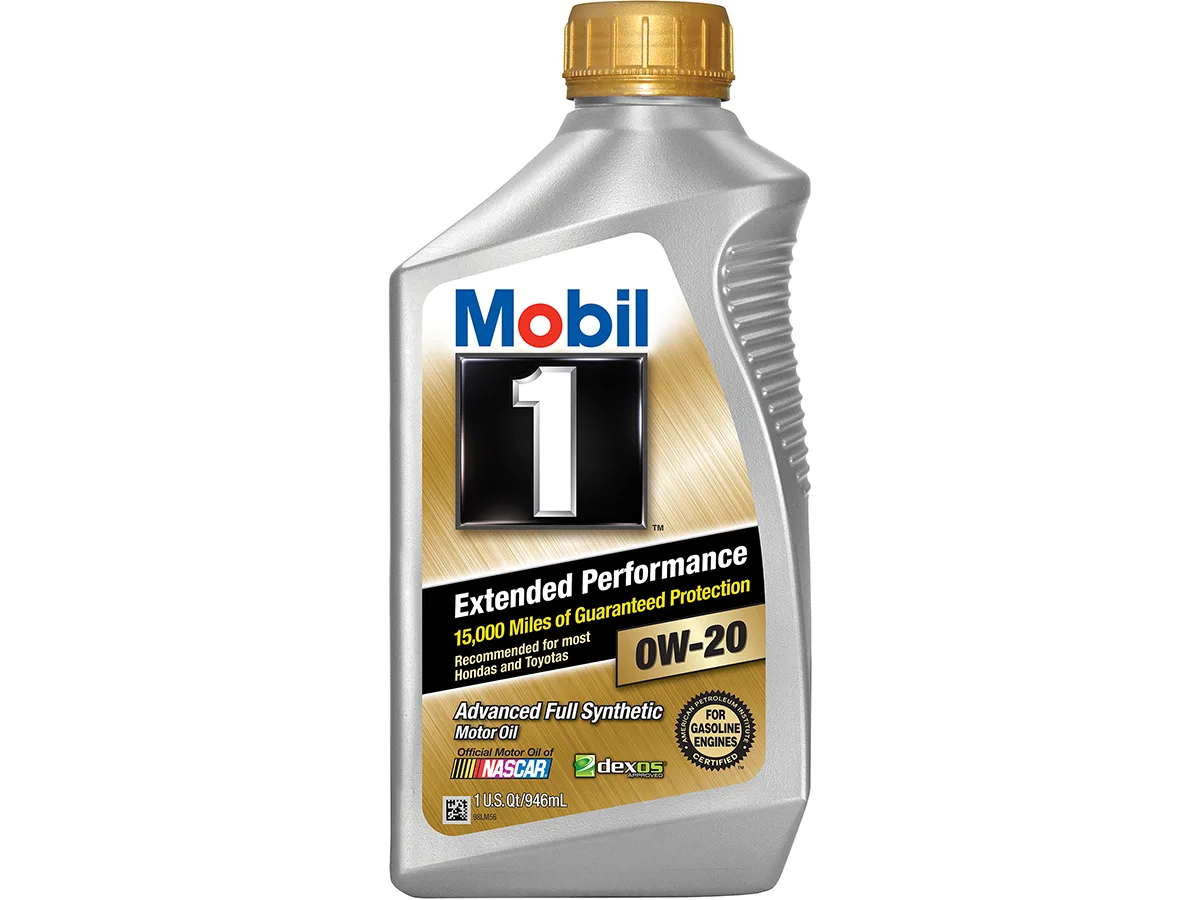
It's a practical candidate when your required specification appears in more than one product. Mobil 1 ESP, Mobil 1 Extended Performance, and other named formulas have different specifications.
Compare the exact product name, viscosity, approval, and quantity. Don't treat every Mobil 1 bottle as interchangeable.
Castrol EDGE and BP Ultimate
Castrol EDGE has a broad international portfolio designed for many viscosity and OEM combinations. BP Ultimate covers some markets under a different brand, while Castrol Magnatec targets several specified applications.
This family can suit drivers who want a widely documented product with European or global approvals. Availability depends on the country and engine. A grade sold in the UK may differ from a product with a similar name in the United States.
Confirm the ACEA sequence, OEM code, and viscosity printed on the exact container. Packaging and brand recognition don't prove approval.
Shell Helix and Pennzoil Platinum
Shell Helix covers conventional, synthetic-blend, and full-synthetic products. Pennzoil Platinum offers another Shell-owned portfolio, especially in North America.
This family is often practical for owners who want several specification options at mainstream retailers. Some vehicles have dedicated Shell or Pennzoil approvals, but many owners can choose other brands meeting the same code.
Product names and formulas vary by application. The oil type and approval code are more useful than the shelf price.
Chevron Supreme+
Chevron Supreme+ covers conventional, synthetic-blend, and full-synthetic options in the U.S. market. It's often convenient for owners who want a familiar retail brand and several possible viscosity grades.
The range includes products aimed at different OEM applications. You still need the exact bottle, not just the family name. A Chevron Supreme+ oil with one approval won't automatically meet another manufacturer's code.
It works well as a mainstream comparison option. Check your engine's requirements first, then compare any qualifying product by documented tests, quantity, and cost.
Valvoline
Valvoline has a broad retail and professional-service presence in the United States. Its portfolio covers conventional, synthetic-blend, and full-synthetic products.
That makes it easy to compare a qualifying Valvoline product with other brands in the same viscosity and approval class. It's also a familiar option at many service locations and quick-lube outlets.
Ask for the exact product, grade, quantity, and approval before accepting a service. The owner should confirm that the oil used matches the vehicle's requirements.
AMSOIL
AMSOIL is strongly associated with synthetic lubricants and enthusiast applications. Its range includes passenger-car oils, diesel oils, and specialty fluids.
A synthetic product may be logical for an engine designed around long drain intervals or demanding temperatures. That doesn't mean every AMSOIL product supports every long-interval claim. Follow the engine maker's schedule unless the manufacturer documents otherwise.
Confirm the exact bottle before changing brands. Synthetic chemistry and enthusiast reputation don't replace an OEM approval.
Royal Purple
Royal Purple is known for premium synthetic lubricants and a motorsport heritage. That background makes the name attractive to performance-minded owners.
Motorsport history doesn't make a passenger-car oil right for every engine. High-mileage engines, emissions systems, and OEM additive requirements can rule out an otherwise impressive formula.
The exact specification comes first. Local availability is the next practical concern. Don't assume a similar viscosity is an approved substitute.
MOTUL 8100
MOTUL 8100 is an internationally oriented passenger-car synthetic range. Depending on the market, it includes products aimed at multiple ACEA sequences and OEM specifications.
MOTUL 8100 can be relevant where its required approval is readily available. The exact grade remains essential. A 0W-20, 5W-30, and 0W-40 version aren't interchangeable because they share the 8100 name.
Consider it when the exact product provides a documented specification unavailable from nearby brands. Otherwise, a mainstream product meeting the same requirement may offer better value.
Red Line and Liqui Moly Top Tec
Red Line and Liqui Moly have different portfolios, even if some retailers carry them in the same specialty category. Red Line is known for synthetic and motorsport-oriented fluids. Liqui Moly Top Tec includes products developed around several OEM specifications.
Liqui Moly Top Tec can include oils aimed at German vehicle specifications and other exact approvals. Verify the current code because formulas and market availability can change.
Red Line products need careful application checks. A racing or specialist formula may not meet a modern passenger-car emissions requirement. Use it only when the manufacturer approves the exact product.
TotalEnergies Quartz, Petronas Syntium, and Repsol
TotalEnergies Quartz, Petronas Syntium, and Repsol have strong regional portfolios and OEM relationships in different markets. Their exact products can be sensible choices where approvals and supply are strongest.
A European formula may not appear under the same name or grade in North America. Confirm the local label, viscosity, and OEM approval rather than relying on an overseas product page.
These brands aren't automatically secondary choices. They are strong candidates when the exact formula meets your engine's specification and provides good local availability.
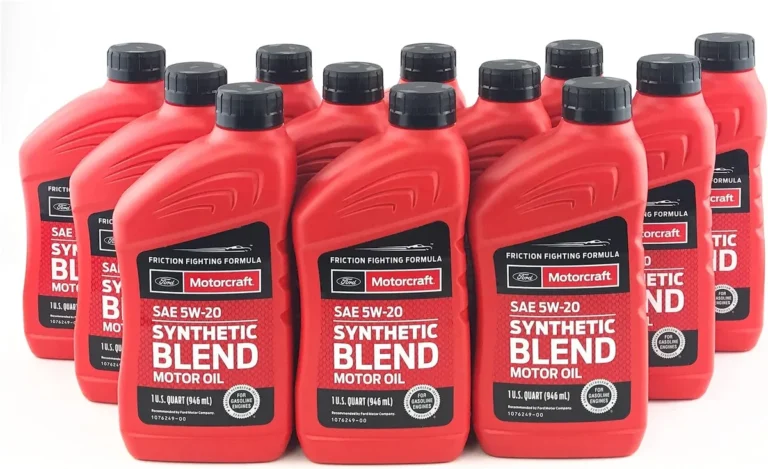
Ford Motorcraft, GM Genuine, and other OEM-supplied oils
OEM-supplied oils include Ford Motorcraft, GM Genuine, Toyota Genuine Oil, Honda and Acura, Nissan Genuine, Mazda Genuine, BMW Genuine, Mercedes-Benz Genuine, and Volkswagen Group products. Availability varies by market and vehicle.
They're often easy to match because they were specified or approved for a particular application. That convenience can come with a higher dealer price. Some manuals specify an approval rather than a single brand, while others name an oil directly.
“Genuine” doesn't always mean it's the only oil that preserves coverage. Read the warranty language. If the manual gives an exact approval code, any oil meeting that specification may qualify.
How to compare each brand fairly?
A fair comparison uses products that already pass the same non-negotiable requirements. Start with the required viscosity. Then lock the performance category, OEM approval, oil type, and quantity.
A fair comparison includes these steps:
- Get the exact requirement. Check the manual, engine label, service record, and current OEM lubricant database.
- Exclude mismatches. Remove any product with the wrong viscosity, category, approval, or application.
- Normalize the package. Compare advertised fluid volume, not bottle height.
- Review published data. Compare volatility, oxidation, wear, deposits, HTHS, and compatibility when available.
- Check availability. A special approval that's unavailable locally may not be practical.
- Calculate real cost. Divide the shelf price by the advertised quarts or litres.
- Confirm the seller. Buy from a source that protects packaging and product traceability.
- Record the change. Note the product, grade, approval, mileage, date, filter, and quantity.
Suppose two products share the same 0W-20 grade, OEM approval, and application. Then you're comparing manufacturing consistency, testing, availability, and price. That's a useful comparison.
Comparing an exact approval against a vague premium claim isn't fair.
How to Choose the Right Bottle: A Seven-Step Workflow
Use this order whenever you buy oil. Start with the vehicle, then lock down the viscosity, approval, oil type, and quantity. Brand and price come last.
Step 1: Identify the exact engine, fuel type, and model year
Start with the VIN, engine code, fuel type, and build date. A model name or tailgate badge isn't enough because trim names and engine options can vary within one year.
Check the VIN plate, registration document, fuel-door label, or manufacturer database. A dealer or parts counter can decode it if the paperwork is missing.
Pay attention to these details:
- Gasoline, diesel, or hybrid powertrain
- Naturally aspirated or turbocharged engine
- Exact displacement and engine code
- Model year and production date
- Aftermarket engine, turbo, or tuning changes
- Market where the vehicle was built or sold
A performance trim may use a different turbocharger, oil cooler, piston design, or emissions system. A VIN-based parts lookup can identify the original configuration.
An aftermarket turbo or engine-control tune can also change oil-flow and heat requirements. Get a lubricant recommendation based on the modified engine if bearing load, boost, or exhaust emissions have changed.
Step 2: Check maintenance records and the factory specification
The best source is the current document for your exact vehicle. Use several sources when the manual is generic or the service history is unclear.
| Source | Confidence | Best use |
|---|---|---|
| Dashboard oil specification | High when supported | Quick confirmation of grade and category |
| Under-hood oil information label | High | Engine-specific viscosity and category |
| Owner's manual | High | Approved grades, capacities, and intervals |
| Manufacturer lubricant database | High | Current approvals and superseded codes |
| Service invoice or oil-change record | Medium | Previous fill and maintenance history |
| Dealer or qualified service department | High when the VIN is supplied | Obsolete or unclear specifications |
| Oil container and product data sheet | Medium | Confirms what you're buying, not engine fit |
| Forum post or social media | Low | Leads only, never final proof |
Check the manual for the exact viscosity. Then look for an API, ACEA, JASO, or OEM approval. Some manuals give an approval code without explaining every technical detail.
Service records show what a previous shop used. They may also reveal oil consumption, leaks, or recurring faults. A record saying “full synthetic” is incomplete without the grade and approval.
If records are missing, give the VIN to a dealer or lubricant specialist. Ask for the current oil specification and any superseded approvals. Don't use a specification from a similar model year.
Step 3: Confirm the required SAE viscosity grade
Use the exact SAE grade listed for your engine. If the manufacturer gives a range, choose only a grade inside that range and follow any listed conditions.
These are common examples:
- A manual specifies SAE 0W-20. Use an approved 0W-20 product.
- A manual specifies SAE 5W-30. Don't substitute 0W-20 because it's a modern thin grade.
- A manual permits SAE 0W-20 or 5W-30. Follow its climate, load, and towing guidance.
- A manual specifies 5W-40 for sustained heat. Don't assume 5W-30 offers equal protection.
Don't average two approved grades and choose the number between them. A 3W-25 doesn't exist merely because a manual lists 0W-20 and 5W-30.
A lower cold number isn't automatically better. A higher hot number isn't automatically more protective. Both parts of the multigrade formula must stay inside the approved range.
Step 4: Match the performance category and OEM approval
The performance category is the second lock on the correct bottle. After confirming viscosity, verify the API, ACEA, JASO, or OEM requirement for your engine.
Suppose your manual calls for 0W-30 plus Ford WSS-M2C913-D approval. A 0W-30 from another brand is only a candidate if that exact product carries the required Ford approval.
If the manufacturer gives no OEM code, use the specified industry category. That may be an API gasoline category, an ACEA sequence, or another listed standard.
| What the label says | What it means | How to use it |
|---|---|---|
| Exact OEM approval code | The product meets a defined OEM specification | Match the code and viscosity |
| “Approved for” a specification | The maker accepts that product for the application | Verify the exact container |
| “Recommended for” a specification | The maker lists it as a suitable option | Confirm grade and current status |
| “Meets” a performance category | The product claims compliance with that category | Check the issuing body's listing |
| “Compatible with” an engine | A supplier compatibility claim | Seek stronger official confirmation |
| No recognizable standard | Very limited technical information | Don't buy it for a sensitive engine |
An API license doesn't replace an OEM approval. An ACEA sequence doesn't replace a BMW, Mercedes-Benz, Volkswagen, Ford, or GM code.
Approval codes can also be viscosity-specific. A manufacturer's document may approve 0W-20 and 5W-40 while leaving another grade unlisted. This matters with fuel-economy specifications that restrict hot viscosity.
If the manual names a product, follow that direction. If it gives a full approval specification, another brand may qualify when it carries the same approval. Verify current documentation first.
Step 5: Choose the oil type allowed for the vehicle
Choose a full synthetic, synthetic blend, conventional, high-mileage, or diesel formula only if the manufacturer permits it. A premium oil type can't correct a wrong approval.
Use this decision path:
- If the manual requires a specific synthetic, use that type and approval.
- If it allows conventional oil, a qualifying conventional formula may save money.
- If it lists high-mileage oil, use the stated grade and quantity.
- If the engine is older and the manual permits several types, compare technical data.
- If the engine is diesel, use a formula approved for that diesel application.
- If the emissions system requires low SAPS, don't choose by viscosity alone.
A high-mileage oil doesn't become necessary at a fixed mileage. Some owners use one because the manufacturer recommends it. Others have a suitable engine that never needs that formulation.
If an older engine has light seepage, confirm that the oil level and fuel system are correct. A high-mileage formula may help with minor seal seepage, but only within the approved viscosity and SAPS category.
Step 6: Verify the product, packaging, and seller
Verify the product before paying for it. Check the technical documentation, official listings, package condition, and seller reputation.
A sound verification routine includes:
- Match the full product name on the container.
- Match the viscosity and performance category.
- Match the exact OEM approval code.
- Review the current product data sheet.
- Check the API license or ACEA conformity information when applicable.
- Confirm that the oil suits the engine and fuel type.
- Inspect the seal, cap, label, and container for damage.
- Check batch or traceability information.
- Buy from a reputable retailer or service provider.
- Keep the receipt and product documentation.
Prefer sealed retail packaging when shopping by the bottle. It provides better contamination control and makes tampering easier to spot. Bulk oil can be legitimate through a trusted commercial supplier, but it requires more careful handling and records.
Be cautious with unusually low prices, unlabeled containers, and marketplace sellers. Counterfeit packaging can copy a familiar design while changing the contents or approval claims.
A bulk seller should identify the exact product, approval, batch, and storage conditions. “Same formula” without documentation isn't enough.
Step 7: Confirm the quantity and record the oil change
Use the engine's specified oil capacity, not its displacement or the bottle size. Measure to the required level and follow the manufacturer's checking procedure.
Capacity can depend on the sump, oil pan, filter, and optional secondary oil system. The engine code matters because capacity can vary within a model line.
Also confirm these service items:
- Correct oil filter
- Drain-plug washer, if specified
- Drain-plug torque requirement
- Oil capacity with the filter installed
- Any secondary fill point
- Inspection items due at the same service
- Oil-life monitor reset procedure
One-quart jugs often use a rounded container size. Check the advertised fluid volume inside. Don't assume every container marked one quart contains exactly one U.S. liquid quart.
Record the service immediately:
| Record item | Why it matters |
|---|---|
| Date and odometer reading | Establishes service timing |
| Oil brand and product name | Identifies the formula used |
| SAE viscosity grade | Confirms flow specification |
| API, ACEA, JASO, or OEM approval | Documents technical suitability |
| Full synthetic, blend, or conventional | Records oil type |
| Quantity added | Helps diagnose consumption |
| Filter part number | Completes the service record |
| Retailer or installer | Provides purchase and warranty support |
Resetting the service monitor doesn't replace this record. The monitor estimates time and use, while the invoice documents what was done.
Best Motor Oil by Vehicle, Engine, and Driving Situation
The best oil for a daily commuter isn't always right for a work truck, cold northern region, or track car. Match the product to engine design, emissions equipment, climate, load, and driving pattern.
| Vehicle or use case | Primary requirement | Best selection approach |
|---|---|---|
| New vehicle under warranty | Exact manual and OEM approval | Use the specified product or a documented equivalent |
| High-mileage gasoline engine | Approved grade, seal support, oxidation control | Compare approved high-mileage and conventional formulas |
| Older vehicle with missing records | Exact engine specification | Decode the VIN before buying |
| Turbocharged gasoline engine | Correct viscosity, thermal stability, oil-flow support | Follow the turbocharged engine's exact approval |
| Gasoline direct-injection engine | Deposit and LSPI protection | Use the specified API, ACEA, JASO, or OEM category |
| Hybrid vehicle | Gasoline-engine oil specification | Use normal engine oil unless the maker says otherwise |
| Diesel passenger vehicle | Diesel approval and correct SAPS level | Match the DPF, SCR, or other aftertreatment design |
| Cold-climate daily driver | Approved cold viscosity and pumpability | Use the maker's grade for local conditions |
| Towing or heavy-load vehicle | Approved grade under load | Follow towing and severe-service guidance |
| Stop-and-go driver | Fuel dilution and oxidation monitoring | Use the correct oil and consider shorter intervals |
| Track or competition car | Fluid designed for that use | Don't substitute ordinary passenger-car oil |
| Commercial fleet | Approved specification and consistent availability | Standardize products and track total cost |
New vehicles still under warranty
New vehicles under warranty need the exact oil named in the manual or warranty document. Dealer-supplied oil is the simplest route, but it isn't always the only qualifying option.
Check whether the manufacturer requires a brand or an approval code. Some manuals specify “use only genuine oil.” Others allow any oil meeting a defined viscosity, category, and approval.
Keep the invoice, oil details, and mileage record. Warranty coverage can depend on documented maintenance as well as the parts used.
An oil change performed before the scheduled distance can also affect required service coverage. Follow the manufacturer's time-and-distance conditions.
High-mileage and older engines
High-mileage engines need the correct viscosity, oxidation resistance, deposit control, and seal compatibility. A high-mileage formula is useful only when it meets the applicable approval.
Start by checking oil consumption. If the engine uses no oil between changes, a high-mileage product may offer little extra benefit. The normal approved oil may be enough.
If the engine consumes oil, find the cause before changing grade. Possible sources include:
- Worn piston rings
- Hardened valve guides
- Deteriorated piston rings
- Failed PCV valves
- Damaged cylinder-head gasket
- Aging crankcase seals
- Turbocharger seal leakage on applicable engines
A high-mileage oil canhelp with minor seal seepage. It can't repair worn rings or damaged seals. Light seepage can become oil starvation in a tight turbocharged engine.
For an older engine with an obsolete approval, contact a dealer or lubricant specialist. Ask for the current successor specification and any compatibility limits. Use a used-oil analysis if wear, consumption, or deposit symptoms are unclear.
Turbocharged, direct-injection, and hybrid vehicles
Turbocharged engines need oil that meets the maker's viscosity and thermal requirements. Turbo bearing feeds can be restrictive, so the wrong grade may not provide the required flow and pressure.
Direct-injection gasoline engines may also need specific deposit and wear protection. Some designs are sensitive to low-speed pre-ignition, or LSPI, under low-speed, high-load conditions.
A low-viscosity oil can be correct and protective when approved. Don't choose a heavier oil simply because the engine is turbocharged. Check the exact approval first.
Hybrids normally use conventional gasoline-engine oil in the combustion engine. Hybrid status alone doesn't require a special hybrid oil. The inverter and power electronics have separate cooling requirements, so don't confuse engine lubricant with hybrid coolant.
Diesel engines with DPF or SCR systems
Diesel engines need the correct diesel application, viscosity, and SAPS category. A gasoline oil or heavy-duty truck oil isn't interchangeable without a documented approval.
A diesel particulate filter, or DPF, captures soot and needs regeneration. A selective catalytic reduction, or SCR, system uses urea and depends on suitable exhaust aftertreatment.
The lubricant can influence ash deposits, catalyst function, and particulate loading. Low-SAPS oil may be required for some passenger-car diesels. Others need mid- or high-SAPS oil because their systems or engine design differ.
A heavy-duty category such as API CK-4 doesn't automatically replace a passenger-car diesel specification. A diesel passenger-car oil carrying the right ACEA sequence and viscosity may be the correct match.
Cold-weather, hot-weather, and stop-and-go driving
Cold-weather driving calls for oil that meets the approved cold viscosity and pumpability. Use the manufacturer's grade for the lowest expected temperature. Don't choose based on a generic climate chart alone.
Hot and sustained driving raises evaporation and oxidation stress. The correct oil still depends on the approval and oil level. Check consumption more often if the engine uses oil between services.
Stop-and-go driving can create fuel dilution. Rich fuel can enter the oil during repeated cold starts, incomplete catalyst warm-up, and short trips.
Frequent idling also limits operating temperature. Oil-life systems may overestimate the oil's remaining life in some short-trip patterns. Follow maker guidance rather than relying on the monitor alone.
Towing, heavy-load, and extended highway use
Towing and heavy payloads raise engine heat, load, and lubricant demand. Use the towing section of the owner's manual, not just the normal oil specification.
Many manufacturers allow one grade for normal use and another for sustained high load. That allowance may include a higher hot viscosity or a specific severe-service oil.
Extended highway driving can also increase oil temperature. Airflow, engine design, oil quantity, and cooling capacity all influence the result. A thin oil may thin further through fuel dilution or shear.
A heavy oil can increase pumping losses and heat.
Use the approved grade first. Then monitor oil level and consumption across repeated heavy-load trips.
Track days, competition, and endurance racing
Track use needs an oil designed for the engine's actual load, temperature, fuel, and racing standard. An approved street oil may work for some track days, but it isn't automatically the best choice.
Competition oil often prioritizes deposit control, shear stability, and film support under extreme load. It may be unsuitable for a street emissions system, a wet-clutch motorcycle, or an engine with an incompatible seal material.
An endurance oil sits between many street formulas and competition fluids. It may suit repeated track sessions, but the manufacturer must support that use.
For a heavily modified engine, get a recommendation based on the build. Record engine output, boost, fuel type, track duration, and cooling arrangement. A general passenger-car specification can't model those conditions reliably.
How regional driving changes the choice
Regional driving changes oil demand because of temperature, emissions equipment, and vehicle design. The manual for your exact vehicle still controls the choice.
| Region | Common specification patterns | Practical point |
|---|---|---|
| United States | SAE grades and API categories are common | OEM approvals remain engine-specific |
| Canada | Metric use and severe cold weather are common | Confirm cold-temperature suitability |
| United Kingdom | ACEA sequences and European OEM codes are common | A 0W-20 isn't automatically interchangeable |
| European Union | ACEA categories and vehicle-specific approvals dominate | Confirm the exact sequence and issue year |
| Japan | JASO categories and maker-specific codes are common | Don't translate categories automatically |
| Very cold regions | 0W grades may be specified | Pumpability matters as much as oil weight |
| Hot regions | Hot viscosity and volatility deserve attention | Check consumption and oil level |
North American engines often specify 0W-20 where European equivalents may use 5W-30. That doesn't make one region wrong. Engine design, fuel economy targets, and emissions requirements differ.
Japanese-market vehicles may need JASO MA1, JASO MA2, or a company-specific oil. Don't assume an ACEA or API category alone proves compatibility.
Oil Price, Service Life, and Total Cost: How to Compare Value
Price matters, but shelf price is the least complete measure of motor-oil value. Compare the cost of enough correct oil, the required service work, and the risk of using the wrong formula.
A $5 synthetic blend and a $12 full synthetic aren't comparable unless both match the same engine specification. If only one does, the cheaper bottle isn't cheaper protection.
How to calculate the real cost per quart or liter
Calculate cost using the advertised fluid volume. Package height and bottle width don't affect the unit price.
For an illustrative example:
- A $34.99 jug advertising 5 quarts costs $7.00 per quart.
- A $39.99 jug advertising 5 quarts costs $8.00 per quart.
- A $44.99 jug advertising 6 quarts costs about $7.50 per quart.
Those figures are examples, not current market prices. Retail pricing changes by region, promotion, package, and retailer.
| Purchase | Advertised volume | Shelf price | Cost per quart |
|---|---|---|---|
| 5-quart jug | 5 quarts | $34.99 | $7.00 |
| 5-quart jug | 5 quarts | $39.99 | $8.00 |
| 6-quart jug | 6 quarts | $44.99 | $7.50 |
| 4-quart jug | 4 quarts | $27.99 | $7.00 |
Include shipping, membership fees, and local taxes when those costs matter. A bulk price may look lower until you add containers, storage, and transport.
Does full synthetic cost less over its life?
Full synthetic can cost less over time if it reduces consumption, carries the only available approval, or avoids a service issue. That outcome depends on the engine and product, so there's no universal savings rule.
The economic case for synthetic is strongest when the manufacturer requires it. It's also useful when the oil has documented low volatility and the vehicle operates under sustained heat.
A conventional oil may be more economical when the manufacturer allows it and the service interval remains unchanged. Don't choose it if it lacks the required approval.
Longer drain intervals don't automatically make synthetic cheaper. The manufacturer controls the interval. Choosing a stronger oil doesn't authorize ignoring time, mileage, fuel dilution, or severe service.
How should oil consumption change the calculation?
Oil consumption has a direct cost. A liter lost every 1,000 miles can become significant over time.
First, check whether the amount falls within the manufacturer's limit. Then inspect the reason. Top-ups can hide a failing seal, worn rings, or a damaged oil cooler.
A slightly heavier approved oil may reduce seepage in an eligible engine. An unapproved heavier oil can increase fuel consumption, make cold starts harder, or restrict oil flow.
Compare total cost only after the engine's mechanical condition is stable. A cheap oil can't repair a fault that adds one quart between changes.
Which hidden service costs matter?
An oil change can include more than the oil itself:
- Oil filter
- Drain-plug washer, if specified
- Labor
- Inspection fees
- Fluid top-ups
- Used-oil disposal
- Tire or brake inspection
- Reset or diagnostic fee
- Dealer documentation
A cheaper DIY oil can cost less in parts while using more of your time. A dealer or independent shop may charge more but include records, inspections, and warranty documentation.
For a fleet, oil analysis and standardized inventory can matter more than the lowest bottle price. One product across a mixed fleet can reduce errors and training time. It should still meet every affected engine's specification.
Does sealed packaging change the value?
Sealed packaging costs more in some cases, but it provides useful protection against contamination, moisture, and tampering. It also preserves traceability when the service is recorded.
Bulk oil can be economical for professional shops that maintain controlled storage. It requires clean containers, accurate labeling, lot tracking, and protection from heat or water.
A bulk product sold in an unidentifiable bottle has hidden risk. You can't confirm its grade, approval, storage history, or contamination status. That uncertainty can outweigh any shelf-price saving.
When premium pricing makes sense
Pay more when the product is uniquely approved, easier to source, or supported by unusually clear technical documentation. A premium label without a matching requirement adds little.
Other reasonable reasons to pay more include:
- A manufacturer-backed approval you can't obtain in a cheaper formula
- Specialty diesel or track oil required for the application
- Lower documented volatility in a hot engine
- Consistent local supply for exact-match service
- Better packaging and traceability
- Shorter inventory complexity across several vehicles
Don't pay for prestige alone. A famous brand name doesn't correct a wrong viscosity, missing approval, or wrong SAPS category.
How to compare total service value
Use a simple total-cost comparison among exact-specification matches:
Total service cost = oil + filter + drain-plug washer + labor + disposal + other required service items
Then compare the product's practical factors:
- Correct application
- Published test data
- Required approval
- Additives and emissions compatibility
- Package size and expected consumption
- Availability
- Seller reliability
- Storage needs
- Service interval
Price is the final tie-breaker after fit and quality. In many cases, the middle-priced option is the best value. The cheapest can be unsuitable.
The most expensive can offer nothing extra.
Common Oil-Choice Mistakes That Can Cause Leaks, Wear, or Warranty Problems
The wrong oil can affect oil pressure, friction, deposits, seals, fuel dilution, and emissions parts. Some mistakes show up slowly. Others trigger a warning or immediate lubrication failure.
The most common errors come from skipping the specification, treating labels as interchangeable, or trusting a service provider without checking the product used.
| Common mistake | Possible result | Correct action |
|---|---|---|
| Using an unlisted viscosity | Poor cold flow, oil consumption, or pressure behavior | Use only the grade listed for the engine |
| Confusing API and OEM approval | Oil meets a general category but misses the required code | Match the exact OEM specification |
| Choosing low-SAPS oil without approval | Deposits, catalyst issues, or incorrect friction behavior | Follow the engine maker's SAPS category |
| Assuming full synthetic is always better | Wrong oil type, unnecessary cost, ignored restrictions | Use only the permitted type |
| Mixing random brands | Top-up oil may lack required approval | Use a product that meets the full specification |
| Using gasoline oil in a diesel | Wrong deposit or emissions performance | Match fuel type and diesel category |
| Overfilling | Aeration, leaks, foaming, or pressure symptoms | Follow capacity and level procedure |
| Resetting the monitor without service | Maintenance records falsely show fresh oil | Change the oil and filter first |
| Extending drains under severe use | Faster oxidation, fuel dilution, and wear | Follow severe-service guidance |
| Using flushes or extra additives | Compatibility issues and misleading sludge | Use the complete factory formula |
| Buying unverified bulk oil | Unknown storage, contamination, or mislabeling | Buy documented oil from a trusted source |
Using the wrong viscosity grade
Using the wrong viscosity can increase startup wear, oil consumption, pumping losses, or oil-pressure problems. The exact result depends on the engine and the degree of mismatch.
Some modern engines specify 0W-20 to support fuel economy and LSPI protection. A much heavier oil can increase friction and consumption. It can also behave differently during cold starts.
At the other extreme, a 0W-16 oil is too thin for many engines. Restricted feeds or bearing clearances may not receive the required flow. Some engines can lose oil pressure or consume oil rapidly.
A heavier oil isn't a universal oil-consumption fix. Check the manual, fuel system, compression, rings, and PCV system before changing viscosity.
Confusing SAE, API, ACEA, JASO, and OEM standards
Confusing standards can make two different oils look interchangeable when they aren't. SAE describes viscosity. API, ACEA, and JASO describe performance categories.
OEM codes define a particular application or formula.
A 5W-30 label only confirms viscosity. It doesn't confirm an API category, ACEA sequence, JASO category, or OEM approval.
A bottle carrying an API SQ license may be fine for the general application covered by that category. It may still miss an engine maker's exact additive or test requirements.
Read the whole approval statement. Match the full code, viscosity, and product documentation. Don't stop at a familiar family name.
Choosing the wrong SAPS level
Choosing the wrong SAPS level can upset emissions-system performance or leave an engine without required wear protection. The correct level depends on the engine and aftertreatment design.
Low-SAPS oil can be right for a gasoline or diesel engine with a specific catalyst and particulate filter. It can be wrong for an older engine that relies on more phosphorus, sulfur, or metal-based additives.
More SAPS isn't automatically better. Too much additive input can contribute to ash accumulation in constrained emissions systems.
Use the ACEA category or OEM code specified for the engine. Don't choose low-SAPS oil because the label says “premium” or “modern.”
Assuming full synthetic is always better
Full synthetic can offer strong low-temperature and volatility performance, but it isn't a universal requirement. Some manufacturers permit a conventional or blend product in the same application.
A full synthetic with the wrong approval is still wrong. A qualifying blend may be more suitable for the engine, local climate, and budget.
The oil type must also match the manufacturer's conditions. Don't substitute a full synthetic without checking viscosity, approval, application, and drain interval.
Mixing brands carelessly
Compatible oils can often be mixed for a short top-up, but random products may not meet the required approval. Use the same product when possible.
If the same product isn't available, match the exact viscosity, performance category, application, and OEM approval. Don't assume a close grade is equivalent.
Never top up a low engine with a product that has a different SAPS category when a proper oil is available. Avoid specialty oils unless the engine maker approves them.
If you must use another product temporarily, keep the amount small, maintain the correct level, and change to the specified oil at the next service. Monitor consumption, oil pressure, and warning lights closely.
Using the wrong fuel application
Using gasoline oil in a diesel engine can leave you with the wrong viscosity, detergent balance, or SAPS level. Heavy-duty diesel oil can also fail to meet a passenger-car diesel approval.
Check the label for the intended fuel and engine type. Look for the exact OEM approval first, then the industry category.
A diesel engine without a DPF may need a different oil from one with aftertreatment hardware. Don't choose by the words “diesel” or “low SAPS” alone.
Overfilling or underfilling the engine
Overfilling can aerate the oil, create foam, cause leaks, and disturb oil pressure. A small excess can matter more than expected in a tight engine.
Underfilling exposes bearings, pistons, and other parts to air. Continued driving at a low level can cause rapid wear or damage.
To check the level:
- Park on level ground.
- Follow the manual's warm or cold checking procedure.
- Wait the specified time after shutdown.
- Pull the dipstick, wipe it, and reinsert it fully.
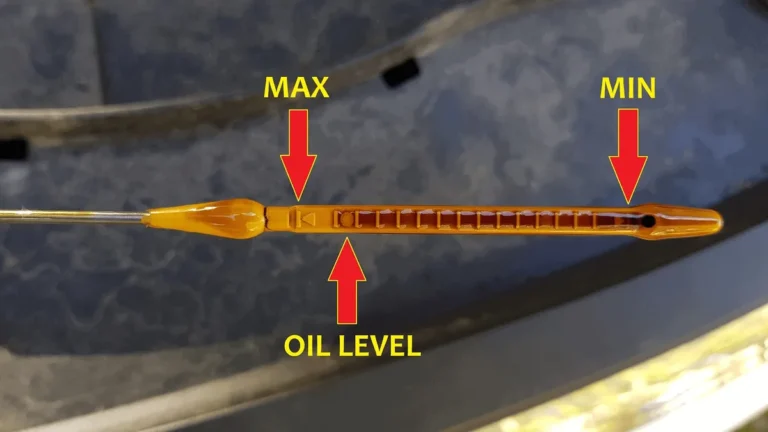
- Read the level between the minimum and maximum marks.
- Add oil gradually if needed.
- Recheck to confirm the final level.
Electronic level systems can be useful, but follow the vehicle's procedure. Some engines require a running check or a specific settling period.
Resetting the oil-life monitor without changing the oil
Reset the oil-life monitor only after completing the required service. The reset can't remove old oil, restore additives, or reduce wear.
Resetting it early may also push the next reminder beyond the actual service point. Keep your own date and mileage record as a backup.
Some vehicles use a fixed distance interval. Others calculate service life from engine temperature, runtime, starts, trips, and ambient conditions.
Short cold trips can age the engine without giving it a proper hot-running cycle. A long trip after a short-trip month can make the monitor look healthier than the driving pattern suggests.
Using flushes, additives, and treatments
Routine maintenance rarely needs an engine flush or extra oil additive. Complete factory-formulated oil already contains detergents, dispersants, antiwear agents, and oxidation control.
A flush can loosen deposits and leave suspended material in the oil. It can complicate diagnosis and may expose compatibility issues with seals, bearings, or emissions parts.
Additives can change friction, viscosity, phosphorus, sulfur, or metal content. That may conflict with the manufacturer's approved formula.
If sludge is severe, inspect the cause first. Oil condition, cooling faults, fuel dilution, filter fit, and mechanical wear can all contribute.
Extending the drain interval for the wrong reason
Extending the drain interval can shorten oil life faster than the engine design can handle. Synthetic chemistry doesn't protect against fuel dilution, contaminated fill, low oil level, or overheating.
Follow the earlier limit when the manufacturer gives time and distance conditions. Severe service may require shorter intervals even when the vehicle is sold as a normal passenger car.
Don't assume a brand-specific interval overrides the owner's manual. Some manufacturers approve oils used in special severe-duty applications, but only under defined conditions.
Buying counterfeit, mislabeled, or poorly stored oil
Buying counterfeit, mislabeled, or poorly stored oil can leave you with unknown viscosity, wrong additives, contamination, or no valid approval. A familiar bottle design doesn't guarantee the contents.
Buy from sources with clear product pages, secure storage, and traceable invoices. Check the closure, label, batch information, and container condition.
Bulk oil requires stricter controls. If a seller can't identify the exact formula or storage history, treat the price saving as a risk.
Using passenger-car oil in a motorcycle
Some motorcycles share engine dimensions with cars but use a wet clutch. A passenger-car oil with friction modifiers may reduce clutch grip.
Use the motorcycle oil category specified by the manufacturer, such as the relevant JASO motorcycle standard where required. A good automotive oil can still be wrong for that application.
The same caution applies to marine engines, industrial compressors, and other equipment with unique lubricant requirements.
What early signs point to the wrong oil?
Symptoms don't always identify the exact fault, but they can show that you need to check the oil, level, filter, and specification.
| Symptom | Possible oil-related cause | Checks |
|---|---|---|
| Red oil-pressure warning | Low level, wrong viscosity, pump or bearing fault | Stop safely, check level and specification |
| Rising oil consumption | Wrong viscosity, fuel dilution, worn rings or seals | Measure consumption and test used oil |
| Sludge on the cap or pan | Infrequent changes, wrong formula, blocked heat flow | Inspect condition and cooling system |
| Fuel odor at the fill | Excessive gasoline dilution | Change promptly and investigate rich running |
| Metallic debris in the filter | Abnormal wear or failure | Stop and inspect before further driving |
| Rapid pressure fluctuation | Aeration, foaming, overfill, or oil-pump issue | Check level first, then diagnose pressure |
| Deposits after a short interval | Wrong application, contamination, or severe service | Review approval and analyze used oil |
| Warning after an oil change | Incorrect quantity, filter, or oil specification | Recheck service details immediately |
A warning light is a starting point, not a diagnosis. Connecting the wrong oil can create mechanical damage and a documentation problem for a warranty claim.
Oil Changes, Used-Oil Analysis, and Long-Term Maintenance
A correct oil change uses the specified product, filter, quantity, and service procedure. Record the work correctly. Analyze the used oil when the vehicle's condition or duty cycle makes extra information useful.
You don't need a shop for every vehicle. You do need a repeatable process and clean handling. Some engines are compact, tightly packaged, or sensitive to installation details.
Those jobs may be better left to a qualified technician.
What tools and materials do you need?
The required items are simple. The exact filter, washer, and tools depend on the engine.
| Item | Purpose | Important detail |
|---|---|---|
| Correct engine oil | Lubrication and engine protection | Match viscosity, approval, type, and quantity |
| Correct oil filter | Traps wear particles | Match part number and installation date |
| Drain-plug washer | Replaces the sealing washer if specified | Don't reuse one unless the manufacturer allows it |
| Drain pan | Collects used oil | Must hold the engine's full capacity |
| Funnel | Keeps oil clean during filling | Keep it clean and free of debris |
| Correct wrenches | Remove the plug and filter | Avoid rounded or damaged corners |
| Drain-plug tool | Protects the plug during removal | Use the type required for the plug head |
| Torque tool | Applies the specified drain-plug torque | Follow the manual, not a generic rule |
| Nitrile gloves | Protect hands from used oil | Replace if contaminated or damaged |
| Absorbent material | Controls small spills | Keep it available around the drain plug |
| Rags or disposable wipes | Clean tools and surfaces | Dispose of contaminated material properly |
| Catch container | Protects the fill opening | Use a clean, closed container |
| Owner's manual | Confirms capacity, torque, and procedure | Use the document for the exact vehicle |
A funnel, drain pan, and basic hand tools may be enough for a simple engine. Some filters need a cup wrench or a cap wrench. Some drain plugs need a specific socket or internal hex tool.
Don't improvise with a damaged filter wrench. Crushing the filter can make complete removal harder and increase debris around the oil pan.
What is the correct oil-change process?
Use the manufacturer's procedure for the exact vehicle. The basic process starts with verification, then draining, inspection, refill, level checking, and documentation.
1. Confirm the vehicle, oil, filter, and quantity
Confirm everything before opening the drain plug. Place the owner's manual, service record, oil, and filter together.
Check the engine code, oil viscosity, approval, oil type, filter part number, and capacity. If you can't verify one of them, stop before draining the oil.
A full synthetic and conventional filter usually share dimensions, but that doesn't prove the right part number. Media type and bypass configuration can differ.
2. Warm the engine only as directed
Many engines benefit from a brief warm-up before draining because circulating oil loosens residue. Other engines don't need warming, and overheated oil creates a burn hazard.
Follow the manual's guidance. Don't idle for a long period just to heat the oil. If the engine was already driven, allow it to cool to a safe handling temperature.
3. Position the vehicle safely
Park on level ground, set the parking brake, and follow the manual's transmission instructions. Place the drain pan below the plug before removing it.
Disconnect the battery only if the manufacturer or work procedure requires it. Some vehicles need a hood lift or service mode for proper access.
Keep children and pets away from the work area. Oil drains are hot, sharp, and slippery.
4. Remove the drain plug carefully
Remove the plug slowly so used oil doesn't spill immediately. Wipe the plug threads and sealing face with a clean rag.
Inspect the plug for damaged threads, flattened corners, or a stretched sealing area. If it's damaged, don't continue using it without a suitable replacement.
Don't force a stuck plug. A rounded plug head or damaged threads can turn a routine service into a major repair.
5. Drain the oil and inspect it
Let the oil drain until the flow becomes a slow stream. The engine's sump can hold more oil than many people expect.
Inspect the old oil for metal fragments, severe sludge, or fuel odor. A small amount of dark oil isn't proof of failure. A large quantity of fresh silver metal or coarse debris is different.
Do not run a cold engine briefly after draining. With no oil in the sump, the bearings and oil galleries are unprotected.
6. Remove and inspect the old filter
Remove the old filter using the correct tool. Place it where a leak won't damage the vehicle.
Cut the old filter if practical and compare it with the new one. Look for loose gasket material, excessive debris, blocked pleats, or a collapsed filter media.
A new engine filter doesn't have a universal break-in requirement. Follow the manufacturer and oil supplier's instructions if the product includes a bypass procedure.
7. Install the new filter
Check the new filter's part number and application before installation. Clean any gasket or sealing surface without allowing debris to enter the housing.
If the manufacturer specifies oil on the filter gasket, apply a thin film of clean engine oil. Don't substitute grease or a thick sealant.
Prime the filter only when the manufacturer or filter supplier requires it. Remove any oil that spilled into the housing before refitting the filter.
8. Fit the drain plug and new washer
Install the drain plug with the correct washer if specified. Hand-start it, then tighten it to the manufacturer's torque.
Torque values differ by plug type, material, thread condition, and engine. Don't copy a torque from another vehicle.
An impact wrench is a poor choice for the final drain-plug torque. A calibrated click-style or torque wrench gives better control.
9. Fill the engine carefully
Install the drain plug, then add clean oil through the specified fill opening. Use a clean funnel or pour directly from the container if the neck allows it.
Add enough to reach the required range without overfilling. Some engines recommend most of the fill before the final dipstick check. The exact sequence belongs in the manual.
Use the oil quantity, not the package size, to estimate the service. Buy a small extra quart or liter when the capacity falls between package sizes.
Keep the cap, seal, and fill area clean. Screw the cap securely, but don't use a wrench unless the cap design requires it.
10. Check the oil level correctly
Use the manufacturer's checking procedure. Many dipsticks are measured with the engine shut off on level ground after a short settling period.
Pull the dipstick, wipe it, reinsert it fully, and read it again. If the reading is near maximum, verify whether any excess oil should be removed.
An electronic oil-level reading is not always a substitute for a dipstick. Use the vehicle's specified method.
11. Start the engine and inspect the refill
Start the engine as directed and watch the oil-pressure indication. A brief pressure fluctuation during startup isn't the same as a sustained low-pressure warning.
After the pressure stabilizes, inspect for leaks around the filter, drain plug, oil pan, and fill area. Check the dipstick again if the manufacturer recommends it.
Never continue driving with a red oil-pressure warning. Shut the engine down and investigate the level, oil specification, filter, and mechanical condition.
Keep the drain plug wrench nearby only until the initial check is complete. Remove it afterward so the plug can't be loosened accidentally.
12. Record the service and reset the monitor
Record the date, mileage, product, viscosity, approval, oil type, quantity, and filter number. Then reset the oil-life monitor if required.
Don't reset the monitor before the work is complete. If a dashboard prompt won't clear, check for an oil-level or service requirement that remains unresolved.
Save the receipt and product data sheet. Digital records are useful, but a simple oil sticker in the service folder works too.
When is used-oil analysis worth the cost?
Used-oil analysis is worth considering for a used vehicle with uncertain history, a turbocharged engine, diesel operation, high mileage, short-trip driving, rising consumption, or visible oil-quality concerns.
It can identify trends that a dipstick can't. The analysis also helps distinguish an oil problem from a mechanical fault.
| Test or measurement | What it can show | Why it matters |
|---|---|---|
| Kinematic viscosity | Fluid thickening or thinning | Indicates oxidation, fuel dilution, shear loss, or evaporation |
| Water content | Moisture or coolant contamination | Short trips can cause condensation. A leak needs investigation |
| Fuel dilution | Gasoline or diesel entering the oil | Can shorten oil life and promote deposits |
| Total base number | Remaining neutralization reserve | One marker of the oil's chemical condition |
| Acid number | Oxidation acids and degradation products | Useful with other measurements, not alone |
| Soot | Carbon contamination | Especially relevant in diesel engines |
| Wear metals | Iron, copper, aluminum, chromium, lead, and others | Useful as a trend across several samples |
| Oxidation test | Thermal and chemical degradation | Helps with high-load or long-interval use |
| Additive depletion | Loss of protection | Can guide interval decisions within maker limits |
| Elemental analysis | Wear and contamination elements | Detects trends and unusual contamination |
Used-oil analysis isn't a magic measurement. A laboratory needs a clean, representative sample and the correct vehicle information. Poor sampling can produce misleading results.
Ask the laboratory for the test method, reference ranges, and suggested action for your engine type. Compare results with earlier samples and the manufacturer's guidance.
How do fuel dilution and low oil pressure affect analysis?
Fuel dilution thins the oil and can increase deposit risk. A gasoline analysis may include fuel content. A diesel analysis may use different methods and reporting conventions.
There isn't one universal cutoff for every engine, laboratory, and duty cycle. A rising trend deserves investigation even if a single value appears acceptable.
Low oil pressure can reflect a mechanical pump problem, worn bearings, a blocked filter, oil aeration, or the wrong viscosity. A used-oil analysis can't repair any of those faults.
Start with the oil level and specification. If those are correct, continued low pressure needs mechanical diagnosis.
How should water, soot, and wear metals be interpreted?
Water in used oil can come from condensation, fuel, coolant, or a failed seal. A small amount after short trips may reflect moisture accumulation. A sudden rise should trigger an investigation.
Soot is normal to some degree in diesel exhaust. Heavy loading and long intervals can increase it. An abrupt increase may indicate poor combustion, an EGR issue, or frequent short trips.
Wear metals need trends. One elevated result can come from engine startup, normal wear, a filter issue, or contamination during sampling. Compare it with previous analyses and inspect physical evidence.
Coarse metal, bearing-shell material, or a large debris quantity can signal a serious problem. Don't continue driving until the engine has been assessed.
How does an oil-life monitor work?
Most oil-life monitors estimate service timing from operating patterns. They may use engine temperature, runtime, starts, trip length, ambient conditions, and other factors.
They usually don't measure the oil's acidity, fuel content, wear metals, or remaining viscosity in real time. A monitor is an estimate, not a laboratory analysis.
Short trips and repeated idling can age oil without producing enough heat or runtime. Extended idling may also count differently across manufacturers. Don't assume every algorithm handles the pattern in the same way.
Use time, distance, and the manufacturer's severe-service conditions together. When in doubt, follow the earlier limit and keep an independent record.
What makes long-term maintenance easier?
Long-term maintenance becomes easier when you standardize the correct oil. Keep the manual, current data sheet, approval record, and service receipts together.
Useful records include:
- Vehicle VIN and engine code
- Required viscosity and approval
- Oil type and quantity
- Filter part number
- Date and odometer reading
- Dealer or installer
- Observed oil consumption
- Used-oil analysis results when taken
Record anomalies such as rising fuel odor, oil-pressure warnings, coolant entry, or unusual consumption. A short written note can help a future technician avoid repeating a misdiagnosis.
If the vehicle develops a leak, consumption, or warning-light problem, take the oil and service records to a qualified technician. Old oil and a current sample can provide useful clues. They won't replace a mechanical inspection.
Safety, Environmental, and Warranty Rules for Changing Oil
Used oil stays hot enough to cause serious burns, even after the engine shuts off. It also carries metals, combustion products, and PAHs that shouldn't touch skin or enter drains. Safe oil changing combines the correct product, clean handling, careful documentation, and lawful disposal.
Most home services need common hand tools, a drain pan, gloves, and the correct oil. Tight engine bays and some oil pans need extra care around the hot exhaust system. Work under good lighting, and keep the service manual within reach.
What protective equipment should you use?
Nitrile gloves, eye protection, and absorbent shop towels provide a sensible minimum. Cover your arms and legs with clothing that can be replaced if it catches used oil.
| Item | Why it matters | Practical caution |
|---|---|---|
| Nitrile gloves | Reduces skin contact with used oil and additives | Remove them before handling phones, food, or household surfaces |
| Safety glasses | Protects against oil splashes and flying debris | Wear them around the drain plug and filter |
| Absorbent towels | Controls small drips | Keep oily towels away from ignition sources |
| Closed drain container | Prevents spills during transport | Label it as used engine oil |
| Suitable clothing | Covers exposed skin | Launder or dispose of contaminated clothing safely |
| Ventilated work area | Reduces prolonged fume exposure | Move outside if exhaust or fumes enter the space |
| Fire extinguisher | Provides emergency control near hot work | Select the type required by your local fire authority |
Avoid using compressed air to clear oil from tools or clothing. A fine mist can spread contaminants and put an ignitable mixture in the air. Wipe or wash oil away using a method approved for oily clothing.
Wash your hands with soap and water after the service. Gloves aren't a substitute for basic handwashing.
Is draining hot oil dangerous?
Yes. Oil can remain hot enough to cause severe burns, especially after highway driving or towing. Let the engine cool to a safe handling temperature while still allowing the oil to drain.
Follow the manual's warm-up guidance before draining. A brief run can help release oil from internal surfaces, but a long warm-up adds burn risk without improving the service.
Keep the exhaust manifold, catalytic converter, and turbo housings away from your skin. Oil may also contain hot additive particles and metal debris, so don't reach into the sump without appropriate protection.
Can you add oil while the engine is running?
Usually not. Shut the engine off and use the manufacturer's checking procedure. Running the engine during filling can spill oil from the filler neck and makes the final level harder to read.
Some manufacturers specify a warm or running level check. Follow that procedure exactly. Don't improvise a running check on a vehicle whose manual requires the engine to be off.
If the engine has an oil leak, don't keep topping it up while the source remains unknown. Low oil pressure can damage bearings and other load-bearing surfaces within minutes.
What should you do if the oil-pressure warning appears?
Shut the engine off safely and stop driving. Check the oil level after allowing the engine to cool, then inspect the specified oil, filter, and recent service work.
If the level is low, add the exact required oil before another start. If the warning returns, or the level remains low without a visible leak, have the vehicle assessed by a qualified technician.
A pressure problem can come from a failed pump, worn bearings, an incorrect viscosity, a blocked filter, aeration, or internal damage. Don't assume the warning is only an oil-maintenance reminder.
Moving the vehicle with a red oil-pressure warning can turn a repairable lubrication fault into a much larger engine failure.
How do you prevent spills during an oil change?
Prepare the drain pan, absorbent material, and closed waste container before removing the plug. Park on level ground and place protective cardboard or a mat beneath the drain area.
A spill can also happen while filling. Keep the bottle upright, use a clean funnel, and wipe the filler neck before replacing the cap. Avoid setting an open jug on a sloping surface.
If you drop an oil-filled filter, move the container before reaching for it. Lifting both together can create a larger spill.
Never place oily absorbent material in an ordinary household trash bag. Seal it in a suitable container and follow local disposal rules.
What should you do if used oil reaches a driveway?
Contain the release before it reaches a drain. Move the vehicle or container only if you can do so without spreading the oil.
Use absorbent material to soak up the oil. Clean towels, kitty litter, sawdust, or commercial oil-absorbent material can work.
Protect storm drains, sewers, soil, grass, and surface water. Don't wash the area with a hose or pressure washer. That method spreads contaminants and drives them into cracks or drainage systems.
Transfer recovered oil and contaminated absorbent material into a closed, labeled container. Contact a local used-oil recycler or environmental authority for the proper disposal route.
Large spills may require reporting under local rules. A qualified spill-response company is usually the safest option when oil reaches soil, gravel, water, or a large paved area.
How should used oil be stored?
Store it in a sound container with a tight-fitting lid. Label the contents clearly as used engine oil. Keep the container upright, stable, and away from heat, sparks, open flames, children, and animals.
Don't use food containers, beverage bottles, or buckets without proper lids. A thin plastic jug can split and create a larger spill.
For several vehicles, use a secured secondary containment area. Commercial operations may need additional labeling, storage, and spill-response controls under local regulations.
Keep the container away from the vehicle's path. Rolling it under a tire or beneath a door can break the container and create a slip hazard.
Can used oil go in the household trash?
Not unless your local rules specifically allow that disposal method. Most used-oil recycling programs prefer collection through a service center, retailer, public facility, or approved household hazardous-waste program.
A single covered container can hold oily towels, absorbent material, and other small contaminated items. Keep it sealed and labeled until disposal.
Don't combine used oil with antifreeze, solvent, brake fluid, or contaminated fuel. Those mixtures may need a different waste stream and can't be recycled through the same route.
What is the safest recycling route?
Use a licensed used-oil collection site, automotive service center, household collection event, or another approved recycler. Some retail outlets accept clean used oil in sealed containers.
Keep the oil in its original container when practical. If you transfer it, use a dedicated, leak-resistant container with a secure cap.
Don't pour oil into a storm drain, sewer, soil, gravel bed, or grassy area. Repeated small spills can contaminate soil and groundwater. “Composting” oil into soil isn't an accepted recycling method.
If a used-oil analysis sample is required, use the laboratory's container and shipping instructions. Label it with the vehicle, engine, mileage, and service date. Keep it separate from other waste oil.
How is used oil regulated in the United States?
In the United States, used oil is a managed petroleum resource under federal environmental law. Individual state, county, and city requirements can be stricter.
Oil contaminated with hazardous substances may need special handling. Don't pour solvent, solvent-based cleaners, antifreeze, or unknown chemicals into an oil container.
Commercial repair shops must also consider storage, labels, transport, and recycling requirements. Home owners should follow the same environmental practices even when a disposal rule is unclear.
The U.S. Environmental Protection Agency provides national guidance. State agencies and local waste authorities control the exact collection and disposal route.
How should oily rags, gloves, and filters be disposed of?
Oily rags can retain enough heat for spontaneous ignition if they aren't handled correctly. Lay heavy absorbent material flat, allow it to air safely if the product instructions permit, and keep it away from heat.
Better still, place oily towels in a closed metal container with a tight lid. Don't leave them crumpled in a toolbox or pile on a bench.
Nitrile gloves and disposable wipes may need a different waste route from the oil itself. Follow local requirements for contaminated personal protective equipment.
Dispose of the oil filter according to local rules. Some metal recyclers accept clean filters. Don't put an oil-draining filter into a household recycling bin.
What records protect your warranty coverage?
Record the date, mileage, oil product, viscosity, approval, oil type, filter, and quantity. Save the invoice and current product data sheet.
An oil-life reset doesn't document the service. A photograph of the label can be useful, but a dated record tied to the VIN is better.
If the manufacturer names a specific oil, follow that direction. If it provides a full approval specification, another brand may qualify when it carries the same approval.
Keep old service records because a later mechanical problem may raise questions about past maintenance. A consistent record of correct oil and timely servicing supports a warranty claim.
How do you dispose of an oil sample after analysis?
Follow the laboratory's instructions. Many programs return the sample for proper disposal or include it in an approved used-oil stream.
Don't pour an unused oil sample into a drain after sending it for testing. If the analysis reveals contaminated oil, local rules still apply.
Label the container before transport. Prevent it from tipping in a hot vehicle or sitting beside a food container.
Final Recommendation: A 60-Second Decision Guide
The best choice is the oil that exactly matches the engine's current specification. Once several products qualify, compare documentation, availability, packaging, and price. Don't let a familiar logo or a “premium” claim override the requirement printed in the vehicle documentation.
What should you check first?
Check the VIN, engine code, fuel type, and model year. That prevents a specification intended for a different engine from entering the decision.
Then open the owner's manual or current manufacturer lubricant database. Confirm these details:
- Required SAE viscosity grade
- Full synthetic, blend, conventional, or high-mileage type
- API, ACEA, JASO, or OEM category
- Exact OEM approval code, if required
- Low-SAPS, mid-SAPS, or high-SAPS requirement
- Required quantity
- Normal and severe-service intervals
If the service history conflicts with the manual, give the VIN to a dealer or qualified lubricant specialist. Don't choose from a visually similar engine or an owner's forum post.
Which product should you choose when several options qualify?
Choose the product with clear documentation and dependable local supply. Then compare the practical details that affect ownership.
| Tie-breaker | What to look for | Why it matters |
|---|---|---|
| Specification match | Exact viscosity, approval, and application | This is the only non-negotiable requirement |
| Published data | Volatility, oxidation, wear, deposits, and HTHS | Helps compare products with similar labels |
| Consistency | Licensed manufacturing and batch traceability | Reduces uncertainty between containers |
| Availability | Reliable local stock and service support | Prevents inconvenient emergency substitutions |
| Packaging | Sealed container with a readable label | Lowers contamination and tampering risk |
| Total cost | Cost per advertised quart or liter | Gives a fair price comparison |
| Oil consumption | Documented rate for the engine | Affects top-up cost over time |
| Seller support | Clear invoices and return policy | Makes product problems easier to resolve |
A recognizable brand often provides better consistency and documentation than an unknown label. It still doesn't replace the exact approval.
An OEM-supplied oil is the simplest choice when you want factory alignment. It may cost more than an independent product carrying the same approval.
Bulk oil can be economical through a controlled commercial supplier. Unidentified bulk oil carries avoidable risk. Sealed retail packaging is the safer default for most buyers.
What decision path should you use for common situations?
Use the vehicle's condition to choose among products that already meet the same specification:
- If the vehicle is new and under warranty, use the exact manual and OEM approval. Keep complete service records.
- If the engine is under 100,000 miles and doesn't leak, a normal approved oil may be enough.
- If the engine is older but doesn't consume oil, don't assume it needs high-mileage oil.
- If minor seepage appears, use an approved high-mileage formula only after checking the SAPS category.
- If consumption is rising, diagnose the engine before changing viscosity.
- If the vehicle is turbocharged, match the exact approval and oil-flow requirement.
- If it is diesel, match the diesel application, viscosity, and aftertreatment category.
- If it is a hybrid, follow the gasoline engine's specification unless the maker requires something else.
- If records are missing, identify the engine through the VIN before buying.
- If the oil-pressure warning appears, stop driving and check the level and mechanical condition.
How should price affect the decision?
Calculate the cost per advertised quart or liter. Include the filter, labor, disposal fee, and any other required service items.
Don't compare a 1-quart bottle with a 5-quart jug by shelf price. Container size can make the larger jug appear cheaper or more expensive.
A low price doesn't compensate for a wrong approval. A high price doesn't make an unspecified oil correct.
Among exact matches, the middle-priced product is often the best value. It may offer stronger documentation and reliable supply without a large specialty premium.
When should you choose OEM-supplied oil?
Choose OEM-supplied oil when the manual or warranty language names that product. It's also useful when the vehicle has a complex specification, recent records are missing, or local dealer service is your primary maintenance route.
OEM oil can simplify recordkeeping. It may also cost more and offer no technical advantage if another bottle carries the same approved specification.
Dealers aren't the only source of factory-formulated oil. An independent product can meet an OEM code without being sold under the vehicle maker's brand.
When should you choose a full synthetic?
Choose full synthetic when the manufacturer requires it or offers a strong approval in that type. It's also a sensible option for an engine that benefits from documented low volatility or broad temperature performance.
Don't choose it solely because the engine is newer, turbocharged, or driven in cold weather. Those descriptions don't replace the lubricant specification.
A qualifying synthetic blend may cost less and work just as well when the manufacturer permits it.
When should you choose conventional or blended oil?
Choose conventional or blended oil when the manufacturer allows that type. Compare the finished product's oxidation, volatility, wear, and deposit data with other qualifying formulas.
Conventional oil can be the better value in an older engine with a complete history and normal service interval. A modern blend can be equally suitable in some applications.
The word “conventional” doesn't mean poor quality. The finished formula and its certification matter more than the base-stock label alone.
When should you use used-oil analysis?
Consider used-oil analysis when service history is uncertain or the engine burns oil. It's also useful for turbocharged, diesel, high-mileage, and short-trip vehicles.
Analysis can track fuel dilution, water, soot, oxidation, additive depletion, and wear metals. Compare results over time and against manufacturer guidance.
A single result needs context. Use a clean, representative sample and send it to a qualified laboratory.
What should be in your final purchase record?
Record the date, mileage, VIN, engine code, oil brand, product name, viscosity, approval, oil type, and quantity. Add the filter part number and retailer or installer.
Keep the product data sheet and receipt. If the engine later develops a warning, leak, or consumption issue, those records help narrow the cause.
Proper disposal completes the service. Transfer the used oil to an approved collection point and keep oily towels and filters in a separate, closed waste container.
What is the final buying rule?
Get the exact factory specification first. Exclude every product that doesn't match it. Among the remaining products, favor clear testing, consistent supply, secure packaging, and fair total cost.
That's the decision process that works across brands, engines, climates, and driving conditions. A brand recommendation is only trustworthy when the same rule produced it.
Frequently Asked Questions
Is Mobil 1 better than Castrol, Shell, Valvoline, or AMSOIL?
No. Mobil 1 isn't automatically better because of its brand. Compare the exact viscosity, performance category, OEM approval, application, testing, price, and availability.
If several products meet the same factory specification, consistent quality and easy availability can decide the choice. The engine's documentation should choose the candidates. The brand should only break the tie.
Is full synthetic motor oil always the best choice?
No. Full synthetic is beneficial when the manufacturer permits and approves it. Some engines require a specific synthetic formula.
Others allow an equally suitable blend or conventional oil. A full synthetic with the wrong viscosity or approval can still cause problems. Compare the finished specification and published performance data, not the base-oil label alone.
Is high-mileage oil right for every older engine?
No. A high-mileage formula helps only when the manufacturer permits that oil type. It may reduce minor seal seepage and add oxidation or wear protection.
It won't repair worn piston rings, damaged seals, or a leaking gasket. Check the required viscosity and approval first. Investigate rising oil consumption before using a thicker grade to hide it.
Can you mix brands of motor oil for a top-up?
Compatible oils can often be mixed for a short top-up, but random products may not meet the required approval. Use the same product when possible. If it isn't available, match the exact viscosity, performance category, application, and OEM approval.
Change to the specified oil at the next service. Don't mix low-SAPS oil into an engine that requires more SAPS.
Can I use 5W-30 if my manual specifies 0W-20?
Only if the manufacturer explicitly permits 5W-30 as an alternative. A 5W-30 may restrict oil flow, increase fuel consumption, or affect an engine designed around 0W-20. Some manuals list several grades with specific climate or load conditions.
Follow those conditions exactly. When in doubt, ask a dealer or lubricant specialist using your VIN.
How often should I change my engine oil?
Follow the manufacturer's time, distance, and duty-cycle conditions. Use the earlier limit when the manual gives separate time and mileage requirements. Severe service can include towing, heavy payloads, extreme temperatures, dusty roads, repeated idling, or extensive short-trip driving.
The oil-life monitor is an estimate, not a lab test. Record each change by date and odometer reading.