What Is Sae Motor Oil: The complete guide
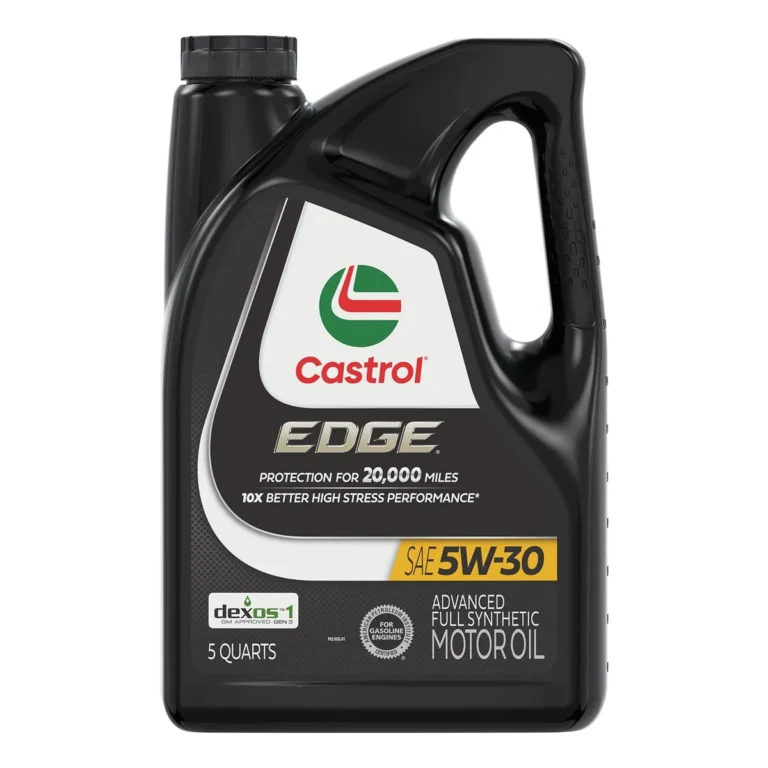
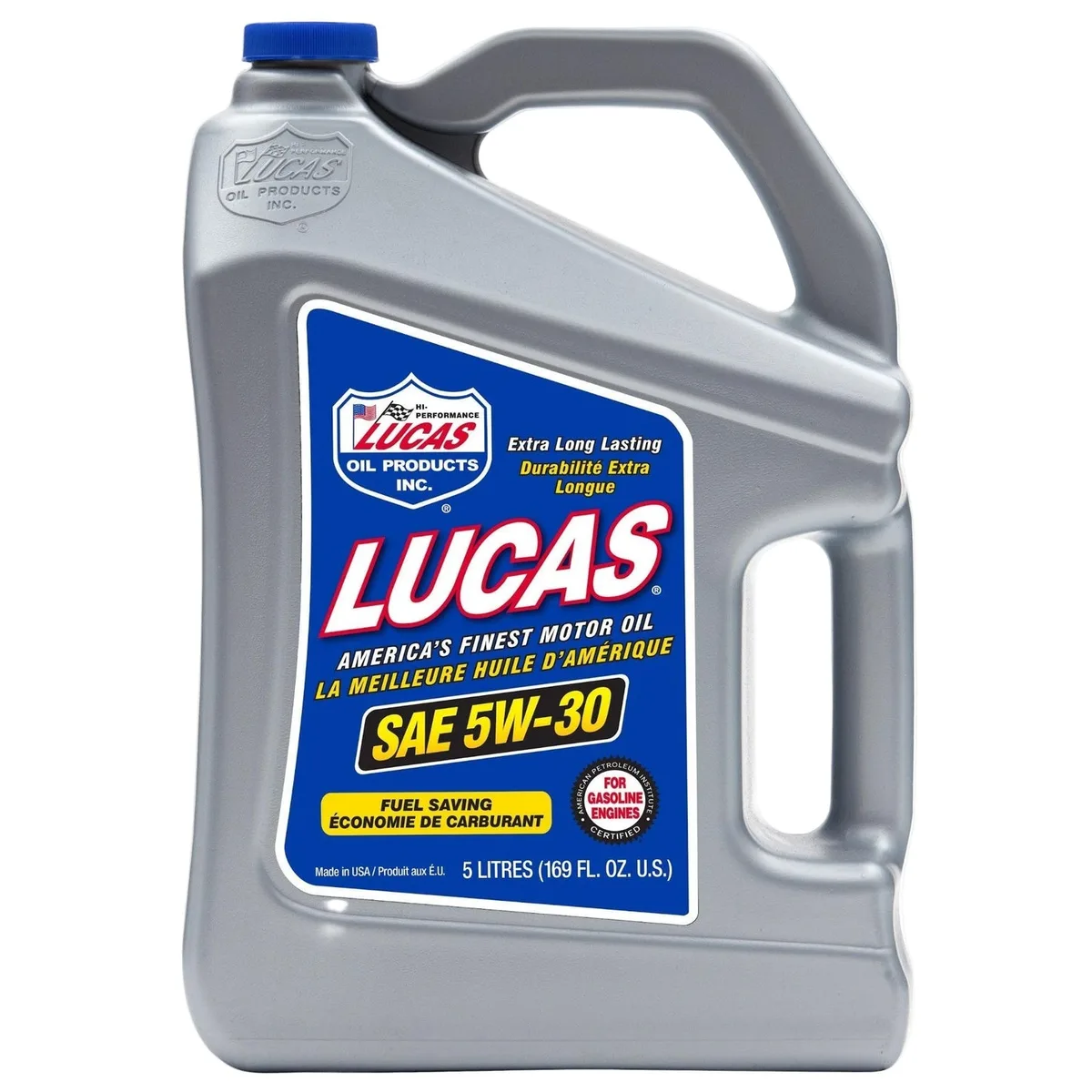
If you've ever stood at the oil aisle and stared at a jug labeled SAE 5W-30, wondering what is sae motor oil and why that number actually matters, you're not alone. The SAE grade isn't a brand. It isn't a marketing tier.
It's a standardized viscosity measurement defined by SAE International's J300 standard. That single number determines whether your starter motor can turn the engine in January in Minnesota, or whether your bearings are properly lubricated in July in Phoenix.
Per SAE J300 Rev 2020, a 0W-20 oil must not exceed 6,200 centipoise at minus 40 degrees Celsius during cold-crank testing. Get the grade wrong and a significant share of your engine's total wear happens in the first seconds of a cold start. So what exactly does SAE standardize, and how do you read the label without guessing?
Quick Answer
What is SAE motor oil? It refers to engine oil classified under SAE International's J300 viscosity standard. The number tells you thickness at set temperatures.
It doesn't measure performance. That's API's job. As of 2026, SAE J300 Rev 2020 is the active standard.
Why the SAE Number on Your Oil Bottle Is a Safety Spec, Not a Marketing Label
What's Actually at Stake
Here's the part most people miss: the SAE grade on your oil jug is a safety specification. It tells your engine exactly how thick the fluid will be when the block is cold. And that matters more than almost any other number on the label.
Tribology research consistently shows that roughly 70 percent of an engine's total mechanical wear happens during the first 30 seconds after a cold start. During that window, the oil hasn't circulated yet. Metal surfaces are touching metal surfaces.
The SAE W-number determines whether the oil reaches those bearings before the damage window closes.
Pick the wrong grade and the consequences are concrete:
- Cold-crank failure. A 10W-30 won't flow properly below roughly 25 degrees F. In Minnesota in February, your starter motor fights a thick, syrupy fluid. The engine barely turns over, or doesn't.
- Warranty exposure. Manufacturer warranty terms, as of 2026, explicitly reference the OEM-specified SAE grade. Pour in 20W-50 when the manual says 0W-20, and a future claim for bearing wear is easier to deny.
- Operating-temperature drag. A grade that's too heavy at 100 degrees C increases parasitic losses in the oil pump and main bearings. You lose fuel economy and gain excess heat.
The SAE number isn't a suggestion. It's the one variable that, if wrong, directly changes whether your engine survives the next winter morning.
What SAE International Actually Standardizes, and What It Leaves to API
SAE J300 as a Test Protocol, Not a Product
The most common confusion: people think SAE is a brand or a product line. It isn't. SAE International (the Society of Automotive Engineers) publishes test methods.
SAE J300 is a viscosity classification standard. It defines exactly what "5W-30" means in physical terms. It doesn't say the oil is good or bad.
It says the oil has a specific thickness at specific temperatures.
You can read the full standard at sae.org.
The Three Measurements Every Grade Must Pass
Per SAE J300 Rev 2020, every grade claim rests on three ASTM test results:
- Cold-Cranking Viscosity (CCV): maximum centipoise at the grade's rated low-temperature point. A 5W oil must be no thicker than 5,600 cP at minus 30 degrees C.
- Minimum Rotational Viscosity (MRV): maximum centipoise at the temperature where the starter can still turn the engine. The cap is 60,000 cP across all W-grades.
- Kinematic Viscosity at 100 degrees C: measured via ASTM D445 or D5293. This is the non-W side of the label. A "30" grade must sit between 5.6 and 11.8 centistokes.
Why "SAE Motor Oil" Is a Standard, Not a Fluid Type
The phrase "SAE motor oil" is shorthand for "motor oil classified under SAE J300." It doesn't mean the oil was made by SAE or sold by SAE. It means the viscosity claim was verified against that protocol. The actual performance, detergency, and wear protection come from API service categories, which we'll unpack next.
How the Two Numbers in 5W-30 or 0W-20 Encode Real Viscosity Data
The W-Number: Cold-Crank and Rotational Limits
The "W" stands for Winter. Not weight. That single fact clears up most of the confusion people carry into the store.
The W-number tells you the lowest ambient temperature at which the oil still flows well enough for your starter motor to crank the engine. A 0W rating means the oil passed CCV testing at minus 40 degrees C. A 5W means minus 30.
Each step up shifts the cold threshold by roughly 5 degrees.
The Non-W Number: Operating-Temperature Viscosity Band
The second number, the "30" in 5W-30 or the "20" in 0W-20, is kinematic viscosity at 100 degrees C. That's your engine's normal operating temperature. Per SAE J300, a "30" grade sits between 5.6 and 11.8 centistokes.
A "40" grade runs 12.5 to 17.3. Bigger number, thicker oil at operating temperature.
Multi-Grade Mechanics: How One Oil Behaves Like Two
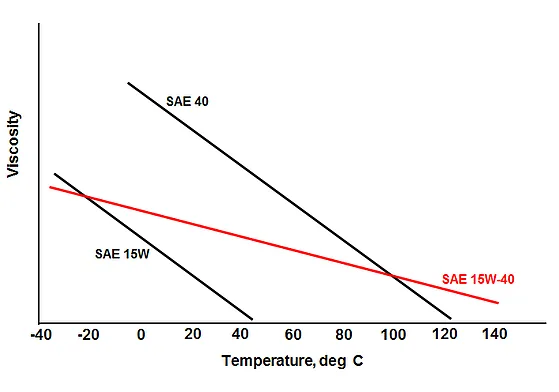
Here's where it gets physically interesting. Multi-grade oils contain long-chain polymer additives called viscosity index improvers. At cold temperatures, those polymers coil up and the oil behaves thin.
At 100 degrees C, they uncoil and stretch out, thickening the fluid. The Viscosity Index (VI) number on the label quantifies how well that works. Conventional mineral oil sits around 95 to 110.
Full synthetics hit 140 to 180.
Higher VI means the oil's thickness changes less across temperature. That's the whole reason 0W-20 can protect a cold start and still lubricate a hot engine without a separate summer and winter oil.
SAE, API, and OEM Specs: The Three Layers Printed on One Label
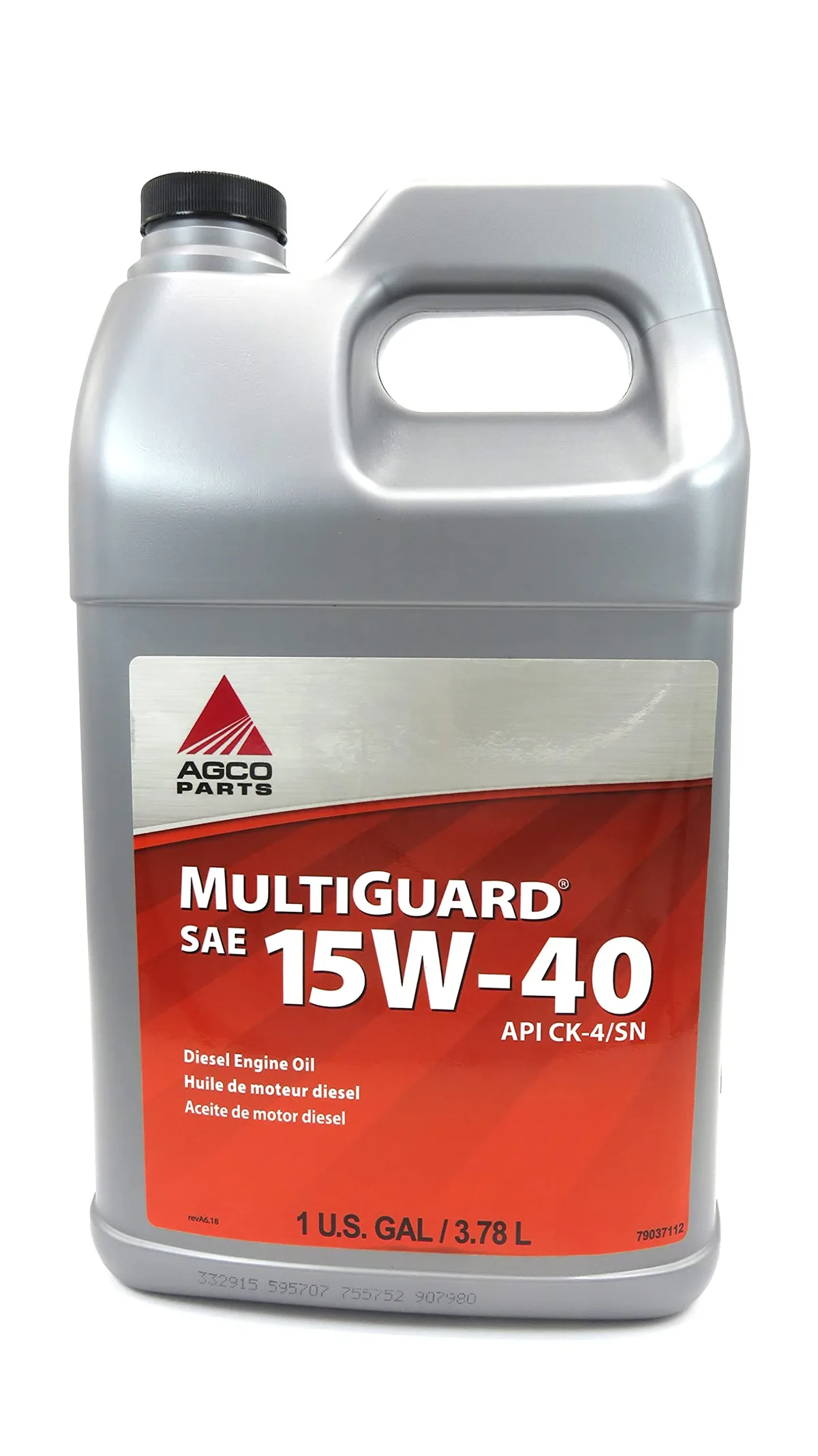
SAE Equals Thickness. API Equals Performance. They Measure Different Things.
Flipping open any oil jug, you'll see two systems side by side. The SAE grade (5W-30, 0W-20) tells you viscosity. The API service category (SP, SN, CK-4, FA-4) tells you the additive package passed specific engine-wear and emissions tests.
They're independent. You can have a SAE 5W-30 that's API SP, or a SAE 5W-30 that's API CK-4. The viscosity is the same.
The chemistry behind it is not.
You can browse current API categories at api.org.
What API SP, CK-4, FA-4, and ILSAC GF-6 Actually Certify
- API SP / ILSAC GF-6: gasoline engines, post-2020. Tests for low-speed pre-ignition resistance, bearing corrosion, and fuel-economy performance.
- API CK-4 / FA-4: diesel engines. CK-4 caps phosphorus at 12,000 ppm to protect emission aftertreatment. FA-4 extends drain intervals to 15,000+ miles.
- JASO MA / MA2 / MB: motorcycle overlay. MA means wet-clutch compatible. MB means reduced friction for sportbikes. Using a JASO MB oil in a commuter bike with a wet clutch causes clutch slip.
OEM Overlays: Why the SAE Number Alone Isn't Enough
A Mercedes C300 won't just say "5W-30." It says "MB 229.5, SAE 5W-30." That MB spec adds its own detergency, ash, and phosphorus limits on top of SAE and API. Match the SAE number but skip the OEM approval, and you may be running oil that's the right thickness but the wrong chemistry. Your warranty is the first thing that notices.
How to Match the Right SAE Grade to Your Engine, Climate, and OEM Spec
Step-by-Step: Owner's Manual to Shelf
- Open your owner's manual. Find the oil specification page. You'll see something like "SAE 0W-20, dexos1" or "SAE 5W-30, MB 229.5." Write down all three: SAE grade, API category, and OEM spec number.
- Check the climate column. The same manual usually lists a "cold climate" and "hot climate" grade. If you live in Fairbanks, use the cold-weather entry. If you're in Phoenix, use the hot-weather entry.
- Verify at the shelf. Look for the API "Licensed" star, the SAE grade printed large on the front, and the OEM approval number on the back panel. All three must be present. A jug that says "meets API SP" but doesn't list the OEM spec may not be approved for your particular engine.
- Confirm the manufacture date. As of 2026, SAE J300 Rev 2020 is active. Oils produced before the revision used looser cold-crank thresholds. If a jug has been sitting for years, check the date on the bottom.
Climate Adjustment in Practice
A driver in Minnesota who runs 10W-30 through January is cranking a fluid that's essentially thick syrup at minus 15 degrees F. The starter draws more amps, the battery struggles, and oil takes longer to reach the camshaft. Switching to 0W-20 or 5W-30 fixes that.
The flip side: a driver in Tucson who drops to 0W-20 in July may be running oil that's too thin for 110-degree-F ambient heat, increasing top-end bearing wear. The owner's manual climate table exists for exactly this reason. Use it.
What Wrong Viscosity Does to an Engine, and to Your Warranty
Cold-Crank Failure in Practice
A 10W-30 oil at minus 25 degrees F is a thick, slow-moving fluid. Your starter motor draws over 200 amps trying to turn the crankshaft. Battery voltage sags.
In a cold-soak scenario, the engine may not hit the RPM needed to fire all cylinders on the first attempt. Manufacturers specify 0W or 5W grades for winter exactly because of this.
Operating-Temperature Drag
The flip side is over-viscosity at 100 degrees C. A driver in a tight-tolerance 2.0L turbo who swaps 0W-20 for 10W-40 adds measurable parasitic drag to the oil pump and bearing surfaces. That translates to roughly 1 to 2 percent fuel economy loss.
Over a year of highway miles, the gap is real.
Diesel-Spec Oil in a Gasoline Engine
API CK-4 oil is formulated around diesel soot loads and post-treatment phosphorus caps. Pour it into a direct-injection gasoline engine and the detergent package isn't balanced for the lower-temperature, lower-ash environment. You risk accelerated oxidation and, in some cases, damage to the three-way catalytic converter.
Warranty Language
Manufacturer warranty documents, as of 2026, reference the OEM-specified SAE grade and API category. A claim for bearing wear or camshaft pitting gets reviewed against your fill records. If the oil in the system doesn't match the manual, the denial letter is one line: "out-of-spec fluid."
Myths That Cost People Engines, and What W Really Means
The "W Equals Weight" Confusion
We touched on this in the numbering section, but the confusion is so deep it deserves a second look. People read "5W-30" and assume the first number is a cold-weight rating and the second is a hot-weight rating. It's not.
Both numbers are viscosity measurements at specific temperatures. The W just flags which one is the cold-temperature value. Assuming "weight" leads people to think 10W-40 is "heavier" and therefore "better." It isn't.
It's just thicker at both cold and hot ends.
"Thicker Oil Is Always Better"
This logic breaks in modern engines. Tighter bearing clearances and lighter operating viscosities are designed around specific SAE grades. A 15W-50 in a 2.0L turbo that specifies 0W-20 means the oil pump works harder, the block runs hotter, and the variable-valve-timing system lags because oil pressure sits too high.
Thicker isn't better. Correct is better.
"If the SAE Number Matches, the Base Oil Doesn't Matter"
It does. A conventional Group I mineral oil at 5W-30 and a full-synthetic Group III PAO at 5W-30 carry the same SAE grade. But the synthetic's VI of 160 or above holds viscosity across a wider temperature swing.
In stop-and-go city driving where the engine cycles between 40 and 220 degrees F, the synthetic protects noticeably better.
Pre-2020 J300 Revisions
SAE J300 Rev 2020 tightened CCV thresholds for 0W and 5W grades. A jug manufactured in 2019 may carry a "5W" label that passed the old, looser standard. Most 2023+ OEMs reference the 2020 revision.
Check the manufacture date on the bottle before you trust the grade.
Quick Answers to the Questions That Keep Coming Up
SAE vs API: Which One Is the "Quality" Rating?
Neither is "quality" in the way you're thinking. SAE tells you thickness. API tells you the additive package passed specific wear and emissions tests.
You need both on the label. A SAE 5W-30 with API SP is a complete spec. The SAE number alone says nothing about detergency or anti-wear performance.
Can I Mix 5W-30 and 0W-20 in a Pinch?
You can top off with a different SAE grade in an emergency. The blend approximates the intermediate viscosity. But it's not a fix.
The next full oil change, flush it out and refill with the correct grade. Mixing grades long-term throws off the VI balance and can leave you with inconsistent cold-start protection.
Does SAE Grade Change How Often I Need an Oil Change?
Not directly. The SAE number sets viscosity. Drain intervals depend on base-oil type, driving severity, and manufacturer recommendation.
A 0W-20 full synthetic in a 2024 sedan typically runs 10,000 to 12,000 miles. A straight-30 conventional oil in the same car might need 5,000. The grade matters less than the chemistry behind it.
Is SAE J300 the Same as ISO 4344?
No. SAE J300 is the engine-oil viscosity classification. ISO 4344 is the general industrial-fluid standard (the "VG" numbers on hydraulic fluids).
They share centistoke values at 40 degrees C, but SAE adds cold-crank and MRV tests that ISO doesn't require. They're not interchangeable.