How to Refill Motor Oil Made: Best guide
You're searching how to refill motor oil made for your exact engine, and every answer you find is a flat eight-step list that ignores which path you actually need. The dipstick is saying one thing, the service interval says another, and you just want to know what to pour and when to stop.
Most passenger engines take 3.5 to 6.5 quarts as of 2026, and the SAE J300 standard governs every viscosity grade printed on that bottle. Which path you take depends entirely on what the dipstick is telling you right now. Let's sort that out.
Quick Answer
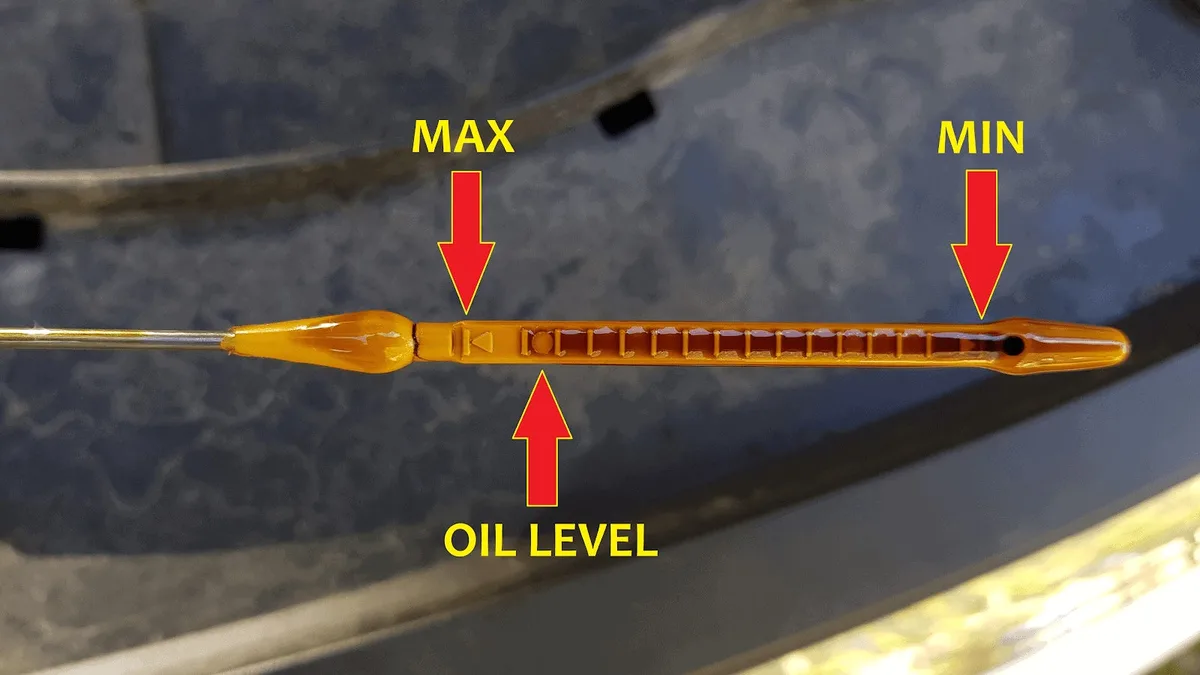
To refill motor oil, check the dipstick on a level surface. If the level is below F, add oil in half-quart increments. Stop when the dipstick reads the upper mark.
For a full service, drain the sump and replace the filter.
Your Oil Warning Light Is On: Is It a Top-Off or a Full Change?
Here's the decision point. Park the car on level ground. Turn the engine off and wait five to ten minutes.
Pull the dipstick, wipe it clean with a rag, reinsert it fully into the tube, and pull it out again.
If the level sits between the F and L marks, you don't need to do anything. Your engine is fine. Check again at your next scheduled service.
If the level is at or below the L mark, you've got a top-off situation. The oil is low but the engine hasn't been drained. You'll add one or two quarts through the filler neck, no more.
If the level is above the upper mark, you overfilled at the last service or a previous top-off. Don't panic. There's a controlled fix for it, and we'll walk through it.
Now, if it's time for your scheduled oil-change interval, the dipstick might look fine. The oil is just degraded. That's when you do a full drain-and-refill instead of topping off.
The Three Paths: Top-Off, Full Drain-and-Refill, or Overfill Fix
Let's map out what each branch actually involves, because the tools and time differ a lot.
Top-Off (oil is low, engine is otherwise fine)
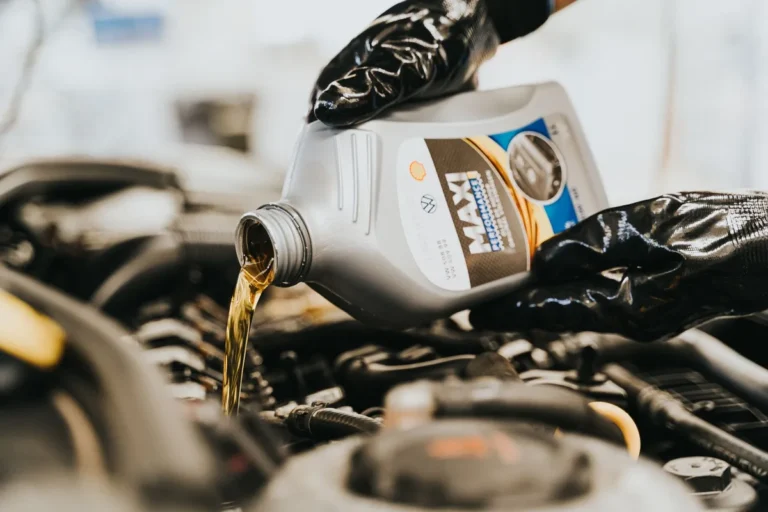
You need a bottle of the correct oil, a funnel with a strainer screen, and a rag. Total time: ten minutes. You pour through the filler neck in half-quart increments and recheck the dipstick after each pour.
No drain plug, no filter, no catch pan required.
Full Drain-and-Refill (scheduled service)
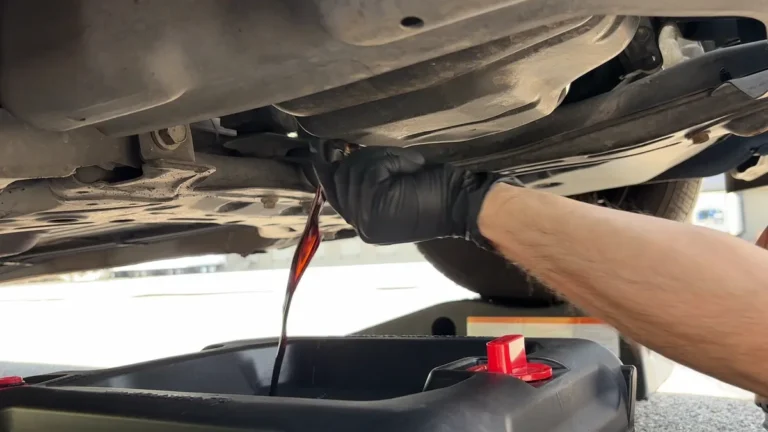
This one needs a catch pan, a wrench or socket for the drain plug (typically 14 mm or 15 mm hex), a filter wrench, a new spin-on filter, and a fresh copper or steel crush washer. Plan 30 to 45 minutes. You warm the engine for five minutes so the old oil flows out faster, drain the sump, swap the filter, and fill with fresh oil.
Overfill Fix (you went a quart over)
Grab a siphon pump or a fluid-extraction kit that reaches through the filler neck to the pan. You're pulling 0.5 to 1 quart out without draining the whole system. Run the engine for five minutes first so the excess aerates and the dipstick reads true.
Then siphon, recheck, and repeat until you hit the upper mark.
Step-by-Step: What to Actually Do (Branches Mapped Out)
Pick your branch above, then follow the matching steps below.
Top-Off Steps
- Park on level ground. Engine off. Wait ten minutes.
- Pull and wipe the dipstick. Reinsert fully. Pull again. Read the level.
- Open the filler cap, set a funnel in the neck, pour one half-quart.
- Wait thirty seconds. Recheck the dipstick. Repeat until you hit the upper mark.
- Replace the filler cap. Start the engine for thirty seconds. Look for leaks.
Full Drain-and-Refill Steps
- Warm the engine for five minutes, then shut it off.
- Position the catch pan under the sump.
- Remove the drain plug with a wrench. Let it drain for three to five minutes.
- Remove the old filter. Coat the new filter's gasket with a thin film of fresh oil. Hand-tighten, then three-quarters of a turn.
- Install a new crush washer on the drain plug. Torque to OEM spec (usually 15 to 25 ft-lbs).
- Pour the car's listed capacity minus 0.5 to 1 quart (the filter soak-up). Top off via dipstick to the upper mark.
- Start the engine thirty seconds. Inspect the filter and drain plug for weeps. Shut off. Do a final dipstick check.
- Reset the oil-service interval light using your OEM's dashboard menu procedure.
Overfill Fix Steps
- Run the engine for five minutes. Shut off. Wait ten minutes for oil to settle.
- Insert a siphon or extraction tube through the filler neck down to the pan.
- Pull out 0.5 quart at a time. Wipe and recheck the dipstick between pulls.
- Stop when the level sits at the upper mark. Never drive more than ten minutes with overfilled oil, or you risk aeration and increased blowby.
Five Mistakes That Turn a Simple Oil Top-Off Into Engine Damage
These are the ones we see flagged in repair shop logs and owner forums again and again.
- Checking on a hill. A two-degree slope shifts the dipstick reading by half a quart. Always park on flat, level ground.
- Not fully re-seating the dipstick. If the stick isn't pushed all the way into its tube, the reading is artificially low. You'll overfill thinking it's still low.
- Pouring a full quart at once. One big pour is hard to stop. You'll overshoot the upper mark before you react. Go half-quart. Check. Add more only if needed.
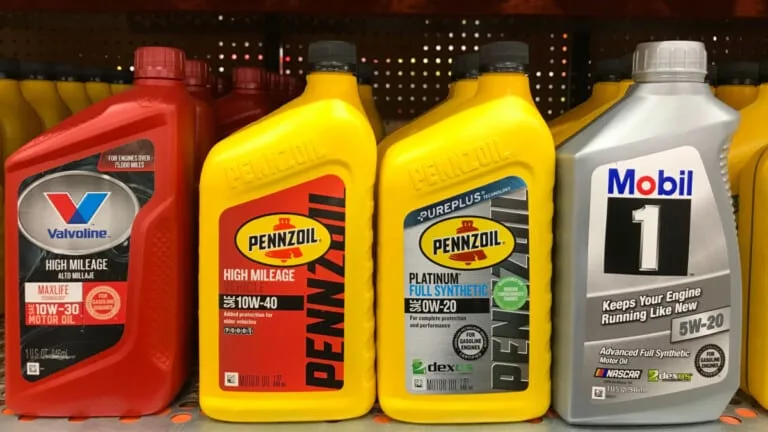
- Using the wrong viscosity. Popping 10W-40 into an engine calibrated for 0W-20 raises parasitic drag and can trigger a "wrong oil type" code on newer dashboards. The SAE J300 grade on the bottle is your reference.
- Skipping the post-filter level check. A dry spin-on filter soaks up 0.5 to 1 quart. If you just pour the "full capacity" without rechecking, you'll be underfilled by the amount the filter drank.
What Your Car Actually Needs: Viscosity, Capacity, and the Right Oil
This is where most people get confused, so let's break it down cleanly.
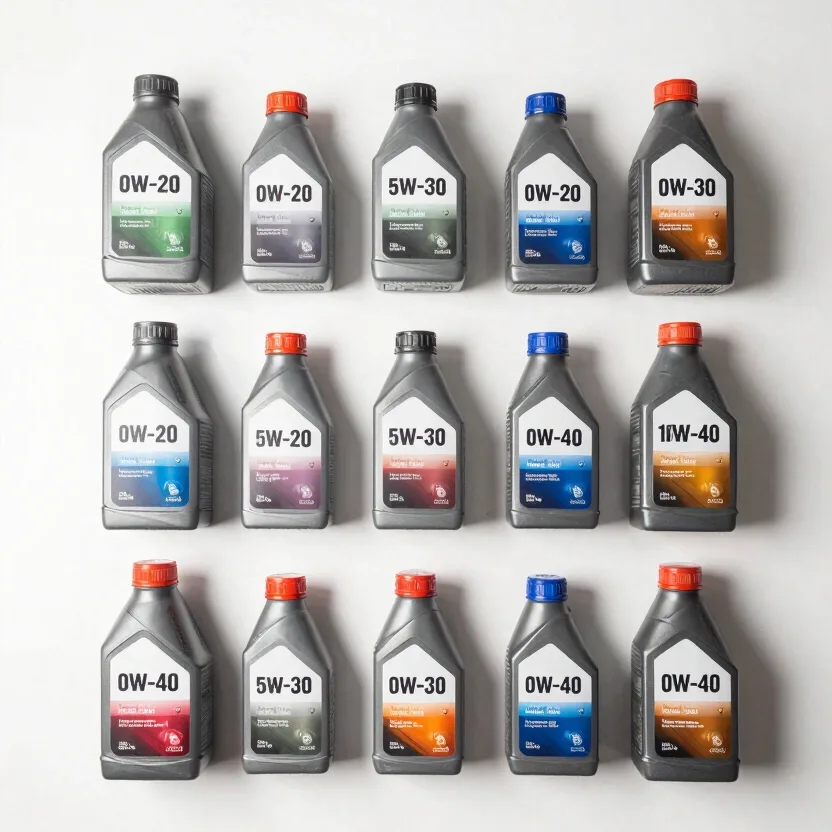
The number on the bottle (say, 5W-30) follows the SAE J300 classification. The "W" stands for winter. The number before it tells you cold-temperature flow.
The number after it is the viscosity at operating temperature (212 F). Per SAE specifications, a 0W-20 will pump at 5 F below zero but still perform like a straight 20-weight at full operating temperature.
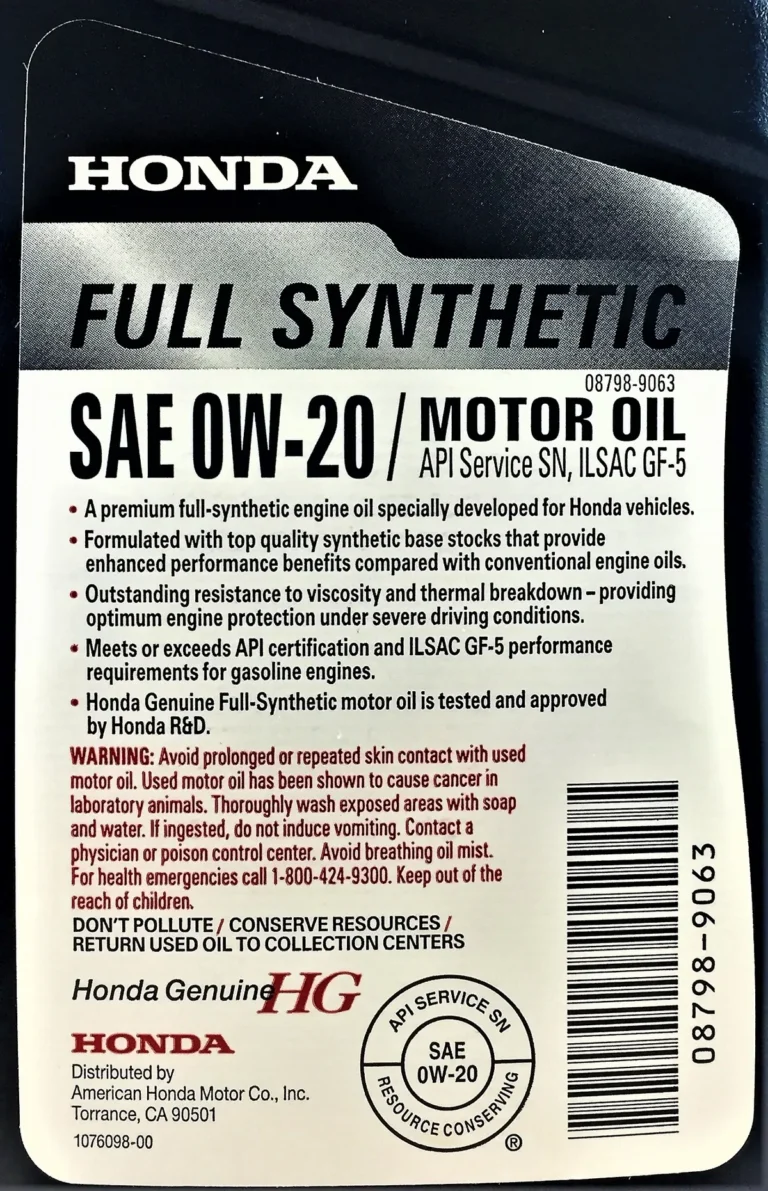
Your owner's manual lists the exact SAE grade and API service class. As of 2026, most new cars specify API SP or ILSAC GF-6A for fuel-economy optimization. You can verify approved oils through the SAE International standards database or cross-check the API "donut" symbol on the back of the bottle.
| What to Check | Where to Find It |
|---|---|
| Exact oil capacity (quarts) | Owner's manual, "Lubricants" page |
| SAE viscosity grade | Owner's manual or driver's-door sticker |
| API / ILSAC spec | Bottle back label; OEM approved-oil list |
| Drain-plug torque spec | OEM service manual (15 to 25 ft-lbs typical) |
Match all three before you buy the bottle. A "universal" oil that's a couple of grades off will still lubricate in a pinch, but it won't hit the fuel-economy calibration the engine was tuned for. If your car has an oil-type sensor (common on post-2020 German and Japanese platforms), it will reject the pour and throw a dashboard warning.
Safety, Burns, and Where to Dump That Used Oil
Hot engine oil is the number one burn hazard in a garage. Oil at operating temperature sits above 212 F, and used oil can ignite anywhere from 600 to 700 F. Never crack the filler cap or drain plug while the engine is still warm.
Wait a full five minutes minimum. Ten is safer.
If you're doing a full drain-and-refill, let the oil in the pan cool below 140 F before you touch the plug. Test with your index finger. If it's too hot to keep your finger on the metal, wait another three minutes.
A second-degree burn on your forearm is not worth saving two minutes.
Crush washers matter more than most people think. A reused copper or steel washer will not seal properly. You'll get a slow drip under the car that takes weeks to notice.
Always install a fresh one. They cost about thirty cents each at any auto-parts counter.
For disposal, the EPA classifies light-duty vehicle used oil as a recyclable material, not a hazardous waste under 40 CFR Part 279. That means you can't pour it on gravel, into a storm drain, or down the kitchen sink. You need a sealed, labelled container.
Most auto-parts chains, fire departments, and county solid-waste facilities accept it free or for a dollar or two per gallon.
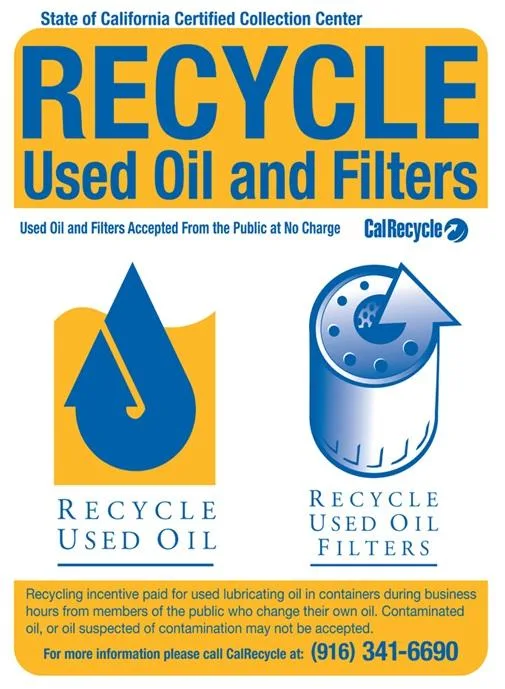
If you're storing the jerry can before your drop-off trip, cap it tight. Open containers of used oil attract moisture and build up a flammable vapour layer. Keep it away from heat sources, direct sun, and open flames until you're done with it.
Quick-Check FAQ Before You Grab That Bottle
How much oil does a typical 4-cylinder car need?
Most four-cylinder engines take 3.5 to 4.5 quarts. A V6 or V8 runs 4.5 to 6.5 quarts. Your owner's manual lists the exact figure on the "Lubricants" page.
Always confirm before you buy, because a single quart can push you past the upper dipstick mark.
Can I top off with a different oil grade than the original?
You can add a quart of a higher SAE grade in a pinch, but it won't fix the underlying problem. The blend shifts your viscosity ratio away from what the engine was calibrated for. If you're topping off between services, match the grade your car specifies.
If you can't find it, the closest available grade is still better than driving on low oil.
How do I reset the oil-change light after a DIY fill?
Every OEM uses a different procedure, and it's buried in your owner's manual under "Maintenance Messages." Some cars need a two-key cycle (on-off-on-off within ten seconds). Others require a dashboard settings menu. A handful need an OBD-II scan tool.
If you can't find the procedure, a $10 scan tool at any auto-parts counter will do it in two taps.
Is it okay to drive ten miles with the oil light on?
Ten miles at a slow crawl is usually survivable. The oil pump can still pull a thin film across the bearings. But sustained highway speed on low oil risks scoring a journal.
If the light is on, pull over. Top off. Drive home.
Don't do 65 mph on the interstate with the pump running dry.
How do I know if my car has an oil-type sensor?
Post-2020 German, Japanese, and Korean platforms increasingly include one. If the dashboard throws a "wrong oil type" or "viscosity not recognized" code after you fill, you poured a non-approved SAE grade. Check the OEM approved-oil list in your manual or on the manufacturer's website before your next pour.