What do the numbers in motor oil mean: Best guide
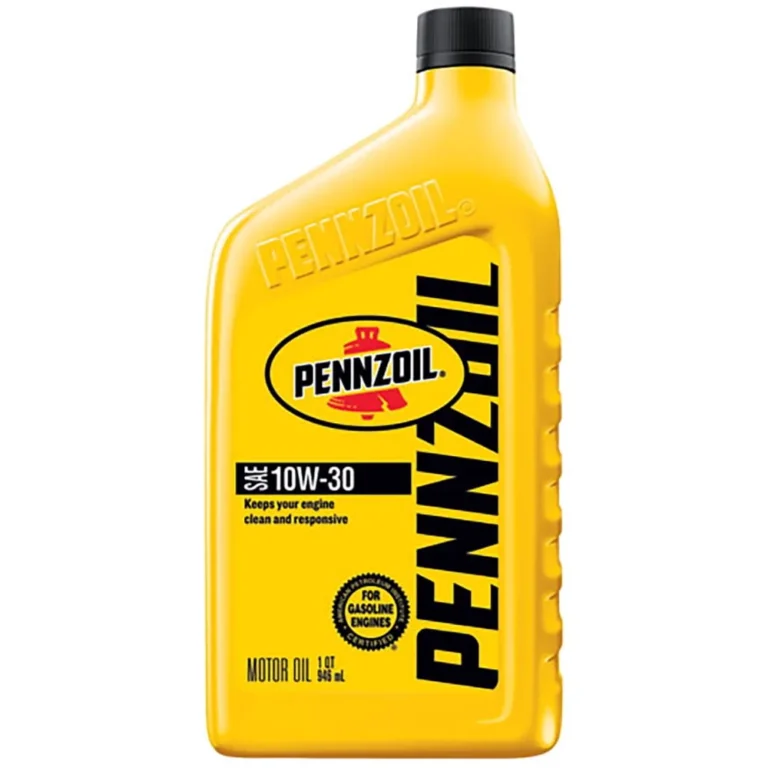
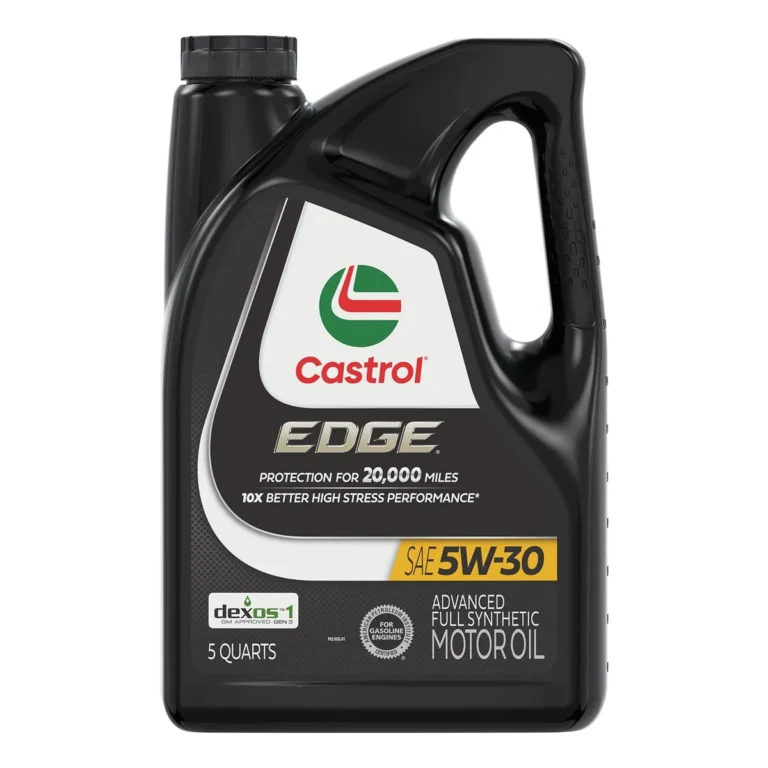
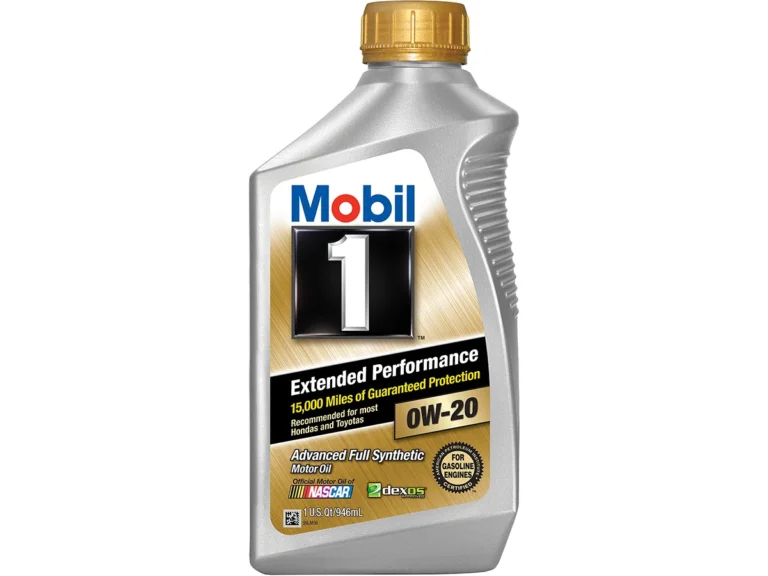
You're standing in the auto parts aisle, staring at a shelf of 5W-30 bottles from six brands, and you're wondering what do the numbers in motor oil mean. They all print the same grade, yet price swings from $6 to $18 a quart. The second layer of code on the back panel is what actually protects your engine.
Those two numbers are a SAE viscosity classification from SAE J300, not a quality score. "5W" means the oil passes a minimum rotational viscosity test at 0 °C, and "30" locks its kinematic viscosity into the 9.3 to 12.4 cSt band at 100 °C. As of 2026, the API service class for most gasoline engines is SP, with ILSAC GF-6 setting an HTHS floor of 2.9 mPa·s.
Let's break it down.
Quick Answer
The two numbers on the bottle are a SAE viscosity grade. The first number rates cold-temperature pumpability. The second number sets the 100 °C operating thickness.
They measure thickness, not quality or brand tier. Always check the API code and OEM number on the back label.
Standing at the Oil Aisle: Why "5W-30" Isn't a Quality Rating
Here's the thing most people miss. Two bottles can both say 5W-30, and one can be a $6 conventional blend while the other is a $16 full synthetic with a completely different additive package, base oil, and OEM approval stamped on the back.
The SAE grade only tells you the oil's thickness at two temperatures. It says nothing about detergency, anti-wear additives, soot handling, or whether the oil will survive a fuel-shut-off event in a turbocharged engine. The quality lives in the API service category, the ILSAC mark, and the OEM-specific approval number.
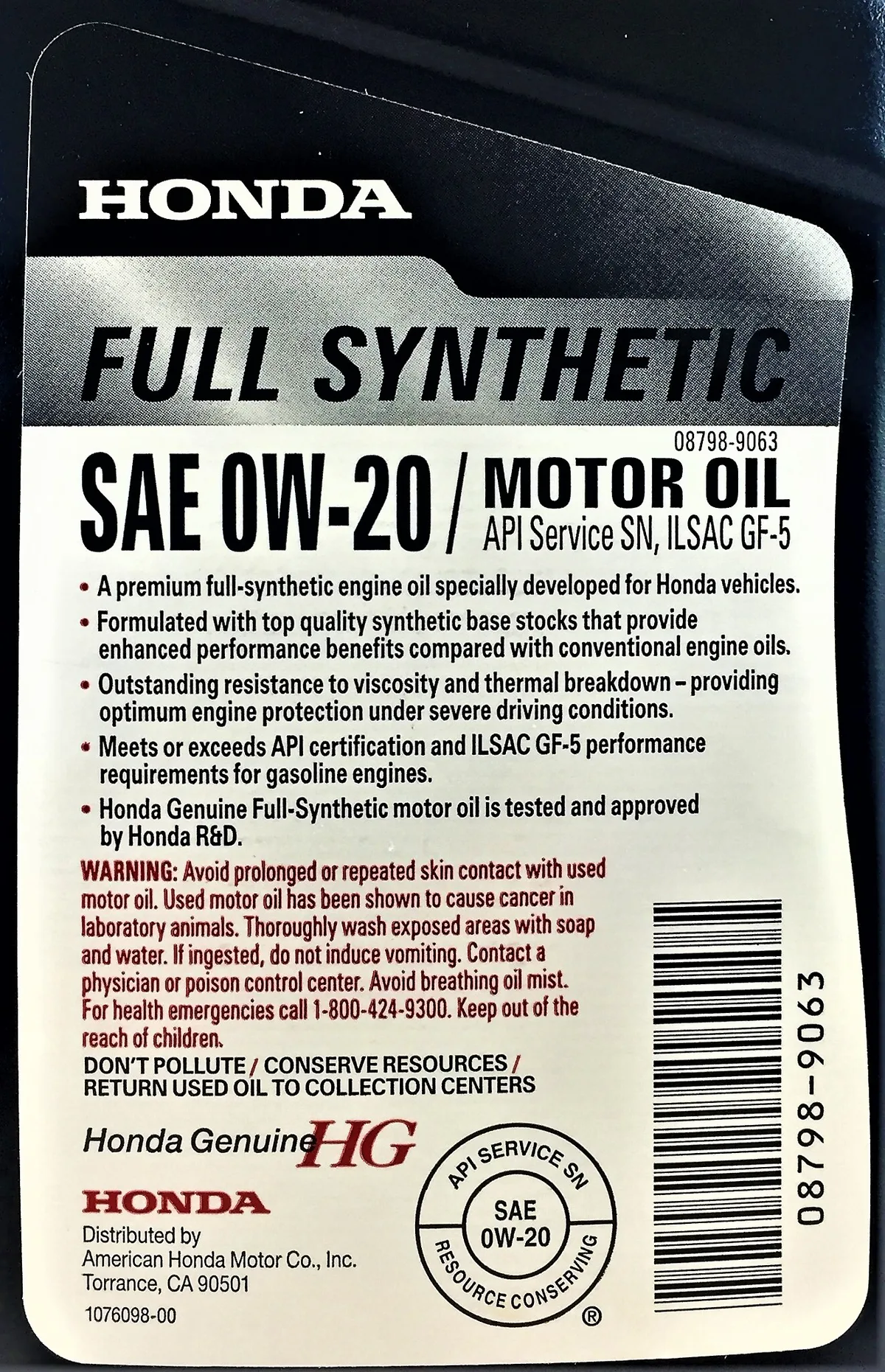
So when you walk into that aisle, the grade gets you in the right neighborhood. The back-panel codes get you the right house. We'll cover both.
The W-Number: What It Actually Measures (and What It Doesn't)
The "W" stands for winter, and the number before it (0, 5, 10, 15, 20) tells you how cold the oil can get before it turns too thick to pump. SAE J300 runs a Mini-Rotary Viscometer (MRV) test at a set temperature for each grade. If the oil's viscosity at that temperature is below the threshold, it passes.
Here's the mapping:
| SAE W-Grade | MRV Test Temp | Max Viscosity at Test Temp |
|---|---|---|
| 0W | −35 °C | 6,200 cSt |
| 5W | −30 °C | 6,600 cSt |
| 10W | −25 °C | 7,000 cSt |
| 15W | −20 °C | 7,000 cSt |
| 20W | −15 °C | 9,650 cSt |
What the W-number does not tell you: whether the oil is synthetic, how much additive package it carries, or if it meets your OEM's spec. A 5W-30 conventional oil and a 5W-30 full synthetic both pass the same MRV test at 0 °C. The grade is identical.
Everything else can be wildly different.
If your lowest overnight temperature dips below −25 °C, a 10W oil will struggle to circulate on the first cold start. That's the whole reason the W-number exists. Per SAE International's J300 standard, roughly 70% of an engine's total wear happens in the first two minutes after a cold start, when the oil is thickest and hasn't yet reached the bearings.
The Second Number: Film Thickness at 100 °C and Why It Matters Under Load
The second number (20, 30, 40, 50, 60) is the oil's kinematic viscosity at 100 °C, which is roughly the temperature your engine settles into during normal driving. A "30" grade means the oil sits between 9.3 and 12.4 cSt at that temperature.
But kinematic viscosity at 100 °C is only half the story. Under real load (towing, sustained highway speed, a turbo spooling), the oil film gets sheared thin. The metric that captures that is HTHS: viscosity at 100 °C under 1.5 million cycles per minute of shear.
ILSAC GF-6, current as of 2026, sets HTHS bands for each grade:
| SAE Grade | HTHS Range (mPa·s) per ILSAC GF-6 |
|---|---|
| 0W-20 | 2.6 to 2.9 |
| 5W-30 | 2.9 to 3.5 |
| 5W-40 | 3.5 to 4.5 |
If you regularly tow a 5,000 lb+ trailer or live where ambient temps push 35 °C and up, a 30-grade oil's HTHS sits right at the floor of its band. A 40-grade gives you a thicker film under those conditions. That's a condition-based choice, not a "better" choice.
It's the right choice for your specific workload.
Decoding the Rest of the Label: API Donut, ILSAC Mark, and the OEM Number Nobody Reads
Flipping the bottle around, you'll find three more layers of code that most drivers skip. Here's what each one actually does.
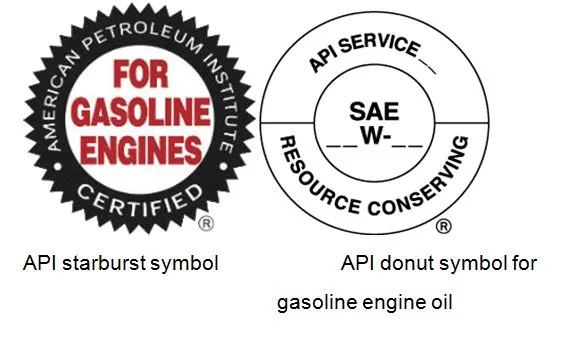
API service category. The little "donut" or oval on the back panel. As of 2026, the latest class for passenger gasoline engines is API SP, introduced in 2020 to address LSPI (low-speed pre-ignition) in turbocharged GDI engines and to tighten soot-handling limits. For diesel, the equivalent is API CK-4 or the newer FA-4 for certain low-ash applications.
Running SP in a diesel or CK-4 in a gasoline engine means the additive package is wrong for your fuel system.
ILSAC certification. The ILSAC GF-6 mark means the oil passed a fuel-economy benchmark on top of the API SP requirements. Not every SP oil carries it. Your OEM may require ILSAC GF-6 specifically, so check the service section of the manual.
OEM approval number. This is the line most people never read. A VW needs VW 504 00 or 507 00. A BMW wants Longlife-04.
A Cummins diesel wants CES 200777. These numbers mean the oil passed that manufacturer's proprietary test sequence, including drain intervals, friction targets, and material compatibility that the generic API spec doesn't cover.
The API maintains the full published list of lubricant specifications and test sequences. It's the single reference that ties every "SP" or "CK-4" mark back to actual lab results.
Five Variables That Change Which Numbers You Need
The right grade isn't one universal answer. It shifts with your specific situation. Here's how the five main variables pull the numbers in different directions.
Climate and Low-Temp Threshold
If your winter lows stay above 0 °C, a 5W or 10W grade works fine. If you're in Minnesota, northern Canada, or anywhere that hits −30 °C, you need 0W. A 5W oil at −30 °C is already past its MRV test temperature, meaning it won't pump reliably on the first cold morning.
Engine Type, Mileage, and Wear State
A modern, tight-tolerance engine (post-2015) is designed around a specific SAE grade and OEM number. Deviate and you risk warranty disputes or oil consumption. A high-mileage engine (150k+ miles) with worn valve seals may leak a fuel-thin 0W-20 past those seals and burn oil between changes.
In that case, stepping up one weight to 5W-30 or 10W-40 with a "high-mileage" additive package is the safer play.
Gasoline vs. Diesel vs. Turbo-GDI
Gasoline engines need API SP, or ILSAC GF-6 if your OEM requires it. Diesel engines need API CK-4 or FA-4. Turbocharged GDI engines are the trickiest of the three.
They face LSPI risk, and API SP was built specifically to suppress that event. Running an older API SN oil in a 2022+ turbo-GDI is a real, documented risk.
OEM-Specific Additive Requirements
This is the variable people ignore most. A "5W-40" oil for a Mercedes (229.5) is not the same formulation as a "5W-40" for a VW (504 00). Same SAE grade, different friction targets, different ash limits, different certified drain intervals.
You have to match the OEM number, not just the SAE grade on the front.
Driving Pattern: City Commute vs. Towing vs. Race
Short stop-and-go commutes don't heat the engine to full operating temp as often as long highway drives. If most of your miles are 5-to-15-mile trips, the oil spends more time at lower temps, which means moisture and acidic byproducts build up faster. That's a drain-interval issue more than a viscosity issue, but it does push you toward the thicker end of your grade's HTHS band.
If you tow regularly, race, or run a short-block at high RPMs, you're looking at 40 or 50 grades for sustained film strength under sustained load.
Your 7-Step Label-to-Engine Matching Workflow
This is the actual decision tree you run every time you stand in front of that shelf. Bookmark it or screenshot it.
- Open your owner's manual. Go to the "Engine Oil" or "Fluids" section. Write down the SAE grade, the API/ILSAC class, and the OEM number. This is your source of truth.
- Check your climate. Look up the coldest temperature your region hits in January. If it drops below −30 °C, you need 0W. Between −30 and −20, 5W is the floor.
- Read the bottle front. Confirm the SAE grade matches your manual. If the manual says 5W-30 and the bottle says 10W-40, put it back.
- Read the bottle back. Find the API donut (SP, SN, CK-4). Find the ILSAC mark (GF-6) if your manual requires it. Find the OEM approval number (VW 504 00, Toyota 0029, BMW LL-04, etc.).
- Match all three. Grade AND service class AND OEM number must all line up. Missing even one is a compatibility risk.
- Drain, filter, fill. Replace the filter, pour in the new oil, and pull the dipstick after 30 seconds of idle.
- Log the date and mileage. Your next drain interval comes from the manual, not from a sticker on the bottle.
If you skip step 4 and just buy whatever "5W-30" is on sale, you might end up with an oil that lacks the friction-modifier package your turbo engine needs, or one with too much ash for a DPF-equipped diesel.
0W-20 vs. 5W-30 vs. 10W-40: When Each One Is the Right Call
There is no "better" number. Only the right number for your engine, climate, and workload. Here's how to pick:
- 0W-20: Your manual calls for it, you live where temps drop below −20 °C, and your engine is a modern tight-tolerance unit (most 2018+ sedans and SUVs). It flows fastest at cold start, cutting that first-two-minutes wear window. If your engine is over 120k miles with visible oil consumption, 0W-20 may leak past worn seals. Step up to 5W-30.
- 5W-30: The middle-of-the-road pick. Works in most climates down to about −30 °C. Fits a wide range of engines, from a 2019 Toyota Camry to a 2022 Mazda CX-5. If your manual lists 5W-30, that's your default.
- 10W-40: Older engines (pre-2005) with wider bearing clearances, or engines that run hot under sustained load (towing, off-road, high-ambient climates). The thicker 100 °C film compensates for wear that's already happened.
If your manual lists two grades, the thinner one wins for cold starts. The thicker one wins for hot, loaded operation. In temperate climates, the thinner grade is the safer everyday choice.
Conventional, Blend, and Full Synthetic: Where the Viscosity Number Fits In
The SAE grade is independent of the base oil type. A 5W-30 can be a $5 conventional mineral oil or a $16 full synthetic. The number stays the same.
What changes is the additive package and the base oil stability.
- Conventional (mineral): Meets the SAE grade. Basic detergents. Shorter drain intervals (3,500, 5,000 mi). Fine for a simple, low-mileage, older engine.
- Blended (synthetic blend): Mineral base with 20, 50% synthetic esters. Better cold-flow and oxidation resistance than conventional. Mid-range pricing.
- Full synthetic: Group III, IV (PAO), or V (ester) base. Stable viscosity across wide temp swings. Longer drain intervals (7,500, 10,000 mi or more, per OEM). Required by most post-2015 turbocharged and GDI engines.
The key point: the viscosity number tells you the thickness. The API and ILSAC codes tell you the chemistry. A conventional 5W-30 that lacks API SP will not protect a 2023 turbo-GDI engine the way a full-synthetic SP oil will, even though both say "5W-30" on the front.
Six Mistakes That Quietly Shorten Engine Life
These are the ones we see flagged in owner forums, service bulletins, and warranty dispute records.
- Treating the SAE grade as a quality tier. "10W-40 sounds heavier, so it must be better." It isn't. It's thicker. Wrong thickness in a tight-tolerance engine causes windage loss and oil starvation at high RPMs.
- Skipping the OEM number on the back label. A generic 5W-40 without VW 504 00 approval may carry too much ash for a long-life drain interval. The DPF clogs by cycle three.
- Running API SN in an engine that needs SP. LSPI is a real, documented failure mode in turbo-GDI engines. SN oils predate the LSPI test sequence. The difference in fuel-dilution resistance is measurable.
- Mixing API generations in one drain. Pouring an SN batch into a drain that already has SP oil in it. The additive packages aren't always compatible, and the lower TBN batch drags the whole drain's acid-neutralizing capacity down.
- Storing oil in direct sun or a 45 °C garage for months. The additive package degrades before you ever pour it in. Keep it cool, sealed, and off the floor.
- Ignoring the "severe service" footnote in the manual. Short trips under 10 miles, sustained towing, or dusty/off-road driving cut the normal drain interval roughly in half. The bottle doesn't know your commute. You do.
Warranty Clauses, DPF Ash Limits, and the Compliance Layer Under the Numbers
Most OEMs write their warranty language the same way: "Use oil meeting the specified SAE viscosity grade, API service category, and OEM approval." That's three conditions. Miss one, and the powertrain warranty can be voided for "failure to follow maintenance schedule."
For diesel and DPF-equipped vehicles, the constraint is tighter. API CK-4 oils are capped at 0.5% total ash. Some OEMs require low-SAPS (low sulfur, ash, phosphorus) formulations specifically so the DPF filter doesn't clog within two or three drain cycles.
A high-ash conventional diesel oil in a modern SCR-equipped truck is a recipe for expensive filter replacements.
Used-oil disposal also falls under regulation. In the US, the EPA and DOT classify used oil under 49 CFR 273 and 40 CFR 273. Most auto-parts stores and oil-change centers take it back at no cost.
If you generate it commercially, the rules tighten. Dumping used oil into a storm drain is a federal violation, not just an environmental one.
The practical takeaway: the numbers on the bottle are the easy 20% of the problem. The remaining 80% is confirming that those numbers, plus the API code, plus the OEM approval, all match what your specific engine was validated for. Get that layer right, and the rest is just a drain-and-fill every 7,500 miles.
Pro Tips: When the Number Is the Easy Part and the Additive Package Is the Hard Part
The SAE grade takes ten seconds to read. The chemistry behind it takes a minute. But that's where the real engine protection lives.
- TBN (Total Base Number) is your acid-neutralizing reserve. Passenger-car oils sit around 7 to 10 mgKOH/g. Diesel CK-4 oils need 10 or higher. If you run a high-soot diesel, TBN depletion at drain time is the first number to track.
- Friction modifiers in API SP and ILSAC GF-6 oils are tuned to hit the 2.9 mPa·s HTHS floor while still delivering a 1 to 3% fuel-economy gain. Skip the ILSAC mark and you lose that specific tuning.
- VVT-sensitive engines (Toyota VVT-i, BMW Valvetronic, GM ActiveManager) meter oil through the camshaft at 100 °C. A viscosity index that's too low means the oil thins more than the OEM validated. Timing drift follows. This is why OEMs lock you to a specific HTHS band, not just a SAE grade.
The practical move: when two bottles share the same SAE grade, the one with the higher TBN, the ILSAC GF-6 stamp, and your OEM approval number is the one that protects the engine. The front label is a starting point, not a finish line.
One-Page Decision Guide: Decode Any Oil Bottle in Under Two Minutes
Use this as your aisle quick-reference. If every line checks out against your manual, buy it. If one line fails, put it back.
| You see on the bottle | What it tells you | What to verify against your manual |
|---|---|---|
| 5W-30 (front panel) | SAE J300 viscosity grade | Does the manual list 5W-30? |
| API SP (back panel) | Current gasoline service class | Does your engine year need SP? (2020+ = yes) |
| ILSAC GF-6 logo | HTHS + fuel-economy certified | Does the OEM require GF-6 specifically? |
| VW 504 00 / Toyota 0029 / BMW LL-04 | OEM-specific approval | Is that exact number in your manual's oil spec page? |
| "Full Synthetic" or "Blended" | Base oil type and drain interval | Conventional: 3,500–5,000 mi. Synthetic: 7,500–10,000 mi |
Two seconds per row. Four rows. That's the whole workflow in the aisle.
Frequently Asked Questions
Can I use 10W-40 in an engine that calls for 5W-30?
You can pour it in, but the 10W number means the oil is thicker at cold start. In a tight-tolerance modern engine, that extra thickness slows circulation for the first 30 seconds. If your manual lists 5W-30 only, stick with it.
Does a higher SAE number mean a better oil?
No. The number is a thickness rating, not a quality tier. A 10W-40 conventional oil can offer less protection than a 0W-20 full synthetic.
The API code and OEM approval number are what signal quality and compatibility.
What does the "W" in 5W-30 actually stand for?
Winter. It rates low-temperature pumpability, tested per SAE J300 with the Mini-Rotary Viscometer. A 5W oil passes at −30 °C.
A 0W passes at −35 °C. The number after the W sets the 100 °C operating thickness.
How often should I change oil if I drive few miles?
Time matters even when mileage doesn't. Moisture and acidic byproducts build up while the engine sits. Most OEMs cap the interval at 12 months regardless of distance.
If you drive 3,000 miles a year, still drain and refill every 12 months.