Synthetic Motor Oil vs Regular Oil: Key Differences


Is Full Synthetic Motor Oil Good?
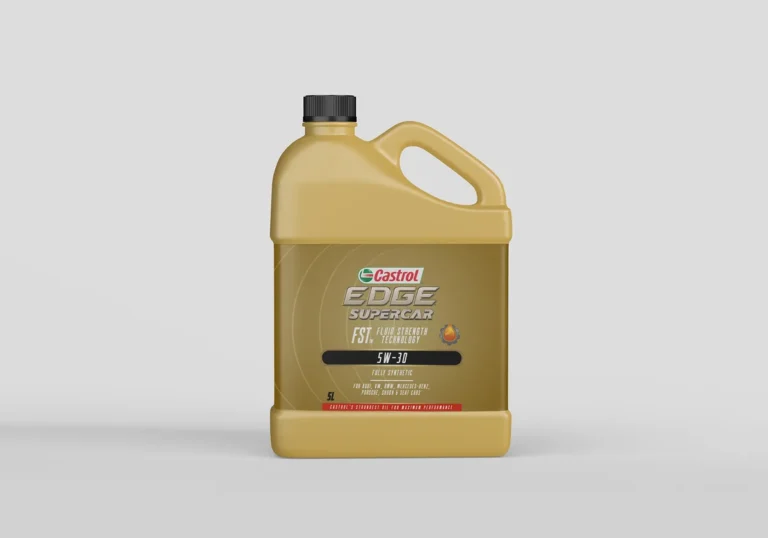
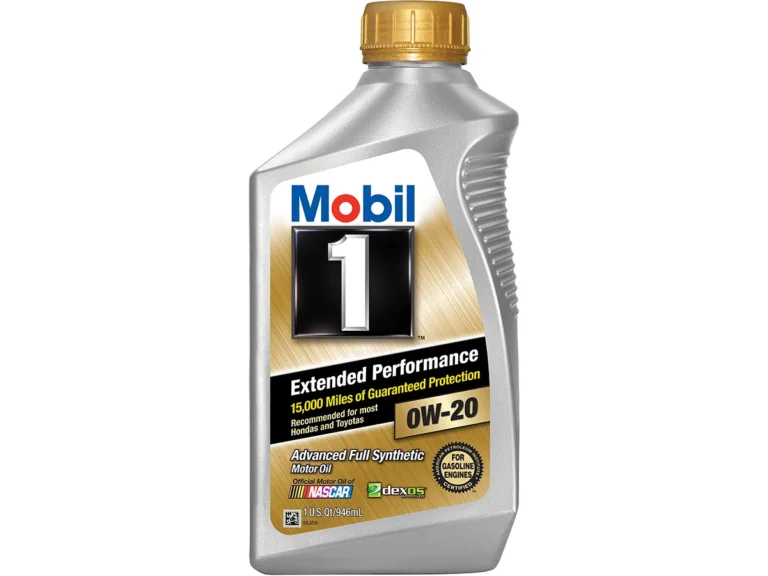
Yes, full synthetic motor oil is a great choice for many modern cars, trucks, and SUVs. It uses carefully made base oils and a blend of additives. These help the oil resist heat, flow in cold weather, and control wear. Many newer engines need synthetic oil to meet their design and warranty requirements. Always check the owner’s manual before buying it.
Think of synthetic oil as a well-made winter coat. It helps your engine cope with changing conditions. That does not mean it prevents every kind of damage. Clean oil, the right grade, and timely changes still matter. When comparing synthetic motor oil vs regular oil, I give synthetic the edge for drivers who face hard starts, long commutes, heavy traffic, or high engine heat.
I would consider synthetic oil for a newer family SUV that spends hours in stop-and-go traffic. I would also look at it for a car that sits outside during a cold winter. These are practical examples, not personal test results. The main trade-off is price. Synthetic oil often costs more per bottle, but its longer approved service interval may help offset that cost. Never extend an oil change interval beyond the car maker’s guidance.
What Makes It Stand Out
- Strong heat resistanceGood synthetic oils resist heat-related breakdown well. This helps them perform in hot engines and demanding drives.
- Good cold flowMany synthetic oils flow well at low temperatures. This can help oil reach key engine parts soon after a cold start.
- Consistent performanceSynthetic base oils can offer stable performance across a wide range of temperatures.
- Wear controlThe base oil and additive blend help reduce wear when the oil meets the engine’s required grade and specification.
- Deposit controlQuality synthetic oils use detergents and other additives to help limit sludge and harmful deposits.
- Potential for longer service intervalsSome vehicles allow longer oil change intervals with approved synthetic oil. The owner’s manual sets the limit.
- Options for modern enginesSynthetic oils come in many grades and specifications for turbocharged engines, direct injection systems, and other modern designs.
My Recommendation
Choose full synthetic oil if your owner’s manual calls for it or if you want strong performance in cold weather, high heat, and demanding traffic. Check the exact grade and specification before buying.
| Best For | Why |
|---|---|
| Modern cars and SUVs | Many newer engines require or favor synthetic oil that meets a specific standard. |
| Cold winter driving | Many synthetic oils flow well at low temperatures and help oil circulate after a cold start. |
| Heavy traffic and towing | A suitable synthetic oil can handle demanding heat and load conditions. |
Is Conventional Motor Oil Good?
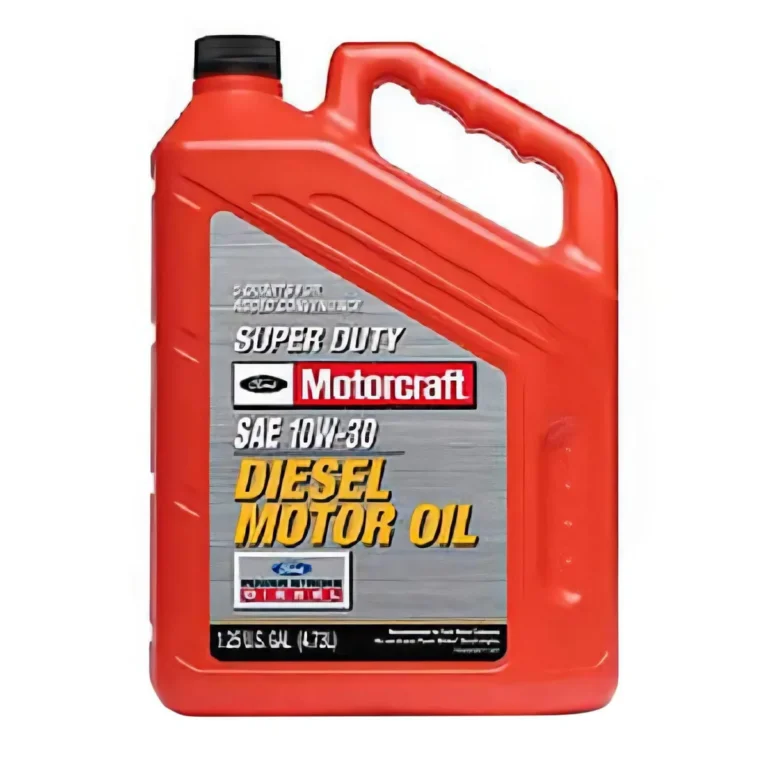
Yes, conventional motor oil can be a good choice for a vehicle that allows it. It comes from refined crude oil and contains additives that help clean, protect, and lubricate the engine. It often costs less than full synthetic oil. For drivers who want a simple and affordable oil change, that lower price can matter.
Think of conventional oil as a dependable pair of work boots. It can do the job well when you use it for the right task. But it may not offer the same level of heat and cold performance as many synthetic oils. When looking at synthetic motor oil vs regular oil, the key is not to assume that the cheaper option is bad. The correct conventional oil can protect a compatible engine when you follow the service schedule.
I would consider conventional oil for an older car whose manual allows it and whose owner follows regular maintenance. A driver with a short commute in a mild climate may not need to pay extra for synthetic oil if the vehicle maker permits conventional oil. These are practical examples, not claims from a personal driving test. If the engine calls for synthetic oil, however, saving a few dollars is not worth ignoring that requirement.
What Makes It Stand Out
- Lower purchase priceConventional oil often costs less per quart than full synthetic oil. This can reduce the cost of a routine oil change.
- Proven engine lubricationA suitable conventional oil forms a lubricating film that helps reduce friction between moving engine parts.
- Useful additive packageDetergents, anti-wear agents, and other additives help the oil protect and clean the engine.
- Wide availabilityCommon conventional oil grades are easy to find at many auto parts stores and service shops.
- Suitable for some older vehiclesSome older engines are designed to run on conventional oil. The owner’s manual remains the best guide.
- Simple maintenance choiceOwners can use conventional oil when it meets the required grade and specification and follow the set change schedule.
- Many viscosity optionsConventional oil comes in common grades for different engines and climates, though not every grade is available in every formulation.
My Recommendation
Choose conventional oil if your owner’s manual permits it and you want to lower upfront maintenance costs. Match the required grade and change it on time.
| Best For | Why |
|---|---|
| Budget-minded owners | The lower oil price can make routine service less costly. |
| Compatible older vehicles | Some older engines work well with the conventional oil grade specified by the maker. |
| Routine driving | It can meet the needs of mild use when the vehicle maker approves it. |
Synthetic Motor Oil vs Regular Oil: Side-by-Side Test
When I compare synthetic motor oil vs regular oil, I look at how each option handles daily use, weather, engine heat, and cost. The right choice depends on your car and how you drive it.
The ratings below are editorial scores based on general product traits. They are not lab results or personal road-test scores. A specific oil’s formula, viscosity grade, and industry approvals can change the result.
1. Engine Protection: Which Is Better?
Both oils reduce friction and help protect moving parts. Synthetic oil often has an edge in demanding conditions, but the right specification matters more than the label alone.
| Feature | Synthetic Oil | Regular Oil |
|---|---|---|
| Wear protection | Strong when correctly matched | Strong when correctly matched |
| Heat resistance | Often better | Can be adequate for normal use |
| Deposit control | Good with a quality additive blend | Good with a quality additive blend |
| Modern engine needs | Often required for newer designs | Suitable only if approved |
⭐ Synthetic Oil – 9/10 | Regular Oil – 7/10
Synthetic oil gets the edge for demanding use, while either oil can protect an engine when it meets the maker’s requirements.
2. Cold Starts: Which Flows Better?
Oil needs to flow after you start the engine. This matters most on freezing mornings, when thick oil takes longer to move through the engine.
| Feature | Synthetic Oil | Regular Oil |
|---|---|---|
| Low-temperature flow | Often very good | Depends on grade and formula |
| Winter commuting | Strong choice | Can work if suitable for the climate |
| Cold start wear control | Can help oil reach parts quickly | Depends on viscosity and conditions |
⭐ Synthetic Oil – 9/10 | Regular Oil – 7/10
Synthetic oil often wins in severe cold, but the correct winter viscosity is vital for both types.
3. High Heat: Which Holds Up Better?
Long highway trips, summer traffic, and towing can raise engine heat. A good oil must keep its protective film under these conditions.
| Feature | Synthetic Oil | Regular Oil |
|---|---|---|
| Resistance to oxidation | Often stronger | May break down sooner under severe heat |
| Long highway drives | Well suited when approved | Suitable when approved |
| Towing and heavy loads | Often a better fit | Use only if the maker allows it |
⭐ Synthetic Oil – 9/10 | Regular Oil – 7/10
Synthetic oil usually has the advantage under high heat, especially when the engine works hard.
4. Price: Which Saves More?
The shelf price is only one part of the cost. Oil capacity, filter price, labor, and the approved service interval also affect your yearly budget.
| Feature | Synthetic Oil | Regular Oil |
|---|---|---|
| Price per quart | Usually higher | Usually lower |
| Upfront oil change cost | Often higher | Often lower |
| Cost over time | May be competitive with longer approved intervals | May need more frequent changes in some vehicles |
| Budget appeal | Better for protection-focused buyers | Better for low upfront cost |
⭐ Synthetic Oil – 8/10 | Regular Oil – 9/10
Regular oil wins on upfront price, while synthetic oil may offer better value over time in vehicles that allow longer service intervals.
5. Oil Change Intervals: Which Lasts Longer?
Oil life depends on the engine, the oil, and your driving habits. Short trips, dusty roads, heavy loads, and frequent idling can shorten the service interval.
| Feature | Synthetic Oil | Regular Oil |
|---|---|---|
| Typical oil life | Often longer when approved | May be shorter in some applications |
| Owner’s manual | Follow the listed interval | Follow the listed interval |
| Severe driving | May still need frequent changes | May need frequent changes |
⭐ Synthetic Oil – 9/10 | Regular Oil – 7/10
Synthetic oil often lasts longer, but never extend the interval beyond the vehicle maker’s limit.
6. Fuel Economy: Which Helps More?
Oil can affect engine friction, but the effect on fuel use is usually small. Tire pressure, speed, traffic, and driving style often matter much more.
| Feature | Synthetic Oil | Regular Oil |
|---|---|---|
| Friction control | Can be very good | Depends on formula and grade |
| Fuel savings | Possible, often modest | May be similar in a compatible engine |
| Best approach | Use the required viscosity | Use the required viscosity |
⭐ Synthetic Oil – 8/10 | Regular Oil – 7/10
Synthetic oil may help reduce friction, but it does not guarantee a clear fuel economy gain.
7. Older Cars: Which Is the Safer Choice?
Age alone does not decide which oil an engine needs. The manual, oil leaks, engine condition, and required specifications matter more.
| Feature | Synthetic Oil | Regular Oil |
|---|---|---|
| Older engines | Can work well if approved | Can work well if approved |
| Oil leaks | Will not repair worn seals | Will not repair worn seals |
| Buying decision | Check grade and condition | Check grade and condition |
⭐ Synthetic Oil – 8/10 | Regular Oil – 8/10
Neither type is always best for an older car. Choose the oil that fits its design and condition.
8. Everyday Driving: Which Makes More Sense?
A short commute differs from a long drive across several states. Your route, weather, and engine design should guide the oil choice.
| Feature | Synthetic Oil | Regular Oil |
|---|---|---|
| Stop-and-go traffic | Often a strong choice | Can work if approved |
| Short trips | Good option, but still needs timely changes | May work in approved engines |
| Routine mild use | Offers added performance margin | Can meet basic needs |
| Simple decision rule | Follow the manual | Follow the manual |
⭐ Synthetic Oil – 9/10 | Regular Oil – 8/10
Synthetic oil suits a wide range of daily use, but conventional oil can be a sound choice when the car maker permits it.
Final Verdict: Which Should You Buy?
In the synthetic motor oil vs regular oil debate, full synthetic oil is my overall pick for many modern vehicles. It often handles heat and cold better and may support longer oil change intervals when the maker allows them. It is a strong fit for busy commutes, cold winters, and demanding drives.
Regular oil still makes sense for compatible engines and owners who want a lower upfront cost. Do not choose by price alone. Check your owner’s manual for the correct viscosity, performance standard, and service interval. The best oil is the one that meets those rules and keeps your engine properly maintained.