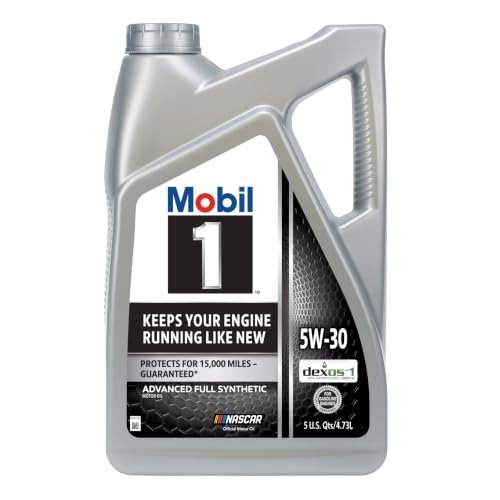
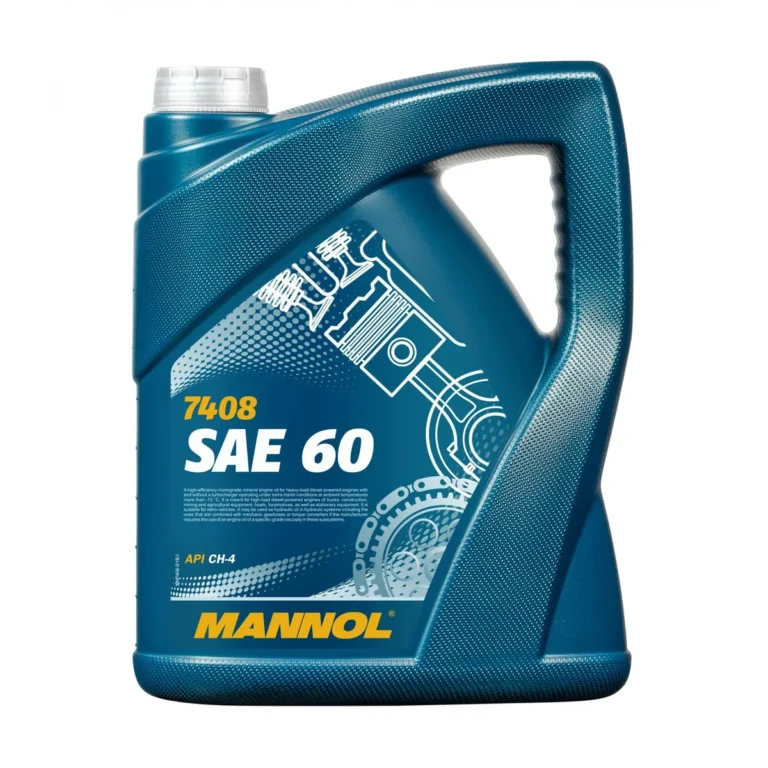
The better engine oil is the one that matches your vehicle’s required viscosity, performance standards, and engine design. Full synthetic oil often offers the strongest overall protection, but the owner’s manual should guide your final choice.
If you drive a car, truck, or SUV in the United States, choosing engine oil can feel harder than it should. A trip to an auto parts store may reveal shelves filled with synthetic, conventional, high-mileage, and blended oils. Each bottle promises to protect your engine, yet the right choice depends on what your vehicle needs.
The best starting point is your owner’s manual. It lists the required oil viscosity, such as SAE 0W-20 or 5W-30, and may specify performance standards or manufacturer approvals. These details matter more than a brand name or a claim printed on the bottle.
Full synthetic oil is a strong choice for many modern vehicles because it can provide good cold-start flow, resist heat-related breakdown, and support longer service intervals when the vehicle maker permits them. However, conventional oil or a synthetic blend may also work well when it meets the engine‘s requirements. This guide explains the differences and shows how to choose without paying for features your car does not need.
Source: amarmoynanews.com
What Makes One Engine Oil Better Than Another?
Engine oil does more than make moving parts slippery. It forms a protective film between metal surfaces, helps carry heat away from hot components, suspends some contaminants, and protects against rust and corrosion. The oil also works with the filter to help keep harmful particles from building up inside the engine.
Better oil performs these jobs while meeting the needs of a particular engine. A high-performance oil designed for one vehicle may not be the correct choice for another. Oil quality, viscosity, additive chemistry, manufacturer approvals, and the engine’s operating conditions all influence the result.
Think of engine oil as a protective layer between parts that move thousands of times each minute. If the oil is too thick for the engine’s design, it may flow too slowly during some conditions. If it is too thin or lacks the required performance properties, it may not provide the protection the manufacturer intended.
Source: dhakapost.com
Correct viscosity
The oil must meet the SAE grade specified for your engine and the temperatures in which the vehicle operates.
Performance standards
The oil should meet the API, ILSAC, ACEA, or other standards required by the vehicle manufacturer, as applicable.
Engine compatibility
Some engines need special approvals for turbochargers, emissions systems, fuel economy, or particular operating conditions.
Suitable change interval
The oil must remain suitable for the service interval permitted by the vehicle maker under your driving conditions.
Why the Owner’s Manual Comes First
Your owner’s manual is the most useful starting point because it identifies the oil requirements for the specific engine. Some vehicles allow more than one viscosity grade under stated temperature conditions, while others require a particular grade and formal manufacturer approval.
Check the maintenance section, oil filler cap, or official service information for your model and engine. If a bottle matches the viscosity but not a required specification, do not assume that the oil is suitable. Both details can matter.
Find the exact engine
Check the model year, engine type, and any turbocharged or hybrid configuration that affects oil requirements.
Confirm the full specification
Read the required viscosity, service category, and any manufacturer-specific approval before buying.
Which Engine Oil Is Better: Synthetic, Conventional, or Blend?
For many modern passenger vehicles, full synthetic oil is the strongest general-purpose option when it meets the manufacturer’s specifications. It is often formulated to handle temperature changes, oxidation, and demanding engine conditions well. Still, conventional oil and synthetic blends remain reasonable choices for engines that explicitly permit them.
The difference is not simply that synthetic oil is always good and conventional oil is always bad. Each type contains base oils and an additive package. The final performance depends on the complete formulation and whether the oil meets the needs of your engine.
The table below compares the main oil types. These are general tendencies, not guarantees for every brand or product. A high-quality conventional oil that meets the required specification may be more suitable than a synthetic oil with the wrong grade or approval.
Source: ajkalerkhobor.net
Full synthetic oil
Often offers strong oxidation resistance, cold-temperature flow, and performance under heat and heavy loads. It is commonly used in modern vehicles that require demanding oil specifications.
Synthetic blend oil
Combines synthetic and conventional base oils. It may offer a balance of performance and cost, depending on the formulation.
Conventional oil
Can suit some older or less demanding engines when the oil meets the required specifications and service schedule.
High-mileage oil
Usually includes a formulation intended for engines with substantial mileage. It may help manage some seal-related issues and oil consumption, but it cannot restore worn engine parts.
Full Synthetic Oil: Best for Many Modern Engines
Full synthetic oil is often a sensible choice for newer cars, turbocharged engines, and vehicles exposed to frequent stop-and-go traffic. Its formulation can help resist heat-related oxidation and maintain suitable performance across a range of temperatures. These qualities are useful when an engine faces repeated starts, long commutes, or heavy workloads.
Cold starts are another reason drivers choose synthetic oil. During a cold start, oil must move through the engine while clearances and temperatures change. A suitable winter-grade synthetic formulation can flow well under cold conditions, but the correct SAE grade and its certified performance remain essential.
Synthetic oil often costs more per quart than conventional oil. The extra cost may be worthwhile when the engine requires synthetic oil or benefits from its performance. Do not extend oil changes beyond the manufacturer’s approved interval just because the bottle says synthetic.
Often suitable for
Modern engines that specify synthetic oil, many turbocharged vehicles, and cars used in demanding temperature or traffic conditions.
Main limitation
A synthetic label does not guarantee compatibility, a longer approved change interval, or better performance than every competing oil.
Synthetic Blend Oil: A Practical Middle Ground
A synthetic blend can be a reasonable choice when your vehicle permits it and the product meets the required performance standards. It may cost less than some full synthetic products while offering selected benefits from synthetic base oils.
The exact formulation matters. There is no single performance level shared by every synthetic blend, so compare the specifications on the label rather than relying on the word blend alone.
Potential advantage
It may provide suitable protection at a lower purchase price than some full synthetic oils.
Main limitation
It is not a substitute for full synthetic oil when the vehicle manufacturer requires a qualifying full synthetic product.
Conventional Oil: When Is It Still a Good Choice?
Conventional oil can work well in engines designed for it when the oil meets the required grade and performance category. Some older vehicles do not need the more demanding formulation used by many modern engines.
However, age alone does not determine the right oil. An older car may have a turbocharged engine or a manufacturer-specific requirement that calls for a particular synthetic product. Follow the exact specification instead of switching based only on the vehicle’s age or purchase price.
Potential advantage
It can be an economical option for compatible engines that allow conventional oil.
Main limitation
It may not meet the performance needs of modern engines or the requirements of vehicles that specify synthetic oil.
High-Mileage Oil: Is It Better for Older Cars?
High-mileage oil is formulated for engines with substantial use. Depending on the product, its additive package may help condition certain seals, reduce some forms of oil consumption, or support protection in an older engine. These effects vary, and the oil does not rebuild worn bearings, repair broken seals, or fix mechanical damage.
There is no universal mileage point at which every car should switch to high-mileage oil. Consider the manufacturer’s guidance, the engine’s condition, and any change in oil consumption. Make sure the product still meets the correct viscosity and performance requirements.
Consider it when
An older engine has high mileage and the product matches its required specifications.
Get a diagnosis when
Oil loss is sudden, the engine produces persistent blue smoke, or oil leaks appear around the engine.
Understanding Engine Oil Viscosity: 0W-20, 5W-30, and 10W-30
Viscosity is a measure of how easily oil flows. The SAE grade printed on the bottle describes how the oil behaves under standardized temperature conditions. Choosing the correct grade is essential because engine designs rely on oil with particular flow and film-forming properties.
In a multigrade oil such as 5W-30, the W stands for winter. The number before the W relates to cold-temperature performance, while the number after the hyphen describes the oil’s viscosity characteristics at higher operating temperatures under the SAE test system. A lower winter number generally indicates better cold-start flow performance under the relevant tests.
A lower number does not mean an oil is automatically better. For example, 0W-20 is not a universal upgrade over 5W-30. The engine’s oil passages, bearing clearances, pump design, and control systems influence which viscosity the manufacturer specifies.
Source: dhakapost.com
0W-20
Common in many modern vehicles designed for low-viscosity oil and fuel efficiency. Use it only when the manufacturer permits or requires it.
5W-30
Used in many engines with a different viscosity requirement. It may be suitable across a broad range of conditions when approved for the vehicle.
10W-30
Found in some older engines and certain other applications. Its cold-temperature suitability depends on the climate and the manufacturer’s instructions.
5W-40
Specified for some engines that need this viscosity and performance level. It should not be treated as a universal choice for hot weather.
Does Thicker Oil Protect an Engine Better?
Not always. Thicker oil can form a suitable protective film under certain conditions, but excessive viscosity can also increase resistance to flow and pumping losses. The correct balance depends on the engine’s design and operating temperature.
Switching to thicker oil to quiet an engine or stop a leak may hide a symptom without fixing the cause. If the engine burns oil, loses pressure, or makes new noises, check the manufacturer’s guidance and arrange a diagnosis instead of choosing a heavier grade at random.
Follow approved alternatives
If the manual lists multiple viscosity grades for specific temperatures, use those conditions to guide your choice.
Avoid unapproved changes
Do not assume that hotter weather or high mileage automatically makes a thicker oil suitable.
Which Engine Oil Is Better for Different Driving Conditions?
The best engine oil depends partly on how and where you drive. A car used for short trips in winter faces different demands from a truck towing a trailer in summer. The oil must still meet the vehicle’s required specifications, but the driving pattern can influence the type of product and the service interval.
In the United States, drivers may face freezing winters in the Upper Midwest, hot summers in Arizona, coastal humidity, mountain roads, or heavy traffic around large cities. These conditions can change how an engine warms up and how hard it works. They do not automatically justify changing the oil grade beyond the options approved by the manufacturer.
Source: dhakapost.com
Frequent short trips
Short drives may prevent the engine from reaching and maintaining normal operating temperature for long enough to remove accumulated moisture and fuel contamination. Follow the severe-service guidance when applicable.
Cold winters
A suitable winter-grade oil can improve cold-start flow. Check the owner’s manual for the correct grade at the temperatures you expect.
Hot summers
Use the specified oil and service schedule. High outdoor temperatures alone do not mean you should use a thicker grade.
Towing and heavy loads
Follow any special oil requirements and maintenance intervals for towing, hauling, or sustained heavy operation.
Long highway drives
Steady highway driving may be less demanding than repeated cold starts, but speed, load, temperature, and vehicle-specific maintenance rules still matter.
Best Oil for Stop-and-Go City Driving
For frequent traffic and short commutes, start with the oil specification in the manual. A qualifying full synthetic oil may offer useful resistance to oxidation and temperature stress, but it does not remove the need for regular changes.
If your car has an oil-life monitor, follow the instructions for that system. Some vehicles use driving conditions to estimate when service is due. If the manual provides a separate severe-service schedule for repeated short trips, dusty roads, or heavy traffic, use that schedule.
Practical choice
Use the approved oil type and grade, then follow the service schedule for your actual driving pattern.
Best Oil for Trucks, SUVs, and Towing
A truck or SUV that tows a boat, camper, or utility trailer may place more heat and load on its engine than a lightly driven passenger car. The correct oil may need to meet additional manufacturer requirements, particularly in turbocharged or high-output engines.
Check the towing section of the owner’s manual and any special maintenance schedule. Do not assume that every heavy-duty oil is suitable for a gasoline passenger vehicle, or that every diesel oil is approved for a gasoline engine.
Practical choice
Select an oil approved for the exact engine and follow any shorter service interval specified for towing or severe use.
How to Choose the Right Engine Oil Step by Step
You can narrow down your choices by checking a few details before you shop. The process begins with the engine’s documented requirements, not the price, color, brand, or popularity of a bottle. Once you know the required specifications, comparing products becomes much easier.
Source: jugantor.com
Step 1: Identify your vehicle
Record the model year, make, model, engine size, and engine type. If the vehicle has several engine options, make sure you identify the correct one.
Step 2: Read the oil requirements
Find the required SAE viscosity grade, performance category, and any manufacturer-specific approval in the owner’s manual or official service information.
Step 3: Choose the oil type
Select full synthetic, synthetic blend, conventional, or high-mileage oil only when the product meets the vehicle’s requirements.
Step 4: Verify the label
Check the product label for the required performance standards and approvals. Do not rely on a matching viscosity grade alone.
Step 5: Check the service interval
Use the maintenance schedule or oil-life monitor specified by the vehicle maker. Account for severe-service conditions when the manual directs you to do so.
Step 6: Compare total cost
Compare the price per quart, required oil quantity, filter cost, and approved service interval. A lower bottle price does not always mean lower maintenance cost.
A Simple Oil Selection Example
Imagine that a vehicle’s manual calls for SAE 0W-20 oil that meets a specified API service category and a manufacturer approval. A bottle of 0W-20 that lacks a required approval may not be suitable, even if it is a full synthetic product from a well-known brand.
Now imagine that two oils meet every required specification. One costs more because it has a premium brand position or additional marketing claims. Unless those differences offer a documented benefit relevant to your vehicle, the more expensive option is not automatically the better buy.
What decides the result
Compatibility comes first. Once both products meet the requirements, price, availability, product documentation, and service support can guide the final choice.
What Do API, ILSAC, and Manufacturer Approvals Mean?
Performance standards help you judge whether an engine oil meets defined requirements beyond its viscosity grade. In the United States, API service categories and ILSAC standards are common on oils for gasoline passenger vehicles. Some engines also require an automaker’s own approval or a different regional specification.
The American Petroleum Institute maintains oil licensing and certification programs that identify products meeting applicable requirements. The International Lubricant Standardization and Approval Committee develops standards used for certain gasoline-engine oils. The exact category matters because standards change as engine designs and performance needs evolve.
Look for the specification required by your vehicle rather than choosing the newest-looking label by default. A newer category may be compatible with some older engines, but that does not mean every newer oil suits every older or specialized engine. Check the vehicle manufacturer’s guidance when compatibility is unclear.
Source: eisamay.com
API
The API service category helps indicate the performance level of an oil for the engine type covered by that category.
ILSAC
ILSAC standards cover selected gasoline-engine oil performance requirements, including areas relevant to fuel economy and engine protection.
ACEA
ACEA specifications are used in many European vehicle applications. They may matter when a vehicle maker calls for a particular ACEA category.
Manufacturer approval
An automaker may require its own specification or formal approval. Follow that requirement when the manual identifies one.
Can You Trust the Oil Bottle Label?
The label is a useful starting point, but read it carefully. Terms such as advanced, premium, racing, or maximum protection are marketing descriptions unless supported by relevant technical requirements and documentation.
When a particular approval is essential, verify the exact product and approval through the vehicle maker or the oil supplier’s technical documentation. Similar product names can have different formulations in different markets, so do not rely on a name alone.
Check the exact product
Confirm the viscosity, specification, and approval for the oil sold in your market.
Does Expensive Engine Oil Protect Your Car Better?
A higher price does not automatically mean better protection. Two oils that meet the same required specifications may both be suitable for your engine, even when one costs much more. Differences in formulation can matter, but the bottle price alone does not show how well an oil performs in a specific vehicle.
Some premium oils offer additional documented approvals, specialized formulations, or performance characteristics. Those benefits may be valuable when your engine requires them. If the extra features do not match your vehicle’s needs, paying more may provide little practical advantage.
You should also compare the full cost of maintenance. Consider the amount of oil required, the correct filter, labor, and the service interval approved by the manufacturer. Never stretch the interval beyond the permitted schedule to make a premium oil seem more economical.
Source: dhakapost.com
Pay for compatibility first
A correctly specified oil is more important than a luxury label or a high price.
Compare documented features
Look for relevant approvals and technical data instead of relying on broad claims about engine life or fuel savings.
Avoid false savings
Do not choose a cheaper oil that fails a required specification just to reduce the cost of an oil change.
How to Compare Cost per Oil Change
A simple calculation can help you compare two compatible oils. Multiply the price per quart by the number of quarts your engine needs, then add the filter and labor if you pay a shop. This gives you a more useful estimate than comparing the price of two bottles of different sizes.
For example, suppose Oil A costs $7 per quart and Oil B costs $10 per quart. If your engine takes five quarts, the oil alone costs $35 with Oil A and $50 with Oil B. These are hypothetical prices, not current market quotes, and the comparison is useful only if both oils meet the vehicle’s requirements.
Use the full service cost
Include the correct oil quantity, filter, labor, and any additional maintenance required by the vehicle.
Common Engine Oil Mistakes to Avoid
Many engine oil problems start with a simple mistake: buying the wrong grade, ignoring a warning light, or delaying a service because the oil still looks clean. A few basic checks can help you avoid unnecessary wear and costly repairs.
Engine oil color alone cannot tell you whether the oil is still suitable. Oil can darken during normal use as it carries contaminants, while oil that looks clean may still be degraded or unsuitable. Follow the maintenance schedule and investigate unusual changes in oil level, smell, pressure, or engine behavior.
Source: prothomalo.com
Choosing by brand alone
A familiar brand name does not guarantee that a specific product meets your engine’s required grade and approvals.
Using the wrong viscosity
A different grade can affect oil flow and engine protection. Use an alternative only when the manufacturer permits it.
Overfilling the engine
Too much oil can cause problems, including aeration in some engines. Follow the specified fill quantity and check the level correctly.
Ignoring low oil pressure
A red oil pressure warning can indicate a serious lubrication problem. Stop safely and shut off the engine as soon as it is safe to do so.
Extending oil changes without approval
Synthetic oil does not automatically permit a longer interval. Follow the manual or the approved oil-life monitoring system.
Mixing incompatible products
Small top-ups with compatible oils may be necessary in an emergency, but avoid routine mixing when it compromises required specifications or performance.
What If You Accidentally Use the Wrong Oil?
The next step depends on the oil used, the engine, and how long the vehicle has run. Check the exact product label against the vehicle requirements. If the oil is substantially different from the specified grade or lacks a critical approval, contact a qualified mechanic or the vehicle manufacturer for advice.
Do not keep driving if an oil pressure warning appears, the engine develops severe knocking, or the vehicle shows signs of a serious lubrication problem. Stop safely and arrange professional help. If the wrong oil was added in a small amount, the response may differ from a complete oil change using the wrong product.
Check before restarting
If you suspect a serious mismatch or an incorrect fill quantity, obtain guidance before operating the engine.
Keep the product details
Record the oil brand, grade, specification, amount added, and distance driven to help a mechanic assess the situation.
When Should You Change Your Engine Oil?
The right oil change interval depends on the vehicle, engine, oil specification, driving pattern, and maintenance system. Some vehicles use a fixed mileage or time schedule, while others have an oil-life monitor that estimates when service is due. Follow the instructions for your exact vehicle instead of relying on a universal rule such as every 3,000 miles.
Frequent short trips, repeated cold starts, dusty conditions, heavy towing, and certain forms of stop-and-go driving can qualify as severe service for some vehicles. If your manual defines these conditions, use the matching maintenance schedule. An oil-life monitor should also be used as the manufacturer directs, including any time-based service limit.
Check your oil level at the interval recommended in the manual, especially if your engine is known to consume oil. Park on a level surface, follow the stated waiting period, and use the dipstick or electronic measurement method specified by the manufacturer. Keep the oil between the indicated limits.
Source: ajkalerkhobor.net
Follow the owner’s manual
Use the recommended mileage, time limit, or oil-life monitor instructions for your exact vehicle.
Check oil level regularly
A correct oil level helps maintain lubrication between services and can reveal unusual consumption.
Replace the filter as directed
Use a compatible oil filter and follow the maintenance schedule for the filter and oil.
Dispose of used oil properly
Collect used oil in a clean, sealed container and take it to an approved recycling or collection location. Never pour it onto the ground or into a drain.
Signs That Your Engine Needs Attention
A low oil level, repeated need for top-ups, visible leaks, blue exhaust smoke, or new engine noises can signal a problem. These symptoms do not identify one cause on their own, but they should not be dismissed as normal aging.
A red oil pressure warning requires prompt action because continued operation may damage the engine. Stop in a safe place and switch off the engine. Check the owner’s manual and arrange help rather than driving on in the hope that a different oil will solve the problem.
Oil level keeps dropping
Check for leaks and arrange an inspection for possible oil consumption or other faults.
Persistent unusual noise
Stop operating the engine if severe knocking or other serious noises develop, and seek qualified diagnosis.
A Quick Decision Guide: Which Engine Oil Should You Buy?
Use this decision guide to narrow your options without treating one oil type as the winner for every vehicle. The recommendations are conditional on meeting the manufacturer’s viscosity, performance, and approval requirements.
Source: dhakapost.com
For most modern cars
Start with the full synthetic oil that matches the manual. It is often a strong option for modern engine designs and varied driving conditions.
For an older car that permits conventional oil
A conventional oil that meets every required specification can be suitable. Do not switch solely because the car has aged.
For an engine with high mileage
Consider a compatible high-mileage formulation if it addresses your maintenance needs. Investigate significant leaks or oil consumption rather than relying on the oil to repair them.
For a turbocharged engine
Follow the required oil specification and manufacturer approval closely. Turbocharger heat and engine design can make compatibility especially important.
For very cold weather
Choose the approved viscosity grade suited to the expected temperatures. A lower winter number can help cold flow when the manufacturer allows it.
For towing or severe service
Use the specified oil and follow any shorter service interval listed for demanding operating conditions.
Is One Engine Oil Brand Better Than All the Others?
No single brand is automatically best for every engine. Different brands sell products with different viscosities, additive packages, and approvals. A brand’s premium product may be suitable for one engine while another product from the same company may not meet the requirements of a different vehicle.
Compare the exact product specifications, not just the name on the bottle. If two oils meet all the required standards and approvals, choose based on documented differences, availability, price, and confidence in the product’s source.
Best buying rule
Buy the correctly specified oil from a reliable seller and keep a record of the product used at each service.
Next-Question Gap Map for Engine Oil Buyers
The most useful follow-up questions concern compatibility, maintenance, and what to do when a vehicle behaves differently after an oil change. These are inferred next needs based on the decisions covered in this guide, not verified search-volume findings. No live competitor-page audit or Search Console dataset is represented here.
Source: jugantor.com
Can I switch from conventional to synthetic oil?
Reader stage: before buying. Basis: inferred next need. Coverage: answered at a general level. Benefit: helps prevent unnecessary concern about changing oil type. Evidence needed for an individual vehicle: its manual and required oil specification. Priority: high.
Can I use a different viscosity in hot weather?
Reader stage: product selection. Basis: inferred next need. Coverage: answered with conditions. Benefit: reduces the risk of an unapproved viscosity change. Evidence needed: the vehicle’s approved temperature and viscosity chart. Priority: high.
Will high-mileage oil stop an engine leak?
Reader stage: troubleshooting. Basis: inferred next need. Coverage: answered with limits. Benefit: sets realistic expectations and encourages diagnosis of persistent leaks. Evidence needed: product documentation and a mechanical inspection. Priority: high.
How often should I change synthetic oil?
Reader stage: after purchase. Basis: inferred next need. Coverage: answered generally. Benefit: prevents unapproved extended service intervals. Evidence needed: the exact owner’s manual and maintenance monitor instructions. Priority: high.
Which oil is best for my exact car?
Reader stage: final purchase. Basis: inferred next need. Coverage: the decision method is answered, but vehicle-specific selection requires more information. Benefit: makes the recommendation precise. Evidence needed: model year, make, model, engine, and official oil requirements. Priority: high.
Frequently Asked Questions
Q
Which engine oil is better for most modern cars?
Full synthetic oil is often a strong choice for modern cars because it can offer good cold-start flow and resistance to oxidation and heat. However, the best oil is the one that meets the exact viscosity, performance category, and manufacturer approvals listed for your engine. Some vehicles require a specific synthetic formulation, while others permit additional oil types.
Q
Is synthetic oil always better than conventional oil?
No. Full synthetic oil often offers advantages under demanding conditions, but the label alone does not prove that it is the right product for every engine. Conventional oil can be suitable when the vehicle manufacturer permits it and the product meets the required specifications. Compatibility matters more than the oil type in isolation.
Q
Can I switch from conventional oil to synthetic oil?
In many engines, switching from conventional oil to a compatible synthetic product is acceptable. Check the owner’s manual and make sure the new oil meets the required viscosity and performance standards. If your engine has an active leak, unusual oil consumption, or a known mechanical problem, have the cause checked instead of expecting a change in oil type to fix it.
Q
Is 5W-30 better than 0W-20?
Neither grade is universally better. The numbers describe different viscosity characteristics, and the correct choice depends on the engine design and the manufacturer’s instructions. Use 0W-20 when specified or permitted, and use 5W-30 when the vehicle calls for that grade or lists it as an approved option.
Q
Does expensive engine oil last longer?
Not necessarily. A premium oil may have relevant approvals or performance features, but price alone does not establish a longer service life. Follow the manufacturer’s oil-change interval or oil-life monitor instructions, even when you use a premium synthetic product.
Q
Should I use high-mileage oil in a car with over 100,000 miles?
You may consider high-mileage oil when it matches your engine’s requirements, but 100,000 miles is not a universal switching point. Engine condition, oil consumption, manufacturer guidance, and the oil’s specifications all matter. High-mileage oil may help with certain seal-related issues, but it cannot repair worn or damaged parts.
Q
Can I mix two different engine oil brands?
Different brands can often be mixed for a necessary top-up when both oils are compatible with the engine and meet the required specifications. However, routine mixing is not ideal because the resulting blend may not retain every claimed performance characteristic of either product. Use the specified oil for regular changes and consult the manual or a mechanic if compatibility is uncertain.
Q
How do I know which engine oil my car needs?
Check the owner’s manual or official service information for the exact model year and engine. Confirm the SAE viscosity grade, required API or ILSAC category where applicable, and any manufacturer-specific approval. If the information is unclear, contact the automaker or a qualified mechanic before buying oil.
✦ Wrapping Up
Conclusion
The answer to which engine oil is better starts with your engine, not the bottle. Full synthetic oil often provides a strong balance of performance and protection for modern vehicles, while conventional oil, synthetic blends, and high-mileage products can also be suitable when they meet the manufacturer’s requirements.
Viscosity, performance standards, and manufacturer approvals should guide your choice. Driving conditions and maintenance needs then help determine the right service interval. A premium label, a higher price, or a thicker viscosity does not automatically mean better protection.
For a reliable decision, identify your exact engine, check the owner’s manual, compare compatible products, and follow the prescribed maintenance schedule. If you notice a warning light, persistent oil loss, or unusual engine noise, address the underlying problem instead of relying on a different oil to solve it.
💡 Key Takeaway
Before your next oil change, write down the required SAE grade and performance specifications from your owner’s manual. Choose an oil that meets every requirement, use the correct quantity and filter, and follow the vehicle’s maintenance schedule.
If you typed “what motor oil is the thickest” into your browser, you’re probably staring at a halfworn engine, a gear case weeping, or a diesel truck that runs…
Learning how to drain motor oil is usually simple when the engine has a clear sump plug. Motor oil, also called engine oil, lubricates, cools, and cleans the…