Best Synthetic Engine Oil: Top Picks For Engine Protection
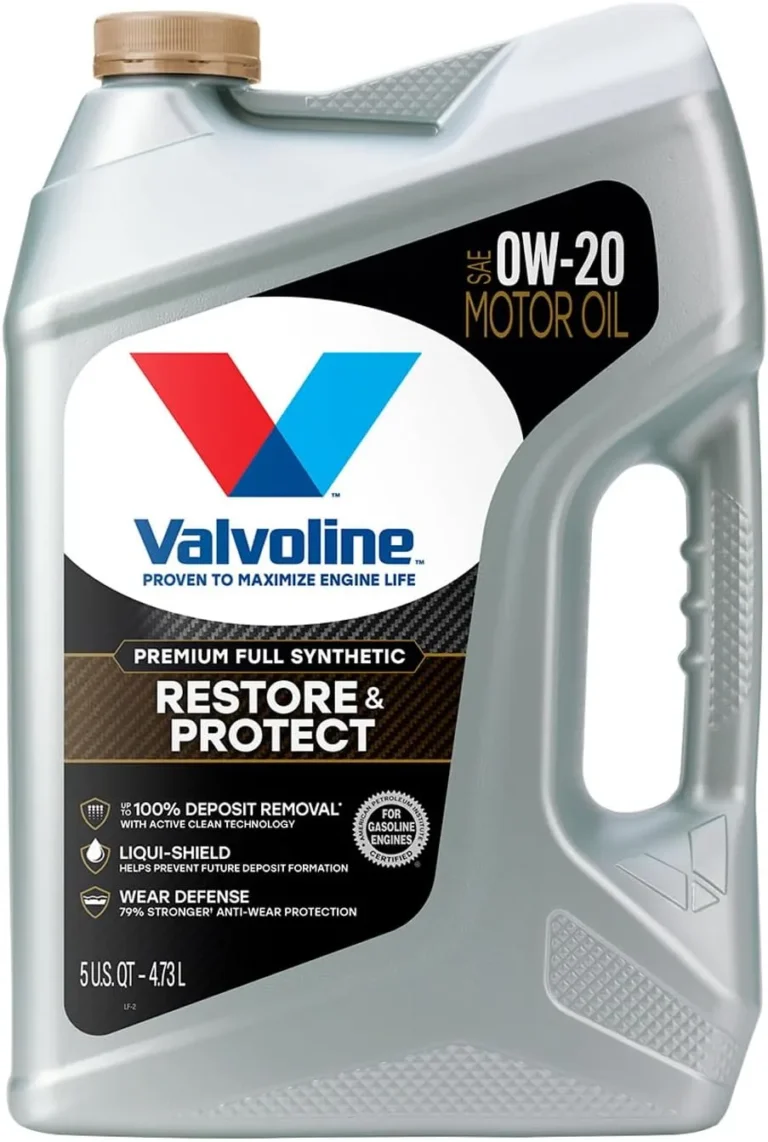
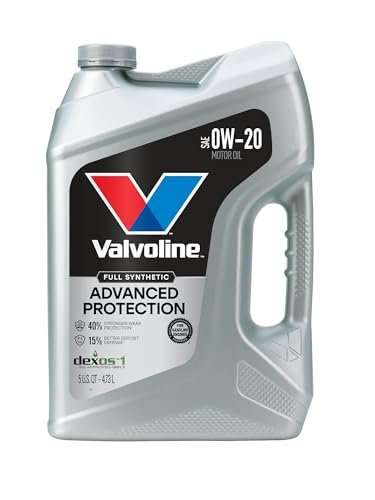
Valvoline Advanced Full synthetic 0W-20 is my top pick for strong engine protection, heat control, and daily driving.
Think about your daily drive in the USA. You may face cold mornings, hot highways, long commutes, and stop-and-go traffic. Your engine deals with all of them. The right motor oil helps reduce wear and keeps engine parts moving smoothly. But not every oil offers the same level of protection. Some focus on fuel savings, while others help protect older engines. I compared five popular Valvoline, Mobil 1, and Castrol options to find the best synthetic engine oil for different needs. This guide also explains which products are full synthetic and which use a synthetic blend. That small detail can make a big difference when you shop.
🏆 Top 3 Products

Valvoline Advanced Full Synthetic SAE 0W-20 Motor Oil 5 QT | Proven to maximize engine life, 40% stronger wear protection, 15% better deposit defense, up to 2.5X better heat protection
It offers full synthetic protection with a strong focus on wear, heat, and engine cleanliness.

Mobil 1 Advanced Fuel Economy Full Synthetic Motor Oil 0W-20, 5 Quart | Enhanced Fuel Economy | 10,000-Mile Protection | Triple Action Formula
It is a strong choice for drivers who want full synthetic oil with a focus on fuel economy and daily engine care.

Valvoline MaxLife High Mileage 5W-30 Synthetic Blend Motor Oil 5 Quart | #1 High Mileage Motor Oil Brand, helps protect aging engines, reduce leaks and minimize oil consumption
It gives older engines targeted care and can help manage common high-mileage engine issues.
Valvoline MaxLife High Mileage 5W-30 Oil
Valvoline MaxLife High Mileage 5W-30 is made for cars and trucks with older engines. It uses a synthetic blend rather than a full synthetic base. Its formula aims to help protect engine parts, reduce oil leaks, and limit oil use. These features can matter when a vehicle has covered many miles and its engine has started to show signs of age.
I like the fact that this oil focuses on common problems found in older engines. Some high-mileage vehicles may develop small leaks or use more oil between changes. MaxLife aims to help manage these issues while keeping moving parts protected. However, it cannot repair worn seals or damaged engine parts. Always check your owner’s manual before choosing its 5W-30 grade.
✅ Pros
- ✔ Made for engines with high mileage.
- ✔ Helps protect engine parts from wear.
- ✔ Designed to help reduce oil leaks.
- ✔ Helps limit oil consumption in aging engines.
- ✔ 5W-30 grade suits many vehicles that call for this viscosity.
- ✔ Synthetic blend formula offers an option between basic conventional oil and full synthetic oil.
- ✔ Useful for daily driving and regular road trips.
- ✔ Five-quart container can suit many standard oil changes.
⚠️ Cons
- ✖ It is a synthetic blend, not a full synthetic oil.
- ✖ It may not meet the needs of engines that require 5W-30 full synthetic oil.
- ✖ It cannot fix mechanical leaks or damaged seals.
- ✖ The 5W-30 grade is not right for every engine.
- ✖ High-mileage benefits may be less useful for newer, low-mileage vehicles.
My Recommendation
I recommend Valvoline MaxLife High Mileage 5W-30 for drivers who own older cars and need an oil designed for aging engines. It is a practical choice if your vehicle uses 5W-30 and you want help with wear, oil use, and small leak concerns. I would not choose it just because a car has a high odometer reading. Check the owner’s manual first. If your engine requires full synthetic oil, choose a product that meets that requirement. For the right older vehicle, this MaxLife formula can be a sensible option among the best synthetic engine oil choices, even though it is technically a synthetic blend.
| Best For | Why |
|---|---|
| Older cars and trucks | Its formula focuses on the wear and oil use concerns that can affect aging engines. |
| Vehicles that use 5W-30 | It provides the correct viscosity option when the owner’s manual allows this oil type. |
| Drivers seeking a synthetic blend | It offers a middle-ground option for people who do not need a full synthetic formula. |
Valvoline MaxLife High Mileage 5W-20 Oil

Valvoline MaxLife High Mileage 5W-20 is another option for older vehicles. It has a synthetic blend formula that aims to protect aging engine parts and help reduce leaks. The 5W-20 grade makes it different from the 5W-30 version. That difference matters because engines need the oil grade listed by their makers.
I see this product as a useful choice for drivers who own an older car that calls for 5W-20. It aims to help reduce oil use and support engine protection during daily trips. The formula is not a repair product, so it will not restore worn seals or damaged parts. Still, it may help support a regular oil care plan when the viscosity and required standards match your vehicle.
✅ Pros
- ✔ Designed for high-mileage engines.
- ✔ Helps protect aging engine parts.
- ✔ Aims to reduce oil leaks.
- ✔ Helps limit oil consumption.
- ✔ 5W-20 grade works for vehicles that call for this viscosity.
- ✔ Synthetic blend formula offers an alternative to conventional oil.
- ✔ Useful for everyday driving.
- ✔ Five-quart size can cover many common oil change needs.
⚠️ Cons
- ✖ It is not a full synthetic motor oil.
- ✖ It is not suitable for engines that require 5W-30 or 0W-20.
- ✖ It cannot repair damaged seals or worn engine parts.
- ✖ It may not offer the same type of service-life claims as some full synthetic oils.
- ✖ Its high-mileage focus may not add much value to a newer engine.
My Recommendation
I would choose Valvoline MaxLife High Mileage 5W-20 for an older car that needs 5W-20 oil. It is especially worth considering if you want a product that focuses on oil use, leaks, and wear. It can fit the needs of drivers who want a synthetic blend for routine engine care. However, do not switch from another grade without checking the manual. A good oil must meet the engine maker’s viscosity and performance needs. If your car requires 5W-20, this product can be a practical high-mileage option.
| Best For | Why |
|---|---|
| Older 5W-20 vehicles | It matches the needs of engines that specify this oil grade. |
| High-mileage daily drivers | Its formula aims to help protect aging parts and manage oil use. |
| Synthetic blend buyers | It offers a high-mileage blend for drivers who do not need a full synthetic formula. |
Valvoline Advanced Full Synthetic 0W-20 Oil
Valvoline Advanced Full Synthetic 0W-20 is my top overall pick in this group. It is a full synthetic motor oil made for engines that call for the 0W-20 grade. The brand highlights wear protection, deposit control, and heat protection. These features matter because engine oil must protect moving parts while dealing with heat and daily driving stress.
I like this oil for drivers who want a simple, full synthetic option for routine use. The 0W rating helps the oil flow in cold conditions, while the 20 grade describes its viscosity at normal engine operating heat. This can be useful during cold starts and regular trips. The product also promotes stronger wear and heat protection through its stated formula claims. Check the product label and your owner’s manual to confirm the required standards before buying.
✅ Pros
- ✔ Full synthetic formula.
- ✔ Designed to help reduce engine wear.
- ✔ Focuses on deposit protection and engine cleanliness.
- ✔ Aims to protect against high engine heat.
- ✔ 0W-20 grade supports cold-start oil flow.
- ✔ Suitable for many modern engines that call for 0W-20.
- ✔ Useful for daily commutes and regular highway driving.
- ✔ Five-quart container suits many common oil changes.
- ✔ A strong all-round option for drivers who need full synthetic oil.
⚠️ Cons
- ✖ The 0W-20 grade is not suitable for every engine.
- ✖ It may cost more than a conventional or synthetic blend oil.
- ✖ Its performance claims should not replace the vehicle maker’s service advice.
- ✖ It may not be the best choice for older engines that require another viscosity.
- ✖ The five-quart size may not cover vehicles with larger oil capacities.
My Recommendation
Valvoline Advanced Full Synthetic 0W-20 is my first choice for drivers whose vehicles require 0W-20 full synthetic oil. It offers a useful mix of wear protection, heat defense, and deposit control. I would consider it for a modern sedan, crossover, or compatible SUV used for daily travel. Its full synthetic base also makes it a stronger match for buyers who specifically want full synthetic motor oil rather than a blend. It earns my top spot in this best synthetic engine oil review because it covers several important areas without focusing on only one driving need.
| Best For | Why |
|---|---|
| Modern 0W-20 vehicles | It is made for engines that require this viscosity and suitable oil specifications. |
| Daily commuters | Its full synthetic formula focuses on wear, heat, and deposit protection. |
| Drivers seeking all-round protection | It balances several key engine care goals in one oil. |
Mobil 1 Advanced Fuel Economy 0W-20 Oil
Mobil 1 Advanced Fuel Economy 0W-20 is a full synthetic motor oil with a clear focus on fuel economy. Its formula aims to reduce friction while protecting important engine parts. Mobil 1 also promotes protection for up to 10,000 miles, subject to the product directions and vehicle maker’s service needs. This makes it an interesting option for drivers who want a full synthetic oil for regular daily use.
I like this product for drivers who spend a lot of time commuting or traveling on highways. Its 0W-20 grade can help oil flow during cold starts in vehicles that require this viscosity. The oil also aims to help control sludge and deposits. However, a 10,000-mile claim does not mean every car can safely use the same change interval. Your owner’s manual, driving conditions, oil level, and service schedule should guide each oil change.
✅ Pros
- ✔ Full synthetic motor oil.
- ✔ Designed with fuel economy in mind.
- ✔ 0W-20 viscosity helps support cold-start flow.
- ✔ Aims to reduce friction inside the engine.
- ✔ Helps protect engine parts from wear.
- ✔ Focuses on deposit and sludge control.
- ✔ Promotes protection for up to 10,000 miles under suitable conditions.
- ✔ Useful for many modern cars that require 0W-20.
- ✔ Five-quart size can fit many standard oil changes.
⚠️ Cons
- ✖ It is not suitable for engines that require another viscosity.
- ✖ Its fuel economy benefits depend on the vehicle and driving conditions.
- ✖ The 10,000-mile claim does not apply to every car or driving pattern.
- ✖ It may cost more than conventional and synthetic blend oils.
- ✖ It may not be the best fit for drivers who need a high-mileage formula.
My Recommendation
I recommend Mobil 1 Advanced Fuel Economy 0W-20 for drivers who want full synthetic oil with a focus on efficiency. It is a strong option for compatible modern cars that spend much of their time on city roads and highways. The formula aims to protect the engine while supporting fuel economy. I would compare it closely with Valvoline Advanced Full Synthetic before buying. Both are strong options, but Mobil 1 makes fuel economy a central part of its appeal. If your vehicle allows 0W-20 and meets the listed oil standards, this product deserves a place among the best synthetic engine oil options.
| Best For | Why |
|---|---|
| Fuel-conscious drivers | Its formula aims to reduce friction and support better fuel economy. |
| Long-distance commuters | Its full synthetic formula supports regular highway use when the oil meets vehicle requirements. |
| Modern 0W-20 engines | It provides a full synthetic option for vehicles that specify this viscosity. |
Castrol GTX High Mileage 5W-30 Oil

Castrol GTX High Mileage 5W-30 is a synthetic blend motor oil for older engines. It aims to help protect against wear, sludge, and oil leaks. The 5W-30 grade makes it suitable for vehicles that call for this viscosity and meet the oil’s listed requirements. Its high-mileage focus makes it different from general-purpose full synthetic oils.
I would consider this Castrol option when an older vehicle needs 5W-30 and the owner wants a blend made for high-mileage use. Sludge can build up over time, especially when an engine has missed oil changes or faced tough driving conditions. This formula aims to help protect against that problem. It can support routine care, but it cannot clean away severe deposits or repair engine damage. Regular oil checks and timely changes still matter.
✅ Pros
- ✔ Designed for high-mileage engines.
- ✔ Synthetic blend formula.
- ✔ Helps protect against engine wear.
- ✔ Aims to reduce sludge buildup.
- ✔ Designed to help manage oil leaks.
- ✔ 5W-30 viscosity suits many compatible older vehicles.
- ✔ Useful for regular commuting and daily driving.
- ✔ Five-quart container can cover many common oil changes.
- ✔ Offers another high-mileage choice from a well-known motor oil brand.
⚠️ Cons
- ✖ It is not a full synthetic motor oil.
- ✖ It is not suitable for engines that require 0W-20 or 5W-20.
- ✖ It cannot repair worn seals or major engine damage.
- ✖ Its high-mileage features may not be needed in newer vehicles.
- ✖ It may not meet the needs of engines with specific full synthetic requirements.
My Recommendation
Castrol GTX High Mileage 5W-30 is a practical option for older cars that need this grade. I would consider it if the vehicle has high mileage and the owner wants an oil focused on wear, sludge, and leak control. It also gives buyers another synthetic blend choice besides Valvoline MaxLife. However, I would compare the required oil specifications before choosing between them. Castrol is a sensible choice when its listed standards match your engine. It is not my top pick for someone who specifically wants a full synthetic oil, but it can suit the right high-mileage vehicle.
| Best For | Why |
|---|---|
| Older 5W-30 vehicles | Its viscosity and high-mileage focus suit compatible engines. |
| Drivers concerned about sludge | The formula aims to help protect against sludge buildup. |
| Synthetic blend users | It offers a blend option for routine engine maintenance. |
Final Verdict: Which Should You Buy?
Valvoline Advanced Full Synthetic 0W-20 is my overall winner because it balances wear, heat, and deposit protection. Mobil 1 Advanced Fuel Economy is a close choice for drivers who value fuel efficiency. For older vehicles, Valvoline MaxLife 5W-30 offers a useful high-mileage option. The right pick depends on your engine’s required oil grade and specifications.
Choosing the best synthetic engine oil starts with your owner’s manual. Match the viscosity, use an approved oil, and follow the correct change schedule. A good oil can help protect your engine for many miles.
FAQs Of best synthetic engine oil
Q What is the best synthetic engine oil overall?
Q Is full synthetic oil better than synthetic blend oil?
Q How often should I change synthetic engine oil?
Q Can I use 0W-20 synthetic oil instead of 5W-30?
Q Is high-mileage synthetic blend oil good for older cars?