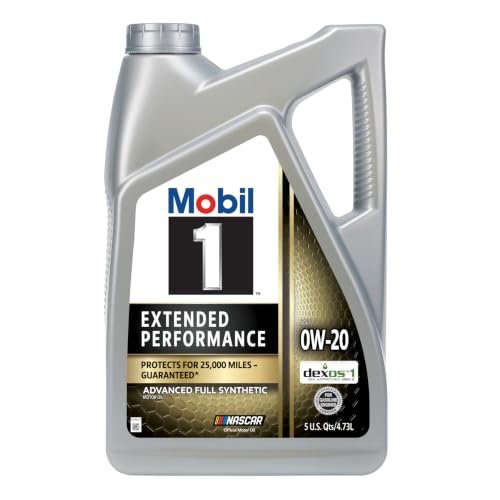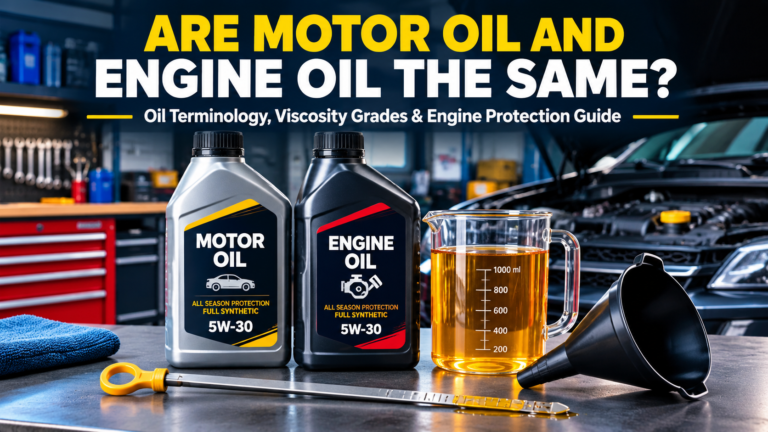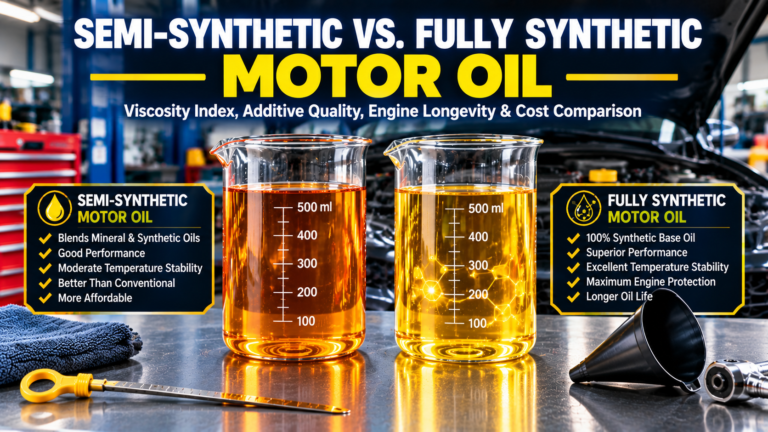
Best Engine Oil Additive: Top Picks For Better Protection
LIQUI MOLY Cera Tec is my top pick for extra engine wear protection and smoother daily driving.
Your car may run well, but years of daily trips, long highway drives, traffic jams, and hot summer days can put stress on its engine. You may also hear more engine noise or notice small oil leaks as your vehicle gets older. A good oil additive may help with certain issues, but not every bottle does the same job. Some focus on friction and wear, while others target old seals or general oil treatment. In this guide, I compare five popular choices to help you find the best engine oil additive for your car, truck, or diesel vehicle. I also explain what these products can and cannot do, so you can make a smart choice without wasting money.
🏆 Top 3 Products

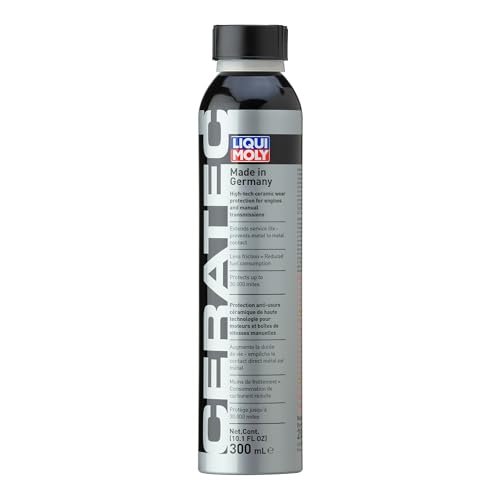
LIQUI MOLY Cera Tec Ceramic Engine Treatment
Its ceramic-based formula makes it a strong choice for drivers who want extra friction and wear protection.

LIQUI MOLY Motor Oil Saver
It targets oil loss linked to aging seals, making it a useful option for some older engines.
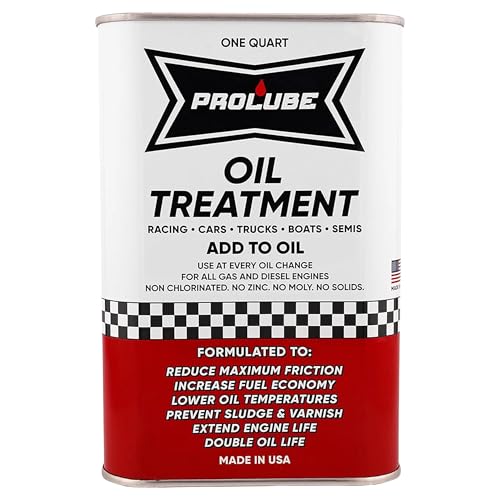
Prolube Oil Treatment 1 Quart
Its larger bottle offers a practical option for drivers who want a general oil treatment in a bigger size.
LIQUI MOLY Cera Tec Ceramic Oil Additive
LIQUI MOLY Cera Tec is my top choice in this comparison. It uses a ceramic-based solid lubricant to support lower friction between moving engine parts. The product is made for both gasoline and diesel engines, which gives it broad appeal. Its 300 ml bottle is a convenient size for drivers who want an extra treatment without buying a large container.
I like the clear focus of this product. Rather than presenting itself as a fix for every engine problem, Cera Tec centers on friction and wear protection. LIQUI MOLY markets it as a way to support smoother engine operation and help reduce wear. Still, I would not treat it as a replacement for good engine oil, regular oil changes, or proper repairs. Your vehicle’s oil needs and maker’s rules should always come first.
✅ Pros
- ✔ Uses ceramic-based solid lubricant technology.
- ✔ Designed for gasoline and diesel engines.
- ✔ Focuses on reducing friction between moving parts.
- ✔ Offers an extra layer of wear protection as claimed by the maker.
- ✔ Comes in a handy 300 ml bottle.
- ✔ Provides a clear treatment purpose for buyers who want friction support.
- ✔ May suit drivers who keep vehicles for many years.
- ✔ Can be considered for some cars, SUVs, and light trucks when the maker allows it.
- ✔ Comes from an established automotive fluids brand.
- ✔ Does not require drivers to change their normal oil service plan.
⚠️ Cons
- ✖ Costs more than some basic oil treatments.
- ✖ Does not repair worn bearings, damaged pistons, or other failed engine parts.
- ✖ May not be suitable for every engine or oil system.
- ✖ The claimed benefits may not feel clear during normal daily driving.
- ✖ Drivers must check the product instructions and vehicle manual before use.
My Recommendation
I would choose LIQUI MOLY Cera Tec as the best engine oil additive in this group for drivers who want a product focused on friction and wear support. Its ceramic approach gives it a clear role, and its gasoline and diesel coverage makes it a flexible option. It is a better fit for preventive care than for fixing an engine that already has serious mechanical trouble. Before adding it, check your owner’s manual, oil type, oil capacity, and any rules about aftermarket additives. Do not exceed the correct oil level. If your vehicle uses a special oil system or has a wet clutch, confirm compatibility first. I also would not use it to delay an oil change or ignore a warning light.
| Best For | Why |
|---|---|
| Daily drivers | Its friction and wear focus may suit cars that face regular traffic and daily use. |
| Long-term vehicle owners | It offers an extra treatment option for drivers who want to support routine engine care. |
| Gas and diesel owners | The product is designed for both engine types, subject to vehicle compatibility. |
Prolube Oil Treatment 1 Quart Review
Prolube Oil Treatment is a general-purpose oil treatment for gasoline and diesel engines. The maker promotes it for reduced wear, engine noise, and vibration, along with possible gains in fuel economy and horsepower. It also lists use in transmissions and differentials. This one-quart bottle gives buyers a larger amount than the smaller Prolube options in this review.
I see this as an option for drivers who want one product with several advertised uses. The wide range of claims may sound appealing, but I would keep my expectations realistic. No oil additive can promise more horsepower or better gas mileage in every vehicle. Engine design, oil condition, driving habits, and the health of the vehicle all affect results. I would check the label closely before using it in any system other than the engine.
✅ Pros
- ✔ Designed for gasoline and diesel engines.
- ✔ Comes in a larger one-quart bottle.
- ✔ The maker promotes it as a treatment for engine wear.
- ✔ Targets engine noise and vibration in its product claims.
- ✔ Advertised for possible fuel economy support.
- ✔ Promoted for possible horsepower benefits.
- ✔ Lists transmissions and differentials among its possible uses.
- ✔ May appeal to drivers who prefer a larger bottle.
- ✔ Offers a general treatment option for different vehicle types.
- ✔ Provides an alternative to smaller single-use bottles.
⚠️ Cons
- ✖ A larger bottle may be more than some drivers need.
- ✖ Fuel economy and horsepower claims are not guaranteed.
- ✖ The broad use claims require careful compatibility checks.
- ✖ It cannot repair worn or damaged engine parts.
- ✖ Drivers should not assume it suits every modern transmission or differential.
- ✖ The exact dose must follow the product label and vehicle oil capacity.
My Recommendation
I would consider the Prolube one-quart bottle for drivers who want a larger supply of general oil treatment and have checked that the formula suits their vehicle. It may be useful for owners who want to explore the maker’s wear, noise, and vibration claims. However, I would not buy it only because of claims about more horsepower or lower fuel use. Those results depend on many factors, and an additive cannot make a worn engine new again. Also, do not pour the same product into an engine, transmission, and differential without checking the correct instructions for each system. Different parts need different fluids. If your car is still under warranty, ask the dealer or check the warranty terms before adding an aftermarket product.
| Best For | Why |
|---|---|
| Drivers who want a large bottle | The one-quart size offers more product than the smaller Prolube bottles. |
| Gas and diesel owners | The maker lists both engine types as intended uses. |
| General oil treatment users | Its advertised uses cover wear, noise, and vibration support. |
Prolube Oil Treatment 6 oz Review

The Prolube 6 oz Oil Treatment offers the same general product concept in a smaller bottle. It is promoted for gasoline and diesel engines and carries claims related to wear, noise, vibration, fuel economy, and horsepower. The product listing also mentions transmissions and differentials. Its small size may appeal to drivers who want a compact bottle rather than a large supply.
For me, the main point of this version is its size. Some owners do not need a full quart of treatment for one service. A smaller bottle may also be easier to store in a garage or tool box. However, bottle size does not tell you whether the formula suits your vehicle. You still need to check the correct dose, fluid type, and maker’s instructions before use.
✅ Pros
- ✔ Small 6 oz bottle is easy to store.
- ✔ Designed for gasoline and diesel engines.
- ✔ Promoted as an oil treatment for engine wear.
- ✔ The maker lists noise and vibration reduction among its claims.
- ✔ Advertised for possible fuel economy support.
- ✔ Promoted for possible horsepower benefits.
- ✔ Lists transmissions and differentials as possible uses.
- ✔ May suit drivers who do not need a large bottle.
- ✔ Takes up little space in a home garage.
- ✔ Offers another size choice within the Prolube product range.
⚠️ Cons
- ✖ The 6 oz size may not suit every oil capacity or dose.
- ✖ It offers less product than the 16 oz and one-quart versions.
- ✖ Performance claims are not guaranteed.
- ✖ It cannot fix mechanical engine damage.
- ✖ Buyers must check compatibility with each fluid system.
- ✖ A small bottle does not always mean a lower cost per use.
My Recommendation
I would pick the Prolube 6 oz version when a smaller bottle makes more sense than buying a larger size. It may suit an owner who wants to try the product’s general oil treatment approach and whose vehicle allows its use. The main thing I would check is the amount needed for the engine. Never guess the dose based on bottle size. Follow the label, account for the oil already in the engine, and keep the oil level within the safe range. I would also avoid using it as a quick answer to knocking, low oil pressure, or heavy smoke. Those signs need a proper diagnosis. If you want a general oil treatment in a compact package, this is the most space-saving Prolube choice in this group.
| Best For | Why |
|---|---|
| Small garages | The compact bottle takes up little storage space. |
| Drivers who need a small amount | Its 6 oz size may be more practical than a large bottle when the correct dose is low. |
| Prolube product users | It offers the same general treatment concept in a smaller package. |
LIQUI MOLY Motor Oil Saver Review
LIQUI MOLY Motor Oil Saver has a different job from a general friction treatment. It focuses on oil loss linked to aging engine seals and related rubber parts. Over time, heat and age can affect seals, which may lead to oil leaks or increased oil use. This product is made to support seal care rather than act as a full engine repair.
I like that this product has a more specific purpose. If an older car has minor oil loss linked to hardened seals, a seal-focused treatment may be worth discussing with a mechanic. But I would not expect it to stop every leak. A damaged gasket, loose drain plug, cracked part, or worn seal may need a physical repair. This is why I would first find the source of the oil loss instead of adding a bottle and hoping the problem goes away.
✅ Pros
- ✔ Designed to support aging engine seals.
- ✔ Targets oil loss linked to certain seal problems.
- ✔ Offers a specific purpose rather than broad treatment claims.
- ✔ May suit some older gasoline or diesel engines when approved.
- ✔ Comes in a practical 300 ml bottle.
- ✔ May help address minor oil use linked to hardened seals.
- ✔ Can be considered during routine engine maintenance.
- ✔ Comes from a known automotive fluid brand.
- ✔ Gives drivers another option before deciding on a seal repair.
- ✔ Does not replace the need for regular oil checks.
⚠️ Cons
- ✖ Cannot repair cracked housings or broken engine parts.
- ✖ May not stop leaks caused by damaged gaskets or loose fittings.
- ✖ Results depend on the type and condition of the seal.
- ✖ It is not a general cure for every cause of oil loss.
- ✖ Drivers must check vehicle compatibility before use.
- ✖ A serious leak still needs a proper mechanical repair.
My Recommendation
I would choose LIQUI MOLY Motor Oil Saver over a general oil treatment when the main concern is oil loss linked to aging seals. It has a more focused purpose than Cera Tec or the Prolube products. That makes it worth considering for some older vehicles, but only after checking the likely cause of the leak. Look for fresh oil under the car, wet areas around the engine, and changes in the oil level. A mechanic can help identify whether the problem comes from a seal, gasket, filter, or another part. If a part has failed, replace it. I would not use this product to delay a repair that affects safe driving or engine oil pressure.
| Best For | Why |
|---|---|
| Older cars | Its seal-care focus may suit engines with age-related seal concerns. |
| Drivers noticing minor oil loss | It targets oil loss linked to certain aging seals. |
| Preventive engine care | It offers a focused treatment option when the product is compatible with the engine. |
Prolube Oil Treatment 16 oz Review

The Prolube 16 oz Oil Treatment sits between the 6 oz and one-quart versions in this product group. It is promoted for gasoline and diesel engines and carries claims about wear, engine noise, vibration, fuel economy, and horsepower. The maker also lists transmissions and differentials as possible uses. Its medium bottle size may work for drivers who want more product than the small version without choosing a full quart.
I see this as a practical size option, not a different type of engine treatment. The main advertised purpose remains similar to the other Prolube bottles. That means buyers should compare the amount they need, the product price, and the label instructions before choosing. I would not pay extra just for a larger bottle unless the price per ounce and the correct dose make sense. Most of all, I would keep the vehicle maker’s fluid rules in mind.
✅ Pros
- ✔ Offers a middle size between 6 oz and one quart.
- ✔ Designed for gasoline and diesel engines.
- ✔ Promoted as a treatment for engine wear.
- ✔ The maker claims support for lower engine noise.
- ✔ Advertised for vibration reduction.
- ✔ Promoted for possible fuel economy benefits.
- ✔ Carries claims about horsepower support.
- ✔ Lists transmissions and differentials among its possible uses.
- ✔ May suit drivers who need more than a small bottle.
- ✔ Provides another size choice within the same product range.
⚠️ Cons
- ✖ May be too large for drivers who need only a small amount.
- ✖ May be too small for some applications compared with the quart bottle.
- ✖ Fuel economy and horsepower gains are not certain.
- ✖ Cannot restore badly worn engine parts.
- ✖ Broad application claims need careful checks.
- ✖ The value depends on the price and amount required.
My Recommendation
I would choose the Prolube 16 oz bottle if the 6 oz size seems too small and the one-quart bottle seems excessive. It gives buyers a middle option without changing the basic product concept. It may suit owners who want to try the maker’s general oil treatment claims and have confirmed that the product works with their engine oil. Before buying, compare the cost per ounce with the other Prolube sizes. Then check the label to find the right amount for your engine. Do not assume that adding more treatment will bring better results. Extra product can change the oil mix and may create problems if you exceed the recommended amount.
| Best For | Why |
|---|---|
| Drivers who want a medium bottle | The 16 oz size sits between the compact and larger options. |
| Gas and diesel vehicle owners | The product is marketed for both engine types. |
| Drivers comparing bottle sizes | It gives another option when the 6 oz and one-quart sizes do not fit the need. |
Final Verdict: Which Should You Buy?
LIQUI MOLY Cera Tec is my best overall pick in this comparison because it has a clear focus on ceramic-based friction and wear support. LIQUI MOLY Motor Oil Saver is the better match for certain aging seal concerns, while Prolube offers three bottle sizes for drivers who want a general oil treatment. The best choice depends on your engine, your needs, and the rules in your owner’s manual.
Before buying the best engine oil additive, check compatibility, use the correct dose, and keep up with regular oil changes. No additive can replace proper service or repair.
FAQs Of best engine oil additive
Q What is the best engine oil additive overall?
Q Do engine oil additives really work?
Q Can I use an oil additive in a new car?
Q Can an engine oil additive stop an oil leak?
Q Can I mix two engine oil additives?