Best Engine Oil For Cars: Top 5 Picks Reviewed
Valvoline MaxLife and Mobil 1 offer strong engine protection when their oil grades match your vehicle’s needs.
Your car gets you to work, school, the grocery store, and weekend trips. But long drives, traffic jams, heat, and cold starts can put stress on its engine. The right motor oil helps keep moving parts smooth and clean. It also helps reduce wear over time. Finding the best engine oil for cars can feel hard when so many bottles look alike. I have put together this guide to help you compare five options, understand their uses, and choose the right oil for your car. One rule comes first: always check your owner’s manual before buying.
🏆 Top 3 Products

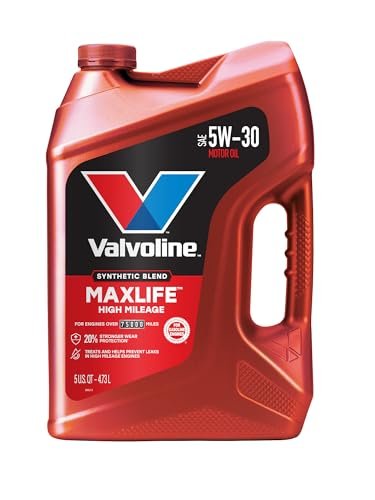
Valvoline MaxLife High Mileage 5W-30 Synthetic Blend
A useful choice for older cars that need 5W-30 oil and may benefit from a high-mileage formula.
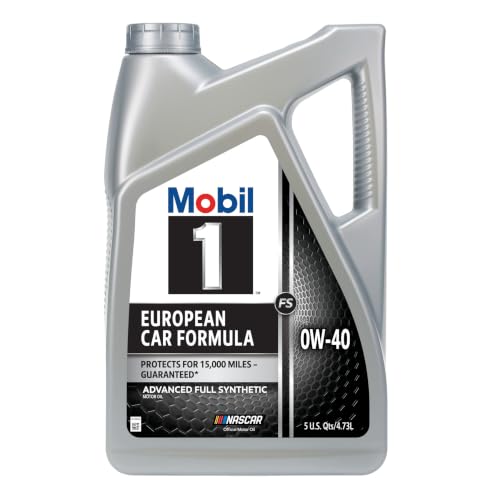
Mobil 1 FS European Car Formula 0W-40
A full synthetic option for compatible European cars that call for a 0W-40 oil grade.

Valvoline MaxLife High Mileage Full Synthetic 5W-20
A full synthetic high-mileage option for cars that require 5W-20 oil.
Valvoline MaxLife High Mileage 5W-30 Review
Valvoline MaxLife High Mileage 5W-30 is made for cars with many miles on the odometer. It uses a synthetic blend formula. This means it combines synthetic and conventional base oils. The formula aims to protect older engines and help reduce oil use. It also includes seal conditioners that may help keep aging seals in better shape.
I like the idea behind this oil for drivers who want a simple option for an older daily car. Many American drivers keep their cars for years. A high-mileage oil can make sense once an engine passes 75,000 miles, if the car maker allows this type of oil. Still, it cannot repair worn seals or fix a damaged engine. It works best as part of a sound care plan.
✅ Pros
- ✔ Designed for cars with high mileage.
- ✔ Synthetic blend formula offers a mix of base oil types.
- ✔ Seal conditioners help care for aging engine seals.
- ✔ May help reduce oil leaks linked to aging seals.
- ✔ May help limit oil use in some older engines.
- ✔ 5W-30 grade suits many cars that call for this viscosity.
- ✔ Useful for daily driving and normal road use.
- ✔ Can be a practical choice for drivers who want high-mileage oil.
- ✔ Helps protect engine parts from wear when used as directed.
- ✔ Comes in a five-quart jug for a common oil change size.
⚠️ Cons
- ✖ Not a full synthetic oil.
- ✖ Not suitable for cars that require a different oil grade.
- ✖ Seal conditioners cannot fix cracked seals or major leaks.
- ✖ May not meet every modern engine oil approval.
- ✖ The five-quart jug may not be enough for some engines.
- ✖ A high-mileage formula is not needed for every older car.
My Recommendation
I would consider Valvoline MaxLife 5W-30 for an older daily driver that has passed 75,000 miles and calls for 5W-30 oil. It is a good match for drivers who want a high-mileage formula without moving to a full synthetic product. Its seal-care focus may help with minor oil use or seepage caused by aging seals. However, I would not use it to hide a serious leak. I would also check the owner’s manual for the required API service category and any maker approval. The best engine oil for cars is always the one that meets the engine’s exact needs. This oil is a strong choice only when those needs match its label.
| Best For | Why |
|---|---|
| Older daily drivers | Its high-mileage formula is made for engines with more miles. |
| Cars that require 5W-30 | It offers the correct viscosity for vehicles that list this grade. |
| Drivers concerned about minor oil seepage | Seal conditioners may help care for aging seals, but cannot repair damage. |
Mobil 1 European Car Formula 0W-40 Review
Mobil 1 FS European Car Formula 0W-40 is a full synthetic motor oil made for compatible European vehicles. It has a 0W-40 viscosity grade. The 0W rating describes its cold-flow class, while the 40 describes its operating-temperature viscosity class. This oil is designed to provide protection across a range of driving conditions. It also targets the needs of engines that require certain European oil standards.
This product stands out because it is not just a general-purpose oil. Some European engines have specific oil approval needs. A bottle with the right viscosity but the wrong approval may not be a safe match. I would check the vehicle handbook and oil cap before buying it. If your car calls for an approved 0W-40 oil, this Mobil 1 formula may be worth considering. If it calls for 5W-20 or 5W-30, choose the correct grade instead.
✅ Pros
- ✔ Full synthetic motor oil.
- ✔ Designed for compatible European vehicles.
- ✔ 0W-40 grade supports cold-start flow within its rated range.
- ✔ 40-grade operating viscosity suits engines designed for that oil.
- ✔ Formulated with turbocharger protection in mind.
- ✔ Designed to help protect engine parts from wear.
- ✔ Useful for drivers who need a European-style oil specification.
- ✔ Can suit certain demanding driving conditions.
- ✔ Offers a five-quart container for many oil changes.
- ✔ Mobil 1 has a long history in synthetic motor oil.
⚠️ Cons
- ✖ Not suitable for every European car.
- ✖ The 0W-40 grade may not match many American and Asian cars.
- ✖ Can cost more than some conventional and synthetic blend oils.
- ✖ Some vehicles require a different manufacturer approval.
- ✖ The five-quart jug may not cover engines with larger oil capacity.
- ✖ Its European focus makes it less useful as a universal oil choice.
My Recommendation
I recommend Mobil 1 FS European Car Formula 0W-40 for owners of compatible European cars that specifically call for this grade and the required oil approvals. It is a strong option for drivers who want full synthetic oil and need a formula made for their engine’s design. It may suit certain BMW, Mercedes-Benz, Volkswagen, and other European applications, but the exact model and year matter. Do not assume that every car from these brands needs 0W-40. Check the handbook for the required viscosity and approval code first. When those details match, this is one of the strongest choices in this list.
| Best For | Why |
|---|---|
| Compatible European cars | Its formula targets the needs of engines that call for approved European oil. |
| Drivers who need 0W-40 | It offers this specific viscosity grade for suitable engines. |
| Full synthetic oil users | It uses a full synthetic formula for engine care. |
Valvoline MaxLife Full Synthetic 5W-20 Review
Valvoline MaxLife High Mileage Full Synthetic 5W-20 is designed for engines with at least 75,000 miles. Unlike the MaxLife synthetic blend in this list, this version uses a full synthetic base oil. It aims to protect older engines and care for seals. The product also targets wear protection and may help reduce oil use in engines that have started to age.
I see this as a useful option for drivers who want high-mileage care with a full synthetic formula. It can suit an older sedan, family car, or small SUV when the owner manual calls for 5W-20. The right oil grade matters more than the mileage number on the bottle. A car that needs 0W-20 should not switch to 5W-20 just because it has many miles. Check the service rules before you buy.
✅ Pros
- ✔ Full synthetic motor oil.
- ✔ Designed for engines with 75,000 miles or more.
- ✔ Contains seal conditioners for aging engine seals.
- ✔ Aims to help reduce oil leaks linked to seal wear.
- ✔ May help reduce oil use in some older engines.
- ✔ Designed to provide wear protection.
- ✔ 5W-20 grade suits many cars that call for this viscosity.
- ✔ Useful for older cars that still run well.
- ✔ Offers a five-quart jug for routine oil changes.
- ✔ Combines high-mileage features with synthetic oil.
⚠️ Cons
- ✖ Not suitable for engines that require 5W-30 or 0W-40.
- ✖ Full synthetic oil may cost more than a synthetic blend.
- ✖ Cannot fix worn piston rings or damaged engine parts.
- ✖ High-mileage features may not offer extra value for a newer car.
- ✖ Not every vehicle maker approves this exact oil.
- ✖ The jug size may not match every engine’s oil capacity.
My Recommendation
I would choose this Valvoline MaxLife Full Synthetic 5W-20 for a high-mileage car that needs 5W-20 and can use the listed service category. It offers a mix of synthetic oil and high-mileage care. This can be useful for drivers who plan to keep an older car for several more years. I also like that it focuses on seal care and wear protection. Still, a higher mileage count does not mean an engine needs thicker oil. Follow the maker’s grade and approval rules. If they match, this product deserves a place on your shortlist of the best engine oil for cars.
| Best For | Why |
|---|---|
| Cars with 75,000+ miles | The formula is designed for high-mileage engines. |
| Drivers who prefer full synthetic oil | It uses a full synthetic base oil rather than a synthetic blend. |
| Vehicles that require 5W-20 | It matches this viscosity grade when the oil approval also fits. |
Valvoline MaxLife High Mileage 5W-20 Review

Valvoline MaxLife High Mileage 5W-20 Synthetic Blend is made for older engines that need 5W-20 motor oil. It combines synthetic and conventional base oils. Its high-mileage formula aims to protect aging engine parts and care for seals. It may also help reduce leaks and oil use linked to normal wear.
This product gives drivers another way to use a high-mileage formula without choosing a full synthetic oil. I would look at it for an older car that gets regular use and has a 5W-20 requirement. It can be a practical option for a family car, a daily commuter, or a vehicle used for local trips. However, I would not use it as a reason to delay an oil leak check. A leak can come from a filter, drain plug, gasket, or other part that needs repair.
✅ Pros
- ✔ Made for high-mileage engines.
- ✔ Synthetic blend formula offers a balance of base oil types.
- ✔ Seal conditioners help care for aging seals.
- ✔ May help reduce minor oil leaks caused by seal aging.
- ✔ May help limit oil use in some older engines.
- ✔ 5W-20 grade suits vehicles that call for this viscosity.
- ✔ Useful for normal daily driving.
- ✔ Can be a practical choice for older family cars.
- ✔ Designed to help protect engine parts from wear.
- ✔ Five-quart size works for many common oil changes.
⚠️ Cons
- ✖ Not a full synthetic formula.
- ✖ Not suitable for cars that require a different viscosity.
- ✖ Cannot repair a failed gasket or cracked seal.
- ✖ May not meet the latest approval for every engine.
- ✖ High-mileage additives may not be needed in a low-mileage car.
- ✖ Oil capacity differs by vehicle, so one jug may not be enough.
My Recommendation
I would consider this synthetic blend for a car with high mileage that calls for 5W-20. It is a sensible option for drivers who want a high-mileage formula and do not need a full synthetic product. It may help care for seals and reduce some oil use, but the result depends on the engine’s condition. I would compare its label with the manual before making a choice. If the car maker calls for a full synthetic oil or a specific approval, I would choose a product that clearly meets that rule. For a suitable older car, this can be a useful and simple oil change option.
| Best For | Why |
|---|---|
| Older cars with 5W-20 needs | The viscosity matches vehicles that list 5W-20. |
| Drivers who want a synthetic blend | It combines synthetic and conventional base oils. |
| High-mileage daily commuters | Its formula focuses on the needs of engines with more miles. |
STP High Mileage Oil Treatment Review

STP High Mileage Oil Treatment + Stop Leak is not a regular engine oil. It is an oil additive made to mix with the motor oil already in your engine. The product targets cars with more than 75,000 miles. It aims to condition seals and gaskets and may help reduce some minor leaks. The bottle holds 15 fluid ounces.
I included this product because many drivers look for a quick way to deal with oil use in an older car. But an additive is not a replacement for the correct motor oil. It also cannot repair a damaged gasket, worn bearing, or broken engine part. Before using it, I would read the bottle and check the vehicle manual. Some engines have strict rules about additives. If the manual warns against them, I would skip this product.
✅ Pros
- ✔ Designed for high-mileage vehicles.
- ✔ Made to mix with existing engine oil.
- ✔ Aims to condition aging seals and gaskets.
- ✔ May help reduce minor seepage in some engines.
- ✔ Small bottle is easy to store in a garage.
- ✔ Can be used with suitable motor oil as directed.
- ✔ Offers another option for drivers concerned about minor oil leaks.
- ✔ The 15-ounce size is simple to handle.
- ✔ Designed for cars with more than 75,000 miles.
- ✔ May help some drivers manage minor oil seepage while they assess repair needs.
⚠️ Cons
- ✖ It is an additive, not engine oil.
- ✖ Cannot replace a routine oil change.
- ✖ Cannot repair a cracked seal or failed gasket.
- ✖ May not be suitable for engines with strict additive rules.
- ✖ Adds extra fluid to the engine, so the correct amount matters.
- ✖ Results can vary with the type and size of the leak.
- ✖ It does not replace a proper mechanical inspection.
- ✖ Some drivers may get better results by fixing the leak.
My Recommendation
I would treat STP High Mileage Oil Treatment as an optional product, not a must-have part of car care. It may suit an older vehicle with minor seal seepage if the engine maker allows oil additives. I would not use it to solve a large leak or an oil pressure problem. First, find the source of the leak. Check the oil level and look for signs of damage. If the car needs a repair, fix the cause rather than relying on an additive. For most drivers who are shopping for the best engine oil for cars, a suitable motor oil matters far more than a separate treatment.
| Best For | Why |
|---|---|
| Older cars with minor seal seepage | The formula aims to condition seals and gaskets. |
| Drivers who already use suitable motor oil | It is designed as an extra treatment, not a motor oil replacement. |
| Owners checking optional oil treatments | It offers a product to consider when the vehicle manual permits additives. |
Final Verdict: Which Should You Buy?
My top pick from this list is Valvoline MaxLife High Mileage 5W-30 Synthetic Blend for compatible older cars. It offers a useful mix of wear protection and seal care. For a vehicle that needs 0W-40 and the right European approval, Mobil 1 FS European Car Formula is the better choice. If your car needs 5W-20, choose the matching Valvoline MaxLife version. Each engine has different needs, so there is no single oil that fits every car.
The best engine oil for cars is the one that meets your vehicle maker’s exact rules. Check the oil grade, service category, and approval before buying. Change the oil on time, check its level, and fix leaks early. These simple steps can help your engine run well for years.
FAQs Of best engine oil for cars
Q What is the best engine oil for cars?
Q Is full synthetic oil better than synthetic blend oil?
Q How often should I change my car’s engine oil?
Q Can I use high-mileage oil in a car with low mileage?
Q Can thicker engine oil stop an oil leak?