Synthetic Motor Oil vs Synthetic Blend: Key Differences


Is Full Synthetic Motor Oil Good?
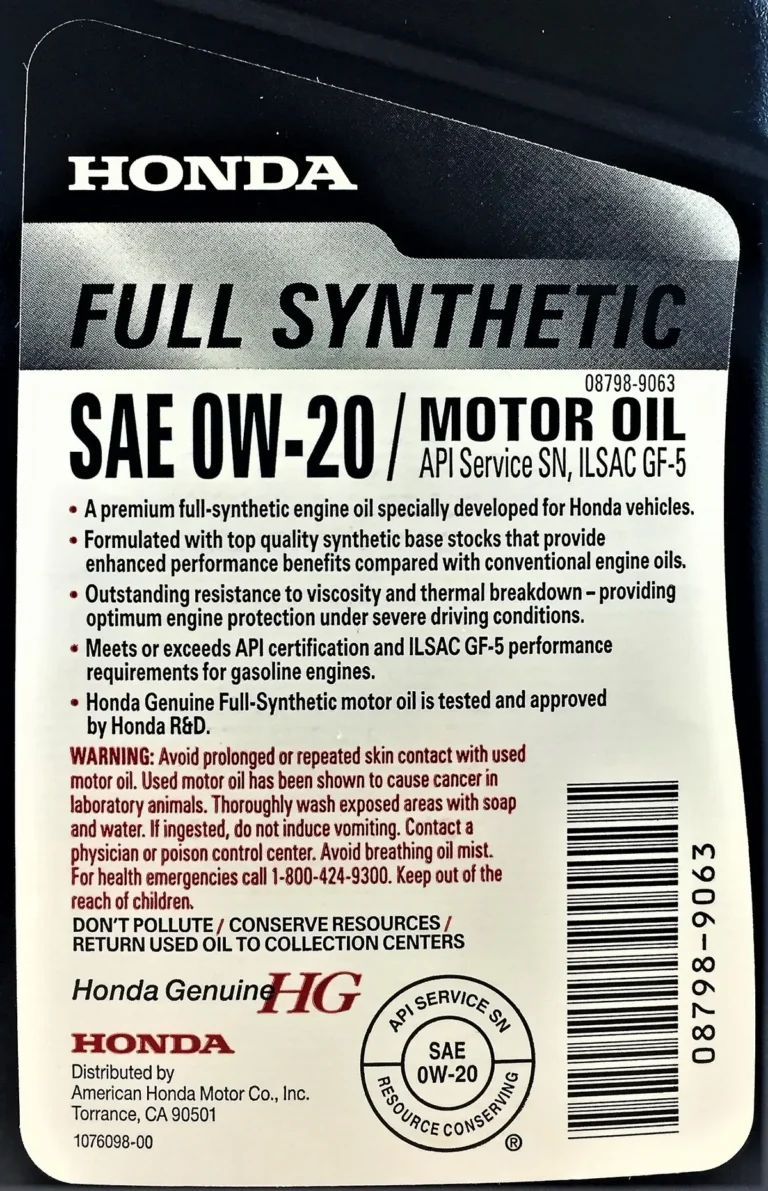
Yes. Full synthetic motor oil is a strong choice for drivers who want reliable protection across a wide range of temperatures. It works well for many modern cars, trucks, and SUVs. It can also suit drivers who face heavy traffic, frequent short trips, long highway drives, or extreme weather. You must still choose the viscosity and oil specification listed in your owner’s manual.
When I compare synthetic motor oil vs synthetic blend, full synthetic gets the edge for demanding conditions. Think about a driver who starts a car before sunrise in a cold state, then drives for an hour on the highway. Oil must flow at startup and keep protecting parts as the engine heats up. Full synthetic products often handle these changes very well.
The higher price is the main drawback. Still, the extra cost may make sense if your vehicle requires full synthetic oil or if you want the features it offers. I would not assume every full synthetic oil lasts longer than every blend. The maker’s oil change schedule and the oil’s approval matter most. Full synthetic is a good choice when its added performance matches your car and driving needs.
What Makes It Stand Out
- Synthetic base oilsFull synthetic oil uses synthetic base stocks with a tailored additive package. These help the oil deliver stable performance under many operating conditions.
- Cold weather flowMany full synthetic oils flow well at low temperatures. This can help oil reach engine parts during cold starts when the correct winter viscosity is selected.
- Heat resistanceQuality full synthetic oils can resist heat-related breakdown and oxidation well. This helps protect oil performance during hot weather and demanding drives.
- Wear controlThe oil film helps reduce contact between moving engine parts. The right formula can help limit wear when the engine runs under load.
- Deposit controlDetergents and dispersants help keep harmful deposits in check and suspend some contaminants until the oil is changed.
- Potentially longer service intervalsSome full synthetic oils support longer change intervals when the vehicle maker allows them. Always follow the owner’s manual and oil life monitor.
- Modern engine compatibilityMany full synthetic oils meet current industry and vehicle maker standards. Check the exact specification, not just the words full synthetic on the bottle.
My Recommendation
Choose full synthetic oil if your vehicle calls for it, you face extreme temperatures, or you want a strong option for demanding daily use. Confirm the viscosity and required oil standards before buying.
| Best For | Why |
|---|---|
| Modern vehicles | Many newer engines require specific full synthetic products or benefit from their approved formulas. |
| Extreme weather | Suitable full synthetic grades can perform well during cold starts and high-temperature operation. |
| Heavy daily driving | A good choice for frequent highway miles, stop-and-go traffic, and other demanding conditions when the oil meets the vehicle’s needs. |
Is Synthetic Blend Motor Oil Good?
It depends on your vehicle and driving habits, but synthetic blend oil can be a smart buy. It combines synthetic base oils with conventional base oils and a package of additives. This mix can deliver useful engine protection at a lower price than many full synthetic products. It suits many everyday drivers whose vehicles allow this type of oil.
In the synthetic motor oil vs synthetic blend debate, I see the blend as the practical middle ground. Picture a commuter who drives a few miles to work, runs errands on weekends, and follows a normal maintenance schedule. If the owner’s manual allows a synthetic blend with the right grade and specification, paying extra for full synthetic may not be necessary.
The key is to avoid judging oil by price alone. A good blend that meets the required standards can be a better choice than an oil that does not match the engine’s needs. However, blends may not offer the same level of performance in some extreme conditions as a comparable full synthetic product. Their performance varies by formula, so check the label. For a driver who wants to manage service costs without ignoring engine care, a synthetic blend deserves a close look.
What Makes It Stand Out
- Mixed base oilsA synthetic blend combines synthetic and conventional base oils. The exact mix differs by product and does not always appear as a fixed percentage on the label.
- Lower purchase costSynthetic blends often cost less than full synthetic oils of similar grades. This can help drivers keep routine service costs under control.
- Everyday engine protectionA quality blend can reduce friction, limit wear, and control deposits when it meets the engine’s required specifications.
- Common viscosity choicesBlends come in common grades such as 5W-30 and 10W-30, though availability varies by brand and product line.
- Useful additive packagesDetergents, dispersants, anti-wear agents, and other additives help the oil protect engine parts and manage contaminants.
- Suitable for many daily driversA blend may suit cars and light trucks that allow it, especially when the engine runs under normal conditions and the owner follows the service schedule.
- Flexible maintenance planningThe right blend can fit a standard service plan. Change intervals depend on the vehicle maker, product approval, driving conditions, and oil life monitor.
My Recommendation
Choose a synthetic blend if your owner’s manual allows it and you want a lower-cost oil for regular driving. Check the grade and required standards first, then follow the stated service schedule.
| Best For | Why |
|---|---|
| Budget-minded drivers | A blend can cost less while still meeting the engine’s protection needs. |
| Daily commuters | Many routine trips do not require the extra performance of a premium oil if an approved blend is suitable. |
| Vehicles that permit blends | The blend can provide dependable service when its viscosity and performance rating match the manual. |
Synthetic Motor Oil vs Synthetic Blend: Side-by-Side Test
The main point of synthetic motor oil vs synthetic blend is not that one oil is always good and the other is always bad. Both can protect an engine when they meet the required standards. Full synthetic usually has the advantage in demanding conditions, while a blend often wins on price.
I would compare the exact oil grades and approvals before making a choice. A premium label cannot fix the wrong viscosity, and a low price does not mean poor quality. Use the tables below as a practical guide, then check your owner’s manual.
1. Engine Protection: Which Is Better?
Both oils help reduce friction and wear. The formula, oil grade, and required industry approvals matter more than the label alone.
| Feature | Full Synthetic | Synthetic Blend |
|---|---|---|
| Wear protection | Strong protection in approved formulas | Good protection in approved formulas |
| Deposit control | Depends on its additive package | Depends on its additive package |
| Extreme use | Often has an advantage | Depends on product and conditions |
| Correct oil standard | Must match the manual | Must match the manual |
⭐ Full Synthetic – 9/10 | Synthetic Blend – 8/10
Full synthetic gets the edge for demanding use, but a blend can protect an engine well when it meets the same required standard.
2. Price: Which Saves More?
The price gap is often easy to see at the auto parts store. Yet the best value depends on the full service cost, not just the price per bottle.
| Feature | Full Synthetic | Synthetic Blend |
|---|---|---|
| Purchase price | Usually higher | Usually lower |
| Routine service cost | May cost more per change | Often costs less per change |
| Value for money | Strong when extra performance helps | Strong for suitable everyday use |
| Long-term cost | Depends on approved interval and price | Depends on approved interval and price |
⭐ Full Synthetic – 8/10 | Synthetic Blend – 9/10
Synthetic blend wins on the usual upfront cost, while full synthetic may offer better value when its performance or approved service interval fits your needs.
3. Cold Starts: Which Flows Better?
Cold weather can make oil thicker. The winter number in a grade such as 0W-20 or 5W-30 helps show how the oil performs in cold conditions.
| Feature | Full Synthetic | Synthetic Blend |
|---|---|---|
| Low-temperature flow | Often excellent | Can be good |
| Winter starts | Strong option in suitable grades | Depends on the grade and formula |
| Very cold climates | Often the preferred choice | May suit some vehicles and climates |
| Viscosity choice | Must match the manual | Must match the manual |
⭐ Full Synthetic – 9/10 | Synthetic Blend – 7/10
Full synthetic often has the advantage in severe cold, but the correct viscosity grade remains essential.
4. Heat and Heavy Driving
Hot weather, towing, steep roads, and long drives can place extra stress on engine oil. A formula that resists heat and oxidation can help maintain protection.
| Feature | Full Synthetic | Synthetic Blend |
|---|---|---|
| Heat resistance | Often very strong | Varies by formula |
| High-load driving | Often a strong choice | Suitable when approved for the use |
| Long highway trips | Well suited to many vehicles | Can work well in suitable vehicles |
| Towing | Check vehicle and oil requirements | Check vehicle and oil requirements |
⭐ Full Synthetic – 9/10 | Synthetic Blend – 7/10
Full synthetic often suits demanding drives better, but the vehicle maker’s towing and oil rules still come first.
5. Oil Change Intervals
It is tempting to think full synthetic always lasts longer. That is not a safe rule. Your manual, oil approval, driving conditions, and oil life monitor set the schedule.
| Feature | Full Synthetic | Synthetic Blend |
|---|---|---|
| Longer intervals | Some products allow them | Depends on product and vehicle |
| Severe service | May need more frequent changes | May need more frequent changes |
| Oil life monitor | Follow vehicle guidance | Follow vehicle guidance |
| Universal interval | None | None |
⭐ Full Synthetic – 9/10 | Synthetic Blend – 8/10
Full synthetic can support longer intervals in some approved applications, but never extend an oil change just because the bottle says synthetic.
6. Daily Driving and Convenience
Most drivers want an oil that works well without adding stress to their routine. Both types can suit everyday use when they meet the engine’s requirements.
| Feature | Full Synthetic | Synthetic Blend |
|---|---|---|
| City commuting | Excellent option | Good option when approved |
| Short trips | Can help under demanding service | Can work when approved |
| Highway use | Excellent option | Good option when approved |
| Ease of selection | Many grades and specifications | Many grades and specifications |
⭐ Full Synthetic – 9/10 | Synthetic Blend – 8/10
Both oils can handle daily driving. Full synthetic offers more performance headroom, while a blend may save money for routine use.
7. Compatibility With Modern Engines
Modern engines may need specific oil standards to protect timing systems, turbochargers, emissions equipment, or other parts. Always check the manual.
| Feature | Full Synthetic | Synthetic Blend |
|---|---|---|
| Modern engine approval | Available in many approved formulas | Available in some approved formulas |
| Turbocharged engines | Use only the required specification | Use only if the manual permits it |
| Emission system needs | Check the exact oil approval | Check the exact oil approval |
| Vehicle warranty | Follow manufacturer requirements | Follow manufacturer requirements |
⭐ Full Synthetic – 9/10 | Synthetic Blend – 7/10
Full synthetic offers more choices for some newer engines, but the correct approval matters more than the oil type alone.
8. Overall Value and Best Fit
The right oil should fit your car, your climate, and your budget. A cheap bottle is not a bargain if it fails to meet the engine’s needs.
| Feature | Full Synthetic | Synthetic Blend |
|---|---|---|
| Best strength | Performance in demanding conditions | Lower upfront cost |
| Best buyer | Drivers seeking extra performance | Drivers seeking value |
| Main trade-off | Higher price | May offer less performance under stress |
| Key buying rule | Match the manual | Match the manual |
⭐ Full Synthetic – 9/10 | Synthetic Blend – 8/10
Full synthetic is the stronger all-around choice for performance, while synthetic blend is a sensible budget option for compatible vehicles.
Final Verdict: Which Should You Buy?
In the synthetic motor oil vs synthetic blend comparison, full synthetic oil wins for overall performance. It often flows better in cold weather and resists heat and oxidation well. It is a strong choice for many modern engines and demanding driving conditions. The higher price is its main trade-off.
Synthetic blend oil is still a good choice when your owner’s manual allows it. It can provide solid protection for daily driving at a lower upfront cost. My rule is simple: choose the oil grade and specification your vehicle requires first. Then weigh price and performance. If both oils meet every requirement, full synthetic offers more performance headroom, while a blend can help keep routine service costs down.