What The Best Engine Oil: Top Picks And Buying Guide
The best engine oil is the grade and formula that match your vehicle maker’s specifications, driving conditions, and engine needs.
Think about your daily drive. You may spend hours in traffic, take long highway trips, or start your car on a cold winter morning. Your engine faces a different challenge each day. The right motor oil helps reduce friction, control heat, and protect moving parts. But choosing oil can feel confusing. There are many brands, grades, and formulas on the shelf. If you are asking what the best engine oil is, I will help you compare five options. This guide covers high-mileage oil, small-engine oil, and an oil treatment. I will also explain how to choose the right product without wasting money.
🏆 Top 3 Products

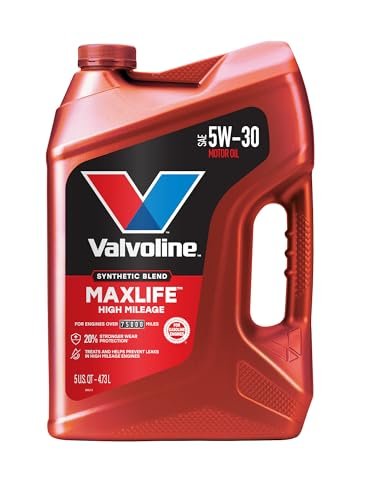
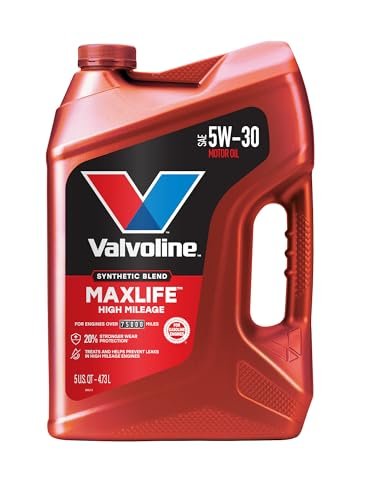
Valvoline MaxLife High Mileage 5W-30 Synthetic Blend
Its 5W-30 grade and high-mileage formula make it a practical choice for compatible older cars and trucks.

Valvoline MaxLife High Mileage 5W-20 Synthetic Blend
It offers a high-mileage formula for engines that specifically require SAE 5W-20 oil.

Valvoline MaxLife High Mileage 10W-30 Synthetic Blend
It gives owners of compatible vehicles another high-mileage option with a familiar 10W-30 viscosity grade.
Valvoline MaxLife High Mileage 5W-30 Review
Valvoline MaxLife High Mileage 5W-30 is my leading choice in this product list for compatible older cars and trucks. It uses a synthetic blend formula made for engines with higher mileage. Older engines can face more wear as parts move through years of use. Seals can also age, and some engines may start to use more oil. This product aims to help protect these engines while supporting normal daily driving.
The 5W-30 grade matters just as much as the brand. The first number and W describe how the oil performs in cold conditions. The second number describes its viscosity at normal engine operating temperature. This grade works only when the vehicle maker allows it. I would not choose it just because a car has many miles. Check the owner’s manual first. If your vehicle calls for 5W-30 and has high mileage, this oil deserves a close look.
✅ Pros
- ✔ Made for high-mileage gasoline engines.
- ✔ Uses a synthetic blend formula.
- ✔ The 5W-30 grade suits many vehicles that specify this viscosity.
- ✔ Designed to help protect aging engine parts.
- ✔ Aims to help reduce oil leaks linked to aging seals.
- ✔ May help limit oil consumption in compatible older engines.
- ✔ The five-quart container can suit many common oil-change needs.
- ✔ Valvoline is an established motor oil brand.
- ✔ Suitable for many normal commuting and highway driving conditions when the vehicle specification matches.
- ✔ Offers an option for owners who want high-mileage oil without moving to a different viscosity grade.
⚠️ Cons
- ✖ It is not suitable for every vehicle. The engine must call for SAE 5W-30.
- ✖ A synthetic blend is not the same as a full synthetic formula.
- ✖ It cannot repair worn piston rings, damaged gaskets, or serious mechanical leaks.
- ✖ The five-quart container may not provide enough oil for engines with larger capacities.
- ✖ It may cost more than some basic conventional motor oils.
- ✖ It is not designed for small lawnmower engines unless their makers approve this exact oil.
My Recommendation
I would choose Valvoline MaxLife High Mileage 5W-30 for an older daily driver that requires SAE 5W-30. It is the strongest all-around match in this list for that type of vehicle. The high-mileage focus makes it worth considering if your engine has started to use oil or shows minor signs of age. However, I would never use it to hide a serious oil leak. First, check the oil grade, performance requirements, and capacity in your owner’s manual. If your engine needs 0W-20, 5W-20, or another grade, choose an oil that meets that exact requirement instead.
| Best For | Why |
|---|---|
| Older cars and trucks | Its high-mileage formula targets the needs of aging engines. |
| Vehicles requiring 5W-30 | It provides the correct viscosity when the owner’s manual approves this grade. |
| Daily commuting | It offers a practical motor oil option for routine driving and regular maintenance. |
STP Synthetic Blend 10W-30 Small Engine Oil

STP Premium Synthetic Blend 4 Cycle Small Engine Oil serves a different purpose from ordinary passenger car motor oil. It is made for four-cycle small engines found in lawnmowers, generators, tractors, and snow blowers. These machines often work under changing loads and outdoor conditions. A suitable oil helps reduce friction between moving parts and supports engine protection. This 32-fluid-ounce bottle offers a useful size for routine small-engine maintenance.
The SAE 10W-30 grade may work in many small engines, but the engine maker’s instructions come first. Some lawnmowers need a different viscosity for certain temperatures. Some generators also have specific oil requirements. I would check the equipment manual before filling the crankcase. This is not my choice for a normal passenger car. It is a more focused option for people who maintain outdoor power equipment at home.
✅ Pros
- ✔ Made specifically for four-cycle small engines.
- ✔ Uses a synthetic blend motor oil formula.
- ✔ The SAE 10W-30 grade works in equipment that approves this viscosity.
- ✔ Suitable for many compatible lawnmowers.
- ✔ Can be considered for compatible portable generators.
- ✔ Designed for use in certain garden tractors.
- ✔ Offers an option for compatible snow blowers.
- ✔ The 32-fluid-ounce bottle is easy to store in a garage or shed.
- ✔ A dedicated small-engine product helps avoid choosing car oil without checking equipment requirements.
- ✔ Useful for owners who maintain several types of outdoor power equipment.
⚠️ Cons
- ✖ It is not a universal oil for every lawnmower or generator.
- ✖ It is not intended as a general passenger car motor oil.
- ✖ The 32-ounce bottle may be too small for equipment with a larger oil capacity.
- ✖ The 10W-30 grade may not suit every climate or engine design.
- ✖ It is made for four-cycle engines, not two-cycle engines that require a fuel-and-oil mixture.
- ✖ You must still follow the equipment maker’s oil change schedule.
My Recommendation
I recommend STP Premium Synthetic Blend Small Engine Oil for people who maintain compatible four-cycle outdoor equipment. It is a better fit for that job than the passenger car oils in this comparison. The 32-ounce size is handy for home use and routine maintenance. Before buying, check whether your mower, generator, tractor, or snow blower calls for SAE 10W-30. Also confirm that it needs four-cycle oil. Do not use this product in a two-cycle engine that requires a special oil mixed with fuel.
| Best For | Why |
|---|---|
| Lawnmower owners | It is designed for compatible four-cycle mower engines. |
| Generator maintenance | It provides a small-engine oil option when the generator maker approves 10W-30. |
| Garden equipment owners | It can serve compatible tractors and other four-cycle outdoor machines. |
Valvoline MaxLife High Mileage 5W-20 Review
Valvoline MaxLife High Mileage 5W-20 is another option for drivers who want a motor oil made for aging engines. It uses a synthetic blend formula and targets vehicles with higher mileage. The main difference from the first Valvoline product is its viscosity grade. This version uses SAE 5W-20, which some modern and older engines require. If your owner’s manual specifies 5W-20, this product may be worth considering.
I like that this product keeps the high-mileage focus while serving a different group of vehicles. A car that needs 5W-20 should not automatically receive 5W-30 just because both oils come from the same product family. The correct grade helps the engine maintain its intended oil flow and protection. This product aims to help reduce leaks and oil consumption associated with aging engines. Still, it cannot reverse internal wear or fix damaged engine parts.
✅ Pros
- ✔ Made for high-mileage gasoline engines.
- ✔ Uses a synthetic blend formula.
- ✔ Offers the SAE 5W-20 viscosity grade.
- ✔ Suitable for vehicles whose manufacturers specify 5W-20.
- ✔ Designed to help protect aging engine components.
- ✔ Aims to help reduce oil leaks linked to aging seals.
- ✔ May help reduce oil consumption in compatible engines.
- ✔ The five-quart container is practical for many oil changes.
- ✔ Provides a high-mileage option within the MaxLife product family.
- ✔ Suitable for normal driving when the vehicle maker approves the product.
⚠️ Cons
- ✖ It should not replace 5W-30 or another grade unless the manufacturer allows it.
- ✖ It is not a full synthetic oil.
- ✖ It cannot repair mechanical engine damage.
- ✖ The five-quart size may not cover every vehicle’s oil capacity.
- ✖ It is not intended for small four-cycle outdoor engines unless their makers specifically approve it.
- ✖ Drivers of newer cars may not need a high-mileage formula.
My Recommendation
I would choose this oil for a compatible high-mileage car that specifically requires SAE 5W-20. It is a sensible alternative to the 5W-30 version when the engine calls for the thinner operating-temperature grade. The high-mileage formula gives it a clear purpose for older vehicles. Before buying, check the manual and look for the required API service category or other manufacturer approval. If your vehicle requires a specific licensed oil, confirm that this exact product meets that requirement.
| Best For | Why |
|---|---|
| High-mileage 5W-20 vehicles | It combines a high-mileage focus with the required 5W-20 viscosity. |
| Older daily drivers | Its formula targets common maintenance concerns in aging engines. |
| Drivers seeking a synthetic blend | It offers a middle ground between conventional and full synthetic oil. |
Prolube Engine Oil Treatment Review
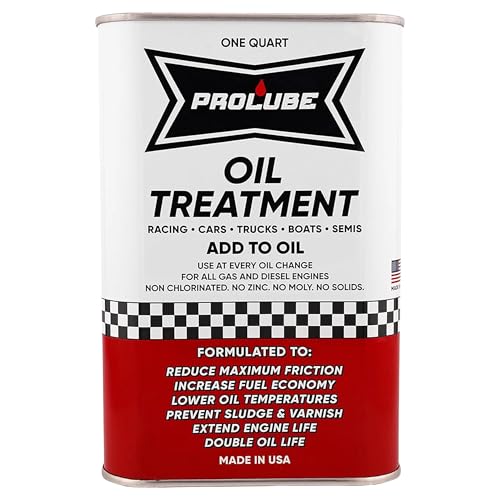
Prolube Oil Treatment is not a regular motor oil. It is an engine oil additive designed to be used with compatible engine oil. The product is marketed for gas and diesel engines and claims to help reduce wear, noise, and vibration. It also lists possible benefits for fuel economy and horsepower. These are product claims, not guaranteed results for every vehicle. I would treat this product as an optional maintenance additive rather than a replacement for the oil your engine needs.
Oil additives can change the properties of the lubricant already inside an engine. That is why I would check the vehicle maker’s instructions before adding anything to the crankcase. Modern engine oils already contain carefully balanced additive packages. Extra treatment may not provide a useful benefit and could affect the oil’s intended performance. Prolube also mentions transmissions and differentials, but each system needs the correct fluid. I would never assume that one additive works in every mechanical system.
✅ Pros
- ✔ Designed as an oil treatment rather than ordinary replacement motor oil.
- ✔ Marketed for compatible gasoline engines.
- ✔ Marketed for compatible diesel engines.
- ✔ The manufacturer claims it can help reduce engine noise.
- ✔ The product claims to help reduce vibration.
- ✔ It is promoted as a way to support engine wear protection.
- ✔ The manufacturer lists possible fuel economy benefits.
- ✔ It is supplied in a one-quart container.
- ✔ May interest owners who are researching supplemental engine treatments.
- ✔ The product information also discusses use in certain transmissions and differentials, subject to compatibility.
⚠️ Cons
- ✖ It is not a substitute for the correct engine oil.
- ✖ The advertised performance benefits are not guaranteed for every engine.
- ✖ Some vehicle manufacturers advise against aftermarket oil additives.
- ✖ It may change the balance of the engine oil’s existing additive package.
- ✖ It cannot repair damaged bearings, worn piston rings, or internal engine faults.
- ✖ It requires careful compatibility checks before use.
- ✖ The one-quart size may be excessive for engines that do not need an additive.
- ✖ Claims about horsepower and fuel savings should not be treated as proven results.
My Recommendation
I would not make Prolube my first purchase when someone asks what the best engine oil is. It belongs in a separate category because it is an additive, not a standard oil-change product. Consider it only if the manufacturer of your vehicle allows supplemental treatments and the product instructions match your engine. For most drivers, buying the correct quality motor oil and changing it on schedule is the better first step. If your engine makes unusual noise or loses power, find the cause instead of trying to cover up the problem with an additive.
| Best For | Why |
|---|---|
| Additive research | It gives buyers an option to examine when comparing supplemental engine treatments. |
| Compatible gas engines | The product is marketed for gasoline engines when its instructions and vehicle guidance allow use. |
| Compatible diesel engines | It is also marketed for diesel applications, subject to manufacturer approval. |
Valvoline MaxLife High Mileage 10W-30 Review
Valvoline MaxLife High Mileage 10W-30 is made for drivers who want a high-mileage motor oil in a different viscosity grade. It uses a synthetic blend formula and targets engines that have seen many miles of use. This version may suit older vehicles that call for SAE 10W-30. It also aims to help protect aging engines and reduce problems linked to worn seals. The five-quart container offers a practical size for many home oil changes.
The main point to understand is the difference between 10W-30 and 5W-30. Both oils have an SAE 30 operating-temperature grade, but their cold-temperature performance differs. A 10W-30 oil may not flow in the same way as a 5W-30 during a cold start. That difference can matter in areas with freezing winter weather. I would check the owner’s manual and local temperature guidance before choosing this product. If your engine requires 10W-30, it can be a useful high-mileage option.
✅ Pros
- ✔ Designed for high-mileage engines.
- ✔ Uses a synthetic blend formula.
- ✔ Provides SAE 10W-30 viscosity.
- ✔ Suitable for compatible vehicles that specify 10W-30.
- ✔ Aims to help protect aging engine parts.
- ✔ Designed to help reduce leaks associated with aging seals.
- ✔ May help limit oil consumption in some compatible engines.
- ✔ The five-quart container suits many common oil-change needs.
- ✔ Offers another viscosity choice in the Valvoline MaxLife range.
- ✔ Can work for normal daily driving when the engine specification matches.
⚠️ Cons
- ✖ Not suitable for vehicles that require a different viscosity grade.
- ✖ Its cold-temperature performance differs from 5W-30.
- ✖ It is a synthetic blend rather than a full synthetic oil.
- ✖ It cannot fix serious oil leaks or internal engine wear.
- ✖ The five-quart container may not cover engines with larger oil capacities.
- ✖ It is not a general replacement for dedicated small-engine oil.
My Recommendation
I recommend Valvoline MaxLife High Mileage 10W-30 for older vehicles that specifically call for this grade. It is a practical option for compatible engines that need high-mileage oil but do not require 5W-30 or 5W-20. I would pay close attention to cold-weather conditions because the 10W rating is different from the 5W rating. Check the manual before every oil purchase. If your engine requires 10W-30 and you want a high-mileage synthetic blend, this product deserves a place on your shortlist.
| Best For | Why |
|---|---|
| Older 10W-30 vehicles | It combines the required viscosity with a high-mileage formula. |
| Drivers with aging engines | Its formula targets common concerns such as leaks and oil consumption. |
| Routine vehicle maintenance | The five-quart size is convenient for many standard oil changes. |
Final Verdict: Which Should You Buy?
My overall pick is Valvoline MaxLife High Mileage 5W-30 Synthetic Blend Motor Oil. It offers a useful combination of a common viscosity grade and a formula made for aging engines. However, the best choice depends on your vehicle. Choose the 5W-20 or 10W-30 version when your owner’s manual calls for that grade. For lawnmowers and generators, consider STP Small Engine Oil instead. Prolube is an optional additive, not a replacement motor oil.
Still asking what the best engine oil is? Start with your owner’s manual, match the viscosity, and check the required oil standard. The right oil and regular maintenance help your engine run as designed.
FAQs Of What The Best Engine Oil
Q What the best engine oil for most cars?
Q Is synthetic blend oil better than conventional oil?
Q Should I use high-mileage engine oil in an older car?
Q Can I use 5W-30 instead of 5W-20?
Q How often should I change engine oil?