Best Automotive Engine Oil: Top 4 Picks Reviewed
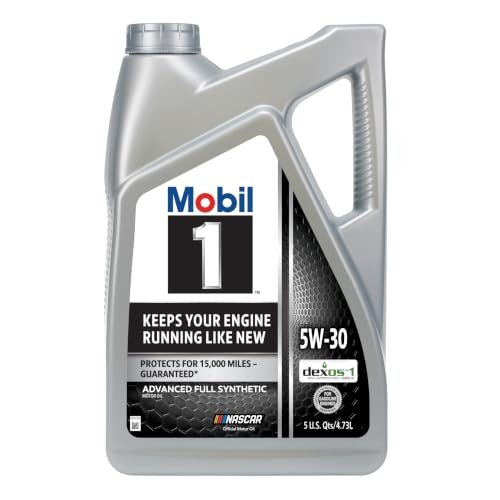
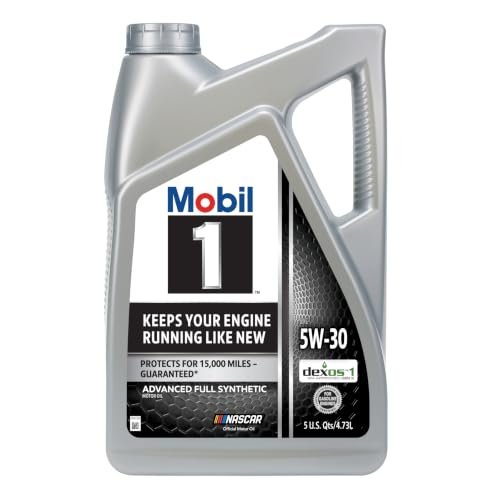
Mobil 1 Advanced Full Synthetic 5W-30 is my top overall pick for cars that require this oil grade.
Your car may carry you through busy highways, long road trips, cold mornings, and daily traffic. Every trip puts work on the engine. Good oil helps reduce friction, control heat, and protect moving parts. Yet choosing the right bottle can feel confusing. There are many brands, grades, and oil types on store shelves. I compared four popular motor oils to make that choice easier. My picks include options for older cars, modern engines, fuel savings, and European vehicles. This guide to the best automotive engine oil also explains how to match oil to your owner’s manual. That step matters more than choosing a famous brand.
🏆 Top 3 Products

Mobil 1 Advanced Full Synthetic 5W-30
A versatile full synthetic choice for vehicles that call for 5W-30 and need strong everyday engine protection.

Valvoline MaxLife High Mileage 5W-20
A useful synthetic blend for older cars that need 5W-20 and may benefit from high-mileage oil features.

Mobil 1 Advanced Fuel Economy 0W-20
A practical full synthetic option for compatible engines that call for low-viscosity 0W-20 oil.
Valvoline MaxLife High Mileage 5W-20 Review
Valvoline MaxLife High Mileage 5W-20 is made for cars with more miles on the odometer. It uses a synthetic blend rather than a full synthetic base. The formula aims to help protect older engines and reduce common signs of wear. It also includes features that target oil leaks and oil use. These features make it worth a look if your car has covered many miles and still calls for 5W-20.
I like the clear focus of this oil. It is not trying to serve every type of engine. It targets drivers who want an oil made with aging engines in mind. Its 5W-20 grade must match the grade listed in your owner’s manual. The high-mileage label does not mean it can fix worn seals or repair engine damage. Still, it can be a sensible part of a regular care plan for a compatible older car.
✅ Pros
- ✔ Designed for high-mileage engines that may show signs of age.
- ✔ The synthetic blend offers a balance between standard and full synthetic oil.
- ✔ The formula aims to help reduce oil leaks in aging engines.
- ✔ It is designed to help limit oil use between oil changes.
- ✔ The 5W-20 grade suits many vehicles that specify this viscosity.
- ✔ The five-quart container can provide enough oil for many common oil changes.
- ✔ The product comes from a well-known motor oil brand.
- ✔ It gives older-car owners an option made with their engine needs in mind.
- ✔ It can support routine engine care when used at the correct service interval.
- ✔ It is a focused choice for drivers who do not need a special European oil formula.
⚠️ Cons
- ✖ It is not a full synthetic motor oil.
- ✖ The 5W-20 grade will not suit every high-mileage vehicle.
- ✖ It cannot repair damaged seals, worn bearings, or other mechanical faults.
- ✖ Drivers with newer engines may prefer a different oil that matches their factory requirements.
- ✖ Its benefits do not remove the need to check oil levels and change oil on time.
My Recommendation
I would consider Valvoline MaxLife for an older car that has high mileage and clearly calls for 5W-20 oil. Its main appeal is its focus on engines that have seen years of use. Some older engines may consume more oil or develop small leaks as parts age. This formula aims to address some of those concerns while providing normal engine lubrication. That makes it a useful option for drivers who want a product aimed at long-term vehicle care. However, I would not buy it only because a car has passed a certain mileage mark. First, I would check the owner’s manual, the required oil grade, and the maker’s approval rules. If the car needs 0W-20, 5W-30, or another grade, I would choose an oil that meets that exact need. I would also inspect any leak rather than relying on motor oil to solve it. A leak can come from a damaged gasket, loose filter, or other fault. For the right 5W-20 engine, MaxLife is a practical high-mileage option. It is not a universal answer for every older car, but it deserves a place in a careful comparison of the best automotive engine oil choices.
| Best For | Why |
|---|---|
| Older cars with high mileage | Its formula is designed with aging engines and common high-mileage concerns in mind. |
| Drivers using 5W-20 oil | It offers a suitable option when the vehicle maker calls for this exact grade. |
| Routine engine care | It supports regular lubrication and maintenance without requiring a switch to a specialty European formula. |
Mobil 1 Advanced Fuel Economy 0W-20 Review
Mobil 1 Advanced Fuel Economy 0W-20 is a full synthetic motor oil for engines that require this low-viscosity grade. Its main focus is engine protection with attention to fuel economy. The oil uses a Triple Action Formula, according to its product name. It also lists protection for up to 10,000 miles under suitable conditions. That figure is a product claim, not a reason to ignore the service schedule in your owner’s manual.
I see this oil as a strong option for newer cars that call for 0W-20. This grade is common in many modern vehicles, but it is not right for every engine. The low-temperature rating helps the oil flow during cold starts. The full synthetic base also makes it a useful choice for drivers who want a modern oil formula. Before buying, I would check the required viscosity and any maker-specific approval.
✅ Pros
- ✔ Full synthetic formula for compatible modern engines.
- ✔ Designed to support fuel economy when the engine calls for 0W-20.
- ✔ The 0W rating supports flow in cold conditions.
- ✔ A practical choice for many vehicles that specify 0W-20.
- ✔ The product lists up to 10,000 miles of protection under suitable conditions.
- ✔ The Triple Action Formula is designed to address several engine protection needs.
- ✔ Its five-quart size works well for many common oil changes.
- ✔ Suitable for drivers who prefer full synthetic oil.
- ✔ It offers a product from an established motor oil brand.
- ✔ Its focus on fuel economy makes it relevant for daily commuters.
⚠️ Cons
- ✖ It is not suitable for engines that require a thicker oil grade.
- ✖ The 10,000-mile claim does not apply to every car or driving condition.
- ✖ It may cost more than some conventional or synthetic blend oils.
- ✖ Drivers with high-mileage engines that need a different grade should look elsewhere.
- ✖ It does not replace the need to check the owner’s manual for oil approvals.
My Recommendation
I recommend Mobil 1 Advanced Fuel Economy 0W-20 for drivers whose vehicles specifically require 0W-20 full synthetic oil. It is a good match for many newer cars that use this grade. Its low-temperature flow can help during cold starts, while its fuel economy focus suits people who spend a lot of time on the road. This can matter for commuters who drive through city traffic and take regular highway trips. The product also lists protection for up to 10,000 miles. I would treat that as a stated product capability, not a fixed oil change rule. Your vehicle maker may call for shorter service intervals. Short trips, heavy loads, extreme heat, dust, and frequent stop-and-go driving can also affect oil life. I would check the oil level often and follow the maintenance reminder or service schedule. If your car needs 5W-30 or 0W-40, I would not use this oil just to chase a fuel economy claim. The correct oil grade and required approvals come first. For compatible vehicles, this is one of the best automotive engine oil options for drivers who value full synthetic oil and low-viscosity performance.
| Best For | Why |
|---|---|
| Modern cars that require 0W-20 | It provides a full synthetic formula in the specified low-viscosity grade. |
| Daily commuters | Its fuel economy focus suits drivers who spend many hours on city roads and highways. |
| Cold-weather starts | The 0W rating supports oil flow in low-temperature conditions when the vehicle calls for this grade. |
Mobil 1 FS European Car Formula 0W-40 Review
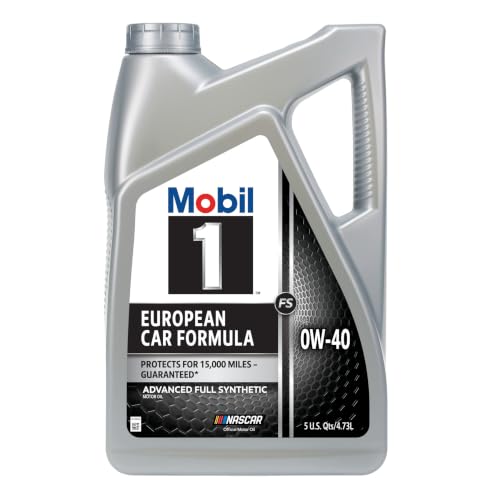
Mobil 1 FS European Car Formula 0W-40 is a full synthetic motor oil made for certain European vehicles. It has a different purpose from a general 5W-30 or 0W-20 oil. Its product description highlights OEM approval and turbocharger protection. The 0W-40 grade combines cold-temperature flow with a higher operating-temperature viscosity than 0W-20. That makes it a choice worth considering for engines whose makers specify this grade and formula.
I would not treat European Car Formula as a better version of every other Mobil 1 oil. It is a more focused product. Some European engines have exact oil standards that owners must follow. The correct approval can matter as much as the viscosity grade. This oil may suit a compatible turbocharged engine, but the car’s manual must confirm that match. It is best for owners who know their engine’s oil requirements and want to meet them.
✅ Pros
- ✔ Full synthetic formula for compatible European vehicles.
- ✔ The 0W-40 grade combines cold-start flow with a higher hot viscosity.
- ✔ The product highlights OEM approval for certain vehicle requirements.
- ✔ Its product description includes a focus on turbocharger protection.
- ✔ It offers an option for engines that specifically call for 0W-40.
- ✔ It suits drivers who need a more specialized oil formula.
- ✔ The formula is designed for engine protection across different driving conditions.
- ✔ It comes in a five-quart container for common service needs.
- ✔ It gives owners of compatible European cars a recognizable product option.
- ✔ It can be considered for certain high-performance applications when the manual allows it.
⚠️ Cons
- ✖ It is not the right oil for every European vehicle.
- ✖ The 0W-40 grade may be too thick for engines that require 0W-20 or 5W-30.
- ✖ Buyers must confirm the exact maker approval before purchase.
- ✖ It may cost more than basic motor oil options.
- ✖ Its specialized formula offers little benefit when a vehicle requires a different oil standard.
My Recommendation
I would choose Mobil 1 FS European Car Formula 0W-40 only when the vehicle maker lists this grade and the required oil standard. This is the most specialized product in this group. It can be a strong match for certain European engines, including some turbocharged models. The focus on OEM approval makes it important to check the exact specification rather than relying on the brand name alone. A car may need a certain approval from BMW, Mercedes-Benz, Porsche, Volkswagen, or another maker. These standards are not all the same. A bottle that meets one standard may not meet another. I would compare the approval printed on the bottle with the manual or official service information. I would also check whether the vehicle allows 0W-40 in the current climate and service conditions. If the car needs a low-viscosity oil, this product is not a safe substitute. The higher hot viscosity does not make it the best automotive engine oil for all cars. It makes it a focused option for compatible engines. For owners of those vehicles, that focus is a major strength. For everyone else, a standard oil grade may be a better fit.
| Best For | Why |
|---|---|
| Compatible European cars | Its formula is aimed at vehicles with matching European oil requirements. |
| Certain turbocharged engines | The product description highlights turbocharger protection for suitable applications. |
| Drivers who need 0W-40 | It provides a full synthetic option in this specific viscosity grade. |
Mobil 1 Advanced Full Synthetic 5W-30 Review
Mobil 1 Advanced Full Synthetic 5W-30 is my top overall pick in this group for vehicles that call for 5W-30. It uses a full synthetic formula and focuses on engine protection, friction reduction, and daily use. The product lists up to 10,000 miles of protection under suitable conditions. It also uses a Triple Action Formula. These features make it a strong choice for drivers who want a well-rounded oil from a familiar brand.
I like the balance this oil offers for compatible cars. The 5W-30 grade is common across many vehicles, though it is not universal. It can suit some cars, SUVs, and light trucks that list this viscosity. The full synthetic formula is designed to protect the engine in a range of driving conditions. Still, the owner’s manual must guide the final choice. The correct grade and oil approval matter more than a broad product claim.
✅ Pros
- ✔ Full synthetic motor oil for compatible vehicles.
- ✔ The 5W-30 grade is used by many cars, SUVs, and light trucks.
- ✔ Designed to help protect engine parts from wear.
- ✔ The formula focuses on friction reduction.
- ✔ The product lists up to 10,000 miles of protection under suitable conditions.
- ✔ The Triple Action Formula targets several engine care needs.
- ✔ It suits many drivers who want full synthetic oil for routine use.
- ✔ The five-quart container can cover many standard oil changes.
- ✔ It offers a broad everyday option rather than a narrow high-mileage or European-only focus.
- ✔ It is a practical choice for compatible vehicles used for commuting and highway travel.
⚠️ Cons
- ✖ It is not suitable for vehicles that require another viscosity grade.
- ✖ The listed 10,000-mile protection is not a universal oil change interval.
- ✖ It may cost more than conventional motor oil.
- ✖ Some European vehicles need a specific approval that this product may not provide.
- ✖ Its general-purpose focus may not suit engines with special high-mileage or manufacturer-specific needs.
My Recommendation
Mobil 1 Advanced Full Synthetic 5W-30 is my leading choice for drivers whose cars call for this grade and meet its listed oil requirements. It offers a useful mix of everyday protection, full synthetic formulation, and a familiar viscosity. That makes it a sensible option for many drivers who use their vehicles for work, family trips, errands, and highway travel. I also like that the product focuses on friction reduction and engine protection. These are important parts of regular engine care. However, I would not assume that every vehicle needs 5W-30. Some newer engines need 0W-20, while certain European models may require a special 0W-40 formula or a named approval. I would check the manual before buying. I would also follow the car maker’s oil change schedule. The product’s 10,000-mile claim does not mean every engine can safely run that long between changes. Severe use may call for more frequent service. When the grade and approval match, this oil offers a strong balance for daily driving. It earns my top spot among these best automotive engine oil options because it covers a useful range of normal driving needs without being tied only to older or specialized vehicles.
| Best For | Why |
|---|---|
| Daily drivers with 5W-30 engines | It offers full synthetic lubrication for vehicles that specify this common oil grade. |
| Highway and city driving | Its formula is designed for engine protection during regular daily use. |
| Drivers who prefer full synthetic oil | It combines a full synthetic base with a focus on friction reduction and wear protection. |
Final Verdict: Which Should You Buy?
My top overall choice is Mobil 1 Advanced Full Synthetic 5W-30 for vehicles that require this grade. Valvoline MaxLife is a strong option for compatible high-mileage engines, while Mobil 1 Advanced Fuel Economy 0W-20 suits cars that need 0W-20. Mobil 1 FS European Car Formula 0W-40 is the focused pick for compatible European engines. The best choice depends on your vehicle’s exact oil needs.
The best automotive engine oil is the one that matches your engine, protects its moving parts, and meets the maker’s standards. Check your manual, choose the right grade, and follow the service schedule. A correct oil choice helps support long engine life and reliable daily driving.
FAQs Of best automotive engine oil
Q What is the best automotive engine oil overall?
Q Is full synthetic oil better than synthetic blend oil?
Q Can I use 5W-30 instead of 0W-20?
Q How often should I change automotive engine oil?
Q Is high-mileage oil worth buying for an older car?