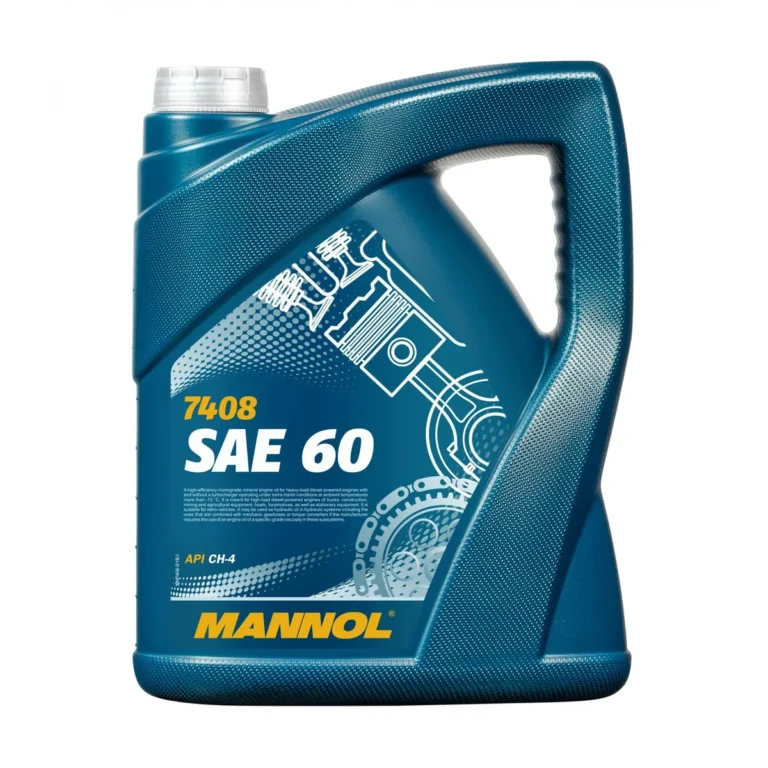
Best Engine Oil Brands: Top Picks For Your Car
Valvoline, Mobil 1, Pennzoil, Castrol, and Royal Purple lead the best engine oil brands, while Kubota suits compatible equipment.
Think about your daily drive. You start your car, sit in traffic, take a highway trip, and repeat the routine every week. Your engine works hard through heat, cold starts, and long hours on the road. The right motor oil helps protect its moving parts and manage heat. But with so many brands and oil types on store shelves, choosing one can feel hard. I have focused this guide on five available products, with special attention to Valvoline MaxLife and genuine Kubota oil. I will explain their strengths, limits, and best uses so you can make a smart choice.
🏆 Top 3 Products

Valvoline MaxLife High Mileage 5W-30 Synthetic Blend 5 Quart
It offers a practical mix of high-mileage engine care, common 5W-30 use, and a useful five-quart size.

Valvoline MaxLife High Mileage 5W-20 Synthetic Blend 5 Quart
It is a useful choice for compatible vehicles that call for 5W-20 and need high-mileage oil.

Valvoline MaxLife High Mileage 10W-30 Synthetic Blend 5 Quart
It gives drivers who need 10W-30 another high-mileage option in a convenient five-quart container.
Valvoline MaxLife 5W-30 High Mileage Oil
Valvoline MaxLife 5W-30 is my leading pick from this product list. It is a synthetic blend motor oil made for compatible high-mileage gasoline engines. The five-quart bottle is useful for many routine oil changes. Its 5W-30 grade also suits vehicles whose manuals call for this viscosity.
This formula focuses on the needs of older engines. Valvoline markets MaxLife to help protect aging engines, reduce leaks, and limit oil use. These goals make it worth a look if your car has covered many miles. However, it cannot fix a damaged seal, worn piston ring, or other mechanical fault.
✅ Pros
- ✔ Designed for compatible high-mileage gasoline engines.
- ✔ Synthetic blend formula offers an alternative to basic conventional oil.
- ✔ 5W-30 viscosity suits vehicles that specify this grade.
- ✔ Five-quart container can cover many standard oil changes.
- ✔ Valvoline focuses the formula on aging engine needs.
- ✔ May help condition seals as part of its high-mileage formula.
- ✔ Useful for drivers who want to stay with one established oil brand.
- ✔ Available in a familiar viscosity used by many vehicles.
⚠️ Cons
- ✖ It is not a full synthetic motor oil.
- ✖ It is not suitable for every engine that uses 5W-30.
- ✖ It cannot repair leaks caused by broken or badly worn parts.
- ✖ The five-quart size may be too large or too small for some engines.
- ✖ The price may be higher than some conventional oil options.
My Recommendation
I would put this product near the top of my list for a compatible high-mileage gasoline car that calls for 5W-30. It offers a practical mix of a recognized brand, a synthetic blend formula, and a high-mileage focus. It also comes in a useful five-quart container, which can make routine service easier. Before buying, I would check the owner’s manual for the correct viscosity and service category. If your car requires full synthetic oil or a specific manufacturer approval, confirm that this exact product meets those rules. I would also check the engine for leaks instead of expecting oil to solve every age-related issue. For many older daily drivers, this is a sensible option when the specifications match.
| Best For | Why |
|---|---|
| Older daily drivers | Its high-mileage formula targets the needs of compatible aging gasoline engines. |
| 5W-30 vehicles | It provides the viscosity grade required by many, but not all, vehicles. |
| Routine home oil changes | The five-quart container offers a convenient amount for many service jobs. |
Valvoline MaxLife 5W-20 High Mileage Oil
Valvoline MaxLife 5W-20 gives high-mileage drivers another viscosity option. It uses a synthetic blend formula and comes in a five-quart container. The product targets compatible gasoline engines that need 5W-20 oil. This makes it a useful option for owners who want high-mileage care without changing the required oil grade.
The main appeal is its focus on aging engines. Valvoline promotes the MaxLife range for engine protection, seal care, and reduced oil consumption. Those features may appeal to owners of older cars with higher mileage. Still, I would not use it in a vehicle that calls for 5W-30, 10W-30, or a special oil approval unless the maker allows it.
✅ Pros
- ✔ Designed for compatible high-mileage gasoline engines.
- ✔ 5W-20 grade works for vehicles that specify this viscosity.
- ✔ Synthetic blend formula offers a middle ground between conventional and full synthetic oil.
- ✔ Five-quart bottle is practical for many home maintenance jobs.
- ✔ The MaxLife range focuses on the needs of aging engines.
- ✔ May help condition engine seals as part of its formula.
- ✔ Useful for owners who want to keep using the correct viscosity as their car ages.
- ✔ Comes from a well-known motor oil brand.
⚠️ Cons
- ✖ Not the correct choice for engines that require a different viscosity.
- ✖ Not a full synthetic formula.
- ✖ Does not repair mechanical damage or serious oil leaks.
- ✖ The five-quart container may leave some owners with unused oil.
- ✖ Drivers who need a special manufacturer approval must check the label carefully.
My Recommendation
I recommend this product for drivers with older gasoline cars that specifically call for 5W-20. It is a sensible choice when you want a high-mileage formula from a familiar brand. Its main advantage is that it combines the MaxLife focus with a viscosity that some engines require. I would not choose it only because the vehicle has passed a certain mileage mark. The owner’s manual still decides whether 5W-20 is suitable. I would also check the API category and any extra manufacturer rules before buying. If those details match, this oil can be a practical option for regular service. It is especially useful for owners who want to maintain a consistent oil grade as their vehicle gets older.
| Best For | Why |
|---|---|
| Cars that require 5W-20 | The viscosity matches engines whose makers specify this grade. |
| High-mileage gasoline engines | The formula is designed with aging engine needs in mind. |
| Drivers who prefer synthetic blends | It offers a blend option rather than a basic conventional formula. |
Valvoline MaxLife 10W-30 High Mileage Oil
Valvoline MaxLife 10W-30 is another synthetic blend option for high-mileage gasoline engines. It comes in a five-quart bottle and uses a 10W-30 viscosity grade. This grade may suit some older vehicles and certain equipment, but the owner’s manual must confirm that choice. I like that it gives buyers another option within the same MaxLife family.
Its main selling point is its high-mileage focus. The formula aims to help protect older engines and manage issues linked to age and use. Valvoline also promotes the range for helping reduce leaks and oil consumption. These claims should not be treated as a repair guarantee, since oil cannot replace damaged seals or worn engine parts.
✅ Pros
- ✔ Designed for compatible high-mileage gasoline engines.
- ✔ 10W-30 grade suits vehicles that list this viscosity.
- ✔ Synthetic blend formula provides another choice beyond conventional oil.
- ✔ Five-quart container works well for many maintenance routines.
- ✔ Part of a product family focused on older engines.
- ✔ May help condition seals through its high-mileage formulation.
- ✔ Offers an option for drivers whose manuals permit 10W-30.
- ✔ Useful for owners who want to keep their oil choice consistent.
⚠️ Cons
- ✖ Not suitable for engines that require 5W-20 or 5W-30 unless an approved alternative is listed.
- ✖ Not a full synthetic motor oil.
- ✖ May not be ideal for vehicles that need special manufacturer approvals.
- ✖ Cannot fix a mechanical oil leak or internal engine wear.
- ✖ Cold-weather performance needs careful consideration based on the vehicle’s requirements.
My Recommendation
I would consider this oil for an older vehicle that calls for 10W-30 and benefits from a high-mileage formula. It gives buyers a simple way to stay within the Valvoline MaxLife range while selecting a different viscosity. The five-quart size also works for many standard oil changes. However, I would be careful about using 10W-30 in a newer car that specifies a thinner grade. A thicker oil is not automatically better for an older engine. The correct viscosity affects how the oil moves through the engine and reaches its parts. Check the manual, climate guidance, and oil approval before making a purchase. If all details match, this product can be a reasonable option for routine care.
| Best For | Why |
|---|---|
| Compatible older cars | Its high-mileage formula targets engines with more years and miles of use. |
| 10W-30 engines | It matches vehicles whose manuals list this viscosity grade. |
| Five-quart oil changes | The larger bottle can make routine maintenance more convenient. |
Genuine Kubota 15W-40 Engine Oil

Genuine Kubota 15W-40 Engine Oil is different from the other products in this review. It is an equipment-focused oil sold under the Kubota name. The one-gallon container may suit owners who maintain compatible tractors, mowers, and other Kubota equipment. Its 15W-40 viscosity is important, so buyers should confirm that their machine calls for this grade.
I would not treat this oil as a general replacement for passenger-car motor oil. Equipment engines may have different service needs from modern gasoline car engines. Diesel engines can also require particular oil categories and manufacturer specifications. Check the equipment manual and the exact product label before using it.
✅ Pros
- ✔ Genuine Kubota-branded oil for compatible equipment applications.
- ✔ 15W-40 viscosity is clearly identified for buyers.
- ✔ One-gallon container is convenient for some equipment service jobs.
- ✔ A useful option for owners who prefer the equipment maker’s branded products.
- ✔ Can help simplify maintenance when the machine manual lists this oil.
- ✔ Suitable for buyers who want to follow an equipment-specific maintenance plan.
- ✔ Provides a dedicated alternative to choosing a general automotive oil.
- ✔ Useful for keeping the correct oil on hand for planned equipment maintenance.
⚠️ Cons
- ✖ Not a universal choice for all Kubota engines or machines.
- ✖ Not intended as a default oil for passenger cars.
- ✖ 15W-40 may not suit equipment that requires another viscosity.
- ✖ Buyers must verify the required diesel or gasoline service category.
- ✖ A one-gallon bottle may not cover equipment with a larger oil capacity.
My Recommendation
I recommend this product only for owners whose Kubota equipment manual approves the exact oil type and viscosity. It can be a useful option for people who prefer genuine branded maintenance products. The one-gallon size also offers a convenient format for some routine service tasks. However, I would not buy it for a car simply because it has a familiar viscosity number. Equipment engines have their own needs, and diesel oil specifications can differ from gasoline oil specifications. Check the engine model, oil capacity, required service category, and maintenance schedule. If the product matches all those details, it may be a good fit. If the manual calls for another grade or specification, choose that product instead.
| Best For | Why |
|---|---|
| Compatible Kubota tractor owners | The genuine branded oil may match the equipment maker’s stated maintenance needs. |
| Small equipment maintenance | The one-gallon container offers a practical size for some service jobs. |
| Owners following OEM guidance | It provides a branded option when the equipment manual lists the matching specifications. |
Valvoline MaxLife 5W-30 High Mileage Quart

Valvoline MaxLife 5W-30 in a one-quart bottle offers the same general high-mileage product focus in a smaller size. It is a synthetic blend motor oil for compatible gasoline engines. Its 5W-30 viscosity makes it relevant to vehicles that require this grade. The small bottle is especially useful when you need a little extra oil between scheduled changes.
I see this size as a practical maintenance item rather than the first choice for every complete oil change. Some engines consume a small amount of oil during normal use, and a correct top-up can help keep the level within the safe range. The MaxLife formula targets aging engines, but owners should still inspect the cause of repeated oil loss. Check the level and use the dipstick or electronic oil-level system as the vehicle maker instructs.
✅ Pros
- ✔ High-mileage formula for compatible gasoline engines.
- ✔ 5W-30 viscosity suits vehicles that specify this grade.
- ✔ One-quart size is convenient for small top-ups.
- ✔ Easy to store in a garage or vehicle maintenance area.
- ✔ Synthetic blend formula offers an alternative to basic conventional oil.
- ✔ May help condition seals as part of its high-mileage design.
- ✔ Useful for keeping matching oil available between service visits.
- ✔ Comes from the same established MaxLife product family.
⚠️ Cons
- ✖ One quart may not be enough for a complete oil change.
- ✖ Small bottles may cost more per quart than larger containers.
- ✖ Not suitable for vehicles that require another viscosity.
- ✖ Does not repair the source of ongoing oil loss.
- ✖ Buyers must still check the required API category and manufacturer approvals.
My Recommendation
I would choose this one-quart bottle for topping up a compatible high-mileage vehicle that uses 5W-30. It is also useful if you want to keep the same oil available between maintenance visits. The smaller size takes up less storage space than a five-quart container. However, I would compare the price per quart before buying several small bottles for a full oil change. If your engine needs more than one quart, a larger container may offer better value. Most importantly, never add oil without checking the current level. Too much oil can also cause problems. For drivers who need a small amount of the correct oil, this product is a convenient choice.
| Best For | Why |
|---|---|
| Oil top-ups | The one-quart bottle offers a convenient amount for adding oil when the level drops. |
| High-mileage 5W-30 cars | It combines the MaxLife formula with the required 5W-30 viscosity. |
| Small garage storage | The compact container takes up less room than a larger bottle. |
Final Verdict: Which Should You Buy?
My top choice from this list is Valvoline MaxLife High Mileage 5W-30 Synthetic Blend in the five-quart bottle. It offers a useful high-mileage formula, a common viscosity grade, and a practical container size. The 5W-20 and 10W-30 versions are also good options when your vehicle requires those grades. Kubota 15W-40 is a separate choice for compatible equipment.
The best engine oil brands are those that meet your engine’s exact needs. Check the manual, compare oil specifications, and follow the service schedule. The right oil can help protect your engine for many miles.
FAQs Of best engine oil brands
Q What are the best engine oil brands?
Q Is Valvoline MaxLife good for high-mileage cars?
Q Is synthetic blend oil better than conventional oil?
Q Can I use 5W-30 instead of 5W-20?
Q Does high-mileage engine oil stop oil leaks?