Best Engine Oil Brand For Car: Top 5 Picks
Valvoline and Mobil 1 are leading choices, but the best engine oil brand for car depends on your vehicle’s required oil grade and engine needs.
Think about your daily drive. You start your car, face traffic, run errands, and spend hours on the highway. Your engine works through every trip. Yet many drivers only think about engine oil when the next oil change comes due. Choosing the right oil can help reduce engine wear, manage heat, and keep moving parts clean. But which brand should you trust? I compared five popular Valvoline and Mobil 1 options to help you make a smart choice. This guide covers high-mileage cars, daily drivers, and vehicles that need specific oil grades. My goal is simple: help you find the best engine oil brand for car without paying for features your vehicle may not need.
🏆 Top 3 Products

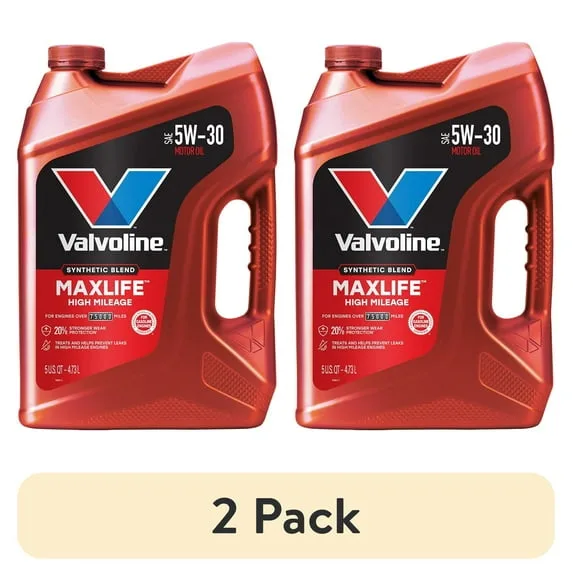
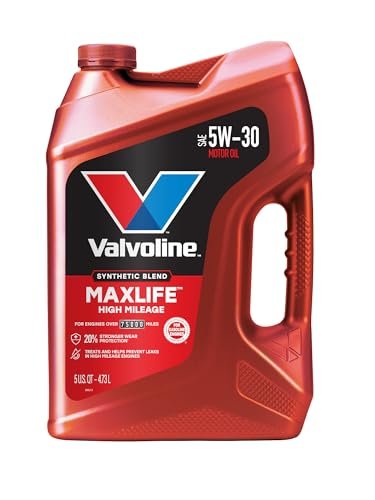
Valvoline MaxLife High Mileage 5W-30 Synthetic Blend
A strong choice for compatible high-mileage cars that need 5W-30 oil and may benefit from seal-conditioning additives.
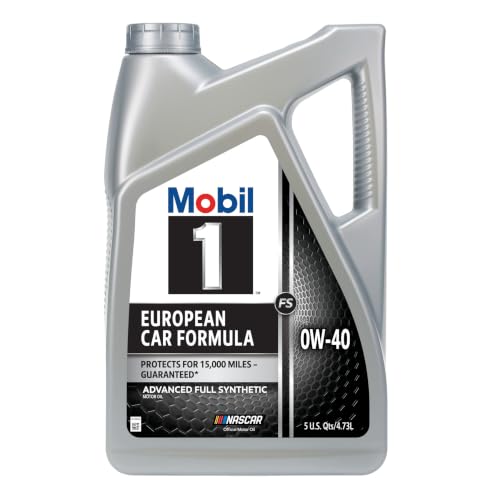
Mobil 1 FS European Car Formula 0W-40
A full synthetic option for compatible European vehicles that require the specified 0W-40 grade and approvals.

Valvoline MaxLife High Mileage 5W-20 Synthetic Blend
A practical high-mileage option for drivers whose engines call for 5W-20 and who want a synthetic blend.
Valvoline MaxLife High Mileage 5W-30
Valvoline MaxLife High Mileage 5W-30 Synthetic Blend is my first pick for drivers with older cars that require this oil grade. It targets engines with more miles on the odometer. Its formula includes seal conditioners that aim to help protect aging seals and reduce oil leaks. The brand also promotes protection against wear and oil consumption. These features make it worth considering when an older engine needs a suitable replacement oil.
I like the balance this product offers between everyday use and high-mileage engine care. The 5W-30 grade suits many vehicles, but it does not suit every car. Always check the owner’s manual before buying it. A synthetic blend also gives drivers another choice between conventional and full synthetic oil. If your car has passed 75,000 miles and calls for 5W-30, this product deserves a close look. It may be a useful option for regular commuting, highway trips, and routine maintenance.
✅ Pros
- ✔ Designed for engines with high mileage.
- ✔ Contains seal conditioners intended to help reduce leaks.
- ✔ Aims to help limit oil consumption in aging engines.
- ✔ Offers a synthetic blend formula for everyday driving.
- ✔ The 5W-30 grade fits many cars that specify this viscosity.
- ✔ Provides an option for drivers who do not need a full synthetic formula.
- ✔ Suitable for routine maintenance when the vehicle’s manual allows it.
- ✔ Comes in a five-quart container that can be practical for many oil changes.
⚠️ Cons
- ✖ Not suitable for cars that require a different oil viscosity.
- ✖ A synthetic blend is not the same as a full synthetic oil.
- ✖ Seal conditioners cannot repair damaged seals or mechanical leaks.
- ✖ The high-mileage formula may offer little extra value in a newer engine.
- ✖ The five-quart size may not match every engine’s oil capacity.
My Recommendation
I recommend Valvoline MaxLife 5W-30 for owners of older cars that specify 5W-30 and need an oil made with high-mileage use in mind. It is especially worth considering if your vehicle has crossed 75,000 miles and you want a synthetic blend with seal-conditioning additives. I would not choose it just because the car has a high odometer reading. The required viscosity, API service category, and manufacturer approval still come first. If the manual calls for 5W-30 and the product meets the required standards, this is a sensible choice for daily use. Among the options in this review, it offers one of the strongest combinations of high-mileage focus and broad everyday usefulness.
| Best For | Why |
|---|---|
| Older daily drivers | Its high-mileage formula targets the needs of aging engines. |
| Cars requiring 5W-30 | It provides the specified viscosity when the vehicle also allows its service category. |
| Drivers concerned about minor seepage | Seal conditioners aim to help reduce leaks, although they cannot fix damaged parts. |
Valvoline MaxLife Full Synthetic 5W-20

Valvoline MaxLife High Mileage Full Synthetic 5W-20 is made for drivers who want a full synthetic oil for a compatible high-mileage engine. The product targets vehicles with 75,000 miles or more. It includes seal conditioners designed to help prevent leaks and reduce oil consumption. Valvoline also advertises stronger wear protection as part of its formula. This makes the product worth considering for older cars that still need a 5W-20 oil.
I see this oil as a good option for owners who want to keep an older vehicle on the road with regular maintenance. Its full synthetic base makes it different from the synthetic blend products in this list. However, full synthetic does not mean every car needs it. The owner’s manual remains the best guide for viscosity and oil standards. If your engine calls for 5W-20, this product may offer a useful mix of high-mileage features and synthetic oil performance. It can suit regular commutes, changing weather, and normal highway use when the vehicle permits it.
✅ Pros
- ✔ Uses a full synthetic oil formula.
- ✔ Designed for engines with 75,000 miles or more.
- ✔ Includes seal conditioners intended to help reduce leaks.
- ✔ Aims to help control oil consumption in aging engines.
- ✔ Advertises enhanced wear protection for engine parts.
- ✔ Offers a 5W-20 option for vehicles that require this grade.
- ✔ Suitable for routine driving when the car maker permits the product.
- ✔ A useful choice for drivers who prefer full synthetic high-mileage oil.
⚠️ Cons
- ✖ Not suitable for engines that require 5W-30, 0W-40, or another viscosity.
- ✖ May cost more than a comparable synthetic blend.
- ✖ The extra features may not be useful for a low-mileage engine.
- ✖ Seal conditioners cannot restore severely worn or damaged seals.
- ✖ Drivers must still check the required API category and manufacturer approvals.
My Recommendation
I would choose this product for a high-mileage car that specifically requires 5W-20 and can use this oil’s service category. It is a strong candidate if you prefer full synthetic oil over a synthetic blend. The seal-conditioning focus may also appeal to owners who notice minor oil seepage. Still, do not expect motor oil to repair a failed gasket or damaged seal. Check the engine’s oil level and inspect any leak before assuming a different oil will solve the issue. For the right vehicle, this product can be a practical part of a careful maintenance plan. It is one of the better choices in this group for drivers who want full synthetic high-mileage protection.
| Best For | Why |
|---|---|
| High-mileage cars requiring 5W-20 | The formula targets aging engines and matches the required viscosity when approved. |
| Full synthetic oil users | It offers a full synthetic formula rather than a synthetic blend. |
| Drivers watching oil consumption | Its seal conditioners aim to help limit oil loss in aging engines. |
Mobil 1 European Car Formula 0W-40
Mobil 1 FS European Car Formula 0W-40 is a full synthetic motor oil designed for compatible European vehicles. It stands out from the Valvoline MaxLife products because it focuses on a different group of engine requirements. The oil carries a 0W-40 viscosity grade and is marketed with OEM approval and turbocharger protection claims. Its triple-action formula is another key feature promoted by the brand. Drivers should check the current product label and vehicle manual to confirm that the required approvals match.
I consider this product a strong option for owners of European cars that call for 0W-40. It may also suit some vehicles with turbocharged engines, provided the car maker allows this exact oil. The full synthetic formula makes it an option for drivers who want synthetic oil for demanding daily use. However, this is not a universal oil for every American or imported car. A vehicle that calls for 5W-20 or 5W-30 should not receive 0W-40 just because the oil has a premium label. The correct approval matters as much as the brand name.
✅ Pros
- ✔ Uses a full synthetic motor oil formula.
- ✔ Offers a 0W-40 viscosity grade for compatible engines.
- ✔ Designed with European car requirements in mind.
- ✔ Promotes protection for turbocharged engines.
- ✔ Carries manufacturer approval claims that buyers can check against their manuals.
- ✔ A suitable option for vehicles that specifically call for this grade.
- ✔ Provides an alternative to high-mileage synthetic blend oils.
- ✔ Can serve compatible vehicles used for both city driving and highway travel.
⚠️ Cons
- ✖ Not suitable for every European car or every American car.
- ✖ The 0W-40 viscosity may be wrong for engines that require thinner oil.
- ✖ Premium full synthetic oil may cost more than a basic synthetic blend.
- ✖ Buyers must verify exact manufacturer approvals, not just the brand name.
- ✖ Its European focus may make it unnecessary for many ordinary daily drivers.
My Recommendation
I recommend Mobil 1 FS European Car Formula 0W-40 for drivers whose owner’s manuals specifically call for this viscosity and the relevant Mobil 1 approvals. It is my preferred option in this list for that particular use case. The full synthetic formula and European application make it worth considering for compatible vehicles, including certain turbocharged models. Before buying, compare the product’s current approvals with the exact requirements for your engine. Do not assume that all European cars use 0W-40. If your car requires a different grade, choose an oil that meets that requirement instead. For a compatible vehicle, Mobil 1 is a strong contender for the best engine oil brand for car owners who need a European-focused formula.
| Best For | Why |
|---|---|
| Compatible European cars | Its formula targets vehicles that specify the 0W-40 grade and matching approvals. |
| Approved turbocharged engines | The product promotes turbocharger protection for suitable applications. |
| Full synthetic users | It offers a full synthetic option for vehicles with the correct oil requirements. |
Valvoline MaxLife High Mileage 5W-20 Blend
Valvoline MaxLife High Mileage 5W-20 Synthetic Blend is another option for older cars that need this viscosity. It focuses on engines with high mileage and includes features aimed at protecting aging engine parts. The brand highlights seal conditioners that may help reduce leaks and oil consumption. It also promotes wear protection for engines that have spent many years on the road. For drivers who want a high-mileage oil without moving to a full synthetic formula, this product deserves attention.
I like the straightforward purpose of this oil. It is designed for drivers who want to maintain an older car and follow a regular oil change schedule. The synthetic blend formula offers a middle ground between conventional and full synthetic motor oil. However, it should only go into an engine that permits 5W-20. It is not a direct replacement for the 5W-30 or 0W-40 products in this review. If the viscosity and service standards match your car, it can be a sensible choice for daily commuting and normal driving.
✅ Pros
- ✔ Designed for high-mileage engines.
- ✔ Uses a synthetic blend formula.
- ✔ Includes seal conditioners intended to help reduce leaks.
- ✔ Aims to help minimize oil consumption in aging engines.
- ✔ Promotes wear protection for older engine parts.
- ✔ Provides a 5W-20 option for compatible vehicles.
- ✔ Offers an alternative to more expensive full synthetic products.
- ✔ Suitable for regular driving when it meets the car maker’s requirements.
⚠️ Cons
- ✖ Not a suitable choice for vehicles that require another viscosity.
- ✖ Does not use a full synthetic formula.
- ✖ May not offer extra benefits to newer, low-mileage engines.
- ✖ Cannot repair a failed gasket or worn engine seal.
- ✖ The five-quart container may not provide the exact amount needed for every car.
My Recommendation
I recommend this Valvoline MaxLife product to owners of older cars that call for 5W-20 and allow a synthetic blend. It is especially useful to consider if you want a high-mileage formula but do not need to pay extra for full synthetic oil. Its seal-conditioning features may appeal to drivers who want to manage minor seepage, although a real leak still needs inspection. I would compare its cost with the full synthetic MaxLife version before making a final choice. If both meet your vehicle’s requirements, the better value may depend on local price and your preferred oil change plan. It is a practical option, not a universal upgrade for every engine.
| Best For | Why |
|---|---|
| Older cars requiring 5W-20 | The product targets high-mileage engines and offers the specified viscosity. |
| Budget-conscious drivers | A synthetic blend can be an alternative to a full synthetic product. |
| Routine city driving | It can support normal maintenance when the engine permits its grade and specifications. |
Valvoline MaxLife High Mileage 10W-30

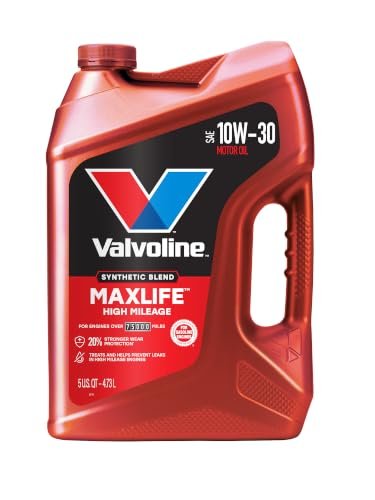
Valvoline MaxLife High Mileage 10W-30 Synthetic Blend is made for older engines that call for 10W-30 motor oil. It uses the MaxLife approach, with features designed to support engines that have covered many miles. The formula includes seal conditioners intended to help reduce leaks and oil consumption. Valvoline also highlights wear protection as part of its high-mileage range. This makes it an option for drivers who want a purpose-built oil for an aging engine.
I would consider this product for an older car that needs 10W-30, especially when the owner wants to stay with a synthetic blend. It may suit vehicles used for everyday travel, errands, and regular highway trips. The important point is that 10W-30 is not interchangeable with every other grade in this review. Some modern engines need a different viscosity to work as designed. Check the manual and the product label before buying. When the specifications match, this oil can be a sensible part of a basic engine care routine.
✅ Pros
- ✔ Targets high-mileage engines.
- ✔ Offers a synthetic blend formula.
- ✔ Includes seal conditioners designed to help reduce leaks.
- ✔ Aims to help limit oil consumption in aging engines.
- ✔ Promotes protection against engine wear.
- ✔ Provides a 10W-30 option for vehicles that require this grade.
- ✔ Can suit older vehicles used for regular daily driving.
- ✔ Offers another viscosity choice within the MaxLife high-mileage range.
⚠️ Cons
- ✖ Not suitable for engines that require 5W-20, 5W-30, or 0W-40.
- ✖ A synthetic blend may not be the preferred choice for drivers who specifically want full synthetic oil.
- ✖ May not provide a useful benefit for newer engines without high-mileage needs.
- ✖ Seal conditioners cannot fix serious leaks or damaged engine parts.
- ✖ The product’s availability and price can vary by retailer.
My Recommendation
I recommend Valvoline MaxLife 10W-30 for owners of older vehicles that specify 10W-30 and meet the product’s service requirements. It is a reasonable choice for drivers who want a synthetic blend with high-mileage features. I would not buy it only because the car is old or because the local climate is warm. Modern engines can have precise oil requirements, and the wrong viscosity may affect lubrication. If the manual lists 10W-30 and the product meets the correct service category, this oil deserves a place on your shortlist. It is best viewed as a targeted option for compatible older cars rather than an all-purpose motor oil.
| Best For | Why |
|---|---|
| Older cars requiring 10W-30 | Its viscosity matches vehicles that specify this grade. |
| High-mileage daily drivers | The MaxLife formula targets the needs of aging engines. |
| Synthetic blend users | It provides a blend formula for drivers who do not need a full synthetic option. |
Final Verdict: Which Should You Buy?
My overall pick is Valvoline MaxLife High Mileage 5W-30 Synthetic Blend for compatible older cars. It offers a useful mix of high-mileage features, seal conditioners, and everyday practicality. For European vehicles that require 0W-40, Mobil 1 FS European Car Formula is the stronger choice. The best engine oil brand for car is the one that meets your engine’s exact requirements.
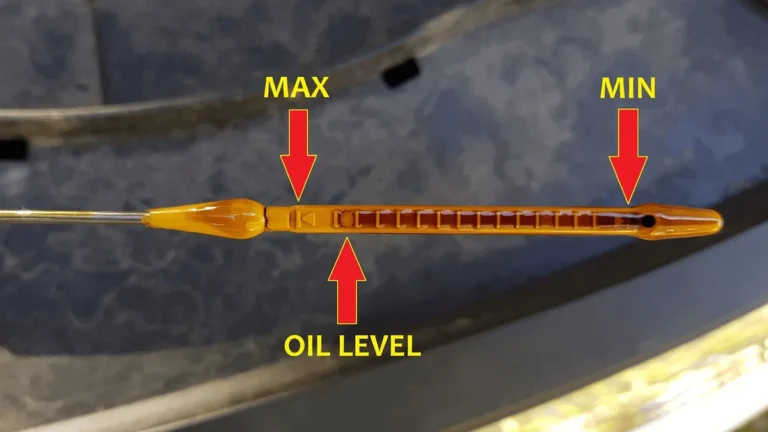
Before buying, check your owner’s manual, oil grade, and required approvals. Choose the right formula, change the oil on schedule, and check the level often. These simple steps can help protect your engine and support long-term car care.
FAQs Of best engine oil brand for car
Q Which is the best engine oil brand for car owners?
Q Is Valvoline better than Mobil 1?
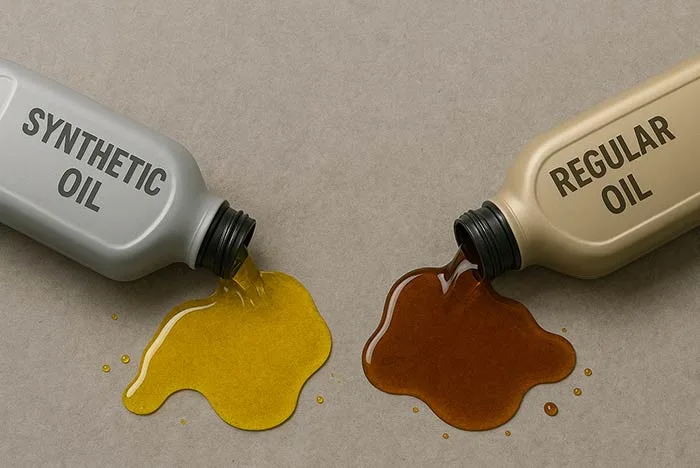
Q Should I use synthetic or synthetic blend engine oil?
Q Is high-mileage engine oil worth buying?
Q How often should I change my car’s engine oil?