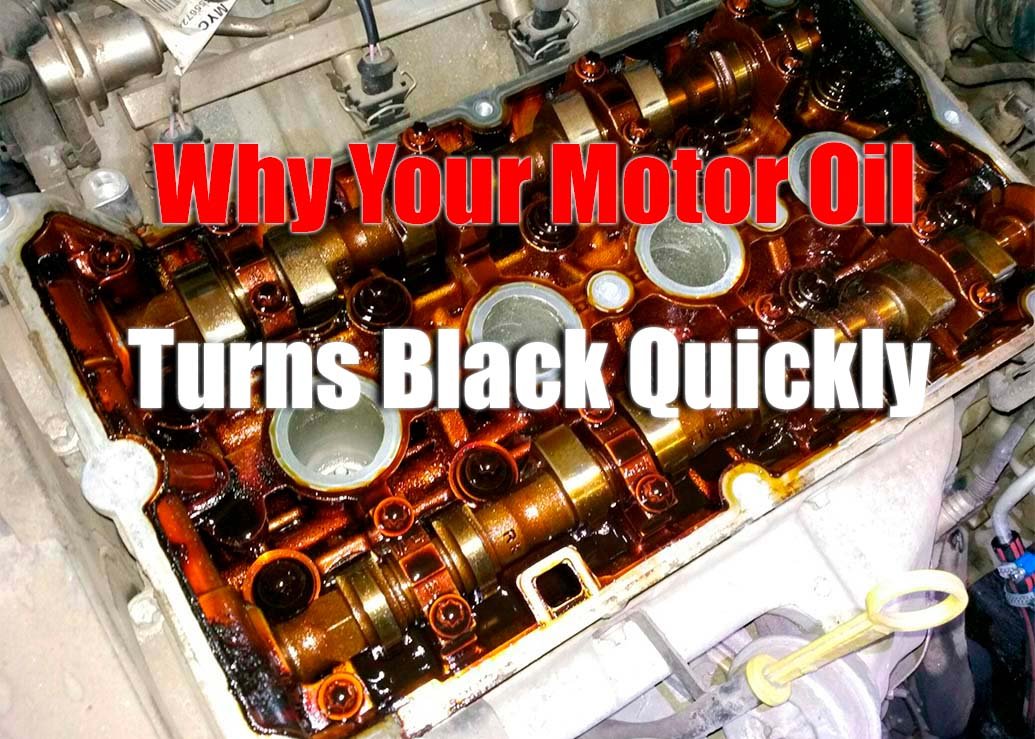
Engine oil turns black because it collects soot, dirt, and other byproducts of normal engine operation. Dark oil alone does not mean your engine is damaged or that you need an immediate oil change.
If you drive a car, truck, or SUV in the United States, you may notice dark oil when checking the dipstick in your driveway or garage. This can happen after a few thousand miles, during stop-and-go traffic in cities such as Los Angeles, or during long commutes on American highways. In many cases, black oil is a normal sign that the lubricant is doing its job.
Engine oil does more than reduce friction. It also carries tiny particles, helps manage heat, and protects metal parts from wear. As the oil moves through the engine, it can darken as it picks up soot and other deposits. Gasoline and diesel engines can both produce dark oil, although diesel oil often turns black sooner because of soot from combustion.
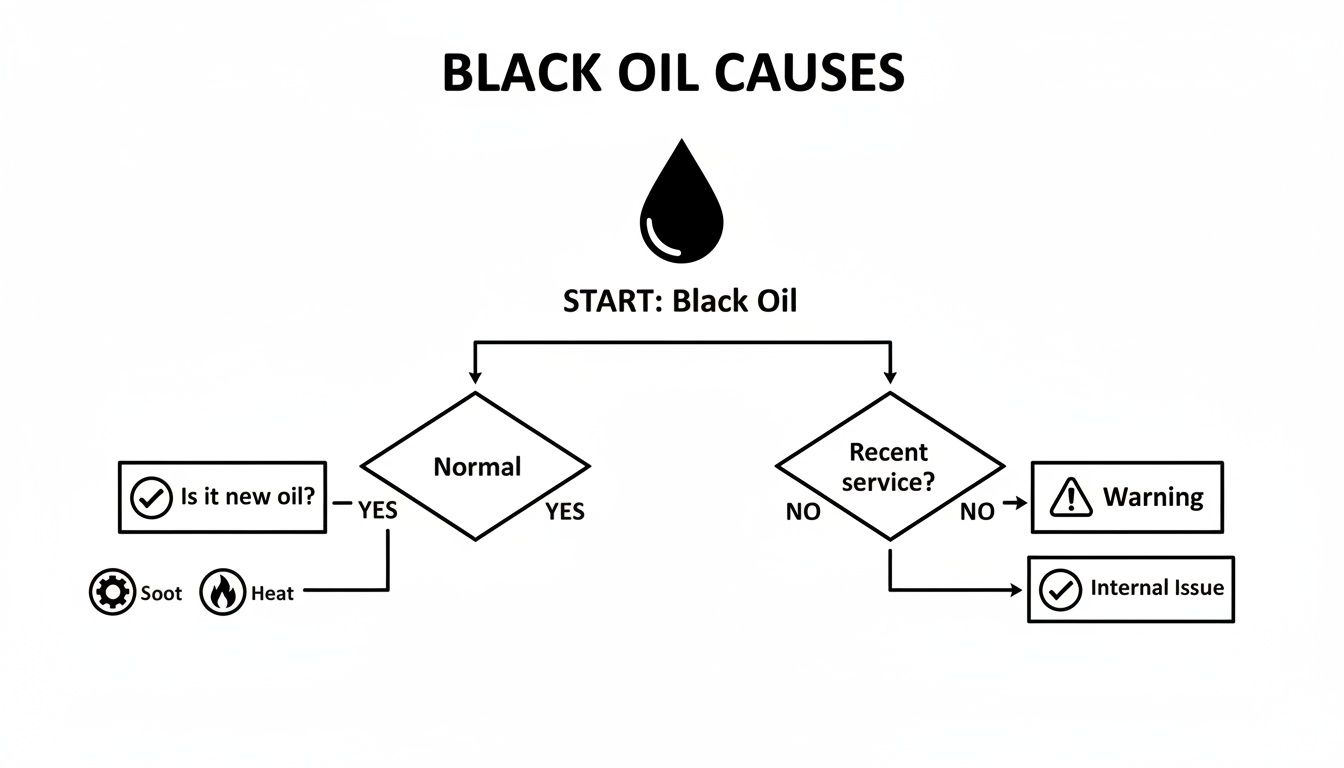
The key is to look beyond color. Check the oil level, texture, smell, service history, and any warning lights or changes in engine performance. Oil that is black but still flows normally may be fine, while oil that looks milky, contains visible metal, smells strongly of fuel, or sits below the safe level needs closer attention.
Source: engineoilpro.com
Why Is My Engine Oil Black?
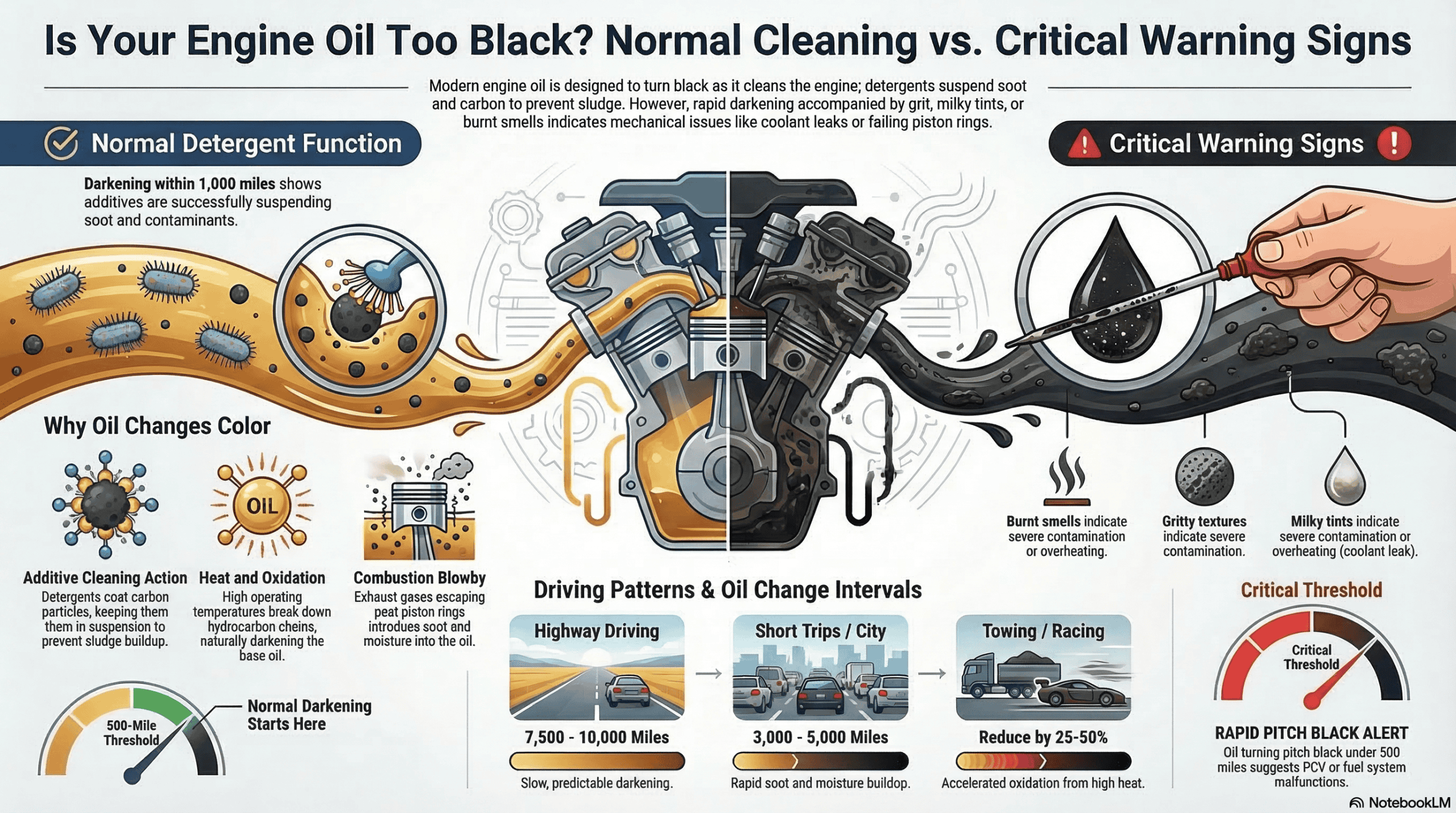
Engine oil turns black when it picks up soot, carbon-rich combustion byproducts, oxidation products, and small deposits from inside the engine. Heat and repeated use also change the oil’s chemistry over time. These processes can darken the oil even when the engine is operating normally.
Think of engine oil as a cleaning fluid that moves through a busy workshop. It helps keep surfaces protected while carrying tiny particles toward the oil filter. The oil can look darker as those particles collect, but that change does not automatically mean the oil has stopped protecting the engine.
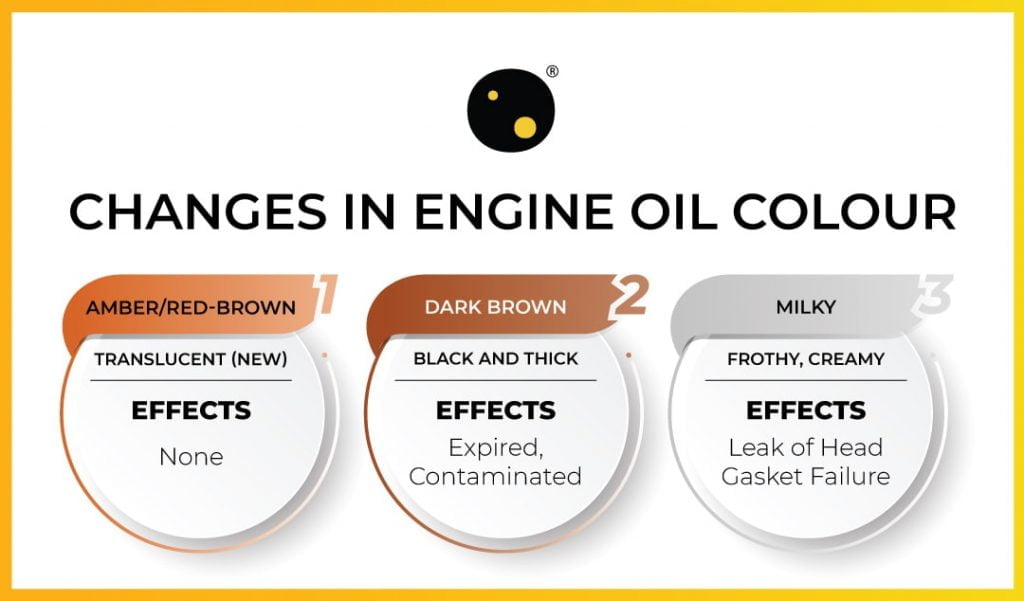
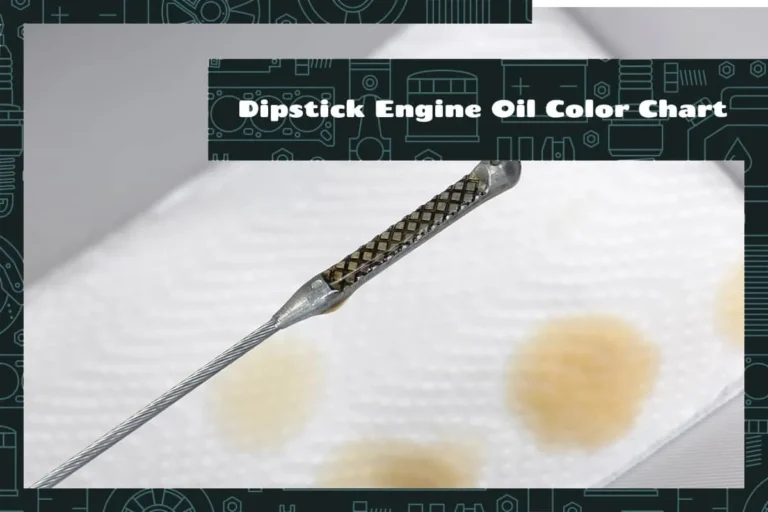
Fresh oil often appears amber, gold, or light brown, depending on its base oil and additives. Used oil can range from brown to nearly black. There is no single shade that proves an oil is good or bad, so color should be treated as one clue rather than a final diagnosis.
Source: spcdn.shortpixel.ai
Normal combustion byproducts
Small amounts of soot and carbon-containing material can enter the oil during engine operation and make it darker.
Cleaning additives
Detergent and dispersant additives help manage deposits and keep contaminants suspended so the oil can carry them through the lubrication system.
Heat and oxidation
High temperatures and exposure to oxygen can alter oil compounds, contributing to darkening as the lubricant ages.
Contaminants from engine operation
Tiny particles and residues can enter the oil through normal operation, wear, or certain mechanical faults.
Does Black Oil Mean the Oil Is Dirty?
Black oil contains dark-colored material, but that does not automatically make it unsuitable for use. Some of the material may be harmless soot held in suspension, while other changes may reflect oxidation, excess contamination, or an oil that has reached the end of its service life.
You cannot reliably judge the amount of harmful contamination by looking at a drop of oil. Two samples can have a similar dark color but very different levels of wear metals, fuel dilution, soot, or remaining additive capacity. Laboratory oil analysis can measure some of these properties when a more detailed answer is needed.
Color is a clue, not a verdict
Use color alongside the oil level, service interval, smell, texture, and engine symptoms.
The filter has limits
The oil filter captures many particles, but it cannot remove every dissolved contaminant or reverse chemical aging.
Seven Common Reasons Engine Oil Turns Black
Several processes can darken engine oil, and more than one may occur at the same time. Most are related to combustion, heat, and the way the lubrication system handles contaminants. The most useful first step is to identify which conditions fit your vehicle and driving habits.
Source: kwikkarspringvalley.com
1. Soot from combustion
Combustion produces byproducts that can reach the crankcase through normal engine processes. Soot is especially relevant in diesel engines and can darken oil quickly.
2. Detergents and dispersants at work
Engine oil additives help control deposits and suspend fine particles. These additives support engine cleanliness, although their action does not guarantee that the oil will remain usable indefinitely.
3. High operating temperatures
Heat can speed oxidation and other chemical changes. Repeated high-temperature operation may contribute to darker oil and faster oil aging.
4. Stop-and-go driving
Frequent short trips, traffic congestion, and repeated cold starts can create operating conditions that differ from steady highway driving. Depending on the engine and climate, these patterns can increase moisture accumulation or fuel dilution and may shorten the recommended service interval.
5. Long oil change intervals
Oil accumulates contaminants and undergoes chemical changes as it is used. Extending the service interval beyond the vehicle maker’s guidance can increase the risk of deposits and reduced lubrication performance.
6. Existing engine deposits
Oil can pick up residue from internal surfaces. Engines with a history of irregular maintenance or deposit buildup may darken fresh oil sooner as the lubricant circulates.
7. Mechanical problems or abnormal contamination
Excessive blow-by, a faulty injector, fuel dilution, coolant leakage, or abnormal wear can affect the oil. These problems cannot be confirmed from color alone, but other symptoms may point to the need for diagnosis.
Why Does Engine Oil Turn Black So Quickly?
Oil that darkens within a short time after a change may be behaving normally, especially in a diesel engine. A fresh oil change does not remove every trace of residue from internal engine passages, and the new oil starts collecting combustion byproducts as soon as the engine runs.
However, rapid darkening deserves a closer look when it occurs with a strong fuel smell, falling oil level, unusual engine noise, excessive smoke, or repeated warning lights. These signs can point to an issue that color alone cannot explain.
Check that the correct oil specification was used and that the filter was replaced when required. If the oil becomes unusually thin, smells strongly of gasoline or diesel, or appears mixed with coolant, avoid guessing at the cause and arrange a proper inspection.
Often normal
Oil darkens after normal driving, but its level remains stable and the engine shows no new symptoms.
Needs investigation
Oil darkens alongside unexplained oil loss, a rising oil level, a fuel smell, overheating, or abnormal engine operation.
Is Black Engine Oil Normal in Gasoline and Diesel Engines?
Black oil can be normal in both gasoline and diesel engines, but the reasons and timing can differ. Engine design, fuel system condition, driving pattern, oil formulation, and maintenance history all affect how quickly the oil changes color.
A gasoline engine may retain a brown or amber appearance for some time, but it can also turn dark during normal use. Diesel oil often becomes black much sooner because soot is a common byproduct of diesel combustion and can enter the crankcase.
Neither engine type has a universal color deadline. A gasoline engine does not need a repair just because its oil looks black, and a diesel engine does not get unlimited permission to keep using dark oil. Always follow the vehicle maker’s maintenance instructions and consider any accompanying symptoms.
Source: supergen.in
Gasoline engines
Oil can darken because of heat, oxidation, combustion byproducts, and suspended deposits. Excessive fuel dilution or coolant contamination requires further investigation.
Diesel engines
Soot can turn the oil black quickly. The oil and filter still need service at the prescribed interval, even if the engine sounds normal.
Turbocharged engines
Turbochargers operate at high temperatures and depend on suitable lubrication. Use the specified oil grade and approval, and investigate leaks, smoke, or unusual oil consumption.
Older engines
An older engine may have more deposits or oil consumption, but age alone does not establish that dark oil is abnormal. Review its service history and current symptoms.
Why Is Diesel Engine Oil Black After an Oil Change?
Diesel oil can become dark soon after a change because soot is generated during combustion and some of it reaches the lubricant. Residual oil and deposits can also remain in internal passages, so a new fill does not always stay amber for long.
This color change is not, by itself, proof of poor-quality oil or a failed engine. The important questions are whether the correct diesel-rated oil was used, whether the oil filter is suitable, and whether the engine is following its prescribed maintenance schedule.
If a diesel engine has excessive smoke, poor power, rising oil level, frequent regeneration problems in a vehicle with a diesel particulate filter, or a strong fuel smell in the oil, seek a diagnosis. Do not attempt to solve these symptoms by changing oil repeatedly without finding the cause.
Follow the diesel oil specification
Check the viscosity grade and performance approvals required for the exact engine, including emissions-system requirements where applicable.
Watch the oil level
A level that rises unexpectedly can indicate fuel or another fluid entering the oil, which needs prompt investigation.
How to Check Whether Black Engine Oil Is Still Usable
The safest way to assess dark engine oil is to combine a level check with a review of its condition, service history, and any warning signs. Do not decide that the oil is safe simply because it feels smooth or dangerous simply because it looks dark.
Before checking, park on level ground in a safe place and follow the owner’s manual. Some manufacturers specify checking the oil when the engine is warm and then allowing time for oil to drain back into the sump; others provide different instructions. Never work near moving belts or hot components without taking proper precautions.
Source: i.ytimg.com
Step 1: Confirm the correct checking method
Read the owner’s manual to determine whether the engine should be warm or cool, how long to wait, and whether the vehicle uses a dipstick or an electronic oil-level system.
Step 2: Check the oil level
For a dipstick-equipped engine, remove the dipstick, wipe it clean, insert it fully, and remove it again. Compare the level with the marked range. Do not overfill.
Step 3: Look at the oil
A dark brown or black appearance can be normal. Look for unusual cloudiness, a creamy appearance, visible debris, or metal-like particles.
Step 4: Notice the smell and texture
A strong fuel smell, an unusually thin feel, or a gritty appearance can indicate a problem. These observations are clues, not reliable standalone tests.
Step 5: Check service records
Compare the odometer and elapsed time with the recommended oil change interval. Account for any severe-service schedule specified for frequent short trips, towing, dust, or other demanding conditions.
Step 6: Review dashboard warnings
An oil-pressure warning, overheating warning, or new engine noise changes the urgency. Stop safely and follow the vehicle maker’s instructions rather than continuing to drive to see what happens.
What Does Healthy Used Oil Look Like?
Used oil can be dark while remaining reasonably fluid and free of obvious abnormal contamination. Its appearance varies with the engine, oil type, driving conditions, and time since the last change.
Oil that looks milky or creamy may contain coolant or water. A few bubbles or a light film under the oil cap can sometimes result from moisture and operating conditions, so the cap alone is not enough to diagnose a fault. Persistent milky oil on the dipstick, coolant loss, overheating, or other symptoms call for prompt inspection.
Thick sludge, gritty material, or visible metal fragments are more concerning than ordinary dark color. Do not run an engine with suspected serious contamination simply to see whether the oil clears.
Dark but otherwise typical
The level is within the specified range, the oil has no unusual smell or obvious debris, and there are no new warning signs.
Milky or creamy
Possible water or coolant contamination should be investigated, especially if coolant is disappearing or the engine is overheating.
Thin and fuel-smelling
Possible fuel dilution can reduce lubrication performance. Arrange an inspection instead of relying on color.
Gritty or metallic
Visible particles can indicate abnormal wear or contamination. Avoid unnecessary engine operation until the cause is assessed.
What Black Engine Oil Can Tell You About Oil Change Timing
Black oil alone cannot tell you when an oil change is due. The correct interval depends on the vehicle maker’s recommendations, the required oil specification, driving conditions, mileage, elapsed time, and any oil-life monitoring system fitted to the vehicle.
Many modern US vehicles use an oil-life monitor that estimates when service is needed based on operating conditions and other inputs. It is not the same as a direct laboratory measurement of the oil, so follow the manual’s instructions for the monitor and any time or mileage limits that still apply.
If you recently bought a used vehicle and do not know when the oil was last changed, review the maintenance records or arrange a baseline service. Use the specified oil and filter rather than choosing a product solely because its label promises longer intervals.
Source: kcklubricants.com.au
Follow the owner’s manual
Use the specified viscosity grade, performance standard, and service interval for the exact vehicle and engine.
Consider severe service
Frequent short trips, extended idling, towing, heavy traffic, extreme temperatures, or dusty conditions may call for a shorter interval if the manufacturer says so.
Do not reset an oil-life monitor early
Reset the monitor as directed after the required service. Resetting it does not restore the oil’s condition.
Do not extend the interval based on appearance
Oil that still looks amber is not proof that it can safely remain in the engine, just as black oil is not proof that it must be discarded immediately.
Should You Change Black Oil Immediately?
Not necessarily. If the oil is black but the level is correct, the service interval has not expired, and there are no warning signs, color alone does not require an immediate change.
Change the oil when the vehicle’s maintenance schedule calls for it, when the oil-life monitor or service reminder indicates it is due, or when a qualified technician identifies contamination or another reason to replace it. If the service history is unknown, a maintenance check is a sensible starting point.
When a serious problem is suspected, a fresh oil change may not fix the cause. Fuel dilution, coolant leakage, abnormal wear, and low oil pressure need diagnosis rather than repeated oil replacement alone.
Routine dark oil
Check the schedule and level, then continue normal maintenance if no warning signs are present.
Oil past its service interval
Arrange the required oil and filter service using the correct specification.
Oil with abnormal symptoms
Seek diagnosis before assuming that a routine oil change will solve the issue.
Black Engine Oil Warning Signs You Should Not Ignore
Some oil conditions point to a possible mechanical problem rather than normal darkening. The most useful warning signs are changes in oil level, unusual smell or texture, coolant loss, visible debris, abnormal engine noise, and dashboard warnings.
A vehicle can have a serious lubrication problem even when the oil looks normal. Conversely, dark oil can be normal even when it looks alarming to someone who expects fresh oil to stay golden. Give more weight to the full set of symptoms than to color alone.
Source: i.ytimg.com
Oil pressure warning light
Pull over safely and shut off the engine as soon as it is safe to do so. Low oil pressure can cause severe damage quickly. Check the manual and arrange assistance rather than driving on.
Oil level keeps dropping
Repeated top-ups may point to an external leak or internal oil consumption. Check for spots under the vehicle and arrange an inspection.
Oil level rises unexpectedly
Fuel or coolant may be entering the sump. Do not assume that extra oil is harmless; have the cause checked promptly.
Milky oil and coolant loss
These signs can indicate a fluid leak or another fault. Stop driving if the engine overheats or the symptoms are severe.
Strong fuel smell
Fuel contamination can thin the oil and weaken its protective film. A mechanic can check the fuel system and determine whether the oil needs replacement.
Metal fragments or heavy sludge
Visible debris or thick deposits can point to wear, poor maintenance, or another fault. Further engine operation may increase damage.
New knocking or severe ticking
Abnormal engine noise with low oil level or an oil-pressure warning is urgent. Stop the engine safely and arrange professional help.
Can Black Oil Damage an Engine?
Black oil does not damage an engine simply because it is black. The risk comes when the oil is too old, contaminated, incorrectly specified, too low, or unable to maintain the required lubrication under operating conditions.
Oil that has lost important properties may allow more friction, wear, deposits, or overheating. Severe contamination can also affect components that rely on clean oil flow. The exact risk depends on the engine and the cause of the oil’s condition.
If you suspect serious contamination, do not try to fix it with an engine flush or an additive without professional guidance. A mechanic may recommend oil analysis, a fluid and filter change, a leak test, or specific repairs based on the symptoms.
Do not ignore low oil pressure
This warning concerns oil delivery or pressure, not just oil color, and can require immediate action.
Avoid unapproved additives
Extra products can conflict with the engine maker’s requirements and may not address the underlying fault.
Why Does New Engine Oil Turn Black After an Oil Change?
New engine oil can darken soon after an oil change because it begins collecting combustion byproducts as soon as the engine runs. Small amounts of old oil may also remain in internal passages, the oil cooler, or other parts of the lubrication system after draining.
This is especially common in diesel engines, where soot can darken the lubricant quickly. It can also occur in gasoline engines, depending on their design, condition, and operating pattern. A dark dipstick soon after service is not enough to prove that the shop failed to change the oil.
If the oil appears black immediately after service, first confirm what was done and whether the engine was run before the check. Check the invoice for the oil specification and filter, then follow the proper dipstick procedure. If the oil level is wrong or there are new symptoms, contact the service provider and ask for an inspection.
Source: i.ytimg.com
Residual oil
A normal drain does not remove every trace of used oil from the engine.
Fast soot accumulation
Combustion byproducts can darken the new oil as the engine runs, particularly in diesel applications.
Possible service or mechanical concern
A wrong oil level, incorrect specification, strong fuel smell, or other new symptom needs follow-up rather than a color-only judgment.
Does Black Oil Mean the Mechanic Did Not Change It?
No. Oil color alone cannot establish whether an oil change was performed. A mechanic may have replaced the oil correctly, yet the oil can become dark quickly because of soot and residual deposits.
If you have concerns, ask for the service record, the oil grade used, and confirmation that the filter was replaced if the service called for it. You can also ask the shop to verify the oil level and inspect the engine for abnormal contamination.
Check the paperwork
Review the invoice and service notes rather than relying on color alone.
Ask the shop to confirm the oil specification, level, and filter service if anything seems wrong.
How Driving Habits Affect Engine Oil Color
Driving conditions influence how quickly engine oil darkens and how quickly it ages. Two cars using the same oil may show different colors because they have different engines, trip lengths, loads, temperatures, and service histories.
For example, a commuter who drives short trips through heavy US city traffic may use the engine under different conditions from someone who drives long interstate routes. A pickup that regularly tows a trailer also faces different demands from a small sedan used for occasional errands.
These examples do not create a universal oil change schedule. Use the maintenance guidance for your vehicle and engine, including any severe-service interval that applies to your actual use.
Source: i.ytimg.com
Short trips
Repeated cold starts and trips that end before the engine reaches normal operating temperature can encourage moisture accumulation and may contribute to fuel dilution.
Heavy traffic and long idling
These conditions can increase engine operating time without adding much distance and may count as severe service under the manufacturer’s guidance.
Towing and heavy loads
High loads can increase engine heat and place greater demands on the lubricant.
Dusty roads and harsh environments
Dust can challenge the air filtration system, so a sound air filter and the prescribed maintenance schedule matter.
Long highway trips
Steady operation may reduce some problems linked to repeated cold starts, but it does not prevent oxidation or make oil service unnecessary.
Does Synthetic Oil Stay Cleaner Longer?
Synthetic engine oils are formulated to meet specific performance requirements, and some products can provide improved resistance to oxidation or low-temperature flow compared with certain conventional formulations. Actual performance depends on the complete oil formulation and its required approvals, not just the word synthetic on the bottle.
Synthetic oil can still turn black because it collects combustion byproducts and deposits. Its color does not reveal whether it retains the properties needed for continued use, and synthetic oil does not automatically justify extending the service interval beyond the manufacturer’s guidance.
Choose the viscosity grade and performance specification listed for your engine. If the manufacturer allows more than one oil type, compare the approved options and follow the same maintenance rules for level checks and service timing.
Synthetic oil
Can offer useful performance characteristics, depending on the formulation and approval, but still darkens during normal use.
Conventional oil
Can also lubricate an engine properly when it meets the required specification and is serviced at the correct interval.
Common Mistakes When Judging Black Engine Oil
Many drivers make maintenance decisions based on oil color alone. That is understandable because the dipstick offers a quick visual check, but it cannot show every property that matters for engine protection.
A better approach is to use color as an initial observation, then check the level, smell, visible contamination, service records, and vehicle warnings. If those clues disagree or the cause is unclear, professional diagnosis is more useful than guesswork.
Source: tonybassogm.com
Mistake 1: Changing oil every time it turns black
This can waste oil and money when darkening is normal. Follow the correct interval unless symptoms or testing indicate a need for earlier service.
Mistake 2: Assuming dark oil is always safe
Oil can look ordinary or dark while suffering from fuel dilution, coolant contamination, or chemical aging. Check the whole picture.
Mistake 3: Using the wrong oil grade
The wrong viscosity or performance specification may fail to meet the engine’s requirements. Verify the exact recommendation in the owner’s manual.
Mistake 4: Ignoring a rising oil level
A rising level can signal contamination and is not a reason to postpone service.
Mistake 5: Treating additives as a cure
An additive cannot reliably fix mechanical wear, coolant leakage, or excessive fuel entering the oil.
Mistake 6: Overlooking the filter
A suitable oil filter is part of the lubrication system. Follow the manufacturer’s service requirements for replacement and filter selection.
Mistake 7: Opening a hot oil system carelessly
Hot oil can burn skin, and a running engine has moving parts. Follow the manual and use suitable precautions during any maintenance.
Should You Use an Engine Flush to Make Oil Look Cleaner?
An engine flush is not a routine answer to black oil. The fact that oil looks dark does not prove that the engine has harmful sludge, and adding a cleaning chemical can be unsuitable for some engines or conditions.
If an engine has heavy sludge, a professional should assess its condition and recommend a suitable approach. In some cases, the safest plan may involve correcting the maintenance problem and following an appropriate oil and filter service strategy rather than using a chemical flush.
Avoid color-driven flushing
Do not use a flush solely because the dipstick shows black oil.
Get advice for suspected sludge
Seek qualified guidance before using cleaning chemicals or attempting aggressive cleaning.
When to Ask a Mechanic for Help
Ask a qualified mechanic to inspect the engine when black oil comes with unusual symptoms, when the oil level changes without explanation, or when the service history is unclear and the engine may have been neglected. A visual check can identify clues, but it cannot confirm every cause of contamination.
Depending on the symptoms, a technician may check for external leaks, inspect the cooling system, evaluate fuel delivery, assess crankcase ventilation, or examine the oil filter and drained oil. Oil analysis may help identify fuel dilution, coolant contamination, wear metals, or other properties that are not visible to the eye.
If the oil-pressure warning appears while the engine is running, stop safely and switch off the engine. Do not continue driving just because the oil level seems normal; oil pressure can be low for reasons that a dipstick check cannot detect.
Source: spcdn.shortpixel.ai
Seek prompt inspection
Arrange a check for recurring oil loss, rising oil level, a strong fuel smell, persistent milky oil, visible metal particles, or unusual smoke.
Stop driving when necessary
An oil-pressure warning, severe engine noise, or overheating can signal an urgent problem. Shut down safely and arrange roadside help or towing.
Keep useful records
Record the mileage, last oil change, oil grade, oil level, warning lights, and when symptoms began. This information can help narrow the diagnosis.
Is Laboratory Oil Analysis Worth It?
Oil analysis can be useful when you need more information than a visual check can provide. A laboratory may measure properties such as viscosity, fuel dilution, coolant indicators, soot, and wear metals, depending on the test package.
This service is most helpful when investigating recurring problems, monitoring a high-value engine, evaluating an unknown maintenance history, or deciding whether an oil interval is suitable for a specific application. It is usually unnecessary to order laboratory testing every time routine oil turns dark.
A result must be interpreted in context. Engine type, oil brand and grade, mileage on the oil, sampling method, and previous results all affect what the numbers mean. A single report is not a universal pass-or-fail certificate.
Useful for hidden contamination
Testing can reveal some problems that cannot be confirmed from oil color or smell.
Best with context
Share the engine details, oil type, mileage, and maintenance history with the laboratory or technician.
A Practical Decision Table for Black Engine Oil
Use this table to decide what to check next. It is a practical screening guide, not a substitute for the owner’s manual or a mechanical diagnosis. If several signs appear together, follow the more urgent action.
Source: supergen.in
Black oil, normal level, no new symptoms
Check the service interval and continue routine maintenance if the oil is not due for replacement.
Black oil soon after a change
Consider residual oil and normal soot accumulation. Verify the service details and inspect for other warning signs.
Black oil with a strong fuel smell
Arrange an inspection for possible fuel dilution, especially if the oil is thin or the level has risen.
Milky oil with coolant loss
Seek prompt diagnosis for possible coolant contamination. Do not continue driving an overheating engine.
Oil below the minimum mark
Follow the manual for safe top-up using the specified oil, provided there is no serious warning or obvious leak. Do not overfill.
Oil-pressure warning or severe engine noise
Stop safely, switch off the engine, and arrange assistance. Do not restart merely to test whether the warning disappears.
Visible metallic particles or thick sludge
Arrange a professional inspection before unnecessary further engine operation.
How to Top Up Oil Safely if the Level Is Low
If the oil level is below the specified range but there is no oil-pressure warning, severe noise, or obvious major leak, consult the owner’s manual before topping up. Park on level ground, use the recommended oil, and add a small amount at a time so you do not overfill the engine.
Recheck the level using the manufacturer’s procedure after allowing the oil to settle. If the level falls again, the engine leaks oil, or the oil-pressure warning remains on, do not keep adding oil and driving without finding the cause.
Use the specified oil
Match the required viscosity and performance approval, not just the brand.
Add oil in small amounts
Recheck the level as directed and avoid exceeding the maximum mark.
Investigate repeated loss
Frequent top-ups can hide a leak or internal oil consumption problem.
Research Notes and Useful Follow-Up Questions
The central reader need is to determine whether black engine oil is normal and what action, if any, is needed. The practical distinction is between ordinary darkening and dark oil accompanied by signs of contamination, low oil pressure, abnormal oil levels, or mechanical trouble.
The following question map is an editorial planning aid. The questions are inferred from the main task and common decisions a driver must make; they are not presented as verified search-volume findings or as a measured survey of current search results. No live competitor-page audit is claimed in this article.
Source: i.ytimg.com
Question: Why is oil black after a change?
Reader stage: After service. Basis: Inferred next need. Coverage: Answered in the dedicated section. Benefit: Helps distinguish normal darkening from a possible service concern.
Question: Does black oil mean it needs replacing?
Reader stage: Maintenance decision. Basis: Inferred next need. Coverage: Answered through service-interval guidance and the decision table. Benefit: Reduces unnecessary changes while discouraging overdue service.
Question: Is black diesel oil normal?
Reader stage: Diagnosis. Basis: Inferred next need. Coverage: Answered in the gasoline-versus-diesel section. Benefit: Explains why soot can darken diesel oil quickly.
Question: What if the oil smells like fuel or looks milky?
Reader stage: Warning-sign assessment. Basis: Inferred next need. Coverage: Answered in the warning-sign sections. Benefit: Encourages diagnosis when color is accompanied by signs of contamination.
Question: Can an oil test explain the problem?
Reader stage: Further diagnosis. Basis: Inferred next need. Coverage: Answered in the oil-analysis section. Benefit: Explains when testing may provide useful evidence beyond visual inspection.
Evidence Limits and What This Guide Can Establish
This guide explains established lubrication principles and general maintenance practices. It does not diagnose a specific vehicle, report hands-on testing, or establish that a particular engine is healthy or damaged based on a photograph or color description.
The vehicle’s owner’s manual remains the primary source for its required oil grade, performance specification, checking method, and service interval. A mechanic or qualified oil-analysis laboratory may be needed to distinguish normal soot from fuel dilution, coolant contamination, excessive wear, or chemical degradation.
Documented general principle
Oil can darken as it collects combustion byproducts and undergoes chemical changes during service.
Not established by color alone
Remaining oil life, engine wear, fuel dilution, coolant contamination, and oil quality cannot be reliably determined from color alone.
Best next source
Use the vehicle maker’s maintenance instructions for routine decisions and qualified diagnosis for abnormal symptoms.
Frequently Asked Questions
Q
Is it bad if my engine oil is black?
Not always. Engine oil often turns black as it collects soot, combustion byproducts, and suspended deposits. If the oil level is correct, the service interval has not expired, and there are no unusual symptoms, black color alone is usually not a reason to panic.
Look for warning signs such as a strong fuel smell, milky appearance, visible metal particles, unusual oil loss, or an oil-pressure warning. Those signs matter more than color alone.
Q
How soon should engine oil turn black after an oil change?
There is no universal time or mileage. Some engines keep oil relatively light for a while, while others darken it quickly. Diesel engines can turn oil black soon after a change because soot can enter the lubricant during normal operation.
If darkening occurs with abnormal smell, a rising oil level, engine noise, or other symptoms, have the engine checked rather than relying on the color.
Q
Should I change my oil if it is black but still looks smooth?
Base the decision on the manufacturer’s service interval, oil-life monitor instructions, and any evidence of contamination. Smooth-looking black oil can still be overdue for replacement, while dark oil within its service interval may be operating normally.
If you do not know the service history, check the records or arrange a baseline service. Use the correct oil specification and filter for the vehicle.
Q
Why is my engine oil black and thick?
Dark, thick oil can result from oxidation, heavy deposits, extended service intervals, contamination, or other engine conditions. The oil may also look thicker when cold, so temperature and the manufacturer’s specified viscosity matter.
If the oil is unusually tar-like, contains sludge, or comes with poor oil pressure or abnormal engine noise, stop unnecessary engine operation and seek professional diagnosis. Do not assume an engine flush is the right fix.
Q
Why does my engine oil smell like gasoline?
A strong gasoline smell can indicate that fuel is entering the oil. Possible causes include incomplete fuel combustion, certain fuel-system faults, or operating conditions that contribute to fuel dilution. Smell alone cannot confirm the cause.
Fuel in the oil can reduce its viscosity and weaken its ability to protect moving parts. Arrange an inspection, especially if the oil level is rising or the engine is running poorly.
Q
Can I drive with black engine oil?
If the oil is merely dark, the level is within the specified range, the maintenance interval is current, and the engine has no warning signs, color alone does not mean you must stop driving.
Do not continue driving with an oil-pressure warning, severe engine noise, overheating, or signs of serious contamination. Stop safely, shut off the engine when appropriate, and arrange professional assistance.
Q
Why is my engine oil milky instead of just black?
A milky or creamy appearance can indicate water or coolant mixing with the oil, although a small amount of moisture under the oil cap can sometimes form under certain operating conditions. The dipstick, coolant level, engine temperature, and other symptoms help determine how concerning the condition is.
Persistent milky oil, unexplained coolant loss, or overheating needs prompt inspection. Avoid driving an overheating vehicle or assuming that a routine oil change will solve the underlying cause.
Q
Does synthetic engine oil turn black?
Yes. Synthetic engine oil can turn black because it collects combustion byproducts and deposits just as other engine oils do. The word synthetic does not mean that the oil will remain clear during use.
Choose oil that meets the engine manufacturer’s viscosity and performance requirements. Follow the prescribed service interval rather than using color to judge the oil’s remaining life.
✦ Wrapping Up
Conclusion
If you are wondering why your engine oil is black, the most common explanation is that it has collected soot, combustion byproducts, and suspended deposits during normal engine operation. This is particularly common in diesel engines, but gasoline engines can also develop dark oil. Black color alone does not prove that the engine is damaged or that the oil must be changed at once.
The better approach is to check the oil level, review the maintenance schedule, look for unusual texture or smell, and watch for changes in engine performance. Milky oil, fuel odor, unexplained level changes, metal particles, low oil pressure, or severe engine noise deserve more attention than ordinary darkening. When those signs appear, qualified diagnosis can help prevent a small problem from becoming a costly repair.
For routine maintenance, use the oil grade and performance specification listed in your owner’s manual and follow the required service interval. If you have just changed the oil and it turns dark quickly, do not assume the service was done incorrectly. Check the full set of symptoms and seek help when the evidence points to a problem.
💡 Key Takeaway
Check the oil level and service history today. If the oil is only black and the engine has no warning signs, follow the normal maintenance schedule. If the oil is milky, smells strongly of fuel, contains visible debris, changes level unexpectedly, or triggers an oil-pressure warning, arrange prompt inspection and stop driving when a serious warning makes continued operation unsafe.
You pull the dipstick, hold it up to the light, and what you see doesn’t match what you expected. If you’ve ever wondered what should motor oil look like,…
So, does harbor freight sell motor oil? Yes. Harbor Freight Tools has offered selected motor oils, often under the Pittsburgh brand, but formulas, sizes, and…
Where do you put motor oil? That question trips up more firsttime owners than any other driveway task. You open the hood, stare at plastic covers and metal…