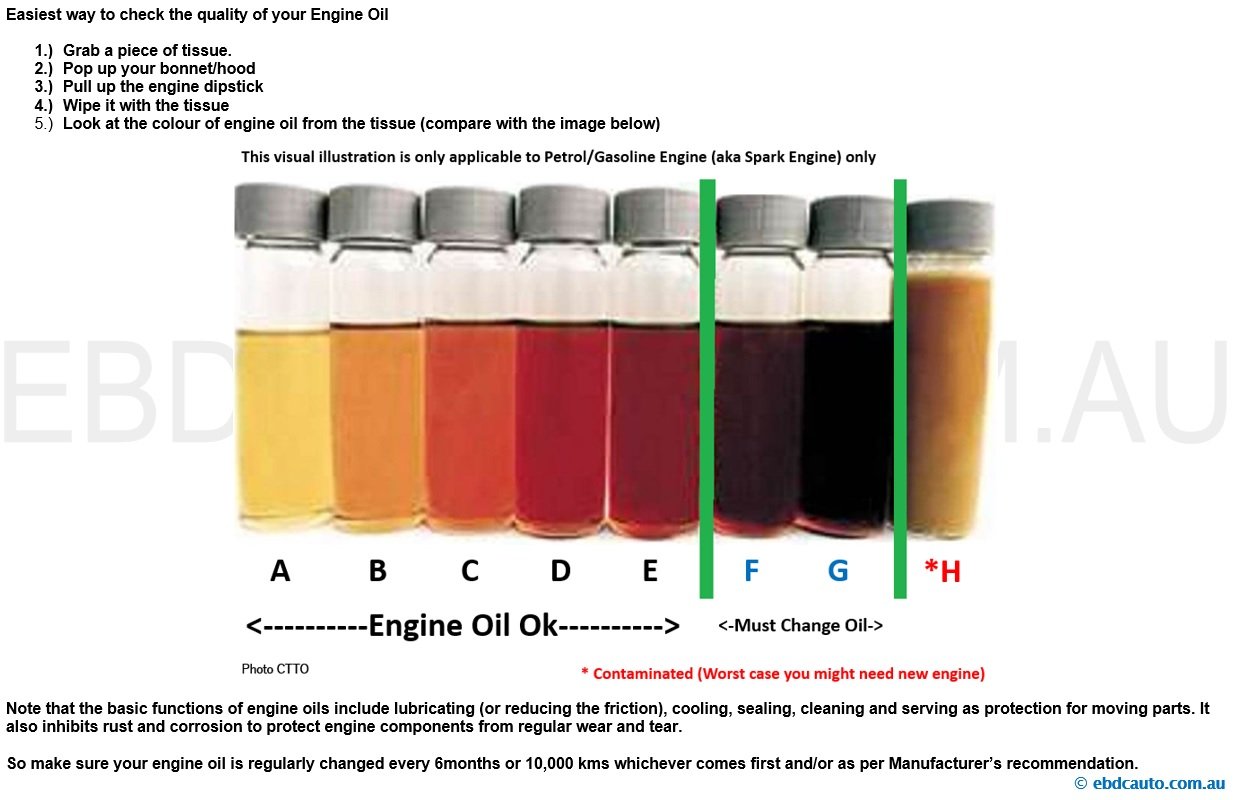
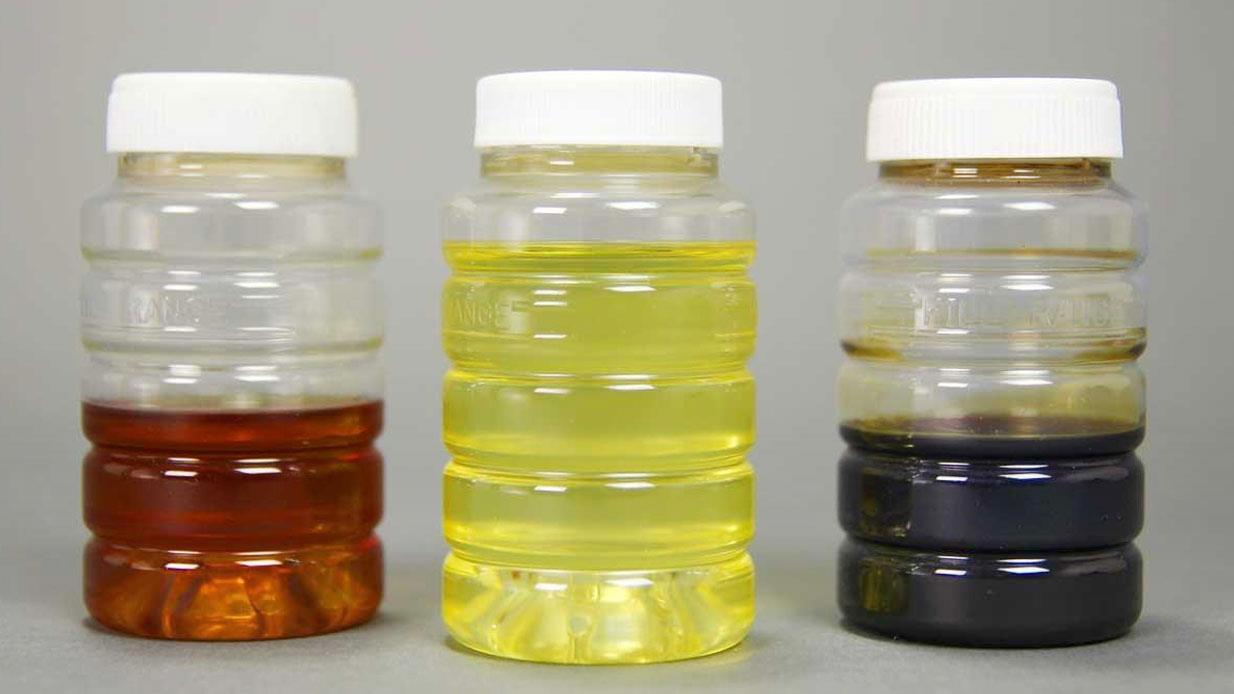
Diesel engine oil is usually amber or golden brown when fresh, but it often turns dark brown or black during normal engine use.
If you drive a diesel pickup in Texas, haul equipment across the Midwest, or use a diesel truck for daily trips around town, you may notice that its engine oil gets dark soon after an oil change. This can look worrying, especially when fresh oil starts out light and clear. In many diesel engines, however, black oil is a normal result of how the engine burns fuel and manages soot.
The color alone cannot tell you whether diesel engine oil is good or bad. Fresh oil color varies by brand, base oil, and additive package. Used oil can turn black while still protecting the engine, but unusual changes in texture, a rising oil level, a milky appearance, or a strong fuel smell can signal a problem that needs attention.
This guide explains what color diesel engine oil should be, why it changes, and how to check it safely. You will also learn how to tell normal dark oil from possible coolant, water, or fuel contamination without relying on color alone.
Source: fity.club
What Color Should Diesel Engine Oil Be?
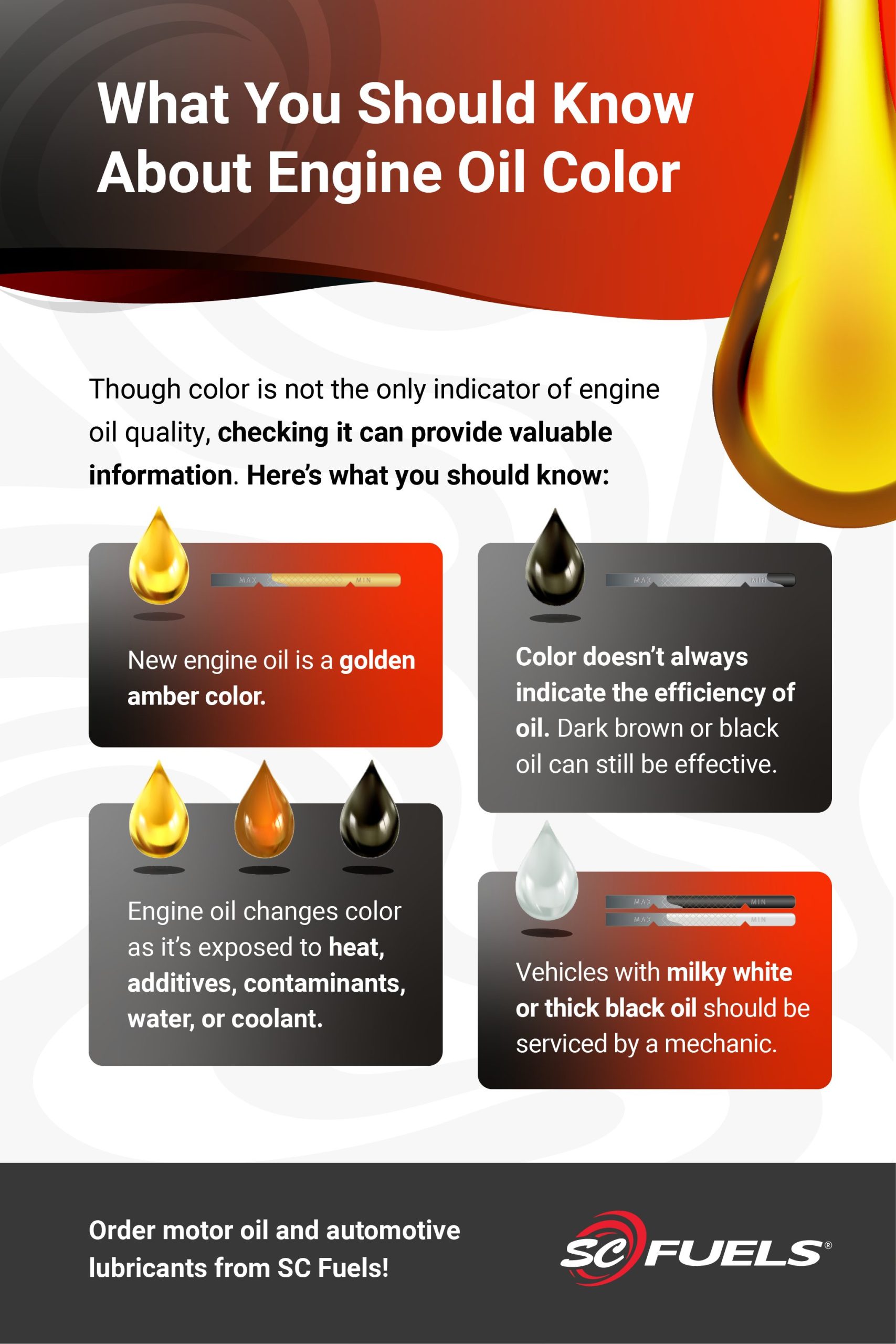
Fresh diesel engine oil is usually amber, golden, or light brown. Some products look pale yellow, while others appear darker brown straight from the bottle. These differences can be normal and depend on the base oil, detergent additives, anti-wear compounds, and other ingredients in the formula.
Once the engine runs, the oil begins to collect tiny particles and chemical byproducts. Diesel engines can produce soot during combustion, and some of that soot enters the crankcase oil. As the oil circulates, it may change from amber to brown and then to very dark brown or black.
There is no single correct color for every diesel engine. A heavy-duty pickup, a diesel passenger car, a farm tractor, and a commercial truck can all show different oil colors based on engine design, operating conditions, oil formulation, and service history.
Source: storage.googleapis.com
Fresh oil
Usually amber, golden, or light brown. The shade alone does not establish the oil’s quality or suitability.
Used oil
Often dark brown or black after normal operation, particularly in diesel engines that produce and retain soot.
Unusual oil
Milky, creamy, foamy, unusually thin, or visibly contaminated oil deserves further checks, especially when other symptoms appear.
Does Diesel Engine Oil Have to Be Black?
No. Diesel engine oil does not have to be black, and it may remain brown for some time after an oil change. The rate of darkening depends on the engine, how it is used, the oil formulation, and how much soot reaches the crankcase.
Some diesel engines darken fresh oil quickly because their lubrication systems are designed to keep soot and other contaminants suspended in the oil. That helps move particles toward the filter rather than letting them settle in critical engine areas. The color change can therefore reflect normal oil activity rather than immediate oil failure.
Still, black oil is not proof that the oil is healthy. Oil can become dark while its additives wear down, its viscosity changes, or contaminants build up. Use color as one observation, not as a final verdict.
Normal possibility
Oil turns black after a short period of normal diesel engine operation but maintains a normal level and has no other warning signs.
Reason for further checks
Oil turns black along with excessive engine noise, a low-oil warning, abnormal oil consumption, or other signs of trouble.
Can New Diesel Oil Be Dark Before You Use It?
Yes. Some fresh diesel oils are darker than others because of their base stocks and additive chemistry. A darker shade in a sealed, correctly labeled bottle does not automatically mean that the oil is dirty, old, or unsuitable.
If the oil looks unusual for that product, check the label, product information, storage conditions, and container seal. Do not use oil if you have a reasonable concern that it contains dirt, water, or an unknown substance. Confirm the product meets the engine maker’s required viscosity grade and performance specification before pouring it in.
Check the specification
Match the viscosity grade and required diesel engine oil standard listed in the owner’s manual.
Check the container
Avoid oil from damaged, unsealed, or poorly stored containers when contamination cannot be ruled out.
Why Does Diesel Engine Oil Turn Black?
Diesel engine oil turns black mainly because it collects soot and other products of combustion. Diesel fuel burns inside the cylinders, and small amounts of combustion byproducts can pass the piston rings and enter the crankcase. This process is often called blow-by.
The oil circulates through the engine and carries away heat, helps reduce friction, and holds some contaminants in suspension. Detergent and dispersant additives help manage deposits and keep fine particles from clumping together. As the oil performs these jobs, its color can change noticeably.
Dark oil is especially common in diesel engines used for towing, hauling, idling, stop-and-go work, or frequent short trips. These conditions can affect soot production, engine temperature, and the rate at which contaminants build up. The precise effect depends on the engine and its emissions system.
Source: storage.googleapis.com
Soot from combustion
Fine carbon-rich particles can enter the crankcase and darken the oil.
Additive activity
Oil additives help control deposits and suspend contaminants, so the oil can change color as it works.
Engine operating conditions
Heavy loads, prolonged idling, repeated short trips, and some fault conditions can change soot levels and oil condition.
Oil aging
Heat, oxidation, and contaminant buildup can change oil color and properties over time.
How Diesel Soot Affects Engine Oil
Soot is a normal byproduct of diesel combustion, but too much soot in the oil can cause problems. Depending on its concentration and particle properties, soot can contribute to higher viscosity, deposits, abrasive wear, or restricted oil flow.
Modern diesel engines use several systems to manage emissions and engine operation. Their effects on oil depend on the design and condition of the engine, the duty cycle, and the oil specification. An engine with a malfunctioning injector, for example, may have problems beyond ordinary soot darkening.
This is why color is an incomplete measure of oil condition. Two black oil samples may have very different soot levels, viscosity, fuel dilution, and remaining additive capacity. A laboratory oil analysis can measure these properties more reliably than a visual check.
Normal darkening
Oil becomes black during regular operation, with no other warning signs and no evidence that the service interval has been exceeded.
Possible excessive soot
Oil darkens along with unusual deposits, a change in engine behavior, or a maintenance warning that calls for diagnosis.
Why Diesel Oil May Turn Black Quickly After an Oil Change
Fresh oil may darken soon after an oil change because a small amount of old oil and residue can remain in internal passages, the oil cooler, and other parts of the lubrication system. Once the engine runs, soot and combustion byproducts begin entering the fresh oil again.
A quick color change does not automatically mean the oil change was done incorrectly. In many diesel engines, it is normal for the oil to look much darker after a short period of operation. The exact timing varies, so there is no universal number of miles or hours when the oil should become black.
If the oil becomes unusually thin, the level rises, or the engine develops new symptoms, do not assume the change is normal. Check the oil level and maintenance history, then seek diagnosis if the evidence suggests fuel dilution or another fault.
What to do
Monitor the level, follow the service schedule, and look for changes in smell, texture, and engine behavior.
What not to do
Do not repeatedly change otherwise suitable oil just because it turns black, and do not extend the service interval solely because it still looks clean.
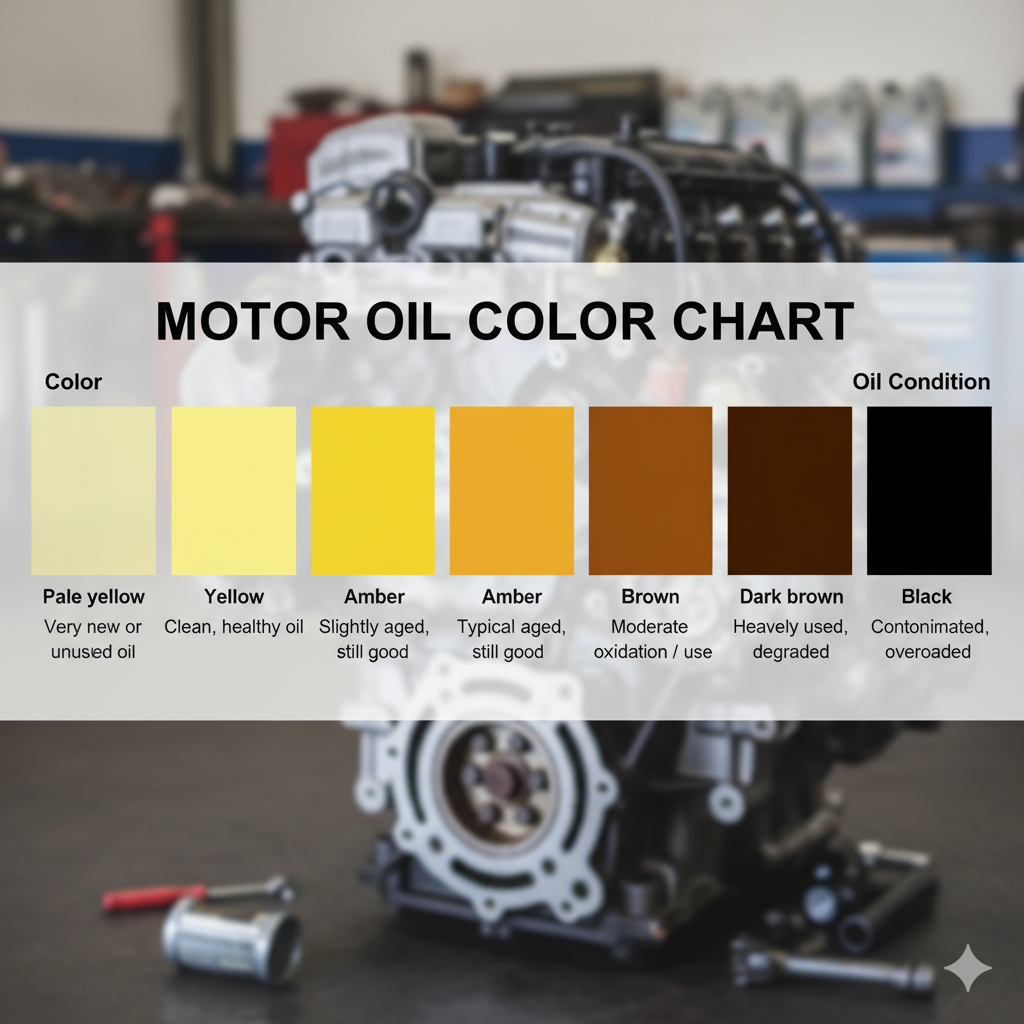
Diesel Engine Oil Color Chart: What Different Colors May Mean
Oil color can help you decide what to inspect, but it cannot identify every problem. The same shade may occur for more than one reason, and lighting, oil thickness, and the surface used for inspection can affect what you see.
Use the following table as a basic guide. It describes common appearances and possible explanations, not a definitive diagnostic test. When a color change comes with a rising oil level, warning light, overheating, or poor engine performance, those symptoms matter more than color alone.
Source: ar.inspiredpencil.com
Amber or golden brown
Common for fresh oil and possible in oil that has seen limited use. It does not prove that the oil is suitable or still within its service life.
Dark brown
Often a normal stage of use. Check the level, maintenance interval, and other signs rather than judging by shade.
Black
Common in used diesel oil because of soot and combustion byproducts. Investigate further if other symptoms accompany the dark color.
Milky or creamy
May indicate water or coolant contamination. Short trips can also create moisture-related emulsion in some areas, so confirm the cause.
Unusually thin or watery
May reflect fuel dilution, an incorrect oil grade, or another issue. A visual check alone cannot confirm the cause.
Foamy or bubbly
May result from aeration, an incorrect oil level, contamination, or a lubrication system issue. Persistent foam needs investigation.
What Does Milky Diesel Engine Oil Mean?
Milky, beige, or creamy oil can be a sign that water or coolant has mixed with the lubricant. Possible causes include a coolant leak, a failed gasket, a damaged oil cooler, or another internal fault, depending on the engine design.
There is an important distinction between a small amount of pale residue under an oil filler cap and milky oil throughout the engine. Short trips in cold weather can allow moisture to collect in the crankcase and form a light deposit near the cap. That residue alone does not prove that coolant is leaking into the oil.
Check the coolant level only when the engine is cool, and compare it with prior readings. If the oil on the dipstick is milky, the coolant level is dropping without an obvious external leak, or the engine has overheated, stop using the engine until the problem is assessed. Coolant-contaminated oil can damage bearings and other lubricated parts.
Small residue under the cap
May be moisture from short trips, but check for other signs and monitor whether the residue returns.
Milky oil on the dipstick
Treat this as a warning of possible contamination and arrange prompt diagnosis before continued operation.
What If Diesel Oil Looks Gray or Silver?
Gray or silver oil can have several causes, and appearance alone cannot tell you whether metal particles are present. Fine suspended material, lighting, emulsified moisture, or contamination can affect the shade. Visible metallic glitter, flakes, or grit are more concerning than a uniform color difference.
If you see metal-like particles in the oil or drain pan, avoid running the engine until the source is assessed. Metal debris may point to wear in bearings, gears, or other components, although a proper inspection is needed to identify the source.
Do not try to diagnose bearing failure by color alone. A mechanic may inspect the oil filter, check for debris, measure oil pressure, and use oil analysis or other tests as appropriate for the engine.
Uniform gray appearance
Check for water contamination, lighting effects, and other symptoms before drawing a conclusion.
Metallic flakes or glitter
Stop operation when practical and seek professional diagnosis, especially if accompanied by knocking or low oil pressure.
How to Check Diesel Engine Oil Color and Condition
A simple dipstick check can tell you whether the oil level is within the marked range and reveal obvious changes in appearance. It cannot measure soot concentration, fuel dilution, additive depletion, or the full condition of the oil. For a useful result, follow the vehicle maker’s checking method rather than using the same routine for every diesel engine.
Before you start, park on level ground in a safe place. Some vehicles require a cold engine, while others specify a wait after shutdown or provide an electronic oil-level check. The owner’s manual takes priority because oil-level procedures vary by engine.
Source: fity.club
Prepare safely
Park on level ground, apply the parking brake, and follow the manufacturer’s instructions for engine temperature and shutdown time.
Find the dipstick
Use the engine oil dipstick if the vehicle has one. If it uses an electronic system, follow the specified procedure.
Read the level
Remove the dipstick, wipe it clean, reinsert it fully, and remove it again to read the level against the marked range.
Inspect the oil
Look at the oil on the dipstick for its color, consistency, visible debris, and any obvious signs of emulsion.
Check other signs
Note unusual fuel odor, an unexplained level rise, coolant loss, warning lights, or new engine noises.
Record and act
If the level is correct and no warning signs appear, continue monitoring and follow the service schedule. If something seems wrong, investigate before driving further.
Should You Check Diesel Engine Oil Hot or Cold?
The correct checking temperature depends on the engine and the instructions in the owner’s manual. Some manufacturers specify a check after the engine reaches operating temperature and then sits for a set time. Others specify a cold check or a particular electronic measurement procedure.
Hot oil flows more readily, while some oil drains back into the sump after the engine stops. This can affect the reading if you check too soon or too late compared with the stated procedure. Do not assume that every diesel engine should be checked under the same conditions.
For safety, keep your hands, clothing, and tools away from moving parts and hot exhaust components. Never remove a pressurized coolant cap while the engine is hot.
Follow the manual
Use the specified engine temperature, waiting period, and dipstick or electronic procedure.
Do not overfill
Add the correct oil in small amounts and recheck the level. Too much oil can cause problems, particularly in engines with emissions aftertreatment systems.
How to Inspect Oil Without Making a Mess
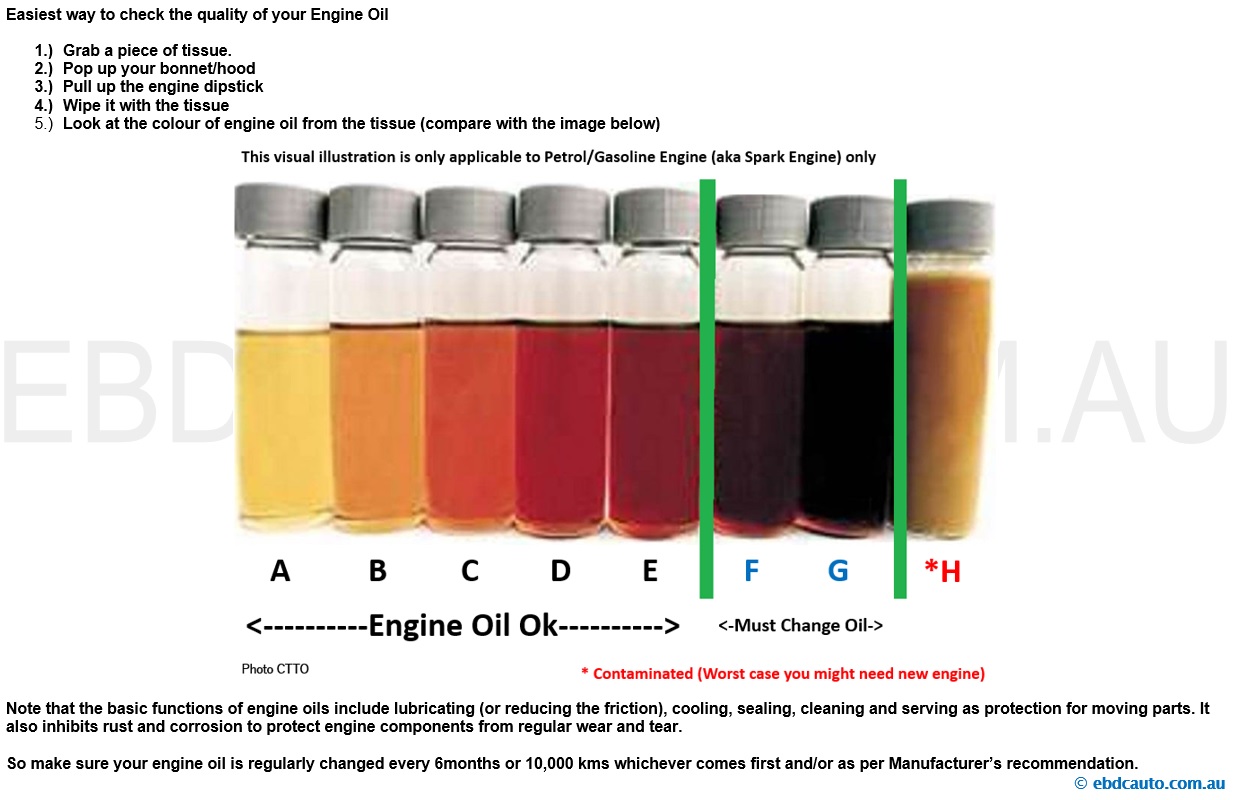
Use a clean, light-colored lint-free cloth or paper towel to wipe the dipstick. Place a small amount of oil on the clean surface if you need to compare its appearance, and inspect it under good light. A thin film is easier to assess than a deep pool of oil.
Keep dirt, water, and cleaning products away from the dipstick tube and oil filler opening. Even small amounts of debris can enter the engine during maintenance. Wipe up spills and dispose of oily materials according to local requirements.
Never taste engine oil or deliberately inhale its vapors to identify a problem. Used engine oil may contain harmful contaminants, so avoid prolonged skin contact and wash your hands after handling it.
Use clean tools
A clean dipstick and cloth reduce the chance of adding dirt or confusing the appearance.
Protect your skin
Wear suitable gloves if needed and wash exposed skin with soap and water.
Does Black Diesel Engine Oil Mean It Needs Changing?
No. Black diesel engine oil does not automatically need to be changed. Because soot can darken the lubricant during normal operation, color alone is not a reliable way to decide when to service the engine.
Use the oil-change interval and oil specification given by the vehicle manufacturer. Depending on the vehicle, the interval may be based on mileage, engine hours, elapsed time, an oil-life monitor, or a combination of these factors. Severe-duty use may require a different schedule from ordinary highway driving.
Do not extend an oil-change interval just because the oil still looks amber or brown. Oil can lose some of its protective properties without a dramatic visual change. Likewise, changing oil early every time it looks black may waste money without addressing the actual cause of an abnormal condition.
Source: ar.inspiredpencil.com
Follow the required interval
Use the schedule and oil grade specified for your exact engine and service conditions.
Consider severe service
Frequent idling, heavy towing, dusty work, repeated short trips, and certain operating conditions may affect the required maintenance schedule.
Use oil analysis when useful
For fleets, expensive equipment, or extended-drain programs, laboratory testing can help assess viscosity, contamination, wear metals, and other properties.
Change oil for a confirmed reason
If fuel, coolant, or water contamination is suspected, address the underlying cause rather than relying on an oil change alone.
Can Diesel Engine Oil Stay Clean for a Long Time?
Oil that stays relatively light may simply reflect the engine’s design, the oil formula, and its operating conditions. However, a clean appearance does not establish that the oil remains within its specified service life.
The oil’s ability to lubricate depends on more than its shade. Viscosity, oxidation, additive condition, contamination, and the manufacturer’s service limits all matter. When maintenance requirements are uncertain, use the vehicle documentation rather than visual appearance to make the decision.
Light color is not a pass
Oil can look clean but still require replacement according to the scheduled interval.
Dark color is not an automatic failure
Oil can be black and still be serviceable if it remains within the applicable limits.
When Is Used Oil Analysis Worth It?
Used oil analysis can help when a diesel engine operates under heavy loads, when oil-change intervals are being evaluated, or when a recurring mechanical concern needs investigation. A laboratory can measure properties that the eye cannot assess, such as viscosity, fuel dilution, soot, water, and selected wear metals.
Results must be interpreted in context. A single sample may not explain every issue, and different engines have different normal ranges and service limits. Trends from samples collected under consistent conditions can be more useful than an isolated result.
For a personal pickup or light-duty diesel, following the normal service schedule may be enough. For a commercial truck, generator, tractor, or fleet engine, analysis may help support a maintenance plan when the cost and consequences of failure justify it.
Best use
Investigating a suspected oil problem or supporting a documented maintenance program.
Important limit
A laboratory report should be interpreted with the engine model, oil type, operating hours, and service history in mind.
Signs of Fuel, Coolant, or Water in Diesel Engine Oil
Some oil problems produce a color change, but others show up through a change in level, smell, or texture. The combination of symptoms is more useful than any one clue. When the signs suggest contamination, avoid assuming that a routine oil change will solve the problem.
A rising oil level is particularly important. Fuel entering the crankcase can increase the amount of liquid in the sump and reduce the oil’s ability to protect engine parts. Coolant or water contamination can also interfere with lubrication and promote corrosion or damage.
Source: fity.club
Oil level rises without adding oil
Possible causes include fuel dilution or coolant entering the crankcase. Verify the level using the correct procedure and seek diagnosis.
Strong diesel fuel odor
May indicate fuel dilution, especially when paired with a rising level or unusually thin oil.
Milky or creamy oil
May point to water or coolant contamination, particularly if the coolant level drops or the engine overheats.
Persistent foam
Can indicate aeration, contamination, an incorrect level, or another lubrication issue.
Oil pressure warning or knocking
Stop the engine as soon as it is safe to do so. Continued operation can cause severe damage if lubrication has failed.
What Does Diesel Fuel in Engine Oil Look Like?
Fuel-diluted oil may look thinner than usual, smell strongly of diesel, or show an unexplained rise in the oil level. These signs are not conclusive on their own, and some fuel dilution may not be obvious from a dipstick inspection.
Possible causes include injector problems, fuel-system faults, or operating conditions and emissions-system processes that allow fuel to reach the crankcase. The likely cause depends on the engine design, so avoid replacing parts based only on the oil’s appearance.
If the oil level rises above the specified maximum or the oil appears badly diluted, do not keep driving in the hope that the fuel will evaporate. Arrange prompt diagnosis and follow the manufacturer’s guidance. In some cases, the cause must be repaired before fresh oil and a new filter are installed.
Check the level history
Compare the current reading with prior readings taken under the same conditions.
Do not rely on smell alone
A fuel odor can be a clue, but testing and diagnosis may be needed to confirm dilution and its source.
Can Coolant Contamination Damage a Diesel Engine?
Yes. Coolant contamination can reduce an oil’s ability to protect moving parts and may lead to bearing damage, corrosion, or other serious problems. The risk depends on the amount of contamination, the time the engine runs, and the engine’s design.
If the oil is milky throughout, the coolant level is falling, or the engine has overheated, stop using it until the source is assessed. A qualified technician may check for external leaks, test the cooling system, inspect the oil cooler, or perform other tests based on the engine.
Do not remove a hot radiator or coolant reservoir cap. Pressurized coolant can cause serious burns. Let the engine cool fully and use the manufacturer’s procedure for any coolant-level check.
Act promptly
Possible coolant in the oil warrants investigation before continued engine operation.
Repair the cause
Fresh oil alone cannot prevent repeat contamination if a leak or failed component remains.
Factors That Change Diesel Engine Oil Color
Oil color depends on more than the number of miles since the last change. Engine design, combustion quality, oil formulation, driving pattern, maintenance, and emissions-system operation can all affect how quickly oil darkens.
A diesel truck that spends long hours pulling a trailer may have a different oil history from a diesel car used for short city trips. Neither use pattern guarantees a particular color, so compare the oil’s condition with the correct maintenance requirements for that engine.
Source: sportwettentipps.org
Engine design
Combustion, crankcase ventilation, oil capacity, and emissions-system design affect how contaminants enter and behave in the oil.
Driving pattern
Repeated short trips, extended idling, towing, and heavy loads can affect temperature and contaminant buildup.
Oil formulation
Base oils and additive packages influence the appearance of both new and used oil.
Maintenance history
The oil-change interval, filter condition, and use of the correct specification affect long-term oil condition.
Mechanical condition
Faults in fuel injection, combustion, cooling, or emissions systems may change contamination levels and oil behavior.
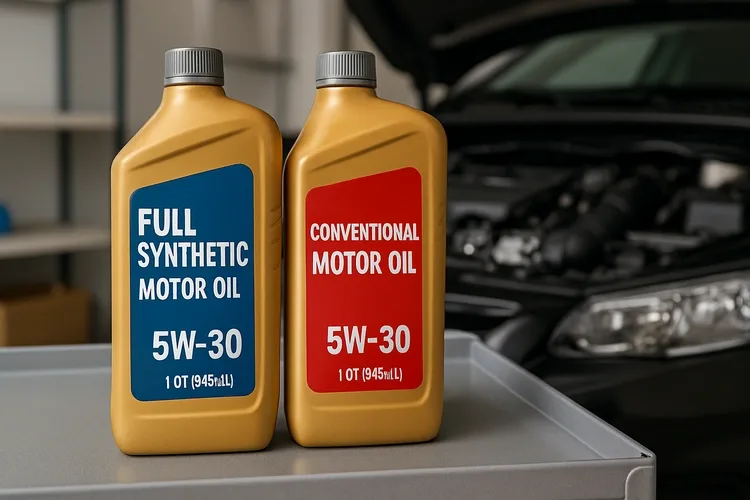
Does Synthetic Diesel Oil Stay Cleaner Than Conventional Oil?
Synthetic oil does not necessarily stay light-colored longer in a diesel engine. Both synthetic and conventional oils can turn black as they collect soot. A darker appearance does not show that one type has failed sooner or performed worse.
Synthetic formulations may offer useful properties for particular engines and operating conditions, but suitability depends on the product specification and the manufacturer’s requirements. Do not choose oil based on its initial color or a broad claim that synthetic oil always lasts longer.
Use the specified viscosity grade and performance category. If the manufacturer permits more than one oil type, compare the actual product specifications and approved service interval rather than assuming that all synthetic oils are interchangeable.
Compare specifications
Check the exact viscosity grade and required API, ACEA, OEM, or other specification listed for the engine.
Follow service limits
Do not extend drain intervals beyond the approved schedule just because the product is synthetic.
Can Short Trips Make Diesel Oil Look Different?
Yes. Repeated short trips may prevent an engine from spending enough time at its normal operating temperature to manage moisture and combustion byproducts as intended. Depending on the vehicle and conditions, this can contribute to moisture accumulation or other changes in oil condition.
Modern diesel vehicles may also use a diesel particulate filter, or DPF, to capture soot from the exhaust. Certain active regeneration strategies can affect fuel use and may contribute to fuel dilution under some conditions. The exact behavior depends on the emissions system and how the vehicle is driven.
If the oil level rises or the vehicle displays repeated DPF or engine warnings, consult the owner’s manual and arrange diagnosis. Do not try to solve an emissions-system problem by taking an unsafe or unapproved drive.
Watch for repeated warnings
Recurring DPF, engine, or oil-level alerts may call for a diagnostic check.
Use the correct maintenance schedule
Vehicles used mainly for short trips or severe service may have special maintenance instructions.
Common Mistakes When Judging Diesel Engine Oil Color
The most common mistake is treating oil color as a direct measure of quality. A dark sample can be normal, while oil that looks clean can still be contaminated or past its service limit. Good maintenance relies on the correct procedure, service history, and symptoms rather than a visual guess.
Avoid making a costly repair decision from one clue. If a color change appears unusual, check the oil level and service records first, then consider whether other signs point to a fault. Stop using the engine when symptoms suggest a serious lubrication or contamination problem.
Source: ar.inspiredpencil.com
Mistake: Changing oil every time it turns black
Why it is wrong: Black oil is common in diesel engines. What to do instead: Follow the approved service interval and investigate other symptoms.
Mistake: Assuming amber oil is always healthy
Why it is wrong: Color cannot reveal every form of wear, contamination, or additive depletion. What to do instead: Check the service history and specified maintenance limits.
Mistake: Ignoring a rising oil level
Why it is wrong: Fuel or coolant may be entering the crankcase. What to do instead: Confirm the reading and seek prompt diagnosis.
Mistake: Treating every creamy deposit as a failed head gasket
Why it is wrong: Moisture can collect under the oil cap during some short-trip patterns. What to do instead: Check the oil itself, coolant level, and other symptoms.
Mistake: Mixing oils based on color
Why it is wrong: Similar colors do not mean similar specifications. What to do instead: Use only oil that meets the engine’s required grade and performance standards.
Mistake: Extending the service interval because the oil looks clean
Why it is wrong: Oil properties can change without an obvious color shift. What to do instead: Follow the manufacturer’s interval unless an approved monitoring program supports a change.
When Should You Stop Driving?
Stop the engine as soon as it is safe if the oil-pressure warning comes on, the engine develops a severe knocking noise, or you find clear evidence of serious coolant or fuel contamination. These signs can indicate a condition in which continued operation may cause major damage.
Do not keep driving simply to reach the next oil-change appointment if the oil level is above the maximum, the dipstick shows widespread milky oil, or the engine is overheating. Arrange roadside assistance or a tow when needed, and tell the technician what you observed.
If the oil is merely black and the level is normal, there are no warning lights, and the engine runs normally, black color alone is not a reason to stop. Continue to monitor the level and follow the correct service schedule.
Stop and seek help
Oil-pressure warning, severe engine noise, overheating, a substantial unexplained oil-level rise, or obvious contamination.
Monitor and maintain
Normal dark oil with a correct level and no other concerning symptoms.
Frequently Asked Questions
Q
What color is diesel engine oil supposed to be?
Fresh diesel engine oil is usually amber, golden, or light brown, but its exact shade depends on the formulation. After the engine runs, the oil often becomes dark brown or black as it collects soot and other combustion byproducts. The correct color cannot be defined by one universal shade.
Q
Why does diesel oil turn black faster than I expected?
Diesel oil can darken quickly because soot and combustion byproducts enter the crankcase during normal operation. The rate depends on engine design, oil formulation, driving conditions, and mechanical condition. Black oil by itself does not prove that the oil is worn out or that the engine has a fault.
Q
Is black diesel engine oil bad?
Not necessarily. Black oil is common in diesel engines and may still be serviceable within the manufacturer’s maintenance limits. Check the level, service history, and any warning signs. If the oil is unusually thin, the level is rising, or the engine shows signs of trouble, arrange a proper inspection.
Q
What color is diesel engine oil when it has coolant in it?
Oil contaminated with coolant or water may look milky, creamy, tan, or cloudy. However, a small amount of moisture under the oil filler cap can sometimes form a pale deposit after repeated short trips. Milky oil on the dipstick, unexplained coolant loss, or overheating warrants prompt diagnosis.
Q
Should I change diesel engine oil if it turns black after a few miles?
Not based on color alone. Used oil can become black soon after an oil change because residual oil and new soot mix with the fresh lubricant. Follow the specified oil-change interval and check for changes in level, smell, consistency, or engine behavior. If other symptoms appear, investigate their cause.
Q
Can diesel engine oil be too dark to use?
Darkness alone does not establish that the oil has reached the end of its useful life. Oil that exceeds its service interval, contains excessive contaminants, or falls outside the required properties may need replacement even if its color looks ordinary. Follow the manufacturer’s limits and consider laboratory oil analysis when a more detailed assessment is needed.
Q
What does a rising diesel engine oil level mean?
An oil level that rises without adding oil can indicate fuel dilution or coolant entering the crankcase. Both conditions can harm lubrication, and a dipstick cannot confirm the cause by itself. Verify the reading using the correct procedure and arrange prompt diagnosis, especially if the oil smells strongly of diesel or looks milky.
✦ Wrapping Up
Conclusion
Diesel engine oil is usually amber or golden brown when fresh, but it often turns dark brown or black as the engine runs. Soot and other combustion byproducts can darken the oil during normal use, so black oil is not automatically dirty, worn out, or unsafe.
The better way to judge diesel engine oil is to combine its appearance with the oil level, maintenance history, engine behavior, and any warning signs. Milky oil, a rising level, a strong fuel smell, metallic debris, or an oil-pressure warning deserves more attention than ordinary darkening.
For everyday maintenance, use the oil grade and service interval specified for your exact engine. If you suspect fuel or coolant contamination, address the cause before returning the engine to service. Color is a useful clue, but proper maintenance and diagnosis provide a much clearer picture.
💡 Key Takeaway
Check the diesel engine oil level and appearance using the method in your owner’s manual. If it is black but the level is normal and there are no other symptoms, follow the service schedule. If it is milky, unusually thin, above the maximum level, or linked to warning lights or severe engine noise, stop using the engine when safe and seek professional diagnosis.
How is motor oil produced? It sounds like a oneline answer, but the real process runs through distillation, cracking, dewaxing, polymerization, additive…
“Is synthetic motor oil better?” is not a useful first question unless you mean better for a specific engine, service interval, and set of driving conditions.…
So, does harbor freight sell motor oil? Yes. Harbor Freight Tools has offered selected motor oils, often under the Pittsburgh brand, but formulas, sizes, and…
Some Target locations carry motor oil, but there isn’t one dependable chainwide stock answer. If you’re searching “does target have motor oil,” check the exact…