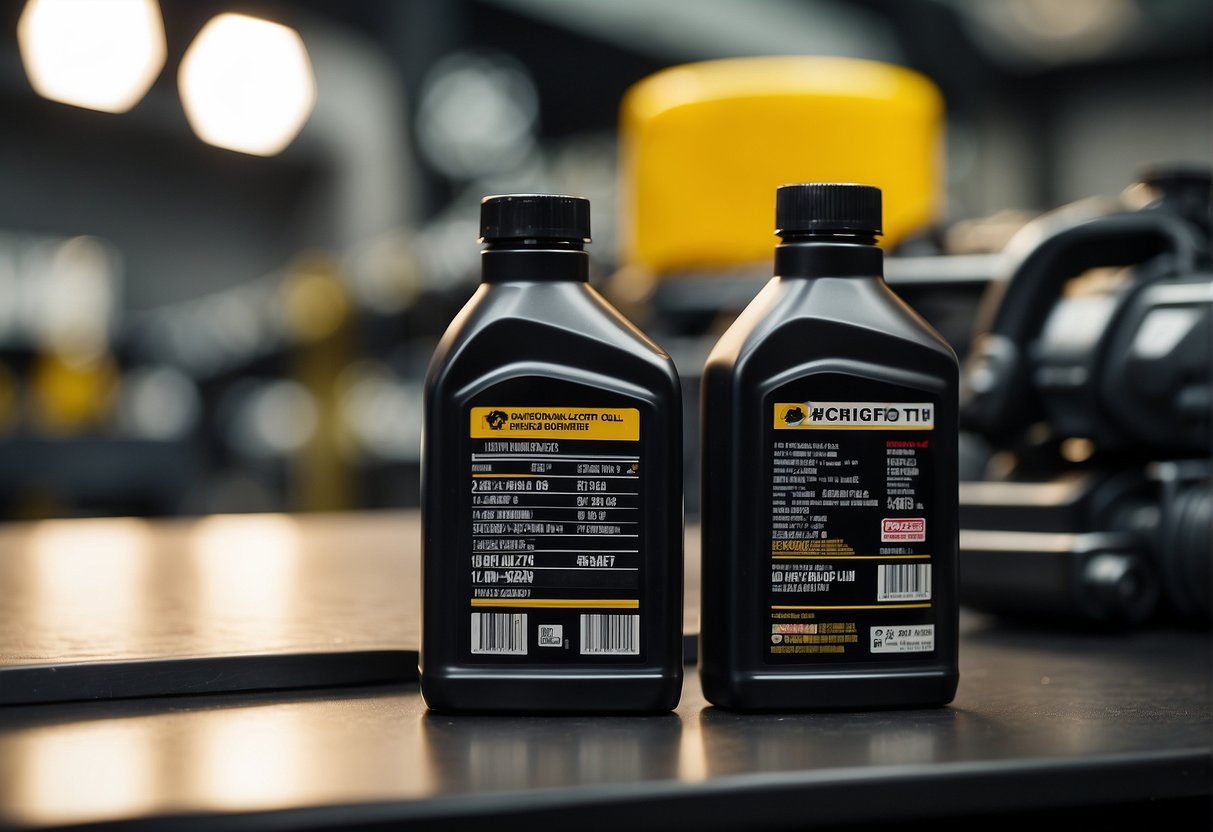
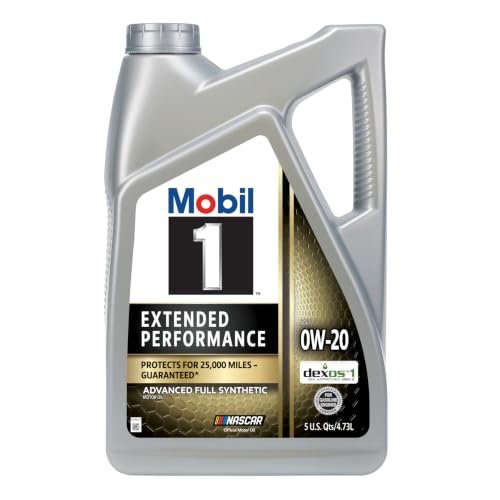
Yes, engine oil and motor oil usually mean the same thing. Both terms describe oil made to lubricate and protect an engine.
If you drive a car, truck, or SUV in the United States, you may see both terms on oil bottles, auto parts store shelves, and maintenance guides. You might wonder whether engine oil and motor oil are two different products. In most cases, they are simply two names for the same type of lubricant.
The name alone does not tell you whether an oil is right for your vehicle. viscosity, manufacturer approvals, engine design, and the owner’s manual matter far more. For example, two bottles labeled motor oil may have different grades and may not be suitable for the same engine.
This guide explains what both terms mean, how to compare oil labels, and what to check before your next oil change. It also covers common mix-ups, including the difference between engine oil and transmission fluid, gear oil, and oil made for motorcycles.
Source: hitchesguide.com
What Is Engine Oil?
Engine oil is a lubricant designed to protect the moving parts inside an engine. It flows through the engine or forms a protective film between parts that move against each other. This film helps reduce friction and wear during normal operation.
A typical gasoline engine contains pistons, connecting rods, bearings, camshafts, and other parts that move at high speeds. These parts generate heat and face repeated mechanical stress. Without suitable lubrication, metal surfaces can wear quickly, and serious engine damage may occur.
Engine oil does more than make parts slide smoothly. Many modern oils also help carry heat away from hot areas, suspend contaminants, reduce harmful deposits, and protect metal surfaces from corrosion. The exact performance depends on the oil formulation and the engine design.
Engine oil is usually made from a base oil combined with additives. Base oils may be mineral-based, synthetic, or a blend. Additives can improve wear protection, oxidation resistance, cleaning performance, and viscosity control across a range of temperatures.
Source: hitchesguide.com
Lubrication
Oil forms a film between moving parts to reduce direct metal-to-metal contact and limit wear.
Heat control
Circulating oil carries heat away from lubricated engine components and transfers some of it to other parts of the engine.
Cleaning and suspension
Detergents help limit deposits, while dispersants help keep some contaminants suspended so the oil filter and oil change system can manage them.
Corrosion protection
Suitable additives help protect internal metal surfaces against corrosion under expected operating conditions.
How Does Engine Oil Work?
When you start an engine, the oil pump moves oil through the lubrication system. Oil reaches the parts that need it, helping create a film between surfaces as they move. The time needed for oil to circulate depends on the engine, oil temperature, oil design, and operating conditions.
As the engine runs, the oil collects heat and contaminants. The oil filter removes many particles, but it cannot remove every contaminant or restore all the oil’s original properties. Heat, oxidation, fuel dilution, and other factors gradually affect the oil, which is why regular maintenance matters.
The correct oil must flow well enough during cold starts while maintaining suitable protection at operating temperature. Choosing an oil based only on whether it says engine oil or motor oil does not answer that question.
Cold starts
The oil must flow appropriately at the temperatures the vehicle experiences, including cold winter mornings.
Normal driving
The oil must maintain the properties needed to protect parts during commuting, highway travel, and ordinary engine loads.
Severe conditions
Heavy towing, repeated short trips, extreme temperatures, or other demanding use may affect maintenance needs and the oil specification required.
What Is Motor Oil?
Motor oil is the common name for oil used to lubricate an engine. In everyday automotive use across the United States, the terms motor oil and engine oil usually refer to the same product category.
You may see motor oil printed on bottles at an auto parts store, supermarket, warehouse club, or service center. An owner’s manual may use engine oil instead. This difference in wording does not automatically mean that the products have different purposes.
Motor oil is sold in many formulations and grades. Some products are intended for gasoline passenger cars, while others are formulated for diesel engines, motorcycles, or particular operating requirements. A label may also identify conventional, synthetic blend, or full synthetic oil.
The important distinction is between the broad product name and the specific oil specification. Motor oil tells you the general product category. The grade and performance standards help determine whether the oil suits a particular engine.
Source: mechanicsdiary.com
Conventional motor oil
Uses mineral-based base oils and an additive package designed to meet its stated performance requirements.
Synthetic blend motor oil
Combines synthetic and conventional base oils. Its suitability depends on the finished product’s specifications, not the blend name alone.
Full synthetic motor oil
Uses synthetic base oils and additives formulated for the stated performance targets. The label does not make it suitable for every engine automatically.
High-mileage motor oil
Is marketed for engines with substantial use and may include formulation features intended to address age-related operating needs. Check the required grade and approvals before choosing it.
Does Motor Oil Have a Different Formula From Engine Oil?
Not because of the name alone. A bottle labeled motor oil and another labeled engine oil may contain similar types of lubricants, but their actual formulas can differ. Viscosity grade, base oils, additives, and performance approvals determine the meaningful differences.
For example, a 0W-20 motor oil and a 10W-30 engine oil are both engine lubricants, yet their viscosity characteristics differ. They should not be treated as interchangeable unless the vehicle manufacturer permits the relevant grade for the specific engine and conditions.
The same principle applies to synthetic and conventional products. The words synthetic, premium, or advanced do not replace the need to check the required specification.
Compare the full label
Check viscosity, API service category where applicable, ILSAC certification where required, and any specific manufacturer approval.
Ignore the name as a deciding factor
Engine oil and motor oil are normally synonyms, so neither wording alone proves better quality or broader compatibility.
Engine Oil vs. Motor Oil: What Is the Difference?
For most everyday vehicle maintenance questions, there is no meaningful difference between engine oil and motor oil. The terms describe the same general category of lubricant. The real differences appear when you compare the products’ specifications and intended applications.
Think of the names as two labels for the same broad category. The label does not tell you whether the product meets your vehicle’s needs. You need to check the details on the container and compare them with the owner’s manual.
The following table separates the wording from the technical features that affect your choice. It can help you avoid paying for a product that has a familiar name but lacks the specification your engine requires.
Source: engineauditor.com
Terminology
Engine oil and motor oil generally mean the same thing in the automotive market.
Viscosity
The SAE grade describes how the oil behaves under defined temperature conditions. Different grades may not be interchangeable for a given engine.
Performance standards
API, ILSAC, ACEA, and manufacturer specifications may establish different performance requirements, depending on the vehicle and market.
Intended use
An oil designed for a passenger-car gasoline engine may not meet the needs of a motorcycle, heavy-duty diesel, or other specialized engine.
A Practical Comparison Table
Use this table to understand which details deserve your attention when comparing two bottles. The examples describe general categories rather than approval for a particular vehicle.
Engine oil vs. motor oil
Usually the same product category. Choose based on the specification, not the wording.
0W-20 vs. 5W-30
Different viscosity grades. Use only a grade permitted by the vehicle manufacturer.
Conventional vs. full synthetic
Different base-oil approaches and potentially different performance characteristics. Follow the manual’s oil requirements.
Gasoline vs. diesel engine oil
Products may meet different performance needs. Confirm that the oil carries the specifications required by the engine.
Engine oil vs. transmission fluid
Different lubricant categories with different purposes and performance requirements. Do not substitute one for the other.
Why the Distinction Matters
A mistaken assumption about oil can lead to problems even when both bottles use the words motor oil or engine oil. An oil may have the correct viscosity but lack a required performance approval. Another may meet a familiar standard but have a viscosity grade that the manual does not permit.
Modern engines can have specific needs related to turbochargers, emissions systems, fuel economy, timing systems, and operating temperatures. The vehicle maker selects oil requirements with those design factors in mind. A product should meet the relevant requirements rather than merely sound suitable on the shelf.
Check before buying
Match the oil grade and required standards to the exact engine and model year.
Check before pouring
Read the entire label and confirm that the product is intended for the engine in question.
How to Choose the Right Engine or Motor Oil
Choose oil by following the vehicle manufacturer’s specifications. Do not start with a brand, a price, or the assumption that all motor oils work the same way. The owner’s manual is usually the best starting point because it identifies the requirements for your engine.
If you own a car in the United States, you can often find the required oil information in the maintenance section of the owner’s manual. Some vehicles also list the recommended grade on an oil-fill cap or provide the information through an official owner website. If those sources differ or appear unclear, confirm the correct specification with the manufacturer or a qualified service professional.
Before you buy oil, identify the vehicle’s model year, engine type, and any special operating requirements. Two vehicles from the same brand can require different oils, so a recommendation for a similar car may not apply to yours.
Source: gscaltexindia.com
Start with the owner’s manual
Find the recommended SAE viscosity grade and any required performance standards or manufacturer approvals.
Confirm the engine
Use the exact model year, engine size or engine code, and fuel type when checking compatibility.
Read the oil container
Check the viscosity grade and the standards printed on the label. Look for the precise approval your manual requires.
Consider the climate
Temperature can affect oil choice, but use a different grade only when the manufacturer permits it for the expected conditions.
Follow the service schedule
Use the specified oil-change interval or the vehicle’s approved maintenance system. Severe use may require a different schedule.
Understand SAE Viscosity Grades
SAE viscosity grades describe how an oil flows under defined test conditions. A label such as 5W-30 contains two parts. The W stands for winter, and the numbers relate to the oil’s behavior under specified cold and hot test conditions.
The first number, followed by W, relates to low-temperature performance. A lower winter grade generally indicates that the oil meets the relevant cold-temperature requirements at lower temperatures. The second number describes the oil’s high-temperature viscosity classification under defined tests.
This does not mean that every 0W-20 oil is better than every 5W-30 oil. The correct choice depends on the engine design and the manufacturer’s approved grades. An oil that flows well in cold weather may still be unsuitable if it does not meet the required specifications.
Example: 0W-20
This grade is used in many modern vehicles, but it is correct only when the manufacturer permits it for the specific engine.
Example: 5W-30
This grade appears in many gasoline and other engine applications. Its suitability still depends on the engine’s requirements.
Example: 10W-30
This grade may be appropriate for certain engines and climates, but it should not replace a specified grade without manufacturer approval.
Understand API and Other Oil Standards
The American Petroleum Institute, or API, maintains engine-oil performance categories and licensing programs. Where applicable, its service symbols and category information help buyers identify oils that meet defined requirements. The International Lubricant Specification Advisory Committee, or ILSAC, also develops specifications used for many passenger-car engine oils.
Some vehicles require an additional manufacturer-specific approval. Other engines may refer to standards from organizations such as ACEA or to heavy-duty diesel specifications. These requirements are not automatically interchangeable, so read the manual carefully.
When a manufacturer requires a specific approval, look for clear evidence that the product meets that requirement. A broad phrase such as premium protection is not the same as a technical approval. If the label does not clearly establish compatibility, check the oil maker’s official product data or contact the vehicle manufacturer.
API service category
Confirms a defined level of performance when the product is properly licensed or otherwise represented in accordance with the applicable rules.
ILSAC specification
May be relevant to gasoline passenger cars that call for an applicable ILSAC performance standard.
Manufacturer approval
May be essential when the automaker specifies a proprietary or vehicle-specific requirement.
Does Synthetic Oil Matter?
Synthetic oil can offer useful performance characteristics, including good low-temperature flow and resistance to oxidation, depending on its formulation. However, synthetic does not mean universal compatibility. A synthetic product still needs the correct viscosity and required performance standards.
Some vehicle makers require a specific synthetic oil, while others permit several types that meet their stated requirements. Check the manual rather than assuming every older engine needs conventional oil or every newer engine needs the most expensive synthetic product.
You also do not need to change brands simply because you change from one compliant synthetic oil to another. If both products meet the same required grade and specifications, the brand name alone is not a reason to expect a problem.
Choose by specification
A suitable synthetic oil must still meet the engine’s viscosity and performance requirements.
Compare the full product details
Do not use the word synthetic as the only basis for judging quality or compatibility.
Can You Use Any Motor Oil in Any Engine?
No. Although engine oil and motor oil usually mean the same thing, not every motor oil is suitable for every engine. Different engines can require different viscosity grades, additive systems, and performance approvals.
A typical passenger-car engine oil may not meet the requirements of a heavy-duty diesel engine. A motorcycle may also need an oil formulated for a shared engine and transmission system. Small engines used in lawn equipment can have their own requirements, including specific instructions for four-stroke and two-stroke designs.
The safest approach is to treat the product name as a starting point, not a compatibility guarantee. Always check the intended application and the technical requirements for the engine you plan to lubricate.
Source: engineauditor.com
Gasoline passenger cars
Use an oil that meets the viscosity and performance specifications in the owner’s manual.
Diesel trucks
Check the required diesel performance category, viscosity, and any emissions-system requirements.
Motorcycles
Confirm the motorcycle manufacturer’s oil requirements, especially if the engine, transmission, and wet clutch share lubricant.
Lawn mowers and small engines
Follow the equipment maker’s instructions for the specific engine type and expected temperature range.
Two-stroke engines
Use the specified two-stroke oil and follow the required fuel-mixing or oil-injection instructions. Ordinary four-stroke engine oil is not a universal substitute.
Is Car Engine Oil the Same as Motorcycle Oil?
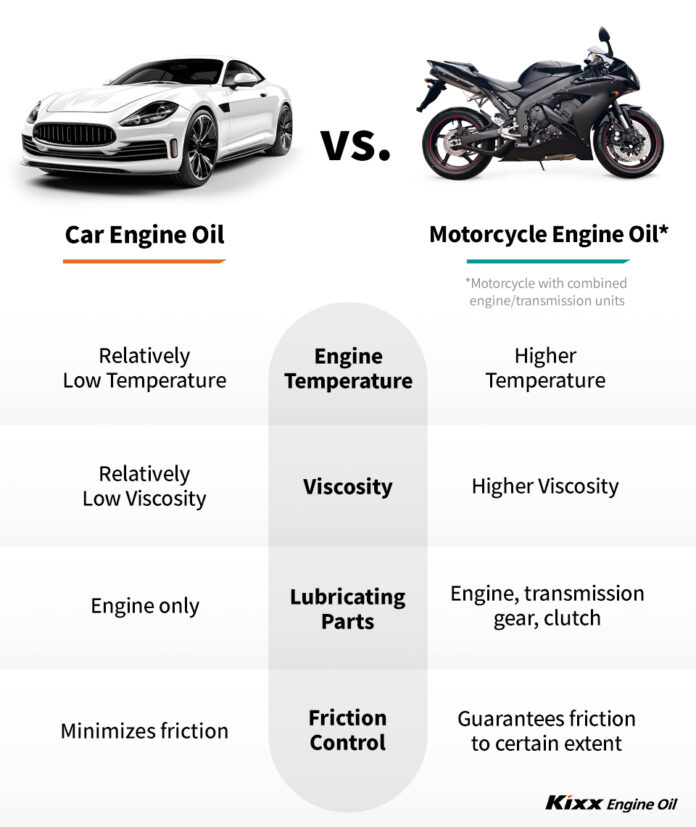
Not always. Car engine oil and motorcycle engine oil are both lubricants, but motorcycle engines can have different needs. In many motorcycles, the same oil lubricates the engine, transmission, and wet clutch, so clutch compatibility and gearbox protection can matter.
Some motorcycle oils carry JASO specifications that address particular performance needs, including wet-clutch friction behavior. A car oil may not meet the requirements for a motorcycle that specifies such a standard. Some motorcycles use separate engine and transmission lubricants, so the exact design matters.
Do not assume that a bottle labeled motor oil is suitable for your motorcycle. Check the manual for the correct viscosity, performance category, and any JASO or manufacturer requirement.
Shared wet clutch
Use an oil that meets the motorcycle maker’s clutch and lubrication requirements.
Separate lubrication systems
Follow the individual specifications for the engine, transmission, and final drive where applicable.
Is Engine Oil the Same as Two-Stroke Oil?
No, not as a general rule. Two-stroke engines often rely on oil mixed with fuel or delivered through a dedicated oil-injection system. The oil burns during engine operation, and its formulation is designed for that type of use.
Many four-stroke engines store oil in a sump and circulate it through a lubrication system. Their oil is not intended to serve as a direct replacement for the two-stroke lubricant specified by the equipment maker.
If you operate a chainsaw, leaf blower, or other two-stroke machine, check whether the manufacturer requires premix oil, a particular injection oil, or another specific lubricant. Follow the exact mixing ratio if premixing is required.
Two-stroke equipment
Use the specified two-stroke lubricant and fuel-to-oil ratio, if applicable.
Four-stroke equipment
Use the engine oil and fill procedure specified by the equipment manufacturer.
Engine Oil Is Not the Same as Other Vehicle Fluids
The terms engine oil and motor oil usually refer to the same product, but that does not mean engine oil can replace every fluid in a vehicle. Cars and trucks use several lubricants and hydraulic fluids that serve different purposes.
Transmission fluid, gear oil, brake fluid, coolant, and power steering fluid where fitted have distinct roles. Their formulations and operating requirements can differ greatly from engine oil. Using the wrong fluid may cause poor operation, accelerated wear, seal problems, or costly damage.
If a container only says oil, read the complete label before using it. The words engine, transmission, gear, and hydraulic identify different applications, and the manufacturer’s specified product takes priority.
Source: carobjective.com
Transmission fluid
Designed for the operating needs of a particular automatic or manual transmission. Use only a fluid that meets the transmission’s requirements.
Gear oil
Used in many differentials, gearboxes, and other gear systems. Its viscosity and performance characteristics may differ from engine oil.
Brake fluid
Transfers hydraulic force in compatible braking systems. Engine oil must never be added to a brake-fluid reservoir.
Coolant
Helps manage engine temperature and protect the cooling system. It is not a lubricant substitute.
Power steering fluid
Required in some hydraulic steering systems. The specified fluid varies by vehicle, and many newer vehicles use electric power steering instead.
What Happens if You Put the Wrong Fluid in the Engine?
The outcome depends on the fluid, quantity, engine design, and whether the engine has been started. A small accidental amount of an incompatible fluid may have a different effect from filling the crankcase with the wrong product, so there is no single safe rule for every situation.
If you realize you have added the wrong fluid, stop before starting the engine if it has not yet been started. If the engine is already running, stop when safe to do so. Contact a qualified mechanic or roadside service for guidance on whether draining, flushing, inspection, or another repair is needed.
Do not try to solve the problem by adding more engine oil on top of the wrong fluid. That can worsen the situation and may make diagnosis harder. Explain exactly what product was added and roughly how much.
Engine not started
Do not start it. Have the incorrect fluid removed and the system checked as appropriate.
Engine already started
Stop safely, avoid further driving, and seek advice from a qualified technician.
Unknown fluid or amount
Keep the container or take a photo of its label so the technician can identify the product.
Can You Mix Different Brands of Engine Oil?
Different brands of engine oil can often be mixed in an emergency when the oils meet the engine’s required specifications and use suitable viscosity grades. However, this does not mean that every combination is ideal or that all oils are compatible.
Most commercially formulated engine oils are designed to work within their stated performance categories, but blending products can alter the resulting formulation. The mixture may not retain every claim, certification, or approval shown on either original bottle. That matters when the engine requires a specific standard.
If your oil level is low, using a suitable oil to bring it back into the permitted range is generally more urgent than preserving a particular brand. Confirm the correct specification first, avoid overfilling, and arrange an oil change if the manufacturer’s guidance or a mechanic indicates one is needed.
Source: automotiveglory.com
Check compatibility
The viscosity grades and performance standards should be suitable for the engine.
Avoid unnecessary mixing
When possible, use one compliant oil product for routine maintenance so the finished lubricant’s specifications remain clear.
Do not mix unlike fluids
Engine oil should not be deliberately mixed with transmission fluid, gear oil, brake fluid, or two-stroke premix oil unless a specific manufacturer procedure explicitly calls for it.
Check the level
Use the vehicle’s prescribed checking procedure and keep the oil level within the indicated range.
Can You Switch From Conventional to Synthetic Oil?
In many vehicles, switching between conventional and synthetic engine oil is acceptable when both products meet the required viscosity grade and performance specifications. The owner’s manual determines which types are permitted.
You generally do not need a special engine flush solely because you changed from a compliant conventional oil to a compliant synthetic oil. An unnecessary flush may add cost and can introduce risks if the procedure or product is unsuitable.
If your engine has unusual wear, a known oil-consumption problem, sludge concerns, or a manufacturer-specific maintenance requirement, get advice tailored to that engine rather than relying on a general rule.
Confirm the manual
Verify that the chosen synthetic or conventional product meets the required specifications.
Keep maintenance records
Record the product, viscosity, date, and mileage so future service decisions are easier.
Common Engine Oil Mistakes to Avoid
Many engine oil problems begin with a small assumption. A driver sees the same broad name on two containers and assumes that the products are interchangeable, or chooses a grade because it worked in an older vehicle. Checking the specification before pouring can prevent these mistakes.
Oil choice is only one part of engine care. Correct oil level, suitable service intervals, and attention to warning lights also matter. Even a high-quality oil cannot protect an engine properly if the level is too low or the lubrication system has a fault.
Source: automotiveglory.com
Choosing by brand alone
A well-known brand does not guarantee that every product in its range suits your vehicle.
Assuming thicker oil is better
A thicker oil is not automatically safer. Use only viscosity grades approved for the engine.
Ignoring performance standards
The correct viscosity alone may not satisfy the engine’s required performance or emissions-system needs.
Overfilling the crankcase
Too much oil can cause problems in some engines. Follow the specified filling and checking procedure.
Extending oil changes without approval
Do not exceed the approved maintenance interval based only on the fact that an oil is synthetic or marketed for high mileage.
Ignoring a low-oil warning
A low oil-pressure warning can indicate a serious problem. Stop safely and follow the vehicle’s emergency instructions rather than continuing to drive.
How to Check Your Engine Oil Safely
Check the oil according to the vehicle manufacturer’s procedure. Some engines require the vehicle to sit for a specified period after shutdown, while others have electronic oil-level checks with their own instructions.
For a conventional dipstick, park on a level surface and follow the manual’s directions for engine temperature and waiting time. Remove the dipstick, wipe it clean, insert it fully, and remove it again to read the level. The marks show whether the oil is within the permitted range.
If the level is low, add the correct oil in small amounts and recheck it. Do not pour in a large quantity without measuring, and never exceed the maximum mark. If the level keeps dropping, arrange an inspection to identify leaks, oil consumption, or another fault.
Before checking
Park safely on level ground and follow the manual’s instructions for engine temperature and shutdown time.
During the check
Use the dipstick or electronic procedure provided for that vehicle.
After adding oil
Recheck the level and confirm that it remains within the permitted range.
If a warning remains
Do not assume adding oil has fixed an oil-pressure problem. Follow the warning instructions and seek professional help when needed.
How Often Should You Change Engine or Motor Oil?
The correct oil-change interval depends on the vehicle, engine, oil specification, and driving conditions. There is no single mileage figure that applies to every car in the United States. Your owner’s manual or approved oil-life monitoring system should guide the schedule.
Many newer vehicles use an oil-life monitor that estimates when service is needed. These systems may account for operating conditions, but you still need to follow the vehicle maker’s instructions for resetting the monitor and checking the oil level. If the vehicle does not have such a system, use the stated time and mileage interval.
Frequent short trips, heavy towing, dusty roads, long periods of idling, and very hot or cold operating conditions can place different demands on an engine. Some manufacturers classify certain patterns as severe service and provide a shorter maintenance interval for them.
Source: hitchesguide.com
Follow the vehicle schedule
Use the specified mileage, time interval, or oil-life monitor instructions for the exact vehicle.
Consider severe service
Check whether your normal driving fits the manufacturer’s severe-use definition.
Check oil levels regularly
An oil change schedule does not remove the need to monitor the oil level between services.
Investigate unusual changes
A sudden drop in level, persistent oil-pressure warning, or unexplained change in oil condition may require inspection.
Does Dark Engine Oil Mean It Needs Changing?
Not by itself. Engine oil can darken as it collects combustion-related contaminants and other material during normal use. Diesel engine oil may darken quickly, and color alone does not reliably show whether the oil has reached the end of its useful life.
Oil condition can also be affected by fuel dilution, coolant contamination, overheating, and other faults. A milky appearance, unusual odor, unexpected level rise, or persistent warning may warrant investigation, but no single visual clue provides a complete diagnosis.
Use the maintenance schedule and the vehicle’s warning system rather than changing oil based only on color. If you notice a sudden or unusual change, have the cause checked instead of assuming that a routine oil change will solve it.
Dark but otherwise normal
Color alone is not enough to determine whether an oil change is due.
Milky or unusual appearance
Possible contamination should be assessed in context, especially if the engine also overheats or loses coolant.
Warning light or abnormal level
Follow the manufacturer’s instructions and seek prompt diagnosis when a serious warning appears.
What to Do If You Bought the Wrong Engine Oil
If you bought a bottle labeled motor oil instead of engine oil, there is usually no reason to worry about the wording alone. The next step is to compare the product’s actual specifications with your vehicle’s requirements.
If you have not opened the bottle, check the viscosity grade, performance standards, and intended application before using it. If the product does not meet the requirements, return or exchange it when possible. An unopened bottle is easier to replace than oil that has already been added to the engine.
If you have already poured the oil into the engine, the right response depends on whether the product meets the requirements and how much you added. A compliant oil from a different brand may be perfectly suitable. An incompatible product or an overfilled crankcase requires a different response.
Source: gscaltexindia.com
Step 1: Identify the oil
Record the product name, viscosity grade, performance category, and any stated manufacturer approvals.
Step 2: Check the manual
Compare the full oil specifications with the exact requirements for your engine.
Step 3: Confirm the quantity
If oil was added, determine whether the engine is now within its permitted level range.
Step 4: Get help if compatibility is unclear
Contact the oil maker, vehicle manufacturer, or a qualified mechanic before driving when there is a meaningful risk of using the wrong product.
When Should You Avoid Driving?
Do not continue driving if the oil-pressure warning indicates a serious problem, the engine is making unusual mechanical noises, or the engine is overheating. Stop in a safe place and follow the vehicle’s emergency guidance.
If you know that a substantially incompatible fluid was added, avoid starting or driving the vehicle until a qualified technician advises you on the next step. Starting the engine may circulate the incorrect fluid and increase the risk of damage.
If the only difference is the words engine oil and motor oil, and the product otherwise meets the required specifications, the wording itself is not a reason to drain the oil or stop driving.
Stop safely
Respond promptly to serious oil-pressure, overheating, or abnormal engine-noise symptoms.
Avoid guesswork
Use the product label and the manufacturer’s specifications to determine whether the oil is suitable.
Explain the situation
Tell the technician what was added, how much was added, and whether the engine was started.
Frequently Asked Questions
Q
Is engine oil the same as motor oil?
Yes. In normal automotive use, engine oil and motor oil are two names for the same general category of lubricant. Both are designed to protect and lubricate an engine. The specific viscosity grade, performance standards, and manufacturer approvals determine whether a particular oil is suitable for your vehicle.
Q
Can I use motor oil instead of engine oil in my car?
Usually, yes, if the motor oil meets the exact requirements listed in your owner’s manual. Check the SAE viscosity grade and all required performance standards before adding it. Do not rely on the words motor oil alone to establish compatibility.
Q
Is engine oil the same as synthetic motor oil?
Engine oil is the broad product category, while synthetic describes one type of oil formulation. Synthetic motor oil is engine oil, but engine oil can also be conventional or a synthetic blend. Choose the type and grade permitted by your vehicle manufacturer.
Q
Can I mix engine oil and motor oil?
If both names refer to ordinary engine lubricants, the names themselves do not prevent mixing. Different products may be compatible when they meet the required specifications and suitable viscosity grades, but mixing can affect the finished formulation and its approvals. For routine service, use a compliant product that meets the engine’s requirements.
Q
Is motor oil the same as transmission fluid?
No. Motor oil lubricates and protects the engine, while transmission fluid is formulated for the needs of a specific transmission. They have different performance requirements and are not general substitutes for one another. Always use the fluid specified for the relevant system.
Q
Does a more expensive motor oil protect my engine better?
Not necessarily. Price alone does not prove that an oil is more suitable for your engine. A lower-priced oil that meets all required specifications may be a better fit than an expensive product that lacks a required approval. Compare the technical details before comparing prices.
Q
Can I change motor oil brands without flushing the engine?
In most routine cases, you can change brands without a special engine flush if the replacement oil meets the required viscosity and performance specifications. A brand change alone does not normally require flushing. If the engine has sludge, contamination, or another known problem, get advice specific to the engine before choosing a cleaning procedure.
✦ Wrapping Up
Conclusion
Engine oil and motor oil usually mean the same thing. Both terms describe lubricants made to protect the moving parts inside an engine, so there is generally no need to choose one over the other based on the name.
What matters is the product’s full specification. The correct viscosity grade, performance standards, and manufacturer approvals help determine whether the oil is right for your car, truck, motorcycle, or small engine. Other fluids, such as transmission fluid and gear oil, serve different purposes and should not be treated as substitutes.
Before your next oil change, check the owner’s manual, confirm the exact engine requirements, and compare those details with the bottle. This simple habit can help you avoid unnecessary costs and reduce the risk of lubrication-related damage.
💡 Key Takeaway
Check your owner’s manual for the required oil grade and performance standards. If the bottle labeled motor oil meets those requirements, it is generally suitable regardless of whether the manual calls it engine oil.