Guide to Does Walgreens Sell Motor Oil
If you need engine oil now, the short answer to “does walgreens sell motor oil?” is sometimes. Walgreens has listed selected motor-oil products for store pickup and online fulfillment, but the range is limited. As of 2026, a national product page does not guarantee that your nearby store has the bottle on its shelf.
The right bottle matters more than the store. SAE J300 defines viscosity grades such as 0W-20 and 5W-30, while API categories describe oil testing. Your owner’s manual sets the required grade, specification, approvals, and capacity.
Here’s how to check local stock, verify the bottle, and choose a backup seller.
Quick Answer
Does Walgreens sell motor oil? Yes, at selected stores. Stock depends on the exact store, brand, viscosity, and package size.
Choose a specific store and wait for pickup confirmation. If it’s missing, check delivery or a nearby automotive seller today.
Why Walgreens Motor-Oil Availability Varies by Store
Walgreens is a pharmacy-led retailer, so motor oil is a limited part of its store assortment. A dedicated auto-parts store may carry dozens of grades, brands, filters, and package sizes. Walgreens usually carries only a small selection, and some locations may carry none.
A product appearing on walgreens.com does not always mean it sits on a nearby shelf. The result may belong to the national catalog, a regional distribution center, or another store. Store pickup and home delivery can also use different inventory.
Common listing statuses have different meanings:
| Listing or status | What it usually means | Best next step |
|---|---|---|
| Product appears in the catalog | Walgreens offers it somewhere in its system | Select a specific store |
| Selected store says “In stock” | Its inventory feed showed stock recently | Check for pickup or call |
| “Available for pickup” | The item may be allocated after ordering | Wait for a ready message |
| “Unavailable” | That store or location lacks current stock | Check another seller |
| “Ship to home” only | A fulfillment center may send it | Check the delivery date |
| Brand appears, grade does not | The store may carry a different oil | Search the exact SAE grade |
| No results appear | The store may not carry motor oil | Call before making the trip |
Several factors can affect a local assortment. Store format, available shelf space, regional merchandise selection, inventory turnover, and seasonal demand can all matter. A fast-selling grade may be absent while a less common grade remains available.
Inventory records are snapshots, not permanent reservations. Another shopper may buy the last bottle after the page loads. A bottle may also be listed while the store waits for a restock.
Store pickup usually provides the strongest confirmation. After you order, the retailer can allocate the bottle to your pickup location. Wait for a message that identifies the store and says the order is ready.
A general “order received” notice doesn’t necessarily mean the jug is at the counter. A store-specific ready message offers better protection against a wasted trip.
Online availability can also change with your location. A product may ship to your home while remaining unavailable for pickup at your preferred store. Switching between stores can change the grade, brand, package size, and price shown.
A motor-oil listing does not include installation. Treat any oil-change service as a separate question. Ordinary Walgreens retail locations generally don’t provide conventional oil-change service.
Match Your Engine’s Viscosity, Oil Type, and Specification
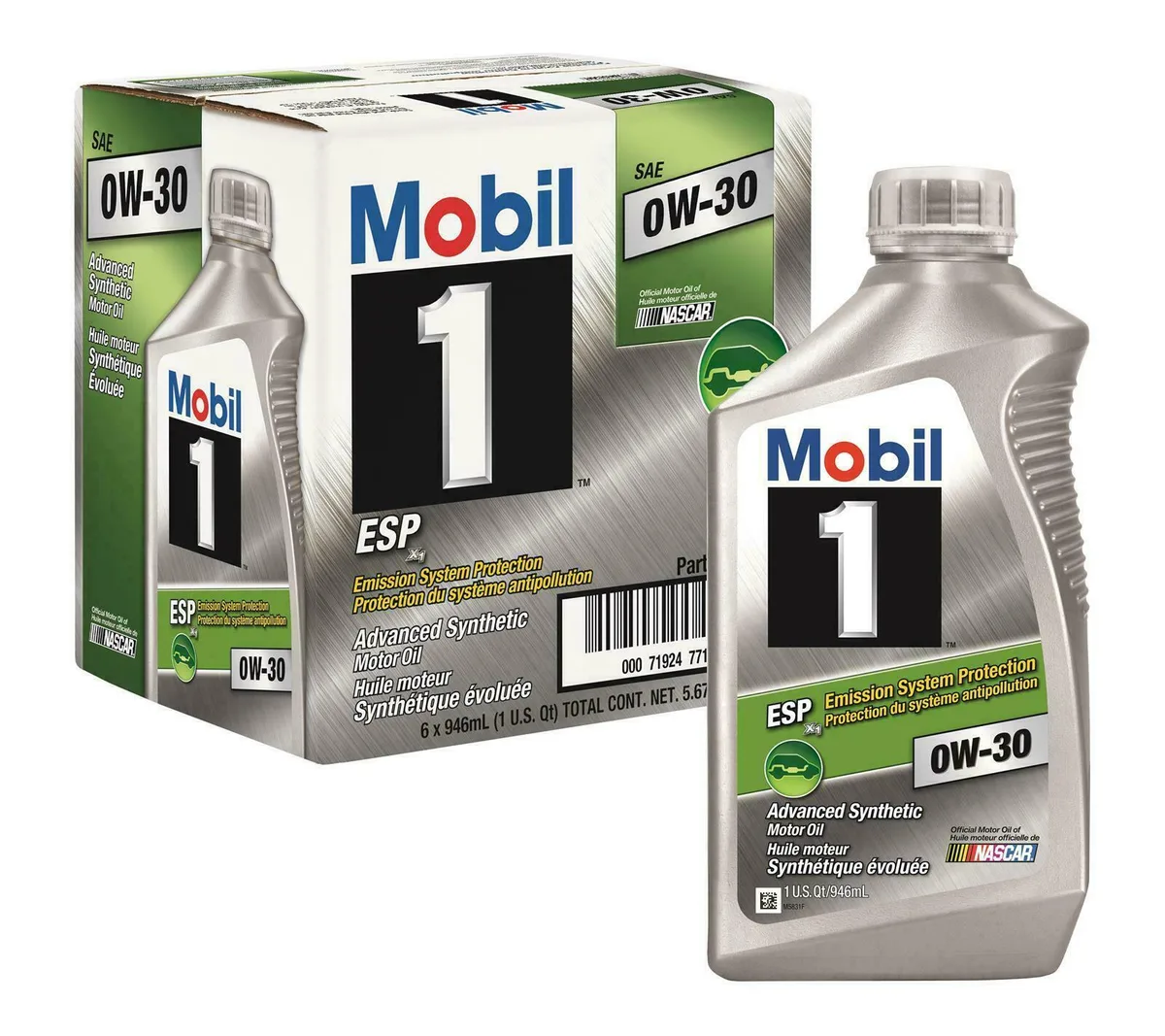
Match the bottle to the engine before comparing price or brand. The owner’s manual is the best starting point because it identifies the required viscosity, performance category, approvals, and oil quantity.
Start With the Exact Engine
A model-year manual can cover several engines with different oil requirements. A four-cylinder, V6, turbocharged engine, and hybrid engine may need different fluids within the same vehicle line.
Record these details before shopping:
- Vehicle year, make, model, and trim
- Engine size and type
- Gasoline, diesel, or hybrid powertrain
- Turbocharger or supercharger status
- Manufacturer oil approvals
- Required oil-change quantity
- Normal climate and driving conditions
Production changes can matter too. Two vehicles with similar model names may use different oil specifications. If the manual is missing, use a manual tied to the exact VIN when the manufacturer offers one.
A generic recommendation for a similar model may not account for the engine option installed in your vehicle. The oil filler cap can offer clues, but the manual controls.
Viscosity Grade Shows How the Oil Behaves
SAE J300 is the standard classification system for engine-oil viscosity. A grade such as 5W-30 describes the oil’s behavior across cold and hot operating temperatures.
The “W” represents a winter low-temperature requirement. The number after it describes the oil’s viscosity at normal engine operating temperature.
| Common grade | What it indicates | Possible application |
|---|---|---|
| 0W-20 | Low cold-temperature viscosity and a 20-weight hot rating | Specified for some newer small and turbo engines |
| 0W-30 | Low cold-temperature viscosity and a 30-weight hot rating | Allowed only when the manufacturer permits it |
| 5W-30 | Moderate cold behavior and a 30-weight hot rating | Common in many cars and light trucks |
| 5W-40 | Moderate cold behavior and a 40-weight hot rating | Used by some engines and warmer climates |
| 10W-40 | Narrower cold range and a 40-weight hot rating | Specified for certain older or high-load engines |
Don’t choose a grade because it’s common in other vehicles. The required viscosity can differ even among engines from the same manufacturer.
If the manual lists several acceptable grades, choose from that list. Climate, engine load, towing, and sustained high-speed driving can affect which listed grade is most suitable.
Viscosity alone doesn’t show whether an oil is compatible. Two products can carry the same SAE grade while using different base oils and meeting different performance requirements.
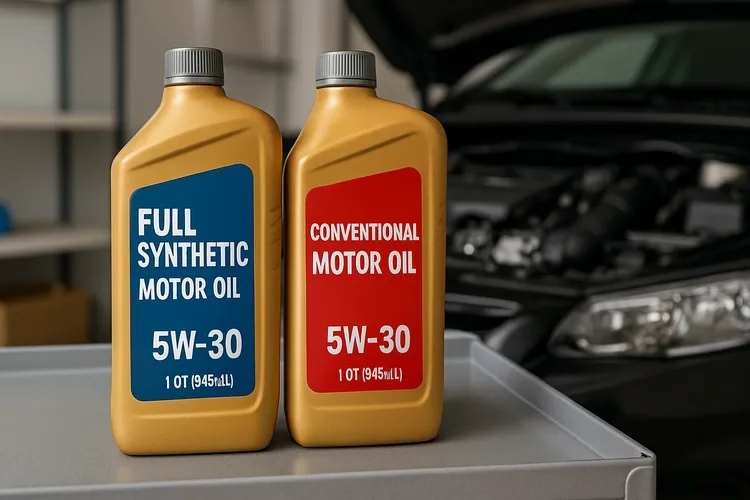
Conventional, Synthetic Blend, or Full Synthetic?
These labels describe the oil’s formulation.
- Conventional oil is made primarily from conventionally refined base oils.
- Synthetic blend oil combines conventional and synthetic base oils.
- Full synthetic oil is made from selected synthetic base stocks.
- High-mileage oil may include additives or a thicker viscosity intended for older engines.
The owner’s manual may permit more than one type. A full-synthetic bottle can be correct if it meets the required viscosity and performance specification. A conventional or synthetic-blend bottle can also be correct when the manufacturer allows it.
Don’t assume full synthetic is always better or necessary. Don’t downgrade the oil chemistry either. Follow the manual’s approved options.
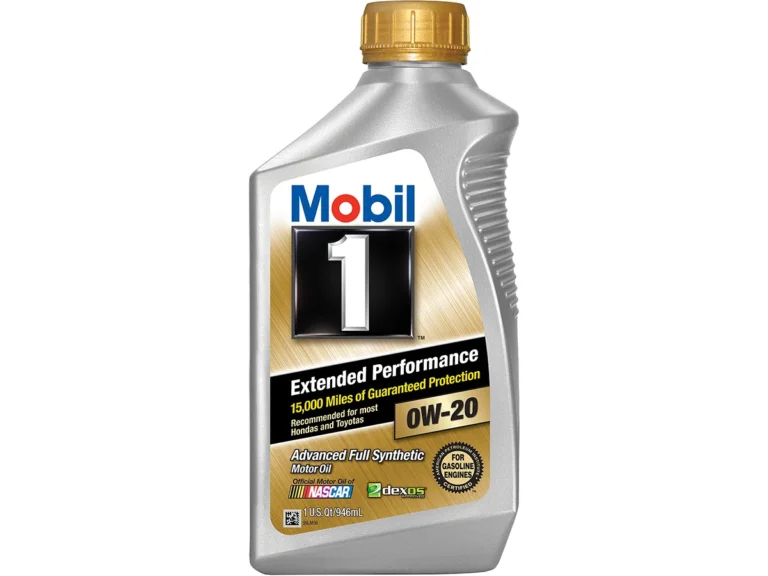
Marketing phrases such as “advanced,” “ultra,” or “maximum protection” don’t replace a formal specification. Look for the actual SAE grade, API category, and required OEM approval.
Check the API Performance Category
API SP is a widely used gasoline-engine oil performance category. It includes testing for oxidation, deposits, wear, turbocharger shaft-seal compatibility, and low-speed pre-ignition.
API SQ is a newer category that builds on API SP. A newer category isn’t automatically correct for your vehicle. Use the category named by the manufacturer, which may still be API SP.
The American Petroleum Institute’s engine-oil program explains the performance categories and the API donut shown on qualifying oils. API SP or SQ alone doesn’t replace the correct viscosity or manufacturer approval.
A bottle can show several independent details:
| Label feature | What it means |
|---|---|
| SAE 5W-30 | The oil’s viscosity classification |
| API SP or API SQ | Its tested performance category |
| Full synthetic | Its base-oil type |
| dexos1 Gen 2 | A General Motors approval |
| WSS-M2C913-D | A Ford viscosity requirement |
| TGMO | A Toyota oil specification |
These OEM approvals are make-specific. Don’t treat one approval as a universal upgrade or assume it applies to another manufacturer.
Look for Every Required OEM Approval
Some engines require an approval that appears directly on the oil container. A product can meet API SP and still lack the required manufacturer approval.
Check the owner’s manual for wording such as “required,” “approved,” or “must meet.” Generic language about meeting the manufacturer’s specification may allow a broader range of oils.
Don’t rely on a seller’s description alone. The approval should appear on the physical container or current product label.
U.S. motor-oil labels and disclosures are also governed by the Federal Trade Commission’s Motor Oil Labeling Rule, 16 CFR Part 306. A broad performance claim doesn’t replace the label’s formal viscosity and service information.
Don’t Confuse Motor Oil With Lookalike Products
Several fluids use similar wording or carry familiar performance marks. Check the intended application before buying.
- Motorcycle oil: Often uses JASO MA or JASO MA2. It may not suit a gasoline car engine.
- Small-engine oil: Formulated for specific machinery, motorcycles, or lawn equipment.
- Two-cycle engine oil: Intended for engines that mix oil with gasoline. It must not enter a normal automotive crankcase.
- Diesel engine oil: Uses categories such as API CK-4 or FA-4. It isn’t a universal passenger-car substitute.
- Gear oil: Designed for transmissions and differentials, not engine lubrication.
- Hydraulic fluid: Intended for hydraulic systems and unsuitable for engine lubrication.
- Oil additive: A concentrated product that may not be compatible with the finished oil.
- Opened or used oil: It should never be sold as new sealed stock.
Color doesn’t identify quality. Conventional, synthetic blend, and full synthetic oils can all have a similar appearance. Read the label instead.
Match Capacity as Well as Specification
The correct oil in the wrong quantity can still cause a problem. The owner’s manual provides the normal service quantity, while the dipstick controls a top-up.
Engine displacement doesn’t always equal oil capacity. Filters, oil coolers, sump design, and drain procedures can affect the stated quantity.
One US quart equals 32 US fluid ounces. A 5-quart jug therefore contains 160 US fluid ounces.
If a service requires 4.5 quarts, a 5-quart jug leaves 0.5 quart. Keep the remainder sealed and use it for a later top-off if appropriate.
Before checkout, confirm all five essentials:
- Exact SAE viscosity grade
- Required API performance category
- Any required OEM approval
- Permitted oil chemistry
- Correct quantity and package size
If one requirement remains unknown, don’t choose based on color, bottle shape, or brand familiarity.
Find the Nearest Walgreens and Check Store-Specific Inventory
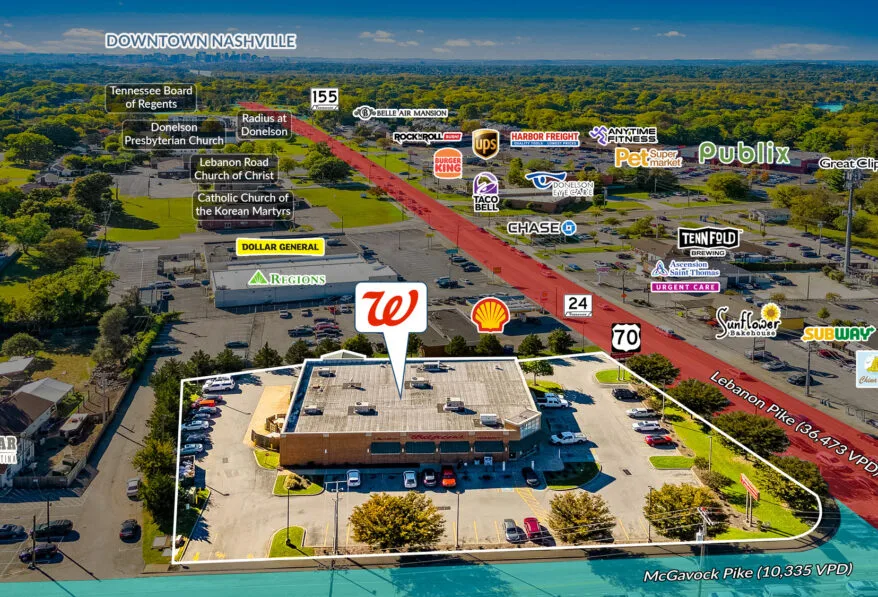
Use one specific Walgreens at a time when checking availability. A general search often blends national catalog results with local inventory.
Walgreens provides an official Store Locator. The exact interface may change, but the reliable process remains the same.
Step 1: Choose the Store You’ll Actually Use
Enter your ZIP code or allow location access. Compare nearby stores by practical factors instead of distance alone.
Check:
- Front-store hours
- Pharmacy hours
- Pickup counter hours
- Curbside availability
- Entrance and parking access
- Delivery location
- Travel time in ordinary traffic
Front-store and pharmacy hours may differ. Don’t assume the automotive pickup counter follows pharmacy hours.
If one store is difficult to reach during bad weather, a slightly farther store may be the better choice. Confirm the exact bottle before making the special trip.
Step 2: Search Within the Selected Store
After choosing the location, search for the specific oil. Include as many identifying details as the site allows.
Use:
- Brand
- Full product name
- SAE viscosity grade
- Conventional, synthetic blend, or full synthetic
- Package size
- OEM approval
- Product SKU, if shown
A broad search for “5W-30” may show several brands and sizes. An exact product name is more precise.
If no result appears, try the base brand and product name. Then remove one filter at a time. Some pages may list “5 qt,” “5.0 qt,” and “5-quart” differently.
Step 3: Read the Fulfillment Method
A product can be available through three different routes:
- In-store stock: The selected store may have a bottle on its shelf.
- Store pickup: The retailer can allocate an item to your order.
- Ship to home: A fulfillment center can send it to your address.
Shipping availability doesn’t confirm local shelf stock. A “sold and shipped” message also doesn’t mean the store carries the item.
Check the store name beside the pickup status. If the page defaults to another location, change the store before drawing a conclusion.
Step 4: Call if the Status Is Unclear
If the page shows stock but offers no pickup option, call the selected store. Ask for the exact bottle rather than the general product category.
A useful call sounds like this:
Do you have the brand and product name in SAE grade, oil type, and package size? Is it available for pickup today?
You can also ask whether the store can hold the item. Inventory may change before you arrive, so a call gives you more current information than a screenshot.
If curbside pickup is important, confirm the store-specific process. Ask where to check in and whether the order must be placed online first.
Step 5: Wait for a Ready Confirmation
Place the pickup order and wait for a store-specific ready message. The item may be set aside at the store, transferred, or held for a later shipment.
Check the confirmation for:
- Selected store
- Product name and size
- Pickup method
- Pickup window
- Order number
- Delay or substitution notice
A generic order confirmation may appear before allocation is complete. If the message still says “processing,” don’t assume the bottle is waiting.
Step 6: Keep a Backup Decision Ready
If the selected store lacks the required oil, check another nearby location only if the trip makes sense. Then compare auto-parts stores, dealerships, and quick-lube facilities.
Use this decision rule:
- Exact bottle confirmed: Order it.
- Status listed but unclear: Call before leaving.
- Similar bottle available: Check the full specification.
- Required oil unavailable: Don’t guess.
- Engine is low on oil: Prioritize a correct match and speed.
A specialty retailer is more likely to carry several viscosities, OEM approvals, and package sizes. That matters when your vehicle requires a less common oil.
Confirm the Exact Bottle Before You Leave Home
A confirmed pickup can still involve a fulfillment error or substitution. Check the bottle before leaving so a wrong grade doesn’t reach your engine.
Match the Product Page
Open the current product page and compare the details with your vehicle requirements. Don’t rely only on the product image or headline.
| Item | What to verify |
|---|---|
| Viscosity | Exact SAE grade required by the manufacturer |
| Performance category | API SP, API SQ, or another stated category |
| OEM approval | Required approval appears on the label |
| Oil chemistry | Conventional, synthetic blend, or full synthetic |
| Intended use | Gasoline engine, not another application |
| Package size | Usually 1 quart, 4 quarts, or 5 quarts |
| Quantity | Enough for the planned service or top-off |
| Product identity | Brand, label image, and SKU match |
Read the fine print below the product name. Details such as “5 qt” and “5-quart” can refer to the same volume.
Check the label image for certification and approval marks. A seller may combine several variants on one page, so confirm the selected option.
Verify the Service Quantity
Don’t assume a 5-quart jug is correct for every full oil change. The owner’s manual may specify 3.5, 4.5, 5, or another amount.
For a top-up, follow the manual’s dipstick procedure. The correct amount depends on the current level, not the size of the bottle.
Don’t fill to the top of the dipstick. That position may mark the maximum safe level rather than the preferred service level.
If the manual gives several possible quantities, record which conditions apply. Some procedures differ when the oil filter is changed.
Check the Final Order Details
Review the selected store, product, quantity, and fulfillment method before paying. Search-result prices may differ from the cart after a promotion or regional adjustment.
Make sure the order hasn’t reverted to another store. Verify that the package size matches the quantity shown in your cart.
If the retailer offers a substitute, don’t approve it automatically. A substitute must meet the same documented requirements.
Inspect the Container at Pickup
Check the bottle before leaving the pickup counter or curbside handoff.
Look for:
- Intact tamper seal
- Clear, readable label
- Correct viscosity
- Correct package volume
- Required API or OEM approval
- No leaking, swelling, or severe damage
- Matching receipt or pickup record
Don’t open a bottle that arrived with the wrong viscosity. Keep the package intact and return it to the service desk or returns area.
Use a Go-or-Go Checklist
Leave only if every answer is yes:
- Is the viscosity correct for the exact vehicle?
- Does the oil meet the required performance category?
- Does the label include any required OEM approval?
- Is the product intended for this engine type?
- Is the quantity right for the planned service?
- Is the bottle new, sealed, and undamaged?
- Are the store and pickup method confirmed?
If one answer is uncertain, call the store. A few minutes of verification can prevent a wasted trip or an incorrect oil change.
If It’s In Stock: Choose Pickup, Curbside, or Delivery
If the exact bottle is available, choose the option that gives you the most reliable handoff. Pickup suits urgent needs, curbside helps if mobility is limited, and delivery works when you can wait safely.
| Option | Best choice when | Main thing to confirm |
|---|---|---|
| In-store pickup | You need the oil soon | The item is ready at the selected store |
| Curbside pickup | You cannot enter the store easily | Check-in and pickup instructions |
| Home delivery | You can safely wait | Arrival window and package security |
Pickup for a Fast, Confirmed Handoff
Store pickup is usually the best option when the next service date is close. It also lets you inspect the bottle before leaving.
After ordering, check that the confirmation names your selected store. A general pickup order may be routed through a different fulfillment location.
Wait for a store-specific ready message. Bring the order number and identification if requested. Some stores provide check-in instructions through the website or app.
At handoff, compare the bottle with the order. Check the viscosity, package size, oil type, approvals, and tamper seal.
If a worker offers a substitute, verify the complete label before accepting it. A matching brand doesn’t guarantee a matching specification.
Curbside Pickup for Limited Mobility
Curbside pickup is useful if parking is close but walking into the store is difficult. It can also help when you’re carrying other items or traveling with children.
Follow the check-in instructions attached to the order. Some locations use a zone number or another store-specific process.
After check-in, stay near the designated pickup area and keep your phone available. A staff member may bring the order outside or direct you to another point.
A 5-quart jug can weigh several pounds. Ask for help loading it if you have mobility or strength limitations.
Verify the bottle before the staff member leaves. If the exact product can’t be confirmed at the vehicle, request the sealed container for inspection.
Home Delivery When Waiting Creates No Risk
Home delivery is reasonable when the oil isn’t needed immediately and the vehicle can safely wait. It’s also convenient when the nearest store is far away or has limited pickup hours.
Check the estimated arrival window before paying. Compare it with the planned service date, not merely your preferred shopping day.
A delivery date that arrives after the oil change isn’t useful for that service. Cancel or delay the order if the retailer’s rules allow it.
Porch delivery creates a separate risk. A five-quart jug is heavy and easy to notice. Use a secure location or retrieve the package promptly.
Motor oil doesn’t require refrigeration. Keep the container sealed, upright, and away from excessive heat, direct sunlight, pets, and children.
Pickup or Delivery?
Choose pickup when the next service is close. Choose delivery when waiting is safe and the arrival window is firm.
Use this decision path:
- Ready for pickup today: Choose pickup.
- Curbside is confirmed: Choose curbside.
- Delivery arrives before service: Choose delivery.
- The engine is below minimum: Add the correct oil before driving.
- Oil pressure is low or oil is leaking: Arrange service or transport.
- The exact bottle isn’t allocated: Don’t leave yet.
Accept a substitute only if the order allows it and the new bottle meets every documented requirement. Otherwise, keep searching or cancel the substitution.
If It’s Unavailable: Check Delivery or Switch Sellers
If the exact bottle is unavailable, check another fulfillment method or nearby seller before buying a substitute. Don’t settle for oil that is only close.
Identify What “Unavailable” Means
An unavailable message can refer to one store, one package size, or the entire retail system. Read the location and product details first.
| Situation | Best action |
|---|---|
| Unavailable at the selected store | Check another nearby store |
| Pickup unavailable, shipping offered | Check the delivery date |
| Brand available, grade missing | Search the exact SAE viscosity |
| 5-quart jug missing | Check 4-quart or 1-quart options |
| No local listing appears | Call the store or check another seller |
| Similar oil is offered | Compare it with the owner’s manual |
| Engine needs oil urgently | Use the nearest correct source or service facility |
A nearby store may carry the same brand in another size. Another store may carry a different brand that meets the same specification.
Search by requirements first. Then consider brand preference.
Check Delivery as a Separate Fulfillment Path
A product can be unavailable for store pickup while remaining available through shipping. A fulfillment center may hold stock that the selected store doesn’t carry.
Confirm the destination ZIP code and estimated arrival date. Check the final cart because changing the location can change the fulfillment method.
If delivery arrives after your planned service, keep the order only if you need the oil later. Check the cancellation and return rules first.
Switch Sellers Based on Specification and Urgency
Switch to an auto-parts store when you need several grades, package sizes, filters, or manufacturer approvals. AutoZone, O’Reilly Auto Parts, Advance Auto Parts, and NAPA Auto Parts are common alternatives.
A dealership is useful when the manual specifies a manufacturer-only fluid or requires factory-service documentation. A dealer can identify the current requirement using the VIN.
A quick-lube shop is better when you need the oil installed. The technician can select the fluid, replace the filter, check the level, and recycle the used oil.
A grocery or general retailer may work when it carries the exact common grade. Confirm the label before making the trip.
If the engine is leaking oil or showing a pressure warning, product shopping isn’t the first priority. Stop the vehicle safely and assess the cause.
Accept a Substitute Only After a Full Check
A substitute is acceptable only if it meets the vehicle’s requirements. Compare all five essentials:
- SAE viscosity grade
- API performance category
- Required OEM approval
- Oil chemistry
- Package quantity and application
If the manual lists acceptable alternatives, use that list. Don’t infer compatibility from a similar bottle, color, or marketing phrase.
A conventional oil may be acceptable if the manual permits it. Full synthetic may be unnecessary when a synthetic blend or conventional product meets the specification.
The reverse also matters. A full-synthetic bottle can have the wrong viscosity or lack a required OEM approval.
If no acceptable substitute is available, keep searching. Saving money on the wrong oil can lead to warning lights, poor lubrication, or engine damage.
Walgreens vs. Auto-Parts Stores, Dealers, and Quick Lube Shops
Walgreens is best for convenience when the exact oil is confirmed and the store is already convenient for you. Auto-parts stores are best for selection, dealerships for manufacturer-specific fluids, and quick-lube shops for installed service.
| Seller | Best for | Main limitation |
|---|---|---|
| Walgreens | A confirmed bottle during a nearby errand | Limited and variable selection |
| Auto-parts store | Multiple grades, filters, and specifications | Local availability still varies |
| Dealership | Exact manufacturer fluids and service records | Often higher pricing and scheduling waits |
| Quick-lube shop | Convenient oil change and recycling | Packages may use specific oils |
| Independent repair shop | Advice matched to vehicle history | Oil-change hours may be limited |
| General retailer | A common viscosity during routine shopping | Very narrow automotive inventory |
Choose Walgreens When Convenience Matters Most
Choose Walgreens if the exact bottle is ready, the store is nearby, and you’re already likely to visit that area. A confirmed pickup can be faster than a trip to a dedicated auto-parts store.
Walgreens works well when:
- The exact viscosity and specification are confirmed.
- The quantity fits the planned service.
- The store offers pickup or curbside handoff.
- The trip is shorter than other available options.
- You have a separate oil-change plan.
A smaller package may also make sense for a top-up. If you need one quart, a large jug creates unnecessary storage.
Choose an Auto-Parts Store for Better Selection
Choose an auto-parts retailer when you need an uncommon viscosity, OEM approval, large service quantity, or several filters. Staff may also help match a specification when the manual is difficult to interpret.
Bring the vehicle year, make, model, engine, and required oil information. A photo of the oil cap can help, but the owner’s manual remains the controlling source.
A parts retailer may be more practical when you also need an oil filter, drain plug washer, or other service supplies.
Choose a Dealership for Manufacturer-Specific Requirements
Choose a dealership when the owner’s manual requires a narrowly defined fluid or when documented factory service matters. A dealer can identify the current oil approval for the exact vehicle.
Dealers may use one of several approved oils within a model line. They can also account for production changes that generic guidance may miss.
Dealer pricing may be higher. The added value comes from vehicle-specific fitment, technical information, and service records.
Choose a Quick-Lube Shop When You Want the Service Done
Choose a quick-lube shop when convenience includes installation. The technician can select the required oil, replace the filter, check the level, and recycle the used oil.
Ask which oil and filter will be used. Confirm the final quantity and price before the work begins.
Some quick-lube chains offer conventional, synthetic blend, and full synthetic changes. Compare the actual fluid specified for your vehicle, not only the package name.
Compare the Whole Errand
The cheapest bottle may not produce the cheapest or fastest trip. Compare:
- Distance and drive time
- Store and pickup hours
- Product availability
- Price per quart
- Delivery fees
- Required quantity
- Oil-filter needs
- Service labor
- Used-oil recycling
- Maintenance records
- Manufacturer requirements
Use this decision path:
- Exact bottle confirmed nearby: Walgreens or another nearby seller works.
- Several specifications needed: Use an auto-parts store.
- Manufacturer-only fluid required: Use a dealership unless alternatives are allowed.
- Oil change needed too: Use a quick-lube or repair shop.
- Only a similar bottle is available: Verify compatibility first.
- The retail trip takes longer than the service: Use a local service provider.
Compare Motor-Oil Price per Quart and Package Size
Price per quart is the fastest way to compare motor-oil packages, but it isn’t enough by itself. Use the required quantity, final checkout price, and delivery cost to find the real value.
Calculate Price per Quart Correctly
Use this formula:
Price per quart = final product price ÷ package size in quarts
The figures below are hypothetical examples, not current Walgreens prices.
| Package | Example price | Price per quart |
|---|---|---|
| 1 quart at $9.99 | $9.99 | $9.99 |
| 4 quarts at $34.99 | $34.99 | $8.75 |
| 5 quarts at $39.99 | $39.99 | $8.00 |
The five-quart package has the lowest unit price in this example. That doesn’t make it the right choice if you only need one quart for a top-off.
One US quart equals 32 US fluid ounces. A four-quart jug contains 128 fluid ounces, while a five-quart jug contains 160 fluid ounces.
If the service requires 4.5 quarts, a four-quart jug isn’t enough. A five-quart jug provides enough and leaves 0.5 quart sealed.
Separate Product Price From Service Cost
An oil-change quote can include:
- Oil
- Oil filter
- Drain plug washer
- Labor
- Fluid top-off
- Used-oil recycling
- Multi-point inspection
- Taxes or shop fees
Compare like-for-like quotes. A full-synthetic change with an inspection isn’t directly comparable with a conventional oil sale.
Ask whether the quoted fluid meets the owner’s manual. A lower-priced oil that misses a required specification isn’t a genuine saving.
Include Delivery and Pickup Costs
Home delivery can look cheaper while costing more after fees. Compare the delivered total with the product price available for pickup.
Compare the product price, delivery charge, and travel time together. A free pickup 30 minutes away may be more practical than a closer store that lacks the required oil.
Check the Checkout Price
Search-result prices can differ from the final cart. Regional pricing, promotions, and fulfillment methods can affect the total.
Check these items before paying:
- Brand and product name
- SAE viscosity grade
- Synthetic type
- Package size
- Selected store
- Delivery method
- Promotion conditions
- Delivery fee
- Tax, where applicable
- Return eligibility
An opened jug may have different return rules from an unopened container. Don’t open it unless you’re ready to use it according to the manufacturer’s directions.
Use the Right Cost Measure
| Your need | Best comparison |
|---|---|
| One-quart top-off | Total price for one quart |
| Full oil change | Cost of the required quantity |
| Leftover storage | Purchase price and storage space |
| Store pickup | Product price plus travel time |
| Home delivery | Delivered total |
| Installed service | Total quote, including labor and filter |
| Dealer specification | Correct fluid and documentation |
Don’t buy a large jug just to get a better unit price. Unused oil takes up space and must remain sealed, clean, and stored safely.
Mistakes to Avoid When Buying Motor Oil at Walgreens
The most common mistake is treating a nearby listing as a confirmed, compatible purchase. Verify the store, grade, specification, quantity, and physical seal before driving over.
| Mistake | What can go wrong | Better move |
|---|---|---|
| Relying on a national listing | The bottle isn’t at your chosen store | Select a store and confirm pickup |
| Choosing viscosity by habit | The oil doesn’t match the engine | Check the owner’s manual |
| Treating API SP as the only requirement | An OEM approval may be missing | Check every required label mark |
| Choosing full synthetic automatically | The chemistry may not be suitable | Follow the manual’s permitted oils |
| Accepting a similar grade | Lubrication behavior may not match | Compare the complete specification |
| Buying motorcycle or diesel oil | The additive package may be wrong | Confirm the engine application |
| Ignoring the service quantity | You may run short or overfill | Check the manual and dipstick method |
| Assuming pickup means stocked | Allocation may not be complete | Wait for a ready confirmation |
| Assuming installation is included | No labor, filter, or recycling may be included | Arrange service separately |
| Adding additives automatically | The oil may no longer match its formula | Use the specified oil as directed |
| Driving with a pressure warning | Engine damage can develop quickly | Stop and investigate |
Viscosity and Specification Mistakes
Don’t select 5W-30 because it’s common. The same viscosity can appear on many products, while the API category, OEM approval, and base-oil type differ.
A 0W-20 bottle can be wrong for an engine that requires 5W-30. A 5W-40 bottle can also be wrong even if it meets API SP.
Don’t treat an OEM approval as a universal upgrade. An approval for one manufacturer doesn’t automatically apply to another vehicle.
If the manual lists alternate viscosities, stay within that list. Extreme temperatures, towing, and sustained high-speed driving can affect the appropriate choice.
Lookalike Fluid Mistakes
Motorcycle oil can meet API SP while using a JASO specification that a gasoline car engine shouldn’t use. Read the application and certification marks, not only the API category.
Diesel categories such as API CK-4 and FA-4 aren’t universal passenger-car alternatives. Gear oil, hydraulic fluid, two-cycle oil, and small-engine oil belong in different applications.
An additive can change how the finished oil behaves. Don’t add treatment products unless the vehicle or oil manufacturer directs it.
Quantity and Overfill Mistakes
Use the owner’s manual for a full-change quantity. A top-up requires a different process because the amount depends on the current level.
Follow the manual’s dipstick instructions. Many procedures require a level surface, a specified engine temperature, and the dipstick reinstalled before the final reading.
Never add oil in large guesses. If the dipstick reads between the minimum and maximum marks, no top-up is needed.
Overfilling can cause aeration, foaming, leaks, or oil-pressure problems. Stop when the level is correct.
Mixing and Top-Up Mistakes
A small top-up between services can use an oil that meets the required viscosity and specification. A full oil change with different oils already in the engine is a separate situation.
Follow the manual’s guidance or ask a qualified service facility when oils with different specifications have been mixed. Don’t blend heavier and lighter oils to “average” them.
Fulfillment and Label Mistakes
A catalog photo doesn’t confirm shelf stock. Select the store, place the pickup order, and wait for a store-specific ready notice.
Read the full product title. Viscosity, synthetic type, and package size can differ between nearby variants.
If the store offers a substitute, review the new label before accepting it. Don’t rely on the replacement being described as “same” or “better.”
At pickup, check for leaks, damage, and an intact seal. Keep the receipt until the oil is installed or the return window has passed.
Storage and Service Mistakes
Keep an opened jug tightly closed and upright. Store it somewhere clean, dry, and away from heat, pets, and children.
Don’t pour oil from a drain pan back into the retail container. Contamination makes the remaining quantity unreliable.
A retail jug doesn’t normally include an oil filter, replacement labor, or used-oil recycling. Plan those supplies before starting a DIY change.
Safety, Oil Levels, Spills, and Used-Oil Disposal
Safe handling matters because fresh motor oil can irritate skin, while used oil can contaminate soil and water. A sealed jug reduces spill risk, but checking, adding, draining, storing, and recycling oil still require care.
How Should You Check and Top Up the Oil Level?
Check the level on level ground with the engine off and at the temperature specified in the owner’s manual. The exact sequence varies by vehicle.
- Park on a level surface and set the parking brake.
- Turn off the engine and wait the prescribed time.
- Pull the dipstick, wipe it clean, and reinstall it fully.
- Pull it again and read the oil level.
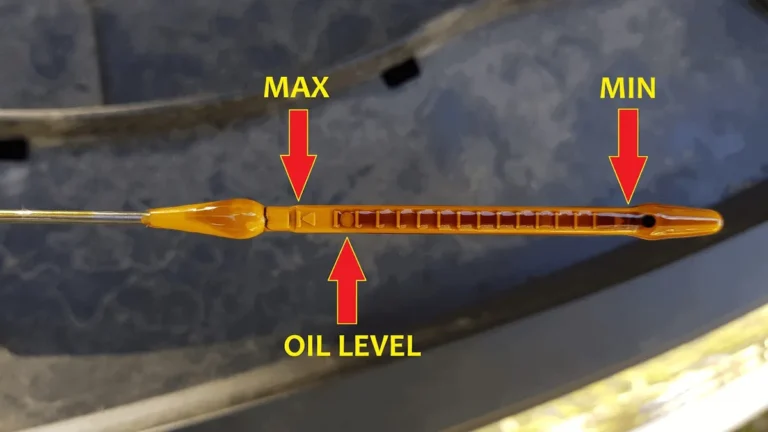
- Compare it with the minimum and maximum marks.
If the level falls between those marks, no top-up is needed. If it’s below the minimum, add the required oil in small amounts and recheck.
Don’t fill to the top of the dipstick. That position may mark the maximum safe level rather than the preferred service level.
Some newer vehicles use an electronic oil-level procedure. Check the manual before relying only on a traditional dipstick.
What Should You Do if an Oil Warning Comes On?
Stop driving safely if the oil-pressure warning comes on, the engine is leaking oil, or the level is dangerously low. A warning light is a reason to investigate, not ignore.
Some vehicles use a red oil-can symbol for low oil pressure. Others use an amber symbol for a low oil level. The exact meaning depends on the vehicle.
A low-level warning may require a small top-up. A pressure warning can mean that oil isn’t reaching engine components properly.
If you must add oil, use the exact specified product. If the engine consumes oil repeatedly or makes new noises, have the cause diagnosed.
What Equipment Does a DIY Oil Change Require?
You need the correct oil, filter, drain plug seal, basic tools, a suitable drain pan, and approved used-oil storage. A service shop is safer if any part of that setup is missing.
| Equipment or supply | Why it matters |
|---|---|
| Required oil | Must meet the owner’s manual specification |
| Correct oil filter | Prevents fitment and filtration errors |
| Drain plug seal | May need replacement after draining |
| Drain pan | Collects oil without using a floor drain |
| Funnel | Helps control the flow while filling | | Nitrile gloves | Reduce direct skin contact with oil | | Eye protection | Protect against splashes and spray | | Absorbent pads | Contain small drips and spills | | Approved storage container | Keeps used oil sealed during transport | | Wheel chocks | Help prevent vehicle movement during service | | Correct-size tools | Loosen the plug and filter without rounding fasteners |
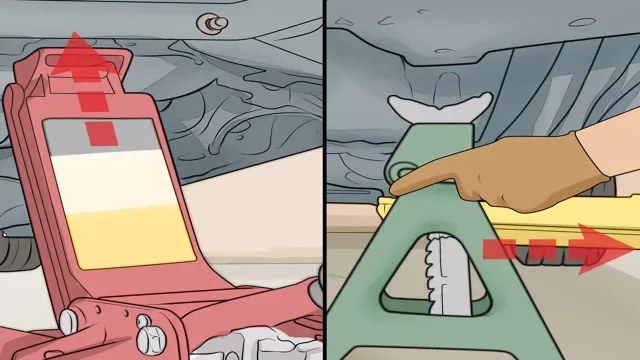
Support the vehicle correctly if the job requires access underneath. Never rely on a jack alone. Use the manufacturer’s lifting points and properly rated jack stands.
Warm oil drains more readily, but hot exhaust components and the drain plug can cause burns. Let the plug and drain pan cool before handling. Keep the work area ventilated and away from flames, sparks, and children.
What should happen during a DIY oil change?
Follow the owner’s manual for the service procedure. The exact steps depend on the engine, oil capacity, drain plug, filter, and torque specifications.
- Confirm the required oil, oil filter, drain plug seal, service quantity, and torque specification.
- Park on firm, level ground. Set the parking brake and support the vehicle before working underneath it.
- Warm the engine only as the manual directs. Shut it off and allow the oil and exhaust components to cool enough to handle safely.
- Remove the drain plug and place a suitable drain pan beneath the opening.
- Inspect the plug, threads, and sealing washer or gasket. Replace a damaged or specified one-time-use seal.
- Drain the old oil into the pan. Inspect the drain opening for metal, sludge, or other debris.
- Reinstall the drain plug and tighten it to the manufacturer’s specification. Don’t guess at a torque value or overtighten an aluminum plug.
- Install the correct oil filter. Prime the filter only when the vehicle or oil manufacturer specifies it.
- Add the required oil in stages. Check the dipstick and keep the level within the marked range.
- Start the engine only as the manual directs. Watch the oil-pressure indication, warning lights, and signs of a leak.
- After the engine has warmed, park on level ground and recheck the oil level. Reset the service indicator only according to the manual.
- Transfer the used oil and filter to an approved collection or recycling location.
If the drain plug won’t tighten cleanly, stop. Stripped threads or a damaged oil pan can turn a routine service into a much larger repair. A qualified service facility can inspect the problem before you continue.
A filter change may not occur at every top-up. Follow the vehicle’s scheduled maintenance interval instead of replacing the filter every time you add oil.
Safety, Oil Levels, Spills, and Used-Oil Disposal
Safe handling matters because fresh motor oil can irritate skin, while used oil can contaminate soil and water. A sealed jug reduces spill risk, but checking, adding, draining, storing, and recycling oil still require care.
How should you check and top up the oil level?
Check the level on level ground with the engine off and at the temperature specified in the owner’s manual. The exact sequence varies by vehicle.
- Park on a level surface and set the parking brake.
- Turn off the engine and wait the prescribed time.
- Pull the dipstick, wipe it clean, and reinstall it fully.
- Pull it again and read the oil level.
- Compare it with the minimum and maximum marks.
If the level falls between those marks, no top-up is needed. If it’s below the minimum, add the required oil in small amounts and recheck.
Don’t fill to the top of the dipstick. That position may mark the maximum safe level rather than the preferred service level.
Some newer vehicles use an electronic oil-level procedure. Check the manual before relying only on a traditional dipstick.
What should you do if an oil warning comes on?
Stop driving safely if the oil-pressure warning comes on, the engine is leaking oil, or the level is dangerously low. A warning light is a reason to investigate, not ignore.
Some vehicles use a red oil-can symbol for low oil pressure. Others use an amber symbol for a low oil level. The exact meaning depends on the vehicle.
A low-level warning may require a small top-up. A pressure warning can mean that oil isn’t reaching engine components properly.
If you must add oil, use the exact specified product. If the engine consumes oil repeatedly or makes new noises, have the cause diagnosed.
What equipment does a DIY oil change require?
You need the correct oil, filter, drain plug seal, basic tools, a suitable drain pan, and approved used-oil storage. A service shop is safer if any part of that setup is missing.
Support the vehicle correctly if the job requires access underneath. Never rely on a jack alone. Use the manufacturer’s lifting points and properly rated jack stands.
Warm oil drains more readily, but hot exhaust components and the drain plug can cause burns. Let the plug and drain pan cool before handling. Keep the area ventilated and away from flames, sparks, and children.
How do you prevent and clean up an oil spill?
Contain a spill immediately and keep every drop of used oil away from drains, soil, septic systems, and surface water. Don’t hose an oily driveway toward a storm drain.
For a small spill on a driveway or floor:
- Keep vehicles and foot traffic away from the area.
- Place absorbent pads or granules around the spill.
- Add more absorbent until the oil stops spreading.
- Put soaked material in a sealed container or bag.
- Follow local rules for disposal or hazardous waste.
Don’t sweep oily water toward a curb. Contaminated runoff can carry oil into a storm drain and local waterways. A wet vacuum can help recover liquid, but absorbent material may still require proper handling.
If oil reaches a public road, parking lot, or storm drain, contact the responsible local authority. Large spills may require professional cleanup.
Fresh oil also needs careful handling. Don’t pour the remainder into a floor drain or spread it across a surface with water. A small top-up spill can be contained with the same basic process as used oil.
What should you do if oil touches your skin or eyes?
Wash exposed skin promptly with soap and water, then remove contaminated clothing. Seek medical advice if irritation or a rash continues.
For eye contact, rinse the affected eye with clean water for at least 15 minutes. Remove contact lenses if present and easy to do. Seek medical advice if symptoms persist or exposure was substantial.
If oil is swallowed, don’t induce vomiting unless a medical professional directs you to do so. Contact a medical professional or poison-control service for guidance.
How should you store and transport used motor oil?
Store used oil in a clean, leakproof container that closes securely. Keep it upright, labeled, and away from heat, sunlight, pets, children, and ignition sources.
Don’t reuse an empty beverage container. A dedicated automotive container or approved retail collection container is safer and more appropriate for transport.
Keep fresh oil, used oil, antifreeze, brake fluid, solvent, and fuel in separate containers. A missing label can lead to a dangerous top-up or improper disposal.
Label the container with its contents and the date if you’ll store it for more than a short period. This helps an approved recycler handle it correctly.
Transport the container upright in the vehicle’s cargo area. Secure it so a sudden stop can’t tip it. Don’t leave used oil unsecured in a hot vehicle.
How do you recycle used motor oil?
Take used motor oil to an approved collection site instead of putting it in household trash or pouring it onto the ground. The U.S. Environmental Protection Agency identifies recycling as the preferred management approach when collection is available.
Common drop-off locations include:
- Quick-lube and repair shops
- Automotive retailers with collection programs
- Municipal household hazardous-waste facilities
- Public works or used-oil collection sites
- Approved recycling centers
Call before going to confirm the hours, container rules, and any fee. Some facilities require a sealed container. Others accept oil only during a retail oil-change visit.
An oil filter is a separate item. Ask the collection site or automotive retailer how filters are handled. Local rules may require filters, absorbent pads, drain-plug seals, or oily rags to be collected separately.
Never pour used oil into a storm drain, onto soil, into a septic system, or beside surface water. Used motor oil can carry metals and other contaminants that damage soil and harm aquatic life.
Keep the service receipt when an oil change includes recycling. It can help document the work and show where the used oil went.
Does buying the oil include disposal?
Usually not. A retail jug normally includes only the sealed engine oil. It usually doesn’t include an oil filter, installation labor, a drain-plug seal, inspection, or used-oil recycling.
Plan those supplies separately if you’ll change the oil yourself. Keep the service receipt from a shop, because it records the date, mileage, fluid quantity, filter, and often the oil specification used.
If a service facility performs the change, ask where the old oil and filter go. A receipt alone doesn’t replace safe handling, but it provides a useful maintenance record.
Final Decision Guide: Buy at Walgreens or Go Elsewhere?
Buy at Walgreens when the exact bottle is confirmed, the store is convenient, and you need only the product. Go elsewhere when the required specification, service, or disposal option matters more than the errand.
| Your situation | Best decision |
|---|---|
| Exact bottle is ready for pickup nearby | Buy it and collect it |
| Bottle is available by delivery before service | Order delivery |
| Product is listed but status is unclear | Call and wait for confirmation |
| Store carries only a similar viscosity | Verify compatibility before buying |
| Required oil has an uncommon OEM approval | Use an auto-parts store or dealership |
| You need the oil change installed | Use a quick-lube shop or repair shop |
| Walgreens is farther than an automotive seller | Choose the closer correct source |
| Engine has a leak or pressure warning | Diagnose the engine before shopping |
| Only one quart is needed | Buy one quart if it meets the specification |
| Full service needs 4.5 quarts | Buy a five-quart jug if the extra amount is useful |
| No local seller has the required oil | Order the exact product from a shipper |
Buy at Walgreens when convenience is the deciding factor
Choose Walgreens when the selected store has a ready pickup for the exact product. A nearby location can make sense when you’re already visiting that shopping area.
A Walgreens purchase works well when:
- The SAE viscosity matches the owner’s manual.
- The required API or OEM specification appears on the label.
- The quantity fits the planned service.
- The store and pickup method are confirmed.
- The trip is shorter than other available options.
- You have a separate plan for the filter and used oil.
A small package can be the best choice for a top-up. If you need one quart, a 5-quart jug creates unnecessary storage and expense.
Pickup generally beats delivery when the next service date is close. Delivery is preferable when it has a firm arrival window and the local store lacks the bottle.
Choose another seller when the specification is unusual
Use an auto-parts store when Walgreens doesn’t carry the required viscosity, OEM approval, synthetic type, or package size. These retailers usually offer a broader selection of engine-oil specifications.
A dealership is the safer choice when the owner’s manual gives one manufacturer-specific fluid. A dealer can also check the VIN and current technical information if the manual is unclear.
A quick-lube shop is best when you want the oil installed. The technician can identify the fluid, replace the filter, check the level, recycle the old oil, and record the service.
If the nearest Walgreens adds a long detour, compare the whole trip. A slightly higher bottle price may still produce a lower total cost when travel and time are included.
Treat a warning or leak as a repair issue
Don’t use a new jug of oil to cover an active leak. Repeated top-ups may keep the level readable while the underlying problem continues.
A low oil-pressure warning requires immediate attention. A visible leak near the oil pan, valve cover, oil filter, or front crankcase seal needs diagnosis. A burning smell or knocking noise also warrants inspection.
If the engine is safe to idle briefly, check the level according to the manual. If it’s low, add the correct oil. Arrange further inspection before normal driving resumes.
A low-pressure condition can damage engine components quickly. A service facility or towing option is safer than continuing toward the original pickup location.
Make the final call in four steps
- Confirm the required viscosity and specification from the owner’s manual.
- Check the exact bottle at the selected Walgreens location.
- Compare the final price, travel, delivery window, and service needs.
- Choose pickup only after the product and store are confirmed.
If any step remains uncertain, pause before buying. One phone call can prevent a wasted trip or an incorrect purchase.
Use this quick decision path
Exact bottle ready nearby? Buy it.
Exact bottle available by delivery in time? Order it.
Store status unclear? Call and wait for confirmation.
Only a similar bottle is available? Check the full specification first.
Required oil uncommon? Use an auto-parts store or dealership.
Oil change included in the errand? Use a quick-lube shop.
Engine leaking or showing oil pressure trouble? Stop driving and diagnose it.
Frequently Asked Questions
Does Walgreens sell motor oil?
Does Walgreens sell motor oil? Yes, selected Walgreens locations have offered sealed engine-oil products, and some listings may support pickup or delivery. Stock isn’t universal and changes by store.
Search the exact store, grade, brand, and package size before you travel. A national listing alone doesn’t confirm a nearby bottle.
Is motor oil available at every Walgreens?
No. A pharmacy-centered store may carry no motor oil, while another nearby location may carry one or more grades. Availability can also vary by package size and fulfillment method.
Check the Store Locator, select one store, and wait for a store-specific ready message or call the location.
Can I get same-day pickup for motor oil?
Sometimes, but it isn’t guaranteed. Same-day pickup depends on the selected store having the exact bottle and allocating it to your order. Place the pickup order, wait for a ready message, and call if it remains pending.
Don’t assume a generic product listing means the bottle is waiting at your local counter.
What types of motor oil can Walgreens carry?
Available products may include conventional, synthetic blend, or full synthetic gasoline-engine oil, but the assortment varies. The important checks are the exact SAE viscosity, API performance category, any required OEM approval, and package size. Motorcycle, diesel, two-cycle, gear, and hydraulic fluids aren’t interchangeable.
Match the label to the owner’s manual.
Is Walgreens motor oil cheaper than auto-parts store oil?
Not necessarily. Compare the final product price, price per quart, delivery charge, travel time, and package size. A Walgreens pickup may cost less for a small top-off, while an auto-parts retailer may offer better selection or a nearby service.
The cheapest bottle isn’t the best value if it doesn’t meet the required specification.
Does Walgreens provide oil-change service?
Most Walgreens retail locations don’t provide conventional oil-change service. A store that sells a jug usually doesn’t drain the engine, replace the filter, inspect the vehicle, or recycle used oil. Use a quick-lube or repair shop for installation, or follow the owner’s manual with the correct equipment and approved used-oil collection.