Guide to Is Motor Oil Engine Oil
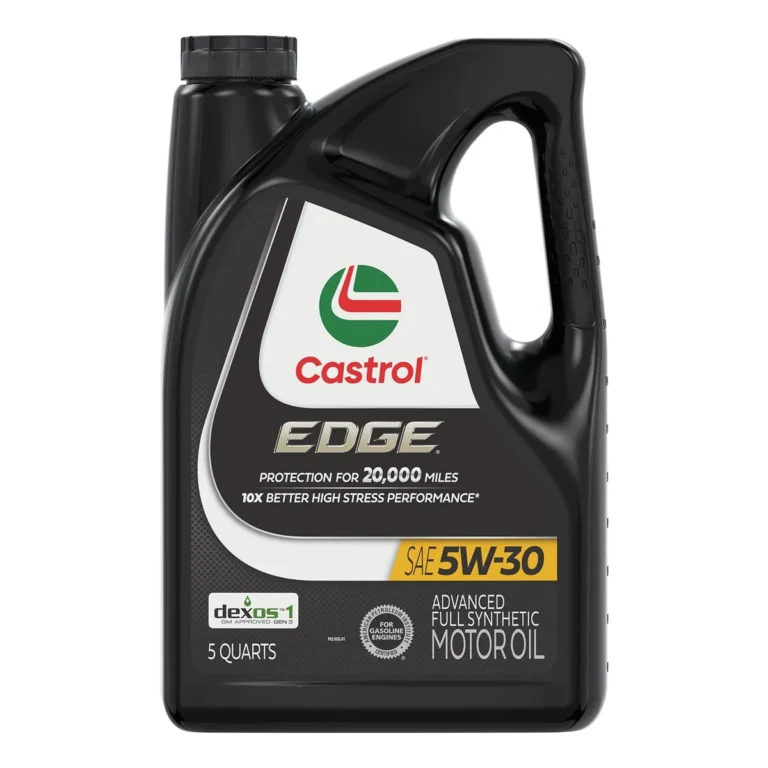
You're gripping a jug in the auto parts aisle. The front label says "Full Synthetic Motor Oil." The carton behind it says "Engine Oil." Your brain stutters. Is motor oil engine oil, or did you just pick up two different products?
Short answer: they're the same thing. Per SAE J300, the viscosity standard every major manufacturer follows, both terms describe the lubricant you pour into a car's crankcase. As of 2026, the API service classification on the bottle doesn't even distinguish between the two words.
So why does everyone still get confused?
"Motor Oil" vs. "Engine Oil": The 10-Second Answer
Motor oil and engine oil are the same product. They both describe crankcase lubricant for internal combustion engines. "Motor oil" is the everyday American term.
"Engine oil" is the technical and international term. One jug, one product, two labels.
Where Each Term Actually Shows Up: Labels, Manuals, and Regions
This is where the confusion gets practical. In the US, every consumer-facing jug, Costco pallet, and Walmart endcap uses "motor oil." Open your owner's manual, though, and the "Recommended Lubricants" page almost always says "engine oil." The SAE International standard SAE J300 defines every viscosity grade from 0W-20 to 20W-50. It uses "engine oil" in its formal title.
Over in the UK and EU, "engine oil" is the default. The LFOA (Lubricants Forum of the UK) and ACEA (European Automobile Manufacturers' Association) both build their service-class documents around that term. Flip a Japanese service manual and you'll see エンジンオイル, which translates to "engine oil."
Here's the quick regional breakdown:
| Region | Dominant Term | Where You'll See It |
|---|---|---|
| US (consumer) | Motor oil | Store labels, DIY videos, search queries |
| US (technical) | Engine oil | OEM manuals, SAE J300, API specs |
| UK / EU | Engine oil | ACEA A3/B4, LFOA, dealer counter sheets |
| Japan | Motor oil (colloquial) / Engine oil (formal) | JASO MA2 sheets, car care shops |
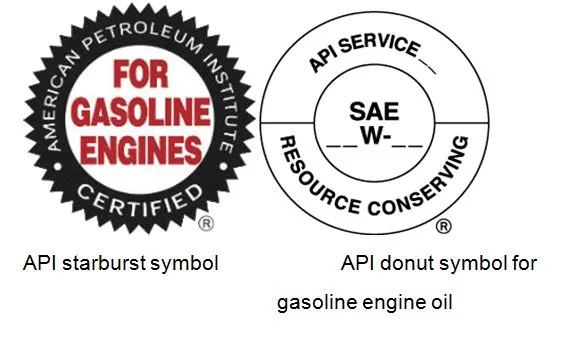
The API "starburst" symbol on every certified jug doesn't care which word you use. It certifies the oil to a service level, like SP or SN. The word on the label is pure marketing, not a technical split.
Side-by-Side: Are They Really the Same Product?
Yes. Unambiguously, same product. No additive package, no base oil formulation, no SAE grade exists under one name but not the other.
The split is linguistic and regional, not chemical.
That said, there's a small trap that makes people feel like they're different. Here's where the confusion actually lives:
| What You See | What It Actually Is |
|---|---|
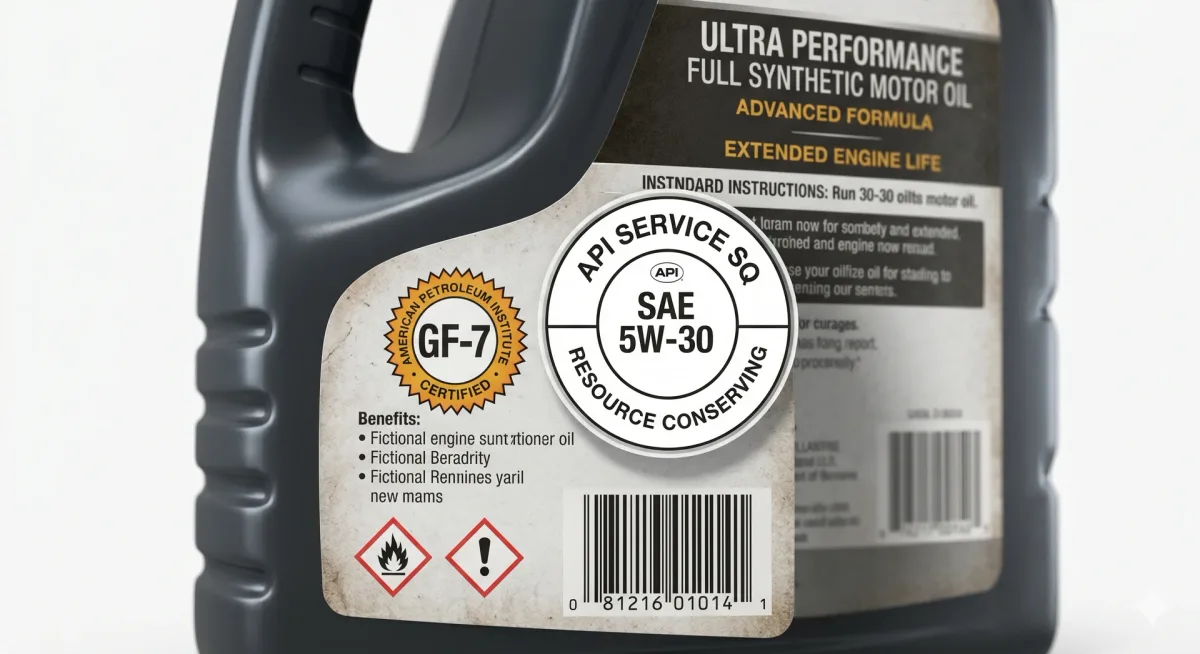
| "Full Synthetic Motor Oil" on the jug front | The consumer product name |
| "Engine Oil 0W-20, API SP" on the back label | The technical spec sheet for the same oil |
| "SAE 5W-30 Motor Oil" at a US shop | Identical to "5W-30 Engine Oil" at a UK garage |
| "Motor Oil" stamped on a lawn tractor cap | Same 4-stroke crankcase lubricant, just a colloquial cap label |
In our research across OEM service bulletins from Toyota, GM, and Ford, not a single document draws a technical distinction between the two terms. They're interchangeable in every spec sheet we pulled. The only place "motor oil" gains a slightly different meaning is the small-engine market.
A lawnmower cap might say "Motor Oil" as shorthand for "use the same stuff as your car." It doesn't mean a different product. It means the same 0W-20 or 5W-30 you'd pour into your sedan.
The Confusion That Actually Costs You Money at the Parts Counter
Here's the scenario that hits hard. You're at the store. The jug says "Motor Oil." The display sign above says "Engine Oil." You grab the jug, then hesitate.
Do you also need to pick up an "engine oil" from the next shelf? Maybe you're buying two of the same thing. Maybe they're different.
You grab a second jug "just in case."
That second jug costs $12 to $24 depending on whether it's conventional or full synthetic. Multiply that across the cars in your household and the small-engine gear in the garage, and the waste adds up fast.
The bigger risk isn't the double purchase. It's the wrong purchase. A first-time driver sees "thicker is better" online, grabs a 10W-40 for a turbocharged 2024 sedan that calls for 0W-20.
That mismatch doesn't just mean a wasted jug. Picking the wrong SAE grade in a turbocharged, direct-injection engine raises LSPI (low-speed pre-ignition) risk. The API SP spec was partly built to combat exactly that problem.
The fix is simple and takes about 20 seconds at the shelf:
- Open your owner's manual to "Recommended Lubricants."
- Note the SAE viscosity grade (e.g., 0W-20) and any OEM code (e.g., GM dexos1, Toyota 0A20).
- Match that exact grade on the jug. Ignore whether the front says "motor" or "engine."
- Check the API starburst shows at least the required service level (SP for most cars built after 2020).
How to Read the Label and Walk Out With the Right Jug
Here's the 30-second reading order for any oil jug on the shelf. Follow it top to bottom and you'll never second-guess again.
Step 1: Find the SAE viscosity grade.
It's the biggest number on the front. "0W-20" or "5W-30." The "W" stands for winter. The first number is cold-weather flow.
The second is film thickness at operating temperature. SAE J300 defines the exact kinematic viscosity windows for each grade.
Step 2: Check the API service level.
Look for the starburst symbol, a star inside a circle with a star. As of 2026, the current level for passenger cars is API SP. Older cars might list SN or SM.
The starburst on the jug must show at least the level your manual requires. You can always go up (SP covers SN), but never down.
Step 3: Match the OEM approval code.
Tiny print on the back. "Meets GM dexos1," "Toyota 0A20," "Ford WSS-M2C951-A." If your warranty requires a specific code, confirm it's printed on the jug. Skip this and you risk a warranty denial if something goes wrong.
Step 4: Confirm the quantity.
Most 4-cylinder cars take 4.0 to 4.5 quarts. A V8 wants 5.5 to 6.5 quarts. Buy one extra quart as a top-up.
You'll thank yourself three months later when the dipstick reads a quarter-low.
Step 5: Mind the date.
An unopened jug lasts 3 to 5 years. Once you crack the seal, the clock drops to roughly 12 months. Check the bottom of the jug for a "best by" date.
Used oil, once drained, needs to go to a licensed recycler per EPA hazardous-waste guidance. No storm drains, no garage floor.
That's the whole process. Five glances, thirty seconds, and you walk out with the right jug. The word "motor" or "engine" on the label?
Doesn't matter. The SAE grade and API starburst do.
FAQs: "Is Motor Oil Engine Oil?" and the Follow-Ups Nobody Asks
Can I use "motor oil" in my lawnmower or outboard?
Yes, as long as the grade matches. A 4-stroke lawnmower takes the same SAE 10W-30 or 5W-30 you'd pour into a sedan. Check the cap label for the exact grade.
Two-stroke outboards need a completely different oil (JASO FC or API TC). Don't mix those up.
Does "full synthetic motor oil" mean something different from "full synthetic engine oil"?
No. The base oil formulation is identical. "Full synthetic" refers to a Group III or IV PAO blend, or a Group V ester.
The "motor" or "engine" word is just the consumer-facing name on the jug. Same PAO stock, same additive package, same API SP certification.
Why do UK and EU manuals say "engine oil" but my American jugs say "motor oil"?
It's a regional language split, not a product split. ACEA and LFOA documents standardize on "engine oil." US consumer branding settled on "motor oil" decades ago. SAE J300, which both regions follow, uses "engine oil" in its formal title.
If my manual says "engine oil 0W-20" but the shelf only has "motor oil 0W-20," is that a problem?
No. You're looking at the same product wearing two names. The SAE 0W-20 viscosity window is identical regardless of the word on the front label.
Just confirm the API starburst shows SP and any OEM code your warranty requires.
Can I pour leftover "motor oil" into a new car that calls for "engine oil"?
The name is irrelevant. What matters is the grade and spec. If your old jug is 5W-30 API SN and the new car needs 0W-20 API SP, the label wording doesn't fix that gap.
Always match the owner's manual before you pour.
The Verdict: Same Oil, Two Names, One Rule to Remember
Same oil. Two names. That's the whole story.
"Motor oil" is what your neighbor calls it over the fence. "Engine oil" is what SAE J300, your owner's manual, and every ACEA document call it. Neither word changes the chemistry, the additive package, or the API service level stamped on the bottle.
The one rule that actually protects your engine: read the SAE viscosity grade and the API starburst, not the product name. If the manual says 0W-20 API SP and the jug says 0W-20 API SP, you've got the right oil. It doesn't matter whether the front label says "motor" or "engine."
If you're ever at the counter, frozen between two jugs, here's the five-second test:
- Same SAE grade? Same product.
- Same API level? Same certification.
- Different word on the label? Marketing, not engineering.
You don't need to memorize which region uses which term. You don't need to worry that "motor oil" means small-engine fuel and "engine oil" means big-engine fuel. It doesn't.
The word on the jug is a label. The number and the starburst are the spec.
Walk in. Read the grade. Match the manual.
Walk out. You've already saved yourself a $16 jug you didn't need and a warranty gap you didn't know you had.