Best Engine Oil For Car: Top Picks For Engine Protection
The best engine oil for car use depends on your owner’s manual, but Mobil 1 and Valvoline offer strong choices.
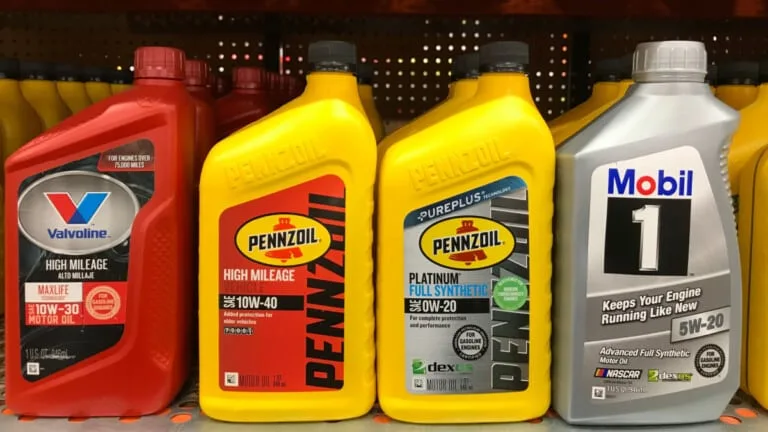
Your car may take you to work, school, the grocery store, and weekend trips. You need an engine that starts on cold mornings and runs well during hot summer drives. But choosing motor oil can feel confusing. There are many brands, grades, and formulas on store shelves. Some oils suit older engines, while others work well in modern cars. I reviewed five Valvoline, Mobil 1, and STP options to help make the choice easier. My focus is simple: engine protection, oil type, mileage needs, and value. Before buying, always check your owner’s manual. The right oil grade and approval matter more than a popular brand name.
🏆 Top 3 Products

Valvoline MaxLife High Mileage Full synthetic 5W-20
It offers a full synthetic formula with seal conditioners for eligible older engines that need extra care.
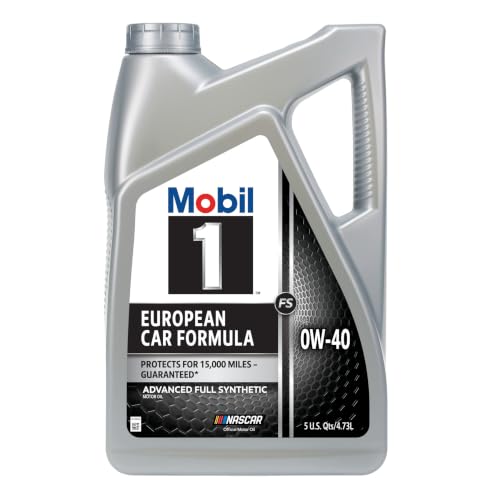
Mobil 1 FS European Car Formula 0W-40
It is a strong option for compatible European engines that require its 0W-40 viscosity and approvals.

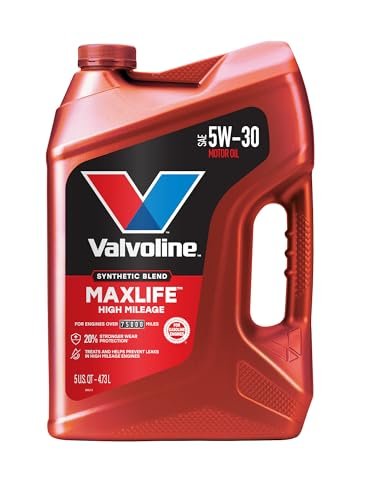
Valvoline MaxLife High Mileage 5W-30
It gives high-mileage drivers a practical synthetic blend option for cars that call for 5W-30.
Valvoline MaxLife High Mileage 5W-30 Review
Valvoline MaxLife High Mileage 5W-30 is a synthetic blend motor oil made for older cars and trucks. It is designed for engines with many miles on the odometer. Its formula includes seal conditioners that aim to help protect aging seals and gaskets. This can make it worth a look if your car has passed the 75,000-mile mark and its manual calls for 5W-30 oil.
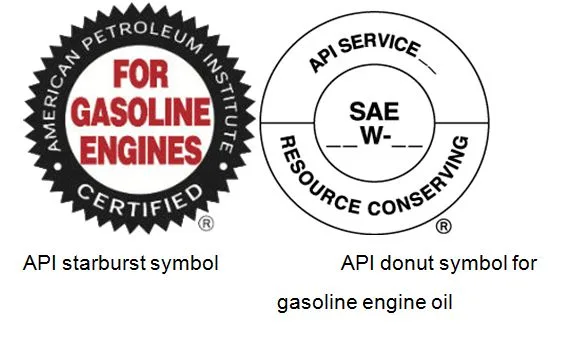
I like that this oil focuses on common needs found in older vehicles. These include wear protection, oil use, and small seal-related leaks. The 5W-30 grade also fits many American cars and light trucks, but it does not fit every engine. A synthetic blend can offer a useful balance between cost and performance. Still, you should check the required API category and any maker approval before you buy.
✅ Pros
- ✔ Made for high-mileage engines that need added care.
- ✔ Contains seal conditioners to help maintain aging seals.
- ✔ Helps reduce oil use in some older engines.
- ✔ Designed to help limit common engine wear.
- ✔ Synthetic blend formula offers a balance of cost and protection.
- ✔ 5W-30 grade suits many cars and light trucks that require this viscosity.
- ✔ Five-quart size is useful for many home oil changes.
- ✔ Valvoline is a well-known motor oil brand in the US.
⚠️ Cons
- ✖ Not suitable for engines that require another oil grade.
- ✖ A synthetic blend is not the same as a full synthetic oil.
- ✖ Seal conditioners cannot repair damaged seals or worn engine parts.
- ✖ It may cost more than basic conventional motor oil.
- ✖ The five-quart container may not match every engine’s oil capacity.
My Recommendation
I would consider Valvoline MaxLife 5W-30 for an older car that has high mileage and requires SAE 5W-30 oil. It is a sensible choice for drivers who want a formula aimed at aging engines without moving to a more expensive full synthetic product. Its seal conditioners may help support older seals, but they should not replace proper repairs. If your engine has a serious leak, burning oil, or low oil pressure, have it checked by a mechanic. This is not a reason to ignore a warning light or delay service. Among the options in this review, it stands out as a practical choice for drivers who want high-mileage care at a balanced cost.
| Best For | Why |
|---|---|
| Older daily drivers | Its high-mileage formula targets common needs in aging engines. |
| 5W-30 vehicles | It suits engines whose manuals specify SAE 5W-30. |
| Budget-aware owners | The synthetic blend offers another option besides full synthetic oil. |
Mobil 1 European Car Formula 0W-40 Review
Mobil 1 FS European Car Formula 0W-40 is a full synthetic motor oil made for compatible European vehicles. It is designed to support engine protection under different driving conditions. Its 0W-40 grade offers cold-start flow characteristics and a thicker operating-temperature viscosity than many common 5W-20 and 5W-30 oils. This makes it important to match the product to the vehicle maker’s exact requirements.
I consider this one of the more specialized choices in this group. It may suit certain European cars with turbocharged engines and specific oil approval needs. The product also focuses on protection against deposits and wear. However, a European formula is not automatically the best engine oil for car owners with American or Asian vehicles. The 0W-40 grade and required approvals must match the owner’s manual. A thicker oil is not always better.
✅ Pros
- ✔ Full synthetic formula for compatible engines.
- ✔ 0W rating supports oil flow during cold starts.
- ✔ 40 operating-temperature grade suits engines designed for this viscosity.
- ✔ Made for selected European vehicle requirements.
- ✔ Designed to help protect turbocharged engines when the application is approved.
- ✔ Helps protect against engine wear.
- ✔ Aims to reduce harmful deposit buildup.
- ✔ Five-quart size works for many common oil service needs.
⚠️ Cons
- ✖ Not suitable for every car or engine.
- ✖ Some vehicles require different manufacturer-specific approvals.
- ✖ May cost more than a basic synthetic blend.
- ✖ Its 0W-40 viscosity may not match engines designed for 5W-20 or 5W-30.
- ✖ The European formula may offer no advantage in a vehicle that does not require it.
My Recommendation
Mobil 1 FS 0W-40 is my choice for drivers whose European vehicle manual calls for SAE 0W-40 and the relevant product approvals. It is especially worth considering for compatible engines that need a full synthetic oil. I would not buy it just because the label mentions turbocharger protection or European cars. First, check the oil specification in your manual. Some European manufacturers require exact approvals, not just a matching viscosity grade. If your vehicle requires one of those approvals, confirm that the current product label or technical data sheet lists it. When those details match, this oil can be a strong option for regular use.
| Best For | Why |
|---|---|
| Compatible European cars | Its formula and grade target selected European engine requirements. |
| Approved turbo engines | It is designed to support protection in compatible turbocharged applications. |
| Full synthetic users | It provides a full synthetic option for engines that require 0W-40. |
Valvoline MaxLife High Mileage 5W-20 Review

Valvoline MaxLife High Mileage 5W-20 is a synthetic blend motor oil for cars with higher mileage. It is made for engines that require the 5W-20 viscosity grade. The formula focuses on protecting older engine parts and supporting seals as they age. It is a useful option to consider when a car has many miles but still runs well and follows a normal maintenance schedule.
The main reason to consider this product is its focus on aging engines. Many drivers keep their cars for years, so oil choice becomes an important part of routine care. This formula aims to help reduce oil consumption and protect against wear. However, it does not mean every high-mileage car needs a special oil. If your vehicle runs well on the oil grade listed in its manual, there is no need to change grades without a clear reason.
✅ Pros
- ✔ Made for engines with higher mileage.
- ✔ Synthetic blend formula offers a practical oil choice.
- ✔ Seal conditioners help support aging seals.
- ✔ Designed to help reduce oil consumption in some engines.
- ✔ Helps protect engine parts against wear.
- ✔ 5W-20 grade works with many vehicles that specify this viscosity.
- ✔ Useful for regular oil changes.
- ✔ Five-quart container suits many common car oil capacities.
⚠️ Cons
- ✖ Not suitable for vehicles that require 5W-30 or another grade.
- ✖ It is a synthetic blend rather than a full synthetic formula.
- ✖ Cannot fix major oil leaks or internal engine damage.
- ✖ High-mileage additives may not be needed in a newer engine.
- ✖ Oil capacity varies, so one container may not be enough for every car.
My Recommendation
I recommend considering this Valvoline MaxLife formula if your older car requires 5W-20 and you want an oil made with high-mileage use in mind. It can be a good fit for a commuter car that has passed 75,000 miles and still receives regular service. The blend also gives owners another choice if they do not want to pay for a full synthetic oil. Check your owner’s manual before buying. Do not use 5W-20 simply because it appears on the bottle. The correct grade, API service category, and any manufacturer requirements should guide your decision.
| Best For | Why |
|---|---|
| High-mileage sedans | The formula targets the needs of older engines. |
| Cars requiring 5W-20 | It provides the viscosity grade specified by many compatible vehicles. |
| Everyday commuters | It is designed for routine engine care and regular oil changes. |
Valvoline MaxLife Full Synthetic 5W-20 Review
Valvoline MaxLife High Mileage Full Synthetic 5W-20 is made for vehicles with 75,000 miles or more. Unlike the synthetic blend version, this product uses a full synthetic base oil. It also includes seal conditioners that aim to help protect aging seals and gaskets. The formula focuses on wear protection and lower oil consumption in compatible older engines.
This is the product I would look at first for a high-mileage car that calls for 5W-20 and needs a full synthetic formula. A full synthetic oil can offer strong performance across a range of temperatures when used in the right engine. Still, the words full synthetic do not make an oil suitable for every vehicle. You must also check the required service category and manufacturer approval. The oil should meet the needs of your engine, not just your budget or brand preference.
✅ Pros
- ✔ Full synthetic formula for compatible high-mileage engines.
- ✔ Made for vehicles with 75,000 miles or more.
- ✔ Contains seal conditioners to support aging seals.
- ✔ Designed to help reduce oil consumption.
- ✔ Offers wear protection for older engine parts.
- ✔ 5W-20 grade suits vehicles that specify this viscosity.
- ✔ A practical choice for long-term vehicle owners.
- ✔ Five-quart size supports many home oil changes.
- ✔ Combines high-mileage care with a full synthetic base.
⚠️ Cons
- ✖ May cost more than the synthetic blend version.
- ✖ Not suitable for engines that require another viscosity grade.
- ✖ Cannot repair worn piston rings, damaged gaskets, or serious leaks.
- ✖ Its high-mileage formula may not offer a clear benefit in a newer engine.
- ✖ Drivers must still follow the vehicle maker’s oil change schedule.
My Recommendation
This is my top choice among the five products for drivers with an older vehicle that requires 5W-20. I like the combination of full synthetic oil and a formula designed for high-mileage engines. It offers a useful balance for owners who want to keep a reliable car on the road for more years. I would choose it over the synthetic blend version if the vehicle manual allows it and the price difference fits my budget. It is not a repair product, though. If the engine leaks, smokes, or makes unusual sounds, have it inspected. The best engine oil for car maintenance still starts with the correct oil grade and timely service.
| Best For | Why |
|---|---|
| Cars over 75,000 miles | Its formula is made with high-mileage engine needs in mind. |
| 5W-20 vehicles | It provides a full synthetic option for compatible engines. |
| Long-term car owners | It supports a regular maintenance plan for older vehicles. |
STP High Mileage Oil Treatment Review

STP High Mileage Oil Treatment with Stop Leak is different from the other products in this review. It is a 15-fluid-ounce oil treatment, not a regular engine oil. It is made for vehicles with more than 75,000 miles and aims to support aging seals and gaskets. The product is designed to be added to engine oil according to its label directions.
I would treat this product as an optional maintenance additive, not as a replacement for motor oil. It may appeal to owners who notice minor oil seepage or want to try a product aimed at older seals. However, no additive can promise to repair a damaged gasket or a serious engine leak. You should also check the amount of oil in your engine before adding any treatment. Extra fluid can affect the correct oil level. If your car has a major leak, get a proper repair instead of relying on an additive.
✅ Pros
- ✔ Made for high-mileage vehicles.
- ✔ Aims to support aging engine seals and gaskets.
- ✔ Designed to help address minor oil seepage.
- ✔ Small 15-ounce bottle is easy to store.
- ✔ Can be used as an optional treatment when the label and vehicle allow it.
- ✔ Offers an additional maintenance option for older engines.
- ✔ Can be considered alongside a normal oil service plan.
⚠️ Cons
- ✖ It is not a replacement for engine oil.
- ✖ Cannot repair broken seals or damaged gaskets.
- ✖ Results may vary based on engine condition and leak type.
- ✖ Must be used according to the label instructions.
- ✖ Adding too much fluid can cause an incorrect oil level.
- ✖ Some modern engines may not need or allow extra oil additives.
My Recommendation
I would only consider STP High Mileage Oil Treatment as an optional extra for a compatible older engine. It may suit an owner who wants to try a seal-focused treatment for minor seepage. But I would not rank it as the best engine oil for car use because it is not a complete motor oil. Your engine still needs the correct oil grade and specification. Read the bottle before use and confirm that the additive is suitable for your vehicle. Never add it on top of an already full oil level. If oil drips onto the ground or the engine loses oil quickly, find the source of the leak and fix it.
| Best For | Why |
|---|---|
| Older vehicles | It is designed for engines with higher mileage. |
| Minor oil seepage | Its formula aims to support aging seals and gaskets. |
| Optional oil treatment users | It provides an additive option when the vehicle and label allow its use. |
Final Verdict: Which Should You Buy?
My top pick is Valvoline MaxLife High Mileage Full Synthetic 5W-20 for compatible older cars. It combines full synthetic oil with a formula designed for high-mileage engines. Mobil 1 0W-40 is an excellent alternative for European cars that require it. Valvoline MaxLife 5W-30 is another practical choice for compatible engines. The right grade and approval should always come first.
Choosing the best engine oil for car maintenance starts with your owner’s manual. Match the viscosity, check the approvals, and change the oil on time. A good oil choice can help protect your engine for many miles.
FAQs Of best engine oil for car
Q What is the best engine oil for car use?
Q Is synthetic oil better than synthetic blend oil?
Q Should I use high-mileage oil in a car with over 75,000 miles?
Q Can I use 5W-30 instead of 5W-20 in my car?
Q How often should I change my car engine oil?