Best Engine Oil: Top 5 Picks For Your Car
Valvoline Advanced Full Synthetic 5W-30 is my top overall pick for compatible cars that need reliable daily engine protection.
Your car may face long highway trips, busy city traffic, cold mornings, and hot summer days. Each drive puts stress on its engine. The right motor oil helps reduce friction, control heat, and keep engine parts clean. But choosing the best engine oil can feel hard when so many bottles look alike. I reviewed five Valvoline options to help you compare them. My picks cover newer cars, older engines, and high-mileage vehicles. Before you buy, always check your owner’s manual for the correct oil grade and approval.
🏆 Top 3 Products

Valvoline Advanced Full Synthetic 5W-30 Motor Oil
It offers a strong balance of wear, heat, and deposit protection for cars that call for 5W-30 full synthetic oil.

Valvoline MaxLife High Mileage Full Synthetic 5W-20
It is a useful choice for compatible engines with more than 75,000 miles that need full synthetic oil.

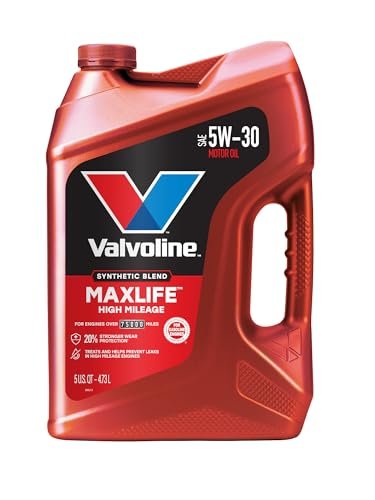
Valvoline MaxLife High Mileage 5W-30 Synthetic Blend
It gives owners of compatible older cars a high-mileage oil option without requiring a full synthetic formula.
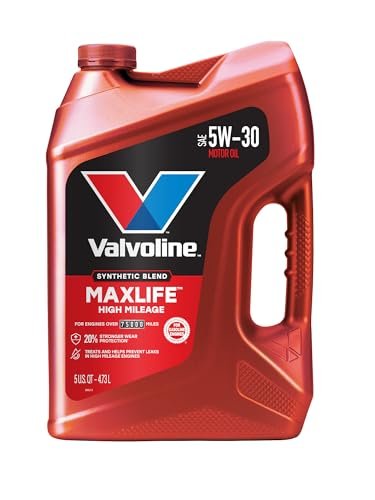
Valvoline MaxLife High Mileage 5W-30 Review
Valvoline MaxLife High Mileage 5W-30 is made for cars with older engines. It uses a synthetic blend formula. This means it combines synthetic and conventional base oils. Its main goal is to help protect aging engine parts and manage common issues linked to high mileage.
The formula includes seal conditioners that aim to help keep engine seals flexible. It also aims to reduce oil leaks and oil use. These features can help an older car that burns a little oil. Still, this oil cannot repair worn seals or fix a mechanical leak. I like it as a practical choice when your owner’s manual calls for 5W-30 and your car has many miles on it.
✅ Pros
- ✔ Made for engines with high mileage.
- ✔ Synthetic blend formula balances cost and protection.
- ✔ Seal conditioners help support aging engine seals.
- ✔ Designed to help reduce oil leaks.
- ✔ Aims to limit oil use in older engines.
- ✔ 5W-30 grade suits many vehicles that call for this viscosity.
- ✔ Five-quart size can cover many standard oil changes.
⚠️ Cons
- ✖ Not a full synthetic motor oil.
- ✖ Not suitable for cars that require 5W-20 or another oil grade.
- ✖ Cannot fix damaged seals or stop serious oil leaks.
- ✖ May not meet every newer vehicle maker’s oil approval.
My Recommendation
I recommend this oil for owners of older cars that need 5W-30 and have reached higher mileage. It can be a sensible option for daily driving, commuting, and regular highway use. Its high-mileage formula focuses on seal care and oil control. If your car has severe leaks, low oil pressure, or unusual engine noise, get it checked rather than relying on a different oil. Also, do not switch to 5W-30 just because your engine has many miles. Follow the grade and approvals in your owner’s manual.
| Best For | Why |
|---|---|
| Older daily drivers | Its high-mileage formula targets the needs of aging engines. |
| Cars that use 5W-30 | The viscosity matches vehicles that specify this oil grade. |
| Budget-minded owners | A synthetic blend offers an option between conventional and full synthetic oil. |
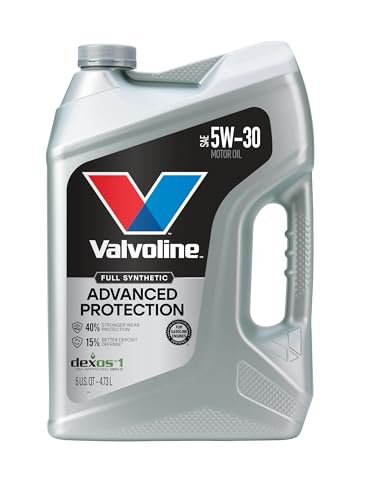
Valvoline Advanced Full Synthetic 5W-30 Review
Valvoline Advanced Full Synthetic 5W-30 is my top overall choice in this group. It is made for engines that call for SAE 5W-30 full synthetic oil. The product focuses on wear protection, heat control, and deposit defense. These features matter during daily commutes, long drives, and stop-and-go traffic.
The brand lists claims of stronger wear protection, better deposit defense, and improved heat protection compared with its stated test oils. These are product claims, not a promise that every engine will gain the same result. I would choose this oil when the vehicle maker allows its viscosity and required standards. A full synthetic formula can also be a good fit for drivers who want a modern oil option for regular use.
✅ Pros
- ✔ Full synthetic formula for compatible engines.
- ✔ Designed to protect engine parts from wear.
- ✔ Helps fight sludge and harmful deposits.
- ✔ Aims to protect oil under high engine heat.
- ✔ Suitable for many vehicles that specify 5W-30.
- ✔ A strong option for daily driving and highway use.
- ✔ Five-quart container is useful for many oil changes.
⚠️ Cons
- ✖ Costs more than many conventional and blend oils.
- ✖ Not the right choice for engines that require a different viscosity.
- ✖ Product performance claims depend on the test method and comparison oil.
- ✖ Does not replace the need for regular oil and filter changes.
My Recommendation
This is the first bottle I would consider if my vehicle required 5W-30 full synthetic oil and the product met its required specifications. It suits drivers who face mixed road conditions and want a broad level of engine protection. It is also a good choice for owners who prefer full synthetic oil for routine maintenance. Check the manual for the exact viscosity, API category, and any vehicle-specific approval. The best engine oil is always the one that meets those needs, not simply the one with the most claims on its label.
| Best For | Why |
|---|---|
| Daily commuters | Its full synthetic formula is designed for regular use across common driving conditions. |
| Highway drivers | Its heat and wear protection focus suits long trips when the grade is correct. |
| 5W-30 full synthetic users | It offers a direct option for vehicles that call for this oil type. |
Valvoline MaxLife High Mileage 5W-20 Blend Review

Valvoline MaxLife High Mileage 5W-20 Synthetic Blend is aimed at older cars that call for 5W-20 oil. It combines synthetic and conventional base oils. Its formula focuses on engine wear, seal care, and oil use. That makes it worth a look for drivers who want a high-mileage product for a compatible engine.
The 5W-20 grade is not the same as 5W-30. The two oils have different viscosity ratings, so you should not swap them without checking your owner’s manual. This product may suit a car that uses 5W-20 and has many miles on its odometer. I would also check the oil level often if the engine already uses oil between changes.
✅ Pros
- ✔ Designed for high-mileage engines.
- ✔ Synthetic blend base oil.
- ✔ Made for vehicles that specify 5W-20.
- ✔ Seal conditioners aim to support older engine seals.
- ✔ Designed to help reduce oil use.
- ✔ Aims to limit wear on engine parts.
- ✔ Five-quart bottle suits many routine oil changes.
⚠️ Cons
- ✖ Not a full synthetic formula.
- ✖ Cannot repair worn engine parts or damaged seals.
- ✖ Not suitable for engines that require 5W-30 or 10W-30.
- ✖ May not match the approval needs of every vehicle.
My Recommendation
I would pick this oil for an older car that needs 5W-20 and has a high odometer reading. It gives owners a high-mileage formula without moving to full synthetic oil. It may also suit drivers who want to keep using the viscosity listed by the vehicle maker. Do not choose it based only on mileage. Confirm the required grade and oil standard first. If the engine leaks or burns a lot of oil, ask a mechanic to find the cause.
| Best For | Why |
|---|---|
| High-mileage cars | The formula is designed with aging engines in mind. |
| Vehicles that require 5W-20 | It matches the listed viscosity when the required approvals also fit. |
| Synthetic blend users | It offers a blend rather than a full synthetic formula. |
Valvoline MaxLife Full Synthetic 5W-20 Review
Valvoline MaxLife High Mileage Full Synthetic 5W-20 is made for engines with 75,000 miles or more. It combines a full synthetic base with a high-mileage additive package. The product aims to support seal care, reduce oil use, and protect engine parts from wear. It is a more focused choice than a standard full synthetic oil for drivers with older cars.
This oil makes sense when your vehicle calls for 5W-20 and its maker allows this product’s specifications. Its seal conditioners may help older seals stay flexible, but they cannot restore badly worn parts. The full synthetic formula may appeal to drivers who want a high-mileage oil with a synthetic base. I would compare its price with the synthetic blend version before buying.
✅ Pros
- ✔ Full synthetic motor oil.
- ✔ Designed for engines with 75,000 miles or more.
- ✔ Seal conditioners aim to help reduce leaks.
- ✔ Designed to help limit oil consumption.
- ✔ Provides wear protection for engine parts.
- ✔ A high-mileage option for vehicles that call for 5W-20.
- ✔ Useful for drivers who prefer full synthetic oil.
⚠️ Cons
- ✖ May cost more than the synthetic blend MaxLife option.
- ✖ Not suitable for vehicles that need another viscosity grade.
- ✖ Cannot fix serious leaks or mechanical wear.
- ✖ High mileage alone does not mean a car needs this formula.
My Recommendation
This is my preferred high-mileage option among the two 5W-20 MaxLife products if I want a full synthetic formula. It is aimed at older engines and offers a blend of seal care and wear protection features. It can suit a daily driver with more than 75,000 miles, provided the car calls for 5W-20. I would not pay extra for it if the vehicle maker does not require or recommend this oil type. Check the manual and compare the cost per quart before making a choice.
| Best For | Why |
|---|---|
| Cars over 75,000 miles | The product is designed for engines in this mileage range. |
| Drivers who prefer full synthetic | It uses a full synthetic formula with high-mileage additives. |
| Older 5W-20 engines | It targets aging engines that still require this viscosity grade. |
Valvoline MaxLife High Mileage 10W-30 Review
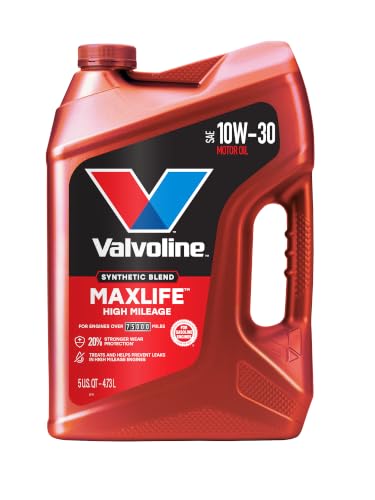
Valvoline MaxLife High Mileage 10W-30 Synthetic Blend is another option for aging engines. It is made for vehicles that call for SAE 10W-30 oil. Like the other MaxLife blends in this group, it focuses on wear protection, seal care, and oil use. It may suit an older car that still runs well but needs a high-mileage oil.
The 10W-30 grade differs from both 5W-20 and 5W-30. The first number and W rating relate to how the oil flows in cold conditions. The second number describes its viscosity at normal engine operating heat. This product may fit some older cars, but it is not a universal choice for hot climates or high-mileage engines. I would use it only when the vehicle maker allows 10W-30.
✅ Pros
- ✔ Made for high-mileage engines.
- ✔ Synthetic blend formula.
- ✔ Designed for vehicles that specify 10W-30.
- ✔ Seal conditioners aim to help reduce leaks.
- ✔ Designed to help manage oil consumption.
- ✔ Offers wear protection for older engine parts.
- ✔ Five-quart size suits many standard oil changes.
⚠️ Cons
- ✖ Not a full synthetic motor oil.
- ✖ Not suitable for engines that require 5W-20 or 5W-30.
- ✖ Cannot repair damaged seals or worn engine parts.
- ✖ May not meet every newer vehicle’s oil approval needs.
My Recommendation
I recommend this product only for an older vehicle whose manual lists 10W-30 as an approved grade. It can be a useful high-mileage option for a compatible car used for daily travel. The synthetic blend and seal-care focus make it worth comparing with other oils in the same grade. Do not use it just because your area has hot weather. Engine design, cold starts, oil clearances, and maker approvals all matter. The best engine oil must match the vehicle first.
| Best For | Why |
|---|---|
| Older vehicles | Its high-mileage formula targets common needs of aging engines. |
| Cars that specify 10W-30 | It offers the viscosity grade required by compatible vehicles. |
| Synthetic blend buyers | It provides a blend option for owners who do not need full synthetic oil. |
Final Verdict: Which Should You Buy?
Valvoline Advanced Full Synthetic 5W-30 is my best overall pick from these five products. It offers a useful mix of wear, heat, and deposit protection for compatible cars. For older engines, I would choose the MaxLife formula that matches the required grade. The full synthetic 5W-20 version is my high-mileage pick for vehicles that call for that oil.
The best engine oil is the one that meets your car maker’s exact needs. Check the manual, choose the right grade, and follow the service schedule. These simple steps can help protect your engine for many miles.
FAQs Of best engine oil
Q What is the best engine oil for most cars?
Q Is full synthetic oil better than synthetic blend oil?
Q Can I use 5W-30 instead of 5W-20?
Q When should I use high-mileage engine oil?
Q How often should I change my engine oil?