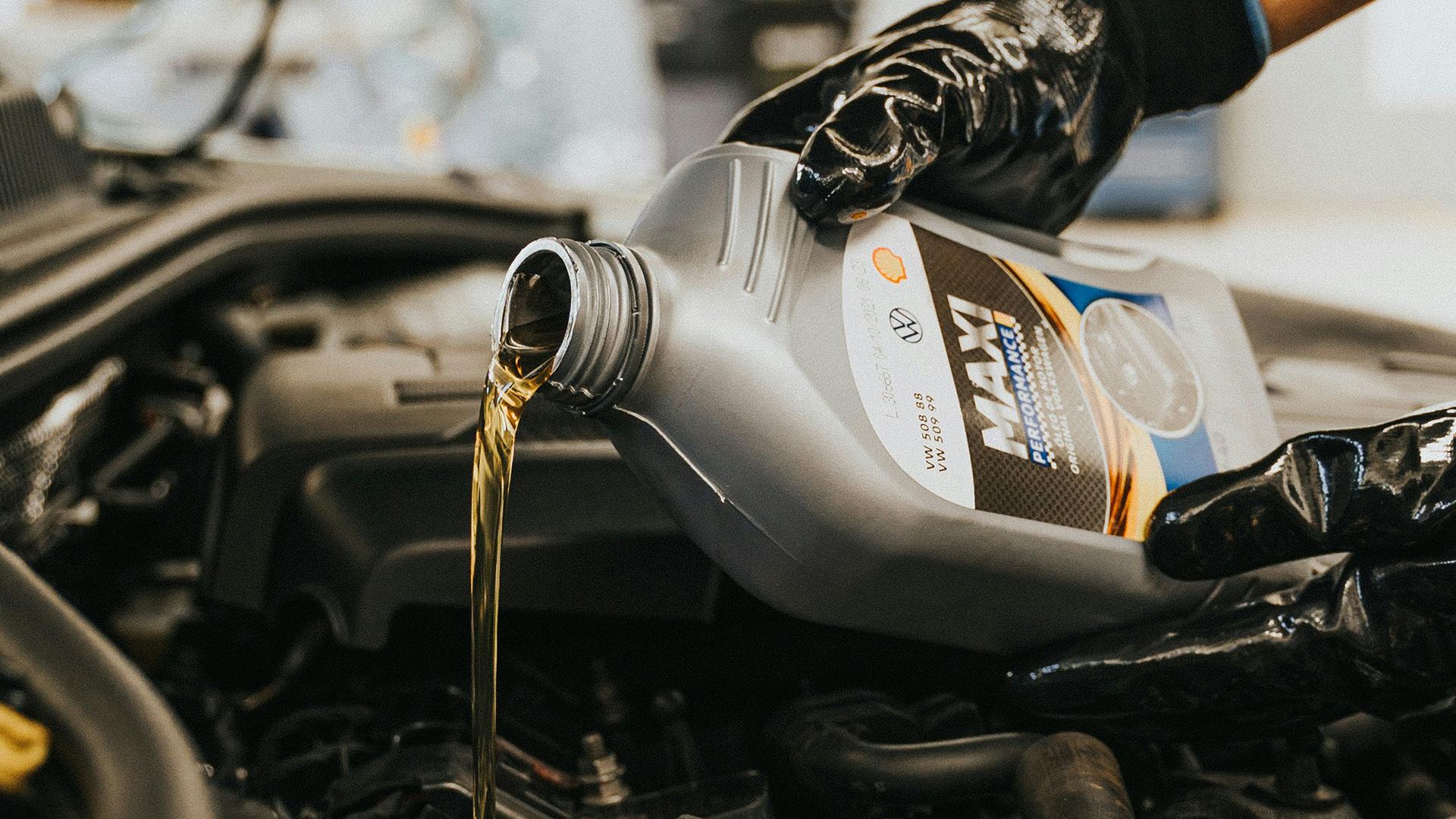
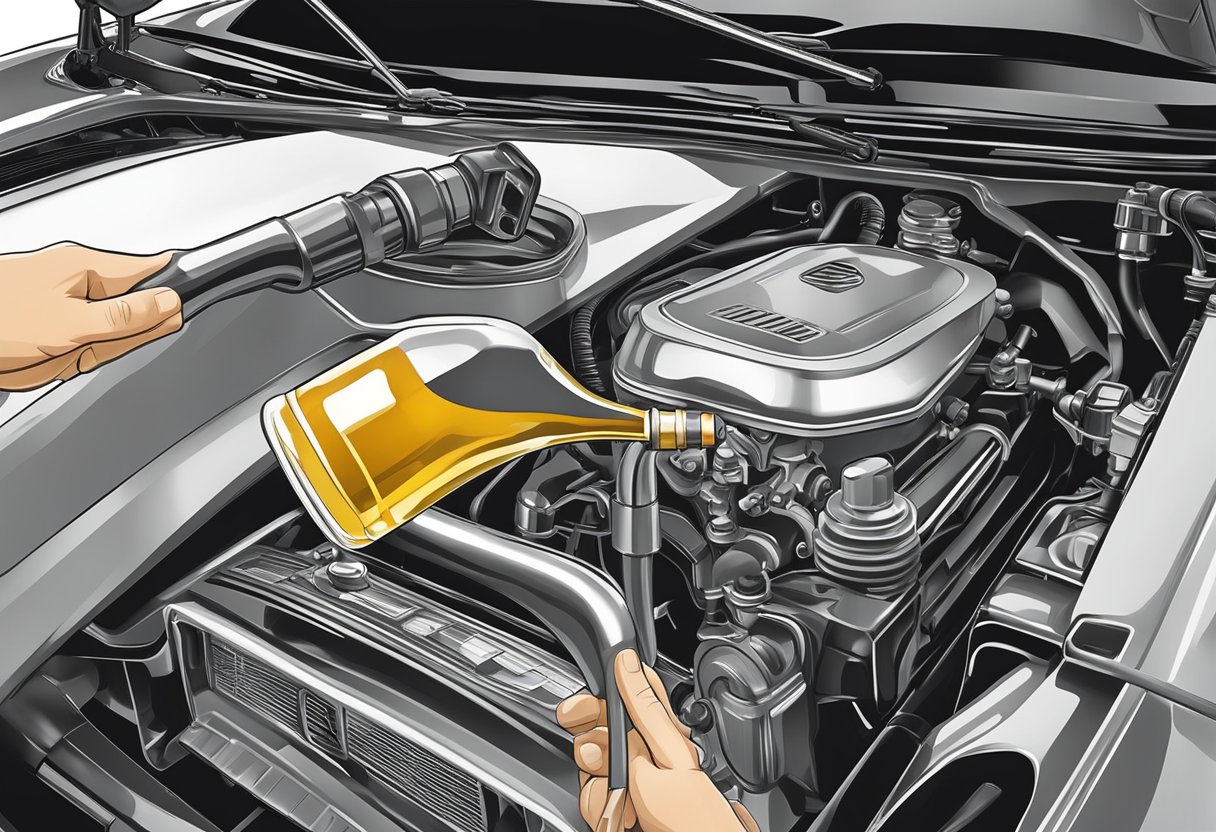
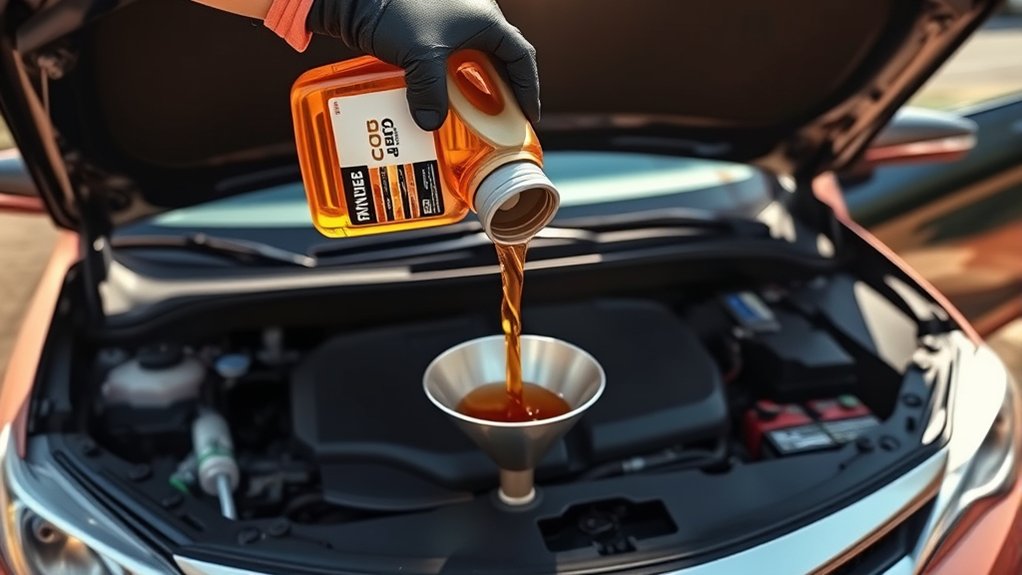
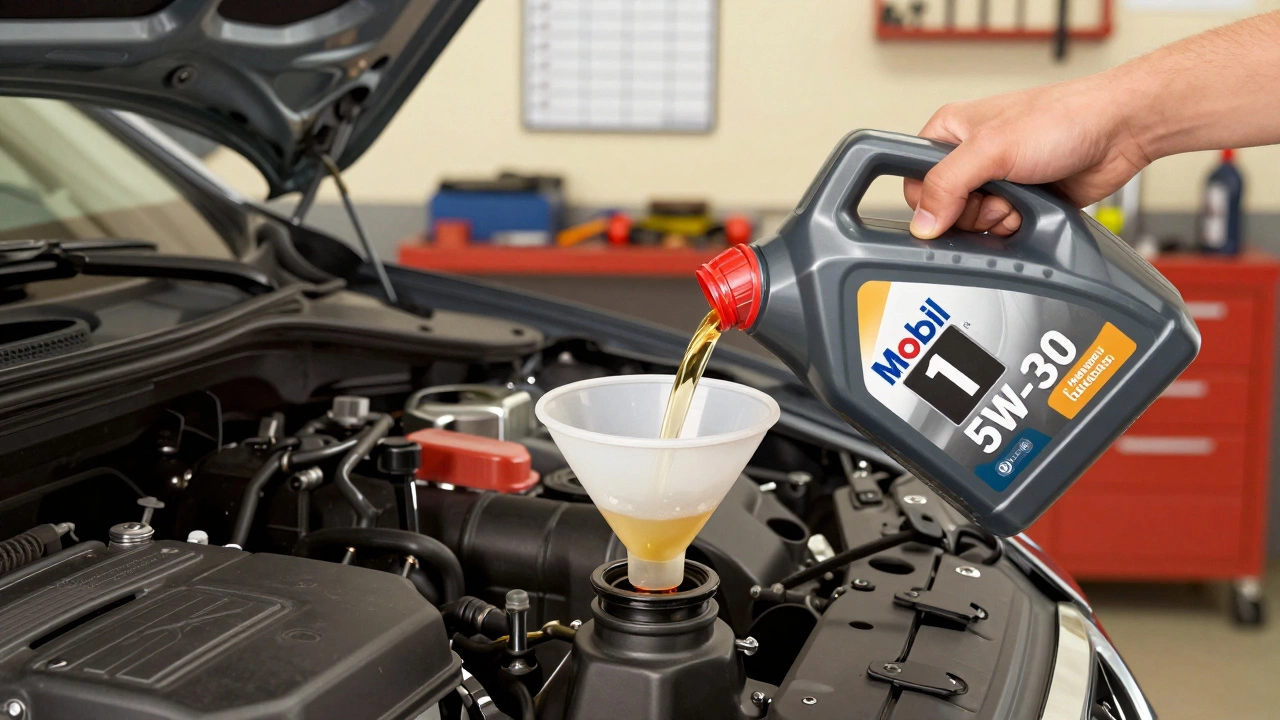
To add engine oil to a car, park on level ground, turn off the engine, check the dipstick, add the correct oil in small amounts, and check the level again.
If you drive to work, run errands, or take long road trips across the United States, checking your engine oil is a useful car care skill. Your engine needs enough clean oil to reduce friction, control heat, and protect moving parts. A low oil level can cause serious damage if you ignore it, but adding oil is often a simple task you can do at home.
The key is to use the oil grade listed in your owner’s manual and add only what your engine needs. You do not need to drain the old oil just to top it off. However, adding oil will not fix an oil leak, a faulty oil pressure system, or an engine that burns too much oil. This guide explains how to check the level, pour oil safely, avoid common mistakes, and know when to call a mechanic.
Source: greatcarcarecenter.com
Why Your Car Needs the Right Amount of Engine Oil
Engine oil forms a protective film between moving engine parts. It helps reduce friction, carries some heat away from hot areas, and holds dirt and wear particles until the oil filter can trap them. It also helps protect metal surfaces from corrosion and supports proper operation in parts of the engine that rely on oil pressure.
When the oil level falls too low, the oil pump may struggle to supply all the parts that need lubrication. This can increase wear and, in severe cases, cause major engine damage. Too much oil can also cause problems because rotating parts may churn it into foam or the engine may develop other oil-related issues.
Think of engine oil as a moving cushion between metal parts. The goal is not to fill the engine as much as possible. The goal is to keep the oil at the level and condition the vehicle maker specifies.
Source: dreamstime.com
Low oil level
There may not be enough oil available to lubricate the engine under all driving conditions. Check the level and look for signs of a leak or oil consumption.
Correct oil level
The dipstick reading falls within the safe range marked by the manufacturer, or the vehicle’s electronic oil-level system reports an acceptable level.
Excess oil
The level exceeds the maximum mark. Do not assume extra oil provides extra protection. Remove the excess using an appropriate method before driving.
Adding Oil Is Not the Same as Changing Oil
Topping off means adding a small amount of fresh oil to bring the current level back into the proper range. You generally leave the existing oil and oil filter in place. An oil change, by contrast, involves draining the old oil, replacing the filter when required, and refilling the engine according to the service procedure.
Adding fresh oil does not restore all the properties of worn or contaminated oil. Follow the oil-change interval in your owner’s manual, even if you have topped off the engine several times.
Top off the oil
Use this approach when the oil level is low but the oil does not need an immediate scheduled change and no serious fault is present.
Schedule an oil change
Change the oil when the maintenance schedule calls for it or when a qualified technician identifies a need for service.
What You Need Before Adding Engine Oil
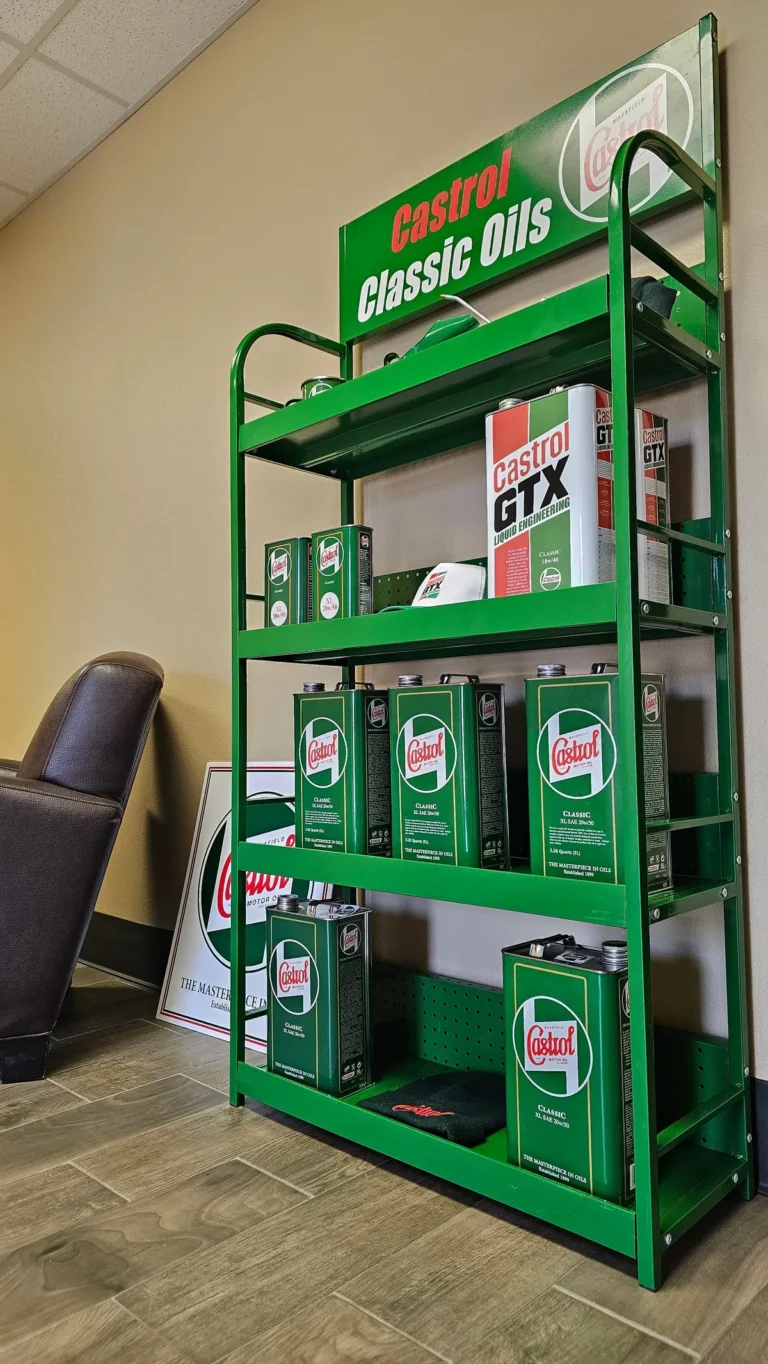
Gather the correct oil and a few basic supplies before opening the hood. The most important item is engine oil that meets your vehicle’s required viscosity grade and performance specifications. A bottle that fits your budget or has a familiar brand name is not automatically suitable for your engine.
Your owner’s manual is the best starting point. It may list a viscosity such as SAE 0W-20, 5W-20, or 5W-30, along with required industry standards or manufacturer approvals. Some engines require a particular specification even when several oils share the same viscosity grade.
Keep a clean funnel and a lint-free cloth nearby. A funnel helps prevent spills, while a clean cloth lets you wipe the dipstick and oil filler area. Avoid letting dirt, sand, or loose material fall into the engine.
Source: dreamstime.com
Correct engine oil
Choose oil that meets the grade and specifications required for your exact vehicle and engine.
Owner’s manual
Use it to confirm the oil grade, checking procedure, capacity information, and any special instructions.
Clean funnel
Use a funnel that fits the oil filler opening and is clean and dry.
Clean cloth or paper towel
Use it to wipe the dipstick and clean small spills from accessible surfaces.
Gloves and suitable clothing
These can help keep oil off your skin and clothes. Wash exposed skin with soap and water after the task.
How to Choose the Right Engine Oil
The viscosity grade describes how oil flows at different temperatures. In a grade such as 5W-30, the W relates to winter performance, while the second number describes the oil’s viscosity under a specified high-temperature test. These numbers do not tell the whole story about oil quality or compatibility.
Check for the required performance category and manufacturer approval as well. Some newer vehicles use engines designed for oils with specific fuel-economy, emissions-system, or durability requirements. An oil with the correct viscosity but the wrong required specification may not be a suitable choice.
Do not switch to thicker oil simply because the vehicle has high mileage, and do not assume synthetic oil is always required or always optional. Follow the vehicle maker’s instructions. If you cannot find the correct specification, ask a qualified parts professional or mechanic to confirm it before pouring.
Check the viscosity
Match the SAE grade listed for your engine and climate conditions.
Check the performance standard
Look for the API, ILSAC, ACEA, or manufacturer specification required by your vehicle, as applicable.
Check the bottle label
Read the full label instead of choosing oil by brand, color, or price alone.
Can You Mix Different Engine Oils?
Many engine oils can mix without causing an immediate problem, especially when they meet the same required specifications. However, mixing oils with different grades or specifications can make it harder to know whether the final mixture meets your engine’s requirements.
If your oil is low and you have access to the correct oil, use it. If you are stranded and only have another oil available, check your owner’s manual or contact roadside assistance for guidance. Do not use an unknown fluid or substitute transmission fluid, brake fluid, or power steering fluid for engine oil.
Best option
Use the same approved oil grade and specification already in the engine whenever possible.
If the oil type is uncertain
Verify compatibility before adding it, particularly for engines with strict oil requirements.
How to Check Your Engine Oil Level
Check the oil before adding any. You may find that the level is already within the correct range, or you may discover that the engine needs more oil. Many cars have a dipstick, while some newer models use an electronic oil-level display and require a specific checking procedure.
Park on a level surface and follow the owner’s manual for the engine temperature and waiting time. Many vehicles require the engine to be off for several minutes so the oil can drain back into the oil pan. Other vehicles specify a different procedure, so do not assume every engine should be checked in exactly the same way.
If your vehicle has an electronic oil-level system, use the dashboard menu or other method described in the manual. Do not search for a dipstick that the vehicle was not designed to have.
Source: mycarmakesnoise.com
Step 1: Park safely
Choose firm, level ground, shift into Park or the correct gear, apply the parking brake, and switch off the engine.
Step 2: Let the oil settle
Wait for the period specified by the manufacturer. Never reach near moving belts or fans while the engine is running.
Step 3: Find the dipstick
If fitted, locate the engine oil dipstick using the owner’s manual. Do not confuse it with another fluid’s dipstick.
Step 4: Pull and wipe
Remove the dipstick and wipe it clean with a lint-free cloth or paper towel.
Step 5: Reinsert and check
Push the dipstick fully back into its tube, remove it again, and read the oil level on the marked end.
How to Read the Oil Dipstick
Most dipsticks have two marks, two holes, a crosshatched area, or labels showing the acceptable range. The lower mark indicates the minimum level, and the upper mark indicates the maximum level. The oil should fall between these marks when checked according to the vehicle’s procedure.
If the oil is near the lower mark, a small top-off may be needed. If the oil sits below the minimum mark, add the correct oil carefully and check again. If the dipstick is completely dry, do not assume the engine is empty, but treat the situation seriously because the oil level may be dangerously low.
The distance between the minimum and maximum marks often represents a specific amount of oil, but that amount varies by engine. Do not assume the marks always represent one quart. Check your owner’s manual for the amount needed to move from one mark to the other.
Oil between the marks
The level is generally within the acceptable range, so additional oil may not be necessary.
Oil near or below the minimum mark
Add the specified oil in small amounts and recheck the level.
Oil above the maximum mark
Do not add more. Have excess oil removed if the reading is confirmed to be too high.
Repeat the manufacturer’s checking procedure on level ground. If the result remains unclear, seek professional help.
How to Add Engine Oil to a Car Step by Step
Once you confirm that the oil level is low, you can usually top it off without special tools. Work slowly, use the correct filler opening, and check the dipstick between additions. These small steps help prevent spills and overfilling.
Before starting, make sure the engine is off and the vehicle is parked securely. If the engine is very hot, let it cool enough for safe work and follow the manufacturer’s instructions. Keep your hands and clothing away from hot exhaust parts and any moving components.
Source: gscaltexindia.com
Step 1: Open the hood
Release the hood using the interior lever, then secure it with the support rod or confirm that the hood struts hold it open.
Step 2: Find the oil filler cap
Look for a cap marked with an oil-can symbol or an engine oil label. Confirm its location in the owner’s manual if you are unsure.
Step 3: Remove the cap
Unscrew the oil filler cap and place it somewhere clean. Do not let dirt or loose items enter the opening.
Step 4: Insert a clean funnel
Place a clean funnel securely in the filler opening to help direct the oil into the engine.
Step 5: Add a small amount
Pour in a modest amount of the correct oil. If the level is near the minimum mark, start with a small top-off rather than pouring in a full quart.
Step 6: Wait and check
Allow time for the oil to drain into the engine, then check the dipstick again using the proper procedure.
Step 7: Repeat if needed
If the level remains low, add another small amount and recheck. Stop when the level reaches the acceptable range.
Step 8: Refit the cap
Remove the funnel, reinstall the oil filler cap securely, and return the dipstick fully to its tube if fitted.
Step 9: Clean and inspect
Wipe away spilled oil from accessible surfaces, remove tools and cloths from the engine bay, and confirm that the cap is secure.
How Much Engine Oil Should You Add?
The amount depends on the starting level and the engine’s design. A small difference between the minimum and maximum dipstick marks may need only a modest top-off, while a reading below the minimum mark may need more. There is no single amount that fits every car.
For example, imagine that your owner’s manual states that the dipstick range represents one quart. If the level is exactly at the minimum mark, bringing it near the upper mark could require about one quart under the specified checking conditions. This is a hypothetical example, not a rule for every engine.
When the reading is unclear, add less first and check again. Never pour in the engine’s full oil-change capacity just because the dipstick looks low. The capacity listed for an oil change may include the filter and a specified service procedure, and the engine may still contain oil.
Add oil in small increments and check the reading after each addition.
Confirm the manual’s capacity details
Use the correct capacity for your engine and service condition, not a generic figure found online.
Stop before overfilling
Aim for a reading within the marked range and follow any special manufacturer instructions.
What If You Spill Oil While Pouring?
A small spill around the filler opening is easy to make, especially without a funnel. Wipe up accessible oil before starting the engine. Oil left on hot exhaust components may produce smoke or a burning smell, and larger spills can create a fire risk.
Do not spray cleaner onto hot engine parts or electrical connectors. If oil has run into an area you cannot reach safely, or a large amount has spilled onto the exhaust, let the vehicle cool and arrange proper cleaning before driving.
Small accessible spill
Blot and wipe it up with a clean cloth while the engine is off and the area is cool enough to touch safely.
Oil near the exhaust
Avoid starting the engine until the spill has been cleaned safely. Seek help if the oil is difficult to reach.
Large spill
Prevent the oil from reaching drains or soil, and use an appropriate absorbent material and local disposal method.
What to Do After Adding Engine Oil
After topping off the engine, confirm that the filler cap is secure and the dipstick is fully seated. Make sure no funnel, rag, bottle, or tool remains in the engine bay. A quick final check can prevent a small maintenance task from turning into a larger problem.
If the oil level was low, inspect the area beneath the parked car for fresh drips when it is safe to do so. Look for oil around accessible engine surfaces, but do not crawl beneath a vehicle supported only by a jack. Use suitable professional help if you need an underside inspection.
Whether you should start the engine depends on the warning signs and the vehicle’s instructions. If you were simply correcting a low dipstick reading and there are no warning lights or unusual symptoms, follow the normal starting procedure. If the oil pressure warning light was on, the engine was making loud knocking noises, or the vehicle has an active oil leak, do not assume adding oil makes it safe to drive.
Source: carbuzz.com
Confirm the level
Check that the oil is within the specified range using the correct procedure.
Secure the cap and dipstick
An unsecured cap or dipstick can allow oil to escape or create other problems.
Watch for warning lights
A persistent oil pressure warning requires prompt shutdown and diagnosis, not repeated attempts to drive.
Monitor the oil level
Check again according to the owner’s manual, especially if the level was very low or has fallen before.
Should You Run the Engine After Adding Oil?
You do not need to run the engine just to make fresh oil enter the sump. Gravity allows the oil to drain down, and the engine should remain off while you perform the initial level check and add oil.
Some vehicles require a specific procedure after starting the engine, such as waiting for a set period before checking again. Follow the owner’s manual for that exact engine. Never reach into the engine bay near belts, fans, or other moving parts while the engine is running.
If the oil pressure warning remains illuminated after a normal start, or if you hear knocking, rattling, or other severe new noises, switch off the engine as soon as it is safe. Arrange a tow or professional diagnosis rather than trying to drive the problem away.
Normal top-off with no warning signs
Follow the vehicle’s normal operating procedure and any specified final oil-level check.
Oil pressure warning remains on
Stop the engine promptly and seek professional help. The problem may involve pressure, oil supply, or another fault.
New smoke or burning smell
Shut the engine off if safe, let it cool, and check for spills or leaks before operating the car again.
Common Mistakes to Avoid When Adding Engine Oil
Most top-off mistakes happen when drivers rush, guess the oil grade, or pour in too much at once. A careful check takes only a little longer and can help protect the engine. If you are unsure about a step, stop and consult the manual rather than guessing.
Pay special attention to the maximum dipstick mark, the location of the oil filler opening, and any warning lights on the dashboard. These details matter more than the speed of the task.
Source: ranwhenparked.net
Adding oil without checking the level
You may add oil that the engine does not need. Check the level first and confirm that the reading is reliable.
Using the wrong oil
An oil can have the right viscosity number but fail another required specification. Check the full requirements.
Pouring too much at once
Large additions make overfilling more likely. Add small amounts and recheck between pours.
Pouring into the wrong opening
Do not confuse the engine oil filler with a coolant, brake fluid, or other service opening. Confirm the correct cap before opening it.
Checking on a slope
A tilted vehicle can produce an inaccurate dipstick reading. Move to level ground and repeat the check.
Ignoring a warning light
A low oil pressure warning can signal a serious problem even when the dipstick shows enough oil.
Leaving the cap loose
An unsecured filler cap can allow oil to escape. Refit it according to the manufacturer’s instructions.
Can You Add Oil When the Engine Is Hot?
You can add oil to many engines after normal operation, but a very hot engine creates burn risks and may require a waiting period before the level can be checked accurately. The exhaust manifold, nearby metal parts, and other engine components can remain hot after shutdown.
For routine maintenance, the simplest approach is to park safely, switch off the engine, and wait for the time stated in the owner’s manual. If the engine is extremely hot, allow it to cool further before working around it.
Never remove a pressurized coolant cap from a hot engine. The cooling system is separate from the engine oil system, and hot coolant can cause serious burns. If you are unsure which component you are opening, stop and check the manual.
Routine top-off
Wait for the manufacturer’s specified oil-check period and avoid contact with hot components.
Very hot engine or difficult access
Allow additional cooling time before opening the filler cap or reaching into the engine bay.
Unclear component location
Identify the correct filler cap in the owner’s manual before removing anything.
What Happens If You Overfill the Engine?
Overfilling can cause the crankshaft or other rotating parts to churn the oil, which may introduce air into it. Depending on the engine and the amount added, excess oil can also contribute to leaks, smoke, or damage to emissions-control parts. The exact effects depend on the engine design and how far above the maximum level the oil sits.
If you accidentally add too much, switch off the engine and confirm the reading using the correct procedure on level ground. If the level is above the maximum mark, have the excess removed before driving. A mechanic can extract or drain the excess safely.
Do not try to burn off excess oil by driving the car. That approach does not provide a reliable fix and may create more problems.
Slightly above the maximum mark
Confirm the reading and consult the manual or a mechanic about removing the excess.
Substantially overfilled
Do not start or drive the engine until the excess has been removed and the level is correct.
Smoke, leaks, or warning lights after overfilling
Stop the engine when safe and arrange a professional inspection.
Why Your Engine Oil Keeps Getting Low
If you need to add oil often, topping off is only a short-term response. The engine may be leaking oil, burning oil internally, or losing oil because of a maintenance or mechanical problem. Some engines use a small amount of oil during normal operation, but the expected rate varies by model and driving conditions.
Look for fresh oil spots beneath the parked car, oily residue around accessible engine areas, or a burning oil smell. Blue-gray exhaust smoke can indicate that oil is entering the combustion process, although smoke color alone cannot confirm the cause. A clean driveway does not rule out a leak because oil may collect on an engine cover or undertray.
Keep a record of the oil level, the amount added, and the distance driven between checks. This record can help a mechanic assess the rate of oil loss. If the level drops quickly, the oil warning appears, or the engine develops new noise, arrange service promptly.
Source: gomyreview.com
Visible oil spots
A leak may come from a seal, gasket, filter area, drain plug, or another engine component. A technician can locate the source.
Burning oil smell
Oil may be reaching a hot engine or exhaust surface. Stop if smoke is heavy or there is a risk of fire.
Blue-gray exhaust smoke
Oil may be burning inside the engine, but proper diagnosis is needed to identify the cause.
Repeated low readings
Track the amount added and mileage, then arrange an inspection if oil loss continues.
Oil pressure warning
Stop the engine as soon as it is safe. Do not keep driving simply because you have added oil.
Can You Drive With Low Engine Oil?
Whether you can drive depends on how low the level is, the vehicle’s warning system, and whether the engine has signs of a serious fault. If the dipstick is only slightly below the preferred range and there are no warnings or unusual noises, adding the correct oil before driving may resolve the low-level condition.
If the oil pressure warning light is on, the dipstick is dry, the engine is knocking, or oil is leaking rapidly, do not continue driving. Oil pressure is not the same as oil level, and a normal dipstick reading does not prove that oil is circulating properly.
If you cannot safely confirm the level or cannot obtain the correct oil, contact roadside assistance or a mechanic. A tow can cost less than repairing an engine damaged by inadequate lubrication.
Level slightly low, no warning signs
Top off with the correct oil and verify the level before driving.
Oil pressure light or severe engine noise
Stop the engine and arrange professional assistance.
Rapid oil loss or a large leak
Do not drive until the cause has been assessed and the vehicle is safe to operate.
How Often Should You Check Engine Oil?
The right checking schedule depends on the vehicle, its age, its condition, and the manufacturer’s guidance. Some cars monitor oil levels electronically, while others rely on a manual dipstick. Follow the owner’s manual rather than applying one fixed schedule to every engine.
Checking the oil before a long trip is a useful habit. You may also want to check more often if the vehicle is older, has a history of oil use, or operates under demanding conditions such as heavy traffic, frequent short trips, towing, or extreme temperatures.
Do not confuse checking the oil level with changing the oil. The level can remain correct while the oil ages, and the oil may need replacement even when it is not low. Use the maintenance schedule or oil-life monitor specified for your vehicle.
Source: italiancarshop.co.uk
Before a long road trip
Check the level and look for leaks so you can address a problem before traveling far from home.
After a low-oil warning
Check promptly according to the vehicle’s instructions and determine whether topping off is appropriate.
When the engine uses oil
Check at the interval recommended by the manufacturer or mechanic and keep a written record.
At routine service intervals
Check the level and follow the scheduled oil and filter maintenance requirements.
What Is the Difference Between an Oil Level Warning and an Oil Pressure Warning?
An oil level warning usually means the amount of oil in the engine may be too low. The owner’s manual explains how to verify the level and what action the vehicle requires. Some systems use sensors and may need the vehicle to be parked under specific conditions before giving a reliable reading.
An oil pressure warning is more urgent because it can mean the engine is not receiving adequate oil pressure. Low oil can cause this, but a failed pump, a blocked passage, a faulty sensor, or another mechanical problem may also be involved.
If the red oil pressure warning appears while driving, pull over as soon as it is safe and switch off the engine. Do not assume adding oil will solve it. Have the vehicle inspected before restarting or driving again if the warning persists or the cause is uncertain.
Oil level warning
Check the oil level using the manufacturer’s procedure and add oil if the reading confirms that it is low.
Oil pressure warning
Stop the engine as soon as it is safe and arrange diagnosis if the warning appears or remains on.
A Quick Decision Guide for Adding Engine Oil
Use the following guide to decide what to do after checking your oil. It separates a routine top-off from conditions that need more care. If two symptoms apply, follow the more cautious action.
Source: dreamstime.com
The oil is within the marked range
Do not add more unless the owner’s manual or an electronic system directs you to do so.
The oil is near the minimum mark
Add a small amount of the correct oil, wait for it to settle, and recheck the level.
The oil is below the minimum mark
Top off carefully in small amounts and investigate why the level is low. If the dipstick is dry or the loss is severe, seek professional advice before starting the engine.
The oil is above the maximum mark
Do not add more. Confirm the reading and have excess oil removed if overfilling is verified.
The oil pressure warning is on
Stop the engine as soon as it is safe and arrange a professional diagnosis.
Oil keeps disappearing
Record the amount added and mileage, check for visible signs of leaks, and schedule an inspection.
A Simple Example of a Safe Top-Off
Imagine that a driver in Texas checks a car before a long drive and finds the dipstick close to the minimum mark. The owner’s manual confirms the correct oil grade and states the amount represented by the dipstick range.
The driver parks on level ground, shuts off the engine, waits as directed, and adds a small amount through a clean funnel. After the oil settles, the driver checks the dipstick again and repeats the process only if the level remains low.
The driver stops once the reading is within the marked range, secures the cap, cleans any spill, and checks for warning lights or signs of a leak. This approach avoids guessing and reduces the risk of adding too much oil.
What makes the process safe
The driver uses the correct oil, follows the vehicle-specific procedure, checks between additions, and does not ignore warning signs.
Frequently Asked Questions
Q
Can I add engine oil without changing the oil?
Yes. You can usually top off engine oil without changing the oil or filter when the level is low and no other fault requires service. Use the correct oil and add only enough to bring the level into the specified range.
Topping off does not reset the oil-change interval or remove contaminants that have collected in the existing oil. Continue to follow the vehicle’s maintenance schedule.
Q
How long should I wait before checking the oil after adding it?
Wait long enough for the oil to drain into the oil pan, following the time and procedure in your owner’s manual. The required period varies by vehicle and checking method.
If the reading seems inconsistent, repeat the check on level ground and make sure the dipstick is fully inserted before taking the second reading.
Q
Can I add a whole quart of oil at once?
Only add a whole quart if you have confirmed that your engine needs that amount. A quart may be too much when the oil is only slightly below the preferred level.
Start with a smaller amount, recheck the dipstick, and add more only when needed. The owner’s manual can tell you how much oil the dipstick range represents for your engine.
Q
Can I add engine oil through the dipstick tube?
Use the designated engine oil filler opening whenever possible. The dipstick tube is intended for checking the level, and it may be narrow or unsuitable for pouring oil safely.
Do not pour oil into an opening unless the vehicle’s manual specifically identifies it as a permitted filling point. A suitable funnel makes topping off through the correct filler opening easier.
Q
What if I add the wrong engine oil?
The right response depends on the oil used, the amount added, the engine’s requirements, and whether the engine has been started. A small amount of a compatible oil may not cause an immediate problem, but the compatibility should not be assumed.
If you added a fluid other than engine oil, used an oil that clearly fails the required specification, or are unsure what entered the engine, do not keep driving until you have received vehicle-specific advice. Contact a qualified mechanic and explain exactly what was added and how much.
Q
Why is my engine oil low even though I recently changed it?
Possible causes include an oil leak, oil consumption, an incorrect fill amount, or a problem with the oil filter or drain plug. The actual cause depends on the vehicle and service history.
Check the level correctly and look for visible leaks without reaching under an unsupported car. If the level drops again, arrange an inspection and share the date of the oil change, the oil used, and the amount you have added.
Q
Can I drive immediately after topping off engine oil?
If the oil was only slightly low, you added the correct oil, the level is now within range, and there are no warning lights, unusual noises, or signs of a serious leak, follow the owner’s manual before resuming normal driving.
Do not drive if the oil pressure warning remains on, the engine makes severe knocking noises, the oil level is still dangerously low, or a large leak is present. Stop the engine when safe and arrange professional help.
✦ Wrapping Up
Conclusion
Learning how to add engine oil to a car can help you handle a common maintenance task with confidence. Park on level ground, switch off the engine, check the level correctly, use the specified oil, and add it slowly through the proper filler opening.
The most important part is checking the level again before you finish. Too little oil can leave engine parts without proper lubrication, while too much can cause its own problems. If the level keeps dropping, a warning light stays on, or the engine makes unusual noises, treat those signs as a reason to investigate rather than simply adding more oil.
💡 Key Takeaway
Before your next drive, check your owner’s manual for the correct oil grade and dipstick procedure. If the level is low, top it off in small amounts, recheck it, secure the filler cap, and investigate any repeated oil loss.
The direct answer to “does cvs sell motor oil” is simple: don’t assume your nearest CVS has it. CVS isn’t a dedicated autoparts chain, and any engineoil…
Learning how to drain motor oil is usually simple when the engine has a clear sump plug. Motor oil, also called engine oil, lubricates, cools, and cleans the…
If you need engine oil now, the short answer to “does walgreens sell motor oil?” is sometimes. Walgreens has listed selected motoroil products for store pickup…