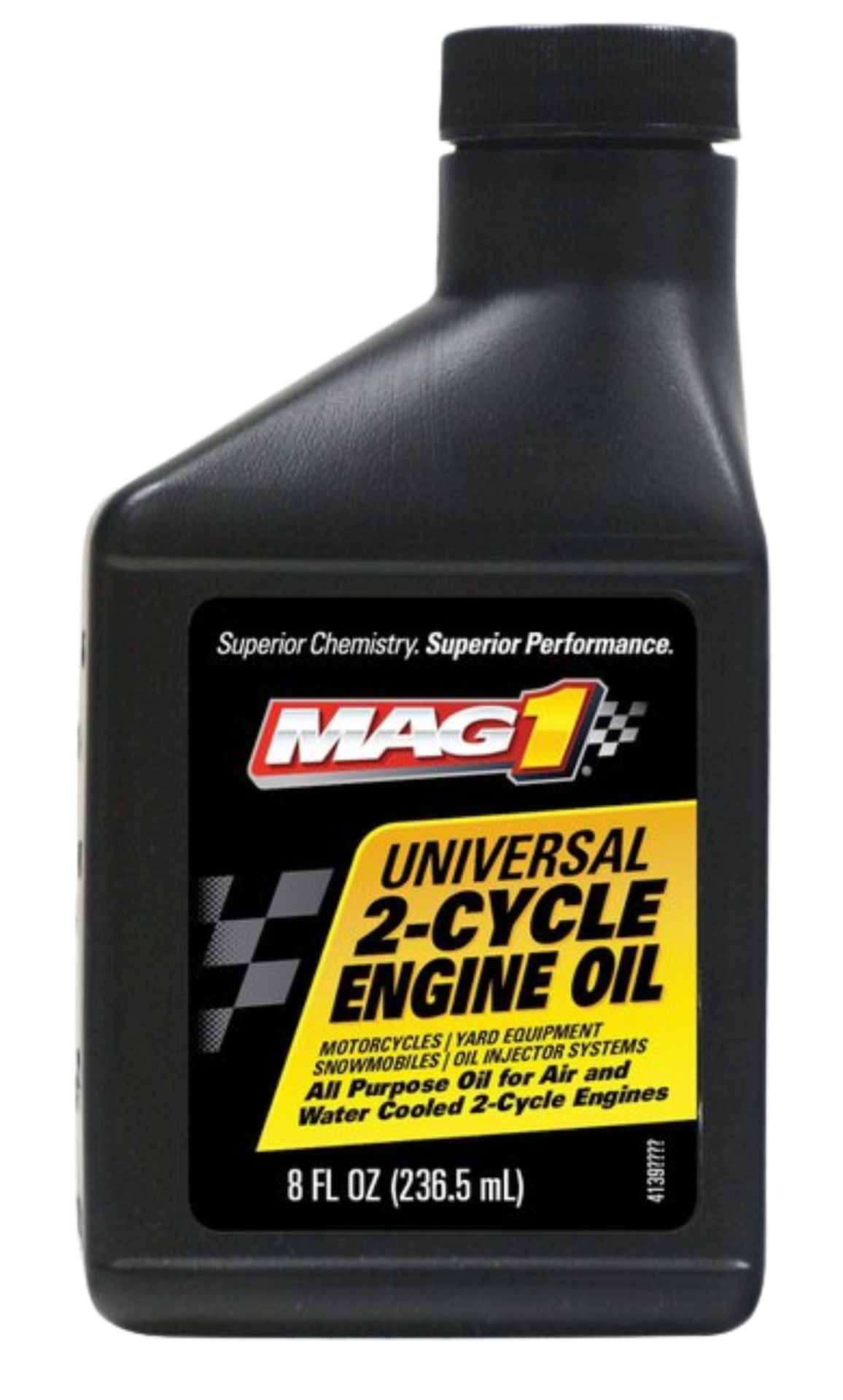
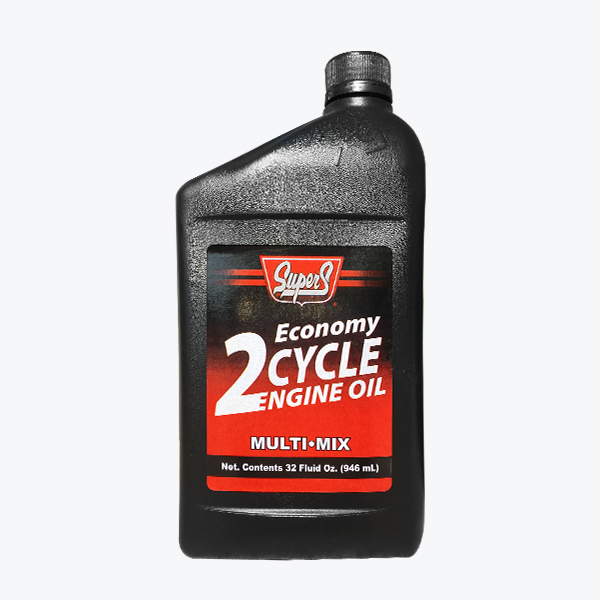
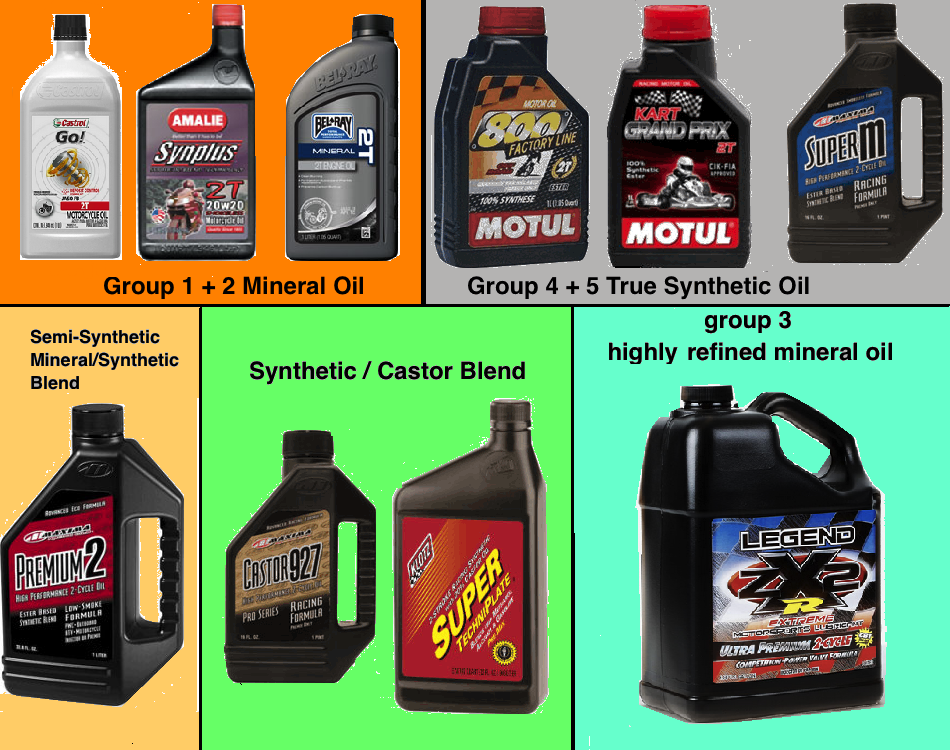
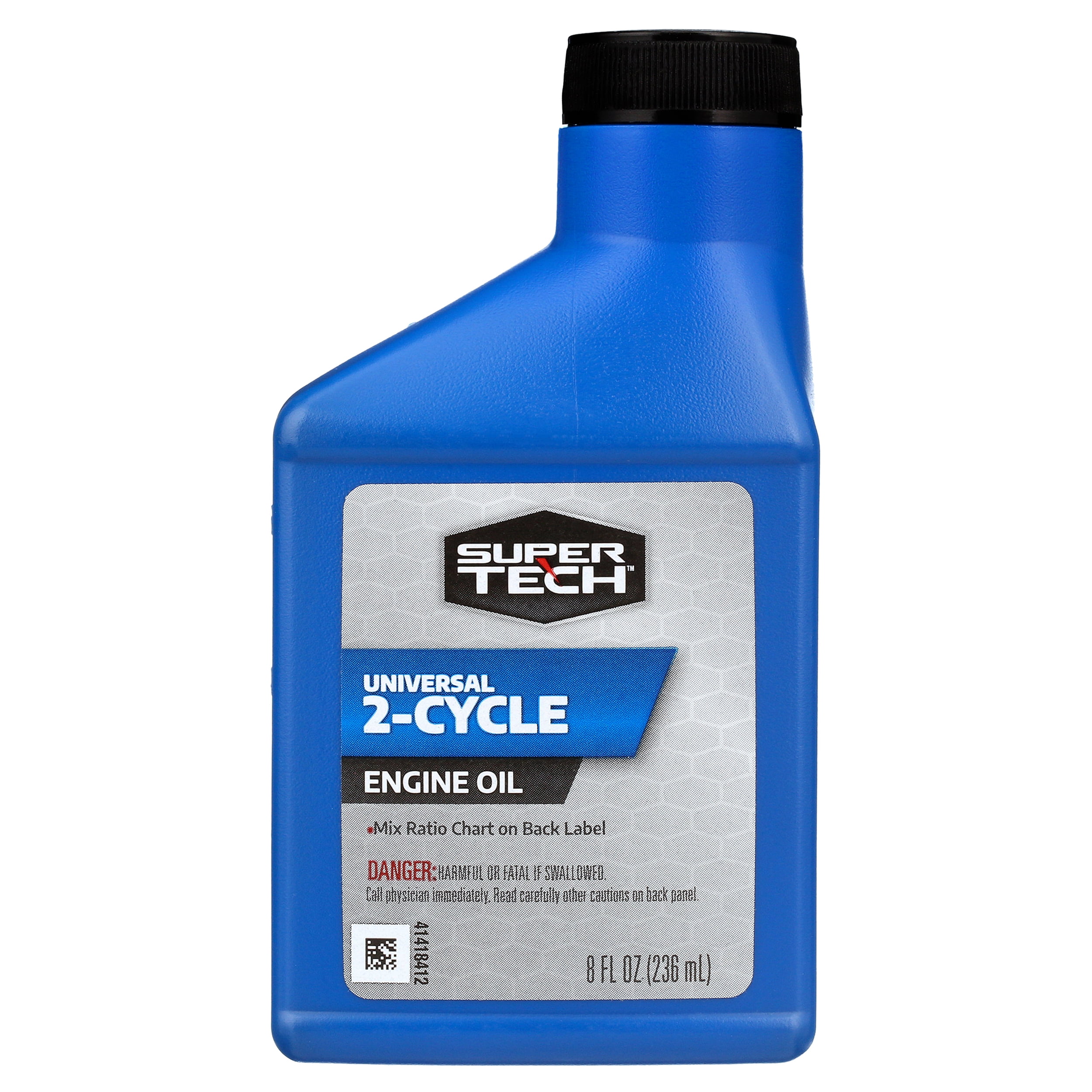
2-cycle engine oil is a special lubricant for two-stroke engines. It protects moving parts and is usually mixed with gasoline or supplied by a separate oil injection system.
If you own a gas-powered chainsaw, string trimmer, leaf blower, or older two-stroke dirt bike in the United States, you may need 2-cycle engine oil. This oil helps protect the engine while it runs at high speed. Unlike most car engines, many two-stroke engines do not store their working oil in a separate sump.
Instead, the engine gets its lubricant through oil mixed with gasoline or delivered by a dedicated injection system. The oil protects parts such as the piston, cylinder wall, bearings, and other moving surfaces. The engine then burns much of this oil during normal operation, so choosing the right type and amount matters.
The key is to follow the equipment maker’s instructions. Some engines need a 50:1 gas-to-oil ratio, while others require 40:1, 32:1, or another specified mixture. The correct ratio depends on the engine design, not on a guess or a general rule.
Source: yoderoil.com
What Is 2-Cycle Engine Oil?
2-cycle engine oil, also called two-stroke oil or 2T oil, is a lubricant designed for engines that complete a power cycle in two piston strokes. These engines often use a compact design with fewer moving parts than a comparable four-stroke engine. Many are found in portable tools and recreational equipment.
The main job of two-cycle oil is to reduce friction, limit wear, and help protect hot engine parts. It also needs to work with the fuel system and combustion process. Because the oil may burn along with gasoline, its formulation differs from many oils designed for engines that keep their lubricant in a separate oil pan.
The phrase 2-cycle engine oil describes a category rather than one universal formula. Products may differ in their base oils, additives, intended engine type, and performance standards. A bottle suitable for one tool is not automatically suitable for every two-stroke engine.
Source: iner-g.com
Lubrication
The oil forms a protective film on moving parts, helping reduce friction and metal-to-metal contact.
Heat and wear control
Proper lubrication helps protect pistons, cylinders, bearings, and other parts exposed to high speed and heat.
Combustion compatibility
Two-cycle oil is formulated for the operating conditions of two-stroke engines, including the fact that much of the oil passes through combustion.
Deposit control
Suitable oil can help limit unwanted deposits, although results depend on the formula, engine condition, fuel, and operating conditions.
Why Is It Called Two-Cycle Oil?
The name comes from the engine’s operating cycle. A two-stroke engine completes its basic cycle in two piston strokes: one upward stroke and one downward stroke. The crankshaft makes one full turn for each cycle, and the engine can produce a power stroke during each turn under normal operation.
A four-stroke engine uses four piston strokes to complete its cycle: intake, compression, power, and exhaust. This design commonly uses a separate lubrication system in which motor oil circulates through the engine and returns to an oil sump.
Two-stroke design
Many small two-stroke engines use fuel mixed with oil or a separate oil injection system.
Four-stroke design
Most lawn mowers, cars, and many generators use a separate crankcase lubrication system and require the specified four-stroke engine oil.
What Does 2T Oil Mean?
The label 2T usually means two-stroke oil. The terms 2-cycle oil, two-cycle oil, two-stroke oil, and 2T oil are often used for the same general product category. Still, the label alone does not confirm that an oil meets the requirements of a specific engine.
Check the full label
Look for the intended engine type, required performance classifications, and any stated manufacturer approvals.
How Does 2-Cycle Engine Oil Work?
Two-cycle engine oil works by reaching moving engine parts before or during combustion. In a premix engine, the oil is measured into gasoline and enters the fuel system with it. As the fuel-and-oil mixture moves through the engine, the oil helps lubricate the crankshaft bearings, connecting rod bearings, piston, and cylinder, depending on the engine design.
The gasoline provides most of the fuel energy, while the oil provides lubrication. During operation, the engine burns much of the oil along with the fuel and sends the resulting exhaust out through the exhaust system. This explains why two-stroke engines may produce a visible exhaust haze, especially when cold or when running a richer oil mixture.
Not every two-stroke engine uses premixed fuel. Some have an oil tank and a metering pump that feeds lubricant into the engine as needed. These systems still require the specified two-stroke oil, but the owner must follow the manufacturer’s instructions for filling and maintaining the oil reservoir.
Source: d2j6dbq0eux0bg.cloudfront.net
Premix lubrication
Oil is measured into gasoline before the fuel enters the engine. The mixture must match the specified ratio.
Oil injection
A separate reservoir and pump deliver oil to the engine. Do not add oil to the gasoline unless the manufacturer also requires premixing.
Exhaust and deposits
Some oil leaves through the exhaust after combustion. The oil’s formulation and the engine’s operating conditions affect smoke and deposits.
Why Can a Two-Stroke Engine Fail Without Enough Oil?
The protective oil film separates moving metal surfaces and helps limit heat caused by friction. If the engine receives too little oil, the film may break down under load. The piston can scuff against the cylinder wall, bearings can wear, and severe damage may cause the engine to seize.
A seized engine may stop suddenly and require major repair or replacement. Do not assume that adding oil after a serious lubrication failure will fix the damage. If the engine suddenly loses power, makes unusual metallic noises, or locks up, stop using it and have the cause checked.
Warning signs
Unusual heat, power loss, metallic noises, or sudden stopping can indicate a problem. These signs have several possible causes and do not prove that the oil ratio is wrong.
Safer response
Stop the engine, let it cool, and inspect the fuel mixture and equipment instructions before restarting. Seek qualified service if damage may have occurred.
Which Equipment Uses 2-Cycle Engine Oil?
Two-cycle oil is common in small gasoline-powered tools and recreational engines that use a two-stroke design. In the United States, homeowners may encounter it when maintaining a string trimmer, chainsaw, handheld leaf blower, or certain older lawn and garden tools. Two-stroke engines are also used in some motorcycles, personal watercraft, outboard motors, and other recreational equipment.
However, the equipment’s appearance does not tell you which oil it needs. Two tools made for the same task can use different engine designs. A gas-powered string trimmer may require premixed fuel, while another model may use a different system or a battery-powered motor that needs no engine oil.
Before buying oil, identify the equipment brand, model number, and engine type. Read the fuel and lubrication instructions in the owner’s manual or on the machine’s label. If the label is missing, use the manufacturer’s official manual for the exact model.
Source: m.media-amazon.com
String trimmers and weed eaters
Many gasoline two-stroke models require a specific gasoline-to-oil ratio. Some models use four-stroke engines or other designs, so check first.
Chainsaws
Many gas chainsaws use two-stroke oil mixed with gasoline. They also need separate bar-and-chain oil to lubricate the cutting chain.
Leaf blowers
Handheld gasoline blowers may use premix or oil injection. Follow the exact model’s instructions.
Marine engines
Two-stroke outboards and personal watercraft may require oils that meet specific marine standards. Ordinary air-cooled tool oil may not be suitable.
Motorcycles and recreational vehicles
Some two-stroke motorcycles, scooters, and off-road vehicles use premix or injection oil. The required formulation depends on the engine and intended use.
Does Every Gas-Powered Lawn Tool Need 2-Cycle Oil?
No. Gasoline-powered equipment may use a two-stroke engine, a four-stroke engine, or another configuration. A four-stroke lawn mower usually requires engine oil in a separate crankcase rather than oil mixed into its gasoline.
Using premixed fuel in a four-stroke engine that does not call for it can cause smoke, fouling, and running problems. Putting ordinary four-stroke motor oil into a two-stroke premix tank is also not a proper substitute. Check the engine design before adding either fluid.
Look for fuel instructions
A label calling for a gas-to-oil ratio usually indicates premix lubrication, but confirm the full instructions.
Look for an oil fill or dipstick
A separate engine oil fill or dipstick may indicate a four-stroke lubrication system. Confirm this in the manual rather than relying on appearance alone.
What Is the Correct 2-Cycle Oil-to-Gas Ratio?
The correct 2-cycle oil-to-gas ratio is the one specified by the engine manufacturer. Common ratios include 50:1, 40:1, and 32:1, but these values are not interchangeable. A ratio that works for one tool may provide too much or too little oil for another.
A ratio such as 50:1 means 50 parts gasoline to one part oil by volume. A 40:1 mixture contains 40 parts gasoline for each part of oil. As the second number gets smaller, the mixture contains more oil relative to gasoline.
Do not choose a ratio simply because it is printed on a bottle of oil. The engine maker’s requirements take priority, unless the manufacturer specifically approves another ratio or oil specification. If the manual is unclear, contact the equipment maker or an authorized service center before using the engine.
Source: tyttbudget.com
50:1
Common in many modern handheld outdoor power tools. This means 50 parts gasoline to one part oil, not 50 parts oil to one part gasoline.
40:1
Used by some small engines that call for a richer oil mixture than 50:1.
32:1
Required by some engines and equipment designs. Do not use it as a universal default.
Other ratios
Some engines require other ratios or use a separate oil injection system. Follow the model-specific instructions.
How Much 2-Cycle Oil Goes Into One Gallon of Gas?
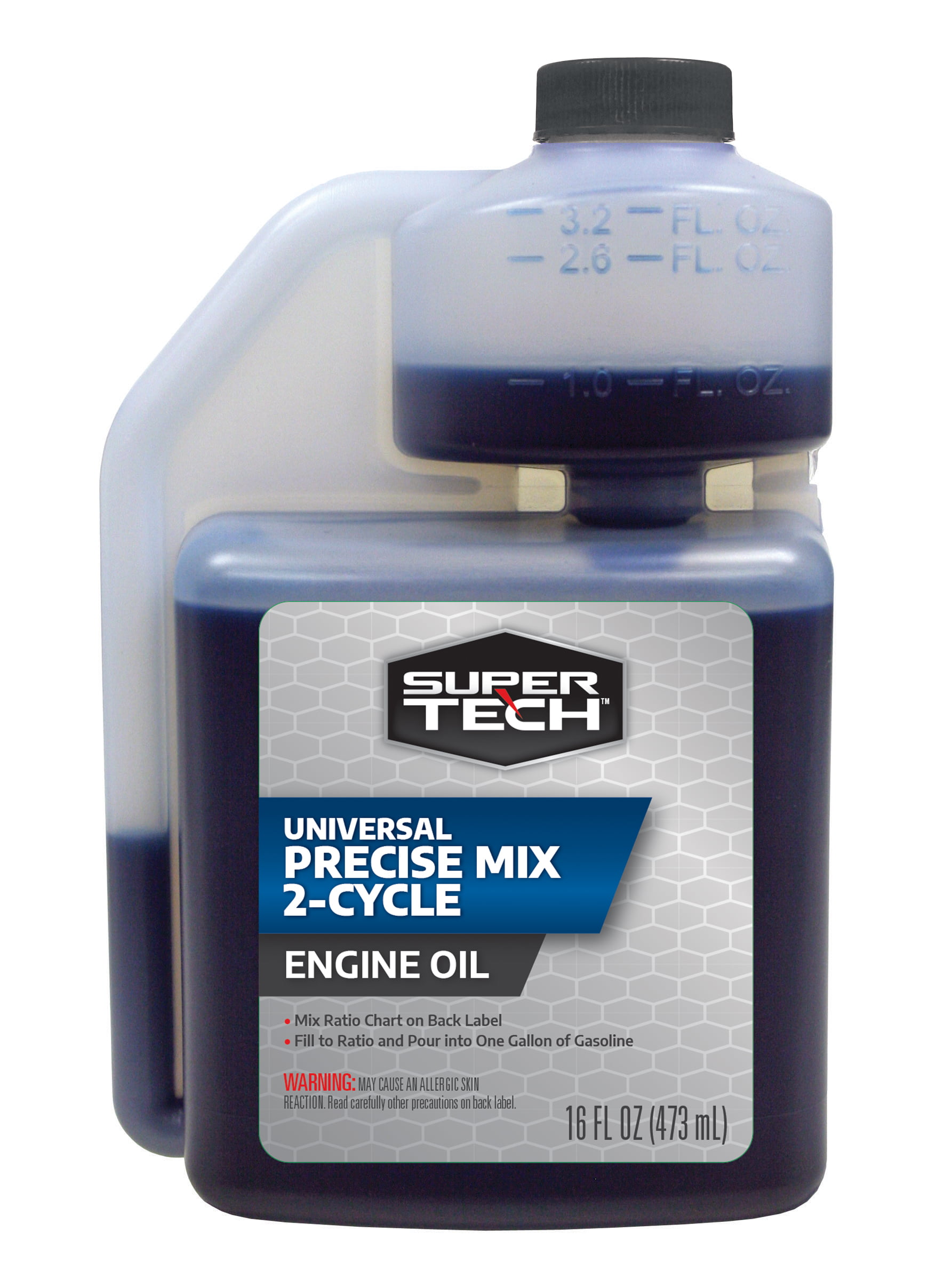
The table below shows approximate US fluid ounces of oil needed for common premix ratios when starting with one US gallon of gasoline. One US gallon contains 128 US fluid ounces. The figures are rounded for practical measuring and are based on the stated gasoline volume.
50:1 ratio
Use about 2.6 US fluid ounces of oil for one US gallon of gasoline.
40:1 ratio
Use about 3.2 US fluid ounces of oil for one US gallon of gasoline.
32:1 ratio
Use 4 US fluid ounces of oil for one US gallon of gasoline.
25:1 ratio
Use about 5.1 US fluid ounces of oil for one US gallon of gasoline, but only if the engine manufacturer specifies this ratio.
2-Cycle Oil Mixing Chart
Use this reference chart for common US fuel amounts. These values are rounded and assume that the stated amount is gasoline volume before adding oil.
One US fluid ounce is about 29.6 milliliters. Use a measuring device marked for small liquid volumes rather than estimating by eye.
How Is the Oil Amount Calculated?
For a gasoline volume measured in US fluid ounces, divide that volume by the first number in the ratio. For one US gallon of gasoline, the calculation for a 50:1 ratio is 128 divided by 50, which equals 2.56 US fluid ounces of oil.
This is a mixing calculation, not a substitute for the manufacturer’s instructions. If a manual specifies a different fuel volume, ratio, or mixing procedure, use that guidance. Measure the oil accurately and avoid adding extra oil as a precaution.
Example
For 2 US gallons of gasoline at 40:1, calculate 256 divided by 40. The result is 6.4 US fluid ounces of oil.
How to Mix 2-Cycle Engine Oil With Gasoline
Mixing two-cycle fuel correctly starts with the equipment maker’s fuel requirements and the oil label. Use the specified gasoline grade, the correct two-stroke oil, and an approved fuel container. Work outdoors or in a well-ventilated area away from flames, sparks, cigarettes, and hot equipment.
Never mix fuel in a drinking-water bottle, food container, or unapproved vessel. Gasoline is highly flammable, and its vapors can travel to an ignition source. Wear suitable protective gear, avoid skin and eye contact, and follow the safety information on the fuel and oil containers.
Source: dragonfly75.com
Step 1: Confirm the required ratio
Check the manual or fuel label for the exact gasoline-to-oil ratio and required oil type. Confirm whether the engine uses premix or oil injection.
Step 2: Select suitable gasoline
Use gasoline that meets the engine manufacturer’s octane and ethanol limits. Do not assume that every engine accepts the same fuel blend.
Step 3: Measure the oil
Calculate the required oil amount and measure it with a suitable liquid measuring tool. Do not guess from the bottle’s appearance.
Step 4: Add the fuel and oil
Follow the container and equipment instructions. Many manufacturers advise adding part of the gasoline, adding the measured oil, then adding the remaining gasoline.
Step 5: Close and mix
Secure the cap and gently mix the contents according to the container and equipment instructions. Check for leaks before using the fuel.
Step 6: Label and store
Clearly label the container as premixed two-cycle fuel, including the ratio where useful. Store it in an approved container in a safe location away from ignition sources and out of reach of children.
How Do You Know the Mixture Is Correct?
The most reliable check is the measurement itself. Confirm the correct ratio, use the right fuel and oil, and measure both carefully. The engine may start and run even with a wrong mixture, so smooth operation alone does not prove that the ratio is correct.
If you suspect that you mixed the fuel incorrectly, do not keep running the engine to see what happens. Consult the manual for the correct procedure and replace the questionable fuel when necessary. If the engine has already run with a seriously incorrect mixture, watch for abnormal noise, overheating, or power loss and arrange service if symptoms appear.
Signs of a mixing error
An incorrect calculation, an unmarked container, or uncertainty about the measured amounts means the mixture should be checked before use.
Avoid visual estimates
Oil color and fuel appearance cannot reliably establish the gas-to-oil ratio.
What Is the Difference Between 2-Cycle and 4-Cycle Engine Oil?
The main difference is how the engine uses and circulates its lubricant. Many two-stroke engines receive oil through premixed fuel or an injection system. Most four-stroke engines circulate oil through a separate lubrication system and keep it in a crankcase or sump.
Two-cycle oil is designed for the lubrication needs of its engine type and for its route through combustion. Four-cycle motor oil is designed for a different lubrication system and is not a direct substitute for oil that must be mixed with gasoline. Using the wrong oil can lead to poor lubrication, deposits, smoke, or engine damage.
A product labeled synthetic, premium, or all-purpose is not automatically suitable for both engine types. The exact application and performance specifications matter more than broad marketing terms.
Source: i5.walmartimages.com
How it is supplied
Two-cycle engines may use premix or oil injection; four-cycle engines usually have a separate oil supply.
How it is consumed
Two-cycle engines commonly burn much of the oil used for lubrication. Four-cycle engines normally circulate and retain their engine oil until it is changed or consumed through normal use or a fault.
Oil selection
Choose the lubricant specified for the engine design, application, and required performance standard.
Maintenance
Two-cycle premix engines require accurate fuel mixing, while four-cycle engines commonly require oil-level checks and scheduled oil changes.
Can You Use 2-Cycle Oil in a Lawn Mower?
Only if the specific lawn mower’s engine is designed to use it. Many common walk-behind lawn mowers have four-stroke engines that require the correct motor oil in a separate crankcase. They should not receive premixed fuel unless the manufacturer explicitly calls for it.
Some specialized equipment may use a two-stroke engine, so the machine’s category alone is not enough to decide. Check the model number, engine label, and manual before adding oil or fuel.
If the mower has a four-stroke engine
Use the specified crankcase oil and gasoline separately.
If the mower has a two-stroke engine
Use the exact oil type and fuel ratio listed by the manufacturer.
Can You Use Regular Motor Oil as 2-Cycle Oil?
Do not substitute ordinary automotive motor oil for purpose-made two-cycle oil in a premix system unless the engine manufacturer explicitly approves that product. Automotive motor oil is formulated for different operating conditions and may not burn or protect the engine as required.
If the wrong oil has already been added, avoid starting the engine until you have checked the manual or contacted a qualified service provider. The correct response depends on how much was added, the engine design, and whether the engine has run.
Use the specified product
Check the label for two-stroke use and any required performance classification.
How to Choose the Right 2-Cycle Engine Oil
Choose two-cycle oil by matching the engine manufacturer’s requirements, not by price or bottle size alone. Start with the owner’s manual and confirm the intended application, required fuel ratio, and any performance standard. A product intended for an air-cooled handheld tool may not meet the needs of a water-cooled marine engine.
Oil type can also affect deposits, exhaust smoke, spark plug condition, and engine cleanliness. Synthetic and mineral-based oils may both be suitable for particular engines, but neither type is universally better for every application. The manufacturer-approved specification is the key decision point.
Source: i5.walmartimages.com
Engine application
Match the oil to the equipment, such as an air-cooled handheld engine, motorcycle, or marine outboard.
Performance specification
Check any required API, JASO, NMMA, or manufacturer-specific standard. Use only a specification appropriate to the engine and its operating conditions.
Mixing ratio
Confirm that the oil can be used at the engine maker’s specified ratio. Do not change the ratio simply because an oil label lists a different common mixture.
Fuel compatibility
Follow the manual’s guidance on gasoline octane, ethanol content, and fuel freshness.
Operating conditions
Heavy loads, frequent starts, high engine speeds, and marine use can make the correct oil specification especially important.
Is Synthetic 2-Cycle Oil Better?
Synthetic two-cycle oil can offer useful performance features, depending on its formulation and the engine it is designed for. It may be formulated to control deposits, support lubrication under demanding conditions, or reduce visible smoke. These benefits depend on the exact product and cannot be assumed from the word synthetic alone.
Mineral-based two-cycle oil can also be suitable when it meets the engine maker’s requirements. Do not assume that synthetic oil permits a leaner fuel mixture or a different ratio. Follow the specified ratio unless the manufacturer explicitly authorizes a change.
Choose by specification
An approved oil that meets the engine requirements is a better choice than an unsuitable oil marketed as premium.
Compare practical needs
Consider the engine type, operating conditions, storage needs, and cost per correctly mixed gallon of fuel.
What About Marine Two-Stroke Oil?
Marine two-stroke engines may require oil that meets a specific marine performance standard. Their cooling systems, operating conditions, and lubrication requirements can differ from those of air-cooled chainsaws and trimmers.
For an outboard motor or personal watercraft, check the exact manual and required approval. Do not assume that a general-purpose two-cycle oil is suitable simply because it mixes with gasoline.
Marine approval
Use the stated marine specification where required, and follow the equipment maker’s premix or injection instructions.
Common 2-Cycle Engine Oil Problems and Mistakes
Many two-stroke engine problems begin with the wrong fuel, an incorrect mixture, old gasoline, or an oil that does not meet the required specification. Other faults, such as a dirty air filter, worn spark plug, blocked exhaust, or fuel-system problem, can produce similar symptoms. Check the simple and safe items first rather than assuming every running problem is caused by the oil.
Stop using the engine if it overheats, makes severe metallic noises, loses power suddenly, or appears to seize. Allow it to cool before inspection, and never remove a hot fuel cap or work near an ignition source. If you suspect internal damage, seek qualified repair rather than repeatedly attempting to restart it.
Too little oil
An oil-deficient mixture can increase friction and wear. Confirm the ratio and stop operating the engine if lubrication failure is suspected.
Too much oil
Excess oil can contribute to smoke, carbon deposits, spark plug fouling, and poor running. Do not treat extra oil as added protection.
Wrong oil type
Oil made for a different engine or application may not provide the required performance.
Old or contaminated fuel
Stored fuel can degrade, and dirt or water can interfere with engine operation. Follow the manufacturer’s fuel storage and disposal guidance.
Confusing different oils
Two-cycle engine oil, four-cycle crankcase oil, and chainsaw bar-and-chain oil have different purposes and should not be interchanged without explicit approval.
Why Is My Two-Stroke Engine Smoking Too Much?
Excessive exhaust smoke can result from an oil-rich mixture, a cold engine, poor combustion, an unsuitable oil, or a mechanical fault. Some smoke may occur during normal two-stroke operation, so a small amount does not automatically mean the mixture is wrong.
Check the fuel ratio, oil type, and starting or warm-up instructions. If the ratio is correct but smoke remains excessive, inspect the equipment according to the manual or arrange service. Never reduce the oil amount below the specified ratio just to make the exhaust look cleaner.
First check
Verify the ratio and oil specification against the manual.
If smoke continues
Check for other maintenance issues and seek service if the engine runs poorly or shows additional warning signs.
What Happens If You Put the Wrong Fuel Mixture in the Engine?
The result depends on the error. Too little oil can cause inadequate lubrication, while too much oil may increase deposits and interfere with combustion. The wrong gasoline grade or an unsuitable fuel blend can also affect starting and running.
If you discover the mistake before starting the engine, do not use the questionable mixture. Follow the manufacturer’s instructions for draining or replacing it, and dispose of unwanted fuel through an appropriate local hazardous-waste or household chemical collection service. Never pour gasoline onto the ground or into a drain.
Before starting
Keep the incorrect mixture out of the equipment and prepare fresh fuel that meets the stated requirements.
After running
Stop the engine if a serious mixture error is suspected. Have it inspected if there are signs of overheating, abnormal noise, or power loss.
How to Store and Handle Two-Cycle Fuel Safely
Mixed two-cycle fuel needs careful storage because gasoline can deteriorate and its vapors can ignite. Use an approved, tightly closed fuel container that is clearly labeled. Keep the container away from living areas, heat, flames, sparks, and other ignition sources, and follow local fire-safety rules.
There is no single storage life that applies to every premixed fuel. Freshness depends on the gasoline, oil, fuel stabilizer if used, container, storage conditions, and equipment maker’s guidance. Mark the mixing date on the container and prepare only as much fuel as you expect to use within the recommended period.
Keep fuel out of reach of children and pets. Avoid breathing vapors, prevent spills, and clean up accidental releases according to the product label and local guidance. Do not refuel a hot engine, and never smoke while handling gasoline.
Use an approved container
Choose a container designed for gasoline and keep it closed when not in use.
Label the mixture
Write the fuel type, oil ratio, and mixing date on the container so it is not confused with straight gasoline.
Follow storage limits
Use the manufacturer’s guidance for fuel freshness and do not rely on a universal storage deadline.
Prevent ignition
Keep fuel away from flames, pilot lights, electrical sparks, hot engines, and other ignition sources.
Dispose of old fuel properly
Use an approved local fuel or household hazardous-waste disposal option. Do not dump gasoline into drains, soil, or waterways.
Can You Leave Mixed Two-Cycle Fuel in a Tool?
Whether mixed fuel can remain in a tool depends on the engine maker’s storage instructions and the fuel system. Some manufacturers recommend draining the tank or running the engine dry before long storage, while others provide a different procedure.
Before winter storage or a long break between jobs, consult the manual. Do not apply a generic storage method to every engine, especially one with an oil injection system or a specialized fuel setup.
For short breaks
Follow the instructions for ordinary use and keep the fuel container sealed.
For long storage
Use the specific procedure for the model, including any directions on draining fuel, stabilizer, or service.
Frequently Asked Questions
Q
Is 2-cycle engine oil the same as two-stroke oil?
Yes. The terms 2-cycle oil, two-cycle oil, two-stroke oil, and 2T oil generally describe oil designed for two-stroke engines. However, products within this category can have different specifications, so always match the oil to the exact engine and application.
Q
Do I mix 2-cycle oil with gasoline?
You mix it with gasoline when the engine uses a premix lubrication system. Some two-stroke engines have a separate oil reservoir and injection pump, so they do not use the same premixing procedure. Check the manual before adding oil to the fuel.
Q
How much 2-cycle oil do I need for one gallon of gas?
The amount depends on the required ratio. For one US gallon of gasoline, a 50:1 mixture needs about 2.56 US fluid ounces of oil, a 40:1 mixture needs 3.2 US fluid ounces, and a 32:1 mixture needs 4 US fluid ounces. Use only the ratio specified for your engine.
Q
Can I use 2-cycle oil in a four-stroke engine?
Do not use two-cycle oil as a substitute for the specified crankcase oil in a four-stroke engine unless the manufacturer explicitly approves it. Four-stroke engines generally need oil in a separate lubrication system, and their oil requirements differ from those of two-stroke engines.
Q
Can I use any brand of two-cycle engine oil?
Not automatically. The oil must meet the engine manufacturer’s required application and performance specification. A different brand may be suitable if its label confirms that it meets the required standard and the manufacturer permits its use.
Q
Is synthetic two-cycle oil worth using?
Synthetic oil may offer useful deposit-control or smoke-related features in some applications, but the benefits depend on the exact formula and engine. A suitable mineral-based oil can also work well if it meets the manufacturer’s requirements. Never change the specified fuel ratio solely because you switch to synthetic oil.
Q
Does two-cycle engine oil expire?
Unopened oil and premixed fuel have different storage considerations. Follow the oil maker’s shelf-life guidance and the fuel manufacturer’s storage instructions. Once gasoline and oil are mixed, the usable period depends on the fuel, container, storage conditions, and equipment guidance.
Q
Is chainsaw bar oil the same as 2-cycle engine oil?
No. Two-cycle engine oil lubricates the engine, while bar-and-chain oil lubricates the chainsaw’s cutting bar and chain. Many chainsaws need both products, each added to its correct tank or fuel mixture as directed by the manufacturer.
✦ Wrapping Up
Conclusion
2-cycle engine oil is a specialized lubricant for two-stroke engines found in many chainsaws, string trimmers, leaf blowers, and recreational machines. It protects moving parts while working with an engine design that often burns much of its lubricant during operation. Some engines use premixed gasoline and oil, while others use a separate oil injection system.
The most important choice is not the brand, color, or whether the bottle says synthetic. It is whether the oil meets the engine maker’s requirements and is used in the correct amount. The wrong mixture can cause smoke, deposits, poor running, or severe engine damage.
Before your next fill-up, identify the engine model, confirm the oil specification and fuel ratio, measure the ingredients accurately, and store the fuel safely. These simple checks help protect your equipment and reduce avoidable repair costs.
💡 Key Takeaway
Check your equipment’s owner’s manual before mixing fuel. Confirm the required two-cycle oil, gasoline grade, and exact ratio, then measure and label the mixture carefully.
If you’ve searched how to buy motor oil in bulk and landed on a list of “top 10 brands,” you’re in the wrong place. The real question isn’t which oil to pick.…
If you’re standing in the autoparts aisle, the real question is often simple: how much does motor oil cost? A conventional quart may cost $4 to $9, while a…