Do Gas Stations Sell Motor Oil: Best guide
You've pulled up to the pump, noticed your oil light is on, and you're thinking: do gas stations sell motor oil? The short answer is yes, but the shelf is way smaller than you'd expect. Most branded stations stock 4 to 10 SKUs.
A rural unbranded stop might have one bottle of 10W-30 or absolutely nothing.
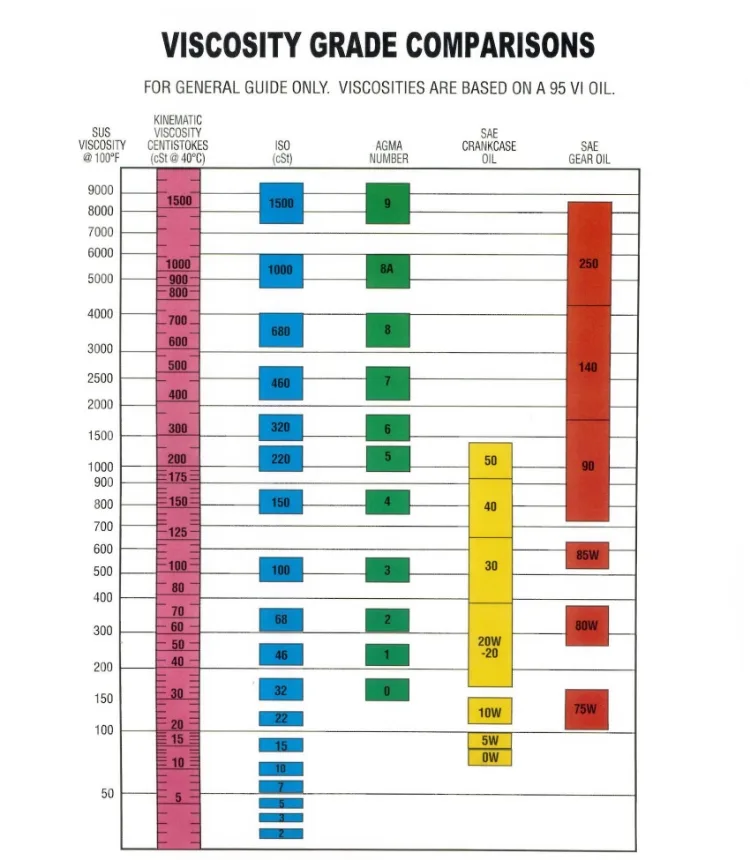
Here's the detail that matters. The SAE J300 viscosity standard governs every grade you'll see on that shelf. As of 2026, full synthetic 0W-20 or 0W-16 is still rare behind a C-store counter.
You'll find conventional and blend oils far more often. So before you grab the next bottle, let's sort out what you actually need.
Quick Answer
Do gas stations sell motor oil? Yes, most do. Branded stations carry 4 to 10 SKUs.
Rural unbranded stops may have one bottle or none. The selection is far narrower than a parts store.
Yes, But It Depends on Which Station You're Pulling Into
The answer shifts based on three things: the station brand, the region, and what your engine actually needs. A Shell in a suburb is a completely different experience from a bulk-terminal stop on Route 9 in rural Kansas.
Here's the quick breakdown:
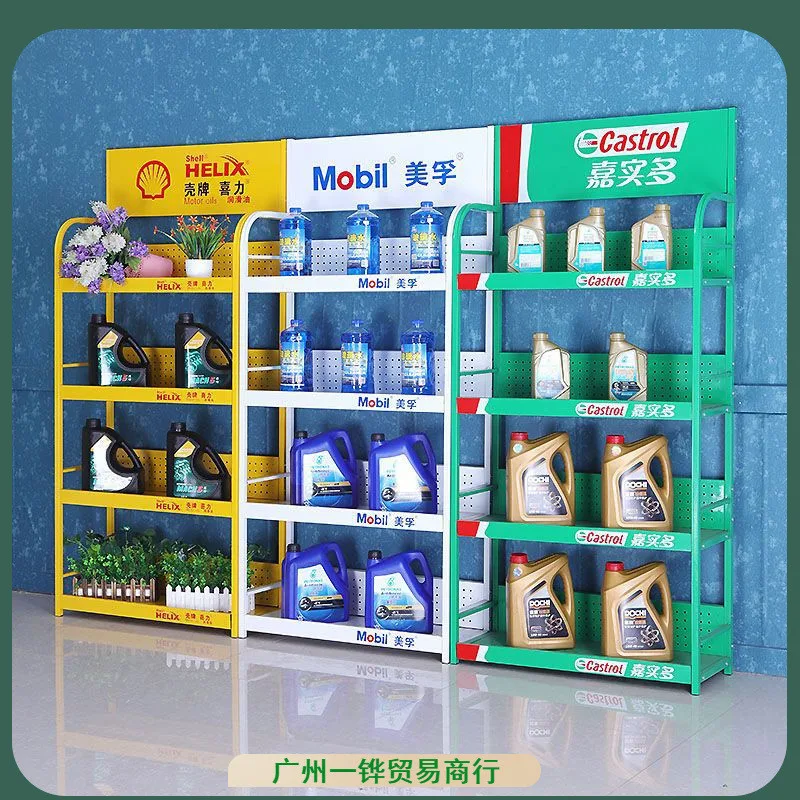
- Branded stations (Shell, Chevron, Citi, BP): 4 to 10 oil SKUs, usually their own line (Shell Helix Ultra, Chevron Techron, Mobil 1). One or two full synthetic options in urban locations.
- Walmart or Costco fuel lots: Walk into the main store auto aisle. You'll see 20 to 40 SKUs including full synthetic, and you can grab a filter too.
- Unbranded rural C-stores: Ask the clerk. You might get one bottle of 5W-30 conventional, or a shelf that's been empty for weeks.
- Truck stops (Pilot, TA, Love's): Diesel-centric. Gasoline engine oil is an afterthought, and what's there is mostly 15W-40 for heavy trucks.
If you need a single quart top-off and you're at a branded or big-box stop, you're probably fine. If you need a full 5-quart service with a new filter, this isn't the place.
What's Actually on That Gas Station Oil Shelf
You're not walking into a C-store and seeing 150 bottles. In our research of typical station inventories, the shelf looks like this:
- Viscosity grades stocked: 5W-30, 5W-20, 10W-30, 15W-40. That's it for most locations.
- Rarer grades (under 10% of stations): 0W-16, 0W-20, 0W-40. These show up at urban Shell or Chevron sites, not rural stops.
- Base types: Conventional mineral and synthetic-blend dominate. Full synthetic appears only at bigger branded locations.
- Container size: One-quart plastic or metal bottles. Occasional gallon jugs, but that's a truck-stop thing.
- API service rating: Look for SP or SN Plus on the label. That's the current performance benchmark per the API licensing program.
One thing that trips people up: the bottle says "5W-30" but doesn't carry the API Star mark. That means it hasn't been independently certified for your engine's wear and deposit-control needs. Skip it.
The Decision Tree: Top-Off, Full Change, or Something Else?
This is where the situation branches. Your next move depends on what's actually wrong and where you're standing.
Branch 1: What Do You Actually Need?
- One to two quarts low, no warning light: Grab a quart, top off, done. Gas station works fine.
- Oil light on, level is way low, or it's time for a full 4 to 5 quart service plus filter: Gas station won't cover it. You need a parts store or mobile service.
- Six to eight quarts (large V8, truck, diesel): You need a parts store or truck stop. A C-store shelf won't have that volume.
Branch 2: Which Station Are You At?
If it's a branded stop or a Walmart/Costco fuel lot, head to the auto aisle. If it's an unbranded rural pump, ask the clerk before you dig through a dusty shelf. At a truck stop, confirm they carry gasoline engine oil and not just diesel.
Branch 3: Does the Shelf Match Your Spec?
Pull out your owner's manual or the sticker under the hood. You need the exact viscosity and the API or ILSAC rating. If your car calls for 0W-20 ILSAC GF-6 and the shelf only has 5W-30 SP, that's not a match.
Don't guess.
Branch 4: They're Out or It's the Wrong Grade
Call the clerk and ask if there's stock in the back. Some stations keep a case behind the counter. If not, check your phone for the nearest AutoZone, O'Reilly, or NAPA.
In a true pinch, a small top-off of a close-adjacent grade (5W-30 instead of 0W-30) is better than zero oil. Drive conservatively and get it properly changed at the next parts store.
Gas Station vs. Auto Parts Store vs. Big-Box: Where to Actually Go
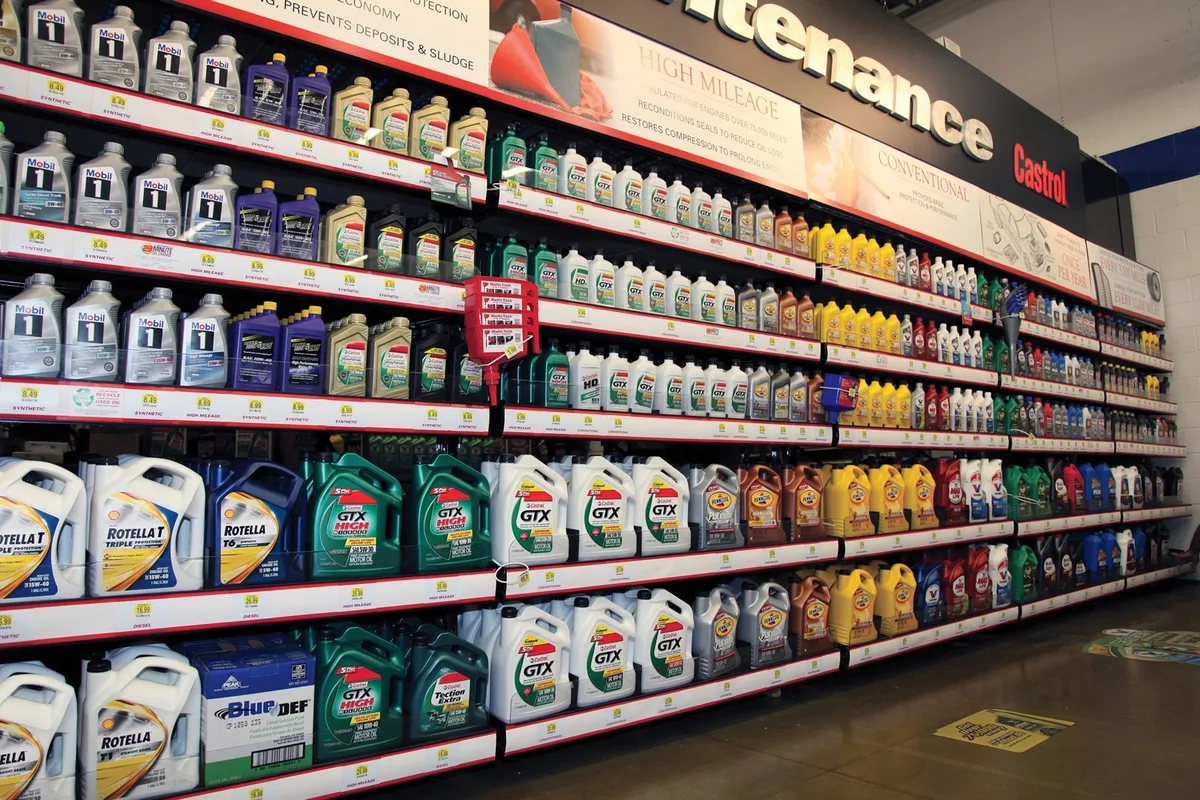
You've got four realistic options for buying oil. Here's how they stack up on a per-quart basis for 5W-30 conventional:
| Option | Typical SKU Range | Full Synthetic? | Filter + Oil Combo? | Price per Quart (5W-30) |
|---|---|---|---|---|
| Branded gas station | 4 to 10 | Sometimes (1 to 2 brands) | No | $8 to $12 |
| Unbranded rural C-store | 1 to 5 | Rarely | No | $9 to $14 |
| Auto parts store | 50 to 150+ | Yes, all majors | Yes | $5 to $8 |
| Big-box (Walmart, Costco) | 20 to 40 | Yes | Yes | $4 to $7 |
| Dealer service dept | OEM only | Yes | Yes | $10 to $18 (with labor) |
The gas station premium (15 to 30% over a parts store) buys you zero extra drive time. That's the whole trade-off. If you're already pulling in for fuel and need one quart, the convenience justifies the extra few dollars.
If you've got 20 minutes to spare, the parts store or Costco aisle saves you money and gives you the exact grade you need.
Mistakes That Turn a Quick Top-Off Into Engine Trouble
A $10 bottle of oil shouldn't cost you a rebuilt engine. Here's where people go wrong:
- Pouring diesel oil into a gasoline engine. Truck stops stock 15W-40 and 5W-40 diesel formulations. Those additives are wrong for a car. Check the label before you grab it.
- Overfilling past the "Full" mark on the dipstick. Excess oil foams at the crankshaft, seeps past seals, and can cause misfires. Pour slowly, check the dipstick, and top off in small increments.
- Ignoring the API Star certification. A bottle that looks right but lacks the mark may not meet your engine's wear and oxidation specs. The API Star database at api.org lets you verify any product in seconds.
- Using the wrong viscosity in extreme cold or heat. In a Minnesota January, 10W-30 won't flow at cold-crank. In a Texas August, 0W-20 may thin too far. Match the grade to your climate and your OEM spec.
- Dumping leftover used oil on the ground or into a storm drain. Per EPA rules, used oil is a hazardous waste in every state. Store it in a sealed container and take it to a collection point.
One last tip. If you're doing a top-off in a hurry, check the dipstick with the engine off and cool. A running engine throws oil up the walls and gives you a false reading.
You'll pour too much and create the exact problem you were trying to avoid.
What a Quart Costs and When the Premium Is Worth It
The pricing table above gives you the numbers, so here's the decision logic.
- One quart, emergency top-off, you're already at the pump: Pay the premium. You're not driving 20 minutes to save $4. Convenience wins.
- Routine 5-quart change, you've got the weekend: Skip the station. A parts store or big-box aisle saves you $15 to $40 and you can grab the filter at the same time.
- You need a grade they don't carry: The premium doesn't matter because the product isn't there. Drive to the parts store.
- Road trip, rural area, nearest parts store is 40 miles back: Grab what's on the shelf. A correct top-off now beats a zero-oil situation in 30 miles.
One thing that catches people off guard: the premium also applies to gallon jugs for trucks. Twelve quarts of 15W-40 diesel at a truck stop runs $120 to $180. The same volume at a marine supply store or bulk distributor comes in 20 to 30% cheaper.
If you do this regularly, build a relationship with a local distributor instead of paying the per-quart markup every month.
Quick Answers to the Questions You're Probably Googling
Does Shell or Chevron actually sell motor oil at their stations?
Yes. Shell carries Shell Helix Ultra and Shell Advanced. Chevron stocks Techron and Texaco-branded blends.
Urban locations have wider shelves. Rural branded sites sometimes have zero. Call ahead if the grade is specific.
Can I just pour any 5W-30 from the shelf into my car?
Only if your owner's manual or the under-hood sticker actually calls for 5W-30. If your engine needs 0W-20 or 0W-16, a 5W-30 top-off is not a fix. The viscosity gap is too wide for cold-start protection.
Match the grade, confirm the API Star mark, and you're good.
Do truck stops sell gasoline engine oil, or is it all diesel?
Mostly diesel. A Pilot or TA on I-40 will have 15W-40, 5W-40, and 0W-40 diesel formulations. Gasoline engine oil is rare.
You might find two or three bottles of 5W-30 in a small corner. Don't plan on it.
Is gas station oil the same product as what's at AutoZone?
Same base stock, same API certification, same manufacturer. A Shell Helix Ultra quart at a Shell station is identical to the one on an AutoZone shelf. You're not getting lesser oil.
You're just paying more for the convenience of not driving somewhere else.
How much should I pour for a top-off, and how do I check?
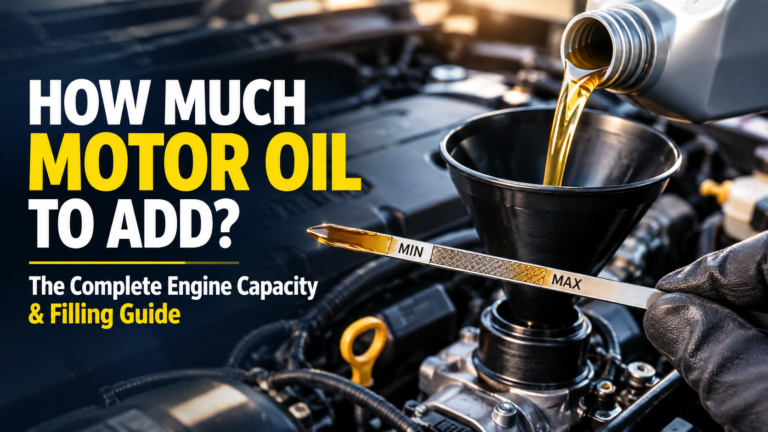
Engine off and cool. Pull the dipstick, wipe it, reinsert, pull again. If it's between the "Min" and "Max" marks, you're fine.
If it's at or below "Min," pour one half-quart at a time and recheck. Most passenger cars take 3.5 to 5.5 quarts for a full fill. A top-off is usually one quart or less.