Engine oil additives are chemical ingredients that help motor oil control wear, resist heat, prevent deposits, and protect engine parts.
If you drive to work, take road trips, or sit in traffic on an American highway, your car engine needs more than a simple layer of oil. It needs oil that can flow, reduce friction, manage heat, and keep harmful deposits under control. Engine oil additives help make that possible. They are blended into motor oil to improve how it works under different driving conditions.
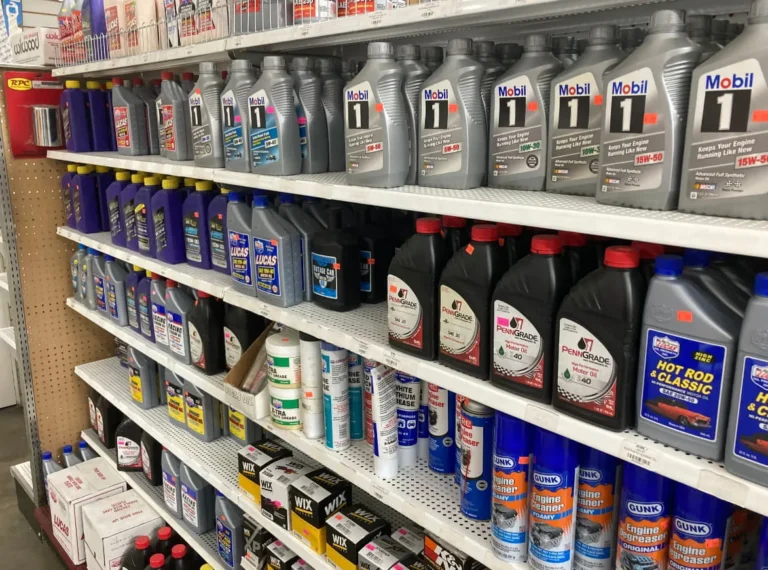
You may also see bottles of extra engine oil additives at auto parts stores across the United States. Some promise less noise, lower wear, cleaner engines, or better performance. However, an additive already built into quality motor oil is not the same as a separate product poured into your engine. Understanding that difference can help you avoid wasted money and protect your vehicle.
This guide explainswhat engine oil additives are, how the main types work, what benefits they can offer, and when extra additives may cause problems. The key point is simple: choose the right motor oil first, follow your owner’s manual, and use an extra additive only when you have a clear reason to do so.
Source: hardaiarmnd.com
What Are Engine Oil Additives?
Engine oil additives are substances mixed into base oil to give motor oil specific properties. Base oil provides the main lubricating fluid, while additives help it handle heat, friction, contamination, oxidation, and other demands inside an engine. Together, these ingredients form the finished motor oil sold for cars, trucks, SUVs, and other vehicles.
An engine has many moving parts. Pistons travel inside cylinders, bearings support rotating shafts, and valve parts move thousands of times during normal operation. Motor oil creates a protective film between many of these surfaces. Additives help that oil maintain its useful properties as temperatures, loads, and contamination levels change.
Most modern engine oils contain several types of additives working together. Their exact formulas vary by viscosity grade, product, engine design, and performance standard. Oil makers balance these ingredients so the finished product meets its intended requirements rather than maximizing one property at the expense of another.
The term engine oil additive can also mean a separate product sold in a bottle for consumers to pour into the crankcase. This second meaning often causes confusion. An additive formulated into motor oil has been blended and tested as part of the finished product, while a separately purchased additive may not have been validated with every oil or engine.
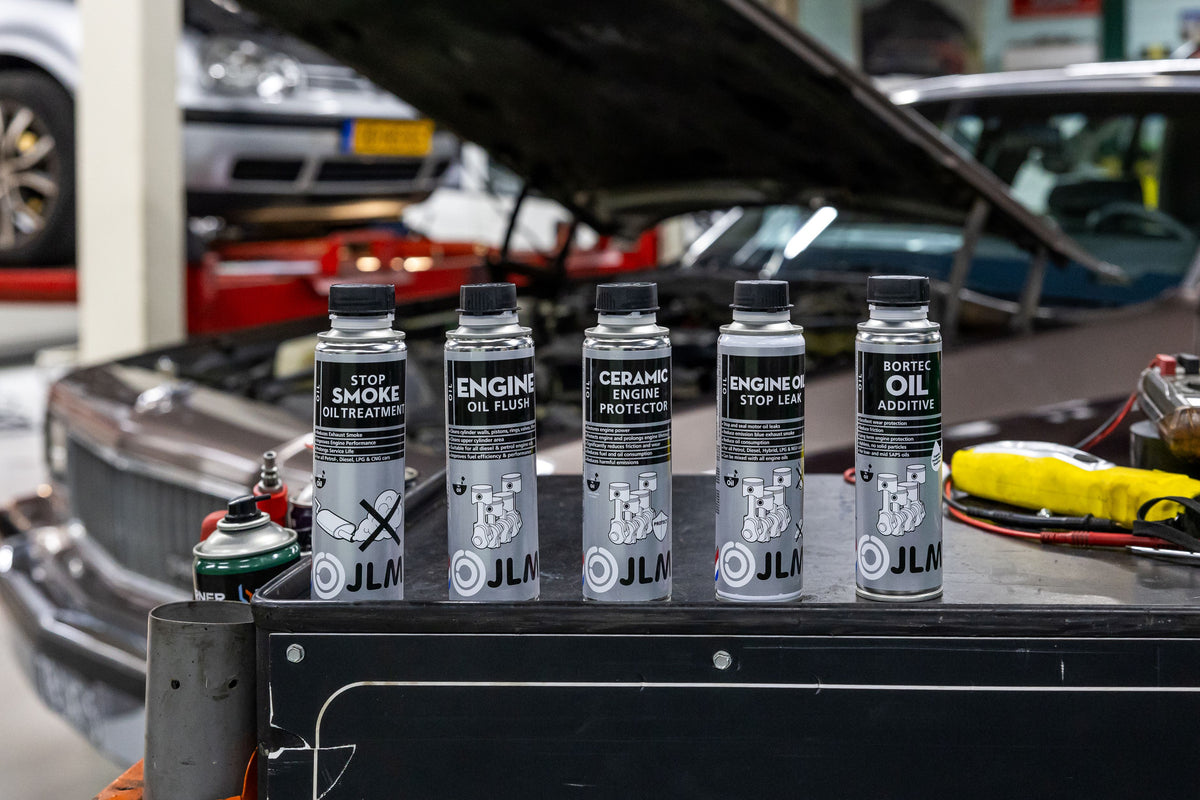
Source: JLM Lubricants B.V.
Factory-blended additives
These ingredients are already present in finished motor oil. They help the oil meet its intended performance specifications and are generally the starting point for routine vehicle maintenance.
Aftermarket oil additives
These are separate products marketed for goals such as reducing friction, cleaning deposits, changing oil thickness, or addressing certain operating symptoms. Their benefits and compatibility depend on the product, engine, and oil.
Base oil
Base oil makes up the main fluid portion of motor oil. It may be mineral, synthetic, or a blend, depending on the formulation.
Why Does Engine Oil Need Additives?
Base oil alone cannot provide every property required by a modern engine. It may oxidize as it ages, allow contaminants to form deposits, or fail to provide the needed surface protection under certain conditions. Additives help control these weaknesses and allow the finished oil to perform a wider range of tasks.
For example, detergent additives help control certain deposits, while dispersants keep many small contaminants suspended in the oil until they can be removed during an oil change. Antioxidants slow the chemical breakdown of oil. Each ingredient serves a purpose, but the complete formula matters more than any single ingredient in isolation.
Control deposits
Help reduce the buildup of unwanted material on engine parts.
Protect metal surfaces
Help reduce wear under operating conditions that challenge the oil film.
Maintain oil performance
Help finished motor oil resist oxidation and maintain suitable flow characteristics.
How Do Engine Oil Additives Work?
Engine oil additives work through different chemical and physical mechanisms. Some react with metal surfaces, some help keep contaminants dispersed, and others slow unwanted chemical reactions in the oil. Their effects depend on the formulation and the conditions inside the engine.
When you start a car on a cold morning in Minnesota or leave a vehicle parked in summer heat in Arizona, the oil faces different demands. Cold temperatures can make oil thicker and slow its movement, while high temperatures can accelerate oxidation. The correct finished oil is designed to handle the temperature range and operating conditions specified for the engine.
During operation, oil also encounters combustion byproducts, tiny wear particles, moisture, and other contaminants. Additives help manage some of these materials, but they do not make the oil immune to contamination or remove the need for regular service. The oil filter, crankcase ventilation system, engine design, and maintenance schedule all play important roles.
No additive works as a universal fix. An ingredient that improves one property can create a trade-off elsewhere if used in the wrong concentration or formulation. That is why finished motor oils are blended to meet defined performance requirements instead of relying on drivers to add separate chemicals whenever a problem appears.
Source: furo-oil.com
Surface protection
Some additives help create protective films or improve lubrication under boundary conditions, when moving surfaces have limited separation by the oil film.
Chemical stability
Antioxidants help slow reactions that can cause oil degradation, thickening, and the formation of harmful byproducts.
Contamination control
Detergents and dispersants help manage deposits and keep certain contaminants suspended so they are less likely to collect in harmful concentrations.
Flow and friction control
Viscosity modifiers and friction modifiers help finished oils meet their intended flow and friction characteristics.
What Happens Inside the Engine?
Imagine the oil film as a very thin cushion between moving metal parts. Under many operating conditions, the film keeps those parts from directly rubbing against each other. When the film becomes thin under heavy loads or at certain contact points, antiwear additives can help protect the surfaces.
Meanwhile, detergents and dispersants help manage material that could otherwise contribute to deposits or sludge. Antioxidants slow oil breakdown as the engine heats and cools. These functions work together, which is why changing the concentration of one ingredient may affect the behavior of the whole oil.
During cold starts
The oil’s viscosity and cold-flow properties affect how quickly it can circulate. Use the viscosity grade recommended for the vehicle and climate.
During hot operation
The oil must maintain suitable lubrication while resisting excessive oxidation and thermal breakdown.
During heavy loads
Protective chemistry can help reduce wear where the oil film is stressed, but the correct oil and proper engine condition remain essential.
The Main Types of Engine Oil Additives
Engine oil uses several additive types because no single ingredient can handle every lubrication challenge. The following table summarizes common groups, what they do, and why they matter to drivers. These ingredients usually work as part of a finished oil formula rather than as separate treatments.
Source: storage.googleapis.com
Detergents
Help control deposits on hot engine surfaces and can neutralize some acidic products formed during operation. They help keep engine parts cleaner but do not replace proper maintenance or repair.
Dispersants
Help suspend fine contaminants in the oil to limit their tendency to clump together and form sludge or deposits. The oil filter removes many particles, while dissolved and very small materials remain part of the oil until service.
Antiwear additives
Help reduce wear at stressed metal contact points. Zinc dialkyldithiophosphate, often called ZDDP, is a common example in many engine oil formulations, though its amount and role depend on the oil specification.
Antioxidants
Slow oxidation caused by heat and exposure to oxygen. This helps the oil resist chemical degradation, but antioxidants cannot prevent every form of oil aging.
Viscosity index improvers
Help multigrade oils maintain suitable viscosity behavior across a range of temperatures. Their formulation must balance cold flow, high-temperature performance, and resistance to mechanical shear.
Friction modifiers
Help reduce friction in selected operating conditions. Their effects depend on the engine design, surface materials, oil formulation, and intended application.
Pour-point depressants
Help improve the low-temperature behavior of certain base oils. They do not make every oil suitable for every freezing temperature, so the recommended viscosity grade still matters.
Rust and corrosion inhibitors
Help protect metal surfaces from corrosive damage caused by moisture and certain chemical contaminants.
Foam-control agents
Help limit persistent foam that can interfere with reliable lubrication. Correct oil level and proper engine design are also important because excessive aeration can reduce effective lubrication.
Seal-conditioning agents
Some formulations include ingredients intended to influence the condition or flexibility of certain elastomer seals. They cannot reliably restore a badly damaged seal or repair a mechanical leak.
A Simple Comparison of Common Additives
The table below compares the main additive groups by function. The exact chemical ingredients and concentrations vary among oils, and the table does not imply that every product contains every additive.
Cleaning and deposit control
Detergents and dispersants help control deposits and contaminants through different mechanisms.
Wear and friction control
Antiwear agents and friction modifiers address related but distinct lubrication needs.
Oil life and stability
Antioxidants and corrosion inhibitors help protect the oil and engine as conditions change.
Temperature-related behavior
Viscosity modifiers and pour-point depressants help the oil meet intended temperature-related performance requirements.
What Is ZDDP, and Why Is It Important?
ZDDP is an antiwear additive used in many engine oils. Under suitable conditions, it can form a protective film on metal surfaces and help reduce wear where direct surface contact is more likely. It also contributes antioxidant properties in many formulations.
More ZDDP does not automatically mean better protection for every engine. Engine oils must balance wear control with other needs, including emissions-system compatibility. Some phosphorus-containing additives can affect catalytic converters if oil enters the combustion process and is burned, so modern oil specifications manage these trade-offs.
Drivers should not add a separate zinc product just because they have heard that older engines need more zinc. The correct oil depends on the engine design, camshaft and valve-train requirements, intended use, and the manufacturer’s recommendations. For a classic car or a modified engine, seek guidance from the engine builder or a qualified specialist.
Useful role
Provides antiwear protection in many finished motor oil formulations.
Important limitation
A higher concentration is not automatically safer or better for every engine and emissions system.
Practical choice
Select oil based on the required performance category and engine needs rather than one additive number alone.
Are Engine Oil Additives Already in Motor Oil?
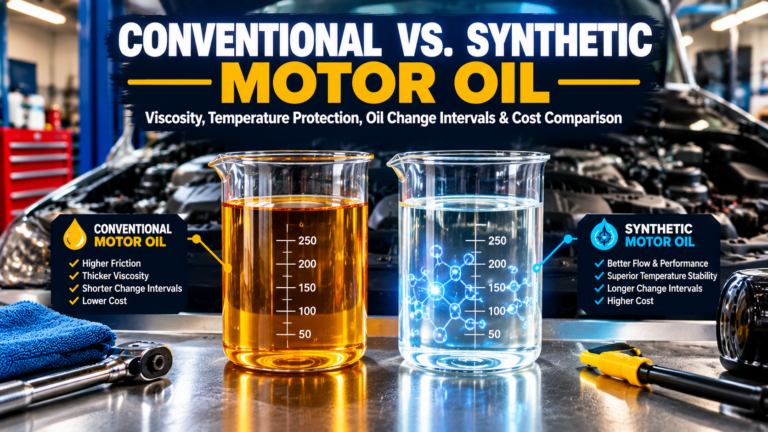
Yes. Most quality finished engine oils contain a carefully balanced additive package. The ingredients are blended with base oils to help the final product meet its intended viscosity and performance requirements. This is true of many conventional, synthetic-blend, and full-synthetic motor oils.
The words conventional and synthetic describe the oil’s base-oil formulation, not whether it contains additives. Synthetic motor oil still needs a suitable additive package to control wear, deposits, oxidation, and other issues. A higher price or synthetic label alone does not reveal the exact additive chemistry.
Motor oil specifications help buyers select products designed for particular engine needs. In the United States, these may include applicable API service categories, ILSAC standards for certain gasoline engines, and manufacturer-specific approvals or requirements. Diesel engines may require different performance categories from gasoline engines.
The safest approach is to match the oil’s viscosity grade and required performance specification to the vehicle owner’s manual. A bottle that says it contains extra cleaning agents or antiwear ingredients is not automatically better than a finished oil that already meets the required standard.
Source: thedailyautomotive.com
Conventional motor oil
Uses a formulated base-oil blend and an additive package designed for the stated application and performance level.
Synthetic-blend motor oil
Combines base oils as formulated by the manufacturer and includes additives suited to the finished product.
Full-synthetic motor oil
Uses synthetic base-oil components and a compatible additive package. It is not additive-free.
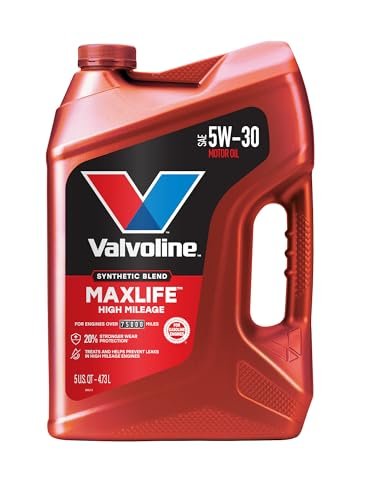
High-mileage motor oil
May use a formulation tailored to older engines, including particular seal-conditioning or deposit-control chemistry. It cannot guarantee that leaks or wear will stop.
How Do I Check Whether My Oil Meets the Right Standard?
Start with the owner’s manual or the manufacturer’s official maintenance information. Check the required viscosity grade, such as 0W-20 or 5W-30, along with the required API service category, ILSAC specification, or automaker approval where applicable.
Then compare those requirements with the product label and technical data sheet. Do not rely only on a phrase such as advanced protection or premium formula. If your vehicle requires a specific approval, a product without that approval may not be an appropriate substitute even if its viscosity appears correct.
Check the viscosity grade
Use the grade recommended for the engine and expected operating conditions.
Check the performance category
Confirm that the oil meets the required service specification for your engine.
Check special approvals
Follow any manufacturer-specific requirement listed in the manual.
What Are the Benefits of Engine Oil Additives?
The main benefit of engine oil additives is that they help finished motor oil perform tasks that base oil alone may not handle well enough. The benefits are most meaningful when the additive package is matched to the engine and the required performance standard.
For a driver, this can mean better control of deposits, protection against certain types of wear, resistance to oil oxidation, and more stable performance across normal temperature changes. These are properties of the formulated oil, not guaranteed results from adding a separate treatment.
The benefit you receive depends on the oil’s quality, the engine’s condition, the service interval, and how the vehicle is used. A car that makes short trips in cold weather may face different oil challenges from a truck that regularly tows a heavy trailer in summer heat. Neither situation means that an extra additive is automatically required.
Detergents and dispersants help limit harmful deposits and manage some contaminants.
Oxidation resistance
Antioxidants help slow the chemical aging of motor oil during use.
Temperature performance
A balanced formulation helps the oil meet its intended viscosity and flow requirements across the specified temperature range.
Corrosion protection
Suitable inhibitors help reduce corrosion risks under conditions the formulation is designed to handle.
Can Engine Oil Additives Improve Fuel Economy?
Some friction-modifier chemistry can reduce friction under specific conditions, and lower friction can contribute to efficiency. However, the effect depends on the full oil formulation, engine design, operating conditions, and test method. It does not mean that pouring a separate additive into any engine will produce a measurable fuel-economy gain.
The practical steps with the clearest relevance are using the specified oil, maintaining correct tire pressure, keeping up with service, and fixing problems that affect engine operation. If a product promises a large fuel-saving percentage, look for credible test details that identify the exact engine, oil, comparison product, and conditions.
Potential benefit
A suitable finished oil may use friction-control chemistry to support efficiency.
What is not guaranteed
An aftermarket additive does not guarantee better mileage or lower fuel costs.
Can Additives Make an Engine Last Longer?
A properly formulated motor oil can help reduce wear and deposits, which supports engine durability. Additives contribute to that protection, but engine life also depends on design, manufacturing quality, driving conditions, cooling, oil level, filtration, and maintenance.
There is no reliable universal claim that a separate oil additive will extend every engine’s life by a fixed number of miles or years. A product might help in a specific approved application, but broad longevity promises need evidence from relevant tests rather than advertising language alone.
Best foundation
Use the specified motor oil and follow the recommended service schedule.
When more investigation is needed
Persistent noise, oil loss, low oil pressure, or warning lights call for diagnosis rather than an assumption that the engine needs an additive.
Do You Need to Add Extra Engine Oil Additives?
For most everyday drivers, a separate engine oil additive is not necessary when the correct finished motor oil is used. Automakers specify oil requirements that account for lubrication, wear control, deposit management, and other performance needs. Adding more chemicals without a defined reason can introduce uncertainty rather than improve protection.
This matters when shopping at an American auto parts store, where shelves may offer products for older engines, noisy lifters, oil consumption, friction reduction, or leak control. These products target different conditions, and a claim that sounds relevant does not establish that the treatment will fix your vehicle’s problem.
Before buying a treatment, identify the issue you want to solve. If your engine is consuming oil, check the level, look for leaks, and review the manufacturer’s guidance. If you hear a new knocking sound or see an oil-pressure warning, stop and assess the risk rather than attempting to quiet the engine with an additive.
Source: www.youtube.com, Automotiver Point
Usually unnecessary
A separate additive is generally unnecessary when the oil already meets the vehicle’s specified viscosity and performance requirements.
Potentially appropriate in a defined application
A product may be useful if the automaker, engine builder, or qualified technician recommends it for a specific need and confirms compatibility.
Not a repair
An additive cannot be relied on to repair damaged bearings, worn rings, broken parts, severe sludge, or a failing oil pump.
Check compatibility
Confirm that the product is suitable for the engine, emissions equipment, oil specification, and intended dose.
When Might a Separate Additive Be Considered?
A separate additive may be considered in a narrow, well-defined case, such as a recommendation from an engine builder for a modified engine or a manufacturer-approved treatment for a specific application. The key is that the recommendation should match the actual engine and operating conditions.
Some older vehicles have unique lubrication needs, especially when they use components or materials that differ from those in current production engines. Even then, the right response is to verify the required oil and additive chemistry, not to assume that every older engine benefits from more zinc, thicker oil, or a universal treatment.
If a mechanic recommends an additive, ask what condition it addresses, what evidence supports its use, whether it is compatible with the required oil, and what result should be expected. A sound recommendation should explain its limits and should not delay necessary repairs.
Modified or rebuilt engine
Follow the engine builder’s break-in and lubrication instructions. These may differ from routine maintenance advice for a stock engine.
Special operating requirements
Use only products that meet the requirements of the specific engine and application.
Unclear symptoms
Diagnose the cause before treating the symptom. This is especially important for oil-pressure changes, metallic noises, or sudden oil loss.
Can Engine Oil Additives Cause Problems?
Yes, a separate engine oil additive can cause problems if it is incompatible with the oil, used at the wrong dose, or unsuitable for the engine. The risk does not mean every additive is harmful. It means the finished oil’s balance matters, and changing that balance without a clear reason can have unintended effects.
An additive may alter viscosity, affect how the oil behaves at cold start, change the concentration of certain ingredients, or interfere with the intended performance of the finished formulation. The outcome depends on the chemistry and the amount added. There is no single rule that every extra ingredient either improves or damages every oil.
Emissions equipment is another concern. Engines equipped with catalytic converters and gasoline particulate filters, where fitted, may have specific oil requirements. Oil that enters the combustion chamber can expose these systems to substances that contribute to contamination or reduced performance. Follow the manufacturer’s oil specifications rather than adding high concentrations of a particular chemical without guidance.
A further problem is relying on a treatment to mask a serious fault. A quieter engine is not necessarily a repaired engine, and a product that temporarily changes a symptom may delay needed service. If the engine has low oil pressure, severe knocking, overheating, or a warning light, use the vehicle’s safety instructions and seek prompt diagnosis.
Source: automotiveglory.com
Changed oil properties
A concentrated treatment can alter the finished oil’s intended viscosity or other properties.
Uncertain compatibility
A product may not be suitable for every engine, oil formulation, seal material, or emissions system.
Overdosing
Adding more than the label specifies can increase the risk of unintended effects and may reduce the amount of oil in the crankcase if the added volume is not accounted for.
Delayed diagnosis
Trying an additive instead of investigating a warning light, leak, or mechanical noise can allow damage to worsen.
Why You Should Not Mix Additives Casually
Motor oil is a balanced mixture, not just a collection of ingredients that become better when added in larger amounts. Two products may use different chemistry, and their combined behavior may not have been tested. Even when both products are individually suitable for some applications, the mixture may not meet the original oil’s specifications.
Do not assume that a product labeled compatible with synthetic oil is suitable for every synthetic oil or engine. Check the complete instructions, required dose, exclusions, and manufacturer guidance. If the information is unclear, leave the additive out and use the specified finished motor oil.
Do not exceed the stated dose
More additive does not automatically provide more protection.
Account for total fluid volume
Adding a bottle without considering crankcase capacity can cause an overfilled engine.
Avoid unverified combinations
Do not combine multiple treatments simply because they advertise different benefits.
Engine Oil Additives for Older and High-Mileage Cars
Older and high-mileage vehicles do not automatically need a separate oil additive. Their needs depend on engine design, condition, past maintenance, oil consumption, and the specifications set by the manufacturer or engine builder. Mileage alone does not reveal whether an engine has excessive wear or whether a particular treatment will help.
High-mileage motor oils are finished products designed for certain needs associated with aging engines. Depending on the formulation, they may contain seal-conditioning ingredients or use a detergent and viscosity package suited to the intended application. These oils can be a reasonable option when they meet the engine’s required specifications, but they do not guarantee that leaks will stop or worn parts will recover.
A classic car or a modified engine may need a different approach from a newer daily driver. For example, an older flat-tappet engine may have specific antiwear requirements that should be confirmed through the engine manufacturer’s guidance. A newer engine with advanced emissions equipment may have different limits on the oil chemistry it can use.
If your vehicle burns oil, leaves spots on the driveway, or makes unusual noises, begin with a proper inspection. A thicker oil or a leak-control additive may change a symptom in some cases, but it may also be unsuitable for the engine or conceal a fault that needs repair.
Source: texasdiamondgarage.com
Check the manual first
Verify the correct oil grade and performance requirements even if the vehicle has high mileage.
Track oil consumption
Record the oil level and mileage at each check to establish whether the engine is using more oil than expected.
Inspect leaks
Look for visible oil around the engine and have suspected leaks diagnosed before relying on a treatment.
Seek model-specific advice
For classic, rebuilt, or modified engines, use guidance from the engine builder or a technician familiar with that design.
Should You Use an Additive to Stop an Oil Leak?
An oil leak can come from a damaged gasket, worn seal, loose connection, cracked component, or other mechanical problem. Some products are marketed to condition certain seals, but they cannot be expected to repair every leak. A failed gasket or damaged part may still need replacement.
First, check the oil level and identify where the oil is coming from. If the leak is severe, oil reaches a hot exhaust component, or the oil-pressure warning appears, avoid continued driving until the problem has been assessed. A small stain and a rapid loss of oil are not the same risk, so the amount and location matter.
If you consider a leak-control product, verify its compatibility and understand that results are not guaranteed. Do not use it as a substitute for diagnosis when the leak is large, worsening, or affecting safe operation.
Small suspected seal seepage
A compatible product may be considered only after checking the manufacturer’s guidance and the source of the leak.
Damaged gasket or component
Mechanical repair is generally needed when a part has failed or is physically damaged.
Rapid oil loss or warning light
Stop safely and follow the vehicle’s instructions. Do not keep driving in the hope that an additive will solve the problem.
How to Choose the Right Engine Oil Without Unneeded Additives
The simplest way to protect your engine is to choose a finished motor oil that meets the vehicle’s documented requirements. You do not need to understand every chemical ingredient to make a good choice. The viscosity grade, performance category, and any required manufacturer approval are the most useful starting points for most drivers.
The process is the same whether you maintain a commuter sedan in Texas, an SUV in Colorado, or a pickup truck used for towing. Start with the vehicle’s specifications, then consider the conditions in which you drive. Do not substitute an unverified additive for an oil grade or approval that the engine requires.
Source: bobistheoilguy.com
Step 1: Find the specified viscosity
Look in the owner’s manual or official maintenance information. Do not choose oil solely by climate or mileage when the manufacturer specifies a grade.
Step 2: Confirm the performance standard
Check the required API, ILSAC, or other applicable specification and any manufacturer-specific approval.
Step 3: Consider the operating conditions
Follow the manufacturer’s advice for severe service, towing, frequent short trips, extreme temperatures, or other demanding use.
Step 4: Review the oil label
Make sure the product’s documented specifications match the vehicle’s requirements rather than relying on broad advertising claims.
Step 5: Follow the maintenance schedule
Use the recommended oil-change interval and replace the oil filter as directed.
Step 6: Diagnose unusual symptoms
Investigate oil loss, warning lights, overheating, and unusual engine noise instead of assuming an additive is needed.
What If Your Car Has a Turbocharged Engine?
Turbocharged engines can place specific demands on engine oil because the turbocharger operates at high speed and can expose oil to intense heat. The correct oil must meet the engine manufacturer’s requirements, including any required performance specification or approval.
Do not assume that every turbocharged engine needs an extra antiwear or cleaning additive. A suitable finished oil is designed for the specified application. If you notice a new turbocharger noise, smoke, or increased oil consumption, have the cause checked instead of trying to treat the symptom with an additive.
Use the exact required oil
Confirm the viscosity grade and approvals for your particular engine.
Maintain the correct level
Check oil as directed by the manufacturer and respond promptly to low-level warnings.
Investigate new symptoms
Smoke, unusual noise, or sudden oil consumption may indicate a mechanical problem that requires diagnosis.
How Much Oil Additive Should You Use?
There is no universal dose for engine oil additives. The correct amount, if any, depends on the exact product, its instructions, the engine’s oil capacity, and compatibility with the required motor oil. A dose intended for one crankcase volume may be inappropriate for another.
If the product is not recommended for your application, the safest amount is generally none. If a suitable product is explicitly approved or recommended, follow its instructions and account for the added volume so the engine does not become overfilled. Do not pour in a full bottle merely because it is sold as a single-use container.
Read the product directions
Use only the amount specified for the relevant oil volume and application.
Check the crankcase capacity
Account for added fluid when checking the final oil level.
Do not guess
If compatibility or dosage is unclear, contact the product maker or a qualified technician before adding it.
Common Myths About Engine Oil Additives
Engine oil additives are often marketed with claims that sound simple: more protection, less friction, a quieter engine, or longer life. The real answer depends on the engine, the finished oil, the product chemistry, and the evidence behind the claim. Separating common myths from practical facts helps drivers make better maintenance decisions.
Source: www.youtube.com, The Motor Oil Geek
Myth: More additives always mean better protection
Fact: Finished motor oil uses a balanced formula. Adding more of one ingredient can alter the intended chemistry and does not guarantee improved performance.
Myth: Synthetic oil does not contain additives
Fact: Synthetic motor oil generally includes additives to help meet its intended performance requirements.
Myth: Additives repair worn engine parts
Fact: Some products may affect certain operating symptoms, but they cannot reliably restore damaged bearings, broken rings, or failed components.
Myth: A quieter engine proves the additive worked
Fact: Changes in noise do not prove that wear has stopped or that the underlying problem has been repaired.
Myth: Every high-mileage engine needs thicker oil
Fact: Use the specified oil unless the manufacturer or a qualified specialist recommends a suitable alternative for the actual engine and condition.
Myth: An oil additive lets you extend every oil-change interval
Fact: An additive does not automatically authorize a longer service interval. Follow the manufacturer’s schedule and any applicable oil-life monitoring instructions.
How Can You Judge an Additive’s Claims?
Look for evidence that matches the claim being made. A laboratory test may show a change in friction or wear under specific test conditions, but it does not automatically prove better fuel economy, quieter operation, or longer engine life in every vehicle. The test method and comparison product matter.
A credible claim should identify the intended application, explain how the product was evaluated, and state important limits. Be cautious with fixed mileage-extension promises, guaranteed repair claims, or performance percentages that lack a clear method and comparison. If the seller cannot explain the evidence, treat the claim as unverified.
Look for relevant testing
Check whether the test used a suitable engine or recognized test method and whether it measured the claimed result.
Check compatibility
A positive result in one application does not establish suitability for every engine.
Separate a symptom from a repair
A temporary change in noise or oil consumption does not prove that damaged parts have been restored.
Frequently Asked Questions
Q
What are engine oil additives in simple terms?
Engine oil additives are chemicals blended into motor oil to improve specific properties. They help control wear, deposits, oxidation, friction, corrosion, and oil flow. Most quality finished motor oils already contain a balanced combination of these ingredients.
Q
Are engine oil additives necessary for every car?
No. Most cars do not need a separate aftermarket oil additive when the correct finished motor oil is used. Follow the owner’s manual and consider an extra product only when it has a clear purpose and is compatible with the engine.
Q
Can engine oil additives damage an engine?
They can cause problems if they are incompatible, overdosed, or unsuitable for the engine. A separate product may change the oil’s intended properties or affect compatibility with emissions equipment. Use the specified motor oil and seek guidance before adding an unverified treatment.
Q
Do engine oil additives clean sludge?
Some additive chemistry helps control deposits and suspend contaminants, but a bottle of additive is not a guaranteed cure for heavy sludge. Severe deposits may indicate neglected maintenance or another problem. Have the engine assessed before using an aggressive cleaning treatment, especially if sludge is extensive.
Q
Do engine oil additives stop oil leaks?
Some products are designed to condition certain seals and may help with particular forms of seepage, but results are not guaranteed. They cannot reliably repair a damaged gasket, cracked component, or badly worn seal. Identify the source of the leak and repair the underlying fault when needed.
Q
Are oil additives safe for synthetic motor oil?
Compatibility depends on the additive and the exact oil formulation. A product that claims to work with synthetic oil is not automatically approved for every engine or oil specification. Check the instructions and vehicle manufacturer’s requirements before using it.
Q
What is the difference between engine oil additives and fuel additives?
Engine oil additives are designed for the lubrication system and are mixed with crankcase oil. Fuel additives are formulated for the fuel system and are used according to their specific directions. The two products are not interchangeable, and neither should be poured into the wrong system.
Q
Can I use an engine oil additive to reduce engine noise?
A product may change how some engines sound, but noise reduction does not establish that the underlying problem has been fixed. Ticking, knocking, or other new noises can have several causes, including low oil level, lubrication problems, or worn components. Check the oil level and warning lights, and seek prompt diagnosis if the noise is severe or persistent.
✦ Wrapping Up
Conclusion
Engine oil additives are essential parts of most finished motor oils. They help the oil control wear, manage deposits, resist oxidation, and maintain useful performance under the conditions the formulation is designed to handle. Different additive types perform different jobs, and their combined balance matters more than the amount of any one ingredient.
For most drivers in the United States, buying a separate engine oil additive is not a routine maintenance requirement. A suitable motor oil that meets the vehicle manufacturer’s viscosity and performance specifications is the better starting point. Extra treatments should be considered only when their purpose, compatibility, and limits are clear.
If your engine is noisy, leaking, consuming oil, or showing a warning light, investigate the cause rather than relying on a bottle to fix it. Proper oil selection, regular level checks, timely oil and filter changes, and sound diagnosis offer a more dependable path to engine protection than unverified performance claims.
💡 Key Takeaway
Before buying an engine oil additive, check your owner’s manual, confirm the required oil viscosity and performance specification, and identify the problem you want to solve. If the additive is not clearly compatible with your engine and oil, skip it and seek qualified advice.
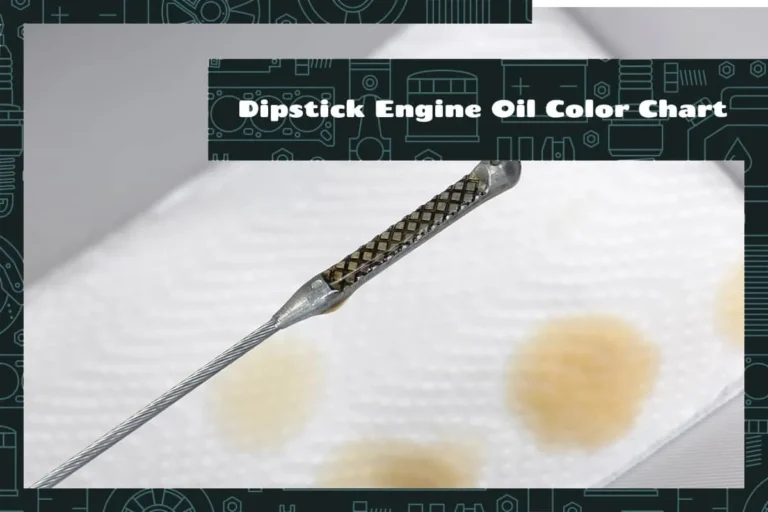
You pull the dipstick, hold it up to the light, and what you see doesn’t match what you expected. If you’ve ever wondered what should motor oil look like,…
Some Target locations carry motor oil, but there isn’t one dependable chainwide stock answer. If you’re searching “does target have motor oil,” check the exact…