conventional vs synthetic motor oil: Key Differences


Is Conventional Motor Oil Good?
Yes, conventional motor oil can be a good choice if your car maker allows it and you follow the right oil change schedule. It costs less at the store, and that can help drivers who watch every dollar. Many older engines were designed to run on conventional oil. Some newer engines can also use it, but only when the manual lists the right oil type and grade.
Picture a driver with an older sedan who makes short trips to work, shops close to home, and does not tow heavy loads. If the manual allows conventional oil, there may be little reason to pay extra for a synthetic product. The key is to buy the right grade and keep up with oil changes.
I would not call conventional oil the best choice for every car. It often has less resistance to heat and oxidation than a good synthetic oil. It may also lose some of its useful properties sooner in hard driving. That does not mean it fails quickly. It means the car, oil grade, driving style, and service plan all matter. For conventional vs synthetic motor oil, conventional wins on upfront price, not in every part of engine protection.
What Makes It Stand Out / Key Features
- Lower purchase priceConventional oil often costs less per quart than full synthetic oil. This can make each oil change cheaper.
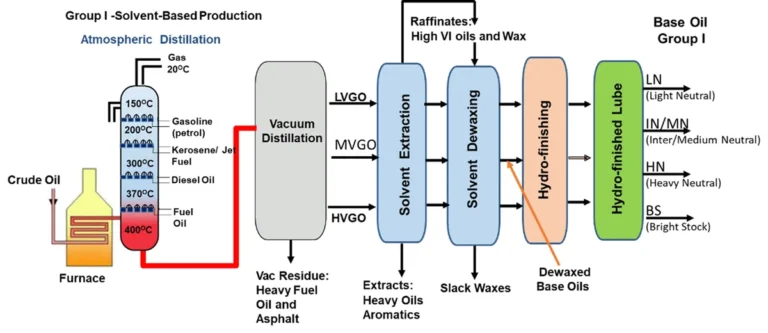
- Mineral oil baseIt starts with refined crude oil. Additives help it clean, protect, and lubricate engine parts.
- Suitable for approved enginesIt works in many older vehicles and some newer models when the owner’s manual allows it.
- Regular service needsIt often calls for shorter oil change intervals than synthetic oil in similar driving conditions. Follow the manual, not a fixed guess.
- Common oil gradesIt comes in familiar grades such as 5W-30 and 10W-30. The correct grade depends on the engine.
- Additive protectionDetergents, anti-wear agents, and other additives help reduce deposits and wear.
- Easy to findMany auto stores, service shops, and big-box retailers stock conventional motor oil.
My Recommendation
Choose conventional oil if your owner’s manual permits it, your driving is fairly light, and the lower price matters. Do not use it in an engine that calls for full synthetic oil or a special approval.
| Best For | Why |
|---|---|
| Budget-minded owners | It often has a lower upfront price. |
| Older compatible cars | Many older engines can use it when the manual permits it. |
| Light daily driving | It can be enough for routine trips when service needs are met. |
Is Synthetic Motor Oil Good?
Yes, synthetic motor oil is an excellent choice for many modern cars. It often flows well in cold weather and holds up better under heat. It also resists oxidation and thick deposits well when compared with conventional oil of a similar grade and quality. These traits can help protect an engine during cold starts, long drives, and heavy traffic.
Think of a family that drives through a cold Midwest winter, then takes a summer road trip across several states. Synthetic oil can handle these changes well, as long as it meets the car maker’s rules. It may also suit drivers who tow, climb steep roads, or spend long hours in stop-and-go traffic.
The main drawback is price. Full synthetic oil often costs more per quart, and a shop may charge more for a synthetic oil change. Yet the higher price can be worth it if the engine needs synthetic oil or if the oil supports a longer approved service interval. In the conventional vs synthetic motor oil debate, synthetic is my overall pick for broad performance, but it is not a license to ignore the manual or stretch oil changes without approval.
What Makes It Stand Out / Key Features
- Engineered base oilsSynthetic oil uses highly refined or chemically made base oils. The exact formula varies by brand and product.
- Cold start supportMany synthetic oils flow well at low temperatures, which helps oil reach moving parts during cold starts.
- Heat resistanceSynthetic oil often resists heat-related breakdown and oxidation better than conventional oil.
- Cleaner engine supportIts base oils and additives can help control sludge and deposits when the oil is used as directed.
- Potentially longer service intervalsSome vehicles allow longer oil change intervals with approved synthetic oil. The manual and oil life monitor set the limit.
- Modern engine compatibilityMany turbocharged and high-performance engines require or recommend synthetic oil that meets a specific standard.
- Wide range of gradesSynthetic oil comes in many grades, including low-viscosity oils used in some newer engines.
My Recommendation
Choose synthetic oil for many modern cars, tough weather, long drives, or engines that require it. Match the grade and approval to your owner’s manual.
| Best For | Why |
|---|---|
| Modern vehicles | Many newer engines call for synthetic oil or a specific synthetic formula. |
| Cold or hot climates | Synthetic oil often handles temperature changes well. |
| Long commutes | It can provide strong protection during extended drives when it meets the vehicle’s needs. |
conventional vs synthetic motor oil: Side-by-Side Test
When I compare conventional vs synthetic motor oil, I start with the car maker’s rules. The best oil is not simply the one with the highest price or the boldest label. It is the oil that meets the engine’s grade, performance standard, and service needs.
Synthetic oil wins in many areas of performance. Conventional oil can still be a smart buy for a compatible engine. Use these comparisons as a starting point, then check your owner’s manual before you buy.
1. Price: Which Saves More?
Conventional oil usually costs less at the store. Synthetic oil costs more, but the full service cost depends on the change interval and shop price.
| Feature | Conventional Oil | Synthetic Oil |
|---|---|---|
| Price per quart | Usually lower | Usually higher |
| Oil change bill | Often cheaper | Often more expensive |
| Service interval | May be shorter | May be longer if approved |
| Long-term cost | Can be low for compatible cars | Can be competitive with longer approved intervals |
⭐ Conventional Oil – 9/10 | Synthetic Oil – 8/10
Conventional oil wins on upfront price, while synthetic oil may offer better value over time when the vehicle permits longer service intervals.
2. Engine Protection: Which Performs Better?
Both oil types create a film that helps keep moving metal parts apart. Synthetic oil often holds its properties better under demanding conditions.
| Feature | Conventional Oil | Synthetic Oil |
|---|---|---|
| Routine lubrication | Good when approved | Good when approved |
| Resistance to oxidation | Generally lower | Generally higher |
| High-load driving | Depends on the engine and oil | Often better suited |
| Modern engine needs | Not approved for every engine | Required by many engines |
⭐ Conventional Oil – 7/10 | Synthetic Oil – 9/10
Synthetic oil has the edge for many demanding uses, but the correct approval matters more than the base oil label alone.
3. Cold Starts: Which Flows Better?
Oil gets thicker as it gets colder. A cold engine needs oil that can flow to key parts soon after startup.
| Feature | Conventional Oil | Synthetic Oil |
|---|---|---|
| Low-temperature flow | Depends on grade and formula | Often very good |
| Winter starts | Can work well at the right grade | Often has an advantage |
| Oil grade | Must match the manual | Must match the manual |
| Extreme cold | Choose the approved winter grade | Choose the approved winter grade |
⭐ Conventional Oil – 7/10 | Synthetic Oil – 9/10
Synthetic oil often wins in cold weather, but a suitable viscosity grade is vital for both types.
4. Heat and Long Drives
Long highway trips, hot weather, towing, and heavy traffic can raise oil temperatures. Oil must resist breakdown as the heat builds.
| Feature | Conventional Oil | Synthetic Oil |
|---|---|---|
| Heat stability | Suitable for approved normal use | Often stronger |
| Oxidation control | Good when changed on time | Often better |
| Towing and heavy loads | Check vehicle requirements | Often a good fit when approved |
| Very hot conditions | Use the specified grade | Use the specified grade |
⭐ Conventional Oil – 7/10 | Synthetic Oil – 9/10
Synthetic oil often has the edge in high heat, though no oil can make an overloaded or poorly maintained engine safe.
5. Oil Life and Change Intervals
Oil changes remove worn oil and trapped dirt. The right interval depends on the car, oil, driving pattern, and service guide.
| Feature | Conventional Oil | Synthetic Oil |
|---|---|---|
| Typical service life | May be shorter | May be longer |
| Fixed change schedule | Follow the owner’s manual | Follow the owner’s manual |
| Oil life monitor | Follow vehicle guidance | Follow vehicle guidance |
| Severe driving | May need earlier changes | May need earlier changes |
⭐ Conventional Oil – 7/10 | Synthetic Oil – 9/10
Synthetic oil can support longer intervals in approved vehicles, but it does not mean you can skip scheduled service.
6. Engine Cleanliness and Sludge
Sludge is thick, dirty oil residue that can block oil flow. Good oil and timely changes help reduce the risk.
| Feature | Conventional Oil | Synthetic Oil |
|---|---|---|
| Deposit control | Depends on additives and service | Often strong |
| Sludge prevention | Good with proper care | Often has an advantage |
| Neglected engines | Cannot fix old sludge | Cannot fix old sludge |
| Regular oil changes | Essential | Essential |
⭐ Conventional Oil – 7/10 | Synthetic Oil – 9/10
Synthetic oil often helps control deposits, but regular service matters more than switching oil types after years of neglect.
7. Older Cars and High-Mileage Engines
An older engine may burn oil or develop leaks. The right choice depends on its condition and the maker’s oil rules.
| Feature | Conventional Oil | Synthetic Oil |
|---|---|---|
| Older compatible engines | Can be a good fit | Can also be a good fit |
| High-mileage formulas | Available in some lines | Available in some lines |
| Oil leaks | Will not reliably stop leaks | Will not reliably stop leaks |
| Oil burning | Needs diagnosis and monitoring | Needs diagnosis and monitoring |
⭐ Conventional Oil – 8/10 | Synthetic Oil – 8/10
Neither type is always best for an older car. Choose the approved grade and check oil use and leaks.
8. Which Is Best for Daily Driving?
Daily driving can mean short trips, long commutes, busy roads, or a mix of all three. The best oil depends on the engine and route.
| Feature | Conventional Oil | Synthetic Oil |
|---|---|---|
| Short city trips | Works if approved | Often a strong choice |
| Long highway drives | Works if approved | Often a strong choice |
| Changing weather | Choose the right grade | Often handles temperature shifts well |
| Modern turbo engines | May not meet requirements | Often required or recommended |
⭐ Conventional Oil – 7/10 | Synthetic Oil – 9/10
Synthetic oil is the more flexible choice for many daily drivers, but conventional oil remains useful where the manual allows it.
Final Verdict: Which Should You Buy?
For most drivers whose vehicles call for it, synthetic motor oil is the better all-round choice. It often handles cold starts and high heat well, resists oxidation, and may support longer oil change intervals. These benefits can matter on busy US roads, long commutes, and road trips.
Conventional oil still makes sense for compatible engines when cost is the main concern. It can protect an engine well if you use the correct grade and change it on time. Before you decide in the conventional vs synthetic motor oil debate, check your owner’s manual. Match the viscosity, performance rating, and maker approval. The right oil is the one your engine needs, not simply the one with the highest price.