Engine oil is made by refining crude oil or producing synthetic base stocks, blending them with carefully chosen additives, and testing the finished formula.
Every day, millions of drivers across the United States depend on engine oil to keep their cars, pickup trucks, SUVs, and work vehicles running. From a family minivan on an interstate highway to a delivery truck making stops in summer heat, an engine needs oil to reduce friction, carry away heat, and limit wear. But have you ever wondered how that oil gets from raw materials to the bottle on a store shelf?
The process starts with base oil, the main fluid that makes up most of a finished motor oil. Manufacturers obtain this fluid by refining petroleum, processing synthetic feedstocks, or using other suitable sources. They then blend it with additives that help control wear, deposits, rust, oxidation, and changes in viscosity. The exact recipe depends on the oil’s intended use and the performance standards it must meet.
Engine oil production involves more than putting oil into a tank and mixing in a few chemicals. Refineries use separation and purification steps to make suitable base stocks, while lubricant plants use controlled blending, laboratory tests, and packaging checks to produce a consistent final product. Different oils can follow different manufacturing routes, so conventional, synthetic blend, and full synthetic engine oils are not all made in the same way.
This guide explains how engine oil is made, what goes into it, how manufacturers create different viscosity grades, and how quality checks help ensure the oil can protect an engine. It also clears up common questions about synthetic oil, recycled oil, additives, and the difference between base oil and finished motor oil.
What Is Engine Oil Made Of?
Engine oil is made mainly of base oil, with a smaller amount of additives mixed into it. Base oil provides the main lubricating fluid, while additives improve or protect properties that the base oil cannot provide on its own. Together, these ingredients form a lubricant designed for the conditions inside a particular type of engine.
A finished motor oil must work across a wide range of conditions. An engine may sit outside overnight in a cold northern state, start on a winter morning, and then run at high temperatures during a long highway trip. The oil must flow during startup, maintain a protective film between moving parts, resist chemical breakdown, and help control unwanted deposits.
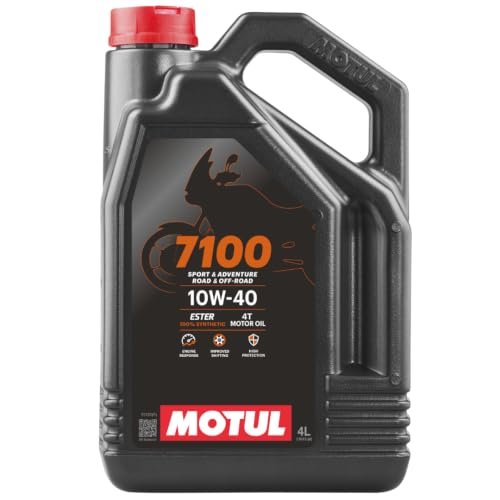
The formula varies with the product. An oil designed for a modern gasoline car may need a different balance of additives and base stocks from an oil designed for a heavy-duty diesel pickup or a motorcycle with a shared engine and transmission lubrication system. Manufacturers develop each formulation around its intended use and required specifications.
Base oil
The main fluid in the formula. It provides lubrication, carries heat, and forms much of the protective film between engine parts.
Detergents and dispersants
Detergents help control deposits on engine surfaces, while dispersants help keep fine contaminants suspended so they are less likely to form harmful sludge.
Anti-wear agents
These help protect metal surfaces under conditions where the oil film becomes thin or mechanical loads are high.
Antioxidants
These slow chemical reactions that can cause oil to oxidize, thicken, or form deposits when exposed to heat and oxygen.
Viscosity modifiers
These help a multigrade oil maintain a useful range of flow behavior as its temperature changes.
Other additives
Depending on the formula, these can include rust inhibitors, foam-control agents, friction modifiers, and compounds that help control cold-temperature flow.
Why Does Engine Oil Need Additives?
Base oil alone cannot provide every property that a modern engine lubricant needs. Heat, oxygen, fuel residue, soot in some engines, and tiny particles can all affect oil during service. Additives help the finished oil resist these conditions and protect engine parts over the required service interval.
Each additive has a specific purpose, and the ingredients must work together. For example, some detergent and anti-wear chemistries can interact, so formulators must balance them rather than simply adding more of every ingredient. A carefully developed formula is more useful than a random mixture with a long ingredient list.
Deposit control
Detergents and dispersants help keep engine surfaces cleaner and reduce the risk of sludge and deposits.
Wear protection
Anti-wear compounds help protect parts such as camshafts and other loaded metal surfaces.
Oxidation control
Antioxidants slow oil deterioration and help preserve its useful properties.
Step 1: Obtaining Raw Materials for Engine Oil
Engine oil manufacturing begins with the selection of suitable base stocks and additives. For petroleum-based oil, the main raw material is crude oil. For synthetic products, the starting material may be a refined petroleum fraction, a chemically produced hydrocarbon, or another suitable feedstock.
Crude oil is a complex mixture of hydrocarbons and other compounds. Its composition varies by source, which affects how a refinery can process it and which products it can produce. Refineries separate crude oil into different fractions, then send selected streams through additional processing to make useful products, including lubricant base stocks.
The materials used in the final blend must meet defined specifications. Manufacturers consider factors such as viscosity, volatility, oxidation stability, low-temperature behavior, and compatibility with the additive package. They also need reliable supplies because small differences in raw materials can affect the finished oil if the formulation and production controls do not account for them.
Additives come from chemical producers and specialized suppliers. They may arrive as concentrated packages that contain several ingredients, or as individual components that a formulator combines. A lubricant plant stores these materials under controlled conditions and checks them against the requirements for the products it makes.
Petroleum feedstock
Crude oil supplies the material used to produce conventional base stocks and many synthetic base stocks.
Synthetic feedstock
Chemically processed hydrocarbons or other suitable starting materials can be used to make selected synthetic base stocks.
Additive concentrates
These provide chemical functions that improve the performance and durability of the finished lubricant.
Quality documentation
Suppliers provide specifications and batch information that help manufacturers verify the identity and consistency of incoming materials.
Why Does Crude Oil Quality Matter?
Not all crude oil produces the same mixture of useful lubricant components. The source affects the types of hydrocarbons present and the processing needed to create a base stock with the desired properties. Refiners can use different processes to reach similar targets, but the required equipment and operating conditions may differ.
The amount of suitable base oil recovered from crude oil also depends on the feedstock and the refinery process. Most crude oil is used to produce other petroleum products, so only a portion becomes lubricant base stock. It would be inaccurate to assume that every barrel of crude oil yields the same amount of engine oil.
Composition
Different crude oils contain different proportions of hydrocarbon types and impurities.
Processing needs
Some feedstocks need more extensive purification or conversion to meet the required base stock specifications.
Step 2: Refining Crude Oil Into Base Oil
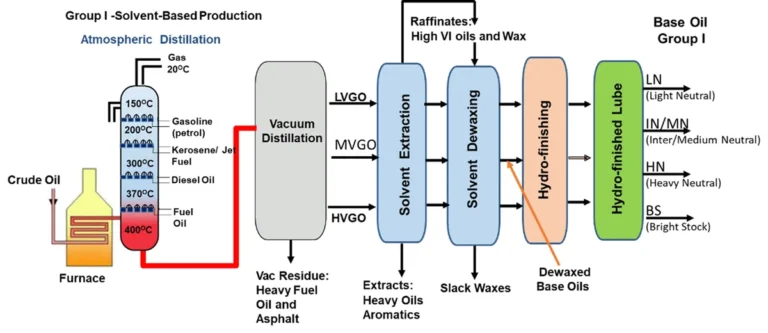
Refining turns selected petroleum fractions into base stocks suitable for making lubricants. The main goal is to separate useful components and remove or convert substances that could harm oil stability, flow, or performance. A typical route includes atmospheric distillation, vacuum distillation, further purification, dewaxing, and finishing, although exact plant designs vary.
The first refining stage separates crude oil into broad groups based on their boiling behavior. Lighter materials can become fuels and other products, while heavier fractions remain for further processing. Lubricant production uses selected heavier streams rather than simply collecting the crude oil that comes out of the ground.
The heavier material can then enter a vacuum distillation unit. Lowering the pressure allows high-boiling components to separate at lower temperatures than they would under normal atmospheric pressure. This helps recover lubricant-range fractions while limiting unwanted thermal damage.
Those fractions still need further treatment. Depending on the process, refiners may use solvent extraction, hydroprocessing, hydrocracking, or other methods to improve the base stock. These steps can remove impurities, change the molecular structure of some compounds, and improve properties such as oxidation resistance and viscosity behavior.
The result is not yet finished engine oil. It is a base stock with defined properties that can serve as a major ingredient in a lubricant formula. The base stock must still be blended with the appropriate additives and checked against the specifications for the final product.
Atmospheric distillation
Separates crude oil into broad fractions according to their boiling ranges.
Vacuum distillation
Separates heavier petroleum streams under reduced pressure to recover suitable lubricant fractions.
Purification
Removes selected unwanted compounds or changes their chemical form to improve base stock properties.
Dewaxing
Reduces wax-related problems that could limit the oil’s ability to flow at low temperatures.
Finishing
Further improves properties such as stability, color, and resistance to degradation, depending on the process.
How Is Base Oil Purified?
Refiners use different purification methods depending on the target base oil group and the characteristics of the feedstock. Solvent refining can remove selected aromatic compounds, while hydrogen-based processing can saturate some molecules and reduce certain impurities. Hydrocracking can also change the hydrocarbon structure to improve the resulting oil’s properties.
Dewaxing is another key step. Some wax molecules can make oil lose its ability to flow at low temperatures. A refining process may remove those molecules or convert them into other hydrocarbons that remain more fluid in the cold.
The exact sequence is not universal. A traditional solvent-refined base oil and a modern hydroprocessed base oil can follow different routes, and some plants combine several operations. The goal is to produce a base stock that meets its intended physical and chemical specifications.
Solvent extraction
Uses a selected solvent to separate some unwanted compounds from a petroleum stream.
Hydrotreating
Uses hydrogen and a catalyst to improve the composition and stability of the feedstock.
Hydrocracking
Breaks and rearranges selected hydrocarbon molecules under controlled conditions to improve base stock properties.
Hydrofinishing
Provides additional treatment to improve stability and other specified properties.
What Happens to the Unwanted Materials?
Refining separates or converts unwanted material rather than making every component of crude oil disappear. Different streams may be recovered for other uses, sent for further processing, or managed as process residues. Their destination depends on the material, plant design, and applicable environmental controls.
This is one reason lubricant manufacturing requires more than a simple filter. Filtering can remove solid particles, but it cannot by itself separate every dissolved compound or change the chemical structure of the oil. Refiners use several operations because each one addresses a different problem.
Separation
Distillation divides materials into fractions with different boiling ranges.
Chemical treatment
Selected processes remove or convert compounds that do not fit the base stock specification.
Process control
Operators monitor the process and manage recovered streams and residues according to plant procedures.
Step 3: Making Synthetic Engine Oil
Synthetic engine oil uses synthetic base stocks made through controlled chemical processing or extensive upgrading of selected feedstocks. Some synthetic base stocks are built from smaller chemical molecules, while others begin as petroleum fractions that undergo severe refining and conversion. This means the word synthetic does not describe just one manufacturing method.
One common synthetic base stock family is polyalphaolefin, often shortened to PAO. Manufacturers can produce PAO by reacting selected smaller molecules to form larger, more uniform hydrocarbon molecules. The resulting base stock can offer useful low-temperature flow, viscosity behavior, and resistance to oxidation.
Other synthetic base stocks include certain esters and specialized hydrocarbon fluids. Each has its own strengths and limitations. Formulators select them according to the performance needs of the final lubricant, the additive package, the cost, and compatibility with seals and other materials.
Some highly refined petroleum-derived base stocks are also marketed as synthetic oil, depending on the product and applicable market conventions. Group III base stocks, for example, are commonly made through intensive hydroprocessing. Their properties can resemble those of chemically synthesized base stocks, but their production route differs from the route used for PAO.
After the base stock is made, the manufacturer still needs to formulate the finished engine oil. A synthetic base stock does not automatically make a finished product suitable for every engine. The oil must have the correct viscosity grade and meet the performance requirements specified for the vehicle.
PAO base stocks
Made through chemical reactions that build larger hydrocarbon molecules from selected starting materials.
Ester base stocks
A family of synthetic fluids used in selected lubricant formulations for their particular chemical and physical properties.
Highly refined Group III stocks
Produced through extensive processing of petroleum-derived feedstocks and widely used in synthetic motor oils.
Finished synthetic oil
A formulated lubricant made by blending suitable synthetic base stocks with additives and verifying the finished product.
Is Synthetic Oil Made From Crude Oil?
Sometimes, yes. Many synthetic motor oils use base stocks derived from petroleum that have undergone extensive processing. Other synthetic base stocks, such as PAO, are produced by chemical synthesis from selected feedstocks. The answer depends on the base stock used in the particular formula.
The important distinction is that synthetic oil is not simply untreated crude oil or a bottle of one pure chemical. Finished synthetic engine oil is a formulated product with defined performance requirements. Its quality depends on the base stocks, additives, manufacturing controls, and verified performance of the complete formula.
Synthetic does not always mean non-petroleum
Some synthetic base stocks begin with petroleum-derived materials and undergo extensive chemical processing.
Synthetic does not mean additive-free
Synthetic engine oils generally need carefully selected additives to provide the required engine protection.
Step 4: Blending Base Oil With Additives
Blending is the stage where base stocks and additives become a finished engine oil formulation. A lubricant plant transfers the specified ingredients into a blending vessel or another controlled mixing system. Operators or automated controls follow a formula that defines which materials to use and how much of each one to add.
The proportions depend on the target product. A formulation may combine several base stocks to achieve the desired viscosity and low-temperature behavior. It may also include a concentrated additive package that supplies detergents, dispersants, anti-wear agents, antioxidants, and other functions.
Mixing must distribute the ingredients evenly. The plant controls factors such as temperature, circulation, mixing time, and the order in which certain materials enter the batch. Some additives dissolve or disperse more readily under particular conditions, so the blending procedure must match the formulation.
Additive chemistry is carefully balanced. Adding more of one ingredient does not necessarily improve the oil. Too much of an additive can interfere with other components, change the intended properties, or cause the finished oil to fall outside its specification.
The blend is not approved for sale merely because it looks uniform. The batch must pass the required checks, and the manufacturer must have a reliable way to trace the raw materials and production records. If a test reveals a problem, the batch is held for investigation rather than automatically sent to packaging.
Batch preparation
The plant verifies the intended product, raw materials, equipment status, and required blend quantities.
Controlled addition
Base stocks and additives are added according to the approved formulation and production procedure.
Mixing
The materials are mixed under defined conditions to create a consistent blend.
Batch records
Production data help identify the ingredients, quantities, equipment, and conditions used for each batch.
How Much of Engine Oil Is Base Oil?
Base oil makes up most finished engine oil, but the exact percentage depends on the formulation. Some lubricants use a large proportion of base stock, while others require a different balance of base fluids and additives. It is better to treat any general percentage as an estimate rather than a universal recipe.
A simple hypothetical example shows how blending works. If a 1,000-gallon batch were formulated with 900 gallons of base stocks and 100 gallons of additive components, base stocks would account for 90% of the batch by volume. This is an illustration only, not a recommended formula for making engine oil.
Actual recipes are proprietary and technically demanding. They depend on the required performance tests, base stock characteristics, additive chemistry, and the specifications the finished oil must meet.
Base stocks
Provide the main fluid and much of the finished oil’s viscosity and lubrication behavior.
Additive components
Supply additional properties needed to protect the engine and keep the lubricant stable.
Formula control
Keeps the ingredient balance within the product’s design and quality limits.
Why Can Two Oils With the Same Viscosity Be Different?
Two oils can share the same SAE viscosity grade but use different base stocks and additive packages. One may be designed for a particular gasoline engine specification, while another is intended for a heavy-duty diesel application or an older engine with different requirements. The viscosity label alone does not show every aspect of performance.
This is why choosing engine oil by thickness alone is not enough. The owner should check the vehicle manual for the required viscosity grade and performance specification. A suitable oil must meet the full set of requirements, not just one number printed on the bottle.
Different base stocks
The fluids can vary in volatility, oxidation stability, and behavior at low temperatures.
Different additive packages
The formulas can target different engine designs, operating conditions, and performance standards.
Step 5: Adjusting Engine Oil Viscosity Grades
Manufacturers formulate engine oil to meet a specified viscosity grade, such as SAE 0W-20, 5W-30, or 10W-40. Viscosity describes a fluid’s resistance to flow. The SAE grade gives information about the oil’s behavior under defined low-temperature and high-temperature test conditions.
In a multigrade oil, the number before the W relates to low-temperature viscosity requirements, while the second number relates to high-temperature viscosity requirements. The W stands for winter. It does not mean weight, and the grade should not be treated as a direct measure of overall oil quality.
To achieve a target grade, formulators select base stocks with suitable viscosity characteristics and may use viscosity-index improvers. These additives help reduce the degree to which viscosity changes as temperature rises. Their use and concentration depend on the formula and the required performance.
The final grade must be verified through standardized testing. A manufacturer cannot reliably determine an oil’s SAE grade by looking at it or feeling how thick it seems between two fingers. Laboratory measurements provide the evidence needed to classify the oil correctly.
Low-temperature behavior
The oil must meet the specified cold-cranking and pumping requirements for its winter grade.
High-temperature viscosity
The oil must meet the applicable viscosity limits under defined high-temperature test conditions.
Viscosity-index improvers
These polymers can help a multigrade oil maintain the required viscosity range as temperature changes.
What Is the Difference Between SAE and API Ratings?
SAE viscosity grades describe the oil’s viscosity behavior under specified test conditions. API service categories address engine oil performance requirements, including protection against wear, deposits, and other forms of engine stress. These systems answer different questions.
An oil can have the correct viscosity grade but still lack the performance category required for a particular vehicle. The American Petroleum Institute provides service classifications and a licensing system for eligible products. Other industry bodies and vehicle manufacturers also publish relevant requirements and approvals.
When selecting oil for a car sold in the United States, check both the recommended SAE grade and the required performance category or manufacturer approval. Follow the owner’s manual rather than assuming that a newer, thicker, or more expensive oil is automatically better.
SAE grade
Describes viscosity classification, such as 5W-30.
API service category
Identifies a set of engine oil performance requirements for applicable engine types.
Vehicle manufacturer approval
Shows whether an oil meets a particular vehicle maker’s specified requirements when an approval is required.
Step 6: Testing Engine Oil Before It Is Sold
Quality testing checks whether a finished batch matches its intended specification. Manufacturers use laboratory methods to measure properties such as viscosity, density, low-temperature flow, flash point, and other characteristics relevant to the product. The exact test list depends on the oil and the requirements that apply to it.
Simple physical tests are only part of the process. Engine oil performance can also depend on how it behaves under heat, oxidation, wear, deposits, and other operating conditions. Product development and qualification may therefore involve standardized bench tests, engine tests, and requirements established by industry organizations or vehicle manufacturers.
A batch that passes a limited set of routine checks is not automatically proven to meet every engine performance claim. Routine quality control verifies consistency and selected properties, while product qualification establishes performance through the tests and procedures required for the applicable category or approval.
Manufacturers use production records and quality systems to link a batch to its ingredients and test results. If a result falls outside the permitted range, the batch may be held, investigated, reprocessed where appropriate, or rejected. The correct action depends on the nature of the failure and the manufacturer’s procedures.
These checks matter because a bottle of oil must deliver the same intended properties as the product that was formulated and qualified. A small error in an ingredient amount, a contaminated storage tank, or an incorrect transfer can affect the finished batch.
Viscosity testing
Confirms that the oil meets relevant viscosity limits for its intended grade.
Physical property checks
May measure density, flash point, color, and other properties used in quality control.
Performance testing
Uses specified laboratory or engine tests to evaluate performance claims and category requirements.
Contamination checks
Help identify unwanted water, particles, or other material that could affect product quality.
Traceability
Links the finished batch to its materials, processing records, and quality results.
What Happens If an Engine Oil Batch Fails a Test?
A failed result should trigger an investigation, not an assumption that the oil is safe to sell. The quality team reviews the test method, sample handling, equipment, raw material records, and production data to determine the cause. A repeat test may be appropriate when the procedure or sample is in question, but repeating a test does not excuse a genuine failure.
Depending on the problem, the manufacturer may correct a batch through an approved rework procedure, send it for further evaluation, or reject it. Any correction must preserve the product’s intended specification and comply with the applicable quality system. If the cause remains unclear, releasing the batch would create an avoidable quality risk.
Verify the result
Check sample integrity, test conditions, and instrument status according to laboratory procedures.
Investigate the process
Review raw materials, blend quantities, transfers, and equipment records.
Control the batch
Hold the product until an authorized disposition decision has been made.
Step 7: Filling, Sealing, and Shipping Engine Oil
Once the finished oil passes the required release checks, the manufacturer sends it to packaging or bulk distribution. Retail products may go into quart bottles, one-gallon containers, or other sizes commonly sold in the United States. Workshops, fleets, and industrial users may receive larger pails, drums, totes, or bulk deliveries.
Packaging equipment fills containers to the intended quantity, closes the caps or seals, and applies product labels. Labels communicate key details such as the viscosity grade, performance categories, product identity, and other information relevant to the buyer. Manufacturers also need controls to prevent the wrong oil or label from being assigned to a container.
Finished containers are packed for storage and transport. The manufacturer or distributor tracks inventory and sends products to warehouses, automotive retailers, service centers, fleet operators, and other customers. Bulk products may move through a different distribution route, but product identification and contamination control remain important.
The oil-making process does not end when the blending tank is empty. Clean storage tanks, compatible transfer lines, sound containers, and accurate labels help preserve the product’s quality and ensure that customers receive the oil they intended to buy.
Container preparation
Packaging systems use suitable containers and controls to reduce contamination and product mix-ups.
Filling and sealing
Machines dispense the oil and close each container according to the packaging specification.
Label verification
Checks help ensure that the package identifies the correct product and viscosity grade.
Distribution
Finished products move to warehouses, retailers, repair shops, and other customers.
How Can Buyers Identify the Right Engine Oil?
Start with the vehicle owner’s manual or the manufacturer’s official service information. Find the required viscosity grade, performance category, and any specific approval. Then check the product label to confirm that the oil meets those requirements.
Do not choose oil based only on its color, brand name, price, or the words conventional and synthetic. These details do not replace the technical specifications. If the vehicle requires a particular approval, confirm that the product actually carries the applicable approval rather than assuming that a similar claim is enough.
Check the manual
Use the exact viscosity and performance requirements stated for the engine.
Read the label
Verify the SAE grade and applicable service category or manufacturer approval.
Avoid unsupported substitutions
Do not change grades or mix unrelated products simply because they appear similar.
Conventional vs. Synthetic vs. Synthetic Blend Engine Oil
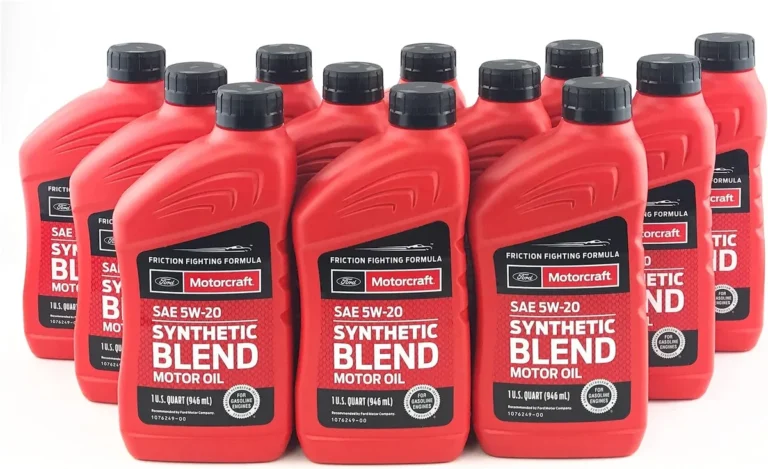
Conventional, synthetic, and synthetic blend engine oils differ mainly in the types of base stocks used and the way the finished products are formulated. These labels can help describe the product category, but they do not replace the viscosity grade or performance requirements. Two oils in different categories may both be suitable for a particular engine if they meet its specifications.
Conventional motor oil generally relies on petroleum-derived base stocks made through refining. Synthetic oil uses synthetic base stocks or highly refined stocks marketed for synthetic applications, depending on the product. Synthetic blend oil combines conventional and synthetic base stocks in a formulated mixture.
Synthetic formulations can be designed to offer useful low-temperature flow, oxidation stability, or resistance to volatility. However, actual performance depends on the complete formula and its demonstrated test results. The label alone cannot establish that every synthetic product will outperform every conventional product under every condition.
The best choice is the oil that meets the engine maker’s requirements and suits the vehicle’s operating conditions. If a vehicle calls for a specific grade and service category, an oil that does not meet them is not made suitable merely by being synthetic.
Conventional oil
Uses refined petroleum base stocks and a suitable additive package to meet its target performance requirements.
Synthetic oil
Uses synthetic or highly refined base stocks selected for the intended formulation and performance targets.
Synthetic blend
Combines conventional and synthetic base stocks in a finished formula.
Is Full Synthetic Oil Made Differently From Conventional Oil?
The base stock manufacturing route can differ substantially. Conventional base stocks may be produced through distillation and further refining, while synthetic base stocks may undergo extensive hydroprocessing or chemical synthesis. The finished product then goes through formulation, blending, and quality control.
Some steps are shared by both categories. Both need a carefully designed additive package, controlled manufacturing, and suitable quality checks. The meaningful difference is not simply whether the oil is mixed in a factory, but how the base stocks are produced and how the complete formula performs.
Base stock production
The feedstocks and refining or synthesis routes may differ.
Additive blending
Both categories require an appropriate formulation to meet the intended engine oil specification.
Performance verification
The finished product must meet its claimed grade and applicable performance requirements.
Can Engine Oil Be Made From Recycled Oil?
Yes. Used lubricating oil can be re-refined into base stock for new lubricant products. Re-refining is different from simply filtering used oil and pouring it back into an engine. Used oil contains a mixture of degraded lubricant, oxidation products, contaminants, wear particles, and material introduced during service.
A re-refining facility typically begins by checking and preparing the used oil. Depending on the plant, it may remove water and light contaminants, separate useful lubricant-range material under vacuum, remove residues, and use further purification such as hydrotreating. The goal is to recover a base stock that meets defined quality requirements.
After re-refining, the recovered base stock must still be formulated into a finished lubricant. Additives are blended in as required, and the final product must meet the relevant specification. Re-refined base stock is not automatically suitable for every engine oil application just because it originated as lubricant.
Recycling used oil can reduce the need for virgin feedstocks and help recover valuable material. The environmental benefit depends on collection, processing efficiency, energy use, waste handling, and the quality of the recovered product. Proper collection and processing matter more than simply calling an oil recycled.
Collection and screening
Used oil is collected and checked to determine whether it is suitable for the re-refining process.
Pre-treatment
Water, solids, and selected light contaminants may be removed before further processing.
Separation and purification
The facility recovers lubricant-range material and reduces unwanted contaminants using its chosen process.
New formulation
Recovered base stock is blended with additives and tested for the intended finished lubricant specification.
Is Re-Refined Engine Oil Safe for Cars?
A properly manufactured re-refined oil can be suitable for an engine when the finished product meets the vehicle’s required specifications. The source of the base stock alone does not establish whether an oil is suitable or unsuitable. Its quality and verified performance matter.
Consumers should check the same details they would check on any other engine oil: viscosity grade, service category, and required manufacturer approvals. Do not pour collected used oil or homemade reprocessed oil into an engine. Used oil can contain contaminants that ordinary household filtering cannot remove.
Look for specifications
Confirm that the finished oil meets the requirements in the vehicle manual.
Avoid home reprocessing
Filtering used oil at home does not provide the purification and testing needed to establish engine oil quality.
Common Myths About How Engine Oil Is Made
Engine oil manufacturing is often described in simple terms, but several common claims can give buyers the wrong idea. Understanding the difference between raw materials, base stocks, additives, and finished oil makes it easier to judge those claims.
The most useful rule is to focus on documented specifications and the finished product. Manufacturing labels and marketing terms can provide context, but they do not replace evidence that the oil meets the requirements of a particular engine.
Myth: Engine oil is just refined crude oil
Refined base oil is only the starting point for many products. Finished engine oil usually needs additives and controlled formulation to meet modern performance requirements.
Myth: All synthetic oils are made from the same ingredients
Synthetic products can use different base stock families and additive systems, so their formulations are not identical.
Myth: Darker oil is always lower quality
Color alone cannot establish quality. Additives, base stock chemistry, and other factors can affect appearance.
Myth: Thicker oil always protects better
An oil that is too thick for an engine can affect flow and lubrication. Use the grade specified by the vehicle manufacturer unless official service guidance says otherwise.
Myth: Adding extra additives always improves engine oil
Aftermarket additives can alter a carefully balanced formula. Use only products and procedures that are compatible with the engine maker’s guidance.
Myth: All engine oils have the same performance
Oils can differ in viscosity, additive chemistry, base stocks, and verified performance categories. Check the complete specification rather than assuming they are interchangeable.
Can You Make Engine Oil at Home?
You can learn about the chemistry of lubrication at home, but making dependable engine oil is not a practical household project. A suitable lubricant needs controlled raw materials, a tested formula, accurate blending, and laboratory verification. A mixture that looks and feels oily may still fail to protect an engine.
Engine oil must work under heat, pressure, contamination, and repeated temperature changes. Household equipment cannot establish whether a homemade blend meets standardized viscosity or engine performance requirements. An incorrect formula can increase wear, create deposits, or cause other damage.
For a vehicle, use a commercially produced lubricant that meets the requirements in the owner’s manual. If you want to explore lubricant chemistry for education, use a supervised laboratory setting and noncritical demonstrations rather than testing an unverified mixture in an engine.
Do not mix random chemicals
Unverified combinations may react, separate, or produce unsuitable lubricant properties.
Do not use homemade oil in an engine
Appearance and basic flow tests cannot prove that a lubricant meets engine protection standards.
Use qualified products
Select a finished oil with the correct viscosity grade and required performance classification.
A Simple Overview of the Engine Oil Manufacturing Process
The manufacturing route can be summarized as a sequence from raw material selection to finished product release. The steps below describe a typical petroleum-based lubricant route, with alternative routes for synthetic and re-refined base stocks. Individual factories may combine, repeat, or change steps according to their equipment and target products.
The key distinction is between producing the base stock and formulating the finished oil. Refining or synthesis creates the main fluid. Blending, testing, and packaging turn that fluid into a commercial engine oil that can be identified and checked against its specifications.
1. Select raw materials
Choose suitable petroleum fractions, synthetic feedstocks, base stocks, and additive components.
2. Separate useful fractions
Use distillation and other suitable operations to obtain lubricant-range material.
3. Refine or synthesize base stocks
Remove unwanted compounds or create suitable molecules to achieve the required properties.
4. Formulate the oil
Select compatible base stocks and additives for the intended engine oil specification.
5. Blend under controlled conditions
Measure, combine, and mix ingredients according to the approved formula.
6. Test the finished batch
Verify relevant physical properties and the required product quality controls.
7. Package and distribute
Fill and seal suitable containers, verify labels, and ship the released product.
Which Step Has the Biggest Effect on Engine Oil Quality?
No single step determines every aspect of finished oil quality. Base stock selection and processing establish much of the fluid’s basic behavior, while the additive package helps deliver other important properties. The blending process and final quality controls help ensure that the intended formula is produced consistently.
The strongest evidence comes from the finished oil’s verified specifications and performance testing. A highly refined base stock cannot compensate for every possible formulation error, and a carefully blended product cannot be assumed to perform well without suitable testing. Each stage contributes to the final result.
Base stock quality
Influences viscosity behavior, volatility, and resistance to oxidation.
Formulation design
Balances the base stocks and additives to meet the intended operating requirements.
Manufacturing control
Reduces the risk of incorrect quantities, contamination, and batch inconsistency.
Performance verification
Provides evidence that the finished product meets its intended requirements.
Frequently Asked Questions
Q
How is engine oil made in a factory?
A factory makes engine oil by blending suitable base stocks with a carefully designed additive package. The base stocks may come from crude oil refining, synthetic production, or re-refining used lubricants. The plant measures and mixes the ingredients under controlled conditions, tests the finished batch, and packages it after the required checks are complete.
Q
Is engine oil made from crude oil?
Much conventional engine oil uses base stocks made from crude petroleum. Refineries separate crude oil into fractions, recover suitable lubricant-range material, and process it to achieve the required properties. Many synthetic oils also use petroleum-derived feedstocks, although some synthetic base stocks are made through chemical synthesis from other starting materials.
Q
What chemicals are added to engine oil?
Depending on the formula, engine oil can contain detergents, dispersants, anti-wear agents, antioxidants, viscosity modifiers, rust inhibitors, foam-control agents, and friction modifiers. Each component has a defined purpose. Manufacturers balance the ingredients to meet the intended performance requirements, so adding extra chemicals without a tested formula is not recommended.
Q
Why is synthetic engine oil usually more expensive?
Synthetic engine oil can cost more because of the base stocks, processing methods, formulation work, and performance testing involved. The actual price depends on the product, supplier, market, and packaging. A higher price does not automatically mean the oil is right for every engine, so the required viscosity and performance specifications should guide the purchase.
Q
Is synthetic engine oil better than conventional oil?
Synthetic oil can offer useful benefits in areas such as low-temperature flow and oxidation stability, depending on the formulation. However, the best oil for a vehicle is the one that meets its manufacturer’s requirements. A suitable conventional oil can work well where it is permitted, while an engine that requires a particular synthetic product or specification should receive the required oil.
Q
Can used engine oil be turned into new engine oil?
Yes. Industrial re-refining can recover useful base stocks from used lubricating oil. The process removes contaminants and unwanted material through several treatment and separation steps. The recovered base stock must then be formulated and tested before it can be used in a finished lubricant. Filtering used oil at home is not an equivalent process.
Q
How long does it take to manufacture engine oil?
There is no single manufacturing time for all engine oils. Blending a batch may take hours, depending on the plant, formula, equipment, and required checks. Producing the base stocks can involve a separate refining or chemical manufacturing process, and developing or qualifying a new engine oil can require extensive testing over a much longer period.
Q
Does engine oil have to be black to work properly?
No. New engine oil can range from nearly clear to amber or other shades, depending on the base stocks and additives. Used oil may darken as it carries contaminants and by-products of engine operation, but color alone cannot establish whether oil is still suitable for use. Follow the vehicle’s service schedule and investigate warning signs rather than relying only on color.
✦ Wrapping Up
Conclusion
Engine oil is made through a carefully controlled process that starts with suitable raw materials and ends with a tested, labeled lubricant. Conventional products commonly use petroleum-derived base stocks, while synthetic products can use heavily processed petroleum fractions or chemically synthesized fluids. Manufacturers then blend these base stocks with additives that help control wear, deposits, oxidation, rust, and changes in viscosity.
Refining and synthesis establish the properties of the base stocks, but the final formula matters just as much. Controlled blending, laboratory checks, product qualification, and proper packaging help ensure that the oil meets its intended requirements. Re-refining can also recover useful base stocks from used oil, provided the material is processed and verified appropriately.
For drivers in the United States, understanding this process can make engine oil labels easier to interpret. The terms conventional, synthetic blend, and full synthetic provide useful context, but the SAE viscosity grade and required performance specifications remain essential. The correct oil is the one that meets the vehicle manufacturer’s requirements, not simply the one with the highest price or the most impressive label.
💡 Key Takeaway
Before buying engine oil, check your owner’s manual for the required SAE viscosity grade, API service category, and any manufacturer-specific approval. Choose a finished product that meets those requirements, and follow the recommended oil and filter change schedule.
You’re standing in the auto parts aisle, squinting at two jugs that look identical except for one number. What is the difference between 5w20 and 5w30 motor…
How is motor oil produced? It sounds like a oneline answer, but the real process runs through distillation, cracking, dewaxing, polymerization, additive…
If you typed “what motor oil is the thickest” into your browser, you’re probably staring at a halfworn engine, a gear case weeping, or a diesel truck that runs…