Best Performance Engine Oil: 5 Top Picks Reviewed
Mobil 1 Extended Performance Full synthetic 0W-20 is my top pick for compatible modern engines needing strong everyday protection.
Your car may face long highway trips, heavy traffic, hot summer days, and cold morning starts. These conditions can put extra stress on engine oil. The right oil helps reduce friction, control heat, and protect moving parts. But not every high-performance oil suits every engine. I compared five popular options, including full synthetic oils, high-mileage formulas, and small-engine oil. This guide to the best performance engine oil explains their strengths, limits, and ideal uses. My goal is simple: help you choose an oil that matches your engine and driving needs without paying for features you do not need.
🏆 Top 3 Products

Mobil 1 Extended Performance Full Synthetic 0W-20
Its full synthetic formula and broad temperature performance make it a strong choice for compatible modern passenger cars.

Mobil 1 Extended Performance High Mileage 5W-30
Its high-mileage formula is a useful option for older compatible engines that need ongoing wear and seal support.

Valvoline MaxLife High Mileage 5W-30
It offers a practical high-mileage synthetic blend for drivers who want extra aging-engine support at a reasonable cost.
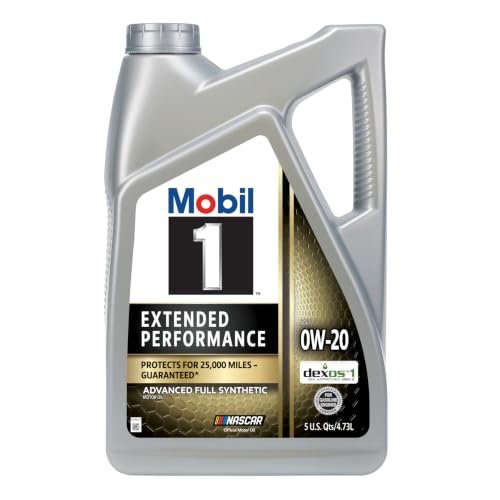
Mobil 1 Extended Performance Full Synthetic 0W-20
Mobil 1 Extended Performance 0W-20 is my top overall choice in this group for vehicles that require this exact oil grade. It uses a full synthetic formula designed to protect engine parts under normal and demanding driving conditions. Its Triple Action Formula focuses on engine cleanliness, wear protection, and overall performance. The 0W-20 grade also helps the oil flow during cold starts while maintaining the viscosity needed at normal operating temperatures. This makes it a strong option for many newer passenger cars, SUVs, and light trucks that call for 0W-20.
One of its main selling points is its advertised long protection interval of up to 20,000 miles under suitable conditions. However, I would never treat that number as a universal oil-change schedule. Your vehicle maker may require a shorter interval, especially under severe driving conditions. Frequent short trips, towing, dusty roads, and extreme heat can change oil service needs. I like this product because it combines a modern synthetic base with a practical focus on everyday engine care. It is a good choice when the owner’s manual approves its viscosity and specifications.
✅ Pros
- ✔ Full synthetic formula supports consistent engine lubrication.
- ✔ 0W-20 viscosity can help oil flow during cold starts.
- ✔ Designed to protect against engine wear.
- ✔ Helps control deposits that can affect engine cleanliness.
- ✔ Suitable for many modern vehicles that require 0W-20.
- ✔ Advertises extended protection under approved service conditions.
- ✔ Useful for drivers who want one quality oil for daily commuting and highway use.
- ✔ Provides a practical balance of temperature performance and everyday protection.
⚠️ Cons
- ✖ Not suitable for engines that require a different oil viscosity.
- ✖ Usually costs more than conventional and some synthetic blend oils.
- ✖ The advertised 20,000-mile protection claim does not replace the vehicle manufacturer’s service schedule.
- ✖ May not be the right choice for older engines that require a thicker oil grade.
- ✖ It is not a dedicated racing oil for specialized high-load competition engines.
My Recommendation
I recommend Mobil 1 Extended Performance 0W-20 as the best performance engine oil in this selection for compatible modern vehicles. It combines full synthetic lubrication, cold-start flow, and a focus on wear and deposit control. It works well as an everyday oil for drivers who spend time in city traffic and on highways. I would choose it for a newer car that specifically calls for 0W-20 and meets the product’s required specifications. Before buying, I would check the owner’s manual for viscosity, API category, and any manufacturer approval. If your engine needs 5W-30 or another grade, choose a matching product instead.
| Best For | Why |
|---|---|
| Modern passenger cars | Its 0W-20 grade suits many newer engines that specify this viscosity. |
| Daily commuters | Its synthetic formula supports regular driving, traffic, and highway use. |
| Cold-start conditions | The 0W winter rating supports oil flow during low-temperature starts. |
Mobil 1 Extended Performance High Mileage 5W-30
Mobil 1 Extended Performance High Mileage 5W-30 is designed for vehicles with more miles on the odometer. Older engines can face different challenges from newer ones. Seals may age, deposits may build up, and normal wear may increase over time. This oil combines a full synthetic base with a high-mileage formula to support engine cleanliness and protection. Its 5W-30 viscosity also makes it suitable for many cars and light trucks that call for this grade.
I like this option for drivers who want a synthetic oil made with aging engines in mind. Its formula aims to help reduce leaks and oil consumption while protecting engine parts from wear. These benefits can be useful, but they do not mean the oil can repair worn seals or damaged engine components. The advertised 20,000-mile protection claim also needs careful reading. Always follow your vehicle’s oil-life monitor and service schedule. When the engine requires 5W-30 and the product meets the correct specifications, this oil deserves a place among the best performance engine oil options for high-mileage vehicles.
✅ Pros
- ✔ Full synthetic base provides strong everyday lubrication.
- ✔ High-mileage formula targets the needs of older engines.
- ✔ Designed to help reduce oil leaks and oil consumption.
- ✔ Supports protection against engine wear.
- ✔ Helps control harmful deposits inside the engine.
- ✔ 5W-30 grade fits many older passenger cars and light trucks.
- ✔ Useful for drivers who want synthetic oil for a high-mileage vehicle.
- ✔ Advertises extended protection under suitable service conditions.
⚠️ Cons
- ✖ Not suitable for engines that require 0W-20, 5W-20, or another grade.
- ✖ Costs more than many conventional and synthetic blend options.
- ✖ Cannot repair cracked seals, damaged gaskets, or worn engine parts.
- ✖ The long-mileage claim does not apply to every driving condition.
- ✖ May offer features that a newer, low-mileage engine does not need.
My Recommendation
I recommend this Mobil 1 formula for owners of compatible vehicles with higher mileage. It makes sense when an engine requires 5W-30 and the driver wants a full synthetic oil with high-mileage features. I would consider it for an older daily driver, a family SUV, or a light truck that still runs well but has accumulated substantial mileage. It is not a cure for mechanical problems. If your engine burns oil quickly or has visible leaks, inspect the cause instead of relying on oil alone. Check the owner’s manual before choosing it.
| Best For | Why |
|---|---|
| High-mileage cars | Its formula targets common lubrication needs in older engines. |
| Older SUVs and light trucks | The 5W-30 grade suits many vehicles in this category. |
| Drivers seeking full synthetic oil | It combines synthetic lubrication with high-mileage support. |
STP Premium Synthetic Blend 10W-30 Small Engine Oil

STP Premium Synthetic Blend 10W-30 is different from the other oils in this review. It targets four-cycle small engines rather than ordinary passenger car engines. That makes it a useful option for equipment such as lawnmowers, generators, tractors, and snow blowers when their manufacturers approve 10W-30 oil. Small engines often work hard for long periods. A lawnmower may run at a steady high speed, while a generator may operate under a continuous electrical load. The right oil helps protect the moving parts in these machines.
This product uses a synthetic blend rather than a full synthetic formula. That can make it a practical choice for owners who want an oil designed for outdoor power equipment without paying for a premium car oil. Its 32-fluid-ounce bottle also offers a useful amount for routine small-engine maintenance. I would not use it as a direct replacement for passenger car motor oil. Small engines have their own lubrication needs, and some use different oil grades or special service requirements. Always check the equipment manual before pouring it into a crankcase.
✅ Pros
- ✔ Made for four-cycle small engines.
- ✔ Suitable for approved lawnmowers and garden equipment.
- ✔ Can be used in compatible generators and tractors.
- ✔ 10W-30 viscosity fits many small engines that specify this grade.
- ✔ Synthetic blend formula offers an alternative to conventional oil.
- ✔ Useful for seasonal equipment maintenance.
- ✔ 32-fluid-ounce bottle is convenient for many small-engine oil changes.
- ✔ Designed for equipment that may operate under steady workloads.
⚠️ Cons
- ✖ Not a general-purpose replacement for passenger car motor oil.
- ✖ Not suitable for two-cycle engines that require premixed or separate two-cycle oil.
- ✖ The 10W-30 grade may not suit every mower, generator, or tractor.
- ✖ Synthetic blend does not offer the same base-oil composition as full synthetic products.
- ✖ The small bottle may not be enough for equipment with larger oil capacities.
My Recommendation
I recommend STP Premium Synthetic Blend 10W-30 for owners of compatible four-cycle outdoor power equipment. It is the right kind of product to consider when maintaining a lawnmower, generator, tractor, or snow blower that calls for 10W-30. Its biggest strength is its intended use. It fills a different need from the passenger car oils in this guide. I would not rank it as the best performance engine oil for a car, truck, or SUV. Instead, I would treat it as a separate small-engine maintenance option. Check the manual for oil grade, capacity, and change intervals before use.
| Best For | Why |
|---|---|
| Four-cycle lawnmowers | It is designed for compatible small engines that use 10W-30 oil. |
| Portable generators | It can support routine lubrication in approved four-cycle generator engines. |
| Outdoor power equipment | It offers a synthetic blend option for several types of small equipment. |
Mobil 1 Extended Performance High Mileage 0W-20

Mobil 1 Extended Performance High Mileage 0W-20 combines two useful features: a full synthetic base and a formula aimed at higher-mileage engines. It is designed for vehicles that need 0W-20 but have already covered many miles. This distinction matters because not every older engine needs thicker oil. Some modern engines continue to require 0W-20 throughout their service life. Using the correct viscosity helps maintain the oil flow and lubrication that the engine design expects.
I see this product as a useful choice for drivers who want high-mileage support without moving away from a thin factory-recommended grade. Its formula focuses on wear protection, engine cleanliness, and support for aging seals. It also carries an advertised protection interval of up to 20,000 miles under suitable conditions. However, I would follow the vehicle maker’s schedule rather than assume every engine can safely run that long. Heat, traffic, towing, short trips, and oil condition all matter. For a compatible high-mileage vehicle, this is a strong option in the best performance engine oil category.
✅ Pros
- ✔ Full synthetic formula supports reliable engine lubrication.
- ✔ Designed for vehicles with higher mileage.
- ✔ Keeps the factory-required 0W-20 viscosity for compatible engines.
- ✔ Aims to help reduce leaks and oil consumption.
- ✔ Supports protection against engine wear.
- ✔ Helps control deposits and maintain engine cleanliness.
- ✔ Useful for newer engine designs that retain 0W-20 requirements as mileage increases.
- ✔ Offers an option for owners who want high-mileage features without changing viscosity.
⚠️ Cons
- ✖ Only suitable for engines that specify 0W-20 and meet the required oil standards.
- ✖ Usually costs more than conventional and synthetic blend oils.
- ✖ Cannot reverse mechanical wear or repair damaged seals.
- ✖ The extended-mileage advertising does not guarantee a 20,000-mile oil-change interval for every car.
- ✖ May be unnecessary for low-mileage engines that do not need high-mileage features.
My Recommendation
I recommend this oil for drivers whose vehicles require 0W-20 and have accumulated substantial mileage. It is especially useful when an owner wants to keep the manufacturer’s specified viscosity while adding a formula designed for aging engines. I would consider it for a high-mileage sedan, crossover, or SUV that still runs smoothly and has no major mechanical problems. It is not a reason to change your oil grade without approval. Compare the required API and manufacturer specifications before buying. If your manual calls for 5W-30, select an approved 5W-30 product instead.
| Best For | Why |
|---|---|
| High-mileage modern cars | It combines high-mileage features with the 0W-20 grade many modern engines require. |
| Older hybrid vehicles | It may suit compatible high-mileage hybrids that specify 0W-20. |
| Drivers concerned about oil consumption | Its high-mileage formula aims to help reduce oil consumption in suitable engines. |
Valvoline MaxLife High Mileage 5W-30
Valvoline MaxLife High Mileage 5W-30 is a synthetic blend motor oil made for vehicles with aging engines. It focuses on the problems that may appear as a car gets older. These can include seal wear, oil leaks, higher oil use, and more deposits. Its formula aims to help protect engine parts while supporting cleaner operation. The 5W-30 grade also fits a wide range of older cars, SUVs, and light trucks that specify this viscosity.
What makes this product attractive is its balance of high-mileage features and everyday value. A full synthetic oil may be a better fit for some demanding applications, but a synthetic blend can be a sensible choice for regular driving. I would consider MaxLife for a dependable older commuter or family vehicle that needs 5W-30. It is not a repair product, and it cannot fix a damaged gasket or worn piston rings. Still, when the viscosity and specifications match, it is a practical candidate for drivers comparing the best performance engine oil options for older vehicles.
✅ Pros
- ✔ Designed for vehicles with higher mileage.
- ✔ Synthetic blend formula offers a balance of performance and value.
- ✔ Aims to help reduce oil leaks from aging seals.
- ✔ Helps address oil consumption concerns in suitable engines.
- ✔ Designed to protect against engine wear.
- ✔ Supports engine cleanliness and deposit control.
- ✔ 5W-30 grade fits many older passenger cars and light trucks.
- ✔ Useful for regular commuting and everyday vehicle maintenance.
⚠️ Cons
- ✖ Not a full synthetic motor oil.
- ✖ Not suitable for engines that require another viscosity grade.
- ✖ Cannot repair damaged seals, gaskets, or internal engine components.
- ✖ May not be the ideal choice for specialized high-performance racing engines.
- ✖ Drivers with newer engines may not need its high-mileage features.
My Recommendation
I recommend Valvoline MaxLife 5W-30 for drivers who want an affordable high-mileage oil for a compatible older vehicle. It is a sensible choice for a daily commuter, family SUV, or light truck that calls for 5W-30. Its synthetic blend formula provides a useful middle ground between conventional and full synthetic oils. I especially like its focus on aging-engine concerns. However, I would not buy it only because my vehicle has crossed a certain mileage number. The engine’s actual condition and the manufacturer’s requirements matter more. Check the oil grade and specifications before making your choice.
| Best For | Why |
|---|---|
| Older daily drivers | Its high-mileage formula targets common concerns in aging passenger car engines. |
| Budget-conscious owners | The synthetic blend can offer high-mileage features without the cost of some full synthetic oils. |
| Compatible 5W-30 vehicles | It provides an option for engines that specify this viscosity and meet its oil requirements. |
Final Verdict: Which Should You Buy?
After comparing all five products, I choose Mobil 1 Extended Performance Full Synthetic 0W-20 as the best performance engine oil overall for compatible modern passenger vehicles. It offers a strong mix of synthetic lubrication, cold-start flow, wear protection, and engine cleanliness. For older engines, Mobil 1 High Mileage 5W-30 and Valvoline MaxLife 5W-30 are practical alternatives. The 0W-20 high-mileage Mobil 1 formula suits compatible older vehicles that still need that grade. STP is the dedicated option for approved four-cycle small engines.
The best performance engine oil is always the one that meets your engine’s exact needs. Check the manual, match the viscosity, and follow the service schedule. Choose quality oil, maintain the correct level, and replace the filter on time. These simple steps help protect your engine for the miles ahead.
FAQs Of best performance engine oil
Q What is the best performance engine oil overall?
Q Is full synthetic oil better for engine performance?
Q Can I use high-mileage engine oil in a new car?
Q Does performance engine oil increase horsepower?
Q How often should I change performance engine oil?