Guide to Does Target Have Motor Oil
Some Target locations carry motor oil, but there isn’t one dependable chainwide stock answer. If you’re searching “does target have motor oil,” check the exact bottle at your selected store. A general product page or online listing doesn’t prove shelf stock.
Start with your engine’s required SAE viscosity, API performance category, and any OEM approval. For example, a 5W-30 label may still be wrong if the manual requires 0W-20 with dexos1. As of 2026, confirm the specification first, then confirm store inventory and pickup status.
Guide to Does Target Have Motor Oil
Quick Answer
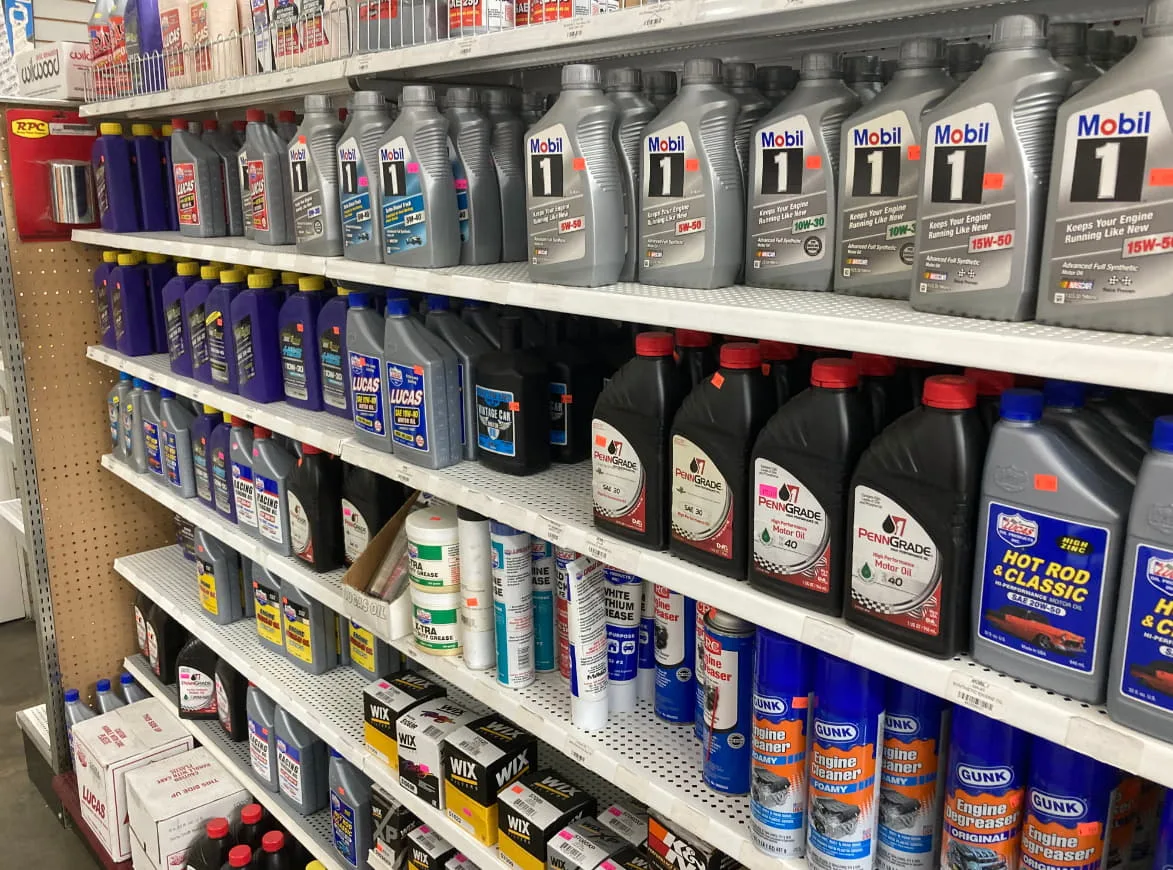
Does Target have motor oil? Target carries it, but not at every location. Stock depends on the exact bottle and selected store.
Check Order Pickup before visiting. Match the label to your vehicle.
Why Motor Oil Availability Differs Among Target Stores
Target’s national catalog, local store inventory, and fulfillment status answer different questions. The catalog tells you what products exist. Store inventory tells you what a location expects to have.
Fulfillment status tells you how you can obtain it.
What determines whether a store carries a bottle?
Five main factors affect availability: local assortment, demand, current inventory, package configuration, and the seller handling fulfillment.
- Store assortment: Each location stocks a selected range of automotive products.
- Local demand: Sales patterns affect which brands, grades, and sizes a store keeps on hand.
- Current inventory: A listed product may have only one or two units available.
- Package configuration: One-quart bottles and five-quart jugs are separate stock units.
- Seller: A Target-fulfilled item and a marketplace item can have different availability.
A SKU, or stock keeping unit, identifies one specific sellable version. It usually connects to a particular brand, formulation, viscosity, and package size.
| Factor | What it changes | What to check |
|---|---|---|
| Store assortment | Brands, grades, and sizes carried | The selected store’s product page |
| Local demand | Products the store stocks more often | Current store inventory |
| Package size | Bottles, jugs, and multipacks | Product title and package count |
| SKU | The exact oil version | Product details or UPC |
| Seller | Store pickup or separate fulfillment | Sold and shipped by information |
Why does an online listing not prove local stock?
An online listing proves that Target has a catalog page for the product. It doesn’t prove that your chosen store has a physical unit available.
Target.com can show shipping availability from a distribution center. That message says nothing about the shelf at your local store. Order Pickup is tied to the selected location and its available inventory.
The same product can show three different results:
- In stock for pickup at one Target
- Available only for shipping through another listing
- Temporarily unavailable at a third Target
A product page without a selected store can’t answer the local question. Set the store first, then check the exact bottle.
Why does the exact bottle matter?
Two products can share a brand while using different viscosity grades or performance standards. One may carry an OEM license that the other lacks. Package size can change the SKU as well.
A search for 5W-30 may return several different oils. A search for Target Brands motor oil may include more than one grade or formulation. Read the full title rather than the product family alone.
Check these identifiers before buying:
- Brand and product line
- SAE viscosity grade
- API performance category
- OEM approval or license
- Conventional, synthetic blend, or full synthetic formulation
- Container size
- Number of containers
- SKU or UPC
Can climate and location affect what a store stocks?
Yes, climate and location can affect demand, but they don’t determine what your engine needs. A colder market may see more demand for 0W oils. A warmer market may see more demand for grades such as 5W-30 or 10W-30.
Local vehicle mix matters too. A store near a diesel-heavy area may carry different products from one near a large commuter market.
Climate can guide a product search only after the manual confirms the grade. It can’t override the engine manufacturer’s specification.
Can regional rules affect disposal options?
Yes. Used-oil collection sites, recycling rules, and hazardous-waste programs vary by state and local government. Store oil availability is separate from disposal rules.
If you perform an oil change, confirm where used oil and filters must go in your area. Don’t assume every service center accepts them.
Store Stock, Online Stock, Pickup, and Shipping: What Each Status Means
Each inventory label describes a different fulfillment condition. Exact wording can change, so read the status attached to your selected store and product.
What does each Target inventory status mean?
The status tells you how Target expects to provide the item. It isn’t an unconditional promise that a unit will remain available until you arrive.
| Common status | What it generally means | What to do |
|---|---|---|
| In stock at your store | The location shows local inventory | Confirm the exact size and SKU |
| Only a few left | The listed quantity is limited | Reserve it if it matches |
| Available for Order Pickup | Pickup can be selected for that store | Place the pickup order |
| Ready for pickup | The order has been staged | Follow the collection instructions |
| Curbside Pickup | The order qualifies for curbside collection | Check the arrival instructions |
| Ship to Home | The item can be delivered separately | Check the delivery estimate |
| Out of stock | No current purchase offer is shown | Check another store or product |
| Temporarily unavailable | Ordering is currently paused | Check again or choose an alternative |
| Sold and shipped by another seller | A third party handles fulfillment | Don’t assume local pickup |
| Add to cart, but no pickup | The item may be online-only | Confirm delivery before ordering |
Can one product show different statuses for different stores?
Yes, because store stock belongs to a specific location. A bottle ready for pickup at store 1234 says nothing about stock at store 5678.
The same SKU can also have different fulfillment paths. One store may support Order Pickup. Another may show Ship to Home only.
A marketplace seller may offer delivery without local collection.
Read the store number beside every status. A generic badge elsewhere on the page may refer to a different location.
Is shipping availability the same as store availability?
No, shipping availability and store availability are separate. Shipping can be fulfilled from a distribution center or another seller. Store pickup depends on the selected location.
A Ship to Home badge doesn’t prove that a bottle is on your local shelf. It only means the current offer includes delivery to your address.
If you need oil today, local pickup or a confirmed service location is usually more useful. If you can wait, delivery may be the simplest option.
Does an in-stock message reserve the oil?
No, viewing a product or adding it to your cart doesn’t set it aside. Another shopper or employee can purchase or stage the last unit while you’re deciding.
A completed pickup order is stronger because it normally creates a fulfillment task. Stock systems can still experience delays, count errors, transfers, or damaged items.
If the quantity is limited, complete the order after confirming the specification. Don’t rely on the product page alone.
When should you contact the store?
Contact the store when the status conflicts with the order screen, the quantity is critical, or the label is unclear. Ask for the automotive department if the store directs you to do so.
Don’t ask only whether the store has oil. Give staff the exact product details:
I need 5W-30 full-synthetic oil with API SP and dexos1. Can you confirm SKU 123456 in a five-quart jug for pickup at store 1234?
Include the grade, category, approval, package size, and quantity. If the store can’t confirm those details, search a source that can.
What should you do if the order remains delayed?
Wait for the pickup notice when possible. If the delay continues, contact the selected store with your order number.
Keep the order active until the store resolves it. Don’t assume a delayed order has been converted into a pickup at another location.
If the engine has a low-oil warning, explain that when you call. The store may know of a nearby alternative or a confirmed service option.
What if the item is a marketplace order?
A marketplace item may be handled by a third-party seller. It can have different shipping times, return terms, and packaging standards.
Confirm the seller before relying on local pickup. Marketplace availability doesn’t usually confirm that a Target store can stage the order.
When it arrives, match the bottle, label, and package count with the listing. Keep the shipping record until you’re satisfied the item is correct.
Step-by-Step: Check Target for the Exact Oil You Need
Start with your vehicle, not the retailer’s search bar. Record the required oil specification first. Then search for that exact product at your chosen Target.
What should you check before searching?
Check the engine’s oil level, required specification, and quantity. If you only need a top-up, add less than a full service quantity. If you’re completing a change, also confirm the filter and service procedure.
Use the owner’s manual for the engine’s model year, engine, and build date. A general model-year search can return a manual for a different powertrain.
Step 1: Confirm that the engine needs oil
Check the level using the owner’s manual’s procedure. The manual may require a cold engine, a warm engine, or a specific waiting period.
Some dipsticks give a different reading when left unscrewed. Others must be fully seated. Follow the instructions for your vehicle.
Look for a visible leak before adding oil. A low level can indicate a leak, excessive consumption, or a previous service issue.
Step 2: Record the complete oil specification
Write down every mandatory requirement before opening Target.com. A matching viscosity alone may not be enough.
Record these details:
- Required SAE viscosity grade
- Required API performance category
- OEM approval or license
- Required formulation
- Approved alternate viscosities
- Required quantity
- Any manufacturer conditions for severe service
Keep the manual or a clear photo of the relevant page. You’ll need it again during pickup.
Step 3: Determine the quantity you need
A top-up and a full oil change require different amounts. For a top-up, add only enough to reach the proper level. For a full change, use the manufacturer’s service quantity.
| Package format | Common use | Main check |
|---|---|---|
| One-quart bottle, about 946 mL | Top-up or smaller service | Count the bottles needed |
| Five-quart jug, about 4.73 L | Full change for many engines | Confirm service quantity |
| Multipack | Routine maintenance | Confirm total quarts and grade |
Don’t assume the entire engine capacity must enter the engine during one change. Oil remains in the filter and engine passages.
Step 4: Select the Target store
Use Target’s Store Locator to choose the location you’ll use. Confirm the store number, address, and hours.
Set the store before checking inventory. Without a selected location, the site may show only national catalog or shipping information.
If you may visit more than one store, compare each location separately. Don’t assume a nearby Target carries the same assortment.
Step 5: Search from a broad term to an exact product
Start with “motor oil,” then narrow the listing. Apply the grade, category, approval, formulation, and package size you recorded.
Use this order:
- Search for motor oil.
- Filter by the required SAE grade.
- Add the API category or OEM approval.
- Confirm the formulation.
- Select the bottle, jug, or multipack.
- Compare the exact product titles.
- Confirm the SKU or UPC when shown.
This process helps prevent a similar product from distracting you.
Step 6: Check the seller and fulfillment source
Read the “Sold and shipped by” details. A third-party listing may offer shipping only, even if a nearby Target carries a similar product.
Confirm that the seller’s product title matches the label shown in the listing. Pay attention to formulation, grade, and package count.
A marketplace badge doesn’t prove that a local store can provide pickup.
Step 7: Check the status for your exact store
Read the status attached to the selected product and location. A shipping badge doesn’t prove Order Pickup. A broad category badge doesn’t prove that your exact SKU is stocked.
If the listing says only a few units remain, reserve the correct package if you can. Confirm the total quantity before ordering.
If the product is unavailable, record any approved alternatives before leaving the page.
Step 8: Match the listing against your vehicle
Compare the listing with your saved requirements. Check viscosity first, then API category, OEM approval, and formulation.
Confirm that:
- The SAE grade matches the manual.
- The API category meets the stated requirement.
- Any required OEM license appears on the label.
- The formulation is permitted.
- The package contains enough oil.
If one mandatory detail is missing, keep looking.
Step 9: Place the pickup order
If the product matches and pickup is available, complete the order. Review the confirmation before leaving the site.
Check the store number, product title, package count, seller, price, and pickup method. A cart isn’t a reservation. A confirmed order is better, though stock systems can still have errors.
Step 10: Verify the product at pickup
Check the bottle or jug before leaving the pickup area. Match the label, grade, category, approval, formulation, and quantity with your order.
Inspect the cap, seams, and container. Reject a product that’s open, leaking, cracked, unreadable, or unexpectedly warm.
If the store offers a substitute, compare the complete label before accepting it. A similar grade alone isn’t enough.
What if the exact oil isn’t available?
Check the manual for an approved alternate viscosity. Then search another nearby store or a specialist retailer. Don’t accept a bottle that fails the API or OEM requirement.
If the engine has a serious warning, prioritize local service or towing. Inventory convenience shouldn’t override engine safety.
Match Your Vehicle’s Oil Specification Before You Shop
Match the complete oil specification before buying. Viscosity, performance category, formulation, and OEM approval can all matter for the same engine.
Where should you find the required specification?
Start with the owner’s manual for the exact vehicle. Look in the maintenance, engine oil, or recommended fluids section.
Useful sources include:
- Owner’s manual
- Oil-filler cap sticker
- Door-jamb service label
- Dashboard maintenance menu
- Manufacturer VIN lookup
- Engine-cover sticker
- Manufacturer maintenance records
The manual normally provides the most complete answer. A cap sticker may show only one viscosity.
What does SAE viscosity mean?
SAE J300 is the viscosity classification system developed by SAE International. It describes how oil flows at low and high temperatures.
A grade such as 5W-30 contains two temperature behaviors. The first number and W describe cold-temperature behavior. The final number describes viscosity at operating temperature.
The SAE grade doesn’t show:
- Oil quality
- API performance category
- OEM approval
- Engine suitability
- Additive package
A familiar SAE grade can appear on oils that fail other engine requirements.
What does API SP mean?
API, the American Petroleum Institute, develops engine-oil performance standards. API SP is one defined passenger-car engine-oil category.
A bottle labeled API SP has met that category’s testing and licensing requirements. That still doesn’t guarantee suitability for an engine that requires a separate OEM license.
The engine manufacturer decides which API category or approval applies.
What is an OEM oil approval?
An OEM approval shows that a specific oil product meets a manufacturer’s named specification. Examples can include dexos1, dexos2 Gen 3, or another brand-specific license.
A license applies to the exact licensed product. Don’t assume every bottle from the same company or product family carries it.
Check both the approval and the SAE grade. An oil can carry the right license with a viscosity your engine doesn’t permit.
Is the oil-filler cap sticker enough?
No, the cap sticker usually provides a viscosity clue. It may omit the API category, OEM approval, or approved alternate grades.
A sticker marked 5W-30 may suit many engines. It can’t confirm whether your engine requires synthetic oil or a separate manufacturer license.
Use the sticker as a quick guide. Confirm the full requirement in the manual.
Which requirement should you check first?
Start with the owner’s manual, then check the product’s SAE grade. Next, verify the API category or OEM approval.
That order prevents a familiar grade from narrowing your search too early. A correct number can lead you toward a product that still fails the engine’s full specification.
Does the oil brand have to match the vehicle brand?
Usually, no, a separate oil brand can be suitable when it meets the manufacturer’s stated standard. The engine manual often allows a range of compliant products.
Use the named brand if the manual says “use only” that product. Otherwise, compare the technical specification.
A dealer’s oil isn’t automatically better than retail oil. It must still meet the documented requirement.
What should the oil label show?
A useful label identifies the viscosity, performance standard, formulation, and any OEM license. It may also state compatibility for gasoline or diesel engines.
| Label feature | What it tells you | What it doesn’t prove |
|---|---|---|
| SAE grade | Viscosity behavior | Performance or approval |
| API category | A defined performance standard | Every OEM requirement |
| OEM license | A named manufacturer specification | Suitability for another engine |
| Formulation | Conventional, blend, or synthetic | Correct quantity |
| Package size | Container volume | Full service suitability |
Read the printed words, not just the API donut or logo.
Can an oil meet API SP and still be wrong?
Yes, an oil can meet API SP while failing a separate dexos1, dexos2 Gen 3, or other OEM requirement. It can also use the wrong viscosity.
Use API SP as one requirement, not the entire answer. The manual’s complete language controls.
Can a product with dexos1 still be wrong?
Yes, a product can carry the right OEM license while using a viscosity the engine doesn’t permit. The package may also contain the wrong quantity.
Check every mandatory detail. A license doesn’t override the SAE grade or service procedure.
What is API SQ?
API SQ is a newer passenger-car engine-oil performance category. It can be relevant when the manufacturer specifies it.
Don’t treat API SQ as an automatic upgrade for an engine that requires API SP. The engine manufacturer’s documentation controls.
What are ACEA oil classes?
ACEA develops oil specifications used in many European markets. An engine may require a particular ACEA class, viscosity, and manufacturer approval.
ACEA certification doesn’t automatically replace API or a U.S. OEM license. Source the exact class listed for the vehicle.
Is diesel oil interchangeable with gasoline oil?
No, diesel engine oil can use a different performance category, viscosity, sulfur limit, or additive package. Gasoline oil can also fail a diesel engine’s OEM requirement.
Identify the fuel type and engine before buying. Don’t use a broad phrase such as “heavy-duty oil” as proof of compatibility.
Does model year matter?
Yes, model year can change an engine’s oil requirement. A redesign can alter oil passages, emissions equipment, oil consumption, and approved performance standards.
Confirm the engine and build date when a model offers several configurations. A trim level or accessory package can also affect the specification.
Does the VIN identify the right manual?
Usually, yes, a manufacturer VIN lookup can narrow the vehicle configuration. Provide the model year, trim, engine, and build date if the system requests them.
If a vehicle has been modified, document those changes. A factory manual may not cover racing, towing, or other specialized use.
Can a high-mileage formulation replace the required oil?
No, a high-mileage formulation can replace the required oil only when it meets the complete specification. Its mileage claims don’t override the manual.
Check the SAE grade, API category, OEM approval, and formulation. A “high-mileage” label alone proves nothing about engine compatibility.
How should you compare two otherwise matching oils?
Compare the total price, total quantity, unit price, seller, storage needs, and return terms. Both products should meet the same technical requirements first.
A slightly higher price can be reasonable if the product is locally available and has a clearer approval. A lower price isn’t value if the product fails one mandatory standard.
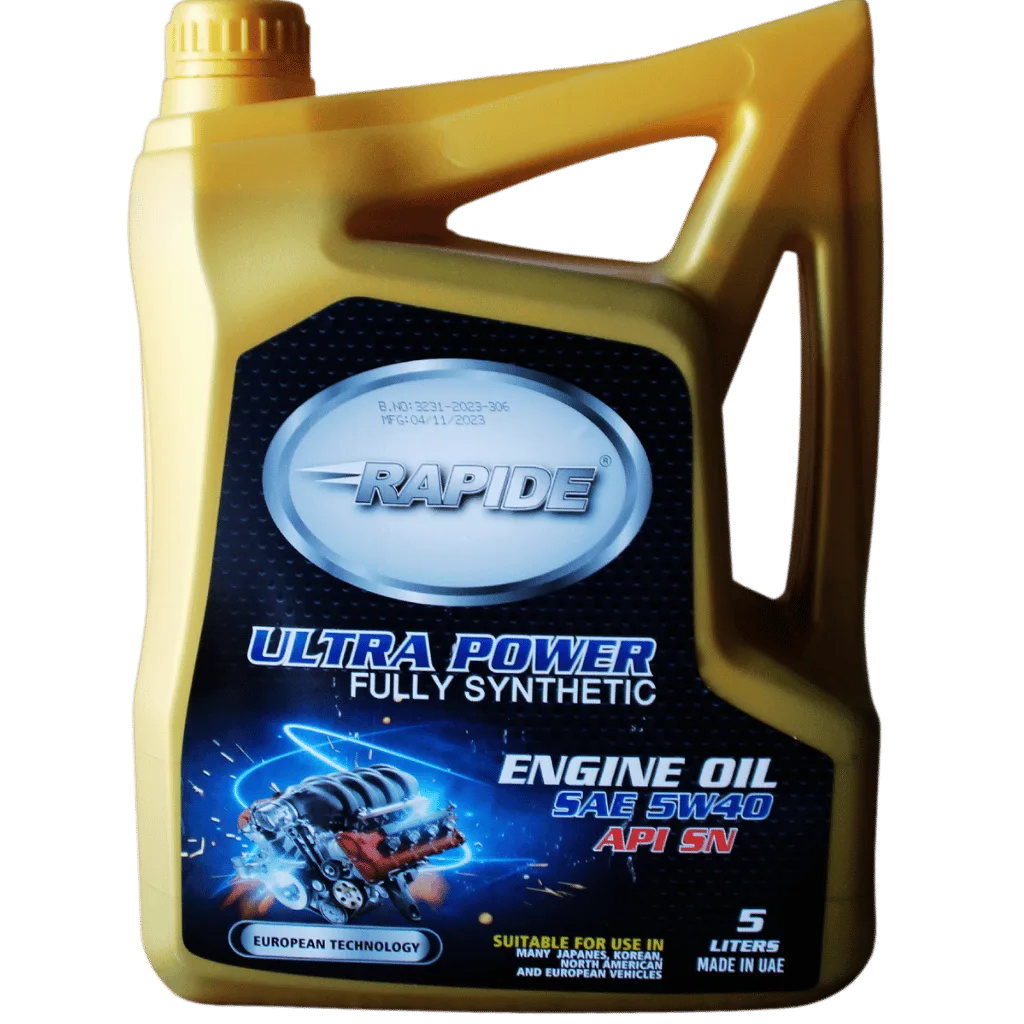
What if the listing image is too small to read?
Open the largest available image or request a clearer label image from the seller. Don’t order an approval-critical product based on an unreadable detail.
The physical container must match the listing. If the label remains unclear, choose a source that can document the specification.
A simple compatibility check
Use this sequence before adding a bottle to your cart:
- Match the model year, engine, and build date.
- Match the SAE viscosity.
- Match the API category.
- Match the OEM license.
- Match the formulation.
- Confirm the total quantity.
- Confirm that the container is sealed.
If a mandatory item fails, the product isn’t the right match.
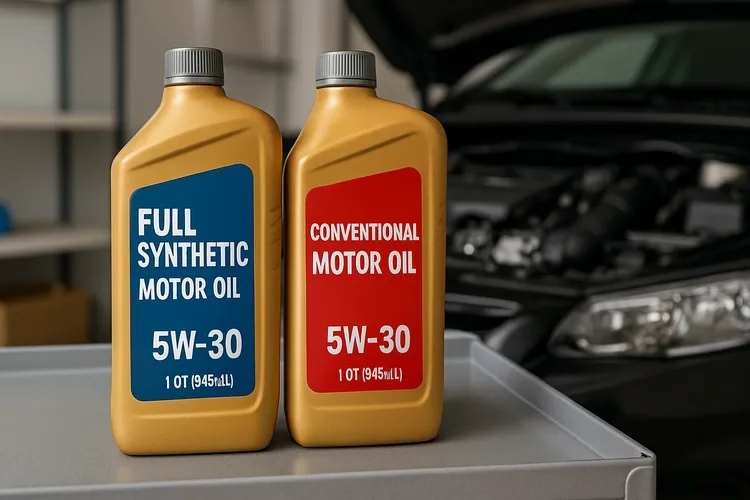
Conventional, Synthetic Blend, or Full Synthetic?
Use the formulation required or permitted by the owner’s manual. Synthetic oil isn’t automatically better, and high-mileage oil isn’t automatically right for an older engine.
What changes between oil formulations?
The base oil affects temperature performance and consistency. Additives then provide cleaning, oxidation resistance, corrosion protection, and other required properties.
| Formulation | Base oil | Common benefit | Common limitation |
|---|---|---|---|
| Conventional | Mineral-based oils | Lower purchase cost | May fail newer engine requirements |
| Synthetic blend | Mineral and synthetic base oils | Balanced cost and performance | May not satisfy a full-synthetic requirement |
| Full synthetic | Synthetic base oils | Strong low-temperature consistency | Usually costs more |
| High-mileage oil | Conventional, blend, or synthetic base oils | Claims for minor seepage and emissions | Doesn’t treat mechanical oil consumption |
Formulation doesn’t replace the SAE grade or API category. A synthetic blend can be 0W-20, while a full synthetic can be 5W-30.
What is base oil?
Base oil is the primary liquid used to make the finished lubricant. The finished product also contains a formulated additive package.
Base-stock type helps explain why synthetic oils often perform consistently in cold conditions. It doesn’t determine certification by itself.
A conventional oil can be correct for an engine designed to use it. The problem begins when a manufacturer requires synthetic oil and the product fails that condition.
Does engine age decide the formulation?
No, engine design decides the formulation. Production date, engine architecture, emissions equipment, and oil-passage tolerances matter more than age alone.
Common examples include:
- A newer turbocharged engine requiring synthetic oil
- An older engine permitting a conventional blend
- A high-mileage engine using an approved synthetic blend
- A hybrid gasoline engine with requirements separate from its transmission fluid
- A diesel engine requiring a diesel-rated product
A vehicle’s age doesn’t override the manual.
Is full synthetic always the best choice?
No, full synthetic is the right choice when the engine requires it and the product meets the complete specification. It can also be sensible when the manual allows several formulations and cold-weather performance matters to you.
Full synthetic often flows well in cold conditions. That benefit doesn’t make it compatible with every engine.
Compare the product’s viscosity, category, and approval. Choose the least expensive option that meets every mandatory requirement.
Is synthetic oil bad for older engines?
No, synthetic oil can suit many older engines. Check the manual for any formulation restriction or “use only” instruction.
A high-mileage engine may use full synthetic. A conventional engine may also permit synthetic if the manual allows it.
Changing oil can’t repair a worn ring, damaged seal, or leaking valve cover.
What is high-mileage oil?
High-mileage oil is a conventional oil, synthetic blend, or full synthetic marketed for older engines. It may contain additives intended to reduce minor seal seepage.
It can also include claims related to deposits, emissions, and oil consumption. Those claims don’t replace the engine specification.
Use high-mileage oil when it meets the required grade and category. Confirm any OEM approval as well.
Is high-mileage oil better for an older vehicle?
Not automatically, high-mileage oil is better only when it meets the specification and addresses minor seepage. It won’t solve excessive oil consumption.
A vehicle may need several quarts soon after a full change. That pattern calls for inspection, not a different oil label.
Can I choose an approved alternate viscosity?
Yes, you can choose an alternate viscosity when the manual permits it. A manual may list one preferred grade and another for specific ambient temperatures.
Check the complete condition. Don’t treat an alternate grade as universal.
The alternate grade must still meet the API category or OEM approval.
Can I mix oil formulations?
You can make a temporary top-off when the manual allows it, but you shouldn’t plan a service around mixed products. The owner’s manual controls emergency guidance.
Use the correct viscosity whenever possible. If the available oil fails the requirement, minimize the added amount and replace the oil promptly.
Mixing products doesn’t create a new certified grade. A blend of 0W-20 and 5W-30 won’t necessarily behave like an approved 5W-20 product.
Does oil color show quality or formulation?
No, color doesn’t identify base oil, viscosity, certification, or quality. Conventional and synthetic products can look similar.
Use the label and manufacturer documentation. Don’t reject an approved product because its color differs from another bottle.
Which formulation should you choose?
Choose the least expensive approved product that fits the job. Start with the manual’s requirement, then compare inventory and price.
| Vehicle requirement | Sensible choice |
|---|---|
| Any listed grade and formulation | Lowest-priced fully compliant product |
| Full synthetic required | Labeled full synthetic with matching approvals |
| Synthetic blend permitted | An approved blend or full synthetic |
| Conventional permitted | Any approved formulation allowed by the manual |
| High-mileage oil recommended | A product meeting the required grade and approval |
| No manual available | Confirm the specification before buying |
Can additives fix the wrong oil?
No, additives shouldn’t be used to make a noncompliant oil appear suitable. A thicker blend or cleaner can change viscosity and may void an OEM license.
Never add automatic transmission fluid, brake fluid, or an unlabeled solvent to the filler neck. Use additives only when the engine manufacturer approves them.
How Much Motor Oil Should You Buy?
Buy the amount needed for the job, plus any sealed reserve your service plan requires. A top-up may need less than one quart, while a full change may need several quarts.
Is a top-up different from a full change?
Yes, a top-up restores the level between scheduled changes. A full change drains old oil, replaces the filter, and refills the engine.
A full service doesn’t always use the entire stated engine capacity. Oil remains in the filter, passages, pan, and on internal components.
For a top-up, add only enough to reach the proper level. For a full change, follow the service quantity in the manual.
What does engine oil capacity mean?
Engine oil capacity is the manufacturer’s stated lubricant volume. It can vary by engine, filter, oil pan, and installed equipment.
Capacity doesn’t tell you how much to add when the level is already low. For a top-up, use the dipstick range or MIN and MAX marks.
A replacement engine may also require a different amount than the original configuration.
How do you measure a top-up correctly?
Park on level ground and follow the manual’s temperature instructions. The manual may require a warm engine, a cold engine, or a specific waiting period.
Use the manual’s dipstick sequence. Some dipsticks should remain unscrewed during the reading. Others must be fully seated.
Add oil in small amounts. Recheck using the same method and stop at the proper level.
How much oil does a full change need?
Use the service quantity for the exact engine and filter. Keep any difference between engine capacity and drain-and-fill quantity in mind.
For example, a 4.5-quart engine capacity doesn’t mean exactly 4.5 quarts pass through the drain. The replacement filter retains oil, and some remains throughout the engine.
Follow the service procedure rather than forcing every remaining quart into the filler.
What are the common package sizes?
A U.S. liquid quart equals 32 U.S. fluid ounces, or about 946 mL.
| Package | Approximate volume | Common use |
|---|---|---|
| 12-ounce bottle | About 355 mL | Emergency supply or small top-up |
| 16-ounce bottle | About 473 mL | Top-up |
| 1-quart bottle | About 946 mL | Top-up or smaller service |
| 2.5-quart jug | About 2.37 L | Limited storage or unusual capacity |
| 5-quart jug | About 4.73 L | Full change for many engines |
| 6-quart jug | About 5.68 L | Higher service quantity |
| 6-quart multipack | Six one-quart bottles | Routine maintenance |
Read the quantity and package count. Don’t rely only on the container shape.
Should you buy a jug or individual bottles?
Choose a jug if you need most of its contents and can store the remainder properly. Individual bottles can be easier to divide between vehicles.
A five-quart jug may cost less per quart. It can also create a large leftover amount after a top-up.
A multipack is useful when you perform regular changes. It can also keep each vehicle’s approved oil separate.
How do you compare price per quart?
Divide the total price by the total number of quarts. Compare only products that meet the same complete specification.
For example:
- $13.99 for one quart equals $13.99 per quart
- $26.99 for two quarts equals $13.50 per quart
- $44.99 for five quarts equals $9.00 per quart
- $62.99 for six quarts equals $10.50 per quart
These are examples, not current Target prices. Check the live listing before buying.
A large package can have a lower unit price and a higher upfront cost. Choose based on the amount you’ll actually use.
How much extra oil should you keep?
Keep a small sealed reserve if you have suitable storage. A one-quart container is often easier to use for a future top-up than a partly filled jug.
Store oil upright in a cool, dry place. Follow the storage temperature and period stated by the manufacturer.
Don’t keep open oil in a hot vehicle. Heat and air can damage the container and shorten product life.
What if the dipstick shows more than MAX?
Don’t add oil, recheck the level using the manual’s procedure. Oil on the dipstick can distort the reading.
Excess oil can foam when it mixes with air. That can cause leaks, aeration, or unstable lubrication.
Let the engine settle for the specified period. If the level remains above MAX, seek guidance from the manual or a qualified technician.
What if the dipstick shows no oil?
Don’t assume the engine is safe to start. A low or empty reading can mean a leak, excessive consumption, or an incomplete service.
Arrange a local inspection if the engine may be empty. Don’t drive across town to find oil with pressure that may already be low.
A small amount of approved oil may correct a modest level. It can’t fix a major leak or failed lubrication component.
Can I top up between containers?
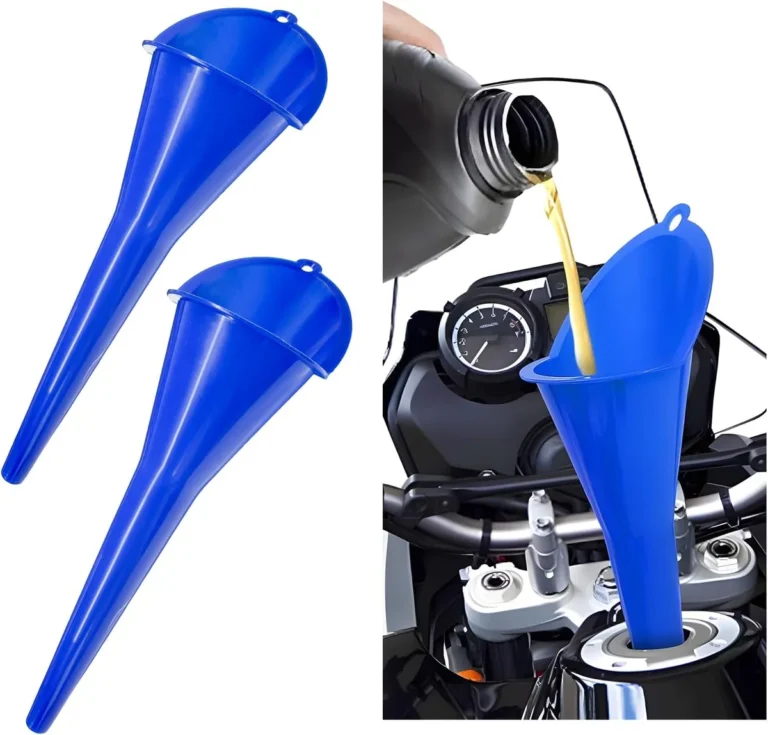
Yes, you can top up between containers if the oil and package meet the required specification. Use a clean funnel and keep the bottle closed whenever possible.
Add small amounts and recheck the level. Don’t pour an entire container into the engine without measuring.
If the available oil fails the specification, follow the owner’s manual’s low-oil instructions. Seek help if no compliant oil is available.
How do I calculate the amount for several vehicles?
List each vehicle separately. Record the grade, category, formulation, and service quantity for every engine.
Don’t group vehicles by age or model name. Different engines can require different oils within the same lineup.
Use separate sealed containers where possible. Label each opened container with the vehicle and date.
Decision Tree: What to Do When Target Has the Right Oil
Reserve the exact approved product, complete the pickup order, and verify the container before leaving.
Is the exact product available for pickup?
Yes, if the selected store shows the correct SKU as available for Order Pickup or Curbside Pickup. Confirm the status and complete the order rather than relying on a general in-stock message.
| What the listing shows | What to do next |
|---|---|
| Exact product ready for pickup | Review and collect the order |
| Order Pickup available | Place the order and wait for readiness |
| Only a few units remain | Confirm quantity and reserve promptly |
| Ship to Home only | Compare delivery time and seller |
| A substitute is offered | Verify its complete label first |
Does the product match every requirement?
Yes, the product matches when the grade, performance category, OEM approval, formulation, and quantity all align with your vehicle.
A matching product family or bottle color isn’t enough. The exact label is what matters.
If one mandatory detail is unclear, resolve it before pickup.
Should you place the order immediately?
Yes, you should order immediately if the product matches and stock is limited. Inventory can change during the day.
Review the store number, exact title, quantity, seller, price, and pickup method. Keep the confirmation available until collection.
A cart doesn’t hold a unit. A completed pickup order is stronger.
What if Target offers a substitute?
Ask to see the substitute’s label before accepting it. Compare the viscosity, API category, OEM approval, formulation, and quantity.
A substitute can be correct if it meets the complete manufacturer specification. It can be wrong despite a similar grade.
Pay close attention to the OEM license. That’s a common difference between otherwise similar products.
What should you check when the order is ready?
Bring your order confirmation and identification. Follow the listed inside or curbside pickup instructions.
At collection, confirm the product title, grade, formulation, and package count. Check the name on the order if someone else is collecting it.
If the order is wrong, tell the pickup team before leaving the pickup area.
How do you inspect the container?
Check the cap, seams, label, jug body, and outer seal. Reject a container that’s open, leaking, cracked, punctured, or unreadable.
Confirm that the physical product matches the order. A marketplace listing can change while the delivered bottle remains different.
Report damage or shortages before leaving the store. It’s easier to fix an order issue while the product is still there.
What if the oil container arrives warm?
Don’t use it until the condition is checked against the product’s storage guidance. Extreme heat during transport can affect a container or product quality.
Keep the container closed and contact the seller or retailer for instructions. Save the shipping record and photos.
A sealed container can still be unsuitable if it experienced excessive heat or damage.
How should you transport the oil?
Keep sealed containers upright in a box or bin that prevents sliding. A loose five-quart jug can become a hazard during sudden braking.
Keep the product away from sharp tools and hot engine parts. Don’t leave it in a hot vehicle longer than necessary.
For home storage, follow the manufacturer’s recommended temperature and keep the container tightly closed.
What should you do after pickup?
Use the oil promptly for the planned service. For a top-up, add only enough to reach the proper level.
Keep the receipt and a clear label photo. Record the date, mileage, quantity, and exact product used.
Reset an oil-life monitor only after completing the required service, not after a simple top-up.
What if the store cancels the order?
Use the cancellation notice to choose another source. Check another Target, an auto-parts store, a dealer, or a qualified service location.
If the engine has an active warning, prioritize the nearest confirmed source. A long trip can make a low-oil condition worse.
Don’t accept an unverified substitute simply to keep the original order moving.
Decision Tree: What to Do When Target Doesn’t Have the Right Oil
Search for an approved alternate grade, another store, or a specialist source. Don’t compromise the engine specification just to complete a purchase.
Does “out of stock” mean no suitable oil is nearby?
No, it usually means that exact SKU isn’t available through the selected route. Another approved grade, formulation, store, or seller may have a compliant product.
Separate the problem into three questions:
- Is the exact bottle unavailable?
- Does the manual allow an alternate product?
- Is the engine already low enough to need immediate help?
Each answer changes your next step.
Should you check another Target store first?
Yes, check another nearby Target when the distance is reasonable. Set that location before reviewing inventory.
Search for the same grade, category, approval, and package. If a compliant product is available, reserve it before traveling.
If no nearby location carries the specification, move to an auto-parts store, dealer, or service center.
Can you use another brand?
Yes, you can use another brand if it meets the complete manufacturer specification. A national-brand bottle can be correct even when a private-label bottle fails the same test.
Compare the technical label rather than the logo. Check viscosity, API category, OEM approval, formulation, and quantity.
Price matters only after technical compatibility is settled.
Can
Can you use another formulation?
Yes, but only when the owner’s manual permits it. A full synthetic oil may replace an approved synthetic blend. A blend may replace conventional oil when the engine accepts it.
A conventional oil cannot replace full synthetic oil when the manual requires synthetic. Check the formulation before comparing prices.
Can you use a different viscosity?
Yes, if the manufacturer lists that grade as an approved alternative. Some manuals allow 0W-20, 5W-20, and 5W-30 within stated temperature limits.
A grade outside that list isn’t an approved substitute. Ask a dealer or qualified technician to interpret unclear wording.
Can a high-mileage oil replace the required oil?
Yes, a high-mileage oil can work only when it meets the required viscosity, performance category, and OEM approval. Its mileage claims don’t replace the engine specification.
If the engine consumes oil rapidly, changing to high-mileage oil may hide the symptom without finding the cause. Inspect the vehicle first.
Should you check a dealer?
Yes, a dealer is a good fallback when the engine needs an uncommon grade or an OEM-specific license. Give the dealer the VIN, model year, engine, and build date.
A dealer can confirm the specification from the vehicle identification number. Ask whether the oil is in stock and whether it can be supplied for your service.
Should you check an auto-parts store?
Yes, an auto-parts store may carry more viscosities, formulations, and OEM licenses than a general-merchandise store. Call with the exact specification when the oil is needed urgently.
Bring a clear photo of the manual page. Compare the full label before buying, especially if a staff member suggests a substitute.
Is a quick-lube shop a better fallback?
Yes, a quick-lube shop is useful when you need installation or when the exact oil is easier for the service location to source. Ask which oil they plan to use.
Some shops accept customer-supplied oil. Others require their own product. Confirm the policy, labor cost, and warranty terms before ordering.
Can a marketplace order solve the problem?
Possibly. A marketplace seller may offer a product that local stores don’t stock. Check the label images, seller history, return terms, and package size before ordering.
A marketplace product isn’t automatically unsafe. It is harder to verify, so use a seller that provides clear product information and a return process for damaged or incorrect goods.
What if the engine has a low-oil warning?
Prioritize a nearby confirmed source or service location. Don’t drive across town while the engine has inadequate lubrication.
If the warning is red, the engine is leaking heavily, or the level is nearly empty, arrange towing or mobile service. Add oil only when the level and manual’s instructions make it safe.
What substitutes should you reject?
Reject any product with an unapproved viscosity, missing API category, missing OEM license, or prohibited formulation. Reject containers with unreadable labels, damaged seals, or unclear package counts.
A higher price doesn’t make an unsuitable oil correct. A low price doesn’t excuse a missing requirement.
What should you do if no approved oil is available?
Contact a dealer, qualified repair shop, or the vehicle manufacturer’s service information source. Provide the VIN and complete maintenance history.
Continue driving with a low or empty engine can cause expensive damage. A bottle of oil solves a modest top-up, not a failed oil pump or major leak.
A quick fallback checklist
Use this order when your preferred store doesn’t have the required product:
- Check the manual for an approved alternate viscosity.
- Confirm the required API category or OEM license.
- Search another nearby Target location.
- Check an auto-parts store.
- Call a dealer or service center.
- Compare the complete product label.
- Confirm the package quantity.
- Reserve the item before traveling.
- Arrange service or towing for an active warning.
Comparing Motor Oil Substitutes and Other Places to Buy It
Choose a source based on specification availability, pickup reliability, price, and service needs. A cheaper bottle is only cheaper if it meets your engine’s requirements.
Target Brands versus third-name oil
Target Brands motor oil can be suitable when its exact bottle meets the engine’s full specification. A third-name oil can offer more formulation choices or a specific OEM license.
| Comparison point | Target Brands oil | Third-name oil |
|---|---|---|
| Specification | Must match the manual | Must match the manual |
| Local availability | Depends on store inventory | Often broader at auto-parts stores |
| OEM approvals | Check each bottle | Check each bottle |
| Price | Often convenient for common grades | Varies by product and retailer |
| Best use | Routine compatible top-ups | Specialty grades or specific approvals |
The product label matters more than the brand family. A Target Brands bottle can be wrong for an engine, and a national-brand bottle can be correct.
Target versus an auto-parts store
Target is convenient when you’re already nearby and the required grade is available. An auto-parts store is usually better for uncommon oils, multiple brands, or specialty licenses.
Choose Target when:
- The exact product is available for pickup.
- The oil meets your engine’s specification.
- The package fits your service quantity.
- The price is reasonable.
Choose an auto-parts store when:
- Your engine requires an uncommon grade.
- The local Target doesn’t carry the needed approval.
- You need several package sizes.
- You want to compare more brands.
Target versus a dealership
A dealership is best when the engine requires an OEM-specific oil or a VIN-based service. Target is usually more convenient for common passenger-car grades.
A dealer’s price may be higher, yet the product can be easier to source. For a lease, warranty service, or specialty engine, documentation from the dealer can also be useful.
A dealer oil isn’t automatically better. It must still meet the stated specification.
Target versus a quick-lube shop
A retail pickup suits owners who want to perform the work themselves. A quick-lube shop suits owners who want the oil and filter replaced without handling tools or cleanup.
A shop can also inspect leaks, check the oil-life system, and identify warning causes. Compare the total service price, including labor, filter, disposal, and inspection fees.
Target versus a grocery or general retailer
Another general retailer may carry common 0W-20 or 5W-30 products. Its automotive selection can be smaller than an auto-parts store.
Check the complete label anyway. A familiar brand or package size doesn’t confirm that the oil meets an OEM approval.
How do you compare package sizes?
Compare the total oil quantity and the price per quart. A larger jug can lower the unit price, but it may leave more oil than you need.
| Package | Total quantity | Best fit |
|---|---|---|
| One-quart bottle | 1 quart | Top-up or small service |
| Two-quart jug | 2 quarts | Limited service or storage |
| Five-quart jug | 5 quarts | Many full changes |
| Six-quart multipack | 6 quarts | Regular maintenance |
| Four one-quart bottles | 4 quarts | Separate storage by vehicle |
The container format doesn’t change the oil specification. It changes convenience, storage, and the risk of adding too much.
Should you buy the lowest-priced compliant oil?
Usually, yes. Once two products meet the same engine requirements, the lower total price often offers better value.
Consider unit price, package size, pickup convenience, and storage. A slightly higher price may be worthwhile when the product is the only locally available compliant option.
Can you use oil from a service center?
Yes, if the oil meets the engine’s specification and the service center accepts customer-supplied oil. Confirm the policy before buying the product.
Some shops require their own oil for warranty or liability reasons. Others charge a separate fee for customer-supplied parts.
Bring the sealed container and its label. Don’t open it before the shop confirms it will accept the product.
How should you compare service prices?
Ask for the complete price before the work begins. Include the oil, filter, labor, disposal fee, and any inspection charge.
A low advertised oil-change price may exclude extra services. A higher total price may include a more complete inspection, especially when the vehicle has an oil warning or excessive consumption.
Ask what oil the shop will use. A specific grade and product record are more useful than a generic “oil change” description.
Which source is best for a routine top-up?
A nearby general retailer is often best for a routine, compatible top-up. Target works well when the exact product is available and you’re already nearby.
A service location is better if you don’t know why the level dropped or a warning remains.
Which source is best for a full change?
A quick-lube shop or qualified repair shop is best if you want installation and inspection. A retailer is best if you plan to change the oil and filter yourself.
For a full change, confirm the service quantity, filter part, oil specification, and disposal plan. A correct bottle alone doesn’t complete the service.
Which source is best for a specialty vehicle?
A dealer or specialist service location is best for diesel engines, performance models, hybrids with unusual requirements, and uncommon OEM approvals.
Provide the VIN, engine type, build date, and any modifications. A technician can identify the correct oil and document why it fits.
Which source is best when a warning is active?
Choose a qualified service location or towing service. The cause may involve low pressure, a leak, a failed sensor, or excessive consumption.
If the engine has only a modest low-level warning and the manual allows a top-up, use the approved oil close to home. Don’t drive farther than needed to find a preferred brand.
Can price-per-quart comparisons mislead you?
Yes, if the products don’t meet the same specification. A cheap 5W-30 oil can cost more if it fails an OEM requirement and requires another purchase.
Compare only compliant products. Then divide the total price by the total number of quarts.
Keep the receipt and product information if you’ll need a maintenance record.
Can a retailer’s return policy protect an opened bottle?
It depends on the policy. Many sellers won’t accept opened motor oil because the seal and condition can’t be verified.
Keep the container sealed until the label and product match your requirements. If you opened it, expect less flexibility.
What should you document after buying oil?
Record the date, mileage, product name, SAE grade, API category, OEM license, and quantity. Keep the receipt and a label photo.
For a full change, record the filter replacement and any inspection findings. For a top-up, record the amount added without pretending it was a complete service.
A source decision guide
Use this sequence:
- If Target has the exact approved product, reserve it for pickup.
- If Target has only an approved alternate, confirm the manual’s conditions.
- If no approved alternate is listed, check an auto-parts store or dealer.
- If you need installation, use a quick-lube shop or repair shop.
- If the engine has a serious warning, arrange service or towing.
- If a seller cannot verify the label, choose a source that can document the oil.
The best source provides the right oil, in the right quantity, with a clear pickup or service process. Don’t compromise the specification to save a small amount.
Common Mistakes to Avoid When Checking or Picking Up Motor Oil
Most mistakes come from treating a product name, an inventory badge, and a complete engine specification as the same thing. Check each one separately.
Mistake 1: Choosing oil by viscosity alone
A 5W-30 grade tells you how the oil behaves at different temperatures. It doesn’t tell you whether the oil meets the required API category or OEM license.
Use a complete specification:
[
\text{Viscosity} + \text{Performance category} + \text{OEM approval} + \text{Formulation}
]
If one mandatory term is missing, the product may not fit.
Mistake 2: Using a generic product family name
A line such as “Advanced Care” or “Full Synthetic” doesn’t identify the approved grade or license. Read the technical panel and the product title together.
A product family can contain several SAE grades and package sizes. One bottle may fit your engine while another from the same family does not.
Mistake 3: Trusting an old product photo
Listings can use an outdated image after a package or label changes. Compare the current listing with the bottle you receive.
Check the grade, category, approval, formulation, and package count. If the image is unclear, ask the seller for a current label image.
Mistake 4: Assuming a store badge guarantees pickup
A general “in stock” message may refer to another location or shipping inventory. Select the store and look for Order Pickup on the exact SKU.
If the order isn’t ready, wait for the pickup notice. A completed order is stronger, but a staged unit can still experience a delay.
Mistake 5: Buying a large jug for a small top-up
A five-quart jug can have a low price per quart, but a top-up may need only part of one quart. The remainder needs clean, temperature-appropriate storage.
Choose the package based on the service quantity. Don’t buy extra oil merely because the unit price looks lower.
Mistake 6: Adding a full quart without rechecking
Dipstick readings can change after oil circulates through the engine. Add oil slowly and follow the manual’s checking procedure.
Stop at the proper level between MIN and MAX. Excess oil can foam, leak, or cause unstable lubrication.
Mistake 7: Ignoring the dipstick instructions
Some dipsticks should be unscrewed during the reading. Others should be fully seated. The wrong method can produce a false level.
Follow the exact engine manual. Don’t rely on a generic instruction from another vehicle.
Mistake 8: Mixing oils to create a middle grade
Mixing 0W-20 and 5W-30 doesn’t create an approved 5W-20 oil. The finished blend may not meet the required performance or OEM license.
Use a temporary emergency addition only when the manual allows it. Replace the oil promptly with the correct specification.
Mistake 9: Resetting the oil-life monitor after a top-up
A top-up restores volume. It doesn’t replace all the oil, remove contaminants, or renew the filter.
Reset the monitor only after the required service. Otherwise, the vehicle may report fresh oil when the old lubricant is still in the engine.
Mistake 10: Adding additives to correct a bad choice
Additives can change viscosity, deposits, emissions behavior, and warranty coverage. They shouldn’t be used to make a noncompliant oil appear suitable.
Never add transmission fluid, brake fluid, or an unlabeled solvent to the engine. Use additives only when the manufacturer approves them.
Mistake 11: Opening oil before confirming compatibility
Opening a jug can make it ineligible for return under many seller policies. It also exposes the oil to air and contamination.
Read the label before opening. If a required approval is unclear, keep the container sealed and find a source that can verify it.
Mistake 12: Storing oil in a hot vehicle
Heat can damage a container and shorten product life. A trunk can become much hotter than the outside temperature, especially in summer.
Store unused oil upright in a cool, dry place. Follow the manufacturer’s storage temperature and period.
Mistake 13: Choosing a filter by thread size alone
The replacement filter must match the engine, gasket, and installed hardware. A similar thread diameter doesn’t guarantee a proper seal.
Use the manual or parts catalog. Replace the filter during a full service when required.
Mistake 14: Ignoring a small leak
A low-oil warning can follow a leak at the drain plug, filter, valve cover gasket, or oil pan. Adding oil may hide the level problem for a short time.
Inspect the area and have the leak diagnosed. Repeated top-ups are a signal, not a maintenance plan.
Mistake 15: Accepting a substitute at the counter
Ask to see the complete label before accepting another oil. A verbal assurance that it’s “the same” isn’t enough.
Compare the grade, API category, OEM approval, formulation, and quantity. If the product fails one requirement, reject it.
Mistake 16: Keeping no maintenance record
An oil change without a record is harder to defend during a warranty discussion or resale. Save the receipt, product details, date, and mileage.
Record a top-up as a top-up. Record a full service as a full service.
A pickup troubleshooting table
| Situation | Likely problem | Best action |
|---|---|---|
| Correct grade, wrong API category | Incomplete specification | Keep searching |
| Correct API category, missing OEM license | Manufacturer requirement unmet | Choose an approved product |
| Correct product, wrong package | Insufficient or excess oil | Select the right count |
| Order says ready, bottle is wrong | Picking or listing error | Resolve before leaving |
| Bottle is leaking | Damaged container | Reject and report it |
| Oil level falls quickly | Leak or consumption | Arrange inspection |
| Warning returns after filling | Sensor or lubrication issue | Stop driving if pressure is low |
A simple mistake-prevention routine
Use the same routine each time:
- Record the engine requirement.
- Select the store.
- Find the exact SKU.
- Compare the full label.
- Confirm the quantity.
- Place the pickup order.
- Inspect the product before leaving.
- Add only the required amount.
- Store any remainder correctly.
- Keep the maintenance record.
This routine takes less time than replacing the wrong product or diagnosing preventable engine damage.
Safety, Legal, and Used-Oil Disposal Considerations
Oil handling becomes risky when the engine is hot, leaking, empty, or showing a pressure warning. Use a service location when the safe choice would be handling more oil than you can manage.
When should you stop driving?
Stop normal driving when oil pressure appears low, a major leak is visible, or the engine may be nearly empty. A modest low-level warning may be correctable with approved oil, but the owner’s manual still controls.
| Condition | Safer action |
|---|---|
| Amber low-oil message, level modestly low | Check for leaks, add approved oil, monitor |
| Red oil-pressure warning | Shut down the engine and seek service |
| Large visible leak | Arrange towing or local service |
| Level near empty | Don’t drive to a distant store |
| Blue smoke or burning smell | Stop the vehicle and inspect it |
| Warning returns after a correct fill | Arrange diagnosis before further driving |
Oil pressure can fall before the dipstick reads empty. A store trip shouldn’t take priority over engine protection.
Is it safe to add oil to a hot engine?
No, don’t add oil to a severely hot engine unless the manual specifically directs it. Hot oil can splash from the filler opening and cause burns.
Let the engine cool to the safe checking condition. Use gloves and eye protection, and keep the container closed whenever possible.
If the engine overheated or lost pressure, have the underlying problem checked before driving.
What should you do before a do-it-yourself oil change?
Support the vehicle with rated jack stands and wheel chocks. Don’t work beneath a vehicle supported only by a jack.
Use the specified lifting points, a drain pan large enough for the service, and a filter wrench that fits. Keep children and pets away from the work area.
Allow used oil to cool before handling it. Wash exposed skin with soap and water after contact.
Never start the engine with the drain plug loose. Tighten it to the manual’s specification before cranking.
How should you contain a spill?
Absorb a small spill promptly with a commercial oil absorbent. Keep it away from driveways, gutters, soil, and storm drains.
Place contaminated absorbent with used oil according to local disposal rules. Don’t wash the area into a storm sewer.
For a large spill, contact the local environmental agency or fire department for instructions. Don’t spread absorbent across a larger area without guidance.
Can used motor oil go in household trash?
No, don’t pour used oil into household trash, soil, a storm drain, or a waterway. Take it to an approved used-oil collection or recycling location.
Common options include:
- An automotive service center
- A household hazardous-waste facility
- A municipal used-oil collection site
- A participating recycling center
- A local collection event
The U.S. Environmental Protection Agency’s used-oil management guidance explains why used oil should be managed and recycled rather than discarded. State and local rules can add storage or transport requirements.
What about the used oil filter?
Treat the filter as oil-contaminated equipment. Keep it sealed until you deliver it to a location that accepts oil filters.
Some service stations recycle filters with their oil collection. Local programs vary, so check the accepting facility’s rules.
Don’t leave oily filters in a driveway or on ordinary household waste unless your local program allows it.
What federal labeling rules apply to motor oil?
U.S. motor-oil products are subject to Federal Trade Commission labeling requirements under 16 C.F.R. Part 306. The rules cover required label information and claims.
Those rules help buyers compare products. They don’t guarantee that one oil fits every engine. The vehicle manufacturer’s specification still controls.
If a label is torn, unreadable, or altered, you can’t verify the product. Don’t use an unidentified container.
Can the wrong oil affect warranty coverage?
Yes, using oil outside the manufacturer’s stated requirements can complicate a warranty claim. Coverage depends on the vehicle, manufacturer, jurisdiction, and maintenance history.
Follow the owner’s manual, use a compliant product, and keep records. Ask a dealer for an invoice that names the oil grade and quantity.
A generic “oil service” line may not provide enough detail for later verification.
What should you do after adding the wrong oil?
Record the product name, grade, quantity, and current level. Review the manual before driving farther than necessary.
A small top-up may need a scheduled oil-and-filter change. A large addition, wrong formulation, or active warning calls for professional advice.
Don’t mix another oil into the engine to average the products. Don’t drain hot oil without the proper equipment and procedure.
What records should you keep?
For each service, record:
- Vehicle mileage
- Service date
- Product brand and line
- SAE viscosity
- API category
- OEM approval
- Quantity used
- Filter part, if replaced
- Service location
- Any inspection findings
A label photo and receipt strengthen the record. Keep them with the owner’s manual and maintenance history.
What’s the safest response to a low-oil warning?
Use this order:
- Park on level ground.
- Shut off the engine.
- Check for a major visible leak.
- Use the manual’s safe dipstick procedure.
- Confirm the required oil specification.
- Add only what’s needed to reach the proper level.
- Recheck after the specified settling time.
- Seek service for leaks, consumption, or returning warnings.
- Use towing when pressure is low or the engine may be empty.
The aim is to maintain lubrication while finding the cause. It isn’t simply to make a warning light disappear.
Real-World Examples: Top-Ups, Full Changes, and Specialty Vehicles
These examples show how inventory, vehicle requirements, and service needs can change the best choice. They are practical scenarios, not claims about a specific store’s current stock.
A full synthetic requirement with a common grade
Suppose your manual requires full-synthetic 0W-20 with API SP. Target has a 0W-20 synthetic blend and a full-synthetic 0W-20 with the same API category.
The full-synthetic bottle is the correct choice. The blend fails the formulation requirement even though the viscosity and API category match.
If the correct bottle isn’t available at one store, check another location or an auto-parts retailer. Don’t choose the blend to avoid another trip.
A five-quart service quantity
Suppose the manufacturer specifies 4.5 quarts for a full change. A five-quart jug is available at $31.99.
The unit price is $6.40 per quart. After the service, keep the remaining oil sealed if you plan a future top-up.
Don’t pour all five quarts into the engine. The service procedure accounts for oil retained in the filter and engine passages.
A vehicle needing a multipack
Suppose the correct oil comes in one-quart bottles and a service needs 4.5 quarts. Five bottles provide the service quantity and a small sealed reserve.
If the store shows only two bottles, don’t assume a product-page badge means five are available. Complete a pickup order for the quantity you need or call for confirmation.
Another retailer may have the full multipack. Compare the total price, not just the per-bottle price.
A cold-weather alternate grade
Suppose the manual lists 0W-20 as preferred and permits 5W-20 only below a stated temperature. The forecast meets that condition.
You may use 5W-20 if the product also meets the API category or OEM approval. Keep the manual’s conditions with the maintenance records.
If the temperature isn’t within the stated range, use the preferred grade. Don’t select a heavier oil just because the weather seems cold.
A hybrid gasoline engine
Suppose the gasoline engine requires 0W-20 with a named performance category. The hybrid transmission has a separate fluid specification.
A product that fits the transmission doesn’t fit the engine. Record the two requirements separately before shopping.
Target may stock common gasoline engine oil while the transmission fluid comes from a dealer or service shop.
A turbocharged engine
Suppose the manual requires full synthetic 5W-30 with a manufacturer approval. A store has a conventional 5W-30 and a full-synthetic 5W-30 without the required license.
Neither bottle is the correct match. The first fails the formulation, and the second fails the approval.
A dealer or specialist retailer can source the exact product. Don’t substitute an oil that only shares the SAE number.
A diesel service truck
Suppose the owner’s manual requires a diesel-rated oil, a specific viscosity, and an approval. A passenger gasoline oil has a similar color and a familiar SAE grade.
Color doesn’t determine compatibility. The diesel bottle is the only product that meets the listed requirements.
A specialist shop or dealer is the better fallback when a general retailer lacks the exact diesel specification.
A lease with a service deadline
Suppose a lease requires service by a certain mileage and date. The manual specifies a 0W-20 oil with a named approval.
Retain the receipt, mileage, date, and exact product information. Ask the service provider to record the oil grade and category.
A generic service invoice may not be enough for a later maintenance review. Use the lease’s required documentation process.
A missing owner’s manual
Suppose a used vehicle has no manual and the oil-filler cap is faded. The VIN identifies the model year and engine, but two similar trims use different filters.
Obtain the manufacturer’s manual or ask a dealer to identify the oil specification from the VIN. Verify the engine and build date before ordering.
Don’t guess from the vehicle’s exterior badge. An oil change is too important for a model-name assumption.
A pickup order gets substituted
Suppose your order specifies a five-quart jug and the store offers a one-quart bottle at pickup. The bottle may be the correct oil, but the quantity is wrong.
Reject the substitution unless you can obtain the full approved quantity. Check the total service requirement before leaving.
A correct product in an insufficient package isn’t a complete solution.
A warm jug arrives through shipping
Suppose a sealed jug arrives warm after a hot-weather delivery. The cap and seams are intact, and the label matches the order.
Keep it closed and contact the seller for storage and quality guidance. Don’t assume a sealed container proves the oil remained within recommended conditions.
Save photos of the package and delivery record until the seller resolves the question.
A warning returns after several days
Suppose a driver adds the approved oil, the warning clears, and the message returns after 300 miles. The engine has used oil faster than expected.
A technician can inspect leaks, the oil filter, valve-cover area, exhaust system, and internal consumption. Repeated top-ups only maintain the level temporarily.
The next purchase should follow the diagnosis, not simply repeat the same brand.
FAQ: Does Target Have Motor Oil?
Does every Target store carry motor oil?
No, not every Target location carries motor oil, and the grade can differ by store. Select your store, open the exact product page, and confirm Order Pickup status. A website listing or category badge doesn’t guarantee shelf stock.
Call the store when the inventory message is unclear or only a few units remain.
Can I check Target inventory before driving to a store?
Yes, you can check inventory before driving. Use the Store Locator, select the location, and search for the exact bottle. Confirm the SAE grade, API category, formulation, package count, and seller.
A completed pickup order gives you stronger confirmation than a general in-stock message.
Is Target Brands motor oil right for my car?
Target Brands motor oil can be right when its exact label meets every engine requirement. A private-label oil isn’t automatically inferior or automatically compatible. Compare the SAE viscosity, API category, OEM approval, formulation, and total quantity with the owner’s manual before ordering.
What oil grade should I choose for my car?
Use the grade and performance standard listed for your exact engine, model year, and build date. The oil-filler cap can provide a quick clue, while the owner’s manual provides the complete requirement. A 5W-30 label alone doesn’t show whether the oil has the required API category or OEM license.
Can I use a different brand or viscosity?
You can use another brand when it meets the complete manufacturer specification. You can use another viscosity only when the manual allows that grade under stated conditions. Check viscosity, API category, OEM approval, and formulation together.
Don’t choose a substitute based only on color, price, or a familiar product family.
What should I do if Target doesn’t have the oil I need?
Check another Target, an auto-parts store, a dealer, or a qualified service location. Search the manual for an approved alternate grade first. If the engine has a low-oil warning, prioritize a nearby confirmed source or towing.
Don’t drive a long distance with inadequate lubrication.
Final Checklist: Confirm the Right Oil at the Right Target
Use this checklist in order. A short check before pickup can prevent a wasted trip, an incorrect purchase, or an engine filled with the wrong oil.
Before you search
- Confirm the vehicle, engine, model year, and build date.
- Find the required SAE viscosity.
- Confirm the API category or OEM approval.
- Check whether the manual requires synthetic, blend, or conventional oil.
- Decide whether you need a top-up or a full change.
- Record the required quantity and filter.
Before adding oil
- Park on level ground.
- Follow the manual’s engine-temperature instructions.
- Check for a major visible leak.
- Use the exact dipstick procedure.
- Add oil in small amounts.
- Recheck after the specified settling time.
- Stop at the proper level between MIN and MAX.
On the Target product page
- Select the store first.
- Search for the exact grade and formulation.
- Confirm the API category or OEM license.
- Check the package count and total quantity.
- Read the status for that store.
- Check who sold and fulfilled the item.
- Place a pickup order when the product matches.
Before pickup
- Review the store number and order status.
- Bring the confirmation and identification.
- Check whether collection is inside or curbside.
- Confirm the product title and package count.
- Inspect the cap, seams, label, and container.
- Reject leaking, open, cracked, or unreadable oil.
Before adding the product
- Match the bottle with the owner’s manual.
- Confirm the exact viscosity.
- Confirm the performance category.
- Confirm the OEM license.
- Confirm the formulation.
- Use the correct quantity.
- Keep the receipt and label photo.
Use this final decision path
| What you find | What to do |
|---|---|
| Exact product is ready for pickup | Verify the label and collect it |
| Approved alternate is available | Confirm the manual’s conditions |
| Viscosity matches but approval is missing | Keep searching |
| Correct product is shipping only | Compare delivery time and seller |
| No compliant product is nearby | Use an auto-parts store, dealer, or service location |
| Engine has low pressure or a major leak | Stop driving and arrange service or towing |
| Warning keeps returning | Diagnose leaks, consumption, or sensor issues |
The purchase is ready only when the engine requirement, product label, quantity, and pickup status agree. If one mandatory check fails, choose another source rather than accepting a hopeful guess.