What Type of Motor Oil Do I Need: Easy guide
If you’re asking “what type of motor oil do i need,” the answer sits in your vehicle’s oil specification, not in a brand name or a general viscosity rule. Your model year, engine, market, and emissions system can require a precise grade, performance category, and manufacturer approval. Start with the owner’s manual, then confirm the oil filter, capacity, and service interval.
SAE J300 defines grades such as 0W-20 and 5W-30, while API, ACEA, and ILSAC classify performance differently. As of 2026, newer categories don’t automatically replace an older manufacturer-approved specification. The label comparison follows a simple sequence, beginning with viscosity and ending with the exact service record.

Quick Answer
You need the oil specified for your exact vehicle. Match its viscosity, performance category, and any OEM approval. Check the current manual for the oil filter, capacity, and service interval.
If sources conflict, confirm the specification with a VIN-specific manual or dealer.
Why the Wrong Motor Oil Can Cause Problems
The wrong oil may not damage an engine immediately. It can reduce protection, increase deposits, trigger warning lights, or contribute to a failure over time.
Engine oil forms a film between moving parts. It also carries heat away, suspends contamination, controls corrosion, and helps prevent deposits.
Those jobs change with temperature, load, and engine design. A heavier oil doesn’t always protect better. A thinner oil doesn’t always improve fuel economy.
What happens when the viscosity is wrong?
The wrong viscosity can delay lubrication when cold or weaken the oil film when hot.
If the oil is too thick for the conditions, it may flow slowly during startup. The pump may take longer to fill the engine and build normal oil pressure.
If the oil is too thin at operating temperature, it may not stay between loaded surfaces. That can increase metal contact, oil consumption, and wear.
| Problem | Likely effect | Possible signs | Correct response |
|---|---|---|---|
| Too thick when cold | Slow pump flow and delayed lubrication | Oil-pressure warning at startup or pump noise | Use an approved cold-weather grade |
| Too thin when hot | Weak oil film and lower film strength | Low hot oil pressure, knocking, or rising oil level | Use the specified hot grade and inspect for faults |
| Poor cold-temperature stability | Oil remains too viscous to circulate quickly | Sluggish start or low initial pressure | Match the cold grade to the manual |
| Excessive volatility | Oil burns or evaporates during hot operation | Falling level, smoke, or a rising level | Use the approved oil and inspect the engine |
| Incorrect service interval | Oil remains in service after useful life has ended | Sludge, varnish, or warning messages | Apply the correct normal or severe schedule |
A persistent oil-pressure warning needs prompt attention. Oil pressure shows whether the engine is receiving oil at that moment.
A suitable viscosity helps, but it won’t fix a failed pump, severe leak, blocked filter, or damaged bearing. Don’t treat a thicker oil as a mechanical repair.
What happens when the performance category is wrong?
An incorrect performance category can leave the engine without required wear, deposit, and emissions-system protection.
Viscosity describes how oil flows. The performance category describes what the finished oil has been tested and licensed to do.
An oil can have the correct viscosity while missing an important deposit-control, antiwear, or oxidation requirement. Possible consequences include:
- Sludge and varnish inside the engine
- Piston deposits and restricted piston rings
- Timing-chain wear on some engines
- Turbocharger deposit buildup
- Low-speed pre-ignition in susceptible engines
- Reduced catalytic converter or particulate filter life
- Poor fuel economy in an engine designed for a specific oil
Low-speed pre-ignition, often called LSPI, is a combustion event that can damage pistons and connecting rods. It differs from the brief valve-tick sound many modern engines make during a cold start.
Certain turbocharged and direct-injection gasoline engines need oils tested for LSPI protection. A general passenger-car oil may not meet that requirement.
Sulfated ash, phosphorus, and sulfur are sometimes called SAPS. These ingredients support lubrication, but their levels can affect certain catalytic converters and particulate filters.
That doesn’t make every high-SAPS oil harmful. It means an engine designed around a low-SAPS specification may require a particular additive balance.
Why can one wrong fill cause lasting damage?
One incorrect fill can expose the engine to a condition it wasn’t designed to tolerate.
A too-thick oil may restrict flow during cold starts. A too-thin oil may lose film strength under heat. An unsuitable additive package may encourage deposits or damage sensitive emissions components.
The severity depends on the mismatch and how long the engine ran under stress. Driving 200 miles on a correct oil is very different from driving 200 miles with no oil pressure.
High-mileage engines need extra caution. Worn rings, valve stem seals, or bearing surfaces may already affect oil consumption and pressure.
A rising oil level can point to coolant contamination. A falling level can come from a leak or engine consumption. Changing viscosity won’t repair either cause.
If the wrong oil has just been added, correct it before driving if the engine is still cold. If you’ve already driven, record the distance and arrange a prompt oil-and-filter change.
One drain-and-fill usually cannot prove the exact cause of a later problem. Keep the container, receipt, and service details in case the engine maker asks for evidence.
Understand Viscosity, Performance Standards, and OEM Approvals
A correct oil choice combines several label categories, and each one answers a different question.
Our practical rule is simple. Match the specification before comparing brands, base oils, or prices.
What are the four label layers?
The four main label layers are viscosity, performance category, manufacturer approval, and base-oil type.
- Viscosity describes flow across cold and hot temperatures.
- Performance category defines required laboratory tests.
- OEM approval adds manufacturer-specific chemical and service requirements.
- Base-oil type identifies the oil’s underlying construction.
A product can meet the first three while failing the fourth. A full synthetic oil can also fail every vehicle requirement if its viscosity, category, or approval is wrong.
| Label layer | Example | What it confirms | What it does not confirm |
|---|---|---|---|
| SAE viscosity | 0W-20 | Cold and hot viscosity classification | Deposit or wear performance |
| API category | API SQ | Defined gasoline-engine performance | Every manufacturer’s additive package |
| ACEA sequence | ACEA C3 | Defined European performance requirements | Suitability for every engine |
| ILSAC category | ILSAC GF-6A | Defined North American performance requirements | Approval for every gasoline engine |
| OEM approval | VW 504.00/507.00 | A specific manufacturer specification | Use in a different engine |
| Base-oil type | Full synthetic | How the base oil was produced | Compliance with any required standard |
What does an SAE grade such as 0W-20 mean?
An SAE grade describes cold-weather flow and hot-viscosity behavior.
The first number is the cold grade. The letter “W” means the oil meets winter starting and pumping classifications.
The second number is the hot-viscosity grade. A 5W-30 and a 0W-30 share the same 30 hot grade, but they have different cold classifications.
The SAE J300 engine oil viscosity standard defines the required test ranges. SAE grades are ranges, not exact viscosity values printed on the bottle.
| Part of the grade | What it describes | Example |
|---|---|---|
| Cold grade | Winter starting and oil-pump behavior | 0W or 5W |
| “W” | Cold-weather test classification | W |
| Hot grade | Viscosity at engine operating temperature | 20, 30, or 40 |
A 5W oil doesn’t stop working at 5°C. The number is a laboratory classification, not the outdoor temperature where the oil suddenly fails.
Cold cranking simulator viscosity measures low-temperature starting performance. Cold pumpability measures whether the oil can reach engine surfaces during startup.
High-temperature high-shear viscosity, often called HTHS, describes oil behavior under hot, high-shear conditions. The basic SAE hot number doesn’t reveal the exact HTHS value.
How do API, ACEA, and ILSAC differ?
API, ACEA, and ILSAC publish different performance systems, and one organization’s mark cannot replace another’s when the manual requires it.
| System | Main market context | Typical coverage |
|---|---|---|
| API | United States and global markets | Gasoline and diesel performance categories |
| ACEA | Europe and other international markets | Gasoline, diesel, fuel-efficiency, and SAPS sequences |
| ILSAC | United States and Canada | Gasoline-engine performance and fuel efficiency |
These systems cover different tests and use different approval structures. A bottle can meet one system and still lack a separate manufacturer approval.
A newer category isn’t automatically right for an older engine. Additive chemistry, friction, volatility, and HTHS behavior can differ.
A category marked “meets or exceeds” may satisfy the older performance category named in your manual. It doesn’t override a separate OEM approval or prescribed viscosity.
What does an OEM approval add?
An OEM approval confirms that an oil meets a manufacturer’s own technical specification for a defined engine or engine family.
Depending on the approval, it may govern additive chemistry, oxidation, deposits, friction, wear, emissions compatibility, or service interval.
Examples include VW 504.00/507.00, MB 229.51, Ford WSS-M2C913-D, and GM dexos2. These names are examples, not universal recommendations.
Some approval codes allow several viscosities. Others require one exact grade. The suffix and test generation can also matter.
Match the complete code, not the first few words. A shortened code can identify an older or different specification.
Does full synthetic automatically mean better?
No. Full synthetic describes base-oil production, not compliance with a vehicle’s complete oil specification.
A finished oil includes base oil and an additive package. Detergents, dispersants, antiwear agents, corrosion inhibitors, and friction modifiers do much of the final protection work.
Two products can use similar additives with different base oils. Their oxidation, volatility, low-temperature, and deposit behavior can still vary.
The correct ranking is simple:
- Required viscosity
- Required performance category
- Required OEM approval
- Approved base-oil type
- Product availability and price
Don’t let a premium label or brand name reverse that order.
Find Your Vehicle’s Exact Oil Specification
Your model name often covers several engines, emissions systems, and oil requirements. The model year alone may not identify the correct oil.
Engine displacement alone can also mislead. A badge may cover naturally aspirated, turbocharged, gasoline, diesel, or market-specific versions.
What identifies the exact engine?
A VIN plus the model year, trim, production date, and market most reliably identifies the engine.
The VIN is a 17-character vehicle identification number. Manufacturers use it to connect a vehicle with its original build information.
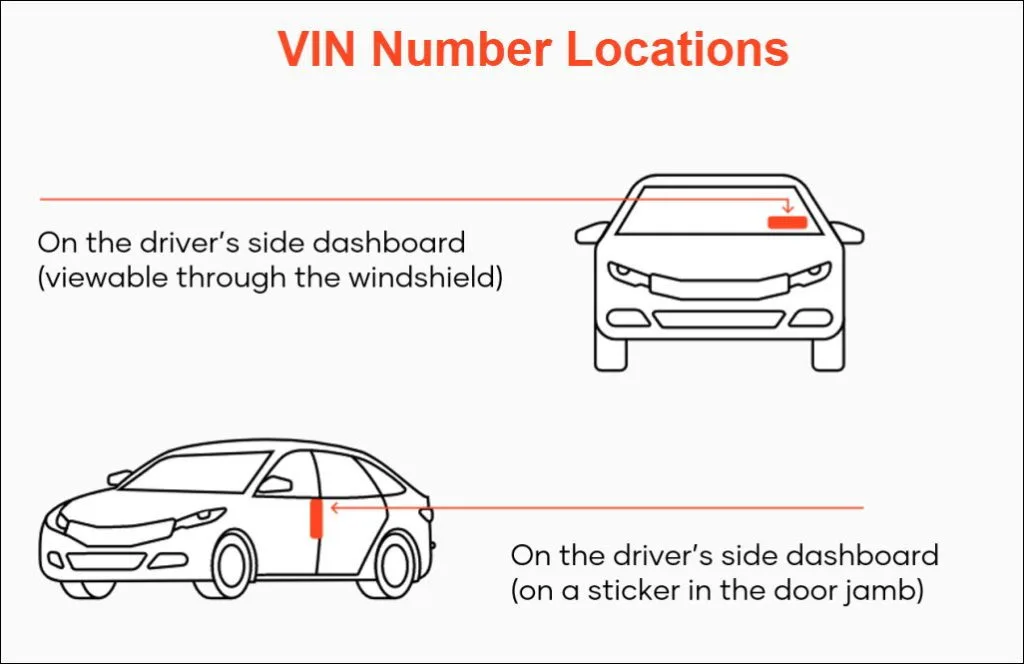
Find the VIN on the dashboard, door-jamb label, title document, or registration record. A scanner can read many locations, but the characters are also printed on the vehicle.
Confirm these items before selecting oil:
- Model year and model name
- Trim or engine designation
- VIN
- Engine displacement and engine code
- Naturally aspirated or turbocharged design
- Gasoline or diesel fuel
- Hybrid or range-extender configuration
- Build or manufacturing date
- Market of sale
- Factory emissions system
- Existing engine modifications
A VIN decoder is a starting point. It can be less precise for imported cars, altered records, engine swaps, or aftermarket engines.
If the powertrain has been modified, the factory brochure may no longer describe the installed engine. The engine builder’s documentation should then control the oil choice.
Which documents should you trust first?
The current owner’s manual for the exact model, engine, production period, and market should be your primary source.
Look in these places:
- Engine oil section
- Maintenance schedule
- Capacities and fluid specifications
- Scheduled maintenance tables
- Oil filler cap
- Under-hood oil-information label
- Door-frame label
- Manufacturer maintenance website
- Service bulletins
- Purchase and service records
A VIN-specific manual is helpful when the manufacturer provides one. A model-year manual is still useful when several engines share the same requirement.
Manufacturer documentation confirms that oil specifications can depend on more than displacement. Fuel type, turbocharging, direct injection, and aftertreatment can each change the requirement.
A turbocharged gasoline engine may require LSPI protection. A diesel with a particulate filter may require a specific ACEA C sequence or OEM approval.
The same model name can carry different specifications in North America, Europe, the UK, and other markets. Use documentation for the market where the vehicle was built or sold.
What if the manual and oil cap disagree?
Use the latest manufacturer source for the exact vehicle and have a dealer confirm any unresolved conflict.
Some vehicles receive an oil label before later documentation changes. Production updates can revise the viscosity, approval, filter, or service interval.
The under-hood label may show only the viscosity and capacity. It may leave out the performance category or OEM approval.
A newer manual or technical service bulletin may provide the controlling specification. Record why you chose that source.
If the manual gives one exact viscosity, use that grade only if it also meets every other requirement. If it lists several choices, use its temperature and driving guidance.
What should a used-car buyer check?
A used car needs the same specification check, plus a careful review of its service history and current oil condition.
Ask for invoices, receipts, dealer records, and independent service records. Look for the exact oil product, filter, mileage, and date.
Missing records don’t prove that the wrong oil was used. They do mean you have less evidence of prior maintenance.
Inspect the oil cap, dipstick, engine underside, filter housing, and area around the oil filler. Fresh leakage or a mismatched cap can reveal a problem.
If the engine consumes oil rapidly, ask for used-oil analysis. Coolant, fuel, or metal contamination can change the next oil decision.
For an imported vehicle, confirm that the manual matches its original market. A dealer may access factory or customs records that aren’t available online.
What should an oil-change record contain?
A useful record captures every specification used during the service.
| Record item | Example entry | Why it matters |
|---|---|---|
| Date and odometer | 18 March 2026, 74,318 miles | Establishes time and distance |
| Engine | 2.0L turbo gasoline | Confirms the powertrain |
| SAE viscosity | Manufacturer-specified grade | Records flow behavior |
| Performance category | API SQ or ACEA C3 | Records tested performance |
| OEM approval | Exact full code | Confirms manufacturer compatibility |
| Base-oil type | Full synthetic, if approved | Records the actual construction |
| Oil filter | Exact part number | Records the filtration component |
| Oil quantity | Measured refill amount | Helps track consumption |
| Service interval | Time, distance, or both | Prevents an excessive interval |
| Notes | Leaks, warnings, or analysis | Preserves diagnostic history |
Keep the receipt and container when possible. The label provides evidence for warranty questions and future top-ups.
Choose the Right Viscosity for Your Climate and Engine
The right viscosity is one that the manufacturer approves for your engine and expected operating conditions.
Climate can help you choose among approved grades. It can’t authorize a grade that the manual doesn’t allow.
Which viscosity should you choose first?
Choose the exact viscosity listed in the current owner’s manual, then confirm the required performance category and OEM approval.
If the manual lists one grade, that grade controls. Marketing claims and advice from another vehicle don’t change it.
If the manual lists several grades, compare them in this order:
- Confirm that every option has the required performance category.
- Confirm that every option has the required OEM approval.
- Check the manual’s ambient-temperature guidance.
- Match the cold grade to your lowest expected startup temperature.
- Record the exact product used.
| Manual instruction | Correct decision |
|---|---|
| One exact grade | Use that grade |
| Several grades by temperature | Use the grade for local conditions |
| Several grades by duty | Use the grade for the stated duty |
| Exact grade plus OEM approval | Match both |
| Multiple approvals | Match the approval for the exact engine |
| No clear answer | Confirm by VIN with the manufacturer or dealer |
Never average two approved viscosities. A manual that allows 0W-20 and 5W-30 doesn’t automatically permit 5W-40 or any grade between them.
How does cold weather affect the oil?
Cold weather makes the oil’s low-temperature flow more important because the engine needs lubrication quickly after startup.
A 0W oil usually provides a stronger cold-flow classification than a corresponding 5W oil.
The second number still controls the hot grade. An oil such as 0W-20 has the same SAE hot classification as 5W-20, but the cold behavior differs.
| SAE grade | Cold classification | Hot classification | Main selection point |
|---|---|---|---|
| 0W-16 | 0W | 16 | Narrow engine approvals |
| 0W-20 | 0W | 20 | Cold starts and approved efficient engines |
| 0W-30 | 0W | 30 | Cold starts where approved |
| 5W-30 | 5W | 30 | Moderate climates and many approved applications |
| 5W-40 | 5W | 40 | Specific older, diesel, or hot-duty approvals |
| 10W-40 | 10W | 40 | Specific older or heavy-duty applications |
| 10W-60 | 10W | 60 | Narrow older or heavy-duty applications |
If your manual allows only 5W-30, use 5W-30 even if 0W-30 is available. If it allows both 0W-20 and 5W-30, sustained freezing conditions often favor the approved 0W option.
A diesel’s block, sump, heater, and battery can warm differently. Use the approved diesel viscosity rather than a rule borrowed from a gasoline engine.
Cold weather can also reduce battery output and increase viscosity. A low-pressure warning at startup can come from the battery, the oil, or both.
Does hot weather always require a thicker oil?
No. Extreme heat calls for the approved hot grade and good oil condition, not an automatic jump to a heavier viscosity.
A thicker oil can increase pumping demand and reduce flow around the sump. It can also run hotter and increase consumption when it doesn’t match the engine.
If the manual allows several hot grades, follow its high-temperature or severe-service guidance. Don’t add a grade based only on outdoor temperature.
Check the level more often during sustained extreme heat. Record the same measuring conditions each time so the trend remains useful.
A rising level can indicate coolant entry. A falling level can indicate a leak, fuel dilution, or engine oil consumption.
Keep the level below MAX. Extra oil can aerate, foam, leak, or produce misleading readings.
Does a high-mileage engine always need thicker oil?
No. A high-mileage formula can use the same approved viscosity as the regular version.
Manufacturers may add seal conditioners, antiwear ingredients, or other additives to high-mileage oils. A thicker version may reduce consumption in some engines, but it doesn’t repair worn components.
If an older engine uses oil quickly, check the following before changing viscosity:
- Confirm that the oil meets the manual’s full specification.
- Verify the level and inspect for external leaks.
- Check for coolant, fuel, or metal contamination.
- Review oil-pressure warnings and engine noises.
- Compare used-oil analysis over time.
Fuel dilution can lower viscosity and raise the oil level. Coolant contamination can create a foamy, milky residue and damage bearings rapidly.
A used-oil analysis can help identify the trend. A thicker oil may hide the dipstick result without fixing the source.
If the manual permits both a regular and a high-mileage grade, choose from those options only. Don’t assume the marketing label authorizes 10W-60 on an engine approved for 5W-30.
What should you do when the manual lists several viscosities?
Select one of the listed grades using the manual’s temperature, duty, and service guidance.
A reliable process is:
- Copy every approved viscosity into your notes.
- Check the category and approval attached to each option.
- Identify the lowest expected startup temperature.
- Compare your towing, idling, and load pattern.
- Apply the manual’s severe-service direction.
- Choose the closest approved grade.
- Record the exact oil and filter.
If the manual allows 0W-20 and 5W-30 in a warm climate, the 5W option may be approved for local use. That doesn’t mean it offers the same cold-start margin.
If the vehicle tows often, the manual may pair one viscosity with a shorter service interval. The interval and viscosity are related instructions, even though they’re recorded separately.
Does altitude change the required oil?
Usually not by itself. The manufacturer’s oil specification remains the primary requirement.
Altitude can increase engine load under sustained conditions and reduce cooling capacity. Those effects may support the manual’s severe-service schedule.
They don’t automatically authorize a thicker oil. Check the schedule, cooling system, and approved viscosity instead.
When is a thicker or thinner oil acceptable?
A thicker or thinner oil is acceptable only when the manufacturer approves it for that engine and condition.
Verify any alternative against the current documentation. It must match the viscosity, category, OEM approval, and service interval.
Don’t use 5W-40 because an engine makes more noise. Don’t use 0W-20 because a retailer calls it fuel-saving.
A too-heavy oil can increase consumption and startup demand. A too-thin oil can reduce hot oil-film strength. Mechanical faults can create similar symptoms.
If the manual is unclear, ask a dealer to provide the oil specification in writing. Include the VIN, engine code, and production date in the request.
Match the Performance Category and Manufacturer Approval
The right viscosity doesn’t guarantee the right oil. The performance category and any OEM approval supply the engine-specific protection requirements.
Read the full category code. Don’t stop at a broad label such as “synthetic,” “low SAPS,” or “energy conserving.”
Which API category does your gasoline engine need?
Your gasoline engine needs the exact API or ILSAC category named in the owner’s manual.
As of 2026, API SQ is the newest API passenger-car gasoline category. It includes API SP requirements and adds LSPI-related protection.
| Specification | General application | Selection point |
|---|---|---|
| API SQ | Current gasoline-engine category | Confirm that the manufacturer permits it |
| API SP | Engines requiring SP performance | Common requirement on many vehicles |
| API SM or SN | Legacy applications | Check the exact manufacturer specification |
| ILSAC GF-6A | North American gasoline engines | Match the viscosity and OEM approval |
| ILSAC GF-6B | Specific low-friction applications | Confirm the exact viscosity and approval |
| API CK-4 | Many heavy-duty diesel engines | Don’t substitute for a passenger-diesel requirement |
| API FA-4 | Certain low-viscosity heavy-duty diesels | Check the required viscosity and HTHS value |
An API SQ oil may still be wrong if the manual requires a different viscosity or OEM approval. A new category doesn’t replace every other requirement.
Older categories can remain correct. A vehicle with an API SP specification doesn’t need a newer label if the existing oil meets all its requirements.
If the manual says “API SP or later,” confirm that the product’s claimed category is compatible. The manufacturer may also require a separate approval.
What do ACEA C categories mean?
ACEA C sequences are performance categories for engines designed around specific SAPS, friction, HTHS, and emissions-system requirements.
| ACEA sequence | Main point |
|---|---|
| ACEA C1 | Low-SAPS application with a defined viscosity and HTHS requirement |
| ACEA C2 | Mid-SAPS, fuel-efficient application |
| ACEA C3 | Medium-SAPS application for suitable engines |
| ACEA C4 | Low-SAPS application for suitable engines |
| ACEA C5 | Mid or low-SAPS application for suitable engines |
The C numbers aren’t a simple ranking from low to high. C2, C3, C4, and C5 serve different engine and emissions-system requirements.
An ACEA C3 oil doesn’t automatically replace a C5 oil. Both may be low or mid-SAPS in practice, but their performance sequences differ.
SAPS stands for sulfated ash, phosphorus, and sulfur. These chemicals contribute to lubrication, but their levels can influence certain aftertreatment systems.
Excess phosphorus can reach and damage a catalytic converter. Certain ash levels can contribute to deposits in some particulate filters.
Lower SAPS doesn’t automatically mean weaker protection. The oil must still pass wear, oxidation, deposit, viscosity, and corrosion tests in its assigned sequence.
Use this decision path:
- If the manual requires ACEA C3, choose a C3 oil with the specified viscosity.
- If it requires C5, don’t choose C2 or C4 just because the SAPS description sounds similar.
- If the manual names an OEM approval alongside ACEA, match both.
- If it lists several C sequences, identify which engine and emissions system each covers.
- If the container is ambiguous, replace it with a clearly labeled product.
An ACEA A3/B4 oil may be correct for one engine and wrong for another. The emissions-system design can matter more than the engine’s basic fuel type.
What do ILSAC GF-6 categories mean?
ILSAC GF-6 categories cover North American gasoline-engine performance and resource-conserving requirements.
GF-6A is the main GF-6 category. GF-6B is a separate specification for specific low-friction applications.
The exact viscosity and manufacturer approval still control. A fuel-efficiency label doesn’t prove that an oil is suitable for every GM, Ford, or Honda engine.
Some modern engines specify 0W-20 for fuel economy. A thicker approved grade may still be needed for a different engine or operating condition.
Which OEM approval should you use?
Use the exact OEM approval printed in the vehicle documentation, including its full code and suffix.
| Example approval | What to verify |
|---|---|
| VW 504.00/507.00 | Full code, viscosity, engine, and market |
| MB 229.51 | Full code, viscosity, and service interval |
| Ford WSS-M2C913-D | Complete suffix and any separate factory-fill requirement |
| GM dexos2 Gen 2 | Full generation, viscosity, and service conditions |
These examples don’t identify the correct oil for your vehicle. They show why an approval can’t be shortened to a brand or family name.
An OEM approval may govern oxidation, deposits, friction, wear, LSPI, HTHS, seals, emissions compatibility, or an extended interval.
Some approvals permit several viscosities. Others prescribe one exact grade. Read the full manual wording.
If the vehicle came with a factory-fill specification, that doesn’t mean the factory fill is required forever. The maintenance section controls later services unless the manufacturer says otherwise.
What does “meets or exceeds” mean?
“Meets or exceeds” means the seller claims the oil satisfies the named standard. It doesn’t mean the oil meets every specification your vehicle may require.
A retailer might say the product meets API SP. Your engine may still require VW 504.00/507.00 and a specific 0W-20 viscosity.
The performance category and OEM approval are separate requirements unless the manual explicitly combines them.
How can you verify a product?
Match the label against the manual, then inspect the container and purchase source.
Check these points:
- Exact SAE viscosity
- Full performance category
- Complete OEM approval
- Approved base-oil type
- Container size
- Batch or serial information
- Cap and seal condition
- Label printing and barcode
- Seller reputation
- Expiration information, if present
A copied certification mark doesn’t prove that a container is genuine. Reject oil with mismatched claims, damaged seams, unclear printing, or an altered cap.
Never add cleaners, friction modifiers, thickeners, or other additives unless the manufacturer approves them. An additive can change the oil’s behavior after it meets the original specification.
Decide Between Full Synthetic, Synthetic Blend, and Conventional Oil
Choose a base-oil type only after the required viscosity, performance category, and OEM approval are settled.
Conventional, synthetic blend, and full synthetic oils can all meet some engine specifications. Their construction affects behavior, but labels don’t replace compatibility testing.
What is the difference between the three base-oil types?
The three base-oil types differ mainly in how their base stocks are produced and combined.
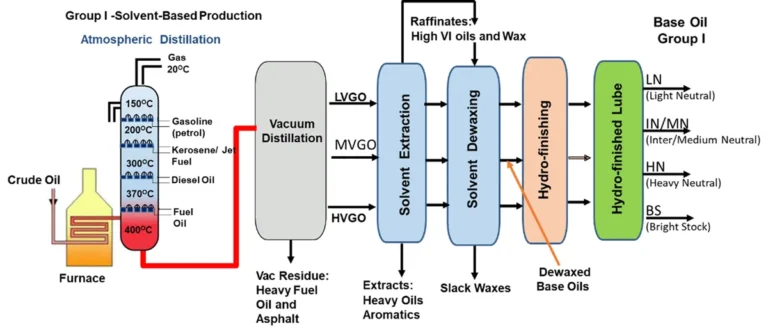
| Oil type | Base-oil construction | Common advantage | Main limitation |
|---|---|---|---|
| Conventional | Usually mineral Group I base oil | Lower cost where approved | May have less low-temperature or oxidation margin in some formulas |
| Synthetic blend | Mineral and synthetic base oils | Middle-ground cost and performance | May not be approved for an extended interval |
| Full synthetic | Engineered synthetic base stocks | Broad temperature and oxidation control | Usually costs more |
The finished oil includes an additive package. Base-oil type doesn’t describe every aspect of the finished lubricant.
Group I generally refers to mineral base oil. Groups II and III are widely used hydrocarbon base oils. Group IV commonly uses polyalphaolefin chemistry, while Group V includes ester chemistry.
A full synthetic product may blend several approved base-stock groups. The label alone doesn’t reveal every group or its exact proportion.
Is full synthetic necessary?
Full synthetic is necessary when the manual requires it. It’s sensible when the manufacturer approves it for a demanding or extended service application.
It can be a good practical choice for many newer engines. Those engines often use turbochargers, direct injection, tight emissions systems, and long service intervals.
Full synthetic can also provide useful cold-temperature control within the correct SAE grade. It still can’t replace a viscosity the engine doesn’t approve.
Use full synthetic when:
- The manual requires it.
- The manufacturer links it to an extended interval.
- The engine came with a synthetic factory fill.
- A turbocharged or high-load application specifies it.
- An approved synthetic blend isn’t available where reliable supply matters.
Don’t require full synthetic solely because the engine is new. An approved synthetic blend or conventional oil may be valid.
Don’t reject a conventional oil solely because the engine is turbocharged. Follow the actual performance category, approval, and interval.
Can a conventional oil meet a modern specification?
A conventional oil can meet a modern specification if the manufacturer approves its viscosity, performance category, OEM status, and service interval.
“Conventional” doesn’t mean weak or obsolete. It describes the mineral portion before additives are blended in.
Some owner’s manuals allow conventional oil for normal service but require synthetic for an approved long-life interval.
| Situation | Conventional oil choice |
|---|---|
| Manual explicitly permits it | Acceptable when every other label matches |
| Manual allows conventional at normal service | Valid within the stated interval |
| Manual requires full synthetic | Don’t substitute conventional oil |
| Approved extended interval | Use only the named oil and schedule |
| Engine consumes large amounts of oil | Don’t treat conventional oil as a cure |
| Oil is contaminated or oxidized | Change the oil and diagnose the cause |
Base-oil type doesn’t guarantee low consumption. Viscosity fit, additive balance, engine condition, and leaks can have a larger effect.
If you need a top-up, use an oil that closely matches your service record. Schedule a proper change soon if the product differs from the previous oil.
What about break-in and factory-fill oil?
Use the factory-fill or break-in oil only when the manufacturer requires it.
Many modern gasoline engines don’t need a special break-in oil. Their pistons, rings, bearings, and surfaces are machined to work with the normal factory-fill specification.
If the manual names a break-in oil, schedule, or additive restriction, follow it. Don’t assume an approval from another model applies.
After break-in, return to the normal maintenance specification. Record the change so the service history stays clear.
Does a high-mileage formula require thicker oil?
No. A high-mileage formula can use the same approved viscosity as the regular oil.
Manufacturers often add seal conditioners and antiwear ingredients to those products. A separate high-mileage version may offer another approved viscosity, but that choice must appear in the documentation.
Marketing terms such as “high mileage,” “long life,” and “energy conserving” are useful only when their specifications are clear.
Handle Special Vehicles and Driving Conditions
Special engines and duty cycles add stress, but they don’t replace the vehicle’s oil specification. Some change the required category, while others change only the service interval.
What does a turbocharged or direct-injection engine need?
A turbocharged or direct-injection engine needs the exact viscosity and performance category approved for its design.
Common requirements include strong oxidation resistance, deposit control, wear protection, and LSPI protection. The exact specification depends on the engine.
Turbochargers can increase bearing load and oil temperature. Direct injection can create fuel dilution and deposits under some operating patterns.
Persistent knock under load deserves investigation. Don’t assume every sound during a cold start is a defect, since brief valve-tick sounds can be normal.
Warning signs that need diagnosis include:
- Persistent oil-pressure warnings
- Falling oil level
- Rising oil level
- Coolant in the oil
- Fuel dilution
- Metallic debris
- Repeated exhaust smoke
- New turbocharger or timing-chain noise
A turbocharger can leak oil into the intake or exhaust. An oil filter housing can also leak after a service. Inspect the system before changing viscosity.
Direct-injection engines depend heavily on the positive crankcase ventilation system. A failed PCV valve can increase oil mist and intake deposits.
Oil can reduce deposits, but it can’t replace a failed PCV valve or remove every carbon deposit. Mechanical cleaning may be needed.
What does a diesel engine need?
A diesel engine needs a diesel-rated category, the prescribed viscosity, and any separate manufacturer approval.
A gasoline-engine oil can share an SAE grade while lacking diesel deposit, soot, oxidation, or friction performance.
Depending on the vehicle, a diesel may require ACEA A3/B4, an ACEA C sequence, an OEM approval, or another manufacturer specification.
Heavy-duty diesels may use API CK-4 or FA-4. Those categories have their own viscosity and HTHS rules, and they aren’t blanket passenger-diesel recommendations.
Diesel aftertreatment can include a diesel oxidation catalyst, diesel particulate filter, selective catalytic reduction system, and EGR equipment.
Those systems can affect the required SAPS level and oil approval. They also depend on correct combustion and regeneration, not oil alone.
Common diesel concerns include:
- Soot from incomplete combustion
- Fuel dilution
- Oil dilution
- EGR deposits
- Turbocharger wear
- Cylinder-wall deposits
- Elevated wear metals
- Aftertreatment contamination
If the oil is heavily sooted, inspect fuel delivery, injectors, turbocharging, EGR operation, and service interval. A heavier oil won’t correct a mechanical fuel-delivery fault.
If a particulate-filter warning appears, follow the manual. Extended idling can trigger regeneration in some vehicles, but it can’t replace a proper repair.
Does a hybrid need engine oil?
A hybrid needs engine oil whenever it contains a combustion engine.
The traction motor and inverter don’t use motor oil. The gasoline or diesel engine still needs scheduled lubrication.
A plug-in hybrid has separate systems for its engine, electric motors, inverter, and power electronics. Don’t combine theirfluid requirements.
Use the engine oil specification for the gasoline or diesel engine. Follow the hybrid’s separate coolant and transmission-fluid procedures, even if the service menu groups them together.
If the vehicle has a range extender, it can drive the engine outside normal hybrid operation. That doesn’t remove the need for scheduled engine oil.
A battery or engine cover may sit near the oil filler. The wrong cover can expose the service port to dirt or impact.
Check the owner’s manual for the correct cap and service access point. Don’t assume the layout matches a conventional car.
An electric-only vehicle with no combustion engine doesn’t need engine oil for its traction motors. Confirm whether the vehicle has a range extender before buying lubricant.
What should older and high-mileage vehicles use?
An older or high-mileage vehicle should use the oil specified for its engine, condition, and service history.
A high-mileage label may include seal conditioners and antiwear additives. It can use the same approved viscosity as the regular formula.
A separate high-mileage version may offer another approved viscosity. That choice must appear in the documentation or testing.
| Vehicle condition | Check first | What usually changes |
|---|---|---|
| High mileage with stable oil level | Complete oil specification | Maybe an approved high-mileage formula |
| High mileage with rising level | Coolant and combustion checks | Nothing until contamination is identified |
| Older engine with leaks | Source of the leak | Oil choice alone usually doesn’t fix it |
| Older turbo engine | Oil analysis and mechanical condition | Category or interval only if documented |
| Unknown oil history | Current level, filter, and analysis | A documented oil-and-filter service |
Mileage alone doesn’t justify thicker oil. Worn rings, valve stem seals, guides, or a damaged turbocharger can cause genuine engine consumption.
A rising level can mean coolant is entering the oil. A falling level can mean an external leak, fuel dilution, or oil burning.
Use this if-then approach:
- If the manual allows a high-mileage formula at the specified viscosity, it’s a valid option.
- If consumption is new or increasing, inspect for leaks and contamination.
- If the engine uses coolant or fuel, diagnose that problem before changing viscosity.
- If wear metals rise across several analyses, obtain a mechanical inspection.
- If previous service records are missing, establish a clean baseline with the correct oil and filter.
A thicker oil may reduce a small oil-consumption reading in some engines. It doesn’t repair a leaking seal, worn rings, or damaged bearing.
What changes for towing and heavy-load use?
Towing and heavy loads increase sustained heat, engine load, and demand on the oil, filter, and cooling system.
Use the towing or severe-duty interval from the owner’s manual. Don’t use the normal interval unless the manufacturer permits it.
A severe-duty interval can bring the service forward. It doesn’t automatically authorize a different viscosity or performance category.
If the manual lists multiple grades, use the grade assigned to that duty. Some specifications permit a heavier hot grade at sustained high ambient temperatures.
Check the oil level after the first long tow and at normal service intervals. A small level change can be normal, but a sudden loss needs investigation.
Inspect the oil filter housing, drain plug, valve covers, and oil pan after a service. A fresh leak can appear after a tow or a hard climb.
Tow only with the correct hitch rating, trailer brakes, and load limits. Engine oil can’t compensate for excessive trailer weight or overheating.
What changes for repeated short trips?
Repeated short trips can leave moisture and partial-combustion products in the oil because the engine may not reach a fully hot condition.
This doesn’t mean every short commute requires an oil change early. It means time matters alongside distance.
Use the severe-service schedule if the manufacturer defines your driving as severe. Examples can include frequent idling, stop-and-go traffic, and short trips.
| Operating pattern | Likely effect | Maintenance response |
|---|---|---|
| Long highway drives | More complete fuel burn-off and warmer oil temperature | Use the normal schedule if all other conditions fit |
| Repeated short trips | Moisture and fuel may remain in the oil | Apply the manual’s severe-service guidance |
| Frequent idling | Lower load and cooling at high engine speed | Shorten the interval if authorized |
| Cold-climate commuting | More frequent cold starts | Match the approved cold grade and monitor time |
| Sustained high load | Higher operating temperature | Use the towing or severe-service interval |
The oil-life monitor can account for time, temperature, idling, and other operating conditions. It still estimates service needs rather than testing the oil.
Don’t keep resetting the monitor because every short trip resets the countdown. The monitor’s calculation is usually more useful than the displayed interval.
How should high-mileage drivers monitor their oil?
High-mileage drivers should establish a repeatable baseline with level checks, consumption records, and occasional used-oil analysis.
Record the odometer, oil level, temperature, and quantity added at each check. Compare readings under similar conditions.
A trend matters more than one dipstick result. Oil expands when hot, and small differences can create misleading conclusions.
Ask for a laboratory report that includes:
- Kinematic viscosity at 100°C
- HTHS viscosity
- Fuel dilution
- Coolant contamination
- Water content
- Wear metals in parts per million
- Soot percentage
- Total base number
- Elemental iron, copper, aluminum, and lead
The lab’s reference range and the engine builder’s guidance control interpretation. Don’t apply a universal parts-per-million cutoff to every engine.
Two reports spaced several thousand miles apart can show a developing trend. One sample can confirm contamination, but repeated results provide better context.
Match Oil Changes to the Manufacturer’s Schedule
The oil-change interval belongs with the exact oil and driving pattern. A higher-quality label doesn’t automatically justify a longer interval.
Manufacturer schedules can use time, distance, or both. Follow the limit that arrives first unless the documentation says otherwise.
What is the difference between normal and severe service?
Normal service reflects the manufacturer’s expected driving pattern. Severe service covers conditions that repeatedly increase heat, load, idling, or oil degradation.
| Factor | Normal service | Severe or demanding service |
|---|---|---|
| Trip length | Sustained drives | Repeated short trips |
| Temperature | Regular warm-up and cooling | Frequent prolonged idling |
| Traffic | Moderate congestion | Stop-and-go traffic |
| Load | Normal payload | Heavy towing or sustained load |
| Weather | Typical local conditions | Sustained extreme cold or heat |
| Road use | Mostly paved roads | Frequent off-road, dust, or severe service |
A severe-service schedule may shorten the interval. It may not change the oil viscosity, category, or approval.
Use the same approved oil if the manual keeps those requirements unchanged. Follow the shorter interval instead.
Some manufacturers allow additional distance after a severe event. Use the onboard calculation if it provides one.
A monitor’s extra miles don’t override a calendar limit. Time can matter when an engine doesn’t operate long enough to evaporate moisture.
Should time override mileage?
Yes, when the manufacturer’s schedule makes time part of the service limit.
A vehicle driven only 500 miles in a year may still need scheduled oil service if the manual sets a calendar limit. The same rule can apply to a vehicle that accumulates distance slowly.
An approved long-life interval may have both a time limit and a distance limit. Use the first limit reached.
The oil-life monitor can help estimate service timing. It can’t replace a required calendar inspection or a contaminated-oil diagnosis.
When should you use the severe-service schedule?
Use the severe-service schedule when your driving repeatedly matches the manufacturer’s definition.
Common qualifying patterns include:
- Mostly trips shorter than the manufacturer’s threshold
- Frequent engine idling
- Heavy stop-and-go traffic
- Sustained towing or overloaded driving
- Repeated high-speed or high-load operation
- Severe dust, mud, or off-road use
- Prolonged extreme temperatures
One long trip doesn’t create a severe-service pattern. Repetition and frequency matter.
Keep records if a dealer needs to apply a severe schedule. A daily 12-mile commute can create more short-trip stress than an occasional 300-mile drive.
How should you use the oil-life monitor?
Use the oil-life monitor as a service prompt, not as a laboratory measurement of oil quality.
It estimates remaining useful life from time, distance, temperature, and other operating data. It can’t detect every coolant leak, fuel-dilution issue, or oil-filter failure.
Complete the required service before resetting the monitor. Some vehicles also require a scan tool or a specific menu sequence.
A reset doesn’t repair the engine. It only clears or restarts the reminder and, on some vehicles, the interval calculation.
If the monitor resets unusually soon, consider short trips, repeated idling, a low battery, or a completed service that wasn’t fully recorded.
Don’t reset the monitor to clear a malfunction message. A blinking warning may indicate a system fault or an incomplete service event.
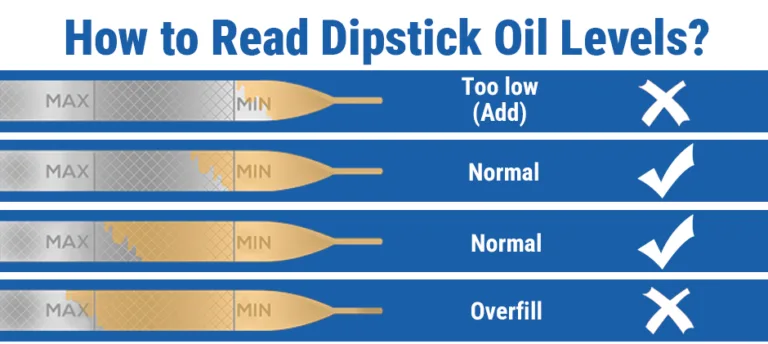
How do you check the oil level correctly?
Check the level on level ground and follow the engine-temperature instructions in the owner’s manual.
A hot dipstick can show a higher reading because the oil has expanded. Some manuals require a warm engine, while others specify a cold reading.
Use the stated dipstick or electronic-level method. Don’t compare one vehicle’s display or stick with another.
The MIN and MAX marks define the acceptable range. Add oil only when the reading approaches the lower limit.
| Reading | Likely interpretation | Action |
|---|---|---|
| Between MIN and MAX | Normal range for that measurement condition | Continue monitoring |
| Below MIN | Low oil level | Add the correct oil and find the cause |
| Above MAX | Overfilled | Correct the level safely |
| Rapid rise between services | Coolant or fuel contamination | Diagnose before another refill |
| Rapid fall between services | Leak or engine consumption | Inspect and measure the rate |
Never fill to MAX during a routine top-up. The space above MIN gives room for oil expansion and normal movement.
Some engines use an electronic sensor rather than a dipstick. Follow its warm-up sequence and reading instructions.
When is used-oil analysis useful?
Used-oil analysis is useful when an engine is older, consumes oil, produces warning signs, or has an unclear maintenance history.
It can identify fuel dilution, coolant entry, abnormal wear metals, soot, and viscosity change. It can also show whether an earlier oil change or additive treatment affected the results.
A laboratory trend provides more information than a single sample. Compare results using the same lab when possible.
| Measurement | Possible meaning |
|---|---|
| Kinematic viscosity | Oxidation, fuel dilution, shear, or contamination |
| HTHS viscosity | Hot-shear change or oil degradation |
| Fuel dilution | Cold operation, injectors, fuel pressure, or driving pattern |
| Coolant contamination | Failed seals, head gasket, or another leak |
| Water content | External leak or moisture-related conditions |
| Wear metals | Bearing, cam, piston, gear, or turbocharger wear |
| Soot | Combustion condition and particulate loading |
| Total base number | Remaining capacity to neutralize acids and soot |
Use the laboratory’s stated testing methods and reference ranges. Engine condition and service history still matter.
If coolant appears in the sample, don’t refill with a thicker oil and continue driving. Stop using the engine until the contamination source is addressed.
If fuel dilution is high after repeated short trips, improve the warm-up pattern and check the fuel system if the level remains abnormal.
Compare Common Motor Oil Choices
There’s no universal best motor oil. Start with the products your exact vehicle approves, then compare the label details.
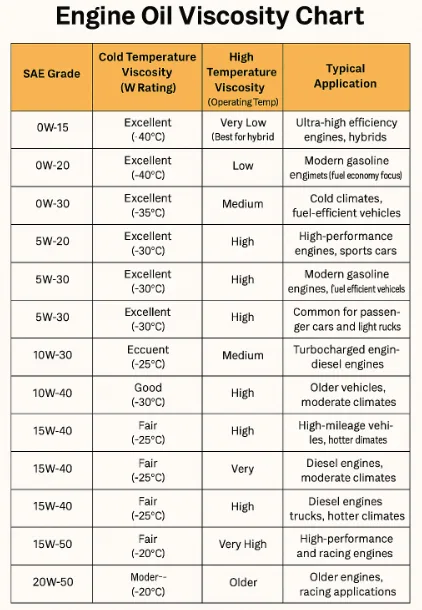
A viscosity graphic can show where each SAE grade falls on the cold and hot scales. It can’t show whether an oil meets your engine’s performance category or OEM approval.
Is 0W-20 better than 0W-30?
Neither is better by default. Choose 0W-20 or 0W-30 only when both are approved for your engine.
| Feature | 0W-20 | 0W-30 |
|---|---|---|
| Cold classification | 0W | 0W |
| Hot classification | 20 | 30 |
| Cold-start pumping | Strong cold-flow classification | Strong cold-flow classification |
| Hot film | Lower SAE hot grade | Higher SAE hot grade |
| Fuel economy | Can support efficient-engine requirements | Can be approved for efficient engines |
| Main risk | Use outside the approved hot-film specification | Excess viscosity if the engine requires 0W-20 |
A 0W-30 often provides a stronger high-temperature film classification than 0W-20. An engine that requires 0W-20 may not authorize the thicker hot grade.
Both have a 0W cold classification. Their formulation, volatility, HTHS, and additive packages can still differ.
- If the manual specifies 0W-20 only, use 0W-20.
- If it specifies 0W-30 only, use 0W-30.
- If it allows both under different conditions, use the manufacturer’s temperature guidance.
- If the category requires a specific HTHS value, verify that value as well.
A retailer claim such as “better cold start” doesn’t authorize 0W-20 on an engine that requires 0W-30.
Is 5W-30 better than 0W-30?
A 5W-30 and 0W-30 share the same 30 hot classification, but they differ in cold-weather behavior.
A 0W-30 usually offers a stronger cold-flow classification. That can help during sustained freezing starts.
| Feature | 0W-30 | 5W-30 |
|---|---|---|
| Cold classification | 0W | 5W |
| Hot classification | 30 | 30 |
| Cold-start margin | Stronger cold-flow classification | Lower cold-flow classification |
| Moderate climate | Correct if approved | Correct if approved |
| Cold climate | Often preferred within an approved list | Use only when authorized |
| Hot film | Same SAE hot grade | Same SAE hot grade |
The hot number doesn’t make the oils identical. Their base oils, additives, volatility, and HTHS values may differ.
If the manual allows both for local conditions, use the 0W option when the manufacturer recommends stronger cold flow.
If the manual requires 5W-30, don’t substitute 0W-30 because the category looks similar. The exact hot-film requirement still controls.
Is a thicker oil always better for an older engine?
No. A thicker oil can be correct only when the manufacturer approves its hot grade for the engine and conditions.
| Feature | 5W-30 | 5W-40 | 10W-60 |
|---|---|---|---|
| Cold classification | 5W | 5W | 10W |
| Hot classification | 30 | 40 | 60 |
| Pump-flow demand | Lower | Higher | Highest of these grades |
| Hot-film tendency | Moderate | Greater where approved | Greater where approved |
| Consumption risk | Depends on condition | Higher if too heavy | Higher if too heavy |
| Correct use | Many approved applications | Specific older, diesel, or hot-duty uses | Narrow older or heavy-duty uses |
Bearing load, clearances, oil pressure, and aeration also affect lubrication. Viscosity alone doesn’t determine the oil film.
A heavier grade can increase pumping losses and startup demand. It may also run hotter in the sump.
Don’t use 5W-40 or 10W-60 to quiet a possible bearing or turbo problem. Diagnose the mechanical cause first.
Is full synthetic better than synthetic blend?
Full synthetic can provide stronger low-temperature and oxidation control, but it isn’t automatically approved for every engine.
| Question | Full synthetic | Synthetic blend |
|---|---|---|
| Does it meet the required specification? | It still must | It still must |
| Can it be approved for an older engine? | Yes | Yes |
| Can it be approved for a long-life interval? | Often, when specified | Only when authorized |
| Is it always more fuel-efficient? | No | No |
| Is it always less likely to consume? | No | No |
Choose the one the manufacturer permits. If both complete specifications match, either can be correct.
Base-oil type affects volatility, oxidation, and temperature behavior. It doesn’t guarantee lower consumption or longer life in an unsuitable viscosity.
If an approved synthetic blend meets the same category, approval, and interval, the extra cost of full synthetic doesn’t add a missing requirement.
Does high-mileage oil work in a normal engine?
A high-mileage oil can be appropriate when the manufacturer approves its exact viscosity, category, and formula.
It may contain seal conditioners and antiwear additives. Those ingredients don’t automatically authorize a heavier grade.
A high-mileage label can be conventional, synthetic blend, or full synthetic. Read the base-oil type and specifications separately.
| Marketing label | What it may mean | What it doesn’t mean |
|---|---|---|
| High mileage | Added aging and seal support | A blanket permission for thicker oil |
| Long life | Tested compatibility with an approved interval | Use in every engine |
| Energy conserving | Passed a defined fuel-efficiency test | Guaranteed fuel-economy gain |
| Premium | Added marketing or performance claims | Manufacturer approval |
| Full synthetic | Synthetic base-oil construction | Automatic compatibility |
Marketing can help identify a formula. It can’t replace the vehicle specification.
Does an industry-standard oil work without an OEM approval?
An industry-standard oil can work only if the manufacturer doesn’t require a separate OEM approval.
| Requirement | Industry standard | OEM approval |
|---|---|---|
| Examples | API SQ, ACEA C3, ILSAC GF-6A | VW 504.00/507.00, MB 229.51 |
| Defined by | SAE, API, ACEA, or ILSAC | Vehicle manufacturer |
| May set viscosity ranges | Usually | Sometimes |
| May cover manufacturer additives | Not necessarily | Yes |
| May authorize an extended interval | Only when the maker allows it | Sometimes, under stated conditions |
| Can replace a required approval | No | Yes, when fully matched |
If the manual names VW 504.00/507.00, an oil labeled only API SQ doesn’t satisfy that instruction.
If the manual accepts API SQ and lists an approved viscosity, a clearly compliant industry-standard product may be sufficient.
Match the full approval code, including the suffix. Don’t rely on the product family name alone.
Complete the Oil Change Correctly
An oil change includes the correct oil, filter, refill quantity, drain-plug torque, level, warning-light check, and service record.
Read the VIN-specific procedure before lifting or loosening anything. Some engines require special steps for filling, bleeding the pump, or setting the level.
What tools and supplies do you need?
Prepare the correct parts and safe lifting equipment before starting.
| Item | Purpose |
|---|---|
| Approved engine oil | Meets the required viscosity, category, and OEM approval |
| Correct oil filter | Matches the engine and service requirements |
| Drain pan | Collects used oil |
| Funnel | Helps prevent spills during filling |
| Socket set | Removes the drain plug and filter |
| Torque wrench | Applies the specified drain-plug torque |
| Replacement sealing hardware | Replaces specified washers, seals, or drain-plug parts |
| Nitrile gloves and eye protection | Reduce exposure to used oil |
| Absorbent pads and bags | Contain small spills |
| Rated jack stands and wheel chocks | Support and stabilize the vehicle |
| Sealed used-oil container | Holds the old oil for collection |
| Owner’s manual | Controls procedure, capacity, torque, and disposal |
Use the exact filter part number from the documentation. A filter that physically fits may still be wrong.
A car jack alone doesn’t support the vehicle. Never work beneath a car resting only on a jack.
How do you drain the old oil safely?
Park on level ground, apply the parking brake, chock the wheels, and lift the vehicle at the specified points.
Use rated stands on solid ground. Follow the manufacturer’s lifting instructions.
Remove the filler cap before draining if the manual doesn’t require another sequence. Opening the filler neck can reduce suction in some engines.
Place the drain pan below the plug before loosening it. Keep the plug and sealing washer clean for inspection.
Drain the oil while warm only if the manufacturer permits it. Hot exhaust parts and moving fans can cause serious injury.
Let the oil drain for the period stated in the service procedure. A longer drain won’t reliably remove oil trapped inside a filter or passages.
If an oil sample is useful, collect it from the drain stream after the initial flow. Keep the sample away from the drain pan’s sediment.
What should you inspect while the oil drains?
Old oil can reveal clues that a normal level check can’t.
| Finding | Possible meaning | Action |
|---|---|---|
| Large metal fragments | Sudden bearing, gear, or other damage | Stop and investigate before refill |
| Fine gray particles | Possible wear contamination | Preserve a sample and inspect the filter |
| Thick sludge | Extended interval, wrong oil, or coolant contamination | Check history and coolant system |
| Heavy soot | Poor combustion, especially in diesel | Inspect fuel delivery and EGR operation |
| Fuel odor | Fuel dilution | Check cold operation and fuel system |
| Milky residue | Possible coolant contamination | Don’t refill until the source is addressed |
| Water | External leak or moisture-related condition | Inspect seals and sump area |
| No visible metal | A useful result, not a guarantee | Continue and file the observation |
Oil color alone can’t show oil condition. Additives, soot, oxidation, and fuel can change it.
Save unusual debris in a sealed container. It may help a technician identify the failed component.
How do you install the filter correctly?
Use the specified spin-on or cartridge filter for the engine.
On a spin-on filter, compare the new filter with the old one. Check the model, dimensions, gasket, and bypass configuration.
Rubber or composite seals can differ. A rubber seal may require light oil lubrication. A composite seal may be installed dry according to the manufacturer.
On a cartridge filter, remove the housing cover carefully. Inspect the O-rings and sealing surfaces for damage or trapped debris.
Replace the filter and any specified single-use O-rings. Seat the cartridge evenly without using excessive force.
Prime the new filter only if the manufacturer instructs you to do so. Don’t run the engine with the filter removed or unseated.
Clean the housing with a material that won’t leave fibers or residue. Follow the service manual for any approved cleaning method.
How do you reinstall the drain plug?
Inspect the plug threads and sealing face. Replace a specified single-use washer or seal.
Use sealant only if the manufacturer calls for it. Many drain plugs are installed dry.
A metal crush washer can be reusable on some engines. A rubber washer is commonly single-use. Follow the manual instead of guessing.
Tighten the plug with a torque wrench to the specified value. Don’t use an impact wrench for final tightening.
Under-torquing can cause a leak. Over-torquing can strip threads, distort the sealing face, or damage the sump.
After filling, inspect the plug if the procedure or service experience calls for it. Record the torque when the service provider documents it.
How much oil should you add?
The sump capacity may exceed the refill quantity because oil remains in the filter, cylinder walls, and passages.
Use the manufacturer’s refill quantity when one is provided. If only total capacity is listed, add gradually and check the dipstick.
Some replacement filters hold more oil than the original. A different drain method may also leave a different quantity in the engine.
Check the level before adding the final amount. Don’t fill to MAX simply because the container holds enough oil.
If you overfill, have the excess removed through a proper service procedure. Running the engine hard doesn’t reliably correct an overfilled sump.
What should happen after you fill the engine?
Before starting, confirm that the filter, drain plug, and filler cap are correctly installed.
The oil-pressure light may remain on briefly while the pump fills the engine. It should clear within the manufacturer’s normal startup period.
Watch the pressure gauge or warning lamp. Listen for a steady pressure reading and unusual pump or bearing noise.
If pressure doesn’t build, the light remains on, or the engine knocks, shut it down. Don’t add more oil without checking the level.
After starting, inspect beneath the vehicle for a drain-plug, filter, valve-cover, or oil-pan leak.
Run the engine only for the period stated in the procedure. Some engines require a warm circulation cycle before the final level check.
Shut the engine down and follow the manual’s temperature instructions before the final dipstick reading.
How do you finish the service correctly?
Recheck the level, clear the warning light, and record the completed work.
| Step | Correct action |
|---|---|
| Final level check | Follow the specified temperature and ground-level conditions |
| Add oil | Stop within the MIN and MAX range |
| Oil-pressure light | Confirm that it clears normally |
| Leak inspection | Check the plug, filter, and engine surfaces |
| Monitor reset | Reset only after service using the proper method |
| Record | Save date, mileage, product, quantity, and filter |
| Disposal | Transfer used oil to an authorized collection point |
Resetting the monitor at the wrong time can shorten the next interval. Complete the oil and filter change first.
Keep the old oil in a sealed container. Don’t leave it under the vehicle or pour it into a drain.
Record any warning, leak, unusual noise, or added oil. That information can help with warranty claims and future diagnosis.
Avoid These Common Motor Oil Mistakes
The most expensive oil mistakes often come from skipping one simple verification. Check the complete specification before the container is opened.
What are the most common oil-selection mistakes?
Choosing by viscosity, brand, color, or marketing is the most common source of an incorrect purchase.
| Mistake | Why it fails | Better method |
|---|---|---|
| Choosing a grade approved for another model | Engines and emissions systems differ | Use VIN-specific documentation |
| Matching viscosity but ignoring the category | Flow behavior is correct, but protection may not be | Match the full performance category |
| Ignoring an OEM approval | Manufacturer additives or friction may be wrong | Copy the complete approval code |
| Choosing full synthetic first | Base-oil type doesn’t establish compatibility | Match the specification first |
| Using a high-mileage claim for thicker oil | Marketing doesn’t override viscosity | Keep the approved hot grade |
| Using a long-life claim without its interval | The service authorization may not apply | Match the oil, filter, and schedule together |
| Selecting a physical filter match | Filtration characteristics may differ | Use the exact part number |
A correct SAE number is necessary, but it isn’t sufficient.
Does oil color tell you which oil is best?
No. Oil color doesn’t reliably show quality, degradation, wear, or compatibility.
Additives, pigments, soot, oxidation, fuel, and age can change the color. A new oil may look darker than expected, and used oil may look light.
Use the dipstick for level and visual contamination. Use analysis when you need viscosity, fuel, coolant, or wear-metal data.
A clean oil sample can still contain abnormal wear metals. A dark sample can still meet a scheduled interval.
Can you mix engine oils?
A small top-up may be acceptable if the manual permits it, but random mixing can make the final product harder to identify.
Use the same approved product whenever possible. If it’s unavailable, compare the alternative’s viscosity, category, OEM approval, and service interval.
Two oils with the same SAE grade can have different HTHS, additives, SAPS, and deposit performance.
Never mix engine oil with automatic-transmission fluid, power-steering fluid, brake fluid, or coolant. Their additives and base fluids aren’t designed for that use.
Record any emergency top-up. Replace the oil and filter at the next safe opportunity if the products differ.
Is overfilling a common problem?
Yes. Overfilling can cause aeration, foaming, leaks, and misleading pressure or level readings.
A full sump raises the amount of oil exposed to the crankcase. Aeration can reduce the oil’s ability to maintain pressure.
| Warning sign | Possible cause |
|---|---|
| Oil above MAX | Incorrect refill quantity |
| Foam at the filler | Air mixed with oil |
| New leak after service | Excess oil or displaced seal |
| Irregular pressure reading | Aeration or sensor contamination |
| Oil-pressure warning with a full level | Aeration or mechanical fault |
Have excess oil removed safely. Don’t try to correct it with high-speed driving or extra warming.
Can oil additives fix a problem?
No. An unapproved additive can change viscosity, friction, deposits, wear, and emissions compatibility.
Common additions include thickeners, friction modifiers, cleaners, and metal treatments.
A cleaner may loosen deposits and send them into the oil filter. A thickener can hide consumption or make oil-pressure readings misleading.
Use an additive only when the manufacturer approves it and gives a dosage or procedure.
An engine that needs an additive should have the underlying condition diagnosed. Oil can’t replace a failed PCV valve, leaking gasket, worn bearing, or defective fuel injector.
Does a cheaper oil cause poor performance?
Price alone doesn’t determine performance. A less expensive product can be correct if it meets the complete specification.
A premium bottle can also be wrong if its viscosity, category, or approval doesn’t match the engine.
Compare the specification, certification marks, container condition, seller, and storage history. Price comes after those checks.
If two products meet the same full specification, either can be correct. Choose based on reliable supply and proper storage.
Can a wrong filter cause engine damage?
Yes. A filter that only physically fits can have incorrect dimensions, filtration media, bypass settings, or sealing design.
Use the exact filter part number from the manual or manufacturer catalog. Verify any stated production-date range.
Inspect the new filter before installation. Don’t use a damaged gasket, cracked canister, or cartridge with a bent seam.
Fit the correct cartridge O-rings. A housing leak can lower the oil level and starve the engine.
Don’t run the engine with the filter housing open. Prime or fill the filter only as specified.
Can a counterfeit oil label cause harm?
Yes. Counterfeit or mislabeled oil may not contain the stated performance or approval.
Check the cap, seams, label print, barcode, and batch information. Reject mismatched claims and damaged containers.
A copied certification mark doesn’t prove the entire container is genuine. Buy from a reputable seller.
Keep the container and receipt if a product may be defective. The manufacturer may need the batch information to investigate.
Should you reset the oil-life light early?
No. Reset it only after the required service is complete.
An early reset can shorten the next interval or erase a useful service-history record.
Some vehicles require a scan tool or a specific menu procedure. Follow the owner’s manual.
If the monitor resets after every short trip, review your driving pattern and the recorded service history. It may be calculating severe duty.
Should you top up between changes?
Top up only when the measured level approaches MIN. Use an oil that matches the recorded specification.
Small top-ups are normal between scheduled changes when the manufacturer’s limit permits them. Record the product and quantity.
If the engine needs frequent top-ups, track consumption per 1,000 miles or kilometers. A new increase deserves investigation.
Don’t fill above MAX. Don’t use a thick oil to hide an unexplained consumption problem.
Safety, Warranty, and Environmental Requirements
Safe oil handling protects you during the service. Correct documentation protects your warranty position, and proper disposal protects waterways and communities.
How do you handle hot oil safely?
Engine oil, the drain plug, oil filter, and exhaust components can remain hot after shutdown.
Use heat-resistant gloves and let the exhaust cool before placing your hands near it. Don’t work near a hot cooling fan.
A drain pan can tip if it’s too full. Empty it into a sealed used-oil container before moving it.
Keep oil away from your eyes and prolonged skin contact. Wash exposed skin with soap and water.
Don’t use compressed air to blow oil from a component. Oil mist can spread contamination and create an inhalation risk.
What should you do if the oil-pressure light comes on?
Shut the engine down safely and switch off the ignition. Don’t keep driving with a persistent oil-pressure warning.
After the engine cools, check the level using the manufacturer’s method. Add the correct oil if the sump is low.
If the level is normal and the warning returns, arrange a diagnosis. The cause can involve a failed pump, severe leak, blocked filter, aeration, or bearing damage.
A red oil-pressure warning during driving is more urgent than an oil-life reminder. A low oil level is a common cause, but it isn’t the only one.
After a fresh service, the warning may stay on briefly while pressure builds. It should clear within the expected startup period.
How do you handle coolant or fuel in the oil?
Stop using the engine until the contamination source is diagnosed. Don’t refill it with a thicker oil or a different additive.
Coolant can wash away lubricating films and form abrasive deposits. Fuel can reduce viscosity and increase combustion risk.
A rising level, foamy residue, fuel odor, or pressure warning can indicate contamination. Soot and high wear metals can also point to a related fault.
Save a sample if possible. Include the mileage, driving pattern, oil product, and symptoms.
How should you dispose of used oil?
Put used oil into a sealed container and take it to an authorized collection or recycling point.
Never pour it into a storm drain, sink, toilet, storm drain, or onto soil. Don’t mix it with antifreeze, solvent, or household chemicals.
The US Environmental Protection Agency’s used-oil management guidance explains collection and recycling practices for used oil.
Local rules may be stricter. Service stations, public facilities, and household hazardous-waste programs can have different requirements.
Keep the collection container closed and away from children and animals. Don’t transfer oil into an unlabeled beverage bottle.
How can wrong oil affect a warranty claim?
Wrong oil can complicate a warranty claim if it contributed to the failure or if the vehicle wasn’t maintained as required.
It doesn’t automatically void every warranty. Contract terms, jurisdiction, evidence, and the failed component all matter.
Keep the owner’s manual, oil container, receipt, and service record. Record the exact viscosity, category, and OEM approval.
If a dealer cites oil-related damage, ask for the technical basis. Find out whether the fluid was outside the specification or whether another failure came first.
Promptly correcting an incorrect fill and documenting the service is better than hiding it. The replacement oil still doesn’t undo possible damage.
Which labeling and approval rules should you check?
Match the exact labels required by the vehicle documentation.
| Specification owner | What to verify |
|---|---|
| SAE | Viscosity grade and any special HTHS requirement |
| API | Exact gasoline or diesel performance category |
| ACEA | Exact sequence, viscosity, and SAPS requirement |
| ILSAC | GF-6A or GF-6B category for North American engines |
| Vehicle manufacturer | Full OEM approval, filter, capacity, and interval |
One organization’s mark doesn’t replace another’s mark when the manual requires both.
Copy the complete approval code, including suffixes and generations. Don’t rely on a shortened retailer description.
Keep the product container until the service is complete. The label provides evidence for warranty questions and defect reports.
When should you seek professional help?
Seek help when the specification is uncertain, the VIN doesn’t match the records, or the engine has been modified.
A dealer can access the build record and current service bulletin. Have the VIN, engine code, and production date ready.
A technician can also inspect oil-pressure problems, analyze used oil, check the filter and sump, and identify coolant or fuel contamination.
Don’t continue experimenting with viscosity while a pressure warning, rising level, or mechanical noise remains unexplained.
Frequently Asked Questions
Can I use any oil with the correct viscosity?
No. Viscosity is only one requirement. The oil must also meet the specified API, ACEA, or ILSAC category and any required OEM approval.
Match the approved base-oil type, service interval, and filter too. A bottle with the correct SAE grade can still use the wrong additives or lack compatibility with an emissions system.
Can I mix engine oils?
A small top-up may be acceptable if the manual permits compatible products, but random blending can change viscosity and additive balance. Use the same approved oil when possible. If the exact product is unavailable, match the viscosity, category, and OEM approval.
Record the quantity and schedule a proper change soon.
Does thicker oil reduce engine wear?
A thicker oil doesn’t automatically protect better. It can maintain the required film only when its hot grade matches the manufacturer’s specification. A viscosity that’s too high can slow flow, increase pumping demand, leak, or raise consumption.
Diagnose leaks, coolant contamination, and worn engine components before switching grades.
Is full synthetic required by modern cars?
No. Many modern engines require a recent performance category or OEM approval without requiring full synthetic. Read the exact manual and service schedule.
Full synthetic may be required for break-in, a specific long-life interval, or a defined engine program. An approved synthetic blend or conventional oil can be correct in other applications.
How often should I change my oil?
Use the time, distance, and driving conditions in the owner’s manual. Apply the severe-service schedule if your use matches the manufacturer’s definition. The oil-life monitor estimates timing but can’t detect every leak or contamination problem.
Keep a paper record and don’t reset the monitor before completing the required service.
Why is my oil level rising between changes?
A rising oil level often means coolant or fuel is entering the oil. Don’t add thicker oil to correct the dipstick reading. Check the dipstick at the specified temperature, inspect for coolant residue, smoke, and fuel odor, and arrange used-oil analysis.
Avoid driving until the contamination source is diagnosed.
Final Motor Oil Decision Guide
Use this guide before opening an oil container. It should take about five minutes once you have the vehicle documents available.
Let the exact vehicle specification make the decision. Brand loyalty, bottle color, and price come later.
What should you record before buying oil?
Record the complete oil specification before choosing a product.
| Item | What to copy from the documentation |
|---|---|
| Vehicle | VIN, year, model, trim, engine code, and market |
| Viscosity | Every approved SAE grade |
| Performance category | API, ACEA, ILSAC, or another named category |
| OEM approval | Complete code and suffix |
| Base-oil type | Conventional, synthetic blend, or full synthetic |
| Capacity | Total and refill quantity |
| Filter | Exact part number |
| Interval | Time, distance, and severe-service conditions |
| Break-in rule | Any factory-fill or special oil requirement |
If the manual doesn’t provide a complete answer, ask a dealer to confirm it using the VIN.
A model-year chart can be a starting point. A VIN-specific build record or current service bulletin is stronger when records conflict.
What should you inspect on the bottle?
Inspect the bottle before opening it.
| Check | Pass condition |
|---|---|
| Viscosity | Matches an approved grade |
| Performance category | Matches the exact manual requirement |
| OEM approval | Complete code appears if required |
| Base-oil type | Approved for the application |
| Container | Clean, sealed, and undamaged |
| Label | Clear, aligned, and readable |
| Seller | Reputable and traceable |
A premium or high-mileage claim doesn’t replace any of these checks.
Reject oil with a mismatched approval, altered cap, damaged seam, unclear printing, or inconsistent certification marks.
How do you choose if the manual allows several oils?
Choose among the listed products using the complete specification and the manufacturer’s conditions.
| Situation | Decision |
|---|---|
| One exact oil specified | Use that oil |
| Several viscosities allowed | Use the grade for local temperature and duty |
| Several categories allowed | Match the category to the engine and emissions system |
| Several base-oil types allowed | Choose one that meets the full specification |
| Long-life interval required | Match the exact oil, filter, and interval |
| High mileage | Keep the approved viscosity unless testing supports a change |
| Unknown history | Establish a clean baseline with the correct oil |
| Modified engine | Use the engine builder’s written specification |
Don’t create a middle grade between two approved options. The manual’s listed products are specific, not a range you can average.
What should you do after the oil change?
Complete the service and verify the result.
- Confirm the oil filter and drain plug are correctly installed.
- Torque the drain plug to the specified value.
- Add the approved refill quantity without exceeding MAX.
- Start the engine and confirm normal oil pressure.
- Inspect the filter housing, drain plug, and engine surfaces.
- Check the level at the specified temperature.
- Reset the oil-life monitor after the service.
- Record the date, mileage, oil, quantity, and filter.
- Dispose of the used oil through an authorized collection point.
If pressure doesn’t build, the warning remains, or the engine knocks, shut it down. Don’t keep driving while the cause is unknown.
What is the final decision rule?
The final decision rule is simple. Match every required label to the current manufacturer documentation.
If the viscosity, performance category, OEM approval, base-oil type, filter, and interval all agree, you have a defensible oil choice.
If any required field disagrees, stop and confirm the specification. Don’t compensate for missing information with a thicker or premium oil.