What Does the W Stand for in Motor Oil: Top guide
If you've ever stared at an oil bottle and wondered what does the w stand for in motor oil, you're not alone. That little W next to the number isn't a brand mark or a weight code. It's the single most important letter on the bottle for anyone driving through a cold winter.
Per SAE J300, the 2026 standard for motor-oil viscosity, the W rating comes from a measured cold-cranking test. In short, 0W means the oil flows at minus 35 C, and 5W means minus 30. The number on the other side of the hyphen handles your hot engine.
Let's walk through how the whole code works.
What Does the W Stand for in Motor Oil
Quick Answer
The W in motor oil stands for Winter. It marks the cold-temperature side of a multi-grade SAE viscosity rating. Per SAE J300, 0W means the oil cranks at minus 35 C.
The lower the W number, the better cold-start flow.
The W Stands for Winter: What That Actually Means
The W means Winter. Full stop. It identifies the cold-temperature half of a multi-grade SAE viscosity rating.
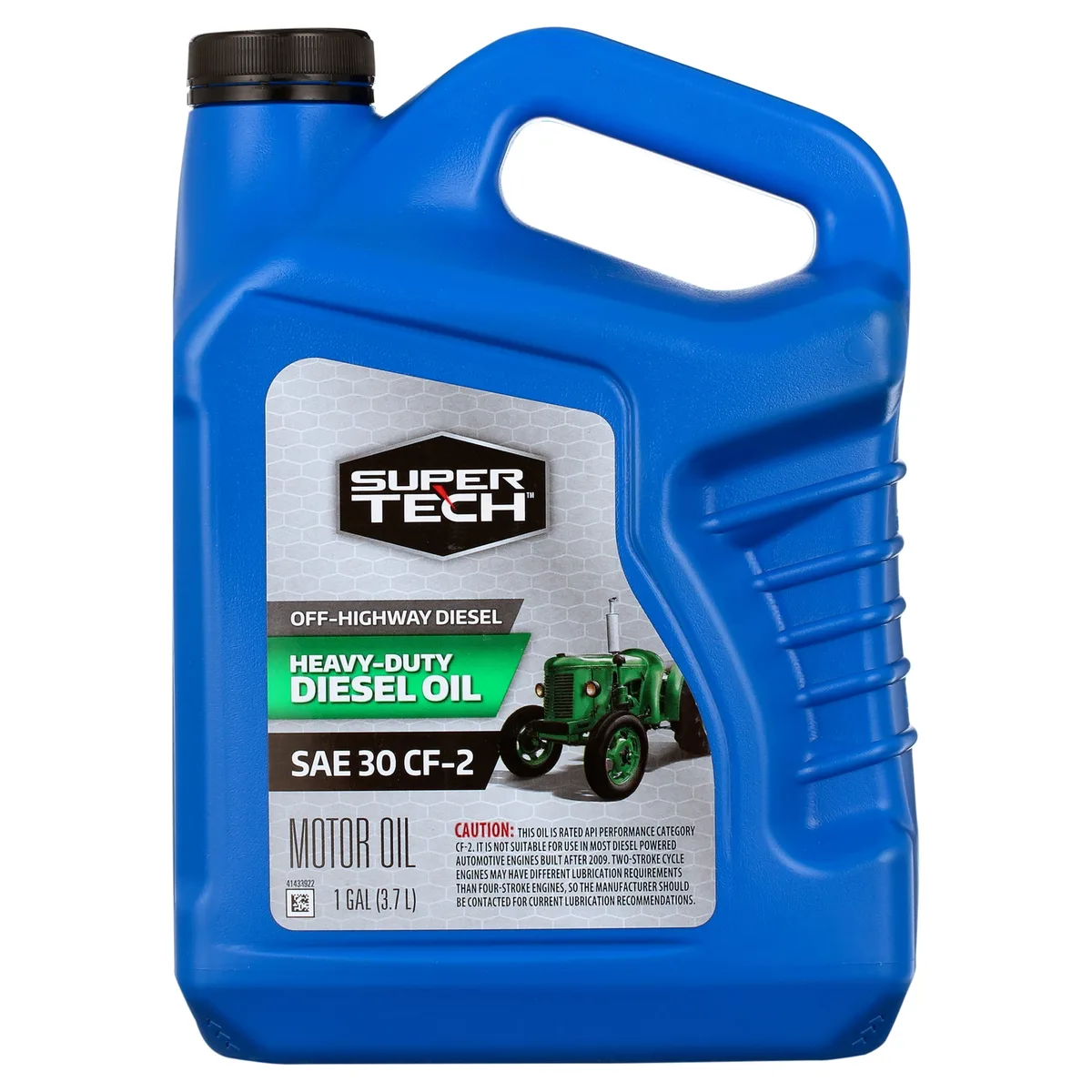
A single-grade oil like SAE 30 has no W at all because it's only rated for one temperature range. Multi-grade oils, the kind on 95% of car oil bottles today, carry both a W number and a high-temperature number, like 5W-30.
Here's how the two numbers work together:
- The W number (0, 5, 10, 15, 20, 25) sets the minimum cold-cranking viscosity at a specific threshold temperature.
- The second number (20, 30, 40, 50) sets the high-temperature, high-shear viscosity at 100 C.
So a 0W-40 oil stays thin enough to pump at minus 35 C. It's also thick enough to protect a 40-weight bearing surface at full operating temperature. Synthetic polymer viscosity modifiers, usually polyolefin (POP) or polyether (POE) blends, do the heavy lifting in between.
If your winter low is above minus 15, a 10W or 15W is fine. Below minus 25? Step down to 5W or 0W.
That's the if/then logic that keeps your engine from grinding on a cold morning.
How SAE J300 Turns a Winter Number Into a Real Viscosity Test
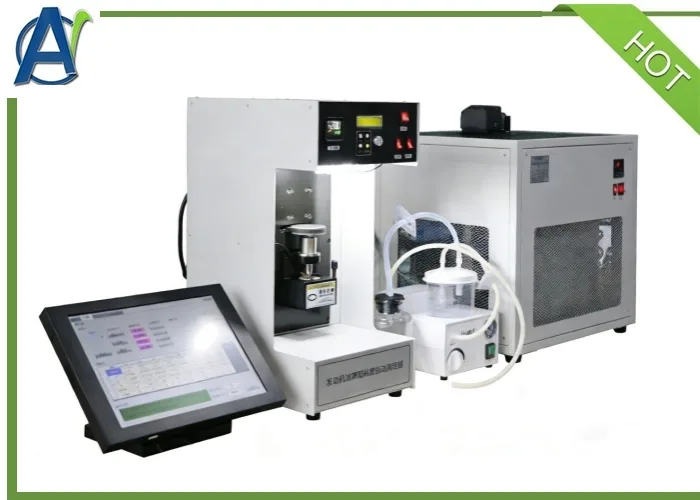
The W number isn't a guess. SAE J300, maintained by SAE International, defines exact viscosity thresholds using the Cleveland Cold-Cranking Simulator test, originally built under MIL-STD-7808E. A sample of oil is cooled to the threshold temperature, then pumped through a simulated cranking circuit.
The viscosity reading in centipoise must fall under a ceiling for that W class to earn the rating.
Here's the quick reference:
| W Class | Test Temp | Max Viscosity |
|---|---|---|
| 0W | -35 C | 6,200 cP |
| 5W | -30 C | 6,600 cP |
| 10W | -25 C | 7,000 cP |
| 15W | -20 C | 7,000 cP |
| 20W | -15 C | 9,650 cP |
| 25W | -10 C | 15,000 cP |
You can verify the full methodology at SAE International. The test is repeatable and standardized. It's the same procedure your OEM references when they spec a 0W-20 for a new turbo engine.
A lower W number means the oil passed the CCS test at a colder temperature. That's a measured, certified result, not a marketing claim.
Reading the Full Oil Code: SAE Diamond, API Donut, and OEM Spec
The W rating is just one line on the bottle. A complete oil label carries three markings that work together:
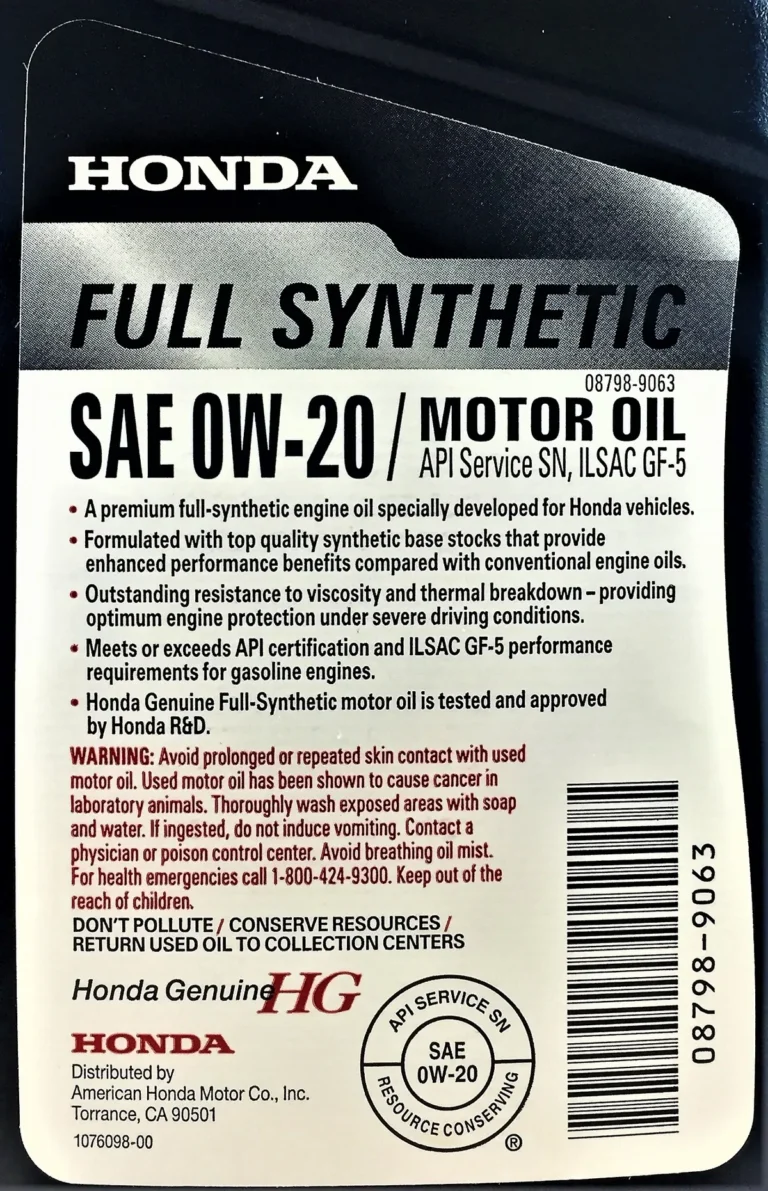
- The SAE viscosity grade (the diamond symbol): 0W-20, 5W-30, 10W-40, and so on.
- The API service category (the donut symbol): SP, SN, SM. As of 2026, SP is the current top tier for gasoline engines.
- The OEM spec number: a manufacturer-specific string like Toyota 0029-90155, BMW LL-17FE, or Ford WSS-M2C946-B.
The SAE number tells you how the oil behaves across temperature. The API donut confirms it passed specific wear, deposit, and oxidation test sequences. The OEM spec is a narrower, recipe-level requirement.
An oil can be 5W-30 and carry the SP donut but still fail BMW's LL-17FE molybdenum content limit.
API publishes the full test sequences and category definitions. Your owner's manual, not the oil shelf, is the final authority. If it says "5W-30 meeting LL-17FE," that's the spec you must match.
The W number gets you in the door. The OEM code locks you in.
Matching Your W Class to Your Climate and Engine
Two variables drive which W number to pour: your coldest expected overnight temperature and your engine's thermal load. Get both right and the oil does its job. Get either wrong and you're running a compromise.
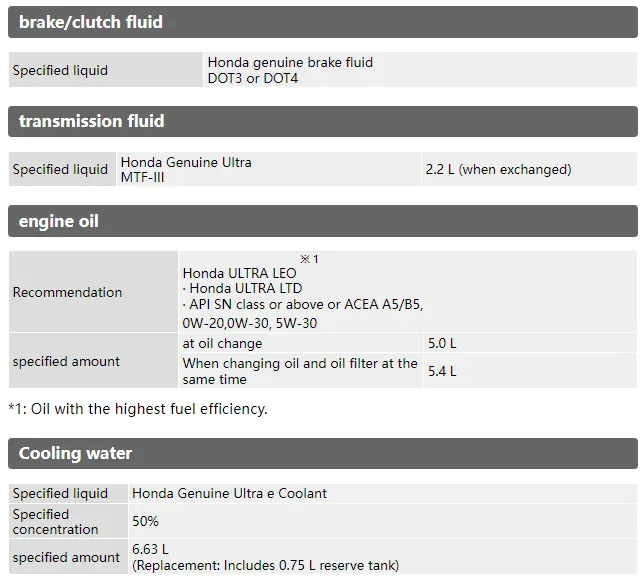
Here's the if/then logic for the W side:
- If your winter low stays above minus 10 C: a 10W or 15W is plenty.
- If it dips to minus 15 to minus 20: step down to 5W.
- If you're below minus 25: go 0W. No lower W class exists in SAE J300.
Then layer the engine on top:
- A modern turbocharged 2.0L with tight bearing clearances wants a lighter HTHS, usually a 20-weight.
- A high-mileage diesel or a carbureted classic with wider clearances wants 40 or 50.
- A motorcycle with a wet clutch adds a JASO MA or MB requirement on top of the SAE number.
Pull out your owner's manual. The oil spec page, usually in the last few pages, lists the exact SAE grade and OEM code. As of 2026, most new American and European cars spec 0W-20 or 5W-30.
Older platforms often call for 10W-40 or 5W-40. Match the manual, not the shelf.
Mistakes That'll Actually Hurt Your Engine
The most common W-class mistakes aren't exotic. They're small, repeated, and they add up over a few oil-change intervals.
Picking 10W-40 because it's "thicker and therefore better." If your engine spec is 0W-20, a 10W-40 won't circulate fast enough on a minus 20 morning. You'll grind the cam and valvetrain during those first 30 seconds of cold start.
Ignoring the W side entirely. A lot of drivers only look at the "40" and assume that's the "real" viscosity. The W number protects you in winter. The 40 protects you in summer. You need both halves of the rating.
Storing oil in an unheated garage below freezing. The oil thickens before you even crank the engine. A 5W stored at minus 5 can behave like a 10W when you pour it.
Using a single-grade SAE 30 in a modern tight-tolerance engine. Those bearing clearances are too small. The oil won't reach the top of the engine until 30 to 60 seconds after start. That window is where most cold-start wear happens.
Skipping the OEM code. "It's 5W-30, same as the bottle" isn't the same as "5W-30 meeting LL-17FE." The additive package is different. Your powertrain warranty is at risk if you miss the spec.
From Bottle to Dipstick: A Practical Oil-Change Workflow
You've picked the right W class. Now here's the practical sequence from bottle to dipstick:
- Confirm the oil meets your OEM spec before opening the cap. The label must show the SAE grade, API donut, and the OEM code your manual lists.
- Keep the oil stored above 0 C. A 5W sitting in a minus 5 garage has already lost some of its cold-flow advantage.
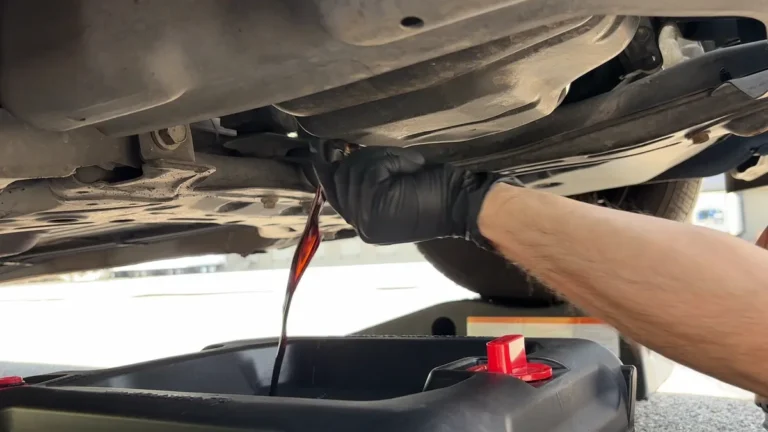
- Warm the engine for 30 seconds to 1 minute before draining. Cold oil is thick and slow to exit. You'll leave a full quart in the pan if you skip this.
- Drain, swap the filter, and torque the drain plug to the OEM spec. Most passenger cars call for 30 to 40 Nm.
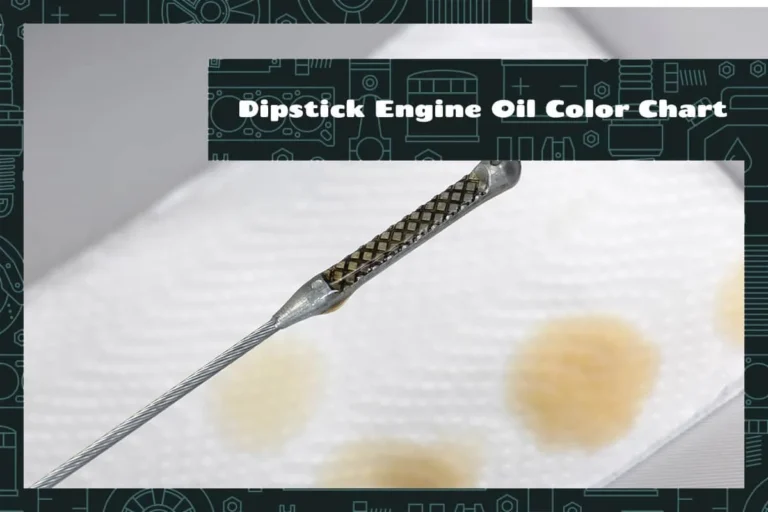
- Pour in the new oil through a funnel. Check the dipstick at the "full" mark, not past it.
- Start the engine, idle 30 seconds, shut it off, wait 60 seconds, then re-check the dipstick.
- Log the date, mileage, oil grade, and OEM spec code. If you relocate to a colder zone next winter, that log tells you which W class to step down to.
The whole job takes 20 to 30 minutes with a jack, a drain pan, and a new filter. The W-class decision is the step most people skip entirely. It's the step that actually protects your valvetrain at 6 a.m. in January.
Quick Answers to the Questions You're Probably Still Asking
Does a lower W number mean the oil is thinner?
Yes. A 0W is thinner at cold temperatures than a 10W. The lower the W number, the colder the oil still flows.
The second number (30, 40, 50) handles the hot side. You need both halves of the rating to match your engine.
Can I use a 10W-40 in a car that calls for 5W-30?
No. The OEM spec is a window, not a suggestion. A 10W-40 in a 5W-30 engine increases cold-start wear and can void your powertrain warranty.
Match the exact grade your manual lists, not just any "close" viscosity on the shelf.
Why do some bottles show only a single number like SAE 30?
Those are single-grade oils, still common in older engines, farm equipment, and vintage cars. They carry no W rating because they're designed for one temperature band. Modern tight-tolerance engines need the multi-grade W code for year-round service.
Does the W number change when I switch to synthetic oil?
The W number itself stays the same, but a full synthetic holds that viscosity more consistently across temperature swings. A 0W-20 synthetic tracks closer to its rated CCS at the threshold temperature than a conventional 0W-20 does.
Is there a W class below 0W?
No. SAE J300 tops out at 0W as the lowest cold-cranking class. If your climate drops below minus 35 C, you're looking at Group IV PAO or Group V ester base stocks that still carry a 0W label but perform well past the standard threshold.